White-Tailed Deer Across North Carolina
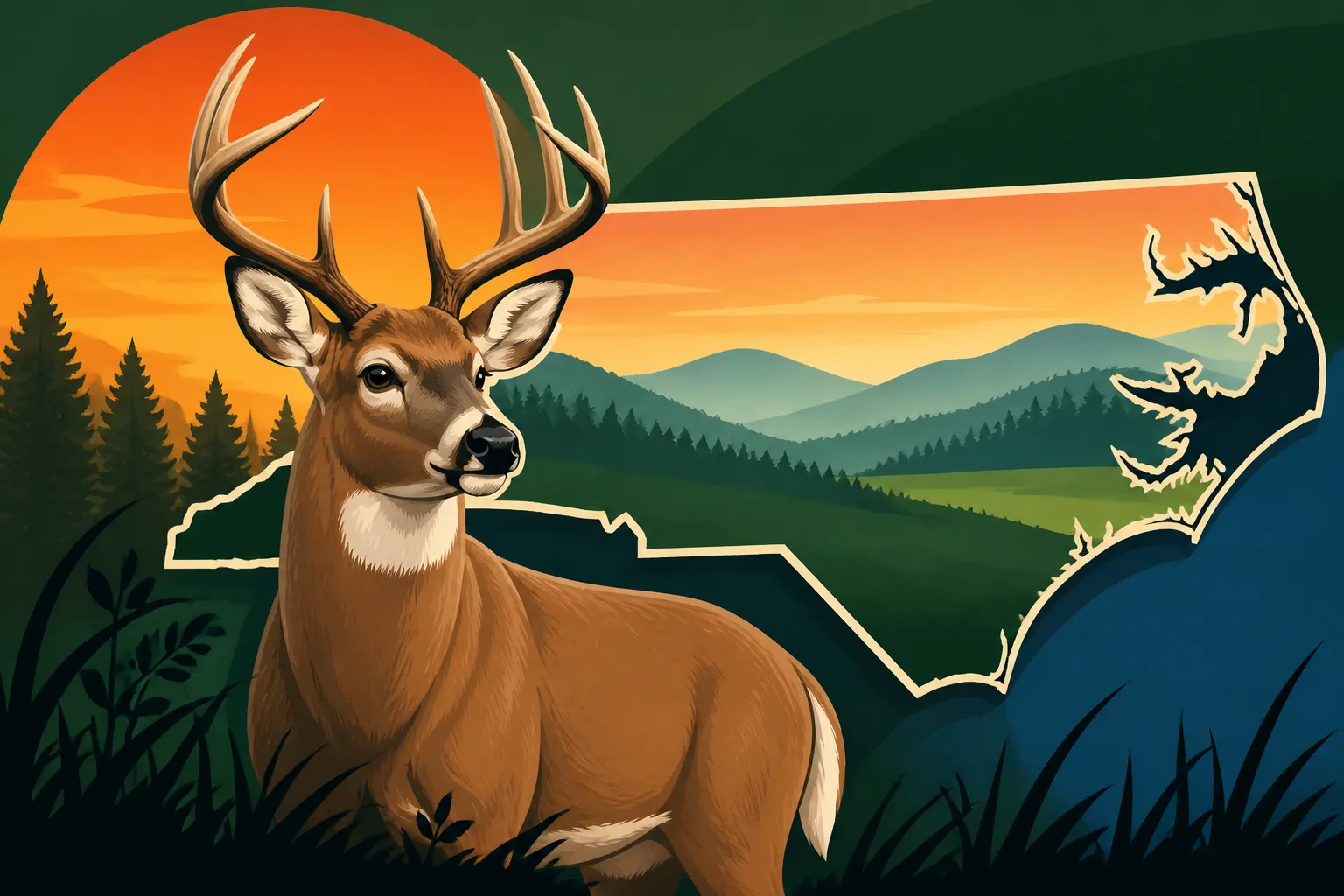
Hunting white-tailed deer in North Carolina is an experience unlike any other, spanning from the rugged peaks of the Blue Ridge to the sprawling swamps of the Coastal Plain. But let's be real, understanding the nuances of deer behavior, habitat, and regulations across such diverse terrain can feel like trying to solve a puzzle with a thousand pieces. This comprehensive guide is here to untangle that complexity, providing you with the deep insights and practical advice you need to confidently pursue whitetails, no matter which corner of the Tar Heel State you call home.
Navigating North Carolina's Deer Seasons and Zones
North Carolina's deer season structure can feel a bit like a choose-your-own-adventure book, especially when you first start digging into the regulations. It's not a simple statewide opener; instead, our state is meticulously divided into zones, each with its own set of rules and dates that directly impact when and how you can hunt. Understanding these divisions isn't just about legality; it's about optimizing your hunting efforts and being in the right place at the right time.
The Four Gun Deer Zones Explained
The cornerstone of North Carolina's deer hunting calendar revolves around its four distinct gun deer zones: Eastern, Central, Western, and Northwestern. These zones were established to account for the varying deer population densities, habitat types, and overall deer herd health across the state. For instance, the Eastern Zone, often characterized by vast farmlands and coastal swamps, typically sees the earliest gun opener and a longer season, reflecting a robust deer population that can sustain a lengthier harvest. Imagine the anticipation building in late September and early October for those Eastern Zone hunters, knowing their gun season is just around the corner while folks in the mountains are still weeks away.
As you move westward, the seasons tend to shorten and open later. The Central Zone, which covers a significant portion of the Piedmont, strikes a balance with a slightly later opener than the east but still offers ample opportunity. Then you hit the rugged Western Zone, where hunting often feels more like a grind, with a significantly delayed gun season opener, sometimes by a month or more compared to the east. This staggered approach is a direct reflection of historical deer populations and biological factors, recognizing that deer in the mountains often have lower densities and slower reproductive rates. For a deeper dive into these divisions and their specific dates, checking out a resource like North Carolina's Four Gun Deer Zones can be incredibly helpful for planning your season.
The Northwestern Zone, a smaller, more recently defined area within the western region, also plays a crucial role, often sharing similar season structures with the main Western Zone but sometimes having minor variations. It's really important to know which county you're hunting in and which zone it falls under, as this directly dictates your legal hunting days. This zonal system allows the North Carolina Wildlife Resources Commission (NCWRC) to manage the deer herd more effectively, tailoring harvest pressure to local population dynamics rather than applying a one-size-fits-all approach. It's a complex system, but one designed to promote a healthy, sustainable deer population for generations of hunters.
Archery and Muzzleloader Opportunities
Beyond the rifle seasons, North Carolina offers fantastic opportunities for bowhunters and muzzleloader enthusiasts, often with statewide seasons that precede or overlap with the general gun seasons. The archery season is a highly anticipated period, typically kicking off in early September across the entire state. This early start provides bowhunters with a unique chance to pursue deer before they've experienced significant hunting pressure and while bucks are still in their predictable summer patterns. There's nothing quite like slipping into a stand on a crisp September morning, watching the woods wake up, knowing you're one of the first hunters in the timber.
For those who prefer a more traditional challenge, the muzzleloader season usually follows the archery period and precedes the general gun season in most zones. This short, often week-long, window provides another opportunity to harvest a deer with a different weapon type. The muzzleloader season is a great transitional period, bridging the gap between the quiet intensity of archery and the widespread participation of gun season. It's a chance to extend your hunting season and embrace the heritage of black powder hunting. Detailed information on specific equipment requirements and season dates can be found in resources like Bowhunting North Carolina's Statewide Archery Season and Muzzleloader Deer Hunting in North Carolina.
These early seasons are particularly special because they allow hunters to engage with the deer herd before the woods become saturated with scent and sound from general gun hunting. It’s an intimate experience, demanding stealth and patience. Whether you're carefully drawing back a bow or meticulously loading a muzzleloader, these seasons offer a unique connection to the hunt and a chance to truly test your skills against the keen senses of a whitetail.
Understanding Deer Bag Limits and Reporting
Hunting in North Carolina isn't just about knowing when and where you can hunt; it's also crucial to understand the rules around how many deer you can harvest and the mandatory reporting process. These regulations are in place to ensure a sustainable deer population and provide wildlife biologists with vital data for management decisions. The statewide bag limit generally allows for two antlered deer and four antlerless deer per hunter per season, but these numbers can vary based on local conditions or specific management areas. Always double-check the current year's regulations because things can change from one season to the next.
Beyond the numbers, the act of reporting your harvest is a non-negotiable part of hunting in North Carolina. Every deer taken must be reported to the NCWRC. This isn't just a bureaucratic hurdle; it's a critical component of wildlife management. The data collected from hunter reports — things like the date of harvest, county, and whether the deer was antlered or antlerless — helps biologists track population trends, monitor herd health, and make informed decisions about future seasons. Missing this step not only means you're breaking the law, but you're also hindering important conservation efforts. You can find all the specifics on the requirements and methods for reporting your harvest in the detailed guide on North Carolina Deer Reporting Requirements.
The reporting process has been streamlined over the years, often allowing hunters to report their deer quickly and easily via an online portal or a dedicated mobile app, even sometimes by phone. This convenience means there's really no excuse not to report. It's our responsibility as hunters to adhere to these rules, not just for the sake of compliance, but as a commitment to the health and future of North Carolina's deer herd. Knowing the North Carolina Deer Bag Limit Rules is just the first step; completing the reporting process is the essential follow-through.
| Deer Zone | Archery Season Start (Approx.) | Muzzleloader Season Start (Approx.) | Gun Season Start (Approx.) | Antlered Bag Limit | Antlerless Bag Limit |
|---|---|---|---|---|---|
| Eastern | Early September | Early October | Mid-October | 2 | 4 |
| Central | Early September | Early November | Mid-November | 2 | 4 |
| Western | Early September | Late November | Mid-December | 2 | 4 |
| Northwestern | Early September | Late November | Mid-December | 2 | 4 |
Note: These are general approximations. Always consult the current North Carolina Inland Fishing, Hunting & Trapping Regulations Digest for exact dates and any specific county restrictions.
White-Tailed Deer Population Dynamics and Health
North Carolina is home to a thriving white-tailed deer population, but that doesn't mean the herd is uniform or without challenges. Understanding the dynamics of deer numbers, their distribution, and the health issues they face is crucial for any hunter wanting to be truly effective and responsible. It’s a constantly evolving picture, influenced by everything from habitat changes to disease outbreaks, and staying informed can make all the difference in your hunting success and contribution to conservation.
Deer Density and Distribution by Region
When you talk about deer density in North Carolina, you're looking at a wildly different landscape depending on where you are in the state. The Coastal Plain, with its rich agricultural lands, ample cover in pocosin swamps, and milder winters, often boasts the highest deer densities. Imagine fields of soybeans or corn bordered by thick pine plantations and hardwood bottoms – that's prime deer country, and the numbers reflect it. Hunters in these areas might regularly see large groups of deer, making it feel like opportunities are around every corner. This abundance supports earlier and longer seasons in many of the eastern counties.
As you move into the Piedmont, deer populations remain strong, benefiting from a mix of agriculture, mature hardwoods, and suburban fringe areas. However, densities can be patchier here, often concentrating around river bottoms, unfragmented timber blocks, and private land where hunting pressure might be managed differently. This is where using advanced mapping tools, like those offered by GoHunt, can really shine. You can overlay property lines, public land boundaries, and even historical harvest data to get a sense of where deer might be more concentrated or where specific types of habitat exist. For more detailed insights into how these populations break down, you might want to explore resources like Deer Density by North Carolina Zone.
The mountain region, while breathtaking, generally supports the lowest deer densities. The rugged terrain, extensive mature forests with less agriculture, and harsher winters mean deer populations are naturally less dense and often spread out. Hunting here often means covering more ground and adapting to a different style of hunting, where seeing fewer deer is the norm, but the challenge and wildness are their own rewards. Factors like habitat quality, hunting pressure, and local land use all contribute to these regional variations, creating a diverse hunting experience across the state.
Chronic Wasting Disease in North Carolina
A significant and concerning health issue that has emerged in North Carolina's deer herd is Chronic Wasting Disease (CWD). This neurological disease is always fatal to deer and other cervids and has no cure. Its presence is a serious threat to the long-term health of our deer populations, and as hunters, we have a critical role to play in monitoring and managing its spread. The NCWRC has established CWD Management Areas (CWDMA) in counties where the disease has been detected, primarily in the northwestern part of the state, centered around Surry and Yadkin counties. If you're hunting in these areas, you'll encounter specific regulations designed to minimize the risk of CWD spreading further.
These regulations often include restrictions on carcass movement out of the CWDMA, mandatory sampling of harvested deer during certain periods, and a ban on using natural cervid urine for attractants. These rules, while sometimes inconvenient, are vital to protect the broader deer herd. It's frustrating to deal with new regulations, especially when you've been hunting the same way for years, but the potential impact of CWD makes these measures necessary. The NCWRC provides detailed information on North Carolina's Chronic Wasting Disease Areas and outlines the mandatory testing procedures for hunters.
Participating in mandatory CWD testing or voluntarily submitting samples when hunting outside a CWDMA is an essential part of responsible deer hunting today. It provides biologists with the data they need to track the disease and understand its prevalence. While the current CWD footprint in North Carolina is relatively small compared to some other states, vigilance and cooperation from hunters are paramount to keeping it that way. Understanding how to find a sampling station or how to properly prepare a head for testing (if required) is now a fundamental skill for any deer hunter in North Carolina. Learning about North Carolina CWD Testing for Hunters is a crucial step for every hunter.
Other Health Concerns and Their Impact
Beyond CWD, North Carolina's deer population can be affected by several other health issues and environmental factors that hunters should be aware of. Epizootic Hemorrhagic Disease (EHD) and Bluetongue Virus are two common, insect-borne diseases that can cause significant localized deer die-offs, particularly during hot, dry summers when deer congregate around dwindling water sources. While these diseases are usually self-limiting and don't typically impact the long-term statewide population, encountering multiple dead deer in a creek bottom can be disheartening and indicate a local EHD outbreak. These viruses are not transmissible to humans, but it's always wise to report any unusual deer deaths to the NCWRC.
Another factor influencing deer health and population dynamics is habitat quality and availability. As urban and suburban areas expand, deer habitat can become fragmented, leading to increased conflicts with humans, such as vehicle collisions, and sometimes localized overpopulation in areas with abundant food but limited hunting access. Conversely, areas with poor habitat or intense logging can also see fluctuations in deer numbers. Natural mast crops, like acorns and berries, also play a huge role. A year with a poor acorn crop can lead to deer needing to travel further for food, potentially impacting their overall health going into winter.
Finally, the impact of predators, particularly coyotes, on fawn recruitment is a subject of ongoing research and discussion among hunters and biologists. While coyotes are a natural part of the ecosystem, some studies suggest they can have a localized impact on fawn survival, especially in certain habitat types. Understanding these broader ecological factors gives us a more complete picture of the challenges and resilience of North Carolina's white-tailed deer.
Prime Deer Habitat and Regional Hunting Differences
Hunting white-tailed deer in North Carolina is an exercise in adaptation. What works in the dense laurel thickets of the Appalachian Mountains might be entirely ineffective in the open agricultural fields of the Piedmont or the sprawling cypress swamps of the Coastal Plain. Each region presents its own unique tapestry of habitat, influencing deer behavior, population distribution, and, ultimately, the strategies you'll need to employ for a successful hunt.
Hunting the North Carolina Mountains
The mountains of North Carolina, particularly the expansive Pisgah and Nantahala National Forests, offer some of the most challenging yet rewarding deer hunting experiences in the state. This is rugged, unforgiving country characterized by steep slopes, deep hollows, and vast tracts of mature hardwood timber. Deer densities here are generally lower than in other regions, meaning you'll often have to work harder, cover more ground, and climb more elevation to find your quarry. Deer in the mountains are masters of their domain, utilizing the thick rhododendron and mountain laurel thickets for bedding cover, and moving along elevation contours and ridge lines.
A typical day hunting in the mountains might involve grueling climbs, followed by slow, deliberate still-hunting through creek bottoms or along benches. Food sources here are primarily natural mast crops like acorns, hickory nuts, and various browse. You'll spend a lot of time "reading the ridge," looking for subtle changes in terrain, old logging roads, or small clearings where deer might be feeding or traveling. Understanding thermals—how air currents move up and down slopes with changing temperatures—is absolutely critical here, as a misplaced stand or an ill-timed move can quickly give away your position. For those brave enough to tackle this terrain, understanding guides like Hunting the North Carolina Mountains and Reading a Ridge for Mountain Zone Deer can provide invaluable tactical advice.
Hunting in these areas often means embracing a more minimalist approach. Heavy stands or bulky gear might be too cumbersome for the steep ascents, leading many hunters to favor mobile setups like saddle hunting or climbing sticks. The wildness of the mountains is part of the appeal; it’s where you truly feel immersed in nature, and harvesting a deer here, after putting in the physical and mental effort, is an accomplishment unlike any other.
Navigating the Piedmont Farmlands and Forests
The North Carolina Piedmont is a diverse region, a mosaic of rolling hills, mixed hardwood and pine forests, and significant agricultural land, all interspersed with a growing human population. Deer here thrive on the abundant food sources provided by farms—corn, soybeans, wheat, and clover—supplemented by natural browse and mast in the surrounding timber. This often leads to larger-bodied deer and bucks with impressive antler growth, making the Piedmont a hotspot for many hunters. However, the fragmented nature of the landscape presents its own set of challenges.
Hunting the Piedmont often means dealing with smaller tracts of land, both public and private, and higher overall hunting pressure. Deer adapt to this by becoming primarily nocturnal, especially on pressured ground, and utilizing thick, overlooked cover close to human habitation. Stand placement on field edges, pinch points between woodlots, or along creek bottoms that connect larger timber blocks becomes paramount. Understanding entry and exit routes that minimize disturbance is also critical. Utilizing mapping applications like GoHunt can be incredibly beneficial in this region, allowing you to identify isolated woodlots, hidden travel corridors, and potential access points, whether on game lands or when scouting for private land permission.
For those looking to hunt the fertile grounds of the Piedmont, resources like Hunting Piedmont Farmland Deer offer excellent insights into effective strategies. It's often a game of hide-and-seek, requiring careful scouting and strategic setups to intercept deer moving between bedding and feeding areas. Building relationships with landowners for private land access is also a major key to success in this region, as many prime spots are on private property. For more on this, check out Hunting Small Private Tracts in North Carolina. The Piedmont hunter must be adaptable, utilizing both traditional woodsman skills and modern technology to consistently find success.
The Coastal Plain and Sandhills Challenge
Hunting the Coastal Plain and Sandhills regions of North Carolina offers a truly unique and often formidable challenge. This low-lying, often wet terrain is characterized by vast expanses of pine plantations, dense pocosin swamps, cypress bottoms, and sandy longleaf pine forests. Deer here are masters of concealment, adept at navigating the incredibly thick cover that can reduce visibility to mere yards. Temperatures can be warmer later into the season, and biting insects can be a persistent nuisance.
In the Coastal Plain, deer find refuge and food in the impenetrable pocosins, which are wetlands dominated by dense, evergreen shrubs. Deer here can be smaller-bodied but are incredibly tough and elusive. Hunting these areas often involves still-hunting slowly and meticulously through the sparse pine stands, setting up on pocosin edges, or sometimes even utilizing elevated stands to gain some visibility above the brush. Tracking a deer through a coastal swamp after the shot is another beast entirely, often requiring waders and immense patience. For specific advice on these unique habitats, guides like Hunting Coastal Plain Pocosin Swamps are indispensable.
The Sandhills, a distinct region within the Coastal Plain, features ancient sand dunes covered in longleaf pine forests. Here, deer densities can vary, but the habitat is often more open than the swamps, making visibility somewhat better. However, the sandy soil means less obvious tracking, and deer often move quickly through the open pines. Both of these regions demand specialized gear, including waterproof boots, tough brush pants, and a keen sense of direction. The strategies employed in the mountains or Piedmont might feel completely out of place here. Adapting to the environment is key, and understanding the nuances of Hunting the Coastal Plain and Sandhills will drastically improve your chances.
The North Carolina Rut: Timing and Strategies
The rut is arguably the most anticipated time of year for deer hunters in North Carolina. It’s when deer behavior becomes more erratic, bucks drop their guard in pursuit of does, and opportunities for close encounters dramatically increase. However, unlike some states with a clear, uniform rut period, North Carolina’s diverse geography means the peak of breeding activity can vary significantly from one region to another. Understanding these differences is paramount to timing your hunts effectively.
Peak Rut Periods Across the Zones
One of the most fascinating aspects of deer hunting in North Carolina is the sheer variation in rut timing. Generally, the rut starts earliest in the extreme southeastern Coastal Plain, often peaking in late October or early November. As you move westward across the state into the Piedmont, the peak tends to shift slightly later, typically falling in mid-November. Then, when you get to the mountainous Western Zone, the rut can be considerably delayed, often peaking in late November or even into the first couple of weeks of December. This can be baffling to hunters new to the state or those accustomed to a more predictable, consistent rut.
Why the difference? It's a complex interplay of genetics, latitude, temperature, and historical deer population dynamics. Deer in the eastern part of the state evolved with a breeding cycle adapted to warmer temperatures and a longer growing season, while mountain deer have a cycle more aligned with colder, shorter days. This staggered timing means a dedicated hunter could, theoretically, chase different phases of the rut for over a month by moving across the state, experiencing everything from the frantic chasing phase in the east to the lockdown phase in the west. To truly capitalize on this, you need detailed information, and resources like Hunting the North Carolina Rut by Zone and When the North Carolina Rut Peaks by Zone are crucial for planning your trips.
Being aware of these peak rut periods allows you to schedule your vacation days, plan your scouting trips, and strategically target specific areas when buck activity is at its highest. There’s nothing more frustrating than putting in countless hours only to realize you were hunting the pre-rut when the peak action was still a week or two away, or vice versa.
Pre-Rut and Rut Tactics for Success
Once you understand the timing, the next step is implementing effective tactics for the various stages of the rut. The "pre-rut," typically a few weeks before the peak, is characterized by bucks beginning to rub and scrape aggressively, asserting dominance and scent-checking areas for receptive does. This is an excellent time for scouting, as fresh rubs and active scrape lines can indicate a buck's core area and travel patterns. Setting up on these scrape lines, especially along logging roads or field edges, can be highly effective.
As the rut intensifies and bucks begin actively chasing does, traditional calling methods can become incredibly potent. Rattling antlers, grunting, and even doe bleats can draw in curious or competitive bucks looking for a fight or a breeding opportunity. This is when patience in a well-placed stand in a high-traffic area, like a funnel between bedding and feeding, can pay off big. Bucks might travel significant distances during this phase, often with their guard down, making them more vulnerable. If you're looking to bring those bucks in closer, learning techniques covered in Rattling and Grunting in North Carolina can be a game-changer.
During the "lockdown" phase, when a buck finds a receptive doe, he might stay with her for 24-48 hours, often moving very little. Hunting can become tough during this period, as bucks seem to disappear. Focus shifts to areas where does are concentrated, knowing that bucks will eventually show up to check on them. This entire period, from pre-rut to lockdown, requires adaptability. A tactic that worked yesterday might be useless today, so having a diverse toolkit of strategies is essential.
Post-Rut Challenges and Late Season Opportunities
Just as quickly as it ignites, the rut eventually wanes, transitioning into the "post-rut" and late season. Bucks, exhausted from weeks of chasing, breeding, and fighting, turn their attention almost entirely to recovery and replenishing lost energy reserves. This makes them highly focused on food. Hunters who stick it out often find success by keying in on the most nutritious and accessible food sources available.
In the late season, with cold weather often settling in (especially in the mountains), deer gravitate towards high-energy foods. Standing crops like corn or soybeans, late-dropping acorns, or planted food plots become magnetic. Deer might spend most of the daylight hours bedded in thick cover, only emerging to feed in the last hour or two of light, or during the coldest parts of the day. Hunting these predictable food sources, especially those close to thick bedding cover, becomes the most effective strategy.
Late season hunting can be physically demanding, requiring warm clothing, patience, and often longer sits. However, the rewards can be significant. Bucks that have survived the rut are often the most cunning, but their biological drive to feed can make them vulnerable. Understanding Late-Season Food Sources for North Carolina Whitetails is absolutely critical for filling your tag in the colder months. This period also presents a unique opportunity to scout for shed antlers once the season closes, giving you valuable intel for the following year.
Essential Scouting and Planning for Deer Hunting
Successful deer hunting in North Carolina, especially on public land or new private tracts, rarely happens by accident. It’s the result of diligent scouting and meticulous planning, long before opening day arrives. This preparation helps you understand deer patterns, identify prime locations, and minimize surprises when you finally step into the woods with your weapon.
Pre-Season Scouting Techniques
Pre-season scouting is your secret weapon, the time to gather crucial intelligence without the pressure of a hunt. This begins with thorough map reconnaissance. Before ever setting foot in the woods, pull up aerial photos, topographical maps, and public land overlays. Tools like those found in GoHunt's mapping system can be incredibly powerful, allowing you to identify potential bedding areas, travel corridors (like saddles, creek crossings, or fence gaps), and primary food sources (hardwood ridges for acorns, agricultural fields, clear-cuts). You can mark these points of interest digitally, creating a virtual game plan. This digital scouting saves countless hours of aimless wandering in the woods. For more advanced map reading skills, Reading Aerial Photos for Piedmont Deer can offer some fantastic insights.
Once you have a general idea of promising areas, it's time for boots-on-the-ground scouting. Walk the terrain, look for old rubs and scrapes from the previous season, identify fresh tracks, and locate current food sources. Pay attention to pinch points, funnels, and natural barriers that might guide deer movement. Setting up trail cameras on established trails, food plot edges, or mock scrapes can provide invaluable real-time data on deer activity, population demographics, and even individual buck patterns. The earlier you start, the more comprehensive your understanding of the local deer will be. A great place to start your in-field education is with a guide like Scouting North Carolina Public Land Before Season.
Remember, scouting isn't just about finding deer sign; it's about understanding the land. Look for access points, potential stand locations, escape routes, and how wind direction might impact your hunt. The more you know about the terrain and its inhabitants before the season starts, the higher your chances of success.
Utilizing Technology and Apps
In today's hunting world, technology is no longer a luxury; it's an essential tool that can significantly enhance your scouting and hunting efforts. Modern mapping applications, such as the one offered by the NCWRC, or advanced platforms like GoHunt, put a wealth of information at your fingertips. These apps often feature detailed satellite imagery, topo maps, public and private land boundaries, and even historical harvest data. You can mark waypoints for potential stand sites, food sources, or deer sign, measure distances, and track your movements in the field, even when cell service is spotty. The NCWRC even has a dedicated app to help you identify game lands, access regulations, and report harvests, as highlighted in Scouting With the NC Wildlife App.
Beyond mapping, weather forecasting apps are crucial for understanding wind direction and thermals, which are critical for scent control. Predictive deer activity apps, while not always 100% accurate, can provide general insights into peak movement times based on lunar cycles, barometric pressure, and sunrise/sunset. Even something as simple as a good rangefinder can be a technological game-changer, helping you judge distances accurately in varied terrain.
The key is to use technology as a supplement to traditional woodsmanship, not a replacement. It helps you become more efficient and informed, but it can't tell you exactly where the big buck is going to step out. It’s about leveraging every available tool to build a comprehensive understanding of your hunting area. From mapping out potential hot spots to tracking your movements, these digital aids streamline your planning and help you make more informed decisions when it matters most.
Understanding Hunting Pressure and Access
One of the most significant factors influencing deer behavior in North Carolina, particularly on public land, is hunting pressure. Deer quickly learn to avoid areas with heavy human activity, becoming more nocturnal and utilizing thick, overlooked cover. Understanding where pressure exists and, more importantly, how to avoid it, is a crucial skill for consistent success. On crowded public land, this often means walking further, finding overlooked pockets of habitat, or hunting during weekdays when crowds are thinner. For an in-depth look at this challenge, check out Hunting Pressure on North Carolina Public Land.
Access to hunting land is another hurdle many hunters face. North Carolina boasts extensive public hunting opportunities through its Game Lands system and National Forests, but these areas can receive heavy pressure. For private land, gaining permission is often a matter of knocking on doors, building relationships with landowners, and demonstrating respect for their property. This can be challenging, especially in increasingly developed areas, but the rewards of having exclusive access to a well-managed tract are immense. Detailed strategies for approaching landowners can be found in Getting Private Land Permission in North Carolina.
Whether you're hunting public or private ground, understanding property boundaries is critical. Modern mapping apps with property line overlays are invaluable for ensuring you stay on legal hunting land and respect your neighbors. By combining smart scouting, utilizing technology, and having a realistic understanding of hunting pressure and access, you can dramatically improve your chances of consistently finding and harvesting deer in North Carolina.
Effective Deer Hunting Methods and Strategies
Once you’ve put in the time scouting and planning, it's time to execute. North Carolina’s varied terrain and deer behavior call for a diverse set of hunting methods. No single strategy works everywhere, and a skilled hunter knows when to apply different techniques to maximize their chances of success.
Still-Hunting and Stand Hunting Approaches
Still-hunting is a deeply personal and physically demanding method that involves slowly and quietly moving through the woods, stopping frequently to observe, listen, and scan for deer. It's often most effective in areas with moderate visibility, like open hardwood forests or along the edges of thick cover. The goal isn't to walk quickly, but to move at a pace so slow that you are essentially hunting every step, trying to spot a deer before it spots you. In the dense laurel thickets of the mountains, or the pine plantations of the coast, this can be incredibly challenging, requiring extreme stealth and patience. You're constantly reading the wind, looking for subtle movements, and trying to blend seamlessly into the environment.
Stand hunting, on the other hand, involves selecting a strategic location—often in a tree (treestand) or on the ground (ground blind)—and waiting for deer to move through. This method relies heavily on good scouting to identify active trails, food sources, or bedding areas. Treestands offer a vantage point that aids in scent control by getting you off the ground and improves visibility over cover. They are particularly popular in the Piedmont's mixed forests and the more open sections of the Coastal Plain. For mountain hunters, hanging a stand can be an art form in itself, requiring careful consideration of terrain and access, as explored in Treestand Setups in Pisgah National Forest. Ground blinds offer concealment at eye level and can be ideal for hunting field edges or areas with limited suitable trees. When utilizing a ground blind, especially on public land, it's crucial to brush it in naturally to ensure it blends seamlessly with the surroundings. You can find excellent tips on this in Using a Ground Blind on North Carolina Public Land. Both still-hunting and stand hunting demand patience and a keen understanding of deer movement patterns relative to wind and thermals.
Deer Drives and Group Hunting
Deer drives are a more active and social hunting method, often employed on larger tracts of land, both private and public, particularly in areas with extensive, thick cover like coastal pocosins or large blocks of timber in the Piedmont. This strategy involves a group of hunters: "drivers" who push through a designated area, moving deer towards "standers" who are strategically positioned to intercept the deer as they attempt to escape. Drives can be incredibly effective at moving deer out of impenetrable bedding areas where still-hunting or stand hunting might be nearly impossible.
Successful deer drives require meticulous planning, clear communication, and a strong emphasis on safety. Everyone involved needs to understand their role, the boundaries of the drive, and safe shooting lanes. The number of hunters involved can vary, from small groups of three or four, which can be surprisingly effective for pushing smaller woodlots or creek bottoms, as detailed in Deer Drives With Three or Four Hunters, to much larger groups for expansive tracts. Deer drives can be a great way to put venison in the freezer, especially in areas with high deer densities or when trying to manage antlerless populations. However, they also demand the highest level of coordination and respect for safety protocols. For more on this, including how drives can be adapted for public lands, consider Deer Drives on North Carolina Public Land.
Specialized Tactics for Challenging Conditions
North Carolina's diverse environments often throw curveballs, demanding specialized tactics to succeed. For instance, hunting clear-cuts—areas where timber has recently been harvested—can be incredibly productive but requires a different approach. Deer often utilize the dense new growth for bedding and browse, creating intricate trail networks. Setting up on the edges of these clear-cuts, or along major travel corridors within them, can intercept deer moving between bedding and feeding. Learning how to identify and hunt a Hunting a Clear-Cut Regrowth Edge can transform a seemingly barren landscape into a hotspot.
Similarly, hunting after a significant weather event, like a cold front, requires adapting your strategy. A sudden drop in temperature can trigger increased deer movement as they feed heavily to build energy reserves. Conversely, a prolonged period of severe weather might cause deer to bed down for extended periods. Understanding how deer respond to these changes is key. For cold weather, focusing on sunny slopes or thermal cover where deer can warm up might be effective, while targeting prime food sources during brief lulls in bad weather can yield results. Knowing how deer react to these shifts, as explained in Hunting Deer After a Cold Front, allows you to adjust your approach and remain productive. The ability to observe, adapt, and implement specialized tactics is what truly sets apart consistently successful deer hunters in North Carolina.
Post-Harvest Care and Reporting Requirements
Congratulations, you've harvested a deer in North Carolina! But the hunt isn't truly over yet. What you do in the moments and hours immediately following the shot is just as critical as the hunt itself. Proper post-harvest care ensures quality venison for your table, and mandatory reporting fulfills your ethical and legal obligations as a hunter.
Field Dressing and Meat Care
The first step after a successful harvest is efficient and thorough field dressing. This involves removing the internal organs to allow the carcass to cool down quickly, preventing bacterial growth and ensuring the best possible meat quality. In North Carolina's often warm early season, cooling the deer rapidly is paramount. If you're hunting in September or October, temperatures can still be in the 70s or 80s, and every minute counts. Getting the hide off and the internal organs out as quickly as possible is essential. For more detailed instructions, especially when dealing with colder temperatures, Field Dressing a Deer in Cold Weather offers great advice that can be adapted for any season.
Once field dressed, the deer needs to be transported and further cooled. If you're in the mountains or deep in a swamp, getting the deer out can be a physical challenge, but it's crucial not to let the carcass sit too long without proper airflow. Using a deer drag, sled, or even breaking the animal down into quarters for a backpack haul might be necessary. At camp or home, if temperatures are still warm, you'll want to get the deer into a cooler with ice, or ideally, to a processor. Game bags are excellent for protecting the meat and allowing it to breathe, and large coolers filled with ice are essential for preserving venison, particularly during the warmer archery season. For helpful ideas on this, check out Coolers and Game Bags for Early Archery. Proper meat care not only respects the animal but also ensures you get to enjoy delicious, high-quality venison throughout the year.
Mandatory Deer Reporting
In North Carolina, reporting your deer harvest isn't just a suggestion; it's a legal requirement. Every deer harvested, whether antlered or antlerless, must be reported to the NCWRC. This mandatory reporting provides wildlife biologists with critical data points—such as harvest numbers, location (county), and sex of the deer—which are vital for managing the statewide deer population and setting future season structures and bag limits. It helps them track trends, identify areas where populations might be increasing or decreasing, and respond to health concerns.
The good news is that the reporting process has been made quite convenient. You can typically report your harvest online through the NCWRC's website, via a dedicated mobile app, or by phone. The process is usually quick, requiring you to provide your license information and details about the deer. It's important to report your deer as soon as possible after harvest, and certainly before the carcass is dismembered for processing. Missing this crucial step not only makes you non-compliant with state regulations but also undermines the very conservation efforts that ensure future hunting opportunities. If you're using a modern smartphone, Reporting a Deer Through North Carolina's App makes the process incredibly straightforward. It's a small task with a big impact on wildlife management.
It’s always a good idea to confirm that your report went through successfully. Often, the online system or app will provide a confirmation number or email. This also serves as your official record for the harvest. You can review your past harvests and ensure everything is documented correctly by checking your online profile, for example, by visiting resources like Checking a North Carolina Deer Harvest Online. Your diligence in reporting directly contributes to the sustainability of North Carolina's white-tailed deer.
CWD Considerations for Harvested Deer
With the ongoing concern of Chronic Wasting Disease (CWD) in North Carolina, there are additional considerations for handling your harvested deer, especially if you hunt in or near a designated CWD Management Area (CWDMA). These rules are in place to prevent the inadvertent spread of the disease to new areas and are critical for the long-term health of our deer herd. If you harvest a deer within a CWDMA, you will likely face restrictions on moving certain parts of the carcass outside of that zone.
Typically, the parts of the deer that pose the highest risk for CWD transmission are the brain, spinal cord, lymph nodes, and spleen. Therefore, hunters in CWMAs are usually allowed to transport only deboned meat, hides without the head, cleaned skull plates with antlers, or taxidermy-ready capes outside the management area. Whole carcasses or high-risk parts are often restricted. Additionally, mandatory testing may be required during certain periods within a CWDMA. This means you might need to drop off your deer's head at an official sampling station for CWD testing. This information on Handling Venison From a CWD Management Area is crucial for all hunters, particularly if you find yourself hunting in an affected county.
It's vital to stay updated on the latest CWD regulations each season, as they can change based on disease detection and management strategies. Always consult the current North Carolina Inland Fishing, Hunting & Trapping Regulations Digest before your hunt. Your cooperation with CWD protocols, while sometimes requiring extra effort, is a direct contribution to protecting North Carolina's deer and ensuring the future of our hunting heritage.
Conservation and the Future of North Carolina Deer
The health and abundance of North Carolina’s white-tailed deer herd aren't accidental; they are the result of concerted conservation efforts, habitat management, and the responsible actions of hunters. As we look to the future, both ongoing strategies and new challenges will shape the landscape for generations of deer and deer hunters.
Habitat Management and Its Importance
At the core of a healthy deer population is healthy habitat. Deer need a diverse environment that provides ample food, water, and cover throughout the year. In North Carolina, this means a mosaic of mature forests, early successional growth, agricultural fields, and natural wetlands. The NCWRC, along with other state and federal agencies and private landowners, actively engages in habitat management practices aimed at optimizing conditions for deer and other wildlife.
These practices often include prescribed burning, especially in the longleaf pine ecosystems of the Sandhills and Coastal Plain, which helps to stimulate new plant growth, reduce wildfire risk, and create open understories that deer (and quail!) favor. Timber harvesting, when done responsibly, can also create valuable early successional habitat that provides abundant browse for deer. Restoring degraded wetlands, planting native vegetation, and even managing small food plots on private lands all contribute to the overall health and resilience of the deer herd. The challenge lies in balancing these needs with increasing development and fragmentation of natural landscapes. Without dedicated efforts to conserve and enhance habitat, deer populations would inevitably suffer, regardless of hunting regulations.
Hunter's Role in Deer Management
Hunters are, and always have been, the backbone of wildlife conservation in North America. In North Carolina, our role in deer management goes far beyond simply harvesting animals. It's a commitment to ethical hunting, adherence to regulations, and active participation in scientific data collection. Every reported deer, every submitted CWD sample, and every conversation about responsible hunting practices contributes to the overall management strategy.
Ethical hunting means making clean shots, recovering wounded animals, and respecting the resource. It also means understanding and following all seasons, bag limits, and licensing requirements. By doing so, we ensure that harvest levels are sustainable and that deer populations remain healthy. Furthermore, hunters are often the first eyes and ears on the ground, noticing unusual animal behavior, disease outbreaks, or habitat changes. Reporting these observations to the NCWRC can provide invaluable information to biologists. The funds generated from hunting license sales also directly fuel wildlife research, habitat restoration, and enforcement efforts—making hunters the primary financial contributors to conservation.
Emerging Challenges and Future Outlook
While North Carolina's deer herd is currently robust, it faces a number of emerging challenges that will require adaptive management and continued vigilance. The most pressing is the continued spread of Chronic Wasting Disease. As CWD expands its footprint, hunters will likely see more stringent testing requirements and carcass movement restrictions, and perhaps even targeted harvest strategies in affected areas. This will demand patience and cooperation from the hunting community.
Beyond disease, habitat loss and fragmentation due to rapid urban and suburban development pose a significant long-term threat. As natural areas are converted, deer are forced into smaller, more isolated pockets of habitat, which can lead to overpopulation in some areas and increased human-wildlife conflicts. Climate change also presents an unpredictable factor, potentially influencing habitat, disease vectors, and deer behavior over time. The NCWRC, working with research institutions and conservation partners, is constantly studying these trends and developing strategies to mitigate negative impacts. The future of North Carolina's white-tailed deer will depend on continued scientific research, thoughtful management decisions, and the unwavering commitment of hunters to stewardship and conservation.
Disclaimer
The information provided in this guide is for informational purposes only and is not intended to replace the official North Carolina Inland Fishing, Hunting & Trapping Regulations Digest. Regulations can change frequently. Always consult the most current official digest from the North Carolina Wildlife Resources Commission before engaging in any hunting activities.