North Carolina’s Four Gun Deer Zones
Trying to make sense of North Carolina's deer season can feel like deciphering a cryptic puzzle, especially when you realize the state isn't just one big hunting ground with a single set of dates. Many hunters, new and seasoned alike, grapple with the fact that different parts of the state have entirely different schedules for gun deer season, leading to confusion and, sometimes, missed opportunities. This comprehensive guide will break down North Carolina's four distinct gun deer zones, explaining what makes each one unique, their specific season dates, and how understanding these divisions is crucial for a successful and legal hunt.
Understanding North Carolina's Deer Zones and Why They Matter
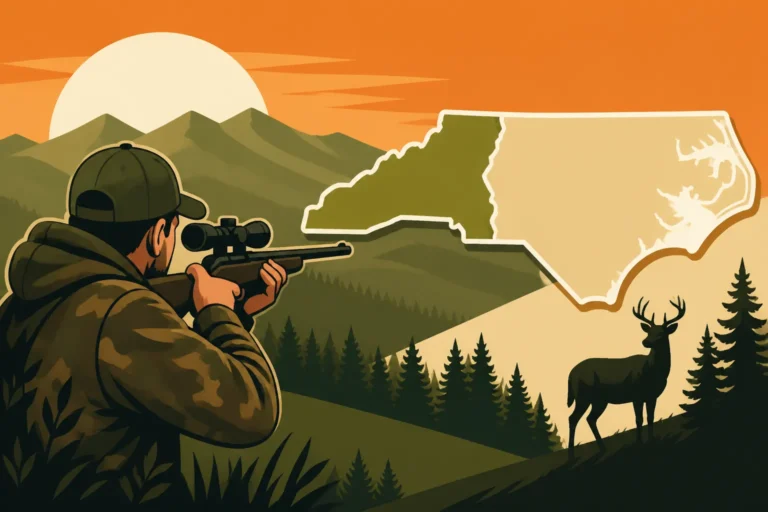
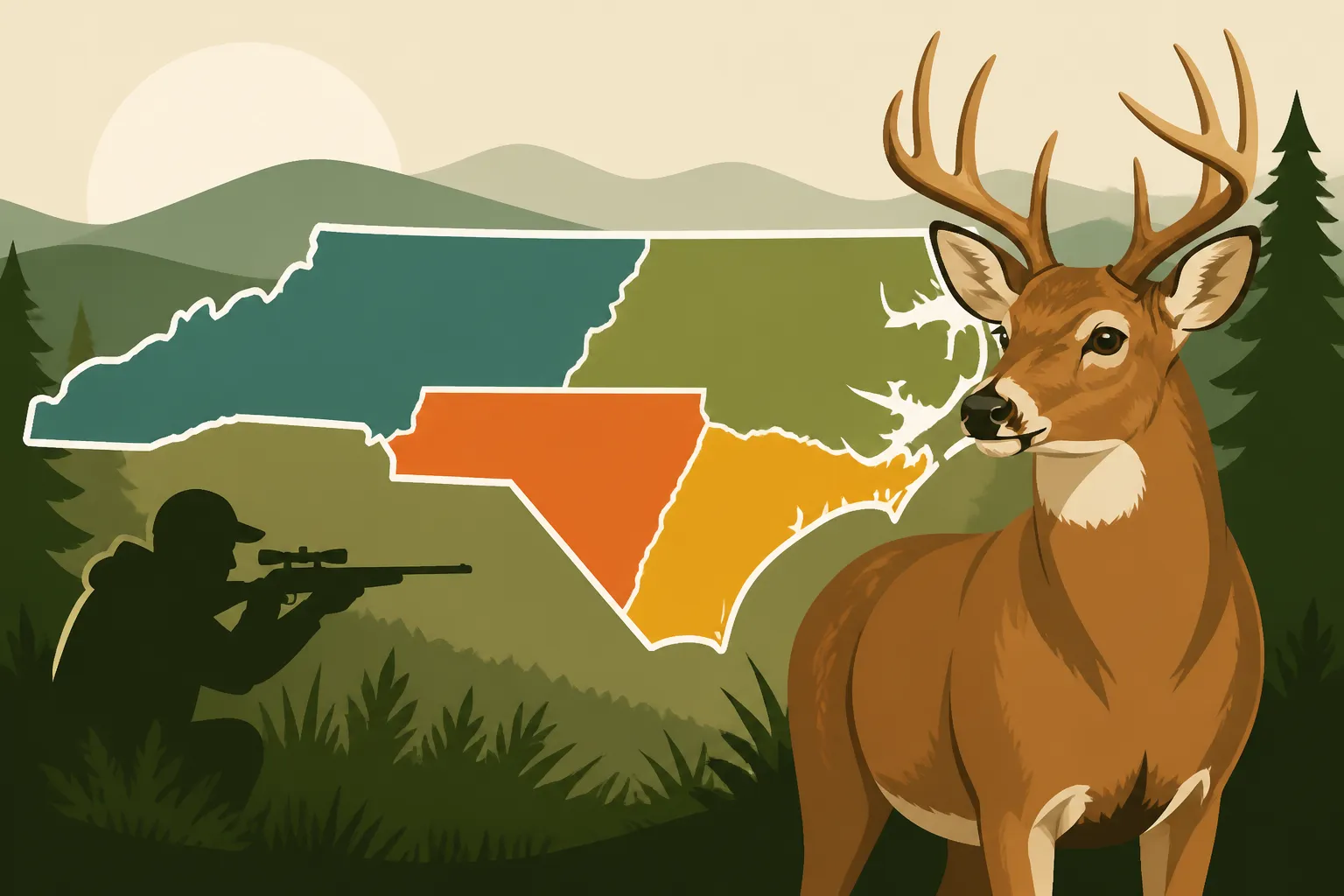
North Carolina isn't a "one-size-fits-all" state when it comes to deer season, and that can be a real head-scratcher for hunters. You might hear folks talking about the gun season opening in October, while others swear it's November, and both are right depending on where they're standing. This patchwork approach isn't just to keep us on our toes; it's a carefully considered management strategy. The North Carolina Wildlife Resources Commission (NCWRC) has divided the state into four distinct gun deer zones, each with its own specific season dates, bag limits, and often, unique challenges and opportunities. Ignoring these zones means risking a hefty fine or, worse, losing your hunting privileges. It’s absolutely essential to know precisely which zone you'll be hunting in before you ever load a bullet.
The Patchwork System and Hunter Frustration
Let's be honest, trying to navigate multiple opening and closing dates across different zones can be downright frustrating. You've got friends in the mountains who are already processing venison while you're still waiting for your season to open in the coastal plain. It feels disjointed, and it can make planning a hunting trip with buddies from different parts of the state a logistical nightmare. This complexity isn't unique to North Carolina, but our state's diverse geography—from high mountain peaks to vast coastal swamps—necessitates different management approaches. What works for deer herds in the rugged Appalachians simply won't cut it for the rapidly reproducing deer in the fertile agricultural lands of the Piedmont or the dense pocosins of the coast. The NCWRC aims to balance deer populations with habitat availability, agricultural interests, and hunter opportunity, which inevitably leads to this multi-zone system.
Historical Context of Zone Creation
The current zone system isn't something that was just dreamed up overnight. It's evolved over decades, reflecting changes in deer populations, habitat, and human development. Back in the day, deer populations were much lower in many areas, and hunting regulations were often simpler, perhaps even too broad. As deer populations rebounded and expanded through restoration efforts, biologists began to notice distinct regional differences in deer health, reproduction rates, and rut timing. For instance, deer in the mountains often experience the rut later than their coastal counterparts due to differences in climate, food availability, and photoperiod. To manage these regional variations effectively, the state moved away from a single statewide season to a zoned approach. This allows the NCWRC to fine-tune seasons to match biological cycles and hunter pressure in each specific area, aiming for a healthier deer herd overall. Understanding this history helps us appreciate why we have these divisions, even if they sometimes add a layer of complexity to our planning.
The Western Zone: Mountains and Late Seasons
Ah, the Western Zone. This is where you'll find North Carolina's majestic mountains, offering some of the most challenging yet rewarding deer hunting experiences in the state. If you've ever dreamed of hunting high ridges and deep hollers, this is your territory. However, it also comes with its own set of rules and a later start to the gun season compared to the rest of the state. It encompasses a significant portion of western North Carolina, stretching through the Appalachian and Blue Ridge Mountains. Hunters here often speak a different language of scouting and tracking, dictated by the unforgiving terrain and the deer that call it home.
Characteristics of the Western Zone Terrain
Hunting in the Western Zone means embracing elevation changes, dense hardwood forests, and often, unpredictable weather. We're talking about places like Pisgah and Nantahala National Forests, where steep slopes and thick rhododendron thickets are the norm. Deer here typically have larger home ranges, often traveling significant distances between bedding areas on sunny slopes and feeding grounds in fertile creek bottoms. Food sources primarily consist of acorns, beechnuts, and browse, with agricultural fields being less common than in other zones. This rugged landscape naturally disperses hunters, but it also means deer are often harder to pattern and require more physical exertion to pursue. The challenges are real – from navigating treacherous terrain in the dark to dealing with sudden weather shifts that can bring snow even in late fall.
Key Regulations and Season Dates for the Western Zone
The most defining characteristic of the Western Zone is its later gun season opener. While other parts of the state might be celebrating their gun season in October, mountain hunters are often still in archery season. Typically, the gun season for deer in the Western Zone doesn't kick off until mid-November and runs through December. This later start is critical to remember. For precise dates, hunters should always check the latest regulations from the NCWRC, as they can shift slightly year to year. Understanding the Western Zone Gun Season Dates is paramount for planning any hunting trip to these mountains. Bag limits generally align with statewide regulations, but specific antlered or antlerless days might apply. Additionally, public land hunting in areas like the national forests often requires a Game Lands license in addition to your regular hunting license and big game privilege.
Here’s a simplified breakdown, but always confirm with the official NCWRC digest:
| Zone | Archery Season | Muzzleloader Season | Gun Season |
|---|---|---|---|
| Western | Early September – Mid-November | Mid-November (short window) | Mid-November – Early December |
| Northwestern | Early September – Mid-November | Mid-November (short window) | Mid-November – Early December |
| Central | Early September – Late October | Late October (short window) | Late October – Mid-December |
| Eastern | Early September – Mid-October | Mid-October (short window) | Mid-October – Early January |
Note: These dates are generalized. Always consult the official North Carolina Inland Fishing, Hunting & Trapping Regulations Digest for the most current and precise dates for specific counties within each zone.
Hunting Challenges and Strategies in the Mountains
Hunting the Western Zone is an endurance sport. You’ll spend more time walking, climbing, and glassing than sitting, especially if you’re still-hunting the ridges. Deer in this terrain are incredibly adapted and can vanish into the thick cover with remarkable stealth. Early season scouting is vital; finding those isolated pockets of mast or identifying travel corridors along benches and saddles can make all the difference. When the gun season opens, you're often catching the tail end of the rut or the post-rut period, so deer movement might be more focused on food sources.
A key strategy here is to hike farther than most hunters. Pressure can be intense on accessible ridges, so if you're willing to put in the work, you can find unpressured pockets of deer. Using tools like GoHunt mapping features can help you identify remote areas and analyze topography to predict deer movement. Pay close attention to Wind and Thermals on a Blue Ridge Slope as they dictate deer movement and your approach. Focusing on sheltered coves or south-facing slopes during cold weather, where deer will seek warmth and food, can be productive. Remember, patience and persistence are your greatest allies in this rugged, beautiful zone.
The Central Zone: Piedmont's Productive Farmlands
Moving east from the mountains, we enter North Carolina's Central Zone, a vast expanse dominated by rolling hills, mixed hardwood and pine forests, and a significant amount of agricultural land. This zone is a stark contrast to the rugged mountains, offering a different set of opportunities and challenges for deer hunters. It covers a large portion of the state's Piedmont region, including many suburban and rural areas around major cities like Raleigh, Charlotte, and Greensboro. This is where a large percentage of North Carolina's hunters reside and pursue deer, leading to its own unique dynamics.
Defining Features of the Central Zone Landscape
The Central Zone is characterized by its blend of natural habitat and human influence. You'll find sprawling tracts of private timberland, often managed for pine production, interspersed with smaller woodlots, creek bottoms, and numerous agricultural fields. These fields, ranging from corn and soybeans to winter wheat and clover, provide abundant food sources for deer, contributing to healthy and robust populations. The terrain is generally more gentle than the mountains, with less dramatic elevation changes, making for easier walking but also potentially concentrating deer in specific areas. The presence of numerous roads and smaller tracts of private land means hunter access and pressure can be significant, especially on properties adjacent to development. Deer in the Piedmont tend to be well-fed, and this zone is known for producing some truly impressive bucks, often because of the rich food sources. For a deeper dive into why this area yields quality deer, check out Why the Piedmont Grows Big Bucks.
Gun Season Dates and Deer Behavior in the Central Zone
The Central Zone typically sees its gun deer season open earlier than the Western Zone, often starting in late October and extending through mid-December. This places the prime gun hunting period squarely within the peak and post-peak rut phases for much of the region. Knowing the Central Zone Gun Season Dates is crucial for planning. This timing means hunters often have excellent opportunities to encounter bucks actively seeking does. Deer behavior here is heavily influenced by agricultural patterns; understanding crop rotations and harvest schedules can be key. Deer will often bed in dense woodlots or thick cover during the day and move out to feed in fields during low-light hours. They are also incredibly adept at navigating fragmented landscapes, often using small travel corridors between properties or natural funnels created by topography or water features.
Hunting Opportunities and Pressure in the Piedmont
Given its population density, the Central Zone experiences significant hunting pressure. Public land tracts, while present, are often smaller and more heavily hunted than in the expansive national forests. This means securing private land access is often the key to consistent success. Knocking on doors and Getting Private Land Permission in North Carolina is a common tactic here. Hunters on smaller parcels or public lands need to be especially strategic with their stand placement and entry/exit routes to avoid spooking deer. Hunting along field edges, pinch points, and creek bottoms that connect larger timber blocks can be highly productive. During the rut, rattling and grunting can be very effective, as bucks are more responsive and less cautious. Keep in mind that while there's great potential for harvesting deer, especially quality bucks, the density of hunters requires smart, calculated approaches. The use of ground blinds on North Carolina field edges is also a popular tactic, allowing hunters to blend into the agricultural landscape.
The Northwestern Zone: Bridging Mountains and Piedmont
The Northwestern Zone is often overlooked in discussions, but it's a critical area that serves as a unique transition between the rugged Western Zone and the rolling Central Zone. It comprises counties that sit on the eastern fringes of the Blue Ridge Mountains and extend into the foothills and upper Piedmont. This geographical overlap means hunters here experience a fascinating blend of terrain, deer behavior, and season dates, presenting its own set of distinct challenges and opportunities. Understanding this transitional zone is key for hunters who might find themselves on its borders.
Unique Geography and Transition Areas
Imagine the foothills – not quite the steep, towering peaks of the Western Zone, but certainly not the gentle undulations of the deep Piedmont. That's the Northwestern Zone. Here, you'll find a mix of higher elevations, smaller mountain ranges, and deep valleys giving way to more moderate hills and larger tracts of both managed timber and agricultural fields. Counties like Surry, Wilkes, and Stokes often exemplify this blend. The habitat can vary wildly within a few miles, from oak-hickory forests on higher ground to pine plantations and creek bottoms bordered by crop fields in the lower elevations. This diversity means deer have a wider array of food sources and cover types, making them adaptable and, at times, unpredictable. The transition areas create natural funnels and travel corridors as deer move between different habitat types, which can be fantastic spots for ambush hunting.
Season Dates and Regulatory Specifics
Like the Western Zone, the Northwestern Zone generally has a later gun season opener than the Central and Eastern Zones, typically beginning in mid-November and running through early December. This places its gun season dates in sync with the Western Zone, often due to similar environmental factors influencing deer development and rut timing. It's crucial for hunters to specifically Finding Which Zone Your County Sits In because a county on the border might have different regulations than its neighbor just a few miles away. The NCWRC's intent here is to apply consistent management principles to areas with similar deer biology and habitat characteristics. While bag limits often mirror statewide regulations, specific rules regarding antlered or antlerless harvest days might apply. Always double-check the current hunting digest to ensure compliance. This zone also falls within a region of heightened concern for Chronic Wasting Disease (CWD), especially counties like Surry, which might have Mandatory Testing Inside a CWD Surveillance Area or specific carcass movement restrictions.
Navigating Diverse Habitat and Deer Movement
Hunting in the Northwestern Zone demands versatility. You might be climbing a steep, oak-covered ridge in the morning, then sitting on the edge of a cut cornfield in the afternoon. Deer movement patterns are influenced by both the topography and the availability of food. During the early gun season, which often coincides with the later phases of the rut, bucks might still be cruising for does, making calling tactics potentially effective. As the season progresses into late November and December, deer will shift their focus heavily to food sources. Scouting for mast crops like acorns in the hardwoods, or identifying preferred browse in thickets, becomes paramount.
Utilizing aerial maps, perhaps with the GoHunt app, can help identify the intricate network of ridges, draws, and fields that deer traverse. Look for saddles connecting higher ground, creek crossings, and edges where different habitat types meet. These transition zones are often high-traffic areas. Given the mixed public and private land ownership, understanding Hunting Pressure on North Carolina Public Land and actively seeking out less-traveled areas is a solid strategy. Hunters willing to adapt their tactics to the varied landscape will find success in this unique, often challenging, but rewarding zone.
The Eastern Zone: Coastal Plains and Abundant Deer
Now, let's talk about the Eastern Zone – this is a whole different world for deer hunters in North Carolina. Stretching from the Sandhills all the way to the Outer Banks, this zone is characterized by its relatively flat terrain, vast agricultural operations, and extensive bottomland hardwoods and pocosin swamps. If you're looking for an earlier gun season opener and some of the highest deer densities in the state, this is where you'll find it. It's an area where deer thrive, often leading to longer seasons and more liberal bag limits to help manage robust populations.
Coastal Plain Environment and Deer Habits
The Eastern Zone encompasses the vast Coastal Plain, an area of fertile soils, extensive forests, and countless rivers, creeks, and swamps. The habitat here is incredibly diverse, from managed pine plantations and open agricultural fields to dense, impenetrable pocosin swamps and bottomland hardwood forests. Deer in this region typically have smaller home ranges due to the abundance of food and cover. They thrive on agricultural crops like corn, soybeans, and peanuts, as well as natural browse, soft mast, and acorns from hardwood hammocks. The terrain often means fewer long-range shots and more close-quarters encounters, especially in the thick cover of a swamp or clear-cut. Humidity and mosquitoes are also a much bigger factor here than in the mountains! Hunters often find themselves needing Rubber Boots for Swamp Walking as part of their essential gear.
Eastern Zone Gun Season Openers and Length
The Eastern Zone boasts the earliest and longest gun deer season in North Carolina, typically opening in mid-October and extending all the way into early January. This extended season provides ample opportunity for hunters, but it also means hunters experience a wide range of deer behavior throughout the season. The early opener coincides with what's often referred to as the "pre-rut" or early rut activity in this part of the state. Knowing the Eastern Zones Gun Season Dates is crucial. The generous season length allows hunters to target deer during different phases of their annual cycle, from early season feeding patterns to late-season survival modes. Bag limits for deer, especially antlerless deer, can be more liberal in some parts of the Eastern Zone due to higher deer densities and efforts to manage populations. Always consult the current NCWRC regulations for precise county-specific details.
Tactics for Hunting Swamp and Lowland Deer
Hunting the Eastern Zone, particularly its swamp and pocosin areas, requires a specialized approach. Deer drives are a common and effective tactic in the dense cover, allowing hunters to push deer towards standers. Deer Drives With Three or Four Hunters can be incredibly productive here, especially in those hard-to-access areas. Still-hunting through creek bottoms or along the edges of agricultural fields is also popular. Scouting should focus on identifying travel corridors between bedding areas (often in thick swamps) and feeding areas (fields or hardwood ridges). Deer will use even the smallest patches of cover to travel unseen.
The rut often peaks earlier in the Eastern Zone compared to the mountains, typically in November, meaning bucks will be more active and responsive to calls during the early part of the gun season. As the season progresses, late-season food sources become critical. Focus on standing crops, evergreen browse, and any remaining hard or soft mast. Visibility can be extremely limited in the dense cover, so close-range shooting skills are paramount. Patience and a good understanding of deer movement in relation to food, water, and cover are key to success in the abundant, yet challenging, Eastern Zone. Don't forget that Hunting Coastal Plain Pocosin Swamps often means dealing with water, so appropriate gear is essential.
Why Zone Lines Can Be So Confusing
Navigating North Carolina's deer zones can honestly feel like you need a legal degree and a cartographer's eye. It's not always a straightforward division down major highways or natural features. Sometimes, a single county can be split between two zones, or a seemingly logical boundary might deviate for reasons that aren't immediately obvious to the average hunter. This complexity is a significant source of frustration, leading to genuine anxiety about accidentally hunting out of season or violating regulations. It's easy to make an honest mistake if you're not meticulous, and the consequences aren't worth the risk.
County Lines and Fragmented Zones
One of the biggest culprits for confusion is when zone lines don't neatly follow county lines. While many counties fall entirely within one zone, there are several instances where a county is bisected, with one half in, say, the Central Zone and the other in the Northwestern Zone. Imagine you're hunting a tract of land that straddles such a boundary. Suddenly, your gun season opener, bag limits, and even specific weapon restrictions could change depending on which side of an invisible line you're standing. This fragmentation isn't arbitrary; it's often a result of biological data or geographical features that cause deer populations on one side of a ridge or river to behave differently enough to warrant separate management. However, for the hunter on the ground, it means diligently checking not just the county, but often the specific location within the county using detailed maps. This is why tools that can pinpoint your exact location in relation to zone boundaries are invaluable.
The Impact on Hunter Planning and Compliance
The complexity of these zone lines has a tangible impact on hunters. For starters, it makes planning cross-county or multi-zone hunts incredibly intricate. If you have leases or access to land in different zones, you need to track multiple opening and closing dates, which can be a real headache. Beyond just dates, differences in North Carolina Deer Bag Limit Rules or the timing of specific antlerless days can vary. This adds a layer of stress that no one wants when they're trying to enjoy time afield. The risk of non-compliance, even accidental, is high. An honest mistake, like misinterpreting a boundary on a map or forgetting which side of a road marked the zone line, can lead to serious fines or loss of hunting privileges. This forces hunters to be hyper-vigilant, often checking and re-checking regulations multiple times before heading out.
Tools and Resources for Zone Identification
Thankfully, we live in an age where technology can significantly alleviate this confusion. The NCWRC provides excellent resources, starting with their annual hunting digest, which clearly outlines all zone boundaries and season dates. However, for real-time, on-the-ground clarity, nothing beats a good mapping app. The Scouting With the NC Wildlife App is an official resource that can show you game land boundaries and often, zone lines. Additionally, commercial hunting apps like GoHunt or onX Hunt offer detailed satellite imagery layered with property lines, public land boundaries, and often, specific hunting zone overlays. These tools allow you to pinpoint your exact location via GPS and see which zone you're in, even in areas with no cell service if you download maps beforehand. Taking the time to understand Reading Aerial Photos for Piedmont Deer or Using the NC Wildlife Map Tool in conjunction with these layers is the best way to ensure you're always hunting legally and ethically within the correct North Carolina deer zone.
Impact of Zones on Deer Management and Harvest
The existence of distinct deer zones in North Carolina isn't just about hunter convenience (or inconvenience, as the case may be!). It's a fundamental pillar of sound wildlife management. The NCWRC doesn't just draw lines on a map arbitrarily; these zones are designed to allow for nuanced management strategies that respond directly to the biological and environmental realities of each region. This approach is critical for maintaining healthy deer populations, balancing ecological impacts, and providing sustainable hunting opportunities across the entire state.
Tailoring Regulations to Regional Deer Populations
Deer populations across North Carolina are not homogenous. They differ significantly in density, age structure, health, and reproductive rates. For example, deer in the fertile, agricultural-rich Eastern Zone often have higher fawn recruitment rates, reach maturity faster, and have denser populations compared to deer in the rugged, lower-productivity mountain habitat of the Western Zone. Without separate zones, a statewide regulation might be too restrictive for one area (leading to overpopulation, disease, and habitat degradation) and too liberal for another (leading to population decline).
By having specific zones, the NCWRC can implement targeted regulations. This includes varying North Carolina Deer Bag Limit Rules to allow for higher antlerless harvests in areas with overpopulation, or adjusting season lengths to account for different rut timings, ensuring hunters have opportunities during peak activity. This flexibility allows biologists to actively manage herd health, mitigate Deer Damage Permits for Farmers in agricultural areas, and respond to localized issues such as disease outbreaks more effectively.
Analyzing Harvest Data by Zone
Every deer harvested in North Carolina must be reported, and this data is meticulously collected and analyzed by the NCWRC. Breaking this data down by zone provides invaluable insights into the success of current management strategies and the health of the deer herd in each region. Biologists can compare harvest numbers, buck-to-doe ratios, average deer age, and antler development from one zone to another.
For instance, if North Carolina Annual Deer Harvest numbers show a declining trend in a specific zone, the NCWRC might consider shortening seasons or reducing bag limits in subsequent years. Conversely, consistently high harvest numbers might indicate a healthy, thriving population that can sustain longer seasons or more generous limits. This granular level of data analysis, made possible by the zone system, allows for adaptive management. It helps ensure that regulations are not just based on assumptions but on real, measurable impacts on the deer herd, continually striving for balance. This information is available to the public and is a powerful tool for hunters who want to deepen their understanding of deer dynamics in their preferred hunting areas.
Future Considerations and Potential Changes
Wildlife management is not static; it's an ongoing process of assessment and adaptation. The North Carolina deer zone system, while effective, is always subject to review and potential adjustments. Factors like human population growth, changes in land use (e.g., increased development versus agricultural land conversion), climate shifts, and the spread of wildlife diseases (like Chronic Wasting Disease) can all influence deer populations and necessitate changes to regulations.
For example, if CWD were to become more widespread, specific zone boundaries or regulations might need to be altered to contain its spread or to manage deer in affected areas more intensely. The NCWRC continually monitors these factors and engages with stakeholders, including hunters, landowners, and conservation groups, to gather input for future management decisions. While major overhauls are rare, minor adjustments to season dates, bag limits, or even zone boundaries are always a possibility, highlighting the importance of staying informed and checking the latest regulations each year. This adaptive approach ensures that North Carolina's deer management remains responsive and effective for years to come.
Planning Your Hunt Across North Carolina's Zones
Successfully hunting deer in North Carolina means more than just knowing when the gun season opens in your chosen county; it means understanding the nuances of the zones and how they impact every aspect of your hunt. From initial scouting to the actual day in the field, a well-thought-out plan that considers zone-specific details will dramatically increase your chances of success and ensure you stay on the right side of the law.
Scouting Strategies for Different Zones
Scouting isn't a one-size-fits-all endeavor across North Carolina's diverse zones. What works in the Western Zone's mountains might be ineffective in the Eastern Zone's swamps.
- Western Zone: Your scouting here needs to be extensive and physical. Focus on finding remote, less-pressured areas. Look for acorns and other hard mast on high benches and south-facing slopes. Identify natural funnels between bedding areas and feeding spots, often marked by saddles or creek bottoms. Finding Sign in Big Pisgah Timber can be challenging, but look for rubs, scrapes, and tracks along old logging roads or game trails. Consider scouting trips well before the season, utilizing trail cameras to monitor activity in potential hunt areas.
- Central Zone: Scouting in the Piedmont often revolves around agricultural fields and the woodlots and creek bottoms connected to them. Identify where deer are entering and exiting fields, and look for pinch points where cover narrows between two fields or properties. Find dense bedding cover in thickets or cedar groves. Pay attention to how deer use Entry Routes Through Standing Soybeans or Hunting a Standing Cornfield in Farm Country. Because of higher pressure, focus on finding secluded pockets of cover that deer use during daylight hours, even on smaller tracts.
- Eastern Zone: Here, scouting means understanding how deer navigate dense cover and water. Focus on identifying trails through swamps, along pocosin edges, and where deer cross sloughs or ditches. Look for tracks and rub lines in hardwood hammocks. Hunting a Funnel Between Two Pocosins can be incredibly productive. Identify the primary food sources, whether it's agricultural crops, natural browse, or specific mast trees, and scout the travel routes leading to them. Water levels can dramatically impact deer movement, so keep an eye on recent rainfall.
Considering Travel and Logistics
Hunting across different zones means accounting for more than just a change in scenery; it impacts your travel time, accommodation, and even the gear you'll need. A drive from the Coastal Plain to the mountains can take half a day or more, requiring you to factor in fuel costs, potential overnight stays, and more extensive packing.
If you're planning a trip to the Western Zone, for instance, you'll need to consider how far you're willing to hike into national forest land. This might mean Camping Rules on North Carolina National Forest Land come into play, or finding local lodging. You'll likely need rugged hiking boots, rain gear, and a pack suitable for carrying game out of steep terrain. For the Eastern Zone, conversely, you might be less concerned about elevation but more about dealing with heat, humidity, and mosquitoes during the early season. Specialized gear like chest waders for Hunting Coastal Maritime Forest Edges or a reliable GPS for navigating dense, featureless swamps could be essential. Think about where you'll field dress your deer and how you'll transport it. An early season kill in a warm coastal environment demands quick processing and proper cooling, whereas a late season mountain kill might allow for more leisurely handling. Always Checking a North Carolina Deer Harvest Online immediately after the kill is a critical step, regardless of zone.
Ethical Hunting and Respecting Regulations
Ultimately, understanding North Carolina's four gun deer zones boils down to being a responsible, ethical hunter. Our sport depends on respecting the wildlife and the rules put in place to manage it sustainably. It's not just about avoiding fines; it's about contributing to the health of the deer population for future generations.
Before every hunt, regardless of how familiar you are with an area, take a few minutes to double-check the current NCWRC regulations for the specific county and zone you'll be in. This includes season dates, bag limits, and any special restrictions. Teach new hunters the importance of this diligence. Make sure you understand the requirements for North Carolina Hunter Education Requirements, especially if you're mentoring a youth hunter. Utilizing modern mapping tools, confirming zone boundaries, and staying informed are not just smart practices; they are foundational to ethical hunting. By taking the time to truly understand How North Carolina's Gun Zones Split the Calendar, you're not just enhancing your own hunt; you're upholding the integrity of hunting in North Carolina.
Disclaimer
The information provided in this guide is for general informational purposes only and is subject to change. Hunting regulations, season dates, and zone boundaries are determined by the North Carolina Wildlife Resources Commission (NCWRC) and can be updated annually. It is the hunter's responsibility to consult the most current official North Carolina Inland Fishing, Hunting & Trapping Regulations Digest or the NCWRC website before participating in any hunting activity to ensure full compliance with all applicable laws and regulations. This guide does not constitute legal advice.