Hunting the North Carolina Mountains
Hunting the North Carolina mountains can feel like stepping into a different world compared to the flatlands. The sheer scale, the steep inclines, the dense timber, and the unpredictable weather can be incredibly daunting for even experienced hunters, making it tough to know where to even begin. This comprehensive guide is here to walk you through everything you need to know to confidently and successfully navigate the unique challenges and incredible rewards of pursuing game in North Carolina's stunning high country.
Understanding the Mountain Terrain and Ecosystem
When you talk about hunting in the North Carolina mountains, you're really talking about a diverse and rugged landscape that demands respect and a different approach than anywhere else in the state. Forget the sprawling fields of the Piedmont or the vast pocosins of the Coastal Plain; here, elevation changes are dramatic, cover is often thick, and every step can be a challenge. Understanding this unique environment is your first step toward success.
Geography and Forest Types
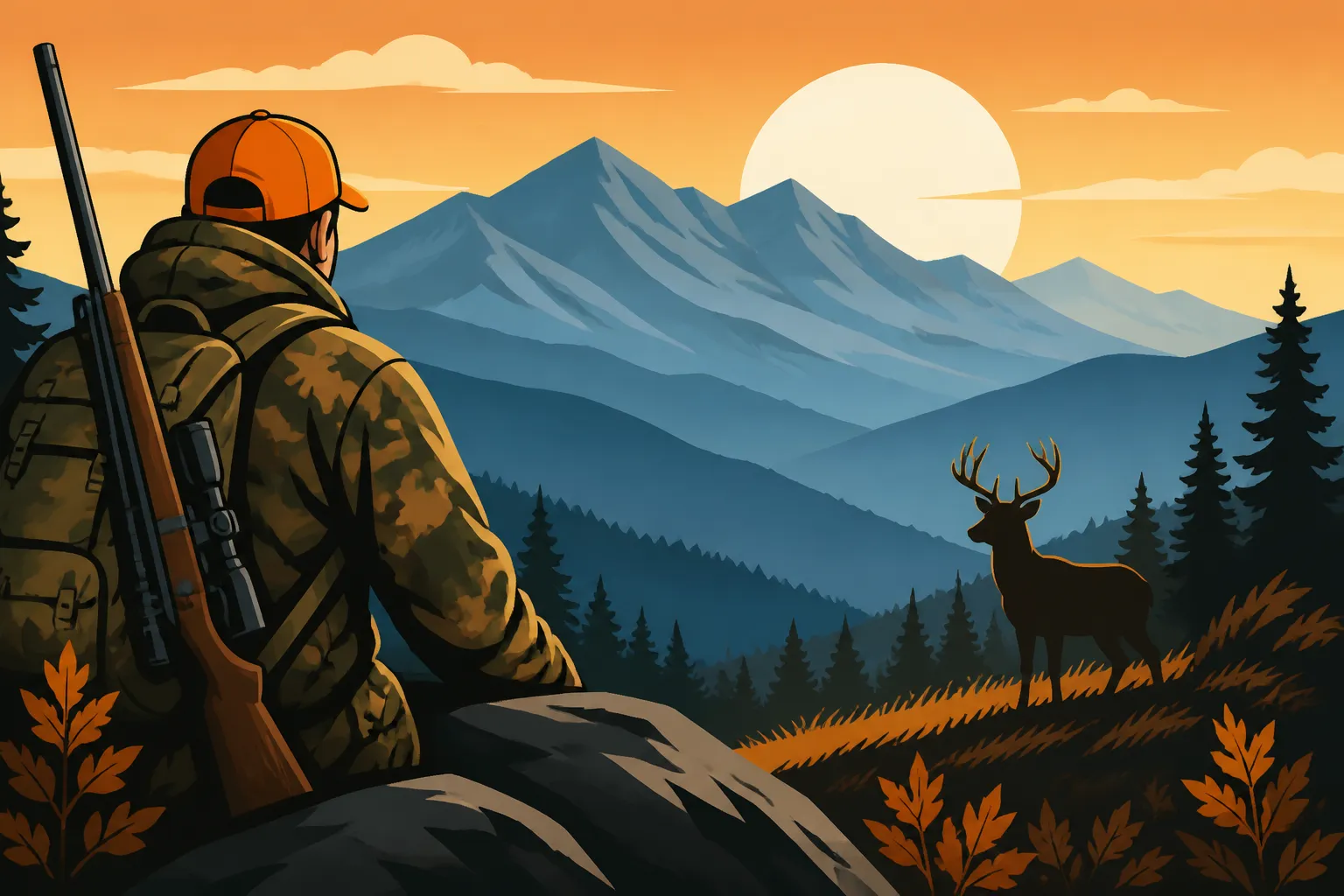
North Carolina's mountains are dominated by the Blue Ridge and Great Smoky Mountains, with elevations soaring over 6,000 feet in many areas. This isn't just a pretty backdrop; it profoundly impacts everything from game movement to how the wind blows. You'll find a mix of mature hardwood forests, particularly oaks and hickories, in the lower and mid-elevations, providing critical mast crops for deer, bear, and turkey. As you climb higher, the forest transitions to more conifer species like spruce and fir, particularly in the cooler, damper coves and north-facing slopes. The terrain is a maze of steep ridges, deep hollows, and narrow draws, often crisscrossed by fast-flowing creeks and rivers. Understanding these microclimates and how they relate to vegetation and water sources is key to deciphering game patterns.
The primary public hunting grounds in this region are the Pisgah National Forest and the Nantahala National Forest, which together cover vast tracts of wilderness. These forests are characterized by rugged, broken terrain, sometimes with thick undergrowth like rhododendron and mountain laurel that can be almost impenetrable. While beautiful, this dense cover can make tracking and recovering game incredibly difficult. You’ll spend a lot of time learning to read subtle topographical changes, looking for benches, saddles, and small pockets of gentler terrain that funnel game movement. The sheer size of these areas means that while hunting pressure can be high near road access points, you can often find solitude and undisturbed game by simply being willing to walk a little further and climb a little higher.
Key Game Species in the Mountains
The North Carolina mountains are home to a thriving population of several coveted game species, each offering its own unique hunting experience. White-tailed deer are abundant, though often not as large-bodied as their Piedmont cousins, they are typically leaner and incredibly tough. Their movements are dictated heavily by topography, food availability, and pressure. Black bears are a major draw, with the mountain zones being renowned for producing some truly massive bruins, often making their homes in the thick, inaccessible parts of the forest. Hunting the Mountain Bear Zones is a thrilling pursuit that requires patience and a good understanding of bear behavior.
Wild turkeys also thrive in the mountain hardwoods, providing some of the most challenging and rewarding spring gobbler hunts you can imagine. These mountain birds are often less vocal than their counterparts in other regions, and their movements up and down the steep slopes can test your endurance and calling skills. Beyond the big game, the mountains are one of the last strongholds for ruffed grouse in the state, offering a fast-paced, adrenaline-pumping hunt for those willing to bust through thick cover. Squirrels and other small game are also plentiful, providing excellent opportunities for a less intense but equally enjoyable hunt, often in the very same areas you might pursue deer or turkey.
Challenges of Mountain Hunting
Let's be real: hunting the North Carolina mountains isn't for the faint of heart. The terrain itself is perhaps the biggest challenge. You'll encounter steep climbs, treacherous descents, and uneven footing that will test your physical stamina and your ankles. Getting deep into productive areas means being prepared for long, arduous walks, often over rough ground, and then having the energy left to pack out an animal. Weather is another formidable opponent; clear skies can quickly turn into dense fog, torrential rain, or even unexpected snow, especially at higher elevations. Wind and Thermals on a Blue Ridge Slope are constant considerations, often changing direction with the sun, elevation, and even the smallest topographical feature, making scent control an ever-present concern.
Access can be limited, with many promising areas requiring long hikes away from paved roads or even designated forest service roads. Public land pressure, particularly during opening weekends, can concentrate hunters in accessible spots, pushing game into even thicker, more remote areas. This means you need to be prepared to put in the effort to find ground others walk past. Finally, simply recovering an animal from a steep, rocky hollow or a dense rhododendron thicket can be a monumental task, often requiring multiple trips or specialized gear. It's tough, but that's precisely what makes mountain hunting so incredibly rewarding when you finally connect.
Navigating Public Lands: Pisgah and Nantahala National Forests
The vast stretches of the Pisgah and Nantahala National Forests are the crown jewels of North Carolina mountain hunting, offering millions of acres of public access. However, simply knowing they exist isn't enough; you need a solid strategy for navigating them effectively and legally. These aren't manicured parks; they are wild, sprawling areas that demand careful planning and self-reliance.
Access Points and Road Systems
Access into the national forests often begins with the network of forest service roads. Some of these are well-maintained gravel roads, while others are little more than glorified two-tracks, often gated and closed to vehicle traffic for long stretches of the year. Your vehicle choice matters here; a 4×4 with good ground clearance is often a wise investment. When a gate is closed, it often means prime hunting starts just beyond it, but it also means a longer walk for you. These gated roads can become excellent walking paths, allowing you to cover significant distances on foot away from more accessible areas. Look for pull-offs, designated parking areas, and trailheads, but always be mindful of private property inholdings that can checkerboard the public land boundary.
It's crucial to distinguish between roads that are always open, seasonally open, or permanently gated. Information about specific road closures can sometimes be found on the National Forest Service websites or at local ranger stations, but conditions can change. Don't rely solely on what you see on a map from five years ago. Many hunters find that the best way to gain access to less-pressured areas is to simply embrace the hike. Parking legally on a main road and walking a few miles down a gated forest service road can put you in game-rich country that sees significantly less human disturbance.
Mapping and Navigation Tools
In the expansive and often disorienting mountain terrain, reliable navigation isn't just a convenience; it's a necessity for safety and success. Traditional paper maps, like USGS topographical maps or those provided by the National Forest Service, are an absolute must-have backup, even in the age of digital technology. They never run out of battery and provide a critical overview of the landscape. However, for real-time navigation and boundary identification, modern mapping apps are indispensable. I can't tell you how many times a hunter has shared their frustration about getting turned around on a seemingly familiar ridge only to realize they're a mile off course.
This is where tools like onX Hunt truly shine. They combine detailed topographical maps with public/private land boundaries, showing you exactly where you stand in relation to game lands, national forest property, and private parcels. This is invaluable when you're working a ridge line and need to know if the tempting hollow on the other side is still public land or if you're about to trespass. Using NC Wildlife Without Cell Service is a common challenge, so be sure to download offline maps for your hunting area before you leave home. Apps like GoHunt also offer detailed maps and a wealth of data that can help you scout from home, identify potential funnels, saddles, and water sources before you ever set foot in the woods. Learning to use these tools effectively is a game-changer for mountain hunters, helping you stay found, stay legal, and pinpoint prime habitat.
Regulations and Permits Specific to National Forests
Hunting in the national forests comes with its own set of rules, often layered on top of statewide North Carolina hunting regulations. Beyond your basic North Carolina hunting license and big game privilege licenses, you'll also need a North Carolina Game Lands License to hunt within these national forest boundaries. These funds help manage the habitat and provide access for hunters. It's not just about the license, though; you need to understand specific rules for each area.
For example, Treestand Rules on North Carolina Public Land vary. Generally, screw-in steps are prohibited, and stands must be removed at the end of the season or within a certain timeframe. Ground blinds are often permitted, but again, check the specific game land rules. Camping is usually allowed in dispersed areas within the national forest, but there may be restrictions on fire, length of stay, or where you can park. Pay close attention to rules regarding baiting, bait barrels, and trail camera use, which can differ significantly between public and private lands, and even between different sections of public land. The North Carolina Wildlife Resources Commission (NCWRC) website is your best friend for staying up-to-date on these regulations. Ignorance of the law is never an excuse, and game wardens patrol these vast areas regularly.
Hunting White-tailed Deer in the Mountains
Hunting deer in the North Carolina mountains is a different ballgame than the relatively flat terrain of other regions. Mountain deer are often smaller, tougher, and incredibly adept at using the terrain to their advantage. They don't give up their secrets easily, and success often comes down to pure grit, persistent scouting, and a deep understanding of their behaviors in this specific environment.
Scouting and Sign Reading on Mountain Slopes
Effective deer hunting in the mountains starts long before opening day. Pre-season scouting is absolutely critical. You'll need to hit the woods, preferably during the late summer or early fall, before the leaves completely drop and before hunting pressure builds. Focus on identifying natural funnels created by the terrain, such as saddles between ridge tops, narrow benches running along a steep slope, or draws that lead from bedding areas down to feeding zones. Look for oak ridges that are dropping acorns, especially during years with good mast crops; these will be primary food sources.
When you're out there, really read the land. Fresh deer sign isn't always obvious in the leaf litter. Look for well-used trails that seem to follow contours or connect different elevations. Pay attention to rub lines on saplings and scrapes, especially as the rut approaches. These can indicate buck travel corridors. Bedding areas will often be on leeward slopes, just below the ridge top, offering protection from the wind and good visibility downhill. Deer are masters of efficiency, so they'll often pick the path of least resistance when traveling. Your job is to find those paths, especially those that aren't obvious to the casual observer. Use your mapping apps to mark every piece of sign you find. Reading a Ridge for Mountain Zone Deer involves understanding how deer use elevation to their advantage for security and travel.
Still-Hunting and Stand Placement Strategies
Given the steep terrain and often dense cover, still-hunting is an incredibly effective tactic in the North Carolina mountains. This involves moving slowly and deliberately through the woods, taking a few steps, stopping to glass and listen, and then repeating. You're not just looking for deer; you're looking for subtle movements, flicking ears, or the horizontal lines of a deer's back in a vertical forest. The key is to move with the wind and use thermals to your advantage. Early mornings, thermals generally pull scent uphill, while in the afternoon, they reverse and carry scent downhill. This means you need to position yourself accordingly.
For stand hunting, whether you're using a climber, lock-on, or saddle, placement is paramount. Focus on pinch points where deer are funneled by terrain, or on small benches and flat spots along a steep slope where deer will often pause. Creek bottoms, especially those with thicker cover, can also be excellent travel corridors. Always consider your entry and exit routes to minimize disturbance. You'll want to get to your stand without alerting every deer in the area and leave just as quietly. Hanging a stand on a Pisgah Ridge requires careful consideration of both concealment and shooting lanes. It’s hard work, but finding that perfect ambush point can pay off big.
Hunting the Rut and Late Season in the High Country
The rut in the North Carolina mountains can be an explosive, if somewhat unpredictable, time. Deer activity often ramps up dramatically, with bucks actively seeking does. This is when rattling and grunt calls, used judiciously, can be particularly effective. Bucks will often cruise ridge tops and saddles, scent-checking for receptive does. Your best bet during the rut is to set up in areas that does frequent, such as feeding areas (if mast is still available) or thick bedding cover, knowing that bucks will eventually come looking for them.
As the season progresses into late December and January, food sources become more critical. Deer will concentrate around remaining hard mast or browse in more sheltered areas. Cold weather will push deer to find thick, south-facing slopes that offer more warmth and protection from the elements. Water sources, which are abundant in the mountains, become less of a draw, as deer can often get moisture from their forage or even snow. Don't be afraid to hunt during inclement weather, as a light snow can reveal fresh tracks and make deer more visible against the white backdrop. Cold-Weather Sitting Strategy in the Mountains involves careful layering and a good understanding of deer movement when temperatures drop. It's a tough grind, but a late-season mountain buck is a hard-earned trophy.
Pursuing Black Bears in the North Carolina Mountains
North Carolina is legendary for its black bear population, and the mountains, especially, are known for producing some truly enormous animals. Bear hunting here is a serious endeavor, demanding specific strategies, robust gear, and a deep respect for these powerful creatures. It’s an experience like no other, but one that requires meticulous planning.
Locating Bear Habitat and Food Sources
Understanding a bear's diet and preferred habitat is fundamental to finding them in the mountains. Bears are opportunistic omnivores, and their movements are heavily dictated by food availability. During late summer and fall, they will be gorging themselves on mast crops – acorns, hickory nuts, and beechnuts – to put on weight for winter hibernation. Concentrate your scouting efforts on oak flats and ridges where these mast trees are abundant. Areas with wild berries, blackberries, and other soft mast earlier in the year will also attract them. They’ll also frequent areas with thick, impenetrable cover like rhododendron thickets, mountain laurel, and dense young pines for bedding and security.
These areas, often referred to as "pocosins" or "roughs" even in the mountains, provide excellent sanctuary. Bears prefer to travel through the path of least resistance within dense cover, so look for game trails or old logging roads that cut through these areas. Water sources are important, but in the typically wet mountain environment, they are almost everywhere, so focus more on food and cover. Scat and tracks are obvious signs, but also look for overturned rocks, claw marks on trees, and broken branches in berry patches, indicating recent feeding activity.
Still-Hunting vs. Hound Hunting
North Carolina offers both still-hunting and hound hunting opportunities for bears in the mountains. Still-hunting for bear is a game of patience, stealth, and knowing bear travel patterns. It involves moving slowly through prime habitat, often focusing on areas between bedding thickets and major food sources, or along creek bottoms and saddles that bears use as travel corridors. You'll need to be incredibly quiet, observant, and use the wind to your advantage, as a bear's nose is exceptional. It’s an arduous pursuit, but the reward of encountering a bear on its own terms is immense.
Hound hunting, where legally permitted, is a long-standing tradition in many mountain communities. It involves using specially trained dogs to track and bay or tree bears, allowing hunters to close the distance. This is a highly specialized and physically demanding form of hunting, often involving long pursuits over incredibly rugged terrain. Hunters typically follow their dogs using GPS collars, navigating through dense cover and steep climbs. Hunting the Mountain Bear Zones will provide more detail on where this is permitted. It's a team effort, often involving multiple hunters and dogs, and can be an exhilarating way to pursue bears if you’re prepared for the physical challenge and the ethics involved.
Bear Season Timing and Management Zones
North Carolina's bear seasons in the mountains are carefully managed, often with specific opening and closing dates that vary by zone. The state is divided into multiple bear management zones, and it's absolutely crucial to know which zone you're hunting in and what the specific season dates and regulations are for that particular area. Some zones may have an early season, while others might open later. Some might be open for a shorter duration, or have different regulations regarding dog hunting versus still-hunting.
The mountain bear zones are generally found in the western part of the state, covering counties within the Pisgah and Nantahala National Forests. You'll need to check the current NCWRC regulations pamphlet or website for the exact dates each year, as they can be adjusted based on population data and harvest goals. The seasons are designed to manage populations effectively, ensuring a healthy bear population for future generations. Always be aware of checking requirements for harvested bears, which are often mandatory and involve submitting biological samples. This data is vital for wildlife biologists to monitor the health and dynamics of the bear population.
Spring Turkey Hunting on Mountain Ridges
If you want a truly challenging and rewarding turkey hunt, head to the North Carolina mountains in the spring. These aren't your typical field-edge turkeys; mountain gobblers are often cagey, prone to roosting high, and masters of using the terrain to their advantage. Calling one into range on a steep slope can be one of the most satisfying accomplishments in turkey hunting.
Locating Roost Sites and Fly-Down Areas
Finding a gobbler in the mountains often starts the evening before the hunt. "Roosting" a bird by listening for his last gobble at dusk can give you a critical head start. Mountain gobblers often roost high on the ridges, especially on points or benches that offer good visibility and protection from predators. They prefer tall, mature trees, particularly pines or large oaks, that allow them a clear fly-down in the morning. Once you've heard a bird gobble, mark its general location on your map (or your onX Hunt app, of course!).
The next morning, you'll want to get into position well before first light, as close as you dare to the roost, but without alerting the bird. Your goal is to be in a strategic position to call him in shortly after he flies down. Think about his likely fly-down path—often towards a slightly gentler slope, a logging road, or a small clearing where he can strut. Turkeys are often reluctant to fly directly over deep hollows, preferring to pitch down onto the same ridge or a connecting spur. Getting into this position in the dark, navigating steep terrain, is a skill in itself and requires careful pre-scouting. Roost Hunting North Carolina Gobblers is a proven tactic for mountain success.
Run-and-Gun Tactics in Steep Terrain
Unlike flatter terrain where you might sit patiently for hours, mountain turkey hunting often lends itself to a more aggressive "run-and-gun" approach. This means covering a lot of ground, listening for distant gobblers, and quickly setting up to call them in. You'll need to be physically fit and ready to climb and descend steep slopes. Once you hear a gobble, assess the terrain. Can you get above him? Can you get on the same bench or ridge? Or is there a way to cut him off as he travels?
Setting up effectively in steep terrain means finding a spot where you have good visibility, your back is protected by a large tree or a rock, and you have clear shooting lanes. Remember that a turkey coming uphill will appear quickly, while one coming downhill might be hidden for longer. Be prepared to adjust your setup quickly based on the gobbler's response. Sometimes, a subtle approach, using soft tree yelps and purrs, is more effective than aggressive calling, especially on pressured birds. Run-and-Gun Turkey Tactics on Public Land is a common strategy here, requiring you to be mobile and adaptable.
Dealing with Mountain Weather and Pressured Birds
Mountain weather can be a real wildcard during spring turkey season. One day it might be warm and sunny, the next can bring cold rain, high winds, or even a late-season snow flurry. Always pack layers and good rain gear. A sudden shift in weather can make turkeys less vocal and harder to locate. On foggy mornings, gobblers might stay on the roost longer, or their gobbling might sound muffled, making it hard to pinpoint their exact location. Adaptability is key; if the weather turns nasty, focus on areas with denser cover or where turkeys might seek shelter.
Public land turkeys in the mountains can also be heavily pressured, especially during the opening week. They've heard every call in the book, and they've likely been spooked by careless hunters. These birds can become "gobble-shy" or "call-shy." This is when soft, realistic calling, subtle movements, and extreme patience pay off. Instead of trying to force a gobbler to come to you, try to intercept him as he moves naturally through the terrain, perhaps heading to a known strutting area or a specific food source. Sometimes, simply knowing where North Carolina gobblers roost can be enough to get you in the right spot, even if they don't respond to your calls.
Small Game and Upland Birds in the Mountains
While big game often takes center stage, don't overlook the fantastic small game and upland bird opportunities the North Carolina mountains offer. These hunts can be just as exciting, often less physically demanding, and provide a great way to introduce new hunters to the woods or extend your time afield after deer or bear seasons close.
Ruffed Grouse: The Elusive Mountain King
The ruffed grouse is truly the king of North Carolina's mountain uplands, but it's a challenging quarry. These birds thrive in young, regenerating forests, particularly those with a mix of hardwood and conifer, and dense undergrowth like mountain laurel or rhododendron. Finding grouse often means walking through thick, nasty cover that tests both your endurance and your patience. They're masters of camouflage and exploding into flight with a startling flush that will make your heart jump.
Successful grouse hunting often involves working with a good bird dog, typically a setter or pointer, that can find and hold birds before they flush. Without a dog, you're relying on your senses and covering ground. Focus on areas where old logging roads have allowed new growth, or around the edges of clear-cuts that are now regenerating. When you hear that explosive flush, react quickly! Shotguns with open chokes and quick-handling characteristics are preferred for these fast-flushing birds in dense cover. Grouse Hunting the Blue Ridge Escarpment is a specialized pursuit that offers immense satisfaction when you finally connect.
Squirrel Hunting in Mountain Hardwoods
Squirrel hunting in the North Carolina mountains is an accessible and enjoyable way to spend a fall day, and it's fantastic for honing your still-hunting skills. The mature oak and hickory forests that blanket the mountains are prime squirrel habitat, especially during good mast years. Both gray and fox squirrels are abundant, though fox squirrels tend to prefer more open timber or pine stands. Focus your efforts on oak ridges, especially those with larger, older trees that offer plenty of den sites.
Hunting early in the morning, just after sunup, is often best, as squirrels are most active then, feeding on fallen nuts. You can still-hunt, moving slowly and stopping frequently to scan the trees and listen for the telltale chatter or the sound of cutting nuts. Or, find a good nut-producing tree, sit quietly, and wait for the action to begin. A .22 rifle is the classic squirrel gun, offering precision and quietness, but a small-gauge shotgun can also be effective in dense cover. Reading cuttings under an oak is a vital skill for finding productive areas. It’s a great way to fill the freezer and enjoy the beauty of the mountain woods.
Rabbit Hunting Near Mountain Edges
While not as common as in the Piedmont or Coastal Plain, rabbit hunting can certainly be found in the North Carolina mountains, particularly around disturbed areas and forest edges. Rabbits prefer thick cover – briar patches, brush piles, old clear-cuts that are growing up, and the edges of fields or powerline cuts. These areas provide both food and protection from predators.
Often, rabbit hunting in the mountains is a group affair, either with beagles to flush the rabbits from cover or with blockers positioned around a thicket while drivers work through it. Walking through thick brush can be slow and arduous, so good brush pants and boots are a must. Focus on areas where agriculture meets the forest, or around old homesteads and logging landings that have been reclaimed by dense vegetation. It might take a bit more searching to find productive rabbit habitat in the mountains compared to other regions, but when you find a good spot, the action can be fast and furious.
Essential Gear and Preparation for Mountain Hunting
Hunting the North Carolina mountains demands a different level of preparedness and a more specialized gear list than hunting in flatter terrain. The extreme changes in elevation, variable weather, and often remote nature of the hunt mean that your gear choices can literally make or break your trip, and even impact your safety.
Clothing, Footwear, and Layering Systems
Layering is absolutely critical when hunting in the mountains. You'll often start your day in cool, damp conditions, climb steep slopes that get your heart pounding and make you sweat, and then sit motionless in a stand where temperatures can drop rapidly. A good base layer that wicks moisture away from your skin is paramount. Over this, add insulating layers like fleece or wool, and finish with a waterproof and windproof outer shell. Adjust your layers as your activity level and the weather change. Wool is an excellent choice for insulation, as it retains warmth even when wet, and is naturally quiet.
Your footwear choice might be the most important decision you make. You need boots that provide excellent ankle support for navigating uneven terrain, a stiff sole for climbing, and good traction on wet leaves, rocks, and mud. Waterproofing is non-negotiable, as you’ll be crossing countless creeks and dealing with damp conditions. Look for boots designed for rugged hiking and hunting. Boots for North Carolina Swamps and Ridges often feature aggressive tread patterns and durable construction to stand up to the abuse of mountain hunting. Don't skimp on quality here; blisters or a twisted ankle can end your hunt prematurely.
Navigation, Safety, and Emergency Gear
Beyond your primary mapping app (like onX Hunt), always carry a physical compass and a paper map, and know how to use them. Cell service is notoriously spotty or nonexistent in many remote mountain areas. A handheld GPS unit can also be a valuable backup. For safety, a reliable headlamp with extra batteries is crucial for walking in before dawn or out after dark. A small but comprehensive first-aid kit, a fire starter, and a whistle for signaling are basic essentials.
Consider carrying a personal locator beacon (PLB) or a satellite messenger device, especially if you're hunting alone or in truly remote areas. These devices can send an emergency signal even without cell service, providing peace of mind. Let someone know exactly where you're going and when you expect to return. The vastness of the national forests means that getting lost or injured can have serious consequences, and help might be hours away. Packs for a Pisgah Forest Day Hunt should be large enough to carry all your essentials, plus extra water and snacks.
Weapon Choices and Optics for Mountain Ranges
The type of weapon you choose for mountain hunting will depend on your quarry and personal preference, but some considerations are universal. For deer and bear, a rifle that's accurate and comfortable to carry is key. Calibers like a .270, .308, or 6.5 Creedmoor are popular, offering a good balance of power and manageable recoil. Shots in the mountains can range from close-quarters in thick timber to surprisingly long distances across hollows, so practice at varying ranges. A durable, weatherproof scope with good low-light gathering capabilities is a wise investment. Rifle Scopes for Low-Light Mountain Coves can make a huge difference during critical low-light periods.
Bowhunters will find that compound bows or crossbows are effective, but ensure your setup is tuned for quiet, precise shots in potentially cramped conditions. Broadhead choice is critical for quick, humane kills. For turkey hunting, a reliable 12- or 20-gauge shotgun patterned tightly with your chosen turkey load is essential. For small game like grouse or squirrels, a lightweight shotgun (20 gauge or .410) or a .22 rifle are excellent choices. Binoculars (8x or 10x power) are indispensable for spotting game in thick cover or at long distances, and a rangefinder can help with accurate shot placement in unforgiving terrain.
Respecting the Environment and Hunter Ethics
Hunting in North Carolina's beautiful mountains isn't just about pursuing game; it's about being a responsible steward of the land and respecting the wilderness experience for everyone. Our actions in the woods directly impact the future of hunting and the health of the ecosystem.
Pack It In, Pack It Out: Leave No Trace
The principle of "Leave No Trace" is absolutely paramount in the national forests. Whatever you carry into the woods – food wrappers, water bottles, spent casings, flagging tape, broken gear – you must carry out. Don't leave trash, no matter how small, behind. This also extends to your hunting setups. If you use flagging tape to mark a trail, remove it when you leave. Treestands left for extended periods should be marked according to regulations and removed at season's end, and always checked for integrity.
Beyond visible trash, think about your impact on the delicate mountain ecosystem. Avoid building unnecessary fires, and if you do, ensure they are completely out before leaving. Dispose of game remains properly and away from trails or water sources. The goal is that no one should know you were there after you've left. Our public lands are a shared resource, and it’s our collective responsibility to keep them pristine for all users and for wildlife.
Understanding and Minimizing Human Impact
Every time we step into the woods, we have an impact, but ethical hunters strive to minimize that impact. This includes how we scout, how we retrieve game, and how we interact with the land. When scouting, avoid disturbing bedding areas excessively, especially close to season. Try to move quietly and thoughtfully. When recovering an animal, do so as quickly and efficiently as possible, leaving minimal disturbance to the surrounding habitat. Tracking a Deer Through North Carolina Leaf Litter can be challenging, but it's essential to put in the effort to recover every animal.
Consider the long-term health of the habitat. Avoid cutting excessive shooting lanes or otherwise altering the environment in a way that is disruptive or non-compliant with public land regulations. Think about soil erosion on steep slopes and try to minimize creating new, unnecessary trails. Our presence, even if respectful, can alter wildlife behavior, so be mindful of how your actions might displace animals or disrupt their natural patterns.
Sharing the Woods: Hikers, Campers, and Other Hunters
The North Carolina national forests are multi-use areas, meaning hunters share them with hikers, backpackers, mountain bikers, campers, and other outdoor enthusiasts. This means exercising heightened awareness and practicing common courtesy. Always identify your target clearly and be absolutely sure of your background before taking a shot, especially when near trails or popular recreational areas.
Wearing blaze orange (or pink) during firearms seasons is not just a legal requirement; it's a critical safety measure that makes you visible to other hunters and non-hunters alike. North Carolina Blaze Orange Requirements are designed to keep everyone safe. When you encounter other users, a friendly nod or greeting goes a long way. Educate others politely about hunting seasons if they ask, and be a good ambassador for our sport. By showing respect and practicing safety, we help ensure that these incredible mountain lands remain accessible and enjoyable for everyone.
Disclaimer
This article is for general informational purposes only and does not constitute professional advice. Laws, prices and regulations vary by location and change over time. Consult a qualified professional for guidance on your specific situation.