North Carolina Black Bear DNA Tracking Study
North Carolina black bear DNA tracking studies explain population sizes, animal movements, and wildlife conservation challenges.
Know what you’re after.
Big game, small game, upland birds, and waterfowl — identification, behavior, rut and migration timing, and how each species moves through the season.
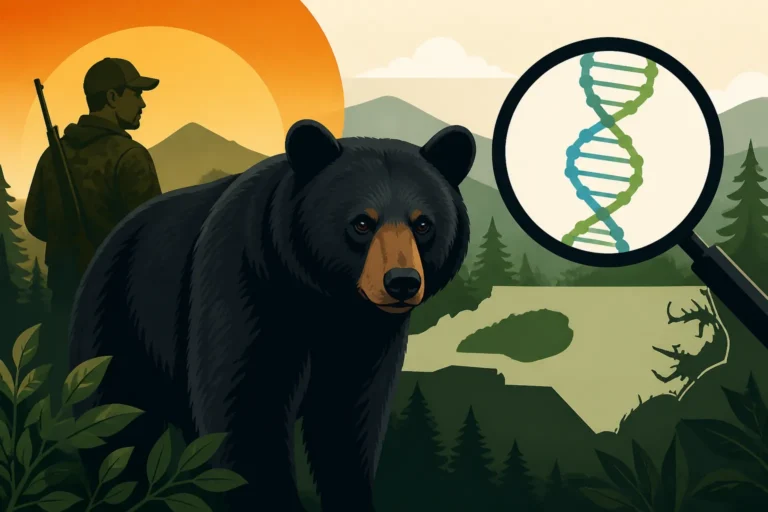
North Carolina black bear DNA tracking studies explain population sizes, animal movements, and wildlife conservation challenges.
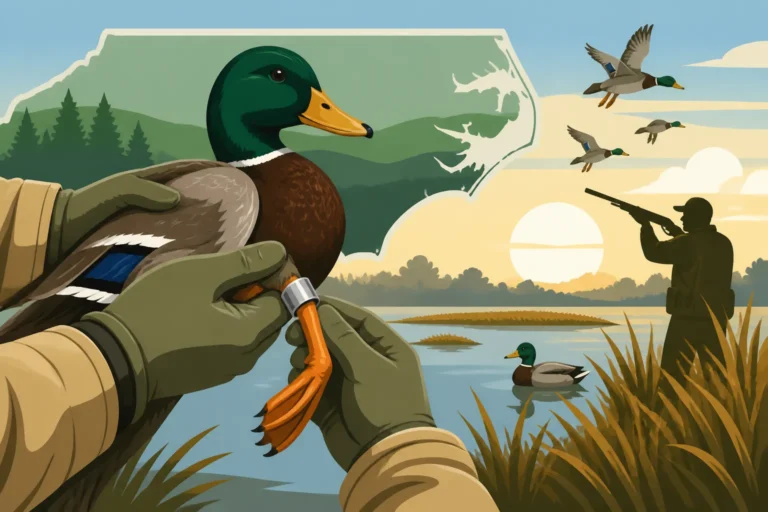
North Carolina waterfowl banding programs provide biologists with vital migration data to manage sustainable hunting seasons.
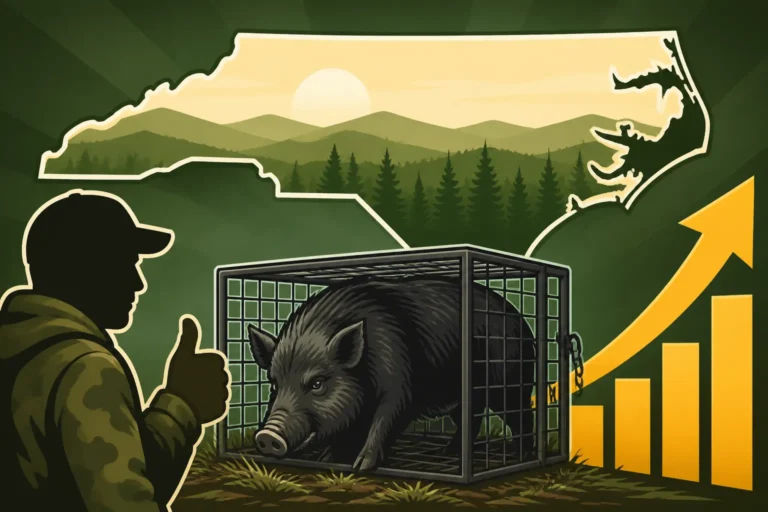
North Carolina feral hog trapping success rates depend on capturing entire sounders of four to eight piglets rather than single pigs.
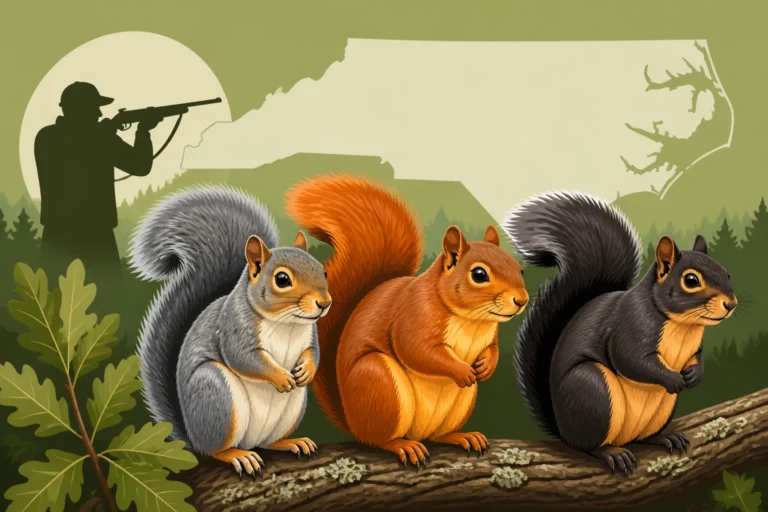
North Carolina fox squirrels display diverse coat colors, ranging from fiery red and deep rust to jet black and mottled gray.
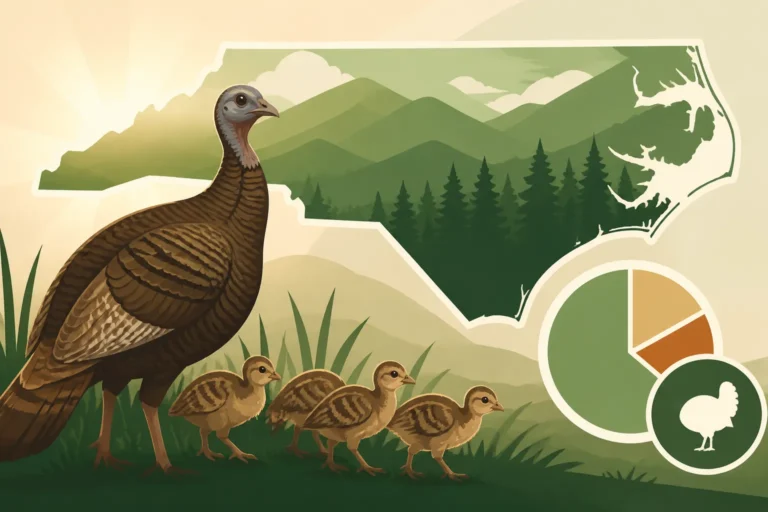
North Carolina turkey brood survey results explain annual population fluctuations and wild turkey reproductive success for hunters.
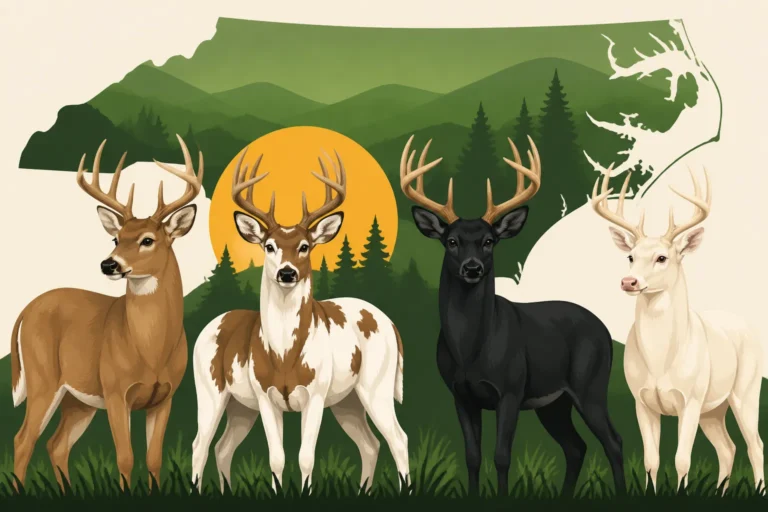
Rare color phases in North Carolina whitetail deer genetics explain albinism, leucism, and piebald traits in local herds.
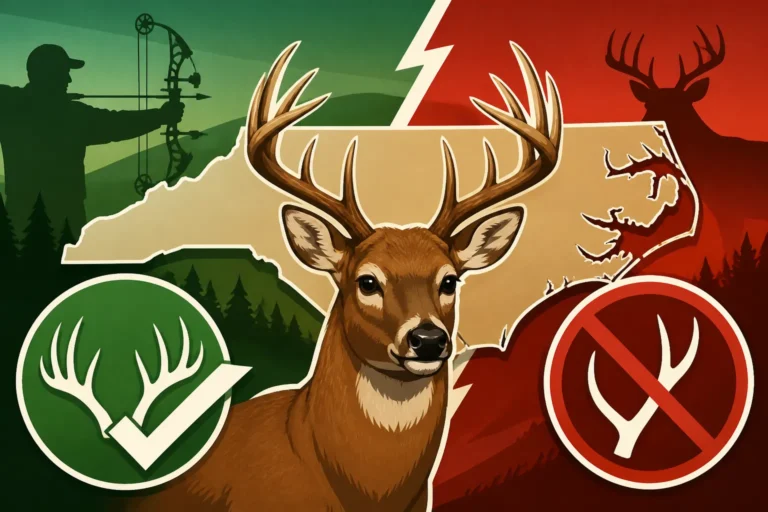
North Carolina deer antler restrictions and regulations, contrasting viewpoints, and the state harvest rules without statewide mandates.
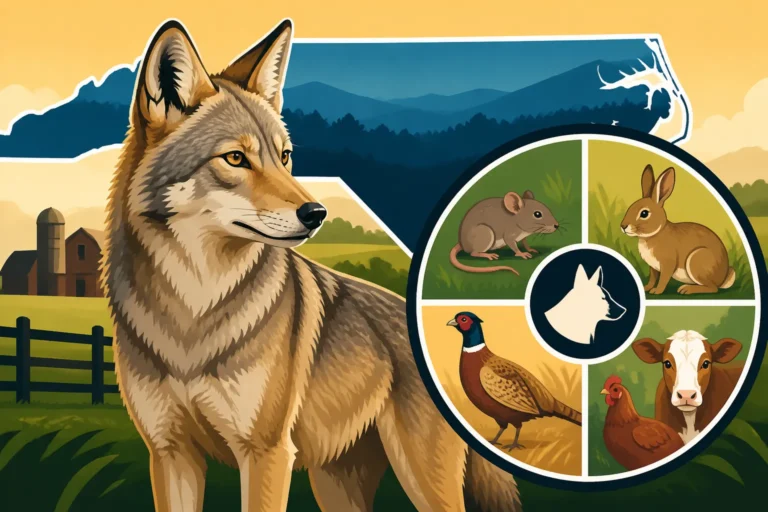
North Carolina farm coyotes consume seasonal foods including deer fawns, rabbits, rodents, insects, and agricultural crops.
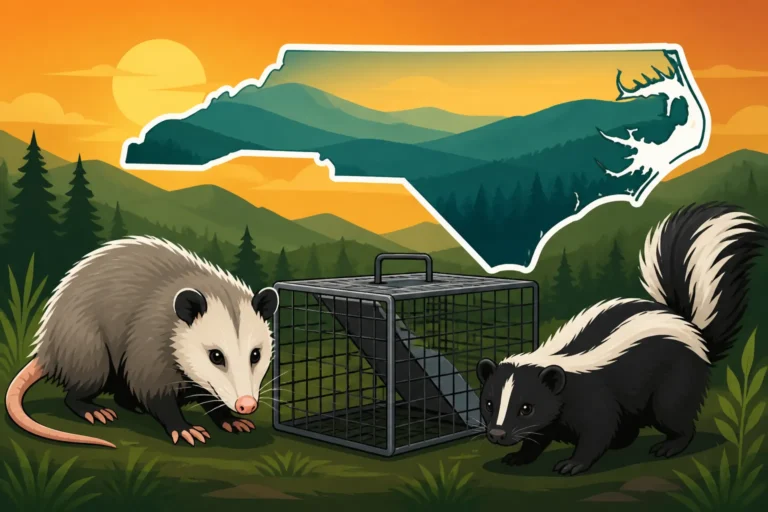
North Carolina opossum and skunk trapping methods help residents legally remove nuisance wildlife from properties and gardens.
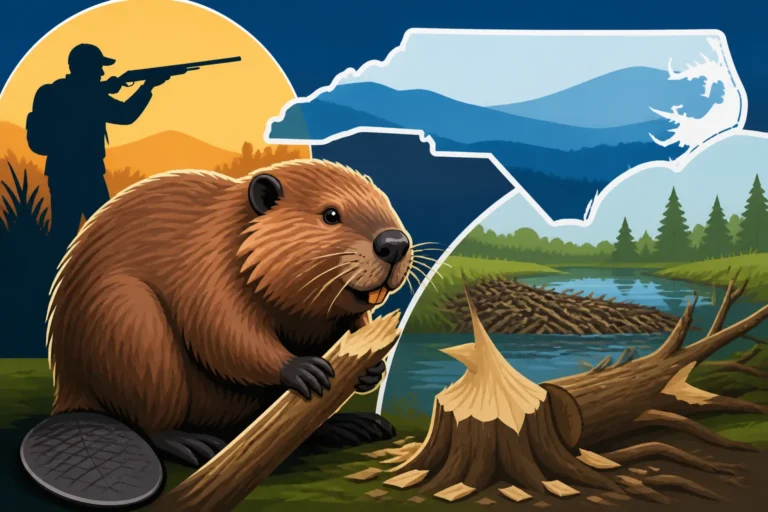
North Carolina beaver populations and their resurgence explain the severe property damage occurring across one hundred counties today.