Hunting the North Carolina Rut by Zone
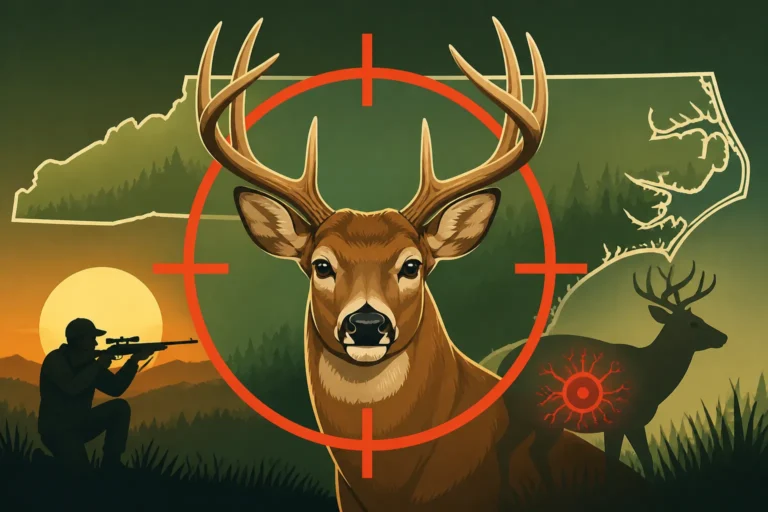
It's that time of year, when the leaves start to fall, the air gets crisp, and deer hunters across North Carolina start feeling that electric anticipation for the rut. But let's be honest, figuring out exactly when and where those magical weeks of deer activity will peak in our diverse state can feel like a guessing game, leading to missed opportunities and frustration. This comprehensive guide will break down the North Carolina rut by its distinct hunting zones, offering insights and tactics to help you capitalize on this thrilling period, no matter where you chase whitetails.
Understanding the Rut Phenomenon in North Carolina
The rut, or breeding season, is undeniably the most exciting time for deer hunters. It's when bucks, normally elusive and nocturnal, let their guard down, driven by instinct to find does. This shift in behavior makes them more visible and vulnerable during daylight hours, but also more unpredictable. For North Carolina hunters, understanding the nuances of the rut in each of our state's diverse geographical zones is crucial, as the timing and intensity can vary significantly. You can learn more about the overall North Carolina Deer Season Structure Explained to see how the rut fits into the broader hunting calendar.
What Drives Deer During the Rut?
At its core, the rut is all about reproduction. It's triggered primarily by photoperiod, the decreasing daylight hours as fall progresses, which signals to the deer's endocrine system that it's time to breed. This biological clock is surprisingly consistent, even if local conditions like weather or hunting pressure can influence how visible the rut appears. Bucks begin to rub trees, scrape the ground, and spar with other bucks, all in an effort to establish dominance and attract does. Does, in turn, enter estrus, releasing pheromones that drive bucks into a frenzy.
The primary frustration for many hunters is predicting when this "peak" frenzy will occur. It's not a single, statewide event. While the biological triggers are consistent, the manifestation of those triggers – when bucks are actively chasing and does are receptive – can spread over several weeks. Cold fronts often seem to kick things into high gear, making those crisp, frosty mornings especially promising for hunters willing to put in the time.
Why Rut Timing Varies Across the State
North Carolina is a long state, stretching from the Appalachian Mountains to the Outer Banks, encompassing vastly different ecosystems. This geographical spread, combined with historical deer restoration efforts and differing deer genetics, means the rut doesn't hit simultaneously everywhere. Deer populations in the Eastern Coastal Plain, for instance, often exhibit an earlier rut compared to their counterparts in the Western Mountains. This is a well-documented phenomenon that serious hunters have observed for years.
The North Carolina Wildlife Resources Commission (NCWRC) has done extensive research, and their data supports these variations, often showing a general trend of the rut peaking earlier in the eastern parts of the state and progressively later as you move west. This zonal difference is why simply hearing "the rut's on!" from a buddy two hours away might not apply to your local hunting grounds. Knowing your specific zone and understanding its typical rut window is your biggest advantage. It pays to use tools like the GoHunt app or website to track these regional differences and get real-time insights from fellow hunters, which can be invaluable for pinpointing that elusive peak.
Rut Hunting in North Carolina's Eastern Zones
The Eastern Zones of North Carolina, encompassing much of the Coastal Plain, often experience the earliest rut in the state. This can catch some hunters off guard, especially those used to later peaks in other regions. This vast, often flat landscape, characterized by agricultural fields, thick pocosins, and pine plantations, offers unique challenges and opportunities for hunters during this critical period. Understanding the deer behavior here is key to success.
Early Rut Dynamics in the East
In counties like Duplin, Sampson, or Bertie, the primary rut can often kick off in late October, sometimes even showing signs in mid-October, and extend well into November. This early start means that many hunters are still focused on early season patterns in other parts of the state, potentially missing out on prime action. The bucks here get busy quickly, making scrapes and rubs with vigor as the does begin to come into estrus. You might even see a full-blown chase phase before the general gun season really gets going in some areas.
Hunting this early rut requires adaptability. Deer are actively seeking and chasing, so focusing on traditional travel corridors, funnel points between cover and food sources, and areas with fresh rub and scrape lines is paramount. Because the landscapes can be so vast and flat, identifying these natural funnels – creek bottoms, narrow strips of timber between fields, or the edges of dense pocosin swamps – becomes even more important. Understanding North Carolina's Four Gun Deer Zones is vital for aligning your hunting dates with these peak times.
Tactics for Coastal Plain Bucks
Hunting Coastal Plain bucks during the rut means adapting to the terrain. Unlike the mountains, you're not glassing vast distances; instead, you're often hunting tight cover and focusing on pinch points. Stands overlooking recent scrapes and rub lines in hardwood bottoms, or along the edges of vast agricultural fields where deer transition at dawn and dusk, can be incredibly productive. When targeting deer in this environment, understanding how to read a Scrape Lines Along a Logging Road can provide you with crucial insights into buck movement patterns.
Another highly effective tactic in the East is focusing on thick cover. While bucks are chasing does, they will often push them into dense pine thickets, cypress swamps, or the edges of those seemingly impenetrable pocosins. Bucks will cruise the fringes of these areas, scent-checking for receptive does. Still-hunting slowly and quietly through open pine stands or along the edges of clear-cuts, especially on windy days that mask your movement, can lead to close encounters. Consider using scent attractants during this time, like estrous doe urine, to pique the interest of cruising bucks. Moreover, many hunters utilize Hunting Coastal Plain Pocosin Swamps as deer use these dense areas for security and breeding during the rut.
Rut Hunting in North Carolina's Central Zone
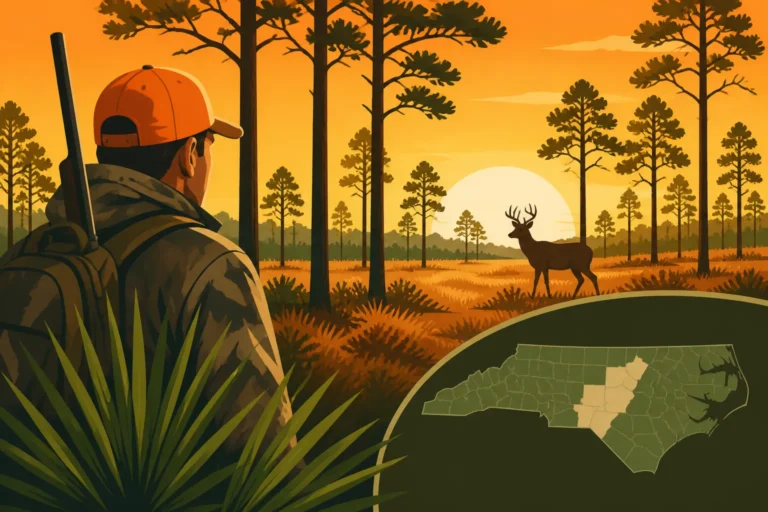
The Central Zone, often referred to as the Piedmont, represents a vast and diverse area of North Carolina, from the rolling hills and hardwood forests near cities like Raleigh and Charlotte to the extensive agricultural lands further west. The rut here generally falls into a more "traditional" timeframe for many hunters, often peaking in mid-November. This zone also tends to have a higher deer density and often produces some impressive bucks due to excellent nutrition, making it a highly popular area for rut hunting. Many hunters will agree that Why the Piedmont Grows Big Bucks is directly related to the rich habitat available.
Peak Rut Strategies for Piedmont Deer
In the Piedmont, the peak rut typically runs from roughly the second week of November through Thanksgiving. During this period, buck activity is at its highest, with intense chasing, sparring, and constant searching for does. This is the time when you're most likely to see a mature buck cruising in daylight, sometimes even in unexpected places. Hunters here should be prepared for all-day sits, as buck movement can occur at any hour.
Focusing on pinch points and funnels remains critical, but in the Piedmont, these might look a little different. Think about saddles between ridges, creek crossings, or timber strips connecting larger blocks of woods. Field edges, especially those bordering dense cover, are also hotspots, as bucks will scent-check these areas for does feeding in the early morning or late afternoon. Incorporating calls, such as rattling and grunting, can be especially effective during the peak rut, as bucks are more aggressive and responsive. Learning about Rattling and Grunting in North Carolina can significantly improve your chances.
Dealing with Pressure in Central Farmland
A significant challenge in the Central Zone, particularly in areas with a mix of agriculture and scattered timber, is hunting pressure. With higher human populations and accessible land, deer in the Piedmont can become very wary. During the rut, however, their biological drive can sometimes override their caution. This doesn't mean they're stupid, but they are certainly more vulnerable to making mistakes.
To combat pressure, try to find parcels of unpressured cover or areas that are difficult for other hunters to access. This might mean walking a little further, or finding smaller, overlooked woodlots that connect larger tracts. Bucks often retreat to these sanctuaries during the day, only to emerge to scent-check doe groups during low-light hours or in the middle of the day when most hunters have left their stands. Setting up on the downwind side of known bedding areas or thick cover, watching for bucks cruising the edges, can be a highly productive tactic. The GoHunt platform is excellent for identifying public land parcels and understanding potential access points that might see less pressure, helping you find those hidden gems. When considering equipment, having a reliable Rifle Setups for North Carolina Deer Hunting that performs well in both open fields and dense woods is a significant advantage.
Rut Hunting in North Carolina's Western Zone
The Western Zone, encompassing the rugged Appalachian Mountains and foothills, presents a completely different landscape and a noticeably later rut timing compared to the rest of the state. This can be a blessing for hunters who prefer to avoid the crowds of earlier seasons or who enjoy the challenge of hunting bigger, wilder country. The later rut here, often kicking into high gear in late November and early December, means hunters need to adapt their strategies to colder weather and unique mountain terrain.
Later Rut Challenges in the Mountains
While the Eastern and Central zones are often well past their primary rut activity by Thanksgiving, the Western Zone is just getting started. Bucks in counties like Madison, Ashe, or Cherokee might not hit their peak chasing phase until late November, often extending well into the first two weeks of December. This timing means you're often hunting in colder temperatures, potentially dealing with snow or ice, and deer behavior will be influenced by the need to conserve energy and find dwindling food sources.
One of the biggest challenges in the mountains is simply finding the deer. Their range is often much larger, and their movements are heavily influenced by topography. During the late rut, focus shifts from abundant early-season food to more limited options. Bucks will still be scent-checking for does, but they'll be doing so in relation to remaining mast crops like acorns (if any are left) or winter browse. Understanding Coastal Plain Versus Mountain Deer dynamics can help you appreciate these differences.
Still-Hunting Mountain Bucks
Still-hunting is a classic and highly effective tactic for hunting the mountain rut. Rather than sitting in a fixed stand for hours, this method involves moving slowly and deliberately through the woods, stopping frequently to glass and listen, covering ground quietly. During the late rut, bucks are actively cruising ridge lines, saddles, and bench systems, looking for does. By mimicking this searching behavior, you increase your chances of intercepting a moving buck. For optimal success, consider strategies for Still-Hunting Nantahala Forest Ridges, as this terrain provides excellent opportunities.
Focus on terrain features that funnel deer: saddles between peaks, benches along steep slopes, and creek bottoms that connect different elevations. Pay close attention to wind direction, as thermals in the mountains can be tricky, often rising in the morning and falling in the evening. Moving into the wind and uphill in the morning, or with the thermals pushing down and into the wind in the afternoon, can help you stay undetected. Glassing frequently, even in thick timber, can reveal a flick of an ear or a patch of hide that would otherwise go unnoticed. The GoHunt mapping features are particularly useful in rugged mountain terrain for identifying these crucial funnels and planning your still-hunting routes. If you're planning for longer sits, especially in colder conditions, it's wise to read up on Muzzleloader Deer Hunting in North Carolina as the season can overlap with the late rut.
Key Rut-Hunting Tactics and Considerations
Regardless of which North Carolina zone you're hunting in, there are some universal truths and tactics for maximizing your success during the rut. It's a time when diligence, patience, and attention to detail can truly pay off. From understanding how deer interpret their environment to preparing for unpredictable weather, these considerations will sharpen your approach.
Reading Sign and Deer Behavior
The rut is a period of intense communication among deer, and learning to read their "language" on the landscape is crucial. Fresh rub lines, where bucks scrape velvet from their antlers and deposit scent from forehead glands, indicate active buck presence. Scrapes, particularly large "community" scrapes with overhanging licking branches, are essentially deer dating apps, telling you that does are coming into estrus and bucks are checking for their availability. Pay attention to the freshness of these signs. Wet leaves in a scrape, or sap still oozing from a rub, mean recent activity.
During the peak of the rut, bucks will often appear "single-minded," cruising at a consistent pace. Look for body language that indicates a buck is focused: head down, nose to the ground, often weaving back and forth as if trailing a doe. They might pause briefly to scent check, lift their heads to listen, or even vocalize with grunts. If you see this behavior, stay vigilant, as a doe, or even another buck, might not be far behind. It's also worth noting that in some areas, North Carolina Deer Bag Limit Rules can influence hunter behavior and pressure during this peak time. The GoHunt app can help you track these areas and hunter reports.
Making the Most of Shorter Days
As the rut progresses, especially in the Central and Western Zones, the days grow noticeably shorter, and temperatures drop. This means maximizing your time in the stand, especially during prime morning and evening hours. However, unlike early season, rut activity can happen throughout the day. Many big bucks are taken between 10 AM and 2 PM, when most hunters are heading out for lunch or back to camp.
Pack enough food, water, and warm layers to stay comfortable for an all-day sit. Staying hydrated and fueled is vital for maintaining focus and alertness. If you're out in the mountains or more remote public lands like those detailed in Scouting North Carolina Public Land Before Season, having a reliable plan for extraction and meat care is also important, as colder temperatures can mean a larger deer and a tougher drag. The investment in proper gear and a comfortable stand setup will pay dividends when that cruising buck finally walks into range in the middle of a November afternoon.
Rut Timing Across North Carolina's Zones
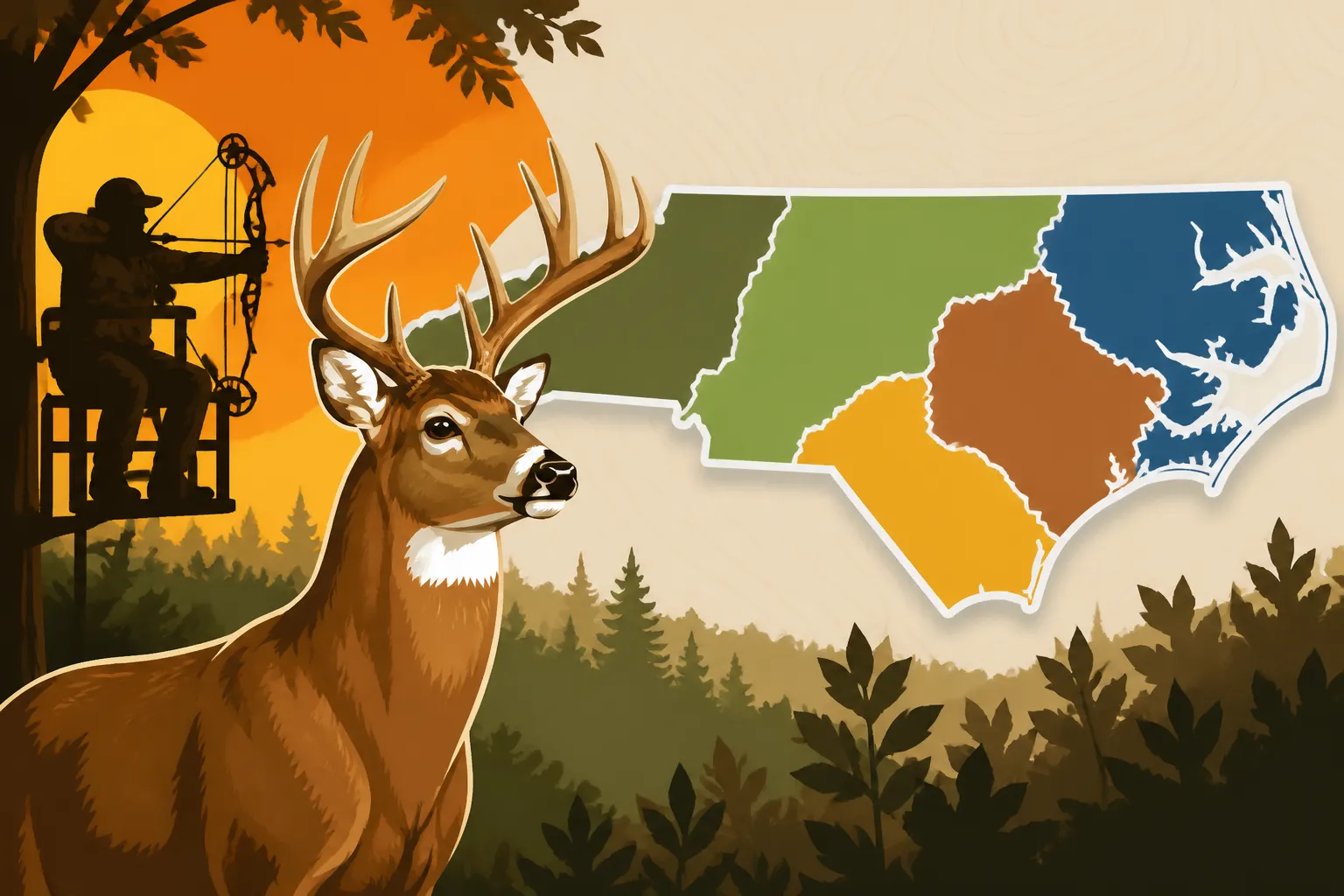
To give you a clearer picture of what to expect, here’s a general breakdown of the rut timing across North Carolina's primary hunting zones. Remember, these are general guidelines; local conditions and specific deer populations can always shift these windows slightly.
| North Carolina Hunting Zone | Primary Rut Peak Window | Observed Rut Start (Approx.) | Observed Rut End (Approx.) | Key Hunter Strategy |
|---|---|---|---|---|
| Eastern Zones | Late October – Mid-November | Mid-October | Late November | Focus on thick cover edges, field funnels, early season. |
| Central Zone (Piedmont) | Mid-November – Late November | Early November | Early December | All-day sits, pinch points, calling, hunt pressured areas. |
| Western Zone (Mountains) | Late November – Mid-December | Mid-November | Late December | Still-hunting, ridge saddles, food sources, cold weather gear. |
This table provides a snapshot, but it’s crucial to delve deeper into your specific county or Game Land. Tools like the GoHunt app often have community features or localized reports that can give you real-time updates on what deer are doing in your immediate area. By combining this information with the general patterns, you'll be well-equipped to target the peak of Hunting the Rut in the Eastern Zones or Hunting the Rut in the Western Zone.
Disclaimer
Hunting involves inherent risks, and conditions in North Carolina's diverse terrain can change rapidly. Always prioritize safety, understand and adhere to all North Carolina Wildlife Resources Commission regulations, and hunt ethically. This guide is for informational purposes only and should not replace official hunting education or local expert advice.