Hunting Deer After a Cold Front
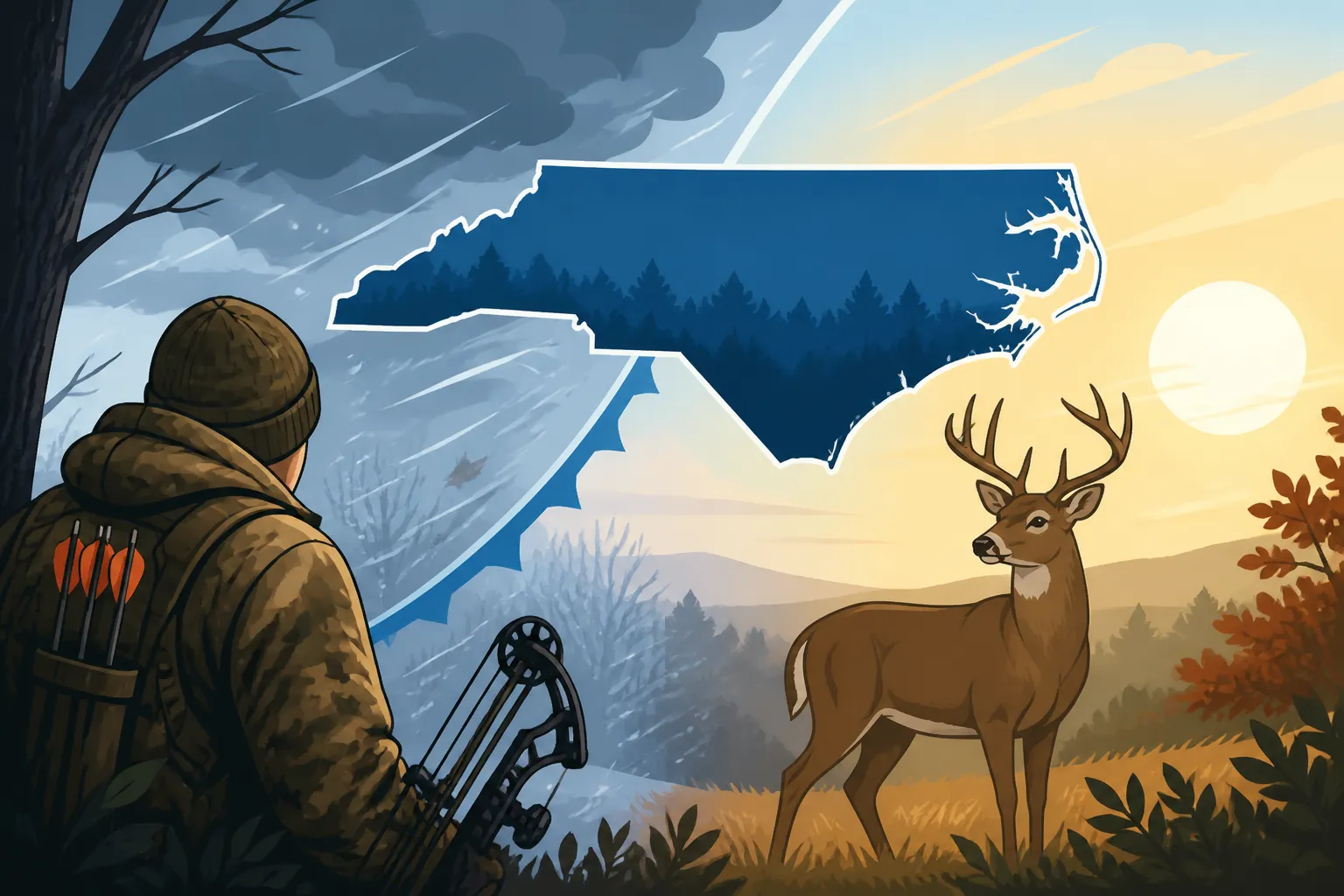
It's a classic scenario, isn't it? You've been watching the weather app like a hawk, hoping for that perfect dip in temperature. Then, it finally hits: a strong cold front rolls through North Carolina. You gear up, filled with anticipation, only to find the woods eerily quiet, or maybe a flurry of activity you weren't quite ready for. Hunting deer after a cold front can be incredibly rewarding, but it's not always as simple as "cold weather equals deer movement." This guide is all about unraveling the mysteries of post-front deer behavior in North Carolina, helping you understand why they do what they do, and how you can adapt your tactics to be in the right place at the right time.
Understanding Deer Behavior Shifts After a Cold Front
There's a persistent myth that any cold front automatically turns deer into super-active, rut-crazed machines. While it's true that a significant drop in temperature often spurs movement, the nuances are what truly matter. Deer are masters of efficiency, and their response to a cold front is deeply rooted in their survival instincts, driven by changes in barometric pressure, temperature, and even the clarity of the air.
The Barometric Pressure Connection
Before a cold front arrives, the barometric pressure typically falls. Deer, like many animals, seem to sense this change. Often, you'll notice increased feeding activity just before the front actually hits. They're basically trying to top off their tanks, anticipating the weather shift. Think of it like us knowing a big storm is coming and making a grocery run. They want to be full and ready to hunker down if needed.
Once the cold front passes, the barometric pressure usually rises sharply and stabilizes. This rise in pressure is a major catalyst for deer movement. It seems to invigorate them, making them feel more comfortable and active. The air often feels crisp and clear, and they'll get on their feet to move, feed, and socialize. This is often when you hear hunters talking about deer "being on their feet" all day. It's not just the temperature, but that stable, high pressure that really gets them going.
Temperature Drops and Feeding Urges
A significant drop in temperature means deer need more calories to maintain their body heat, especially if it's been warm. So, after a cold front, their drive to feed becomes paramount. This often leads them directly to reliable food sources. In the Piedmont, this might mean a standing soybean field or a freshly cut cornfield. In the mountains, it could be a productive white oak ridge still dropping acorns, or even new browse as other food sources diminish.
The severity of the temperature drop matters too. A slight cool-down might just bring out a few more deer during daylight hours, but a drastic drop of 20 degrees or more can really flip a switch. Deer that were lethargic in warm weather suddenly become energetic. This is especially true if the front follows a period of unseasonably warm temperatures, which can make the woods feel absolutely dead.
Key Factors Influencing Deer Movement Post-Front
While barometric pressure and temperature are huge drivers, they're not the only things at play. Several other environmental and biological factors interact to dictate exactly how deer respond to a passing cold front in North Carolina. Ignoring these can leave you scratching your head while other hunters are having success.
Wind Direction and Speed
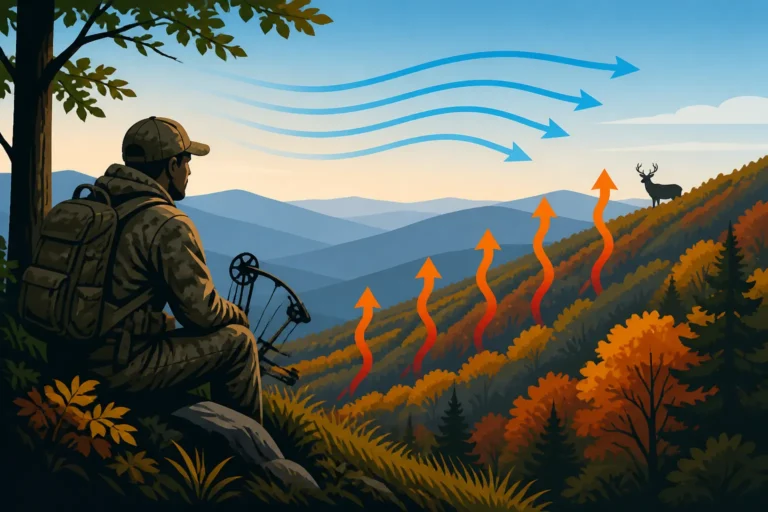
A cold front almost always brings a significant shift in wind direction and often an increase in wind speed. This is critically important for hunters. Deer rely heavily on their sense of smell, and they use the wind to their advantage to detect predators. After a front, winds can be swirling, gusty, or simply come from a direction you haven't dealt with in days.
Always pay close attention to the predicted wind direction after the front has settled. If you've been relying on a stand set for a southwest wind, but the front brings a steady northwest breeze, your old setup might be compromised. This is where having multiple stand locations scouted for different wind directions really pays off. A good tool like GoHunt's mapping features can help you visualize wind patterns and identify optimal stand placements for various conditions. You can also learn a lot by studying Wind and Thermals on a Blue Ridge Slope when hunting in the Western Zones, as these factors are magnified in mountainous terrain.
Cloud Cover and Sunshine
Often, a cold front clears out lingering humidity and cloud cover, ushering in bright, clear, sunny skies. While we might enjoy these conditions, they can sometimes cause deer to remain bedded down in thick cover longer, especially if the ground is still damp from any pre-front precipitation. They'll wait for the sun to warm their bedding areas before venturing out.
However, once they do get up, that crisp air and bright sunshine can still encourage movement. The key is often timing. Don't assume that because the sun is out, deer won't move. They might just shift their peak activity times slightly, perhaps waiting a bit longer in the morning or coming out earlier in the afternoon to bask in the warmth.
Phase of the Rut and Food Source Availability
The deer's reproductive cycle, or rut, plays a massive role in how they react to any weather system. If a cold front hits during the peak of the rut in your area – perhaps when you're Hunting the Rut in the Eastern Zones or Hunting the Rut in the Western Zone – the impact can be explosive. Bucks that might have been laying low in warm weather are suddenly energized, driven by both the weather and their biological imperative to find does. This is when you can see those all-day movements that hunters dream about.
Food availability is also non-negotiable. After a cold front, deer need to eat. If natural food sources like acorns are abundant, deer will gravitate towards them. If acorns are scarce, they'll hit planted food plots, agricultural fields, or browse. Always know your Late-Season Food Sources for North Carolina Whitetails and adjust your strategy accordingly. A cold front might be the trigger, but food is often the magnet.
Tactical Adjustments for Cold Front Hunting
Knowing why deer move is only half the battle. The other half is knowing how to use that information to your advantage. Adapting your hunting strategy to capitalize on post-front conditions is crucial for success. This often means being flexible and willing to try new approaches.
Focus on Food and Transition Zones
As mentioned, feeding is a high priority after a cold front. This means your primary focus should be on known food sources. This could be a freshly cut cornfield, a lush clover plot, or even a specific oak flat that's still dropping acorns. Scout these areas heavily before the season, perhaps using Scouting North Carolina Public Land Before Season to identify key feeding locations.
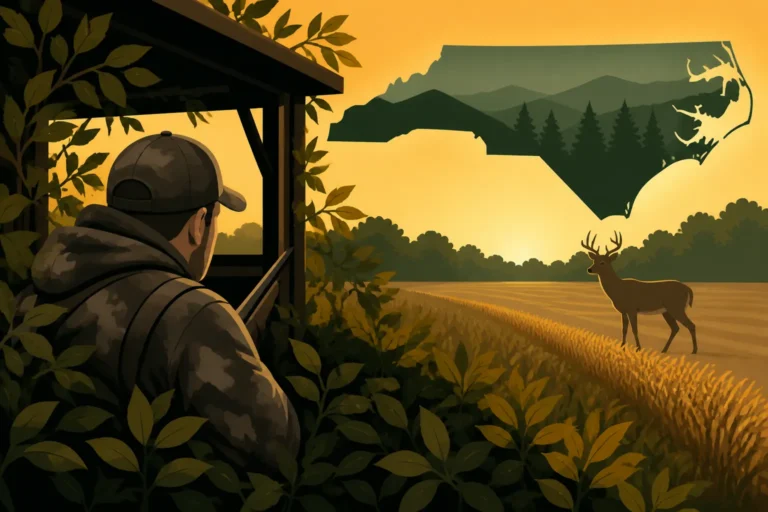
Beyond just the food itself, concentrate on the transition zones leading to and from these food sources. These are the edges of thickets, creek bottoms, logging roads, and saddles that deer use as travel corridors between bedding areas and feeding grounds. A cold front often makes these routes even more predictable as deer move with renewed purpose. You might find a great spot Setting Up on a Piedmont Field Edge where deer stage before entering a field.
Here's a quick reference table for deer activity relative to weather changes:
| Weather Stage | Barometric Pressure | Temperature Change | Wind | Deer Activity (General) | Optimal Hunting Strategy |
|---|---|---|---|---|---|
| Before Cold Front | Falling | Rising / Stable | Variable | Increased Feeding | High-traffic food sources, evening hunts |
| During Cold Front | Falling / Low | Dropping | Gusty / Shift | Reduced / Erratic | Deep cover, bedding areas, scent control |
| Immediate Post-Front | Rising / Stable | Dropping (Sharp) | Clear / Steady | High / Sustained | Food sources, transition zones, all-day sits |
| Days After Front | Stable / High | Cold (Stable) | Steady | Normalizing / Good | Bed-to-feed patterns, midday movement |
All-Day Sits and Timing Your Movement
When a strong cold front hits, especially during the rut, deer can be on their feet at any time of day. This is when those grueling all-day sits become genuinely worthwhile. Instead of just focusing on dawn and dusk, consider staying in your stand from sunup to sundown. You might catch a mature buck cruising for does at 11 AM or 2 PM, a time when many hunters are back at camp for lunch.
If all-day sits aren't feasible, maximize your time during the prime morning and late-afternoon hours. On public lands where North Carolina Public Land Hunting Hours allow it, consider extending your hunt past what you normally would. However, remember to time your entry and exit carefully to avoid bumping deer, especially when approaching a field edge or a bedding area.
Scent Control and Quiet Movement
With the crisp, clear air and potentially shifting winds that come with a cold front, scent control becomes even more critical. Your scent will carry farther and swirl more unpredictably. Use quality scent-eliminating sprays, wash your hunting clothes in scent-free detergent, and pay extra attention to what you eat and drink before heading into the woods.
Quiet movement is also paramount. Cold weather can make the woods crunchy underfoot, with frozen leaves and brittle twigs. Take your time, lift your feet, and avoid rushing. Every crackle and snap will carry further in the still, cold air. This is particularly important if you're trying to sneak into a bedding area or set up on a travel corridor where deer might be nearby. Remember that deer are often refreshed and alert after a cold front, making them even more sensitive to unusual sounds.
Reading the Landscape for Post-Front Opportunities
Deer don't just wander aimlessly after a cold front; their movements are calculated and deliberate, often dictated by the topography and available cover. Learning to "read" the landscape with post-front conditions in mind can significantly boost your odds.
Thermal Cover and Sun Exposure
After a substantial temperature drop, deer will seek out thermal cover to escape the wind and stay warm. This means thick pines, dense cedar thickets, or deep draws and hollows that offer protection from prevailing winds. Look for areas with dense, evergreen vegetation, particularly on south-facing slopes that catch more sunlight throughout the day. These spots offer both warmth and concealment.
Conversely, areas that were once good in warmer weather but are exposed to cold winds might become less active. For example, a wide-open oak flat that was hot during early season might be abandoned in favor of a sheltered ridge or a dense bedding area. When hunting in the mountains, Reading a Ridge for Mountain Zone Deer can reveal subtle changes in elevation and cover that provide crucial thermal breaks.
Observing Fresh Sign and Rut Activity
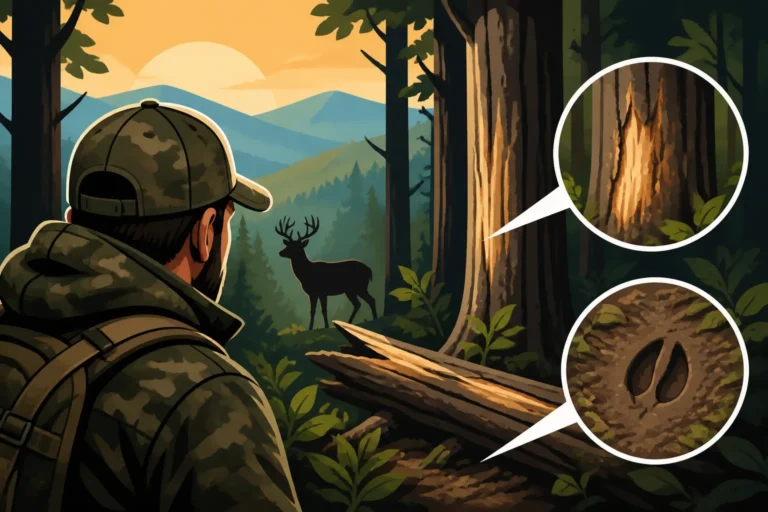
A cold front, especially during the rut, can trigger an explosion of fresh sign. Look for newly opened scrapes, freshly rubbed trees, and most importantly, Reading North Carolina Mud for Fresh Deer Movement. Frozen ground might make tracks harder to see, but if there's any soft earth, those fresh hoof prints will tell a story. Increased activity means bucks are checking their scrapes and rubs more frequently, leaving behind a clear roadmap of their movements.
Don't just look for any sign; look for fresh sign. A cold, crisp morning after a front is the perfect time to find out where deer were moving during the night. If you find a hot scrape line or a series of fresh rubs along a travel corridor, you're in a prime location. This could be along Scrape Lines Along a Logging Road or through a natural funnel.
Utilizing Natural Funnels and Bottlenecks
Deer are creatures of habit and efficiency. They will always take the path of least resistance or the safest route between bedding and feeding areas. After a cold front, when they are moving with more purpose, these natural funnels and bottlenecks become even more critical. These can be saddles between two ridges, narrow strips of timber between open fields, creek crossings, or pinch points where thick cover forces deer into a specific travel path.
Consider a situation where you're Hunting a Ridge-Top Saddle for Rutting Bucks. A cold front might push bucks to move more frequently through that saddle, checking for does on either side. These natural choke points are excellent ambush locations, as they concentrate deer movement into predictable areas. A good mapping app can help you identify these features on your preferred hunting grounds, even areas that might Finding Ground That Sees Fewer Hunters.
Ultimately, hunting deer after a cold front in North Carolina is about preparation, observation, and adaptability. Don't assume anything; let the deer and the conditions tell you the story.
Disclaimer
Hunting is an inherently dangerous activity. Always prioritize safety, understand and follow all North Carolina Wildlife Resources Commission regulations, and hunt ethically. The information provided in this guide is for informational purposes only and does not constitute professional advice. Always check the latest regulations and consult with experienced local hunters or wildlife officials.