North Carolina’s Black Bear Population
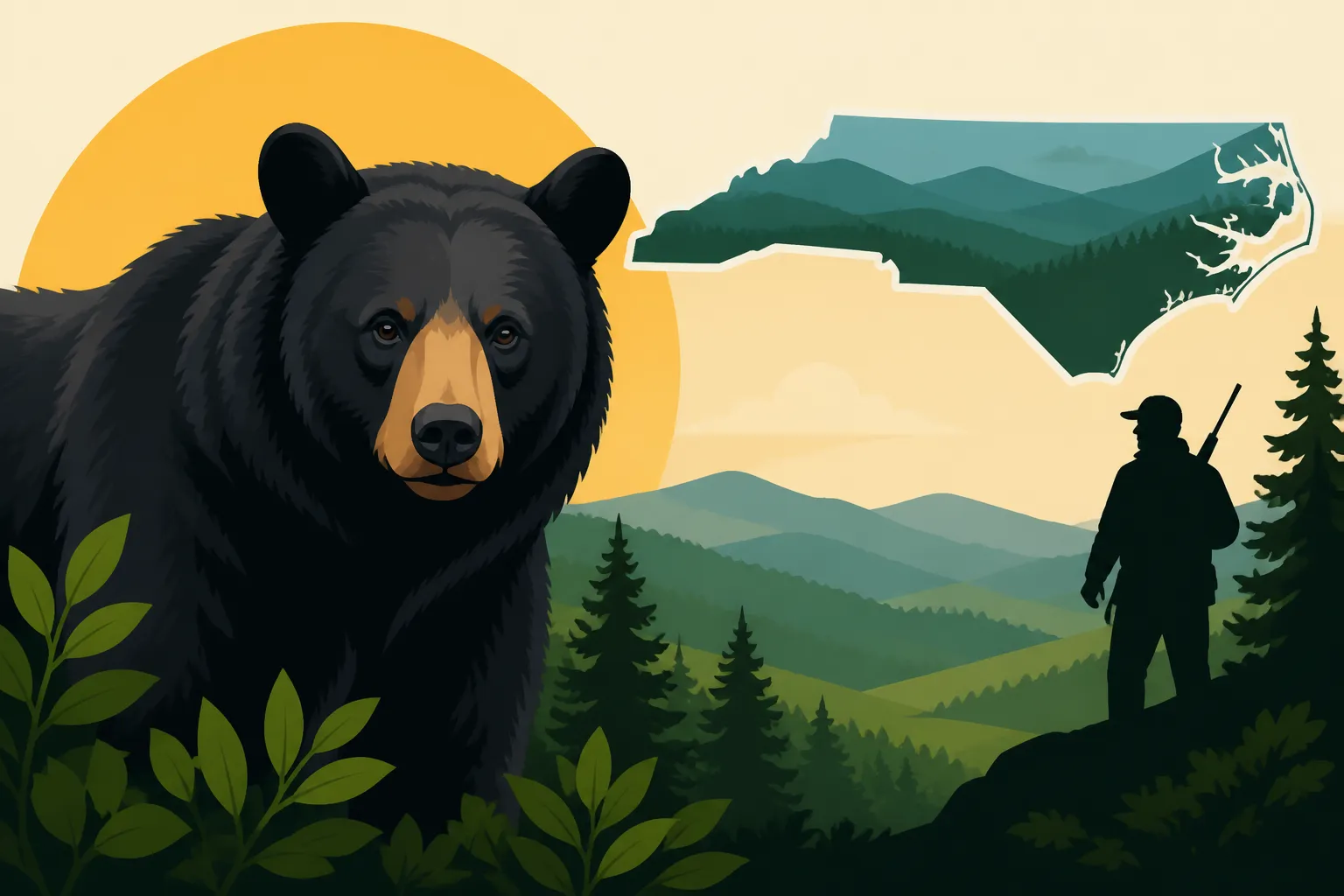
It’s a truly fascinating time to be in North Carolina, especially if you’re interested in wildlife. For decades, many folks rarely, if ever, caught a glimpse of a black bear outside of a deep mountain cove or a remote coastal swamp. But times are changing, and our state’s black bear population has grown by leaps and bounds, leading to more frequent encounters and a need for a deeper understanding of these magnificent creatures. This comprehensive guide will take you through the incredible journey of North Carolina's black bears, from their historical struggles to their impressive resurgence, offering insights into their biology, behavior, and how we can all learn to coexist safely with them.
The Remarkable Resurgence of North Carolina's Black Bears
North Carolina is home to one of the largest and densest black bear populations in the southeastern United States, a fact that often surprises newcomers and even some long-time residents. This hasn't always been the case, and the story of the black bear's comeback in our state is a testament to dedicated conservation efforts and the bears' incredible adaptability.
From Near Extinction to Thriving Populations
Just a century ago, the future for black bears in North Carolina looked bleak. Unregulated hunting, extensive logging, and widespread habitat destruction pushed bear populations to critically low numbers, primarily confining them to the most remote, rugged mountain terrain and the deepest, most inaccessible coastal swamps. It was a common sentiment that these animals were a nuisance, a threat to livestock, or merely a resource to be exploited without thought for the future. You could travel through vast stretches of the state and never even hear a whisper of a bear.
However, thanks to the foresight of conservationists and the establishment of the North Carolina Wildlife Resources Commission (NCWRC), things began to turn around in the mid-20th century. Protective hunting regulations were enacted, season lengths were adjusted, and limits were put in place. Most importantly, large tracts of land were set aside as national forests and game lands, providing crucial habitat for bears to recover and expand their territories. This slow but steady shift in public perception and policy allowed black bears to gradually reclaim their ancestral lands, demonstrating a remarkable resilience that continues to this day.
Why North Carolina is a Bear Haven
So, what makes North Carolina such an ideal place for black bears to thrive? It boils down to a perfect storm of diverse and abundant habitat, a rich food supply, and a favorable climate. Our state stretches from the rugged Appalachian Mountains, through the rolling hills of the Piedmont, and into the vast coastal plains, each region offering distinct advantages for bears. The mountains provide dense, mature forests with plentiful hard mast – acorns, hickory nuts, and beechnuts – which are critical food sources. The coastal plain, on the other hand, boasts immense pocosins (dense, shrubby wetlands), swamps, and extensive pine forests, providing both cover and an abundance of soft mast like blueberries, blackberries, and gallberries.
This variety ensures that even if one food source is scarce in a given year, bears can often find alternatives. Furthermore, North Carolina's relatively mild winters mean that bears don't have to spend as long in torpor (a lighter form of hibernation) as their northern cousins, allowing for longer active periods for foraging and breeding. The sheer amount of undeveloped land, particularly in the eastern and western extremes of the state, offers the solitude and space these large animals need to flourish, contributing to why North Carolina Grows Some of the East's Biggest Bears.
Where North Carolina Black Bears Live Today
While bears were historically confined to isolated pockets, their comeback has seen them expand their range significantly. Today, you can find black bears in every one of North Carolina’s 100 counties, though their densities vary dramatically. The traditional strongholds remain, but new areas are increasingly becoming home to these expanding populations.
The Mountain Giants: Western NC Bear Country
When most people think of black bears in North Carolina, they picture the majestic Appalachian Mountains. This is indeed prime bear country, particularly in the westernmost counties that encompass the Pisgah and Nantahala National Forests. Here, bears roam vast, uninterrupted tracts of hardwood forest, finding abundant mast crops and dense cover. Counties like Haywood, Swain, Macon, Transylvania, and Jackson consistently report high bear populations and harvests. These mountain bears are often leaner and more athletic, constantly navigating steep terrain and foraging across wide ranges.
Hunters often target these areas, utilizing advanced mapping tools like those found in platforms such as GoHunt to identify prime bedding areas, travel corridors along ridges, and feeding sites like oak flats. For those looking to understand the specific hunting opportunities in these areas, exploring guides on Hunting the Mountain Bear Zones can be incredibly helpful. The challenges of hunting here – steep climbs, dense undergrowth, and unpredictable weather – are often rewarded with encounters with mature, resilient mountain bears. For more specific information on these areas, you might also want to look into Where Mountain Bears Range.
Coastal Plain Powerhouses: Swamp and Pocosin Bears
Shifting gears entirely, North Carolina’s eastern Coastal Plain offers a dramatically different, yet equally productive, bear habitat. This region, characterized by extensive pocosins, cypress swamps, maritime forests, and agricultural lands, supports a population of bears known for their impressive size. The thick, nearly impenetrable vegetation provides exceptional cover, and the rich soils support dense stands of berries and nuts, as well as easy access to agricultural crops like corn and soybeans. Areas like the Alligator River National Wildlife Refuge, Pocosin Lakes National Wildlife Refuge, and large tracts of game lands in counties such as Dare, Hyde, Washington, Tyrrell, and Beaufort are renowned for their high bear densities and the sheer size of the bears they produce.
It’s not uncommon for coastal plain bears to weigh significantly more than their mountain counterparts due to this consistent, high-calorie diet. These bears are masters of navigating the wet, boggy terrain, often leaving massive tracks in the soft mud. Many hunters specifically travel to the east for the challenge and reward of Hunting the Coastal Bear Pocosins. The unique environment here plays a huge role in the bears' physiology and behavior, making them a distinct population within the state. A deeper dive into Where Coastal Bears Range provides even more context.
Piedmont Expansion: Bears Moving Closer
Perhaps the most significant and often surprising aspect of North Carolina’s bear population growth has been their expansion into the central Piedmont region. Once rare sightings, bears are now regularly observed in counties closer to major cities like Raleigh, Greensboro, and Charlotte. This expansion is a complex phenomenon, driven by a combination of increasing population density in their traditional strongholds, the dispersal of young bears seeking new territories, and the patchwork of suitable habitat (woodlots, creek bottoms, agricultural fields) that exists even in more developed areas.
While not as dense as the mountains or coast, these Piedmont populations are growing, leading to more frequent human-bear interactions, particularly in suburban and exurban communities. This means more backyard sightings, more encounters with garbage cans, and a greater need for public education on coexistence. The phenomenon of Bears Moving Into Piedmont Suburbs is a topic of growing interest and concern for both wildlife managers and residents alike, highlighting the need for vigilance and appropriate management strategies to minimize conflicts.
Understanding North Carolina Bear Biology and Behavior
To truly appreciate North Carolina's black bears and understand how to coexist, it's essential to delve into their fascinating biology and behavior. These animals are incredibly intelligent and adaptable, driven by strong seasonal rhythms and a constant search for sustenance.
Seasonal Cycles and Denning Habits
Black bears are highly seasonal creatures, their lives largely dictated by the availability of food. Spring sees them emerge from their dens, often lean and hungry, eager to find tender vegetation and insect larvae. Summer is a time of abundant berries and fruits, allowing them to gain weight steadily. However, autumn is perhaps the most critical period, known as hyperphagia, where bears enter an intense feeding frenzy, consuming vast quantities of calories to build up fat reserves for the upcoming winter denning period.
Denning in North Carolina is typically less severe than in colder climates. While bears do enter a state of torpor, it's not a deep hibernation. They can wake up, move around, and even emerge for short periods during mild spells. Denning sites vary widely, from hollow logs and brush piles to tree cavities, rock crevices, or simply shallow nests dug into dense vegetation. Pregnant sows typically den earlier and for longer, giving birth to their cubs in the warmth of the den, usually in late January or early February. Understanding these patterns is key to grasping North Carolina Bear Denning Behavior and recognizing their vulnerability during certain times of the year.
What Bears Eat: A Forager's Diet
Black bears are omnivores, meaning they eat both plants and animals, but their diet is overwhelmingly vegetarian, especially in North Carolina. They are opportunistic foragers, constantly adapting their menu to what's available. In spring, they might eat emerging grasses, sedges, and the occasional carrion. As summer progresses, their diet shifts to an abundance of soft mast: blueberries, blackberries, raspberries, and pokeberries. They'll also seek out insects, particularly ant larvae.
Come fall, hard mast becomes king. Acorns from various oak species, hickory nuts, and beechnuts are crucial for building up fat reserves. If natural mast crops are poor, bears will readily turn to agricultural fields, particularly corn and soybeans, which can lead to significant crop damage for farmers. And, unfortunately, human-provided food sources like garbage, pet food left outdoors, and bird feeders become incredibly attractive, leading to increased human-bear conflicts, especially in suburban areas. It’s this broad diet and willingness to exploit new food sources that has enabled their expansion.
Reproduction and Survival Rates
Black bear reproduction is a fascinating aspect of their biology. Sows typically don't breed until they are three to five years old, and then only every other year. Mating usually occurs in late spring or early summer, but the fertilized egg undergoes a process called "delayed implantation." This means the embryo doesn't implant in the uterine wall and begin developing until late fall, allowing the sow to assess her physical condition and fat reserves after the crucial autumn feeding period. If she hasn't accumulated enough fat, the pregnancy may not proceed.
If implantation occurs, typically one to three tiny, helpless cubs are born in the den in mid-winter. These cubs are entirely dependent on their mother for survival, staying with her for about 18 months, learning vital survival skills. This long maternal care period, combined with delayed implantation, means black bear populations grow relatively slowly compared to some other wildlife species. Cub survival rates are influenced by many factors, including food availability, predation (primarily by other bears or coyotes), and human-related mortality (vehicle collisions, poaching).
North Carolina Bear Harvest Trends and Management
With a thriving and expanding black bear population, effective management is paramount. The North Carolina Wildlife Resources Commission (NCWRC) employs a comprehensive strategy that includes regulated hunting seasons, habitat management, and public education to maintain healthy bear numbers while minimizing conflicts with humans.
Historical and Current Harvest Numbers
Tracking bear harvest numbers is a critical component of wildlife management. Historically, harvest numbers were low due to depressed populations. However, as populations rebounded, so too did the number of bears harvested by hunters. The NCWRC meticulously collects data on bear harvests annually, requiring hunters to report their kills. This data, including location, sex, and weight, provides invaluable insights into population health, distribution, and trends.
In recent decades, North Carolina has consistently ranked among the top states for black bear harvests in the Southeast, reflecting the robust and healthy population. These harvests are carefully managed through specific season dates and bag limits, designed to ensure sustainable populations while providing recreational opportunities for hunters. Analyzing North Carolina Bear Harvest Trends allows biologists to make informed decisions about future regulations, adjusting them as needed to respond to population changes or regional challenges.
North Carolina's Twenty-Two Bear Management Zones
To manage such a diverse and widespread bear population effectively, North Carolina is divided into twenty-two distinct bear management zones. Each zone has its own specific objectives and hunting regulations tailored to the local bear population dynamics, habitat characteristics, and human-bear conflict levels. This nuanced approach allows the NCWRC to address regional differences rather than applying a one-size-fits-all strategy. For example, zones in areas with high bear densities and significant agricultural damage might have longer seasons or higher bag limits, while zones with slower-growing populations might have more conservative regulations.
Understanding these zones is absolutely critical for any bear hunter in the state. Planning your next hunt often starts with reviewing the regulations for North Carolina's Twenty-Two Bear Management Zones. Resources like GoHunt can provide invaluable insights into these zone boundaries and associated rules, helping hunters stay compliant and effective. This zoning system is a prime example of adaptive management, allowing the NCWRC to be flexible and responsive to the needs of both the bears and the human communities they interact with.
Balancing Conservation and Human-Bear Coexistence
The goal of bear management in North Carolina is not simply to grow the population, but to manage it in a way that allows for healthy bear numbers while fostering coexistence with humans. This is a constant balancing act. As bears expand into more populated areas, the potential for conflicts — from raided bird feeders to crop damage and even safety concerns — naturally increases.
Conservation efforts today focus not just on population numbers but also on habitat connectivity, reducing human-bear conflicts through public education, and providing options for landowners experiencing damage. The NCWRC actively works with communities to implement strategies like bear-resistant garbage containers and educational campaigns. This proactive approach aims to prevent problems before they escalate, ensuring that both bears and people can safely share the North Carolina landscape. Staying updated on seasonal patterns and wildlife movements, a tool like GoHunt can be incredibly useful for both hunters and those simply interested in wildlife patterns.
| Feature | Mountain Bears | Coastal Plain Bears |
|---|---|---|
| Typical Habitat | Dense hardwood forests, steep terrain, high elevations | Pocosin swamps, maritime forests, agricultural lands |
| Average Weight | Generally leaner, often 150-350 lbs (males) | Often heavier, 250-600+ lbs (males) |
| Diet Focus | Primarily hard mast (acorns, hickory), berries, insects | Soft mast (berries), agricultural crops (corn), acorns |
| Cover | Thick forest understory, rock outcrops | Impenetrable shrubbery, cypress thickets |
| Movement | Extensive range on steep slopes | Navigate dense, wet, low-lying areas |
| Hunting Style | Spot-and-stalk, still-hunting, drives | Hound hunting (where allowed), stand hunting on edges |
| Challenges | Rugged terrain, extreme weather, remote access | Thick cover, wet conditions, insect pressure |
Living with Bears: Minimizing Conflicts and Ensuring Safety
As black bears become more common across North Carolina, understanding how to interact safely with them and prevent conflicts is crucial. Most conflicts arise when bears are attracted to human food sources, leading them to associate people with easy meals.
Preventing Unwanted Encounters
The vast majority of human-bear conflicts are preventable. Bears are incredibly intelligent and have an exceptional sense of smell, so anything that smells like food can draw them in. The most effective way to avoid an unwanted visit is to remove attractants. This means securing garbage in bear-resistant containers or keeping it indoors until collection day. Bird feeders, especially during the spring and summer when natural foods are abundant, are major culprits; taking them down for a few months can make a big difference. Pet food should never be left outside, and grills should be cleaned thoroughly after use.
For those with gardens, beehives, or small livestock, electric fences can be a highly effective deterrent. Even something as simple as picking ripe fruit from trees promptly can reduce a bear's interest in your yard. The key is to make your property as unappealing as possible to a hungry bear, teaching them that human areas are not reliable food sources. This proactive approach is far more effective and less stressful than trying to deal with a persistent bear once it has become habituated to human food.
What to Do If You See a Bear
While preventing encounters is ideal, knowing what to do if you come face-to-face with a bear is equally important. Most black bears are shy and will try to avoid people, but situations can escalate if they feel threatened, are protecting cubs, or are highly habituated to human food. If you see a bear in your yard or while hiking, the first rule is to never run. Running can trigger a chase instinct. Instead, make yourself look as large as possible, make noise, and slowly back away, giving the bear space to retreat.
If a bear stands on its hind legs, it’s usually curious, not aggressive. If a bear approaches you, especially in a bold or persistent manner, it might be habituated to human food. In such cases, make loud noises, wave your arms, and try to appear threatening. In the rare event of an attack, fight back with everything you have. Fortunately, aggressive attacks by black bears are exceedingly rare. For those living in areas where these encounters are more common, such as during Bear Encounters Around Mountain Cabins, knowing these protocols can be the difference between a tense moment and a dangerous situation.
Agricultural Damage and Management Strategies
Bears expanding their range into agricultural areas can pose significant challenges for farmers. Cornfields, soybean fields, orchards, and beehives are all attractive food sources, and bears can cause considerable economic damage. The NCWRC recognizes these issues and offers assistance to landowners experiencing bear depredation. This can include advice on deterrents, such as electric fencing, or in some cases, issuing depredation permits that allow landowners to remove problem bears.
The goal is always to find solutions that minimize damage while maintaining the overall health of the bear population. It's a complex issue that requires cooperation between wildlife agencies, farmers, and the community. When considering bear hunting seasons or specific zone regulations, platforms like GoHunt can help clarify the details, which can also play a role in managing localized bear populations that cause damage. This ongoing dialogue and adaptive management approach are essential for balancing the needs of wildlife and agricultural livelihoods in North Carolina.
Research and Monitoring: Tracking North Carolina's Bear Population
Effective wildlife management relies heavily on sound science, and the NCWRC invests considerable effort in researching and monitoring North Carolina's black bear population. This ongoing work provides critical data needed to make informed decisions about conservation and management strategies.
Tagging and Telemetry Studies
One of the foundational methods for studying black bears involves capture, tagging, and telemetry. Biologists safely trap bears, collect biological samples (like blood, hair, and teeth for aging), and then fit them with ear tags for identification and, in some cases, GPS collars. These GPS collars transmit data regularly, allowing researchers to track bear movements, habitat use patterns, denning sites, and survival rates over extended periods.
This direct observation provides invaluable insights into bear behavior that would otherwise be impossible to obtain. For example, telemetry data can show how far young bears disperse, what types of habitat sows prefer for denning, and how bears utilize agricultural fields. These studies help fine-tune management zones, inform habitat protection efforts, and predict potential areas of human-bear conflict. The dedication of wildlife biologists working in challenging North Carolina terrain is truly remarkable.
North Carolina Black Bear DNA Tracking Study
Advancements in genetic science have opened new avenues for studying wildlife, and North Carolina is at the forefront of applying these techniques to black bear management. The North Carolina Black Bear DNA Tracking Study utilizes genetic analysis to estimate population size, assess genetic diversity, and track individual bears without the need for direct capture. Researchers collect hair samples (often using barbed wire snares that snag hair without harming the bear) or scat samples, then extract DNA.
Each bear's DNA is unique, much like a human fingerprint. By analyzing these genetic markers, biologists can identify individual bears, estimate how many distinct individuals are in an area, and even determine parentage. This non-invasive method is particularly useful for studying elusive populations in dense habitats and provides robust data for population models. It's an incredibly powerful tool that complements traditional tagging studies, offering a more complete picture of the state's bear population dynamics.
Public Reporting and Citizen Science
Finally, the public plays an increasingly vital role in bear monitoring through citizen science initiatives. The NCWRC encourages residents to report bear sightings, particularly those involving unusual behavior, sick animals, or conflicts. This can be done through dedicated online portals or by using the NC Wildlife App. While individual sightings don't provide the same scientific rigor as a DNA study, aggregated public data can help biologists identify areas of increasing bear activity, track expansion into new territories, and pinpoint hotspots for human-bear interactions.
This community involvement is crucial for real-time monitoring and helps identify emerging issues quickly. Moreover, it empowers citizens to become active participants in wildlife conservation. Whether you're a hunter meticulously recording your observations using an app like GoHunt, or a homeowner reporting a bear that visited your backyard, your contributions help paint a more comprehensive picture of North Carolina's dynamic black bear population and support ongoing management efforts. For concerns about sick or injured wildlife, remember to consult guides on Reporting a Sick Animal in North Carolina to ensure the appropriate authorities are notified.
Disclaimer
The information provided in this guide is for general informational purposes only and does not constitute professional advice. Hunting regulations, wildlife behavior, and population dynamics can change. Always consult the official North Carolina Wildlife Resources Commission (NCWRC) regulations and guidelines before engaging in any hunting activities or making decisions related to wildlife. Safety precautions and adherence to local laws are the responsibility of the individual.