Hunting a High Elevation Mountain Bench
High elevation mountain benches in Pisgah and Nantahala National Forests provide deer food, water, and cover on steep slopes.
Close the distance.
Archery, muzzleloader, and firearm techniques — calling, stand placement, still-hunting, spot-and-stalk, and the weapon rules that change at the state line.

High elevation mountain benches in Pisgah and Nantahala National Forests provide deer food, water, and cover on steep slopes.
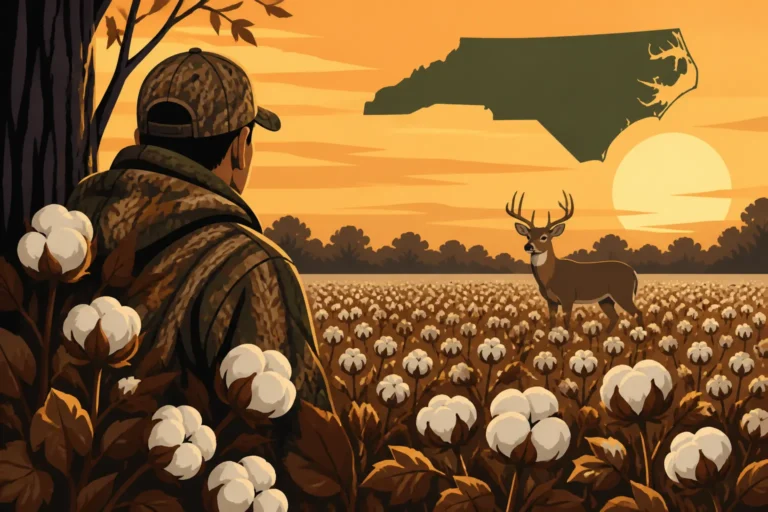
Standing cotton fields in North Carolina offer late-season deer thermal cover, residual food, and secure travel corridors.
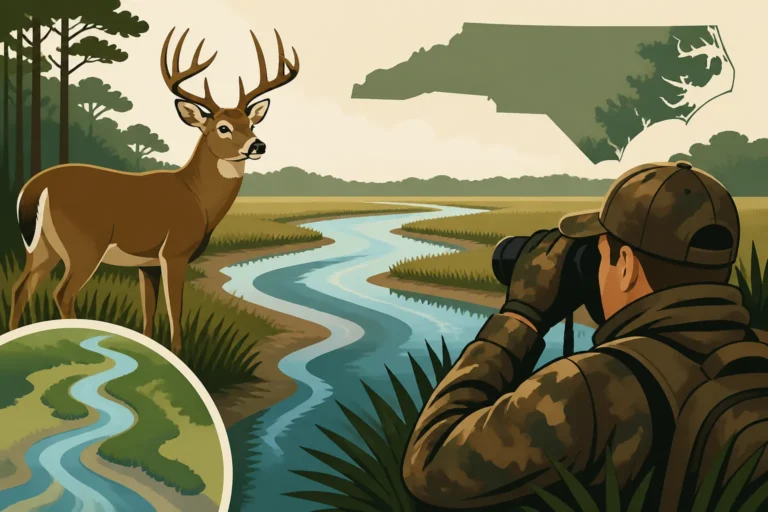
North Carolina tidal creek deer movement patterns change with water levels, forcing whitetails toward dry pinch points and islands.
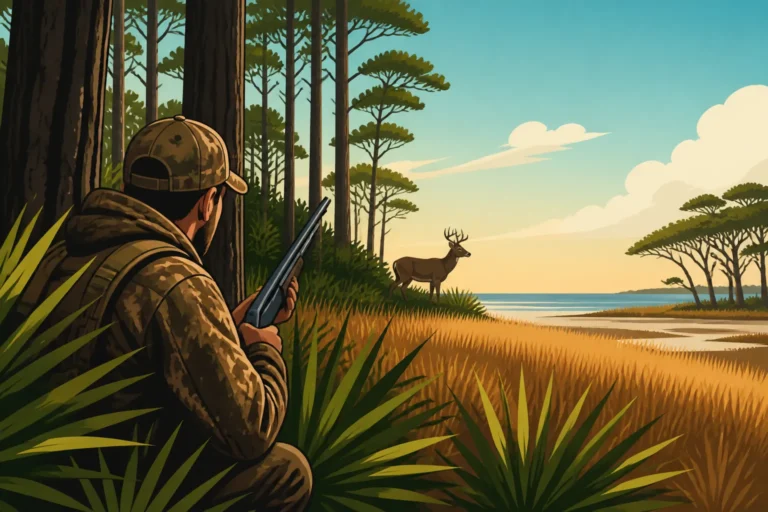
North Carolina coastal maritime forest deer hunting strategies, scouting techniques, and tidal movement factors explained.
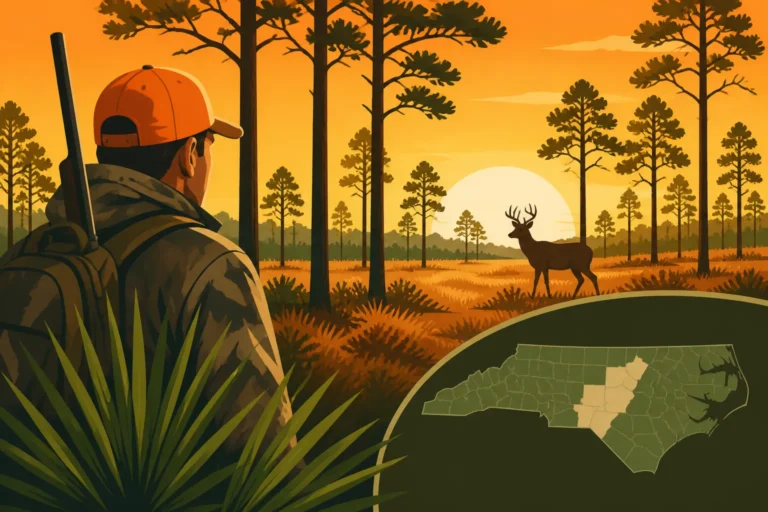
North Carolina Sandhills longleaf pine deer hunting strategies explain how white-tailed deer adapt to fire-dependent ecosystems and open understories.
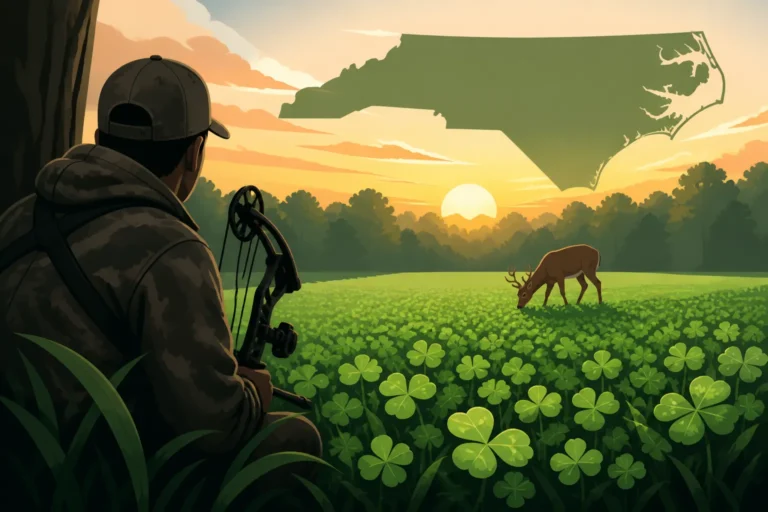
North Carolina deer movement patterns at dawn explain how hunting clover plots during early morning hours creates success.
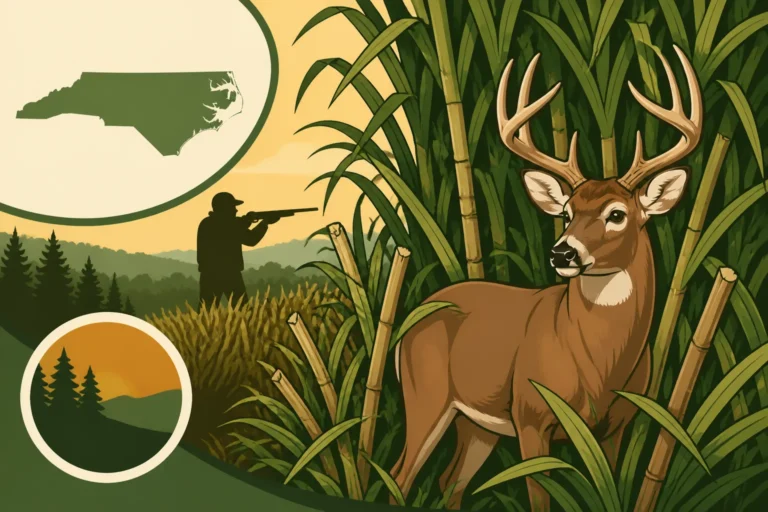
North Carolina river cane thickets provide deer security cover along major rivers, helping hunters locate hidden bucks in dense habitats.
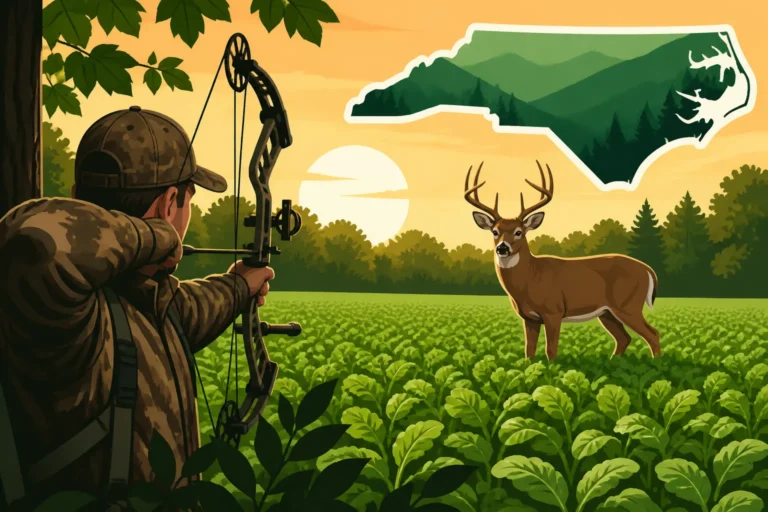
Green field food plots attract North Carolina deer with seasonal forages, improving herd health and hunting opportunities.
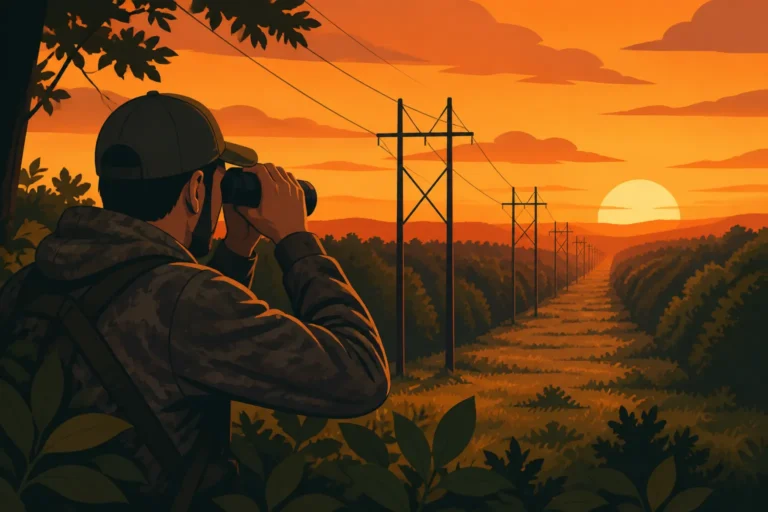
North Carolina deer hunting techniques for glassing utility easements during dusk to spot whitetails during twenty minutes of optimal viewing.
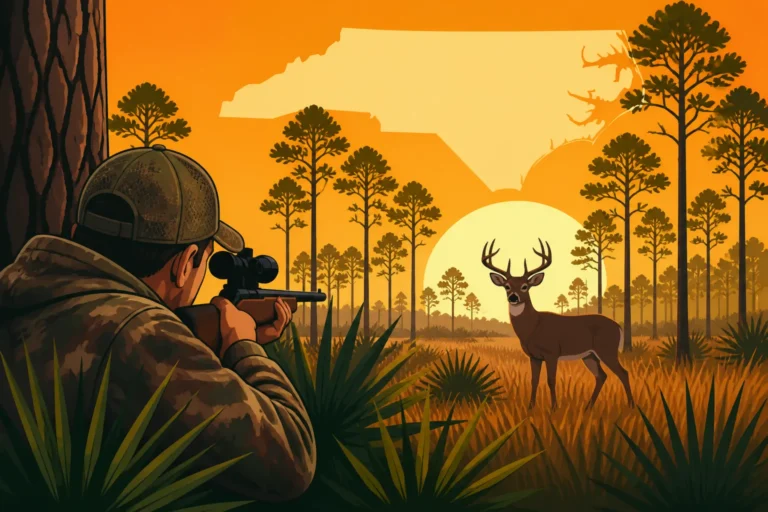
North Carolina longleaf pine savanna deer hunting strategies, seasonal food sources, and travel corridors explained clearly.