North Carolina Bear Harvest Trends
It can be incredibly frustrating trying to make sense of all the numbers thrown around when it comes to wildlife populations, especially when you're deeply invested in the health of North Carolina's black bears and the future of bear hunting. You see those annual harvest reports, and sometimes the figures jump, sometimes they dip, leaving you wondering what exactly that means for the bears themselves, or for your chances next season. This guide is here to untangle the complexities of North Carolina's bear harvest trends, offering a clear, in-depth look at what these numbers truly represent and how you can interpret them to become a more informed and successful hunter.
Understanding North Carolina's Black Bear Harvest Data
When you look at the annual bear harvest numbers in North Carolina, it's easy to get overwhelmed. These aren't just arbitrary figures; they're a crucial snapshot of our bear population dynamics and the success of hunting efforts across the state. The North Carolina Wildlife Resources Commission (NCWRC) meticulously collects this data, and understanding its components is the first step to truly grasping the bigger picture.
What the Annual Harvest Reports Tell Us
Each year, after the bear seasons close, the NCWRC compiles comprehensive reports detailing the statewide black bear harvest. These reports include everything from the total number of bears harvested to breakdowns by county, sex, and even the method of take. For hunters, this is gold. A high overall harvest might suggest a robust and growing bear population, or it could simply mean that conditions were unusually favorable for hunters that particular year. Conversely, a lower harvest isn't necessarily a sign of a struggling population; it could point to a poor mast crop, unfavorable weather, or even reduced hunter effort. The key is never to jump to conclusions based on a single year's data, but rather to look for longer-term trends and contextual factors. These reports are invaluable for hunters who want to deepen their understanding of North Carolina's black bear population.
The data collection process is thorough, often relying on mandatory reporting by hunters. When you successfully harvest a bear, you’re required to report it to the NCWRC, typically through their online system or mobile app. This immediate reporting ensures that biologists get timely information, which is critical for making management decisions. Without this vital input from hunters, wildlife managers would be largely guessing. So, every time you check a bear, you’re contributing directly to the scientific understanding and future management of this incredible resource. The accuracy and completeness of these reports are paramount for tracking North Carolina Bear Harvest Numbers over time.
Key Metrics in Bear Harvest Trends
Beyond the raw total harvest numbers, several other metrics offer deeper insights into North Carolina's bear population and hunting dynamics. These include hunter success rates, which measure the percentage of hunters who successfully harvest a bear, and hunter effort, which is an estimate of how many hunters were out in the field and for how long. Looking at these together provides a more nuanced understanding. For instance, a high harvest number coupled with low hunter effort could indicate a very dense bear population, whereas a similar harvest number with high hunter effort might suggest a more challenging hunt or a less concentrated bear population.
Another critical metric is the breakdown of harvest by sex and age. A consistent harvest of a healthy proportion of males and females, with a good age structure, suggests a balanced and thriving population. If the data showed an unusually high proportion of young bears or an imbalance in sexes, it might signal an issue that wildlife managers would need to investigate. Additionally, comparing success rates between different hunting methods—such as still-hunting, hunting with hounds, or over bait—can reveal patterns in bear behavior or the effectiveness of certain strategies. The consistency with which the NCWRC collects this data allows for reliable long-term analysis, helping us understand not just year-to-year fluctuations but also overarching population health. For more on specific requirements, make sure you're familiar with North Carolina Bear Checking Requirements.
Factors Influencing Bear Harvest Numbers
Understanding the numbers is one thing, but knowing why they fluctuate is another. Black bear harvest numbers in North Carolina are rarely static, and their shifts are often a direct result of environmental conditions, human activities, and the regulations put in place to manage the species. Several key factors can significantly influence how many bears are harvested in a given season.
Mast Crop Abundance and its Impact
One of the most significant natural drivers of bear harvest numbers is the availability of natural food sources, particularly the mast crop. Mast refers to the nuts, berries, and fruits produced by trees and shrubs, such as acorns from oaks, hickory nuts, and various berry crops. Bears are incredibly opportunistic eaters, and their movements and behavior are heavily dictated by where they can find food.
In years with an abundant mast crop, bears are often more dispersed across the landscape. They can find food almost anywhere in the woods, meaning they might spend less time moving through open areas or near human development. This can make them harder for hunters to locate, whether you're still-hunting or using hounds. While the bear population might be thriving due to plentiful food, the harvest numbers could actually dip because the bears are simply less concentrated and therefore less accessible. For instance, a bumper crop of acorns in the Pisgah National Forest means bears might not need to travel as far or hit traditional bait sites as frequently, making them tougher to pattern for hunters trying Spot-and-Stalk Tactics for Mountain Bears.
Conversely, during years with a poor mast crop, bears become much more concentrated. They'll actively seek out alternative food sources, which often brings them into closer proximity with humans or traditional hunting areas. They might hit bait sites more aggressively, venture into agricultural fields, or forage more frequently along creek bottoms and edges. This concentration can lead to higher harvest numbers, not necessarily because there are more bears, but because they are more visible and predictable. A poor acorn year in the Nantahala Forest, for example, could see bears focusing on areas with persimmons or even venturing into lower elevations near human habitation, potentially increasing hunter encounters.
Weather Patterns and Hunter Effort
Beyond food availability, the weather leading up to and during the hunting season plays a critical role. A warm, extended fall can keep bears active and feeding later into the year, potentially changing their patterns. Conversely, an early cold snap or heavy snow can drive them to den earlier or limit hunter access, especially in the mountains. Imagine a particularly rainy opening weekend in the coastal plain; many hunters might stay home, leading to a lower initial harvest.
Hunter effort is intrinsically linked to weather. If the weather is pleasant, more hunters are likely to be in the woods, increasing the overall pressure and potential for harvest. A severe hurricane during a crucial part of the season, common in coastal North Carolina, could drastically reduce hunter days and subsequently, harvest numbers, even if the bear population remains healthy. Likewise, unseasonably warm temperatures during the late season can make it less appealing to sit in a stand all day, impacting success. The drive and dedication of hunters are truly tested by the elements, and these environmental challenges can have a cascading effect on the final tally of bears taken.
Changes in Hunting Regulations and Seasons
The NCWRC consistently reviews and adjusts hunting regulations to effectively manage North Carolina's wildlife. These changes can have a direct and immediate impact on harvest trends. For example, extending a season by a week or opening new areas to bear hunting will naturally provide more opportunities for hunters and can lead to an increase in harvest. Conversely, shortening a season, limiting methods of take, or creating new sanctuaries could lead to a decrease.
Consider the ongoing debate around specific hunting methods. Regulations regarding North Carolina Bear Dog and Bait Rules can significantly influence hunter success. If baiting regulations become more restrictive, hunters relying on those methods might see a dip in their success rates. Similarly, changes to the boundaries of specific bear management zones, or adjusting season dates like North Carolina Bear Season Dates on the Coast versus North Carolina Bear Season Dates in the Mountains, will directly affect when and where hunters can pursue bears. These adjustments are typically made based on scientific data and public input, all with the goal of maintaining healthy bear populations while providing ample hunting opportunities. It’s a delicate balance that is constantly evaluated and refined.
Regional Differences in North Carolina Bear Harvest
North Carolina is a state of incredible ecological diversity, and its black bear populations reflect that. From the rugged peaks of the Blue Ridge to the sprawling pocosins of the Coastal Plain, bear habitats vary dramatically, leading to distinct hunting challenges and, consequently, different harvest trends across the state. Understanding these regional nuances is key to grasping the full picture of North Carolina's bear management.
Mountain Zone Harvest Trends
Hunting black bears in North Carolina's mountains is often described as an arduous but incredibly rewarding experience. The terrain itself is a major factor, with steep slopes, dense rhododendron thickets, and vast expanses of public land like the Pisgah and Nantahala National Forests. Bears here are typically wilder, accustomed to less human interaction, and can be incredibly difficult to pattern. The harvest numbers in the Mountain Zones often reflect this challenge. While bear densities can be high, the sheer difficulty of accessing remote areas and the bears' natural wariness can keep individual hunter success rates lower compared to more accessible areas.
Success in the mountains often hinges on understanding food sources – primarily mast crops – and how bears utilize the rugged topography. Hunters who master techniques like Still-Hunting Nantahala Forest Ridges or tracking sign along remote benches tend to do better. Bear hunting in the mountains also benefits heavily from the use of hounds, where permitted, to navigate the challenging landscape and locate bears. However, the season length and specific regulations in the Mountain Bear Zones are carefully managed to ensure sustainable harvest given the unique conditions. Despite the difficulties, the experience of Hunting the Mountain Bear Zones for many is about the challenge and the immersion in the wild.
Coastal Plain Harvest Dynamics
Shift your gaze eastward, and the bear hunting landscape transforms entirely. The Coastal Plain of North Carolina, with its vast wetlands, pocosins, and agricultural lands, boasts some of the highest bear densities and supports some of the largest black bears in the eastern United States. This region holds the record for The Heaviest Black Bears Ever Recorded in North Carolina, a testament to the abundant food sources and milder climate. Here, harvest dynamics are markedly different.
Due to the dense cover and often impenetrable swamps, methods like baiting and running hounds are very popular and effective. The sheer number of bears means that harvest opportunities can be more frequent, and success rates for hunters are often higher than in the mountains. However, hunting bears in the coastal pocosins presents its own unique set of challenges, from navigating thick, muddy terrain to dealing with swarms of insects. Strategies like Hunting Coastal Bears in Thick Pocosin Cover often involve specialized gear and knowledge of the area's intricate waterways and swamps. The harvest numbers in these zones are typically robust, reflecting both a healthy bear population and effective hunting strategies adapted to the unique environment.
Piedmont Bear Movement and Harvest
While the mountains and coast traditionally dominate North Carolina's bear hunting narrative, the Piedmont region is becoming an increasingly important area for bear activity. Historically, black bears were rare in the heavily populated and fragmented landscapes of the Piedmont. However, over the past few decades, bear populations have been expanding their range, and sightings are now common even in suburban areas.
While the harvest numbers in the Piedmont are still significantly lower than in the established mountain and coastal zones, they are steadily increasing. This reflects the successful expansion of bear populations into new territories. Hunting opportunities in the Piedmont are often more limited and usually occur on smaller, private tracts of land or in specific game lands that offer suitable habitat. These bears are often more elusive, accustomed to navigating human-dominated landscapes, and primarily target natural food sources or opportunistic encounters with human food. The growing presence of Bears Moving Into Piedmont Suburbs indicates a healthy and expanding population, and while traditional bear hunting isn't widespread here, the occasional harvest signals a future where Piedmont bear hunting could become a more established, albeit localized, opportunity. It’s an interesting trend to watch and shows the resilience of these animals.
| Region | Primary Habitat | Terrain Type | Common Hunting Methods | Average Bear Size | Harvest Success Tendency |
|---|---|---|---|---|---|
| Mountains | Forests, Coves, Ridges | Steep, Rugged, Dense | Still-hunting, Hounds | Medium to Large | Moderate to Challenging |
| Coastal Plain | Pocosins, Swamps, Farmland | Flat, Wet, Very Dense | Baiting, Hounds | Large to Very Large | Higher |
| Piedmont | Fragmented Forests, Farmland | Rolling Hills, Mixed Cover | Opportunistic, Stand Hunting | Medium | Low but Increasing |
Interpreting Harvest Data for Future Hunting Strategy
The real value of understanding North Carolina's bear harvest trends isn't just about historical data; it's about using that information to inform your future hunting plans and contribute to conservation. Wildlife agencies don't just collect this data for fun; it's a critical tool for ensuring the long-term health and sustainability of the bear population.
Connecting Trends to Bear Population Health
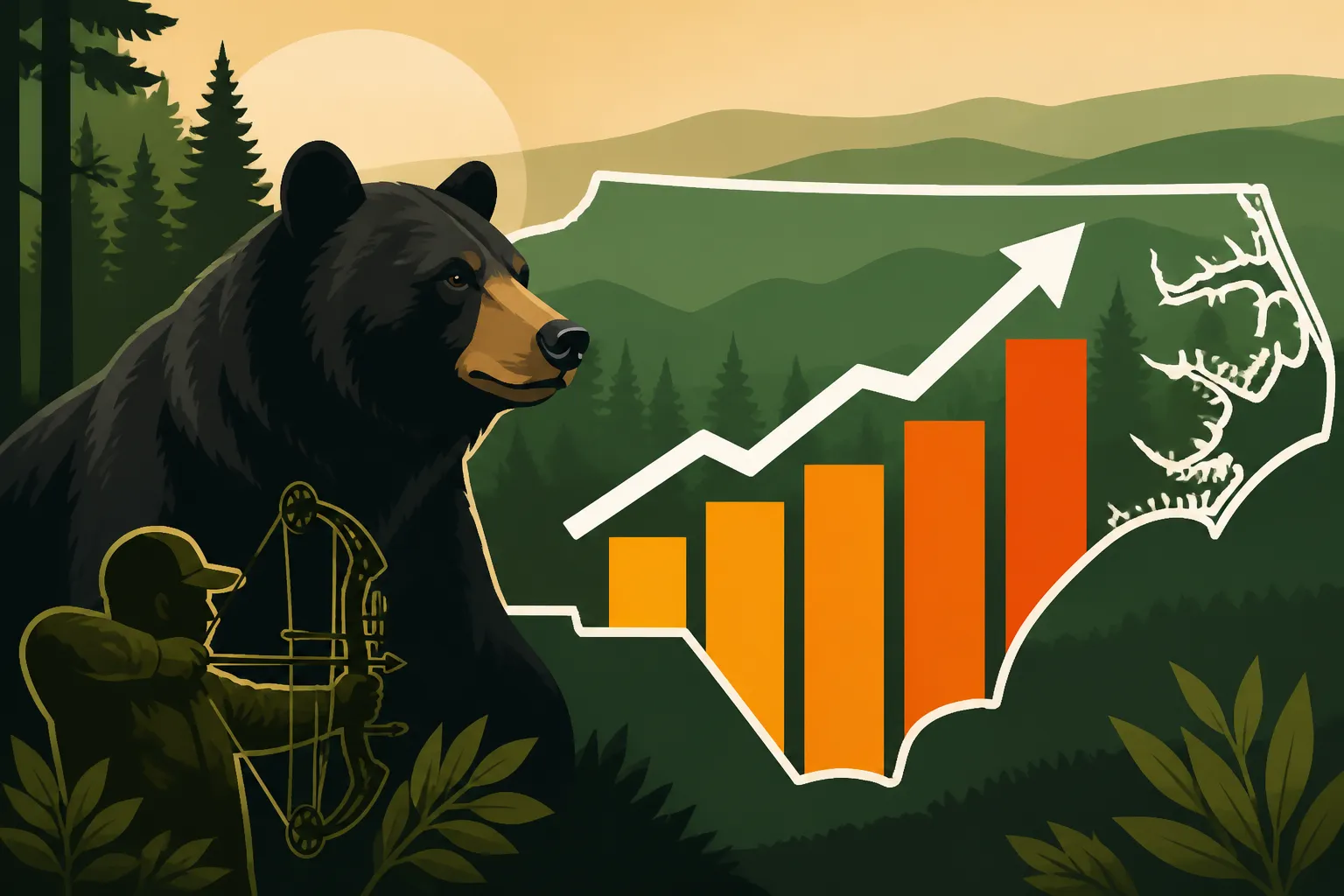
The North Carolina Wildlife Resources Commission (NCWRC) utilizes harvest data as a primary indicator of black bear population health and growth. A consistent upward trend in harvest numbers over several years, especially when paired with a stable or increasing hunter effort, often suggests a growing and healthy bear population. Conversely, a prolonged decline might signal a need for more conservative management strategies. It's important to remember that harvest numbers don't directly equate to population numbers, but they provide a crucial index. Biologists also use other methods, such as mark-recapture studies and nuisance bear complaint data, to develop a comprehensive estimate of How Many Black Bears North Carolina Has.
This data helps the NCWRC make informed decisions about season lengths, bag limits, and specific regulations in various management zones. For example, if a particular zone shows an increasing harvest that still falls within sustainable limits, it might indicate that the population is robust enough to handle current hunting pressure, or even potentially allow for slight season adjustments. Hunters play a vital role in this process by accurately reporting their harvests, ensuring the data is as complete and reliable as possible. This collaborative approach between hunters and wildlife managers is fundamental to sound wildlife conservation.
Using Data to Predict Hotspots and Opportunities
For the savvy hunter, harvest data isn't just dry statistics; it's a roadmap to potential success. By reviewing past harvest reports, you can identify areas—down to specific counties or even game lands—that consistently produce high bear harvests. This can point you toward regions with higher bear densities or areas where habitat conditions are particularly favorable for bear activity. For instance, if you notice that certain counties in the Coastal Plain consistently lead the state in bear harvests, it might be worth focusing your scouting efforts there next season.
Beyond general locations, you can also look at how harvest numbers correlate with factors like mast crop forecasts. If you learn there's going to be a poor acorn crop in the mountains, you might shift your strategy to focus on areas with alternative food sources, like persimmon patches or creek bottoms where bears might concentrate. Digital tools, and platforms like GoHunt, can integrate this kind of public land data with topographical maps and other habitat information, allowing you to cross-reference historical harvest success with current conditions. This allows you to plan your hunt with a strategic advantage, identifying specific areas that have a history of bear activity and could present opportunities for Hunting North Carolina's Black Bear Population in the upcoming season.
The Role of Technology and Hunter Engagement
In today's world, hunting is increasingly intertwined with technology, and this is especially true when it comes to understanding and participating in wildlife management. From reporting your harvest to planning your next outing, digital tools and engaged participation are shaping how we interact with North Carolina's black bears.
Digital Tools for Tracking Trends
The North Carolina Wildlife Resources Commission (NCWRC) has embraced technology to make wildlife management more efficient and transparent. Their online portals and mobile applications are indispensable for hunters. Not only do they allow for easy, mandatory harvest reporting, but they also provide access to years of historical harvest data. You can often drill down into specifics, exploring harvest numbers by county, game land, or even year, offering a granular view of trends that simply wasn't available a couple of decades ago. This direct access empowers hunters to become their own analysts, spotting patterns and shifts that might impact their hunting strategies.
Beyond official channels, innovative platforms like GoHunt are revolutionizing how hunters prepare for the season. These tools often combine public land maps, topographical data, and even historical weather information with publicly available harvest statistics. By using such platforms, a hunter can overlay multiple layers of information—say, a five-year average of bear harvests in a specific game land with current mast crop conditions and forecasted weather—to make highly informed decisions. This allows for a much more data-driven approach to scouting and hunt planning, making the most of every minute you spend in the field.
Hunter Responsibility and Conservation
Ultimately, the integrity of all this data and the success of North Carolina's bear management program hinge on hunter responsibility and engagement. Every time a hunter accurately reports a harvested bear, they contribute a vital piece of information to the overall dataset. This participation is not just a regulatory requirement; it's a fundamental act of conservation. Without accurate reporting, biologists cannot get a clear picture of harvest levels, making it difficult to assess population health and set appropriate seasons and bag limits.
Ethical hunting practices also play a crucial role. Adhering to all regulations, including those concerning North Carolina Bear Management Stamp Rules and fair chase, ensures that hunting remains a respected and sustainable activity. Hunters are often the first line of defense in observing changes in wildlife populations or habitat, making their eyes and ears in the field invaluable. By actively participating in the management process, being informed, and embracing new technologies responsibly, North Carolina hunters solidify their role as essential partners in the conservation of our incredible black bear resource for generations to come.
Disclaimer
The information provided in this guide is for general informational purposes only and does not constitute legal advice. Hunting regulations and seasons can change, so always consult the most current North Carolina Wildlife Resources Commission regulations and local ordinances before engaging in any hunting activities. Adhere to all safety guidelines and ethical hunting practices.