North Carolina Bear Checking Requirements
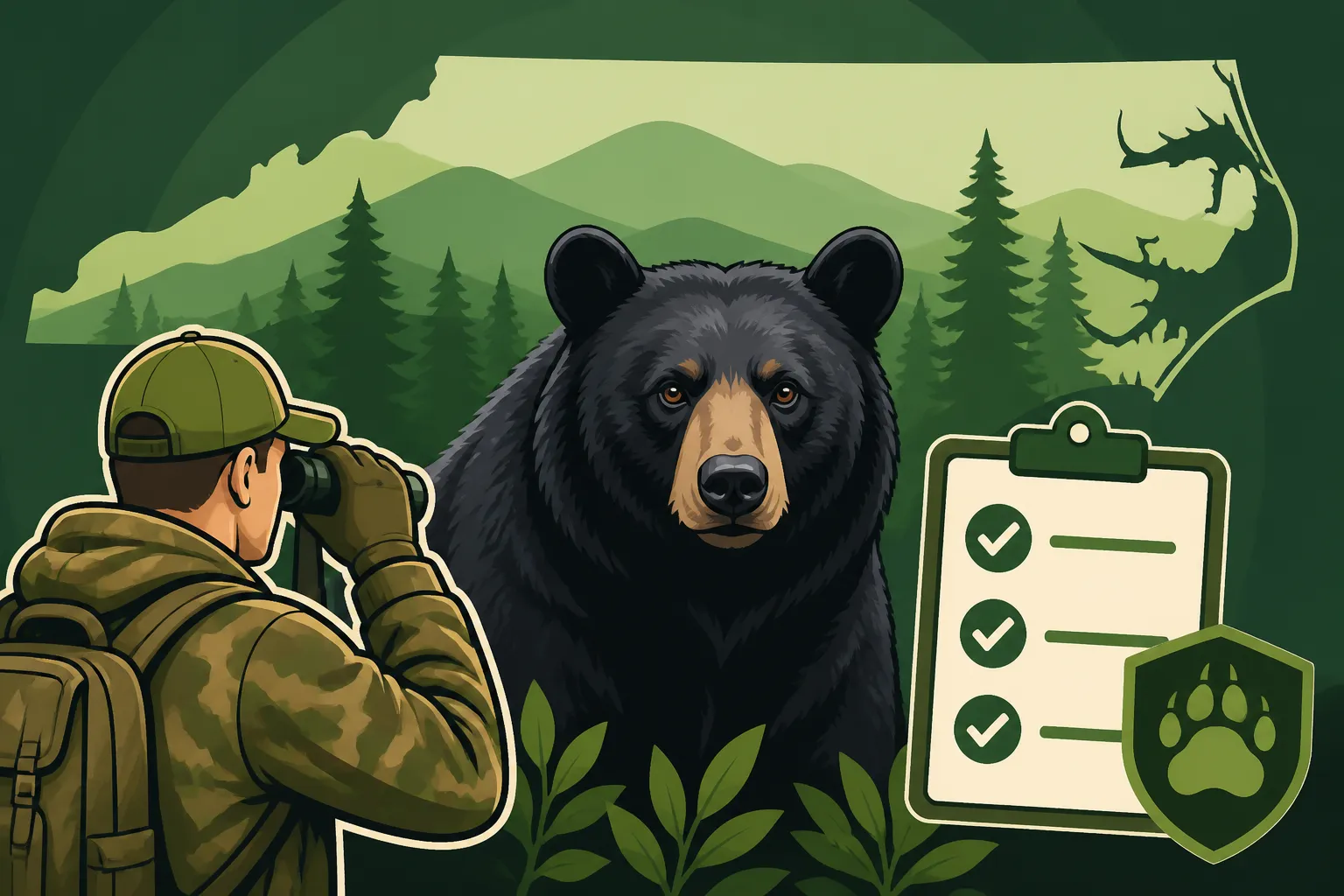
Successfully harvesting a black bear in North Carolina is an incredible achievement, but the journey doesn't end when the animal is on the ground. Many hunters feel a rush of excitement mixed with a bit of confusion about the next critical step: legally checking in their bear. This comprehensive guide will walk you through every requirement and nuance of North Carolina's bear checking process, ensuring you stay compliant and contribute to vital wildlife conservation efforts.
The Cornerstone of Conservation: Why Bear Checking is So Crucial
It's easy to see checking a harvested animal as just another bureaucratic hurdle, especially when you're tired, excited, and have a big bear to deal with. But in North Carolina, the bear checking requirement isn't just about tagging your trophy; it's a fundamental pillar of sound wildlife management. Every single bear checked provides the North Carolina Wildlife Resources Commission (NCWRC) with critical data points that paint a clearer picture of the state's robust black bear population. Without this information, wildlife biologists would be flying blind, making it impossible to set appropriate hunting seasons, manage habitat effectively, or ensure the long-term health and sustainability of this magnificent game species.
Consider for a moment what happens when a hunter fails to check their bear. That animal, along with all the valuable data it represents, simply vanishes from the official records. It's as if that bear never existed from a management perspective. This omission can skew population models, leading to potentially inaccurate harvest quotas or management decisions. When every hunter participates responsibly, we collectively provide the NCWRC with the most accurate, real-time data possible, allowing them to adapt quickly to environmental changes, disease concerns, or shifts in bear distribution. It’s a direct way for hunters to give back to the resource we cherish.
The information gathered during the checking process is surprisingly detailed and incredibly useful. Biologists are interested in the harvest date, time, and precise location, which helps them track seasonal movements and preferred habitats. They also record the bear's sex, which is vital for understanding reproductive rates and population dynamics. For instance, knowing the ratio of male to female bears harvested can indicate the overall health and age structure of different regional populations. This granular data allows the NCWRC to fine-tune management strategies for specific areas, from the dense pocosins of the coast to the rugged peaks of the Blue Ridge.
What Data Biologists Collect and How They Use It
When you check your bear, you're not just confirming your harvest; you're contributing to a massive scientific dataset. The information collected goes far beyond just proving you legally took an animal. Wildlife biologists use this comprehensive data to make informed decisions that impact future hunting opportunities and the overall health of North Carolina's black bear population. It's a testament to the fact that hunting is, at its core, a conservation tool.
The most critical pieces of information gathered include the date of harvest, the county and specific location (often down to GPS coordinates or game land area), the sex of the bear, and sometimes even the weight. In certain instances, biologists might also request a tooth for aging purposes or tissue samples for disease monitoring. For example, if there's a localized concern about a particular health issue impacting bears, having these samples from multiple harvested animals can help researchers identify patterns and potential threats early on. This proactive approach is essential for mitigating risks and maintaining a healthy bear population.
This collected data directly influences the setting of future hunting seasons and bag limits. If harvest numbers in a particular region show a consistent increase in younger bears, it might suggest a robust breeding population. Conversely, a high percentage of older bears in the harvest could indicate a slower recruitment rate. The NCWRC considers these trends carefully when determining season lengths, specific hunt zones, and any special regulations. For instance, understanding the distribution and population density across the state's North Carolina's Twenty-Two Bear Management Zones is paramount to tailor regulations that make sense for each unique region, whether you're Hunting the Mountain Bear Zones or tracking a bruin through the dense vegetation while Hunting the Coastal Bear Pocosins. Your reported data helps sculpt the future of bear hunting in North Carolina, ensuring that the resource remains abundant for generations to come.
The Step-by-Step Process for Checking a Bear in North Carolina
Navigating the bear checking process in North Carolina is straightforward once you know the steps. The key is timeliness and accuracy. The NCWRC has established a clear procedure to ensure all harvested bears are properly reported, allowing them to gather the crucial data needed for conservation. Understanding these steps before you head into the woods can save you a lot of stress and ensure a smooth experience.
Immediate Steps After Harvest
First things first: once you've successfully harvested your bear, your immediate priority is to tag it. North Carolina requires you to validate your Big Game Harvest Report Card immediately upon taking any big game animal, including bears. This involves correctly notching the date and month of harvest on your license and attaching the appropriate big game tag to the bear. This physical tag must remain with the bear until it reaches its final destination for processing or storage. Make sure you fill out all the required information clearly and accurately. It’s a good practice to carry a pen or pencil that works in all weather conditions for this very reason. Also, consider the time of day and your location. If you're deep in the woods or far from cell service, plan how you'll move the bear and how you'll complete the next critical step. This might mean having a buddy ready to help or knowing your extraction route.
Next, you need to report the harvest to the NCWRC within 24 hours of taking the bear. This 24-hour window is critical and non-negotiable. While the physical tag validates your harvest in the field, the official reporting is how it enters the state's database. Failing to report within this timeframe can lead to penalties, so it's essential to prioritize it. Many hunters choose to quarter their bears in the field, especially if they're a long way from a vehicle or processing facility. Just remember that the validated tag must stay with the carcass portions until they are stored at home or at a processing facility. Think ahead about how you'll manage this, especially if you're Handling a Bear After the Shot and dealing with a large animal.
Utilizing the Online Reporting System and GoHunt
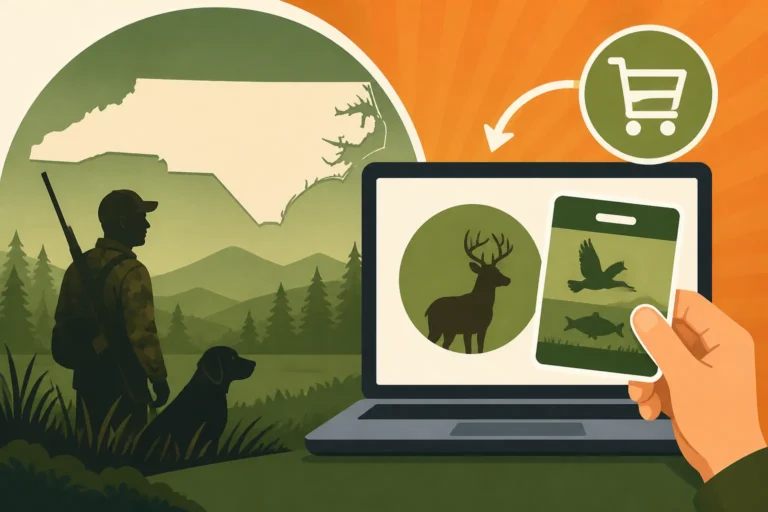
The most common and convenient way to check your bear in North Carolina is through the online E-Standing Hunting and Fishing License Portal, which includes the GoHunt system. This digital platform allows you to report your harvest quickly from almost anywhere with an internet connection. It’s incredibly user-friendly and designed to walk you through the process step-by-step. To use it, you’ll typically need your customer ID number (found on your hunting license), the date and time of harvest, the county where the bear was taken, the sex of the bear, and the method of harvest (e.g., rifle, archery, muzzleloader). This is where having your license handy and knowing the exact details becomes paramount.
The GoHunt system is a real game-changer for North Carolina hunters. Many use it not just for reporting, but also for scouting, checking regulations, and managing their licenses. When it comes to checking your bear, simply log into your account, navigate to the harvest reporting section, and input the required information. The system will then generate a confirmation number, which you should record and keep for your records. This confirmation number serves as proof that you've officially reported your harvest. Even if you're an out-of-state hunter visiting for the bear season, the online system is your primary tool. It's designed to be accessible 24/7, making it easy to report your harvest even in the late hours after a successful hunt.
Physical Checking Stations and Biologist Requirements
While the online system is the standard, there are specific situations where a physical check by an NCWRC biologist or at an official checking station might be required or highly recommended. This often happens in areas with specific research initiatives or in certain bear management zones. For instance, if you're hunting in a county where the NCWRC has an ongoing bear research project, they might ask hunters to bring their harvested bears to a designated station for additional data collection. This could involve taking more detailed measurements, extracting a premolar tooth for precise age determination, or collecting specific tissue samples. These requests are crucial for scientific study and help deepen our understanding of North Carolina's Black Bear Population.
Always check the current year's North Carolina Inland Fishing, Hunting, and Trapping Regulations Digest for any specific county or zone requirements regarding physical checks. These regulations are updated annually, and it's your responsibility as a hunter to stay informed. Sometimes, a biologist might contact you directly after an online report to request a physical inspection if your harvest location falls within a specific research area or if they have particular interest in the bear's characteristics. Cooperating with these requests is a vital part of ethical hunting and contributes directly to the conservation of the species. It's a moment to connect with the science behind wildlife management and offer your direct support.
Here’s a quick overview of the key information typically required when checking your bear:
| Information Required | Details | Purpose |
|---|---|---|
| Hunter's Customer ID | Found on your North Carolina hunting license. | Identifies the hunter for record-keeping and license validation. |
| Harvest Date & Time | Specific date and approximate time of harvest. | Tracks seasonal harvest patterns and timing within regulated seasons like North Carolina Bear Season Dates in the Mountains or North Carolina Bear Season Dates on the Coast. |
| County of Harvest | The North Carolina county where the bear was taken. | Pinpoints geographic distribution of harvest. |
| Specific Location | Game Land name, private land address, or general area. | Refines spatial analysis of bear populations and habitat use. |
| Sex of Bear | Male (boar) or Female (sow). | Crucial for population modeling, reproductive rates, and age structure analysis. |
| Method of Take | Rifle, muzzleloader, archery (bow/crossbow). | Helps assess hunting pressure and method effectiveness. |
| Confirmation Number | Unique number generated after successful online report. | Proof of legal compliance and reporting. |
| Bear Management Zone | Which of the 22 zones the bear was harvested in. | Links harvest data to specific management strategies for that zone. |
Specific Scenarios and Exceptions to Bear Checking Rules
While the general bear checking requirements are relatively consistent across North Carolina, certain scenarios and hunter demographics can introduce specific nuances or exceptions. Understanding these can prevent headaches and ensure full compliance, regardless of your personal hunting situation. It’s always best to be over-prepared and informed than to face a violation later.
Youth Hunters and Special Regulations
North Carolina is committed to fostering the next generation of hunters, and youth participation in bear hunting is encouraged, often through special opportunities. However, when a youth hunter (typically under 16, though exact definitions can vary by season) harvests a bear, the checking requirements remain the same as for an adult. The bear still needs to be tagged immediately and reported within 24 hours via the online GoHunt system. The key difference lies in the supervision aspect. Youth hunters must be accompanied by a licensed adult hunter, who is responsible for ensuring the youth understands and complies with all regulations, including the proper checking procedures.
While the NCWRC doesn't have unique "youth-only" bear checking stations, the adult mentor plays a crucial role in guiding the youth through the reporting process. This mentorship is not just about the hunt itself, but also about instilling good conservation practices, like proper reporting. It's a fantastic teaching opportunity to show young hunters how their actions contribute to wildlife management. The harvest should be reported under the youth's customer ID number, assuming they hold the appropriate North Carolina Hunter Education Requirements certification or are hunting under a valid Apprentice Hunter License, ensuring proper credit for their achievement in the state's records.
Chronic Wasting Disease CWD Zone Considerations
Chronic Wasting Disease (CWD) is a serious neurological disease affecting cervids (deer, elk, moose), not bears. Therefore, there are no mandatory CWD testing requirements for harvested bears. However, if you harvest a bear within one of North Carolina's designated North Carolina's Chronic Wasting Disease Areas, typically in the Yadkin Valley region, it's always wise to be aware of the general CWD protocols in place for that area. While bears aren't carriers, hunters operating in these zones are often advised on carcass movement restrictions for deer, which might affect how you transport any harvested animal out of the CWD zone, purely as a precautionary measure to prevent soil contamination or spread of related biological materials.
Always consult the latest NCWRC regulations if hunting within a CWD management area. Even if it doesn't directly apply to your bear, understanding the overall biological safety protocols in the region is just good practice. If an NCWRC biologist is present for any reason, they might still express interest in collecting general samples from any large game harvested in a CWD zone, even if not mandatory for bears. This is a rare occurrence but good to be prepared for, as it reflects a holistic approach to wildlife health monitoring.
Private vs. Public Land Bear Harvests
The bear checking requirements in North Carolina are universal and do not differ based on whether the bear was harvested on private or public land. Whether you're hunting on a private farm in the Piedmont or traversing a Game Land in the Coastal Plain, the same 24-hour reporting window and tagging rules apply. The online GoHunt system will ask for the location of your harvest, and you'll typically specify if it was on private land, a Game Land, or a National Forest. For public lands, you might be asked to select the specific Game Land or National Forest unit.
One slight difference might arise in the context of physical checking stations. Some National Forests or specific Game Lands, such as those that are part of the Pocosin Lakes National Wildlife Refuge Hunting or Alligator River National Wildlife Refuge Hunting, occasionally have temporary checking stations set up during peak bear seasons. These are often voluntary but highly encouraged to gather additional data specific to those managed areas. If you are hunting on public land, particularly those with high bear populations, keeping an eye out for signs or notices from the NCWRC regarding these temporary stations is a good idea. Otherwise, the GoHunt online system remains the standard for all harvests.
Avoiding Common Pitfalls and Ensuring Compliance
Even with clear rules, mistakes can happen. Bear hunting is physically demanding, often takes place in remote areas, and can be emotionally charged. It’s easy to overlook a detail or misinterpret a regulation. Being proactive about avoiding common pitfalls can save you a lot of grief and ensure your successful hunt remains a positive memory.
The Critical Importance of Timely Reporting
The 24-hour rule for reporting your bear harvest is absolute. This isn't just a suggestion; it's a legal requirement. Missing this deadline, even by a few hours, can put you in violation of state hunting regulations. The consequences can range from fines to license suspension, and nobody wants that after a hard-earned bear harvest. It’s crucial to factor this into your hunting plan. If you anticipate being deep in an area with no cell service, make a contingency plan. Perhaps you have a satellite messenger or a designated person who can access the GoHunt system once you relay the information.
Don't wait until the last minute. The excitement of the moment, coupled with the physical labor of field dressing and extracting a bear, can quickly eat up time. As soon as you have the bear tagged and secured, make reporting it your next priority. This might mean making a quick trip to an area with cell service or heading home to use your computer. The system is designed for convenience, but you still need to actively engage with it within the timeframe. Remember, the online system is available 24/7, so there's no excuse for delays due to "office hours."
Consequences of Non-Compliance
Ignoring the bear checking requirements in North Carolina can lead to significant penalties. Beyond the immediate legal repercussions like fines, you could face the loss of hunting privileges. The NCWRC takes wildlife violations seriously, as they undermine conservation efforts and fair chase principles. A simple failure to report, while seemingly minor, can reflect negatively on the entire hunting community. It's not just about obeying the law; it's about being a responsible steward of the resource.
Additionally, non-compliance means your harvested bear doesn't contribute to the vital data collection that sustains North Carolina's bear population. This deprives biologists of information critical for managing seasons, bag limits, and habitat. Every unreported bear is a lost data point, creating a less accurate picture of the overall population health. So, not only are you risking legal trouble, but you're also inadvertently harming the very resource you enjoy pursuing. Always ensure you have your North Carolina Big Game Privilege Requirements squared away and understand all the associated rules.
Tips for a Smooth Checking Process
To make your bear checking experience as smooth as possible, preparation is key. First, ensure you have your customer ID number readily accessible on your phone or a printed copy of your license. Knowing your bear management zone and the specific county of harvest beforehand also speeds up the process. A quick check of the NCWRC website or the Scouting North Carolina Public Land Before Season resources on GoHunt can help you confirm these details if you're unsure.
Consider downloading the GoHunt app on your smartphone if you haven't already. This can make reporting even easier from the field, as long as you have service. If you're in an area with spotty service, you might be able to complete the initial steps and then find a stronger signal to finalize the submission. It’s also wise to keep a notebook and pen with you to jot down all the required details immediately after the harvest, preventing any memory lapses when you go to report. If you encounter any technical issues with the online system, or if you simply prefer to speak to someone, the NCWRC's district offices and enforcement hotlines are available. Don't hesitate to reach out to them for assistance; it's better to ask for help than to delay reporting.
Disclaimer
Please note that hunting regulations are subject to change. This guide is intended for informational purposes only and does not constitute legal advice. Always consult the most current North Carolina Inland Fishing, Hunting, and Trapping Regulations Digest published by the North Carolina Wildlife Resources Commission, or visit their official website, before engaging in any hunting activities.