North Carolina Bear Season Dates in the Mountains
Trying to pin down the exact North Carolina bear season dates in the mountains can feel like deciphering a secret code, especially with the state's diverse geography and numerous management zones. It's easy to get frustrated wading through pages of regulations trying to figure out when you can actually get into the woods for a mountain bruin. This comprehensive guide is here to untangle the complexities, walking you through the typical structure and important dates for bear hunting in North Carolina's beautiful western regions.
Understanding North Carolina's Mountain Bear Zones
North Carolina is renowned for its thriving black bear population, and the mountain region, particularly the western reaches, holds a special allure for many hunters. However, it's not a one-size-fits-all season. The North Carolina Wildlife Resources Commission (NCWRC) meticulously manages bear populations through a system of twenty-two different bear management zones, each with its own specific rules and seasons. The mountains comprise several of these zones, and understanding their unique characteristics is the first step.
The Landscape and Its Influence
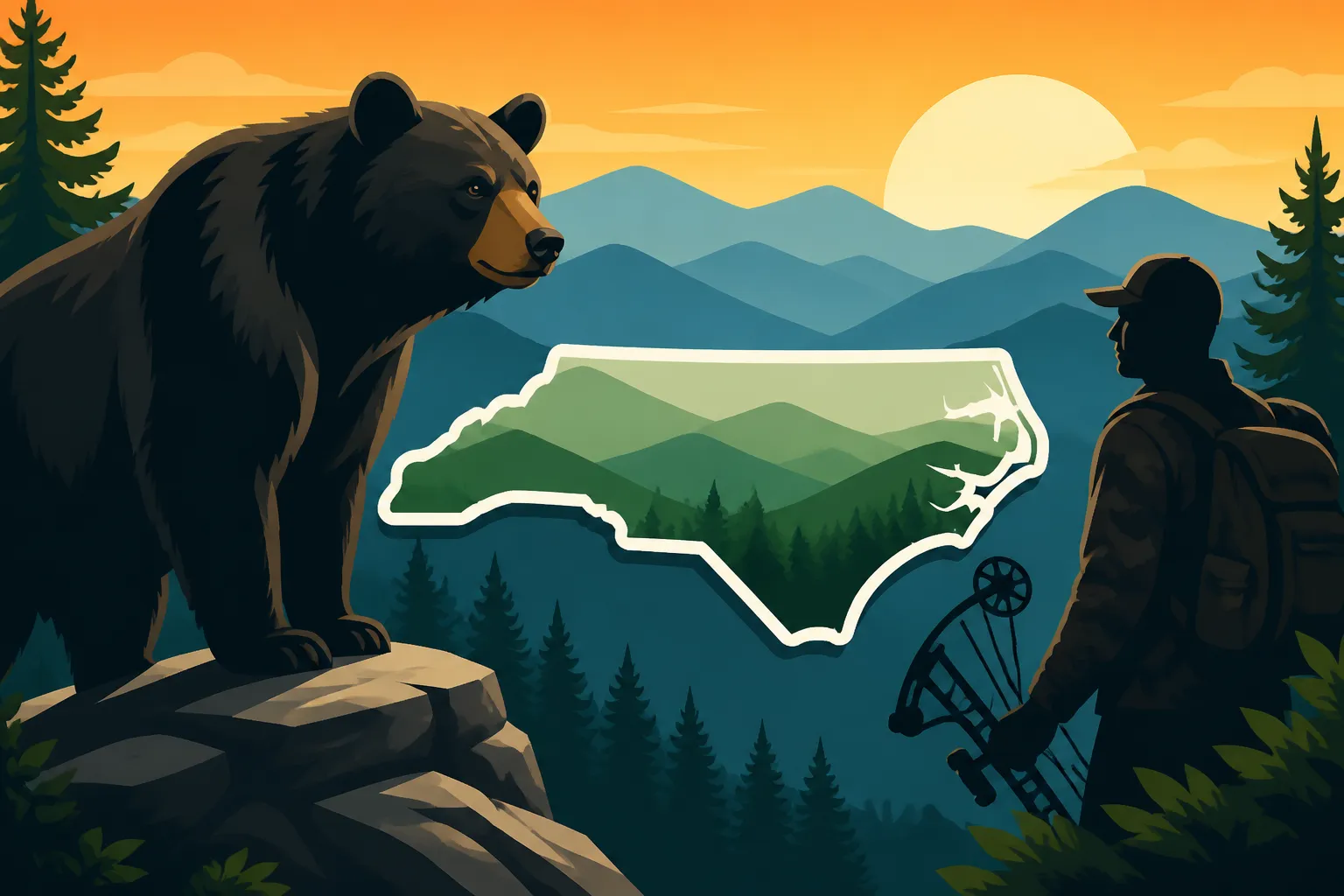
The mountain zones of North Carolina are characterized by rugged topography, steep elevations, and vast tracts of national forest land, like Pisgah National Forest and Nantahala National Forest. This challenging terrain, combined with diverse habitat ranging from hardwood ridges bursting with oak and hickory to dense rhododendron thickets and creek bottoms, directly influences how bears live and, consequently, how they are hunted. Bears here often have immense home ranges, moving significantly in search of food sources like acorns, berries, and grubs. The sheer scale of the landscape means that a successful hunt often hinges on extensive scouting and a deep understanding of bear behavior in these specific environments. You'll find different hunting strategies employed here compared to other parts of the state, with an emphasis on tactics like still-hunting, glassing clear-cuts, or even stalking.
How Zones are Established
The NCWRC establishes these zones based on ecological factors, bear population densities, habitat availability, and even human-bear conflict data. For the mountain regions, this means that some areas might have longer or earlier seasons to address growing populations, while others might be more conservative. The goal is always sustainable management, ensuring a healthy bear population for future generations while providing ample hunting opportunities. It’s crucial not to assume that what applies to one mountain county, like Haywood or Buncombe, will automatically apply to another, such as Ashe or Alleghany. Each zone is a puzzle piece in a larger, carefully managed system. Before you even think about putting boots on the ground, a thorough review of the current year's regulations for your specific hunting area is non-negotiable.
Navigating the Specific Bear Season Dates
While specific dates can shift slightly from year to year, North Carolina's mountain bear seasons generally follow a predictable pattern. They tend to be later and often shorter than their coastal counterparts, reflecting different population dynamics and mast crop cycles. Hunters typically have opportunities spanning from the archery season through a dedicated muzzleloader period and then into the general gun season.
Early Archery and Muzzleloader Opportunities
For those who enjoy the challenge of close-range hunting, the mountain bear zones often kick off with opportunities concurrent with the deer archery and muzzleloader seasons. While deer hunters are focused on whitetails, bear hunters might find an opening for a bruin, especially in areas with good mast crops. The archery season usually starts in early to mid-September, offering a chance to pursue bears before the leaves fall and visibility becomes more open. This is a fantastic time for hunters who prefer to get into the woods early, relying on stealth and patience. Then, following archery, a muzzleloader season typically provides a brief window, often in October or early November, where bears might still be active before the peak of the deer rut. It's essential to remember that these early seasons often have specific bag limits or restrictions that might differ from the general gun season, so checking the detailed North Carolina Mountain Bear Zone Rules is paramount.
General Gun Season Framework
The bulk of the mountain bear hunting takes place during the general gun season. Unlike the coastal zones which can have very early and prolonged seasons, mountain gun seasons for bears usually begin later in the year, often in late October or November, and can extend into December. These seasons are generally designed to coincide with the post-rut period for deer, and often follow the general deer gun season openers in the Western Zones. The rationale behind this timing is often linked to the availability of natural food sources, like acorns, and to help manage bear populations after their peak activity. Hunters using firearms during this period need to be keenly aware of the often-dense cover and steep terrain, making precise shot placement crucial. This is where apps like GoHunt can be invaluable for pinpointing public land boundaries, tracking your location in rugged terrain, and even marking promising scouting locations from pre-season trips.
Late Season Potential
Some mountain zones may offer very limited late-season opportunities, sometimes extending into January, but these are far less common for bears than for deer. These late hunts, if available, are typically short and often in specific zones, targeting areas where bear populations are robust or where specific management objectives are in play. Hunting during these late periods usually means contending with colder weather, possibly snow, and bears that might be thinking about denning. Food sources will be scarcer, so finding areas with persistent mast or other late-season forage becomes critical. Always consult the official NCWRC regulations each year to see if your chosen mountain zone offers any such late-season windows.
Key Factors Influencing Mountain Bear Seasons
Successful bear hunting in the North Carolina mountains isn't just about knowing the dates; it's also about understanding the environmental factors that dictate bear behavior and, by extension, the best times and places to hunt.
Mast Crop Fluctuations
One of the most significant influences on bear activity in the mountains is the annual mast crop. Acorns from various oak species, hickory nuts, and wild berries are critical food sources for bears as they put on weight for winter denning. A bumper crop of acorns can mean bears are widely dispersed, feeding heavily across vast areas, making them harder to pattern. Conversely, a poor mast year can concentrate bears in areas where food is available, such as creek bottoms, agricultural fields bordering national forests, or around persistent fruit trees. These fluctuations directly impact where bears will be and how actively they are moving, which is vital intel for hunters. Understanding how to scout for these food sources is paramount, as detailed in guides like Hunting Bears Over Natural Mast in the Mountains.
Hunter Pressure and Access
The vastness of national forests like Pisgah and Nantahala offers incredible public land hunting opportunities, but it also means hunter pressure can vary wildly. On opening weekend, easily accessible areas near roads or established trails might see significant activity. However, if you're willing to put in the effort and hike deeper into the backcountry, you can often find ground that sees fewer hunters. Using a reliable mapping system, perhaps even leveraging features on GoHunt, can help you identify remote pockets where bears might feel less pressured. Knowing the nuances of North Carolina's public lands, including how to find access points and understand trail camera rules on North Carolina public land, can give you a significant advantage.
Specific Zone Regulations to Watch For
Each mountain bear zone can have subtle differences in its regulations beyond just the opening and closing dates. These might include specific bag limits, restrictions on hunting methods (e.g., dog hunting vs. still hunting, baiting rules), or special permits required for certain game lands within the zone. For example, some areas might have shorter seasons or even closures if bear populations are being carefully managed. Staying updated on these specifics is crucial. The NCWRC updates its regulations annually, and it’s every hunter's responsibility to know the rules for their intended hunting area. The North Carolina's Twenty-Two Bear Management Zones guide provides an excellent overview of the state's approach.
Essential Preparation for Mountain Bear Hunting
Mountain bear hunting is a demanding pursuit that requires more than just knowing when the season opens. Proper preparation, both in terms of permits and personal readiness, is key to a safe and successful trip.
Licensing and Permit Requirements
Beyond your basic North Carolina hunting license, you'll need to secure a Big Game Harvest Report Card and, crucially, a North Carolina Bear Management Stamp. Without this stamp, your bear hunt is invalid, and you could face significant penalties. Residents and nonresidents alike are subject to these requirements, though the costs may differ. For public lands, especially state Game Lands or National Forests, you'll also need a Game Lands License. It's always best to purchase your licenses and permits well in advance through the NCWRC website or an authorized vendor to avoid any last-minute issues. Make sure to understand all the North Carolina Bear Management Stamp Rules before heading out.
Scouting and Strategy
Effective scouting is the backbone of any successful mountain bear hunt. Bears are creatures of habit, often following consistent travel corridors, especially during mast season. Look for signs like scat, tracks, rubbed trees, and overturned rocks. Pay close attention to ridge lines, saddles, and creek bottoms – these are natural funnels where bears often travel. Identifying primary food sources, whether it's a stand of white oaks or a patch of wild grapes, is critical. Pre-season scouting, even without a weapon, allows you to learn the terrain, pinpoint bedding areas, and understand bear movement patterns before the season ever begins. Consider how you might adapt Spot-and-Stalk Tactics for Mountain Bears based on the terrain you've scouted.
Safety Considerations in Bear Country
Hunting in the rugged North Carolina mountains, especially for bears, comes with inherent risks that demand respect and preparation. Bear encounters, while rare, can happen, so carrying bear spray and knowing how to use it is a wise precaution. Beyond wildlife, the challenging terrain itself poses a hazard. Always let someone know your hunting plan, including your intended route and expected return time. Carry a map and compass or a reliable GPS device – mapping apps like those found on GoHunt are excellent, but always have a backup. Dress in layers to adapt to rapidly changing mountain weather, and carry enough water, food, and a first-aid kit. Understanding basic wilderness first aid can literally be a lifesaver. This is a big animal in big country, so having appropriate Bear Hunting Gear in the Mountains and Pocosins for recovery and field dressing is also essential.
North Carolina Mountain Bear Season Overview
Here's a generalized look at how the bear seasons typically shake out in the North Carolina mountains. Please note that these are general timeframes and can vary by specific zone and year. Always consult the current NCWRC regulations for the most accurate and up-to-date information.
| Season Type | Typical Start Date | Typical End Date | Common Hunting Methods | Notes |
|---|---|---|---|---|
| Archery | Early-Mid September | Mid-Late October | Still-hunting, stand hunting over travel routes | Concurrent with deer archery season; check specific zone limits |
| Muzzleloader | Mid-Late October | Early-Mid November | Still-hunting, stand hunting, careful stalking | Often a short window; check specific zone limits |
| General Gun (Phase 1) | Late October-Early Nov | Mid-Late November | Still-hunting, drives, stand hunting, dog hunting (where permitted) | Varies by zone; often tied to Western Zone deer gun opener |
| General Gun (Phase 2) | Early December | Late December | Still-hunting, drives, stand hunting, dog hunting (where permitted) | Some zones may have a second, later gun season segment |
Disclaimer: Hunting regulations, including season dates, bag limits, and licensing requirements, can change annually. The information provided in this guide is intended for general informational purposes only and should not be considered legal advice. It is the sole responsibility of each hunter to consult the most current North Carolina Wildlife Resources Commission (NCWRC) regulations and local ordinances before engaging in any hunting activity. Always prioritize safety and ethical hunting practices.