Donating Venison in North Carolina
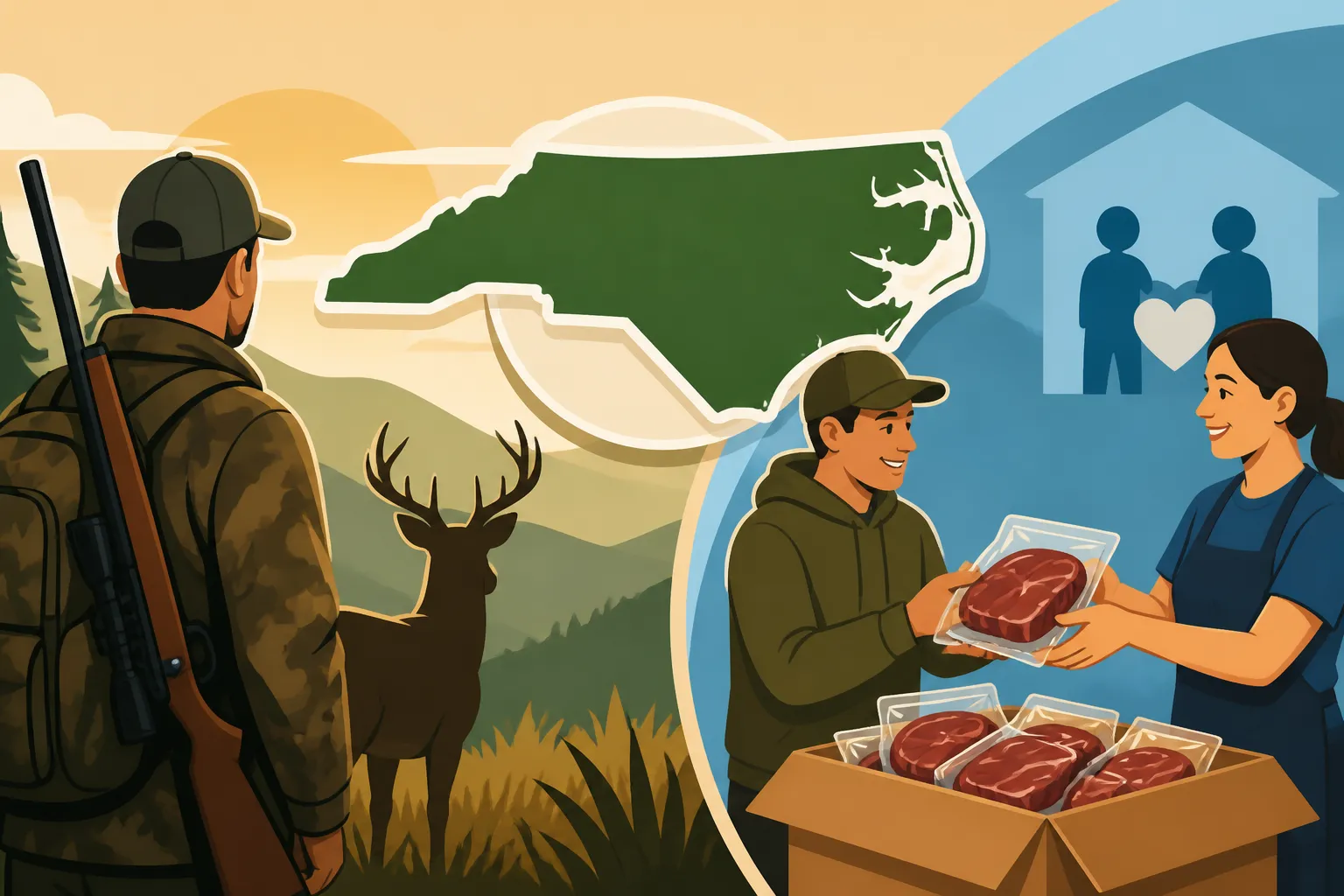
After a successful hunt in North Carolina, especially if you've been blessed with a good deer or two, you might find yourself with a freezer overflowing with venison. While that's a fantastic problem to have, sometimes it means you have more delicious, healthy protein than your family can realistically consume before next season, or you simply want to ensure your harvest goes to a truly good cause. This guide is here to walk you through how you can easily and effectively donate venison in North Carolina, ensuring your harvest helps feed those in need across our beautiful state.
Why Donate Venison in North Carolina?
Deciding to donate your venison is a choice that ripples with positive impacts, touching everything from community welfare to the very spirit of ethical hunting. It’s more than just offloading extra meat; it's a powerful statement about responsible resource use and compassion.
Addressing Food Insecurity in Local Communities
Let’s be honest, food insecurity is a real and heartbreaking issue right here in our North Carolina communities. You might not see it on every street corner, but there are families, children, and elderly folks who struggle to put nutritious meals on the table every single day. The venison you donate provides a lean, organic, and incredibly healthy source of protein that many food banks and soup kitchens desperately need. It fills a void that often can't be met with standard canned goods, offering a substantial and high-quality meal that nourishes both body and spirit. Think about a child getting a hearty venison stew because of your effort – that’s a direct impact that truly matters.
Ethical Hunting and Resource Management
For many of us, hunting isn't just a sport; it's a way of life, deeply rooted in conservation and respect for wildlife. Donating your venison aligns perfectly with these core values. When you harvest an animal, you're tapping into a natural resource, and responsible hunters feel a profound obligation to ensure that resource is utilized fully and respectfully. Letting venison go to waste, even if it's just a few packages forgotten in the back of the freezer, goes against that ethos. By donating, you're extending the benefit of your hunt beyond your dinner table, demonstrating a commitment to stewardship that honors the animal and the land it came from. It's a testament to the idea that hunting can be a direct contributor to public good.
Avoiding Freezer Burn and Waste
We've all been there: that package of ground venison from two seasons ago, buried under newer meat, discovered a little too late. Freezer burn is the bane of any hunter’s existence, turning perfectly good meat into something… less appetizing. Donating ensures that every pound of venison you harvest is consumed at its peak quality. It frees up space in your freezer for this season's bounty or other household items, without the nagging guilt of knowing good meat might go to waste. Plus, it eliminates the need to constantly cycle through older packages, keeping your freezer inventory fresh and manageable. You're not just donating meat; you're optimizing your own harvest management, making your hunting efforts even more efficient.
How North Carolina's Donation Programs Work
Navigating the venison donation process in North Carolina is designed to be straightforward, but understanding the key steps and requirements will make it even smoother. It’s all about connecting your thoughtful harvest with the organizations equipped to get it to those who need it most.
Finding Participating Processors
The cornerstone of venison donation in North Carolina is the network of certified meat processors who participate in these programs. These aren't just any butcher shops; they are specifically approved to accept, process, and store donated venison under strict health and safety guidelines. The primary organization that often facilitates this is "Hunters for the Hungry" or similar state-level initiatives, which partner with local food banks and processors.
To find a participating processor, you typically need to check with the North Carolina Wildlife Resources Commission (NCWRC) website or the website of a specific venison donation charity operating in the state. Often, these sites will have a searchable map or a list of approved processors, sometimes organized by county. Tools like the GoHunt app or website, while primarily focused on hunting strategy and public land mapping, can sometimes offer community forums or resource sections where fellow hunters share information about local programs or reputable processors in their area. Always verify the processor's current participation status directly with them before heading out. They’ll be able to confirm their acceptance criteria, hours, and any specific forms you might need.
The Donation Process
Once you’ve located a participating processor, the actual donation process is quite simple:
- Harvest and Initial Care: After harvesting your deer, field dress it promptly and properly to ensure the best meat quality. Field Dressing a Deer in Cold Weather is especially crucial here, as proper cooling starts immediately.
- Transport: Transport the deer quickly to the approved processor. Keep it as clean and cool as possible during transit. A whole, unskinned deer is generally preferred, as it allows the processor to perform their own inspection and processing.
- Check-in: At the processor, you'll typically fill out a brief form confirming the donation, often including your hunting license number and harvest information (like the tag number you used when checking your deer online, which you might do after reading Checking a North Carolina Deer Harvest Online). This ensures proper tracking and compliance with wildlife regulations.
- Processing and Distribution: The processor will then skin, butcher, and package the venison. They absorb the costs for this processing, thanks to the donation program's funding. The processed meat is then distributed to local food banks, pantries, and charities, who then get it to individuals and families. You walk away knowing your harvest is going to a great cause, with no further steps needed on your part.
Costs Associated with Donating Venison
This is a question many hunters have, and it's a fair one. When you donate a deer through an approved program, the processing fees are generally covered by the venison donation organization. These organizations often rely on grants, corporate sponsorships, and individual donations to fund the butchering, packaging, and distribution of the meat. This means that, as the hunter, you typically won't incur any out-of-pocket costs for the actual processing of your donated deer.
However, it's worth noting that if you don't go through an official donation program and simply take a deer to a regular processor hoping they’ll handle it for free, that’s usually not how it works. Always confirm with the processor that they are part of a recognized venison donation program to ensure your generous contribution is free of charge to you. Your primary "cost" is your time and effort in harvesting the deer and getting it to the approved facility, which for most hunters, is a labor of love already.
Preparing Your Deer for Donation
The quality of the donated venison is paramount. Food banks and those receiving the meat rely on hunters to provide a product that is safe, clean, and palatable. Your effort in the field directly translates to a better meal for someone else.
Field Dressing and Initial Care
This is perhaps the most critical step in ensuring your venison is accepted and enjoyed. Immediately after the shot, focus on a clean and thorough field dress. Remove all internal organs, taking care to avoid rupturing the stomach or intestines. This drastically reduces bacterial contamination and allows the carcass to cool down rapidly. In North Carolina, especially during warmer early archery seasons, rapid cooling is absolutely essential. Don't let the deer lay in the sun; get it to shade or hang it if possible. During colder periods, like later in the North Carolina Deer Season Structure Explained or during Muzzleloader Deer Hunting in North Carolina, cooling is less of a challenge, but still important. Any bloodshot meat should also be trimmed out meticulously during field dressing if it’s practical to do so in the field. The cleaner the carcass, the higher the chances it will be fully utilized.
Transport and Timeliness
Once field-dressed, transport your deer to the processor as quickly and cleanly as possible. If it's a warm day, a cooler with ice (packed around the cavity, not directly inside if possible, to avoid waterlogging the meat) can be a lifesaver. Avoid dragging the deer through excessive mud or debris, as this can contaminate the hide and potentially the meat. If you need to tie it down in the bed of a truck, ensure it’s secure and not exposed to unnecessary dirt or exhaust fumes. The goal is to get the deer from the field to the processor within a reasonable timeframe, ideally within hours, to prevent spoilage and maintain optimal meat quality. Remember, this meat is destined for someone's dinner table, so treat it with the same care you would your own family's food.
What Processors Look For and Reject
Processors have strict guidelines, for good reason. They are the gatekeepers ensuring the safety and quality of the donated meat. Here's a quick overview of what they typically look for and what might lead to a rejection:
| Criteria | Accepted | Rejected |
|---|---|---|
| Carcass Condition | Clean, field-dressed, minimal damage | Severely damaged, dirty, strong odors |
| Cooling | Properly cooled, no signs of spoilage | Warm to the touch, bloated, green meat |
| Overall Health | Appears healthy, no visible disease or parasites | Emaciated, visible tumors, abscesses, lesions |
| CWD Status | From non-CWD areas, or tested negative if required | From a North Carolina's Chronic Wasting Disease Areas without proper testing or positive test |
| Integrity | Unskinned or partially skinned (preferred) | Skinned and heavily butchered by hunter (often rejected) |
| Timeliness | Delivered soon after harvest (within 1-2 days) | Held for too long, signs of decomposition |
If you're hunting in one of the CWD-affected counties, understanding Handling Venison From a CWD Management Area is crucial. Some donation programs may have specific requirements or restrictions for deer harvested in these areas, including mandatory testing, which you would need to arrange. Always check with your chosen processor about their CWD protocols before bringing in a deer from a CWD management area. A tool like GoHunt can be helpful in identifying specific county boundaries and CWD zones, which can influence where you choose to hunt if donation is your goal.
Resources and Support for Venison Donation
The spirit of generosity among North Carolina hunters is strong, and there are excellent resources available to help you make your donation smooth and impactful. It’s not just about knowing how to do it, but also knowing who can help facilitate it.
Key Organizations Facilitating Donations
In North Carolina, much of the venison donation effort is spearheaded by organizations like "Hunters for the Hungry," or sometimes through partnerships with local food banks and the NC Wildlife Resources Commission. These groups act as the crucial link between generous hunters and the families who benefit from the nutritious meat. They coordinate with participating processors, manage the funding for processing costs, and ensure efficient distribution to those experiencing food insecurity. Looking up the local chapter or state program for "Hunters for the Hungry" is usually your best first step. They often have comprehensive lists of participating processors and clear guidelines for donation. Supporting these organizations, whether by donating venison or even contributing financially, directly enhances their capacity to serve the community.
Utilizing Online Tools and Apps
In today’s digital age, finding the right information is often just a few clicks away. The NCWRC website is an invaluable resource, often providing updated lists of venison donation programs and participating processors. You might also find information on local hunting forums or community groups. While GoHunt is primarily known for its advanced mapping features – helping you find public land and plan your hunt, or understand where you can legally fill your North Carolina Deer Bag Limit Rules – it can also be a community hub. Many GoHunt users leverage the platform's community features to share local knowledge about everything from effective tactics for Hunting Piedmont Farmland Deer to practical tips on where to donate venison in specific regions of North Carolina. Keep an eye out for user-generated content or discussions that might point you to local opportunities or unique situations regarding donation programs in your specific hunting zone.
Spreading the Word Among Fellow Hunters
The more hunters who know about and participate in venison donation programs, the greater the impact we can make. Talk to your hunting buddies, share information at deer camp (maybe while discussing North Carolina Deer Camp Traditions), or post in online hunting groups. Many hunters simply aren’t aware that these programs exist or how easy it is to participate. By spreading the word, you can inspire others to turn their successful hunt into a meal for a family in need. Imagine the collective impact if every hunter who harvests a deer in North Carolina considers donating even a portion of their harvest; it would make a monumental difference. Your voice, sharing your positive experience, can be incredibly powerful in growing this vital community effort.
Disclaimer
This article is for general informational purposes only and does not constitute professional advice. Laws, prices and regulations vary by location and change over time. Consult a qualified professional for guidance on your specific situation.