North Carolina Bear Harvest Numbers
For any North Carolina hunter, understanding the health and trends of our cherished game populations is paramount, especially when it comes to formidable animals like black bears. You've probably heard snippets about whether the bear population is growing or shrinking, or how good a particular season was, but it can be really frustrating trying to piece together a clear picture from casual conversations. This guide aims to pull back the curtain on North Carolina's bear harvest numbers, diving deep into what these figures truly represent, how they're collected, and what they can tell you about opportunities in the woods.
Understanding North Carolina's Bear Harvest: What the Numbers Tell Us
It’s no secret that North Carolina is a black bear stronghold. From the vast, sprawling pocosin swamps of the Coastal Plain to the rugged, towering peaks of the Appalachian Mountains, bears thrive in our diverse landscapes. But managing such a robust and widespread population requires careful monitoring, and that's where harvest numbers come into play. These figures aren't just a count of animals taken; they're a vital snapshot that helps wildlife biologists understand the overall health and distribution of the bear population across the state. Without this crucial data, it would be much harder to make informed decisions about seasons and regulations that ensure sustainable hunting for generations to come.
Why NC's Bear Population is Unique
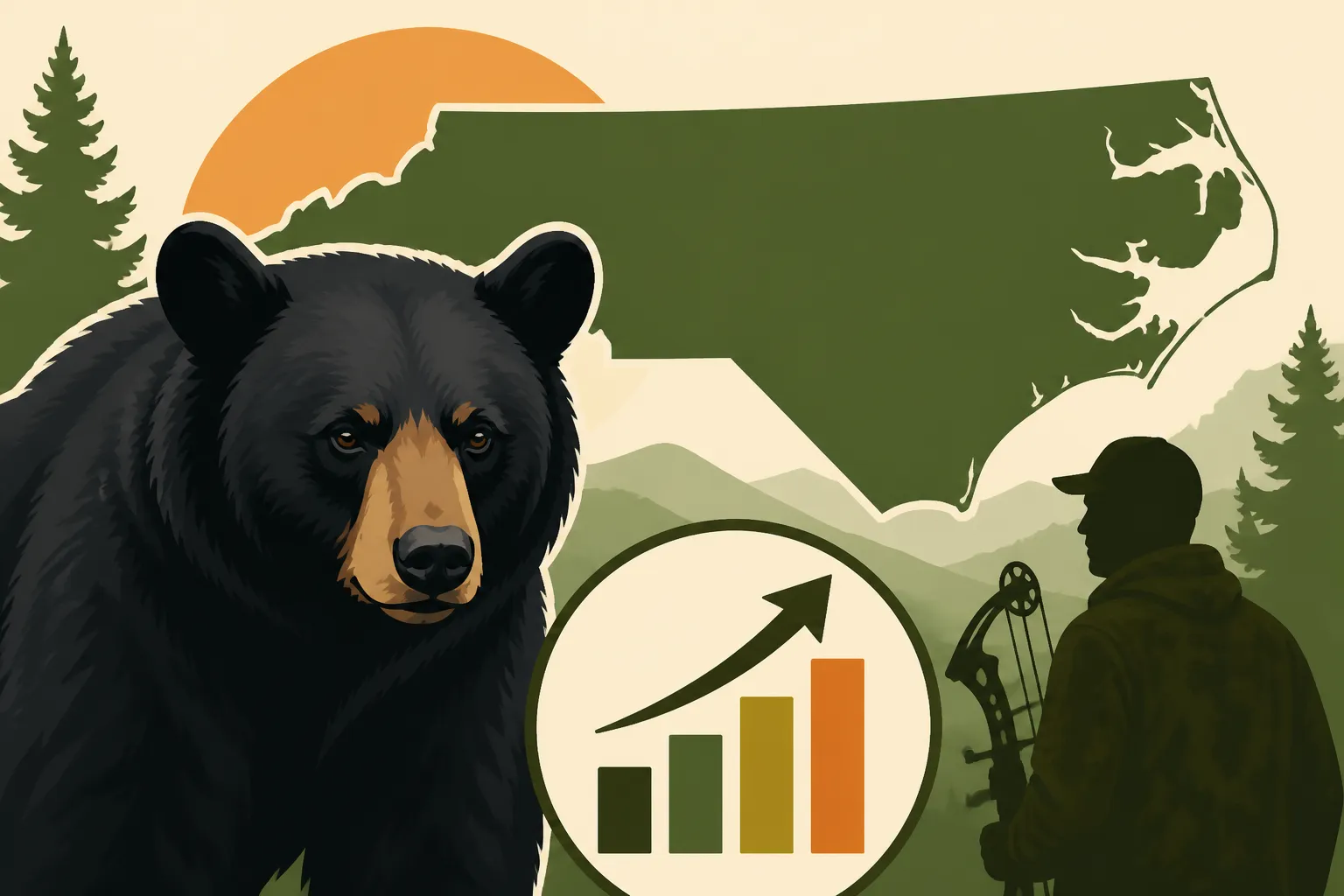
North Carolina's black bear population truly is a success story, and quite unique in the eastern United States. Unlike some states where bears are confined to remote wilderness areas, our bears are found in incredibly varied habitats, even sometimes venturing into suburban fringes. This widespread distribution means that the challenges and opportunities for bears, and by extension, for bear hunters, can differ dramatically from one end of the state to the other. For instance, the sheer vastness and productivity of the coastal pocosin swamps allow bears to reach impressive sizes and densities, while mountain bears navigate more fragmented, higher-elevation terrain. This adaptability and resilience are key reasons why our state maintains such a thriving bear population, one that has generally been on an upward trajectory over the last several decades. Understanding this unique biological context is the first step in appreciating what our annual bear harvest numbers signify. To learn more about this remarkable recovery, check out our guide on North Carolina's Black Bear Population.
The ability for bears to colonize new areas, even expanding into some parts of the Piedmont where they were historically absent, speaks volumes about the quality of habitat available and the species' ability to adapt. This expansion isn't without its challenges, bringing bears into closer contact with human development in some regions, which then influences management strategies and hunter opportunities. You might find distinct differences in bear behavior and local populations if you're hunting bears over natural mast in the Mountains compared to those in the thick Coastal Plain pocosin cover. These geographical nuances are often reflected in the harvest data, painting a picture not just of total numbers, but of where bears are thriving and interacting with the landscape in various ways.
The Role of Harvest Data in Management
Harvest data serves as the backbone of sound wildlife management. Every time a hunter successfully harvests a bear and reports it, that information becomes a piece of a much larger puzzle. Biologists analyze these reports to look for patterns and trends: are harvest numbers increasing or decreasing in specific areas? What's the average weight and age of harvested bears? What's the ratio of males to females? These insights help managers fine-tune hunting regulations, ensuring that harvest levels remain sustainable and aligned with population goals. It’s a dynamic process, meaning that seasons and bag limits aren't set in stone; they're often adjusted based on the latest data and population assessments.
Think of it like a yearly check-up for the bear population. The harvest data provides a crucial health report. If harvest numbers show a consistent decline in a particular region despite stable hunter effort, it could signal a localized issue that needs investigation. Conversely, if numbers are consistently high and bears are expanding their range, it might indicate that the population can support additional harvest pressure. This careful balancing act is essential to maintain healthy bear numbers while also providing ample hunting opportunities. Without hunters diligently reporting their harvests, this vital data stream would dry up, making effective management significantly more challenging. This also ties into important requirements like North Carolina Bear Checking Requirements.
This constant monitoring ensures that our bear populations remain robust and healthy, avoiding both over-harvest that could harm long-term viability and under-harvest that could lead to increasing human-bear conflicts in certain areas. It's a testament to the collaborative effort between state wildlife agencies and the hunting community, where every reported harvest contributes to the bigger picture of conservation. By tracking these metrics, biologists can confidently say whether certain areas, like those described in Where Coastal Pocosin Bears Range, are seeing population growth or stabilization, allowing for targeted management decisions.
Deciphering the Harvest Reports: Zones, Trends, and Factors
When you look at North Carolina's bear harvest reports, it's not just one big number for the entire state. The data is broken down in incredibly useful ways, often by management zone and even by county. This level of detail is critical because, as we've discussed, a bear in the Great Smoky Mountains National Park region lives a very different life than a bear in the Alligator River National Wildlife Refuge. These regional differences have a huge impact on harvest numbers and trends, and understanding them can directly influence how you plan your own hunting excursions.
Coastal vs. Mountain Harvest Differences
The most striking difference you'll see in North Carolina's bear harvest numbers is the split between the eastern and western parts of the state. The Coastal Plain generally accounts for a significant portion of the total annual bear harvest. This is largely due to the abundant, dense pocosin habitats, which provide incredible cover and food resources, allowing bears to thrive and reach impressive densities. Hunters in these areas often experience different types of hunting, perhaps focused on still-hunting or using dogs, compared to the more rugged, spot-and-stalk tactics often employed in the west. You can learn more about specific hunting strategies by checking out articles like Hunting Coastal Bears in Thick Pocosin Cover.
In contrast, the Mountain regions, while holding a healthy bear population, often see lower overall harvest numbers. This isn't necessarily because there are fewer bears per square mile, but rather due to the challenging terrain, vast tracts of public land, and the nature of the hunting itself. Hunting in the mountains often means covering more ground, dealing with steep slopes, and navigating dense timber. The success rates can be different, and the methods used for Hunting the Mountain Bear Zones vary greatly from coastal strategies. The bear management zones, of which North Carolina has twenty-two, are specifically designed to reflect these regional differences in bear populations and habitat, ensuring that regulations are tailored to local conditions.
| Region | Typical Habitat | Average Bear Size Trend | Hunting Pressure | Primary Hunting Methods |
|---|---|---|---|---|
| Coastal Plain | Pocosins, swamps, agricultural fields | Generally Larger | Moderate to High | Still-hunting, Dogs |
| Mountain Region | Steep forests, high elevation, dense timber | Moderate to Large | Moderate | Spot-and-stalk, Drives |
| Piedmont (Emerging) | Woodlots, river bottoms, fragmented forests | Smaller to Moderate | Low to Moderate | Still-hunting, Stands |
Factors Influencing Annual Harvest
So, what makes the harvest numbers fluctuate from year to year? It's rarely just one thing, but usually a combination of factors. Weather plays a huge role. A particularly harsh winter or a very mild one can affect bear activity and hunter access. Heavy rainfall during hunting season, especially during critical periods like the opening weekend, can depress hunter effort, leading to lower harvest numbers, even if the bear population is booming. Conversely, crisp, clear weather can encourage more hunters to get out, potentially increasing the harvest.
Another critical factor is the availability of natural food sources, often called "mast crops." Bears are highly dependent on acorns, berries, and other wild fruits. A year with abundant mast can mean bears are well-fed and less active in seeking out alternative food sources, making them harder to pattern and encounter. In lean mast years, bears might move more widely, making them more visible and potentially increasing harvest numbers as they search for food. Hunter effort also directly impacts harvest. If more hunters are in the woods for longer periods, the likelihood of a higher harvest naturally increases. Changes in regulations, such as tweaks to season length or bag limits, also have a direct, measurable effect on the numbers reported. GoHunt, for example, often features detailed breakdowns of how regulations and environmental factors can impact hunting success.
It’s a complex equation where many variables interact. A great example is when a drought impacts a region, diminishing berry crops. Bears might then shift their foraging patterns, perhaps moving closer to agricultural areas or human development, which can then influence where and how hunters encounter them. Understanding these nuances is key to interpreting the raw data and making sense of why certain years show higher or lower harvest totals in specific areas. This deep dive helps explain observed North Carolina Bear Harvest Trends and provides context for future predictions.
Using Harvest Data to Plan Your Hunt
For the dedicated North Carolina bear hunter, harvest data isn't just interesting information; it's a powerful scouting tool. By looking at historical harvest reports, you can identify regions or even specific counties that consistently produce higher numbers of bears. This doesn't guarantee success, of course, but it helps you narrow down your focus to areas with a strong, viable bear population. If you see a consistent upward trend in a particular area, it might signal a growing population there, potentially offering better opportunities.
Consider combining this data with other scouting information. For example, if you know an area consistently produces bears, and you can cross-reference that with information about North Carolina Bear Season Dates in the Mountains or North Carolina Bear Season Dates on the Coast, you can begin to pinpoint optimal times and locations. Don't just look at the total numbers; pay attention to details like average bear size or the number of bears taken on public versus private land. This can help you decide whether to focus your efforts on seeking private land permission or dedicating time to public game lands. GoHunt is an invaluable resource for layering this kind of information, providing digital maps and insights that can integrate harvest data with land ownership and habitat types.
Ultimately, using harvest data is about making informed decisions. It helps you understand where the bears are and how successful hunters have been in the past. While every hunting season is different, historical data provides a baseline, helping you choose locations with better odds and refine your strategy based on the typical characteristics of bears harvested in those specific regions. It's about working smarter, not just harder, and maximizing your time in the field.
Beyond the Raw Count: Age, Sex, and What it Means for Hunters
While the total number of bears harvested is important, wildlife biologists delve much deeper. Analyzing the age and sex of harvested bears provides even richer insights into the health and trajectory of the population. This more granular data helps managers ensure that the population's reproductive potential remains strong and that the age structure is robust, meaning there are enough older, experienced animals and a healthy number of younger bears coming up through the ranks. For hunters, understanding these details can offer a competitive edge and a deeper appreciation for the animals we pursue.
Analyzing Age and Sex Ratios in the Harvest
When bears are checked, often biologists or trained staff collect data not just on the weight and location, but also determine the sex and, where possible, estimate the age of the animal. This data is critical. A healthy bear population typically exhibits a certain balance in its age and sex structure. If harvest reports consistently show an unusually high proportion of young bears being taken, it could indicate that older bears are being over-harvested, which can impact the stability and reproductive output of the population. Conversely, a good mix of age classes, including mature bears, suggests a well-managed and thriving population.
Similarly, the ratio of males to females in the harvest is closely monitored. While male bears are often more widely dispersed and can be more susceptible to harvest, a significant imbalance can raise flags. Female bears are the reproductive engine of the population, and ensuring a healthy population of breeding-age females is paramount for long-term sustainability. These biological metrics, compiled from hundreds or thousands of individual harvest reports, provide a detailed "health report" that guides management decisions far beyond just increasing or decreasing the overall harvest limit. This is why strict adherence to North Carolina Bear Management Stamp Rules and accurate reporting are so vital for collecting this data.
The meticulous collection and analysis of these biological samples allow wildlife professionals to track trends in bear health, reproductive success, and even genetic diversity. For instance, if data shows a consistent decline in the average age of harvested females, managers might consider adjusting bag limits or season dates to protect older, more productive sows. This nuanced approach ensures that bear hunting in North Carolina remains a sustainable sport, while also maintaining a healthy and resilient bear population for future generations.
The Impact of Harvest on Local Bear Densities
While statewide harvest numbers are encouraging, the impact of harvest can be very localized. In areas with high hunter pressure, even a successful season can temporarily reduce local bear densities. However, bears are highly mobile and adaptable. If habitat and food sources are plentiful, these localized areas often rebound fairly quickly as bears move in from surrounding territories or as new cubs are born. This dynamic is especially noticeable in areas bordering large tracts of protected land, where populations can act as a reservoir, replenishing adjacent hunted zones.
Conversely, in emerging bear habitats, such as certain parts of the Piedmont, the harvest might be lower simply because the population is still establishing itself, or because hunting access is more fragmented. It's a constant ebb and flow, demonstrating the complex relationship between bear behavior, habitat availability, and human activity. Hunters using tools like GoHunt can often see overlays of harvest data with land ownership and habitat types, allowing them to visualize these local impacts more clearly and scout for areas that might have less pressure or better potential.
Understanding these localized dynamics helps hunters recognize that a "good" overall harvest year doesn't mean every specific woodlot or swamp will yield the same results. It encourages a more targeted scouting approach, perhaps focusing on areas known for consistent bear activity or those with recent increases in sightings, rather than solely relying on broad regional numbers. This insight allows hunters to adapt their strategies based on observed local trends.
Responsible Hunting: Contributing to Sustainable Management
As hunters, we play an indispensable role in the ongoing success story of North Carolina's black bears. Every legal and ethical harvest, meticulously reported according to North Carolina Bear Checking Requirements, directly contributes to the valuable data stream that fuels sound wildlife management. By adhering to regulations, understanding the reasons behind specific season structures, and taking the time to report your harvest accurately, you're not just participating in a sport; you're actively engaging in conservation.
Beyond the harvest itself, responsible hunting includes respecting private landowners, understanding the local ecology of your hunting area, and striving for clean, ethical kills. It also means educating ourselves about the species we pursue, appreciating their biological intricacies, and advocating for science-based management. This holistic approach ensures that black bears continue to thrive across North Carolina, providing incredible hunting opportunities and a vital component of our state's rich natural heritage.
The future of bear hunting in North Carolina depends on this continued commitment to responsible practices. It’s about being good stewards of the land and its wildlife, recognizing that our actions today have a direct impact on the health of the bear population for generations of hunters and wildlife enthusiasts to come. By engaging with resources, staying informed, and following ethical guidelines, we ensure that the pursuit of black bear remains a cherished tradition in the Old North State.
Disclaimer
This article is for general informational purposes only and does not constitute professional advice. Laws, prices and regulations vary by location and change over time. Consult a qualified professional for guidance on your specific situation.