Hunting the Mountain Bear Zones
Hunting black bears in North Carolina's rugged mountain terrain is an experience unlike any other, demanding grit, patience, and a deep understanding of these elusive animals. It’s not your typical sit-in-a-stand hunt; the sheer scale of the mountains and the bears' wide-ranging habits can be incredibly intimidating, leaving many hunters wondering where to even begin. This comprehensive guide will break down everything you need to know to confidently pursue black bears in North Carolina's western zones, from understanding the regulations to mastering the tactics that put you within range.
Understanding North Carolina's Mountain Bear Zones
North Carolina is renowned for its burgeoning black bear population, and while the coastal plain often gets attention for its massive bruins, the mountains offer a unique, challenging, and incredibly rewarding hunting experience. The terrain alone presents a significant hurdle, but with that challenge comes the potential for an unforgettable hunt in some of the state's most breathtaking wilderness.
Navigating Specific Mountain Zones and Their Seasons
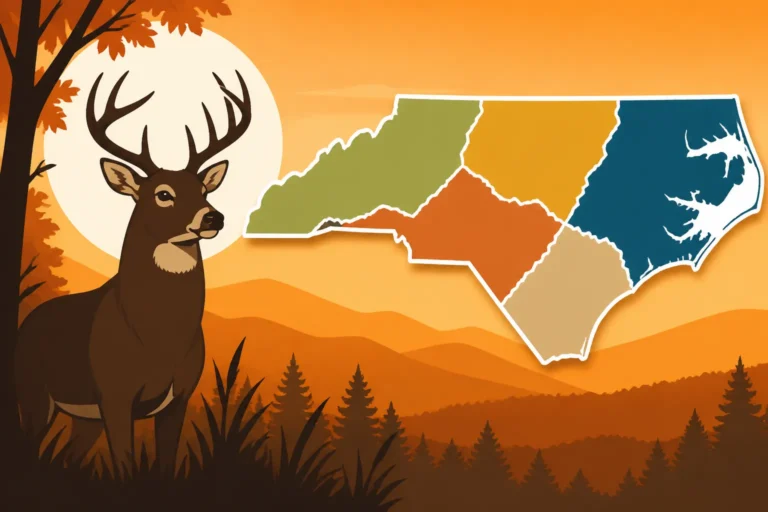
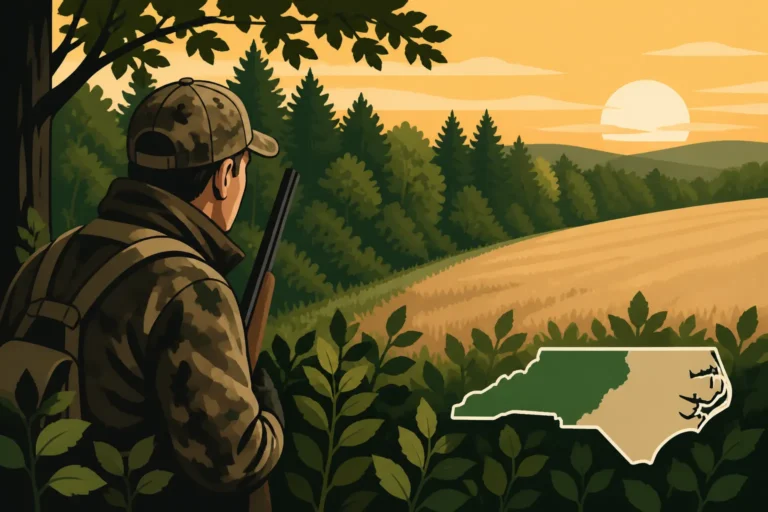
North Carolina doesn't treat the entire mountain region as a single entity when it comes to bear hunting. Instead, the state is divided into specific bear management zones, each with its own set of rules and seasons. This can be a real headache for hunters, especially if you're planning a trip to an unfamiliar area. You can't just assume the season dates are the same from one county to the next, or even one section of a national forest to another. It’s crucial to know exactly which zone you'll be hunting in, as ignoring these distinctions can lead to serious legal trouble or, at the very least, a wasted trip. For example, the seasons in the far western counties like Cherokee and Clay might differ significantly from those in the central mountains around Buncombe or Haywood. Always consult the latest North Carolina Bear Season Dates in the Mountains from the NC Wildlife Resources Commission's regulations digest before you ever step foot in the woods. This diligence ensures you're hunting legally and during the correct window.
What makes these zones even more complex is how they often overlap with vast tracts of public land, such as the Nantahala and Pisgah National Forests. Within these forests, specific areas might have slightly different regulations or managed hunt opportunities that impact your overall strategy. Some zones might have a split season, offering an early window and then reopening later in the fall. Others may have very limited timeframes. Understanding these nuances is critical for planning a successful trip. A good strategy is to narrow down your target county or region, then cross-reference that with the official bear season map to pinpoint your exact hunting window. Tools like GoHunt's mapping features can be invaluable here, allowing you to layer season data over detailed topographic maps, making it much easier to visualize where and when you can hunt.
Public Land Challenges and Opportunities
The vast majority of mountain bear hunting in North Carolina takes place on public land, primarily within the Pisgah and Nantahala National Forests. These sprawling landscapes offer incredible opportunities but come with their own set of challenges, particularly when it comes to access and hunting pressure. Unlike private land where you might have exclusive access, public land means sharing the woods with other hunters, hikers, and outdoor enthusiasts. Finding solitude and undisturbed bear habitat often means venturing far off the beaten path, tackling steep ascents, and covering serious mileage. Knowing the Best Public Ground for Mountain Bears involves more than just looking at a map; it requires understanding access points, road systems (many of which are gated for seasonal use), and how hunting pressure might funnel bears into specific areas.
While the crowds can be a deterrent, the sheer size of these national forests also means there's always new ground to explore and plenty of room for bears to roam. These areas are truly wild, and the bears that inhabit them are often less habituated to human presence than those in more populated areas. Hunters often find success by focusing on areas with limited vehicle access, requiring a significant hike to reach. This not only reduces competition but also puts you in prime bear country where animals are less likely to have been disturbed. Remember, while you might be chasing bears, these public lands are also home to deer, turkey, and other small game, so you could encounter hunters pursuing other species. Always be aware of your surroundings, wear appropriate blaze orange when required, and practice ethical hunting behavior. Checking for any specific rules or temporary closures on national forest land is also important, as logging operations or prescribed burns can impact access during hunting season.
Scouting and Habitat Analysis for Mountain Bears
You can't effectively hunt what you don't understand, and that's especially true for mountain bears. These animals are masters of their environment, constantly adapting their movements to food availability and pressure. Successful hunters spend a significant amount of time before the season even opens, putting in the miles and effort to uncover the secrets of their hunting grounds.
Identifying Key Food Sources and Travel Corridors
Bears are highly opportunistic omnivores, and their movements in the mountains are largely dictated by available food sources. In the fall, this primarily means hard mast like acorns, hickory nuts, and beechnuts, as well as soft mast like wild berries, grapes, and even apples from abandoned orchards. The challenge is that these food sources can vary greatly from year to year, and even from ridge to ridge within the same season. One ridge might be loaded with white oak acorns, while the next over is barren. Therefore, scouting for food is paramount. You need to identify where the best mast crops are dropping and where bears are actively feeding. This means literally walking the woods, looking for disturbed leaves, scat, and claw marks on trees. Observing areas like an oak flat on a ridgetop or a beech thicket along a creek bottom can provide critical clues.
Beyond just finding food, you need to understand how bears travel between these feeding areas, bedding grounds, and water sources. Look for distinct travel corridors, which might include old logging roads, game trails, or natural funnels created by saddles between ridges or dense laurel thickets. Bears prefer to travel through dense cover when possible, offering them security. Identifying these "highways" can be just as important as finding the food itself, as it tells you where to set up. Think about how a bear would move through the landscape – they often follow the path of least resistance but will also stick to thick cover. These travel routes, especially those connecting rich food sources to heavy bedding areas, are prime spots for ambushing a bear during legal hunting hours.
Utilizing Technology for Effective Mountain Scouting
Gone are the days when a paper map and compass were your only tools. Modern technology has revolutionized scouting, particularly in vast and challenging mountain environments. Satellite imagery, topographic maps, and GPS apps are now indispensable. Platforms like GoHunt and other similar mapping services allow you to analyze terrain features, identify potential food sources (like oak stands), locate water, and pinpoint travel corridors all from the comfort of your home. You can mark potential stand sites, bedding areas, and access routes on your digital map, creating a detailed plan before you even step foot in the woods. This is especially useful when scouting North Carolina Public Land Before Season, helping you to narrow down vast tracts into manageable, high-potential areas.
Beyond just mapping, trail cameras have become a powerful scouting tool. Strategically placing cameras along identified travel corridors or near active food sources can provide invaluable intelligence on bear movements, frequency, and even size. Be mindful of regulations regarding trail camera use on public lands, as some areas may have restrictions. When placing cameras, consider security – bears are curious and strong, and other people might be in the area. Camouflaging your camera and using a lockbox can help protect your investment. Remember that while technology is a huge asset, it's not a substitute for boots on the ground. The real-time intelligence gathered from physically scouting, checking mast crops, and looking for fresh sign is irreplaceable. Technology helps you refine your efforts, but the true understanding of bear behavior comes from being in their habitat.
Hunting Tactics for North Carolina's Rugged Terrain
Mountain bear hunting requires a blend of physical endurance and strategic cunning. The sheer size of the landscape and the bears' ability to vanish into dense cover means you need a flexible approach.
Spot and Stalk in Open Ridges and Coves
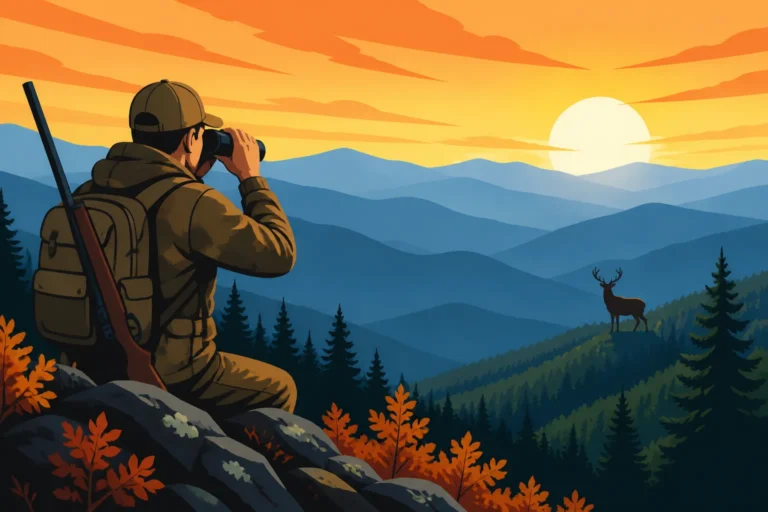
One of the most exciting and challenging methods for hunting mountain bears is the spot-and-stalk. This tactic is particularly effective in areas with open hardwoods, recent timber cuts, or along the vast slopes and benches of the Blue Ridge Escarpment, where visibility extends for hundreds of yards. It requires exceptional optics – good binoculars or a spotting scope are non-negotiable – and a keen eye to pick out a bear amidst the natural camouflage. Early mornings and late evenings are prime times, as bears are often moving to or from feeding areas. You'll want to find a high vantage point that offers a panoramic view of a productive basin, cove, or ridgeline. Sit patiently, glassing thoroughly, paying close attention to any movement, color change, or unnatural shape.
Once you spot a bear, the real work begins. Planning your approach is critical. You need to consider the wind, the terrain, and any obstacles that might give you away. Bears have an incredible sense of smell, so staying downwind is paramount. The steep, often noisy mountain terrain makes a quiet approach difficult, so take your time, move slowly, and use every bit of available cover. This isn't a race; it's a chess match. You might need to make a wide loop to get into position, or even wait for the bear to move into a more favorable spot. Stalking a bear on a steep mountainside can be physically grueling, testing your lungs and leg muscles, but the reward of closing the distance on a wild mountain bruin is unparalleled. This approach is thoroughly detailed in resources like Spot-and-Stalk Tactics for Mountain Bears, providing crucial insights into successful execution.
Still-Hunting and Tracking in Dense Cover
While spot-and-stalk works well in more open areas, much of North Carolina's mountain bear country is characterized by dense rhododendron thickets, laurel slicks, and vast expanses of mature timber where visibility is limited. In these environments, still-hunting and tracking become primary tactics. Still-hunting involves moving incredibly slowly and deliberately through the woods, pausing frequently to listen, look, and scan for any sign of a bear. Think of it as stalking without a specific animal in sight, covering ground with the expectation of encountering a bear at close range. Focus on likely travel routes, dense bedding areas, and areas with fresh mast sign. Every step should be calculated to minimize noise, and your eyes should constantly be searching for parts of an animal – an ear flick, a patch of black fur, or a subtle movement.
Tracking, on the other hand, is a more focused effort, following fresh bear sign – tracks, scat, rubs, or fresh feeding activity – with the intent of intercepting the animal. This is incredibly challenging in the leaf litter and rocky soils of the mountains, but if you find fresh tracks, especially after a rain, it can be an effective way to get close. Both still-hunting and tracking demand immense patience and a deep understanding of bear behavior. You need to anticipate where the bear might be headed, how it might react to your presence, and how to use the wind and terrain to your advantage. Remember that bears can move silently and are adept at using cover to their advantage. It's often the small details that give them away, so pay attention to every twig snap and rustle of leaves.
Hunting Over Natural Mast in the Mountains
Hunting over natural mast is perhaps the most traditional and often the most successful method for mountain bears. As autumn progresses, bears shift their focus to capitalizing on the abundant calorie source provided by acorns, hickory nuts, and beechnuts. Your scouting efforts to locate productive mast crops will truly pay off here. Once you've identified an area with heavy mast fall and fresh bear sign, you'll want to set up an ambush. This typically involves finding a concealed position – either on the ground, utilizing natural cover, or in a treestand if the terrain allows – downwind of the feeding area. Bears often feed for extended periods, especially during the morning and late afternoon, making these times ideal for a patient sit.
The key to success when Hunting Bears Over Natural Mast in the Mountains is patience and stealth. Bears will often approach feeding areas cautiously, especially if they've been pressured. Avoid making unnecessary noise or movement. Your setup should allow you a clear shot lane without compromising your concealment. Consider the topography; bears might feed on a flat ridgetop, along a gentle slope, or in a secluded cove. Each scenario presents different challenges and opportunities for positioning. If you're hunting during an abundant mast year, bears might be spread out, making it harder to pinpoint their exact location. Conversely, in a poor mast year, they might congregate in the few areas where food is available, increasing your chances. Being flexible and having multiple potential setups based on your scouting is always a good idea. GoHunt's detailed satellite imagery can help pinpoint potential mast groves, especially identifying different tree species from their canopy signature.
| Season Phase | Typical Dates (Approximate) | Primary Tactics | Key Food Sources | Terrain Focus |
|---|---|---|---|---|
| Early Archery/Muzzleloader | Mid-September – Early October | Spot & Stalk, Still-hunting | Soft mast (berries, grapes), Early acorns (white oak) | High elevations, open coves, recent clear-cuts |
| Peak Mast Season | Mid-October – Mid-November | Sit over mast, Still-hunting, Tracking | Hard mast (acorns, hickory, beech) | Ridgetops, oak flats, creek bottoms |
| Late Gun Season | Late November – Early December | Still-hunting, Tracking, Drives (where legal) | Leftover hard mast, Winter food (roots, grubs) | Dense thickets, bedding cover, south-facing slopes |
Note: Specific dates and regulations vary significantly by bear management zone. Always verify with the latest NCWRC regulations.
Essential Gear and Preparations for Mountain Bear Hunts
Hunting bears in the North Carolina mountains is physically demanding and often takes you far from any easy access. Being prepared with the right gear isn't just about comfort; it's about safety and increasing your chances of success.
Clothing, Footwear, and Navigation
The mountains of North Carolina can experience rapidly changing weather conditions, from warm, sunny mornings to freezing rain or even snow in a matter of hours. Layering your clothing is absolutely essential. Start with a moisture-wicking base layer, add insulating layers (fleece or synthetic down are great), and top it off with a waterproof and windproof outer shell. Wool is an excellent choice for insulation as it retains warmth even when wet. Think about quiet fabrics, as still-hunting and stalking require minimal noise. Blaze orange requirements vary by season and weapon, so always check the regulations for the specific season you're hunting in. Having a North Carolina Blaze Orange Requirements refresher before you head out is a great idea.
Footwear is arguably the most critical piece of gear. You'll be covering miles of steep, rocky, and often wet terrain, so comfortable, waterproof, and supportive boots are non-negotiable. Look for boots with good ankle support and aggressive tread for traction on slippery leaves and wet rocks. Break them in thoroughly before your hunt to avoid blisters. For navigation, a reliable GPS unit or a robust mapping app on your smartphone (like those offered by GoHunt) is essential. Download offline maps of your hunting area, as cell service is often nonexistent in remote mountain coves. Carry a portable power bank for your phone. A compass and paper map, along with the knowledge of how to use them, should always be a backup. Knowing how to read a ridge for mountain zone deer is a skill that transfers directly to bear hunting, helping you navigate the complex topography.
Firearms, Optics, and Safety Equipment
When it comes to firearms, reliability and sufficient power are key for North Carolina black bears. A stout rifle caliber like a .30-06, .308, .270, or even a 6.5 Creedmoor with appropriate hunting bullets will get the job done. The shot distances in the mountains can vary wildly, from close-quarters encounters in thickets to longer shots across open coves. Ensure your rifle is sighted in and you're comfortable shooting it accurately under pressure. For those pursuing Muzzleloader Deer Hunting in North Carolina, similar principles apply, ensuring your chosen load is capable for bear.
Good optics are vital for both scouting and hunting. High-quality binoculars (8×42 or 10×42 are excellent choices) will help you pick apart distant slopes for any sign of a bear. A rangefinder is also extremely useful for accurately determining distances in varying terrain. Beyond your primary weapon and optics, don't forget essential safety gear. A first-aid kit is crucial, especially when hunting far from roads. A headlamp with fresh batteries is a must for early morning hikes and packing out after dark. Carry enough water and high-energy snacks for a full day afield, and consider a water filter for longer trips. A sharp, durable field dressing knife is also indispensable. Remember to tell someone your hunting plan, including where you'll be and when you expect to return, especially when exploring remote areas.
Post-Harvest Considerations and Regulations
Taking down a bear in the mountains is a monumental achievement, but the work isn't over when the shot rings out. Proper handling, reporting, and respecting the animal and the regulations are critical.
Field Dressing and Retrieval in Challenging Terrain
Once you've successfully harvested a bear, the next challenge is often the most physically demanding: field dressing and retrieval. Bears are large, heavy animals, and in the steep, rocky terrain of the North Carolina mountains, moving one can be an exhausting ordeal. Field dressing promptly is crucial, especially if temperatures are warm, to cool the meat down quickly and prevent spoilage. You'll want to remove the entrails and open the chest cavity to promote airflow. Some hunters opt for the gutless method, particularly for very large bears or in extremely remote areas, where you quarter the animal and pack out the meat and hide without removing the internal organs from the carcass. This can significantly reduce the weight you need to drag or carry at one time.
Retrieval often involves a combination of dragging, packing, or even sledding if snow is present. A sturdy deer drag, a game cart (if the terrain allows), or a pack frame for boned-out meat can be invaluable. Don't underestimate the effort required, and be prepared for a long, arduous trek back to your vehicle. Having a hunting partner to help with retrieval makes a world of difference. Always consider the terrain and your physical capabilities before heading out; attempting to retrieve a large bear solo from a deep cove or a steep mountainside can be dangerous. Knowing how to efficiently quarter an animal in the field can save you immense effort and ensure you get all that delicious bear meat out cleanly.
Mandatory Reporting and CWD Compliance
North Carolina has mandatory reporting requirements for all harvested big game animals, including black bears. This is a critical step that every hunter must complete promptly after harvesting their animal. The NC Wildlife Resources Commission uses this data to monitor bear populations, track harvest trends, and make informed management decisions. You can typically report your harvest through the NCWRC's website or via their mobile app, providing details such as the county of harvest, date, and sex of the bear. Failure to report your harvest can result in penalties. Always carry your license and bear tag, ensuring it's properly validated upon harvest.
Beyond general reporting, it's also vital to be aware of North Carolina's Chronic Wasting Disease (CWD) areas, particularly if you're hunting near the Yadkin Valley or specific counties in the northwestern part of the state. While CWD is primarily a concern for deer, understanding carcass movement restrictions and potential testing requirements is good practice for any big game hunter. While bears are not susceptible to CWD, understanding the overall North Carolina's Chronic Wasting Disease Areas and how they might affect your hunting plans or carcass handling is important for all North Carolina hunters. Staying informed ensures you're a responsible conservationist and compliant with all state regulations, helping to protect North Carolina's wild game populations for future generations.
Disclaimer
Please remember that hunting regulations, season dates, and specific requirements can change. Always consult the latest North Carolina Inland Fishing, Hunting & Trapping Regulations Digest published by the NC Wildlife Resources Commission before planning any hunting trip. This guide is for informational purposes only and should not replace official state regulations.