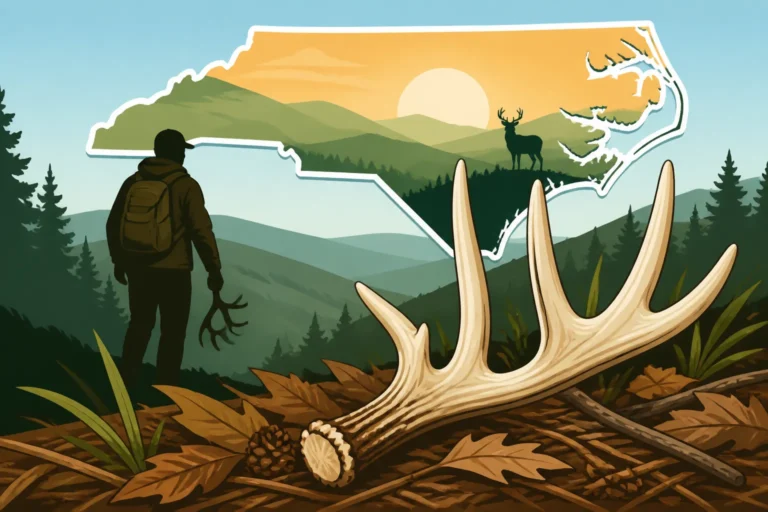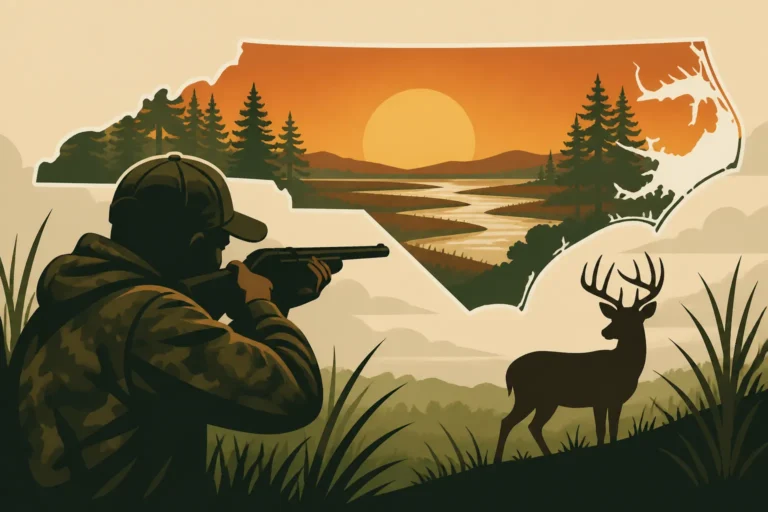
Still-Hunting Nantahala Forest Ridges
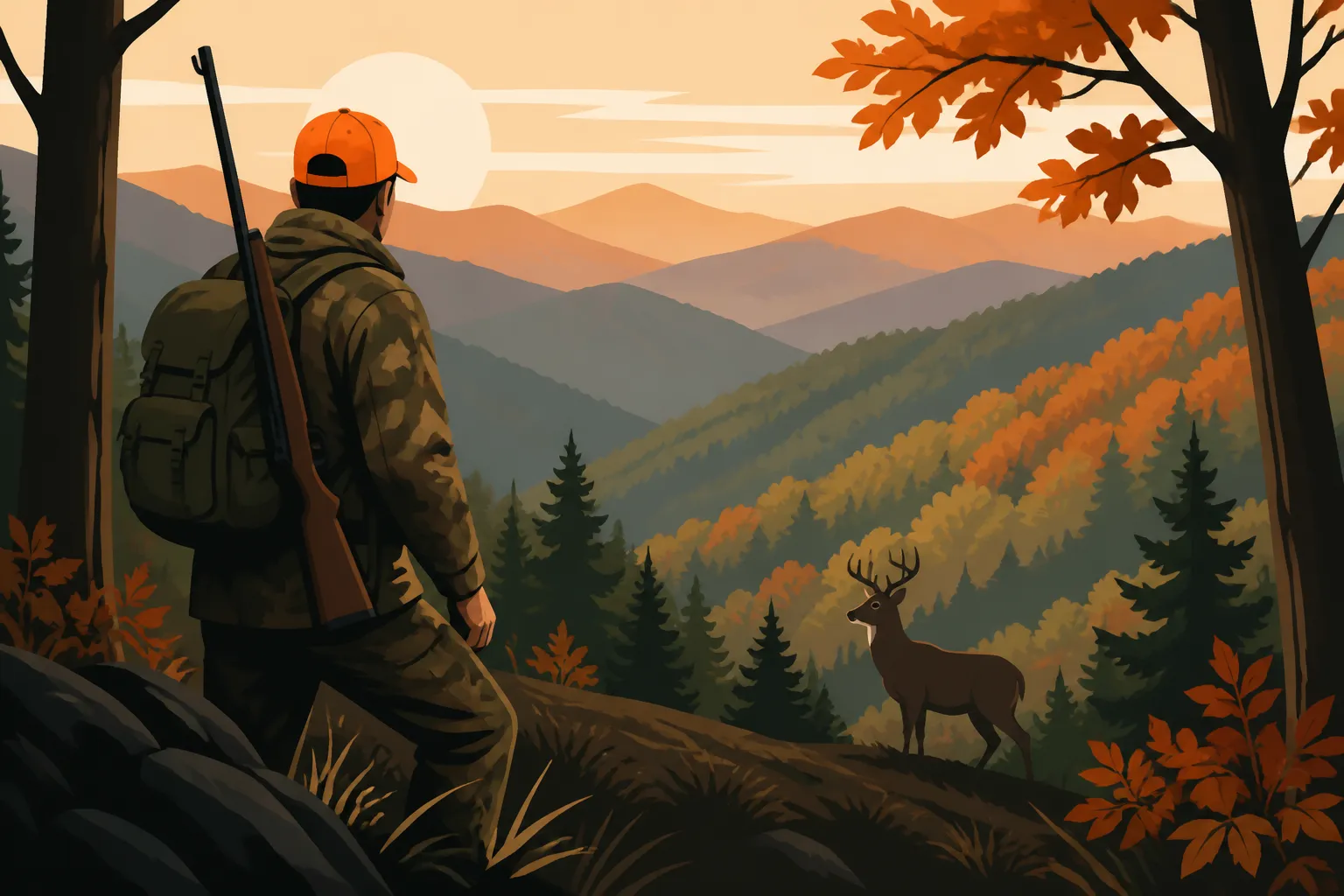
There's a unique challenge that whispers to every North Carolina deer hunter who looks west, towards the rugged, sprawling wilderness of the Nantahala National Forest: how do you consistently find and harvest deer in a landscape that seems designed to swallow both hunter and prey whole? Still-hunting these formidable ridges can feel like an impossible task, a test of patience, endurance, and quiet skill against an unforgiving backdrop. This guide aims to demystify the art of still-hunting the Nantahala, offering practical, boots-on-the-ground advice to turn those daunting slopes into successful hunting grounds.
Understanding the Nantahala Terrain and Deer Behavior
The Nantahala National Forest is a world unto itself, a mosaic of steep climbs, hidden coves, and dense cover that differs dramatically from the rolling Piedmont or the flat Coastal Plain. To still-hunt effectively here, you first need to understand the lay of the land and how it shapes the deer that call it home.
The Steep, Rugged Landscape and Its Challenges
Anyone who's laced up their boots for a day in the Nantahala knows the burn in the calves and the strain on the lungs. We're not talking about gentle hills; these are bona fide mountains, often with grades that feel vertical. The terrain is frequently broken by rock outcroppings, fallen timber, and eroded gullies, making every step a conscious decision. Visibility can be incredibly limited due to the thick understory, especially in areas dominated by rhododendron and mountain laurel. This dense cover, while frustrating for hunters trying to spot deer, offers incredible sanctuary for the deer themselves. It means that while you might feel exposed, deer often have layers of protective foliage to melt into, giving them the upper hand. The sheer physical exertion required means that an all-day still-hunt isn't just a mental game, but a true test of physical fitness.
The challenges don't stop with the physical. The sheer vastness of the Nantahala can be overwhelming. Unlike smaller private tracts, there are no easy "pinch points" or obvious funnels everywhere you look. You're dealing with hundreds of thousands of acres of contiguous forest, where deer might roam for miles. This requires a different approach to scouting and movement, one focused on understanding broad patterns and subtle terrain features rather than obvious funnels. The scale of the landscape can make even finding a good starting point feel like a huge hurdle.
How Deer Utilize Nantahala Ridges and Coves
Deer in the Nantahala don't just wander aimlessly; they are creatures of efficiency, using the challenging topography to their advantage for feeding, bedding, and escaping pressure. Ridges, especially those with relatively flat tops or gentle slopes, serve as natural travel corridors. Deer often prefer to walk along these contours rather than constantly climbing or descending steep faces. These ridge tops can connect different feeding areas, provide vantage points, and allow for easy thermoregulation as they move into or out of the sun. They'll use saddles or breaks in the ridge line as natural crossing points, especially when moving between different drainages or larger blocks of timber. Understanding these preferences is key to predicting their movement.
Coves, on the other hand, often harbor crucial resources. The sheltered, north-facing slopes tend to stay cooler in early season and can hold moisture longer, leading to different vegetation. South-facing slopes warm up faster in the morning, drawing deer to sun themselves during colder periods. The bottoms of coves often contain small springs or seepages, acting as vital water sources. When you combine these with specific mast crops like white oak acorns, these coves become magnets for deer. Deer will often bed on ridge points that overlook these coves, giving them a clear view downwind and a safe escape route downhill. Look for subtle benches or shelves on these slopes, as these slight changes in topography offer ideal bedding locations that are often missed by casual hunters.
Impact of Mast Crops and Water Sources
In any hardwood forest, the availability of mast (acorns, hickory nuts, beechnuts) dictates deer movement, and the Nantahala is no exception. A good acorn crop, particularly from white oaks, will pull deer from miles around. They'll spend significant time feeding in these areas, often lingering until the food source is depleted. This means that if you can locate active white oak stands on ridges or in coves, you've found a high-probability area for still-hunting. The challenge, of course, is that mast crops can vary wildly from year to year and even from ridge to ridge. One year, a particular ridge might be loaded; the next, it could be barren. This variability demands pre-season scouting or at least a flexible approach during the season. You can gain valuable insights by checking out resources like Scouting North Carolina Public Land Before Season.
Beyond food, water is a non-negotiable for deer. While the Nantahala generally has abundant water sources in its numerous creeks and streams, smaller, more localized seeps and springs on upper ridges can be gold mines, especially during dry spells or late in the season when many temporary water sources have dried up. Deer will regularly visit these isolated water holes. When you're still-hunting, keep an eye out for these subtle indicators—a damp patch of ground, a trickle of water flowing over rocks, or even a line of greener vegetation. Combine an active mast crop with a nearby water source, and you've got a prime still-hunting location. These spots are often overlooked because they don't jump out on a topo map, requiring boots-on-the-ground investigation to uncover.
Essential Still-Hunting Techniques for Mountain Ridges
Still-hunting is more than just walking slowly; it's a deliberate, tactical approach that blends observation, stealth, and a deep understanding of your surroundings. On Nantahala's steep ridges, these techniques are amplified in their importance.
The Art of Slow Movement and Observation
This isn't a stroll in the park; it's a meticulously choreographed dance with the forest. The core principle of still-hunting is to take one or two steps, then pause and observe for several minutes. This sounds simple, but it's incredibly difficult to maintain, especially when the landscape is steep and you're covering ground. The goal is to spend 90% of your time looking and listening, and only 10% moving. This deliberate pace allows you to pick apart the cover, detect subtle movements, and hear faint sounds that would be completely missed if you were moving at a normal walking speed. Think about it: a deer's ears and nose are far superior to yours. Your advantage lies in your ability to use optics and to process visual information.
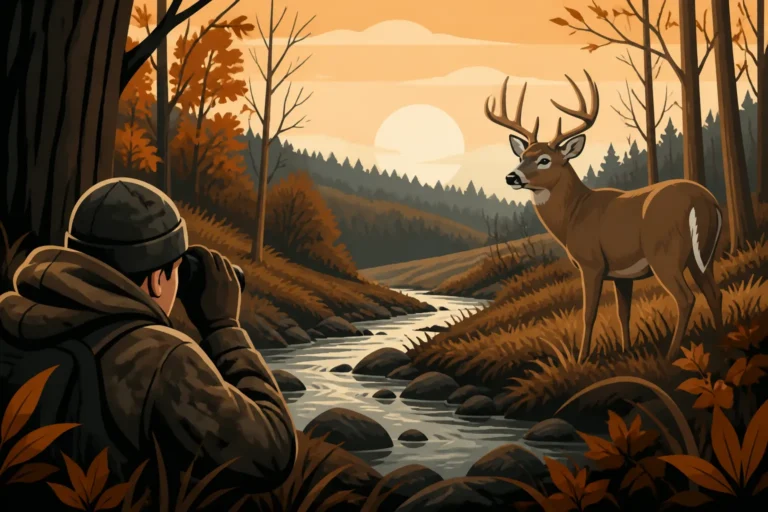
When you pause, don't just stare straight ahead. Scan 360 degrees, slowly, from the ground up to the treetops. Pay close attention to horizontal lines that break up the vertical patterns of trees, or unusual shapes that don't quite blend in. A flicker of an ear, a patch of brown or gray that looks "off," or the subtle movement of a tail can be your only clue. Use your binoculars extensively. Even in relatively open timber, a good set of binoculars can reveal a hidden deer at 50 yards that your naked eye would never spot. They help resolve those "stumps or deer?" questions before you take another step and blow your cover. Remember, the Nantahala's deer are accustomed to sound; they might not spook at a distant twig snap, but they will react to a consistent pattern of noise or movement.
Using Wind and Thermals to Your Advantage
In mountain hunting, understanding wind and thermals isn't optional; it's absolutely critical. Your scent is your biggest giveaway, and on a mountain, it behaves very differently than on flat ground. As the sun rises and warms the slopes, air begins to move uphill (updrafts). As the sun sets and the air cools, it moves downhill (downdrafts). This is your primary thermal cycle, and it can override general wind direction, especially in sheltered coves. For example, in the morning, as you climb a ridge, your scent might actually be carried up ahead of you.
When still-hunting a Nantahala ridge, try to hunt into the prevailing wind and thermals whenever possible. In the mornings, this often means working your way up a ridge or across a slope, keeping the rising thermals carrying your scent behind you or safely off to the side. In the afternoons, as the thermals start to fall, you might want to reverse your route, or transition to hunting downhill with the thermals carrying your scent away from any deer below. Always be aware of the "swirl" that can occur in complex terrain, especially around ridge points and deep drainages. Use a wind checker (a small squeeze bottle of powder or milkweed seeds) constantly to monitor subtle changes. You might be surprised at how quickly the wind can shift. For more in-depth knowledge on this, check out our piece on Wind and Thermals on a Blue Ridge Slope.
Reading Sign on Nantahala Forest Ridges
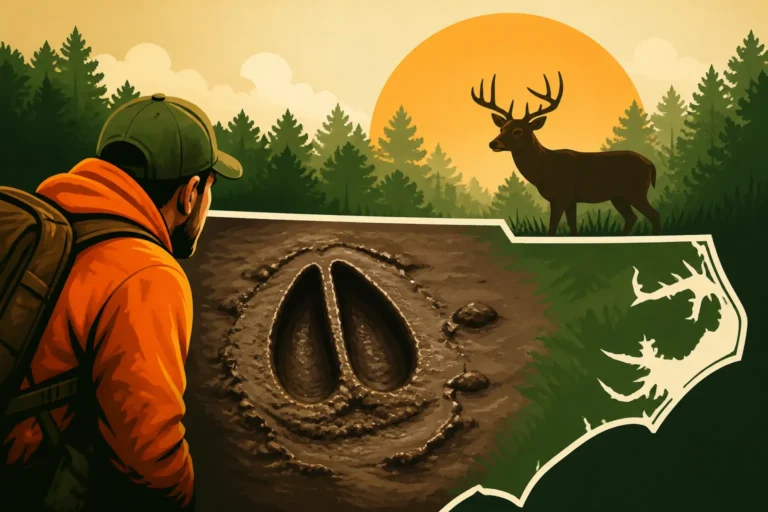
Still-hunting isn't just about spotting deer; it's about spotting their story on the forest floor. Deer sign tells you where deer are active, what they're eating, and how they're moving. In the Nantahala, this could mean everything from rubs and scrapes to fresh tracks and droppings. When you pause to observe, also observe the ground around you. Are there fresh tracks in the soft earth of a logging road or game trail? Are the leaves scuffed up in a way that suggests recent travel? A well-used game trail along a ridge line is an obvious indicator, but don't just look for super-highways. Deer in pressured mountain country often use fainter, less obvious trails that contour around obstacles or follow subtle benches.
Look for fresh deer droppings. The size and consistency can give you clues about the deer's diet and how recently it was there. Larger, softer piles might indicate a larger deer and very recent activity. Rubs (where bucks rub their antlers on saplings) and scrapes (where they paw the ground and urinate) are especially potent sign during the rut. A fresh rub or an active scrape line along a ridge or on a ridge point tells you a buck is in the area and likely using that specific travel corridor. If you find a series of fresh rubs heading in a particular direction, you're likely on the right track. Remember to differentiate between old, weathered sign and fresh, active sign. The older sign shows where deer were; the fresh sign shows where they are. You can get more details on understanding sign by reading about Finding Sign in Big Pisgah Timber, which translates well to Nantahala.
Strategic Approach: Planning Your Nantahala Still-Hunt
Success in still-hunting the Nantahala isn't just about what you do in the moment, but how thoroughly you plan before you even step foot in the woods. This preparation helps you maximize your time and efforts in such a vast and challenging landscape.
Pre-Season Scouting and Digital Mapping Tools
Modern hunting starts long before opening day, especially in a place like the Nantahala. Pre-season scouting is absolutely non-negotiable for still-hunting mountain ridges. You need to identify key features: potential bedding areas, active mast crops (especially white oaks), water sources, and travel corridors. This often means putting in miles on foot, even during the summer, looking for fresh sign, rubbing lines, and well-worn trails. Pay attention to how the terrain changes—small benches, saddles, and subtle ridge points are often overlooked but can be gold mines for deer movement. Remember, deer will often cross from one side of a ridge to another at the lowest possible points, or use high points for bedding with good visibility.
Digital mapping tools like GoHunt (a popular brand among serious hunters for its detailed satellite imagery, topo maps, and public land overlays) are invaluable here. They allow you to virtually scout vast areas from your couch. Look for specific features: dark timber (potential bedding), open hardwood stands (mast potential), south-facing slopes (winter food and sunning), and natural funnels or pinch points formed by terrain. Plot potential travel routes, and mark areas of interest. You can use different layers to see elevation changes, property boundaries, and even historical satellite imagery that might show past clear-cuts or changes in timber. This virtual reconnaissance helps you narrow down massive areas into manageable sectors for physical scouting. You can also refer to our guide on Scouting North Carolina Public Land Before Season for a broader perspective.
Choosing Your Entry and Exit Routes Wisely
Your approach and departure from your hunting area are just as critical as your still-hunt itself. A noisy, rushed entry can spook deer out of the area before you even begin hunting. Plan your entry routes to be as quiet and scent-free as possible. Often, this means taking a longer, roundabout path to approach your chosen ridge or cove from a downwind direction, using terrain features like creek bottoms or side ridges to mask your approach. Avoid skylining yourself on ridge tops during your approach, as deer will spot your silhouette from a long distance. Use the terrain to stay concealed, moving through draws or just below the crest of a ridge.
Consider the time of day and the expected thermal shift. If you're hunting in the morning, you might want to approach from below, allowing rising thermals to carry your scent up and behind you as you climb. In the evening, an approach from above, using falling thermals, might be more effective. Your exit route should also be planned to minimize disturbance. If you've hunted an area hard, exiting quietly can leave it viable for future hunts. If you're successful in harvesting a deer, your exit strategy will change dramatically. Dragging a deer out of a Nantahala cove is a monumental task, so planning for the easiest (though rarely easy) retrieve route beforehand can save you hours of grueling work in the dark.
Adapting to Weather and Hunting Pressure
The weather in the North Carolina mountains can change on a dime, and smart still-hunters adapt their tactics accordingly. Cold fronts, particularly those accompanied by high pressure, often get deer moving, making them excellent times for a still-hunt. A light rain can be your best friend, quieting the forest floor and masking your movements and scent. However, heavy downpours or high winds can make still-hunting difficult, as deer often bed down during such conditions, and spotting them becomes nearly impossible. Monitor weather forecasts closely and adjust your plans. Sometimes, delaying your hunt for a day after a storm can put you in prime position for deer that are finally getting up to feed.
Hunting pressure is another huge factor on public land like the Nantahala. Opening day or peak weekends can see many hunters in popular areas. Deer quickly learn to avoid these spots, often moving into the thickest, most remote cover. When facing high pressure, your still-hunting strategy should shift towards targeting these overlooked sanctuaries. This means being willing to hike further, climb steeper, and push into areas that other hunters bypass. Look for thick laurel thickets on steep slopes, remote benches, or deep drainages that are tough to access. These are the places where mature bucks will often seek refuge. Remember, success on Nantahala ridges often comes from finding ground others walk past, or choosing your moments when others are back at camp. For information on general deer season structure, consider reading North Carolina's Gun Deer Season by Zone.
Gear and Mindset for Success on Nantahala Ridges
Still-hunting in the Nantahala isn't just a walk; it's an expedition into demanding terrain. The right gear can make or break your hunt, providing comfort, safety, and efficiency. Equally important is the mental fortitude required to push through the physical and psychological challenges.
Clothing and Footwear for Mountain Hunting
Layering is paramount in the mountains, where temperatures can swing wildly from chilly mornings to warm afternoons, and conditions can change from dry to damp in minutes. Start with a good moisture-wicking base layer to manage sweat, which can quickly lead to hypothermia if you get wet and then stop moving. Add insulating mid-layers that can be easily shed or put back on. A quiet, durable outer layer that offers some water and wind resistance is essential. Avoid noisy fabrics that rustle with every step, as stealth is key to still-hunting. In North Carolina, blaze orange is required during gun seasons, so incorporate effective blaze orange or blaze pink options into your layering system.
Footwear is arguably the most critical piece of gear for still-hunting Nantahala ridges. You need boots that provide exceptional ankle support for navigating uneven terrain, a stiff sole for side-hilling and preventing foot fatigue, and excellent traction on wet leaves, rocks, and mud. Waterproofing is also non-negotiable; mountain streams and damp ground are common. Brands like Kenetrek, Crispi, or Schnee's are highly regarded for their mountain hunting boots. Ensure they are well broken in before your hunt to avoid painful blisters, which can quickly end your expedition. You'll be putting in serious miles on your feet, so comfort and support are paramount.
Optics and Navigational Tools for the Backcountry
In a vast forest, your eyes are your most important tool, and good optics amplify their power. A quality pair of binoculars, ideally 8×42 or 10×42, is non-negotiable. They allow you to pick apart thick cover for subtle signs of deer, confirm whether that distant lump is a stump or a bedded buck, and aid in finding potential shooting lanes. Invest in the best you can afford; the clarity and low-light performance of high-end optics make a significant difference in the dense timber of the Nantahala. A rangefinder is also crucial for still-hunting, as judging distance accurately in varied terrain can be challenging. Knowing the exact range to that patch of thicket or the next ridge point will help you make better decisions about your approach or shot.
For navigation, a reliable GPS unit or a smartphone with a robust hunting app (like GoHunt, which offers offline maps and GPS tracking) is absolutely essential. Don't rely solely on cell service; it's often non-existent in the deep coves of the Nantahala. Download your maps and waypoints beforehand. Mark your truck, specific ridge lines, water sources, and any significant deer sign you find. This isn't just about finding your way back to the truck; it's about systematically covering ground, understanding your position relative to contours, and safely navigating the vastness of the forest, especially if you end up recovering a deer after dark. Always carry a compass and a paper map as a backup, because electronics can fail. Packs for a Pisgah Forest Day Hunt discusses suitable options that also apply to Nantahala.
The Mental Fortitude of a Mountain Hunter
Still-hunting Nantahala ridges isn't just physically demanding; it's a significant mental challenge. The sheer effort of climbing, the constant vigilance required for slow movement, and the often-sparse sightings can be incredibly disheartening. You might go hours without seeing a single deer, or even fresh sign. This is where patience and persistence become your most powerful weapons. Expect to work hard for every opportunity. Understand that mountain deer are often more elusive and wary due to the terrain and historical hunting pressure.
Embrace the solitude and the challenge. Learn to enjoy the process of slowly dissecting the forest, finding joy in the small details—a fresh track, a distant bird call, the changing light. Don't let frustration creep in. Reframe "not seeing a deer" as "gathering more information about how deer aren't using this area right now." The mental game also involves discipline: forcing yourself to take those long pauses, even when your legs are burning or you're eager to cover more ground. The rewards, when they come, are intensely satisfying, knowing you've outsmarted a truly wild animal on its home turf. This type of hunting is a marathon, not a sprint, and your mental state is key to enduring it.
Dealing with Specific Nantahala Hunting Scenarios
The Nantahala presents unique situations that require specialized tactics. Still-hunting here means being prepared for specific types of cover, identifying key deer habitats, and handling the aftermath of a successful hunt.
Navigating Thick Laurel and Rhododendron Thickets
Anyone who has hunted the North Carolina mountains knows the impenetrable nature of laurel and rhododendron thickets. These dense, tangled masses can be frustrating barriers, but they are also prime security cover for deer. Still-hunting through these thickets is often a futile and noisy endeavor, but still-hunting alongside them can be incredibly productive. Deer will often create tunnels and trails within these thickets, providing them with safe travel and bedding areas. They also use the edges of these thickets extensively, moving in and out to browse or stage before heading to a feeding area.
When you encounter these thickets, rather than trying to bust through, try to find the "soft" edges. Look for where the thicket thins out, or where it meets more open timber. Deer often have small trails that parallel these edges, just inside the cover, giving them the advantage of concealment while still allowing them to move efficiently. Use your binoculars to peer into the shadows and crevices of the thicket. You might catch a glimpse of a bedded deer or one quietly moving through its labyrinth. These areas are often overlooked by other hunters because they are so difficult to traverse, making them perfect still-hunting grounds for the patient hunter. Consider how deer utilize their environment when you are Hunting the Rut in the Western Zone.
Locating Bedding Areas on Ridge Points
Ridge points, where a ridge protrudes into a drainage or overlooks a cove, are classic bedding locations for mountain deer, particularly mature bucks. These spots offer several advantages: they provide a commanding view of the downhill approach, allowing a deer to see danger coming; they often catch a breeze, aiding in insect control and scent detection; and they provide a quick escape route downhill into dense cover. When still-hunting, actively search for these features on your map and then on the ground.
Once you identify a promising ridge point, approach it slowly and carefully, always mindful of the wind and thermals. Look for flattened areas, often under a large tree or a cluster of rocks, where a deer might have bedded down. Pay attention to the subtle terrain changes—a slight bench or shelf on a steep slope can be just enough for a deer to lie comfortably. When still-hunting into these areas, it's often best to approach from the side, staying slightly below the crest of the point, using cover to your advantage. Try to gain an angle that allows you to see into the likely bedding spots without silhouetting yourself. A buck bedded on a point will have its nose into the wind, watching its back trail, making a frontal approach difficult. Instead, try to circle downwind and below, slowly creeping up to catch them unaware. Our guide on Where Nantahala Forest Bucks Bed provides more in-depth analysis.
Recovering a Deer on Steep Slopes
The excitement of a successful shot on a Nantahala ridge is quickly followed by the daunting reality of recovery. Tracking and extracting a deer on steep, broken terrain is a monumental task, and being prepared can make a huge difference. After the shot, take a moment to compose yourself and mentally mark the exact spot where the deer was standing and its last direction of travel. Use landmarks—unique trees, large rocks, or specific features—to pinpoint the area. Wait at least 30 minutes for a good hit, or several hours for a questionable shot, before beginning to track. If you need to come back, ensure you have a clear plan for your next approach and mark your starting point carefully.
Tracking a deer on steep slopes means paying close attention to every drop of blood, every scuff mark, and every broken twig. A deer hit hard will often go downhill, so be prepared for a steep descent. When tracking, move slowly, looking for clues on both sides of the trail. If the blood trail peters out, grid search the area in ever-widening circles. Once you find the deer, field dressing it on a steep slope can be awkward. Position the deer so that gravity works in your favor, helping with drainage. For extraction, a sturdy deer sled or specialized game cart (though carts are often impractical on truly steep, thick Nantahala terrain) can be invaluable. Sometimes, boning out the deer and packing it out in pieces with a frame pack is the only feasible option, especially if you're miles deep in a remote area. Always carry a good headlamp, as recoveries often extend into the dark. If you're a gun hunter, make sure you're aware of North Carolina's Gun Deer Season by Zone so you're hunting legally.
Still-Hunting Checklist for Nantahala Ridges
It's a common dilemma for North Carolina hunters: you've identified the vast, wild beauty of the Nantahala National Forest as your hunting ground, but how on earth do you effectively pursue deer in such steep, sprawling, and often unforgiving terrain? Forget leisurely walks; still-hunting these rugged mountain ridges requires an entirely different approach, one that blends stealth, patience, and a deep understanding of the forest's nuances. This guide will walk you through the precise strategies and mindset you need to truly become an effective still-hunter in the Nantahala, turning its challenges into opportunities.
Decoding the Nantahala's Challenging Landscape and Deer Patterns
Before you even think about taking a step in the Nantahala National Forest, you need to appreciate just how unique this corner of North Carolina is. The mountains here aren't just pretty scenery; they actively dictate how deer live and how you, as a hunter, must adapt. Ignoring these foundational elements is like trying to sail without understanding the wind – you're just drifting.
The Steep, Rugged Landscape and Its Physical Demands
Let's be real: still-hunting the Nantahala is not for the faint of heart or the out of shape. We're talking about relentless climbs, often on grades that feel like you're scaling a ladder rather than walking a path. The terrain is a jumble of ancient rock formations, massive fallen trees from past storms, and erosion cuts that can appear out of nowhere, creating treacherous footing. Every step needs to be deliberate, testing your balance and demanding constant attention. The physical toll means that you can't just casually cover miles; you have to be strategic and efficient with every inch you gain.
Adding to the difficulty is the pervasive, thick vegetation that defines much of the Nantahala understory. Think dense thickets of rhododendron and mountain laurel, often so intertwined that you can't see more than a few feet in front of you. While this dramatically limits your visibility, it simultaneously provides incredible refuge for deer. They can simply melt away into this green fortress, becoming invisible almost instantly. This means your still-hunting pace has to be agonizingly slow, focused on searching for the slightest anomaly in the foliage rather than expecting clear sightlines. The sheer scale and ruggedness mean that fatigue is a real factor, and you need to manage your energy wisely to stay focused and safe throughout your hunt.
How Deer Utilize Nantahala Ridges and Coves for Survival
Deer in the Nantahala are masters of efficiency, adapting their movements and habits to the relentless topography. Instead of constantly battling extreme elevation changes, they often favor ridges as natural highways. These long, winding features offer relatively easier travel, connect different feeding zones, and provide strategic vantage points. Deer often walk just below the crest of a ridge, using the high ground for observation while remaining somewhat concealed. Look for subtle saddles or dips along these ridge lines; these are prime crossing points where deer naturally funnel when moving between drainages or larger blocks of timber. Understanding these preferences helps you predict where deer might be, even if you can't see them directly.
Coves, those sheltered depressions nestled between ridges, often serve as crucial resource hubs. North-facing coves typically remain cooler and retain moisture longer, fostering different vegetation and providing relief during warmer days. Conversely, south-facing coves catch the morning sun, drawing deer seeking warmth during colder periods. More importantly, coves frequently contain small springs, seepages, or seasonal creeks that act as vital water sources. When these water sources combine with specific mast crops, especially white oaks, these coves become undeniable magnets for deer. They'll not only feed here but often bed on the strategic ridge points overlooking these coves, giving them a clear view downwind and an easy escape route down into the dense cover below. Always scan for slight benches or shelves on these slopes; these minor changes in elevation are perfect, often-overlooked bedding spots.
The Critical Role of Mast Crops and Water Sources
In any hardwood ecosystem, food is king, and in the Nantahala, that means mast. The availability of acorns, particularly from white oak trees, profoundly influences deer movement and concentration. A bumper crop of white oak acorns can pull deer from miles away, causing them to abandon other food sources and spend significant time feeding in these specific areas. This makes finding active white oak stands on ridges or within coves a high-priority task for any still-hunter. The challenge, however, is that mast production is highly variable. One year a particular ridge might be teeming with acorns, and the next, it could be a barren landscape. This variability underscores the need for thorough pre-season scouting or a flexible, adaptive approach once the season starts. For more insights on pre-season prep, consider checking out our guide on Scouting North Carolina Public Land Before Season.
Beyond food, water is an absolute necessity, and while the Nantahala is generally blessed with numerous large creeks and streams, smaller, isolated seeps and springs higher up on the ridges can be absolute hotspots, especially during dry spells or late in the season when many ephemeral water sources have vanished. Deer will routinely visit these discrete water holes. As you still-hunt, keep your eyes peeled for subtle indicators: a patch of consistently damp ground, a faint trickle of water over mossy rocks, or even a line of lusher, greener vegetation along a contour. When you can combine an active mast crop with a reliable, nearby water source, you've located a prime still-hunting location that is often overlooked by hunters who stick to the obvious drainage bottoms.
Mastering Still-Hunting Techniques for Mountainous Terrain
Still-hunting is more of an art form than a simple walk in the woods, especially when navigating the complex topography of the Nantahala. It demands a deliberate rhythm, heightened senses, and an almost intuitive understanding of how game reacts to its environment.
The Art of Mindful Movement and Acute Observation
The fundamental rule of still-hunting is excruciatingly simple yet incredibly difficult to consistently execute: take a few deliberate steps, then pause and observe for several minutes. This isn't just about being quiet; it's about actively dissecting the landscape. The goal is to spend upwards of 90% of your time motionless, meticulously scanning and listening, and only about 10% actually moving. This methodical pace allows your eyes and ears to pick up subtle movements, faint sounds, or unnatural shapes that would be completely missed if you were moving too quickly. Remember, deer in the mountains are often accustomed to ambient forest noises; it's the pattern of human movement or consistent noise that alerts them.
When you pause, don't just stare blankly ahead. Implement a systematic scanning technique, moving your gaze slowly from left to right, covering everything from the ground up to the treetops. Look for anything that breaks the natural patterns of the forest: a horizontal line in a vertical world of trees, an unusually dark patch, a flicker of an ear, or the glint of an antler. Crucially, use your binoculars extensively. Even in seemingly open timber, a good pair of 10x binoculars can reveal a bedded deer at 75 yards that your naked eye would swear was just a patch of brush. They allow you to resolve those "stump or deer?" dilemmas without taking another step and potentially spooking game. The value of this slow, deliberate method cannot be overstated in terrain where deer often blend seamlessly into their surroundings.
Harnessing Wind and Thermals for a Stealthy Approach
In mountain still-hunting, truly understanding and utilizing wind and thermals is not just a good idea; it's absolutely non-negotiable for success. Your scent is your biggest adversary, and its behavior on a mountain is far more complex than on flat ground. As the sun warms the slopes, air naturally begins to rise, creating updrafts that carry your scent uphill. Conversely, as the sun sets and the air cools, it creates downdrafts, pulling your scent downhill. This daily thermal cycle is a powerful force that can often override the general prevailing wind direction, especially in deep, sheltered coves. For example, during a morning climb, despite a west wind, a rising thermal might carry your scent directly up and ahead of you.
When still-hunting a Nantahala ridge, your primary objective is always to keep the wind and thermals in your favor, carrying your scent away from where you expect deer to be. In the mornings, this often means working your way up a ridge or traversing a slope, ensuring the rising thermals are taking your scent behind you or safely off to the side. In the afternoons, as thermals begin to fall, you might need to adjust your route, perhaps hunting downhill or transitioning to a different slope where your scent is carried away. Be acutely aware of "swirling" winds, which are common in complex mountain terrain, particularly around ridge points and deep drainages. Constantly use a wind checker – a small bottle of powder or even a handful of dried leaves – to monitor these subtle, localized shifts. You'd be surprised how often the wind can change directions within a few hundred yards. For a deeper dive into this vital topic, our piece on Wind and Thermals on a Blue Ridge Slope offers valuable insights applicable here.
Deciphering Deer Sign on Nantahala Forest Ridges
Still-hunting isn't just about visually spotting deer; it's about reading the story they leave behind on the forest floor, a narrative that guides your pursuit. Deer sign reveals their recent activity, feeding habits, and travel patterns. As you pause to observe the landscape, devote equal attention to the ground immediately around you. Are there fresh tracks in the softer soils of a game trail or old logging road? Are the leaves freshly scuffed in a way that suggests recent movement, distinct from natural disturbances? While obvious, well-worn game trails along a ridge line are good starting points, remember that deer in pressured mountain country often utilize fainter, more subtle trails that contour around obstacles or follow barely perceptible benches.
Look for fresh deer droppings, which can tell you about the deer's diet and how recently it passed through. Larger, softer piles typically indicate a larger deer and very recent activity. During the rut, rubs (where bucks strip bark from saplings with their antlers) and scrapes (where they paw the ground and urinate) are particularly potent indicators. A line of fresh rubs or an active scrape along a ridge or on a ridge point unequivocally signals that a buck is using that specific corridor. If you find multiple fresh rubs leading in a consistent direction, you're likely on an active travel route. Always distinguish between old, weathered sign and fresh, active sign; old sign shows where deer were, while fresh sign shows where they are. Integrating this level of detail into your hunt allows you to make informed decisions about your next move. For more on interpreting these clues, our guide on Reading a Ridge for Mountain Zone Deer is a great resource.
Strategic Planning for Your Nantahala Still-Hunt
Success in still-hunting the Nantahala isn't solely dependent on your in-the-moment execution. A significant portion of your triumphs will stem from meticulous planning and preparation long before you ever step foot into the sprawling forest. This groundwork is what transforms an overwhelming landscape into a series of manageable, high-percentage hunting zones.
Leveraging Pre-Season Scouting and Digital Mapping
Effective modern hunting, especially in expansive public lands like the Nantahala, truly begins in the off-season. Pre-season scouting is absolutely paramount for the still-hunter. Your objective is to identify critical features: potential bedding sanctuaries, active mast-producing areas (specifically targeting white oaks), reliable water sources, and natural travel corridors that connect these vital resources. This often necessitates countless miles on foot during the summer or early fall, looking for last year's rubs, well-worn trails, and areas of heavy browsing. Pay particular attention to subtle terrain changes – small benches, slight saddles, and even gentle ridge points can be honey holes for deer movement that are easily overlooked.
Modern digital mapping tools are invaluable allies in this endeavor. Platforms like GoHunt, favored by many serious hunters, offer incredibly detailed satellite imagery, topographic maps, and crucial public land overlays. These tools allow you to conduct extensive virtual scouting from the comfort of your home. You can systematically analyze vast tracts of land, identifying dark timber (likely bedding cover), open hardwood stands (potential mast production), south-facing slopes (which warm quickly and can attract deer in cooler weather), and any natural funnels or pinch points created by the topography. By pre-plotting potential travel routes and marking points of interest, you can transform an overwhelming landscape into a series of manageable, high-priority areas for physical reconnaissance. This virtual groundwork ensures that your boots-on-the-ground scouting is focused and efficient.
Thoughtful Entry and Exit Routes for Minimal Disturbance
Your approach to and departure from your hunting area are just as crucial as the still-hunt itself. A noisy, rushed, or poorly planned entry can easily alert and displace deer from your target area before you even begin hunting. Always plan your entry routes to be as quiet and scent-free as possible. This often means embracing a longer, more circuitous path, designed to approach your chosen ridge or cove from a downwind direction. Utilize natural terrain features, such as creek bottoms, secondary ridges, or dense thickets, to mask your movement and scent. A critical mistake to avoid is "skylining" yourself—walking along the very top of a ridge where your silhouette is clearly visible against the sky to any deer below or across the valley. Always strive to stay just below the crest, using the terrain for concealment.
When considering your entry, also factor in the time of day and the anticipated thermal shifts. If you're hunting in the morning, an approach from below the ridge, allowing the rising thermals to carry your scent harmlessly up and behind you as you climb, is often most effective. In the afternoon, as thermals begin to fall, approaching from above, with the falling air carrying your scent away from deer below, might be the better option. Your exit route, too, should be planned with minimal disturbance in mind. If you've hunted an area hard, a quiet, strategic exit helps keep the area viable for future hunts. And if you're fortunate enough to harvest a deer, your exit strategy transforms into a recovery plan. Extracting a deer from a steep Nantahala cove is grueling work, so pre-planning the most feasible (if not easy) recovery route can save you immense effort and time, especially if you're packing out in the dark. For information on public land hours, check out North Carolina Public Land Hunting Hours.
Adapting to Changing Weather and Hunting Pressure
The weather in the North Carolina mountains is notoriously fickle, capable of dramatic shifts within a single day. A skilled still-hunter constantly monitors forecasts and adjusts strategies accordingly. Cold fronts, particularly those accompanied by high pressure, are often catalysts for increased deer movement, making them ideal conditions for still-hunting. A light, misty rain can be your best friend, quieting the forest floor and naturally masking both your movement sounds and your scent. Conversely, heavy downpours or strong, gusting winds can render still-hunting incredibly difficult, as deer tend to bed down, and spotting them becomes nearly impossible. Sometimes, the wisest move is to delay your hunt for a day after a major storm, positioning yourself for when deer finally get up to feed aggressively.
Hunting pressure is another major variable on public land like the Nantahala, especially during opening week or peak weekends. Deer quickly learn to avoid heavily trafficked areas, retreating into the thickest, most remote sanctuaries. When confronted with high pressure, your still-hunting strategy must pivot toward these overlooked hideouts. This means embracing the willingness to hike deeper, climb steeper, and push into areas that other hunters consistently bypass. Target dense laurel thickets on incredibly steep slopes, remote benches hidden deep within drainages, or any area that simply looks too difficult for the average hunter to access. These are precisely where mature bucks will seek refuge. Remember, success on Nantahala ridges often comes from finding ground others walk past, or by choosing to hunt during times when most other hunters have retreated, such as midweek or during less favorable weather windows.
Equipping for Success: Gear and Mental Fortitude in the Nantahala
Still-hunting the Nantahala National Forest is as much an endurance sport as it is a tactical pursuit. Having the right gear isn't just about comfort; it's about safety, efficiency, and ultimately, success. But beyond the physical tools, cultivating the right mental approach is equally vital for navigating the inevitable challenges of mountain hunting.
Strategic Clothing and Rugged Footwear for Mountainous Pursuits
Layering is an absolute must in the North Carolina mountains, where temperatures can fluctuate dramatically throughout the day, and weather conditions can shift from crisp and dry to damp and chilling in moments. Begin with a high-quality, moisture-wicking base layer to manage sweat, preventing it from cooling on your skin and leading to hypothermia. Add insulating mid-layers that can be easily added or removed as your activity level and the temperature change. Your outermost layer should be quiet, durable, and offer substantial resistance to wind and light rain, as stealth is paramount for still-hunting. Avoid noisy fabrics that rustle with every step. Don't forget North Carolina's blaze orange requirements during gun seasons; integrate effective blaze orange or blaze pink options into your layering system for safety.
Your choice of footwear is arguably the single most critical piece of gear for still-hunting Nantahala ridges. You need boots that provide exceptional ankle support to prevent twists and sprains on uneven ground, a stiff sole to combat foot fatigue during long side-hilling traverses, and aggressive traction for negotiating wet leaves, slick rocks, and mud. Waterproofing is non-negotiable, as you'll encounter countless small streams, seeps, and damp sections of forest floor. Brands renowned for their mountain hunting boots, such as Kenetrek, Crispi, or Schnee's, are popular for good reason. Ensure your boots are thoroughly broken in before your hunt; painful blisters can swiftly and miserably end your expedition. Given the miles and vertical feet you'll cover, prioritizing comfort and robust support is paramount.
Essential Optics and Navigational Tools for Backcountry Journeys
In the vast, intricate tapestry of the Nantahala, your eyes are your primary tool, and high-quality optics are what sharpen them. A premium pair of binoculars, ideally 8×42 or 10×42, is not merely a luxury but a necessity. They empower you to meticulously pick apart dense cover, confirm whether that distant anomaly is a stump or a bedded deer, and aid in locating potential shooting lanes through the timber. Invest in the best binoculars you can realistically afford; the superior clarity and low-light performance of top-tier optics offer a distinct advantage in the often-shadowy depths of mountain timber. A reliable rangefinder is also crucial for still-hunting, as accurately judging distances in varied, broken terrain can be deceiving. Knowing the precise range to that thicket, ridge point, or potential shot opportunity allows for far more informed decisions about your approach and shot placement.
For navigation, a dedicated GPS unit or a smartphone equipped with a robust hunting app (like GoHunt, which excels with its detailed offline maps and GPS tracking capabilities) is absolutely indispensable. Never rely solely on cellular service; it is frequently nonexistent in the deep coves and remote reaches of the Nantahala. Always download and cache your maps and mark crucial waypoints—your vehicle, specific ridge lines, known water sources, and any significant deer sign—before you lose service. This isn't just about finding your way back to your truck; it's about systematically covering ground, understanding your precise position relative to terrain features, and safely navigating the immense forest, especially if your hunt or recovery extends into darkness. As a crucial backup, always carry a physical compass and a printed map; electronic devices can and do fail. Our guide on Packs for a Pisgah Forest Day Hunt also discusses suitable gear, much of which applies directly to Nantahala hunts.
Cultivating the Mental Fortitude of a Mountain Hunter
Still-hunting Nantahala ridges is as much a grueling mental test as it is a physical one. The sheer exertion of climbing, the unwavering concentration required for slow, deliberate movement, and the often-infrequent sightings of deer can be profoundly disheartening. You might endure hours without seeing any game or even fresh sign, pushing your patience to its absolute limit. This is precisely where mental toughness, unwavering patience, and sheer persistence become your most powerful assets. Approach each hunt with the expectation of working hard for every single opportunity. Understand that mountain deer are often more elusive and inherently wary, largely due to the challenging terrain and historical hunting pressure they've experienced.
Embrace the profound solitude and the inherent challenge of the wilderness. Learn to find satisfaction in the process itself—the meticulous dissection of the forest, the discovery of subtle animal clues, the quiet observation of nature, and the changing light filtering through the canopy. Don't allow frustration to take root. Instead, reframe moments of "not seeing a deer" as "gathering valuable intelligence about how deer are not currently using this specific area." The mental game also demands immense discipline: forcing yourself to take those extended pauses, even when your legs ache or you're eager to cover more ground. When success finally does arrive, the satisfaction is profoundly deep, knowing you've truly outsmarted a wild animal on its incredibly challenging home turf. This form of hunting is a marathon, not a sprint, and your mental resilience is a critical determinant of your ultimate triumph.
Addressing Specific Nantahala Hunting Challenges
The unique topography and dense vegetation of the Nantahala National Forest present specific scenarios that still-hunters must be prepared to face. Mastering these particular challenges can turn potential roadblocks into strategic advantages.
Mastering Navigation Through Thick Laurel and Rhododendron Thickets
Anyone who has ventured into the North Carolina mountains understands the exasperating density of laurel and rhododendron thickets. These tangled, almost impenetrable masses can seem like insurmountable barriers to a still-hunter, but paradoxically, they are also prime security cover for deer. Attempting to crash your way through these thickets is generally a noisy, futile, and counterproductive endeavor. Instead, focus on still-hunting alongside their edges. Deer are adept at creating hidden tunnels and faint trails within these thickets, using them for secure travel and bedding. They also utilize the peripheral edges extensively, moving in and out to browse or staging there before heading towards more open feeding areas.
When you encounter these dense thickets, rather than trying to force your way through, seek out the "softer" edges. Look for areas where the thicket naturally thins, or where it abruptly meets more open timber. Deer frequently establish subtle, almost invisible trails that run parallel to these edges, often just inside the protective cover. This allows them to move efficiently while remaining largely concealed. Use your binoculars to meticulously peer into the shadowy depths and intricate crevices of the thicket. With patience, you might catch a glimpse of a bedded deer or one quietly threading its way through its labyrinthine paths. These challenging areas are often bypassed by other hunters due to their difficulty, making them prime, low-pressure still-hunting grounds for the truly patient and persistent hunter. Understanding how deer seek out such cover is key when considering topics like North Carolina Muzzleloader Tactics in the dense Nantahala.
Pinpointing Bedding Areas on Strategic Ridge Points
Ridge points, which are geographical features where a ridge extends out into a drainage or prominently overlooks a cove, are classic and highly favored bedding locations for mountain deer, particularly mature bucks. These strategic locations offer several significant advantages to a bedded deer: they provide an expansive, commanding view of the downhill approach, allowing the deer to spot danger well in advance; they frequently catch a favorable breeze, which aids in insect control and vastly improves scent detection; and they offer a quick, downhill escape route into the dense, protective cover of the drainage below. When still-hunting, make it a point to actively identify these features on your topographical map and then systematically search for them on the ground.
Once you've identified a promising ridge point, approach it with extreme stealth and caution, always maintaining a meticulous awareness of the prevailing wind and thermal directions. Look for subtle flattened areas, often situated beneath a large, protective tree or amidst a cluster of rocks, indicating where a deer might have comfortably bedded down. Pay close attention to minor terrain changes—even a slight bench or shelf on an otherwise steep slope can provide just enough level ground for a deer to bed securely. When still-hunting into these areas, it's generally most effective to approach from the side, staying slightly below the crest of the point, using any available cover to conceal your movement. Attempt to gain an angle that allows you to peer into the most likely bedding spots without silhouetting yourself against the sky. A buck bedded on a point will almost always have its nose into the wind, meticulously watching its back trail, making a direct frontal approach incredibly difficult. Instead, a slow, deliberate circle downwind and below, gradually creeping up, often offers the best chance to catch them unaware. Our detailed guide on Where Nantahala Forest Bucks Bed provides even more specific insights into these prime locations.
The Realities of Recovering a Deer on Steep, Challenging Slopes
The exhilaration of a successful shot on a Nantahala ridge is swiftly followed by the sobering and often daunting reality of deer recovery. Tracking and extracting a deer from steep, broken, and densely vegetated terrain is an arduous and monumental task, and being mentally and physically prepared for it can make a significant difference in your success and safety. After the shot, it is absolutely crucial to take a moment to compose yourself, then carefully observe and mentally mark the precise spot where the deer was standing and its exact last direction of travel. Utilize distinct landmarks—such as unique trees, prominent rock formations, or specific terrain features—to pinpoint the area. For a well-placed shot, wait at least 30 minutes before beginning your track; for a questionable hit, it's often wise to wait several hours, or even until the next morning, if conditions allow. If you must leave and return, ensure you have a clear plan for your next approach and meticulously mark your starting point to avoid getting lost.
Tracking a deer on steep slopes demands an almost obsessive attention to detail, scrutinizing every drop of blood, every scuff mark on the leaves, and every broken twig. Be prepared for the reality that a deer, especially if mortally wounded, will often gravitate downhill. When tracking, move slowly and deliberately, constantly scanning for clues on both sides of the trail. If the blood trail diminishes or disappears, expand your search by systematically grid searching the area in increasingly wider circles. Once you locate the deer, field dressing it on a steep slope can be incredibly awkward and physically demanding. Position the deer so that gravity assists, helping with drainage. For extraction, a sturdy deer sled can be invaluable for minimizing friction, although on truly steep, thick Nantahala terrain, even a sled can be a challenge. Sometimes, the most pragmatic solution is to bone out the deer and pack it out in pieces using a strong frame pack, especially if you are miles deep in a remote area. Always carry a powerful headlamp and spare batteries, as recoveries frequently extend well into the dark.
Disclaimer
Hunting involves inherent risks and requires adherence to all local, state, and federal regulations. This guide is for informational purposes only and should not replace proper hunter education, in-depth personal scouting, or professional safety training. Always prioritize safety, ethical hunting practices, and respect for wildlife and the land. Confirm current hunting regulations with the North Carolina Wildlife Resources Commission before heading afield.