The Heaviest Black Bears Ever Recorded in North Carolina
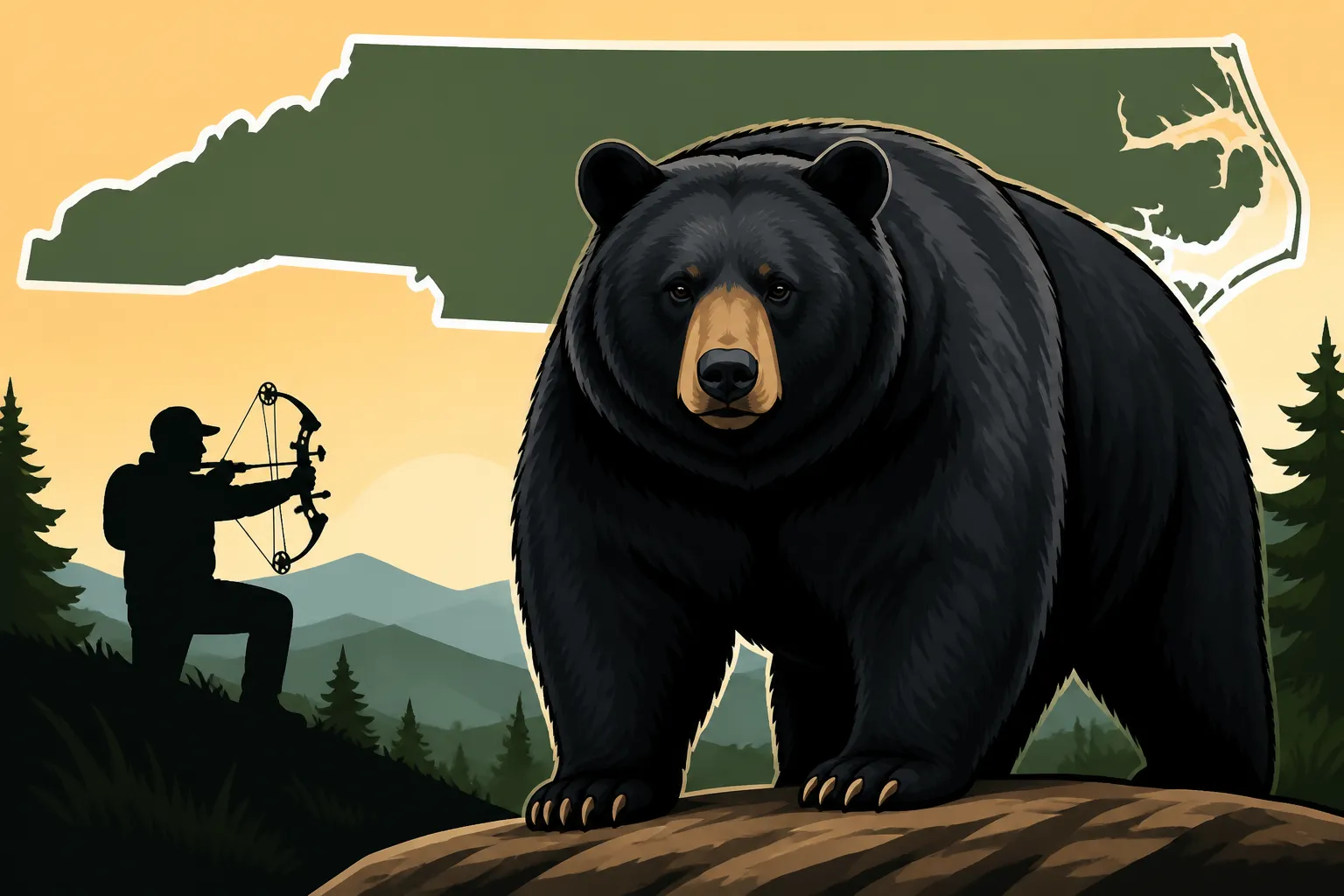
You know, there’s just something about a massive black bear that captures the imagination. For those of us who spend time in the North Carolina woods, the tales of truly gargantuan bruins are legendary, often whispered around campfires or shared with a knowing nod. It’s not just about the hunt; it’s about the sheer awe of an animal that has grown to such an incredible size. You hear stories, you see grainy photos, and you start to wonder: just how big do these magnificent creatures really get in our state? This guide dives into what makes North Carolina a hotspot for some of the biggest black bears in the country, exploring the factors that contribute to their immense size and where you're most likely to hear about these truly colossal animals.
The Legend of North Carolina's Record Bears
When we talk about the heaviest black bears ever recorded in North Carolina, we're delving into a realm that's part official data and part local lore. Unlike deer antlers, which have standardized scoring systems, a bear's weight is a more ephemeral record, often only truly verifiable at the moment it's brought to a certified scale. But don't let that diminish the impressive figures North Carolina consistently puts up. Our state is, without a doubt, a premier destination for those hoping to encounter a truly massive bear.
Unofficial Record Keepers and Local Lore
Official records, especially for weight, can sometimes feel a bit dry compared to the vivid stories passed down through generations of hunters. You might hear whispers of a bear taken in Tyrrell County that "broke the scales" at a local processor, or a beast from Hyde County that "took four grown men to load." These aren't always published in state records, but they contribute to the rich tapestry of North Carolina's hunting heritage. The sheer scale of these animals, especially when seen in person, leaves an indelible mark. It's a reminder of the wildness still present in our state, and the incredible management efforts that have allowed the North Carolina's Black Bear Population to flourish. The challenge, of course, is that a bear's weight can fluctuate wildly throughout the year, making any single "record" a snapshot in time. A bear entering denning season might be hundreds of pounds heavier than the same bear emerging in spring.
Why North Carolina Grows Such Big Bears
So, why does North Carolina produce such colossal bears? It's really a perfect storm of prime habitat, abundant food sources, and effective wildlife management. Our state boasts a diverse landscape, from the rich agricultural fields of the Coastal Plain to the rugged, mast-producing mountains. The Coastal Plain, in particular, is a bear paradise. Here, bears have access to a smorgasbord of high-calorie foods: corn, soybeans, peanuts, and other agricultural crops, alongside natural mast like acorns and berries. This constant availability of nutrient-dense food allows bears to pack on an incredible amount of weight, sometimes reaching truly astounding sizes as they prepare for winter. Areas like the Pocosin Lakes National Wildlife Refuge Hunting offer ideal conditions, with dense cover and rich food supplies. Tools like the GoHunt platform can be invaluable for hunters looking to scout these nutrient-rich areas, allowing you to identify potential food sources and dense cover from your screen before you ever step foot in the woods. It's this combination of plentiful food and secure habitat that allows bears to live long, grow large, and reach their full genetic potential.
Understanding Bear Weight and Measurement
Measuring a bear's weight might sound straightforward, but it comes with its own set of complexities that can make comparing "records" tricky. It's not as simple as putting a bear on a scale, as many factors influence that number, and sometimes, the circumstances surrounding a harvest make truly precise measurement a logistical challenge.
The Challenges of Accurate Measurement
One of the biggest hurdles in establishing a definitive "heaviest bear" record is consistency in measurement. Was the bear weighed field-dressed or whole? A bear's internal organs can account for a significant portion of its total body weight, so a field-dressed weight will naturally be much lower than a live weight. Most often, the weights reported by hunters are live weights, or at least whole weights taken before processing. Even then, the type of scale used—a certified truck scale versus a less precise hanging scale at a remote hunting camp—can introduce variations. Plus, the logistics of transporting a 600-pound animal, let alone a 700-pound one, to a certified scale can be a monumental task, especially if you're deep in a coastal swamp. This is why many of the truly legendary bears have "unofficial" weights that are incredibly impressive but might lack the rigorous verification of scientific study. When you're dealing with such immense animals, even getting them out of the woods is a feat, let alone getting an accurate weight!
Factors Influencing a Bear's Weight
A bear's weight is a dynamic figure, constantly changing throughout the year and over its lifespan. It's not a static number, which makes the hunt for the "heaviest" a fascinating moving target.
- Age and Sex: Generally, older bears, particularly males (boars), tend to be the largest. They've had more seasons to grow, mature, and accumulate mass. Females (sows) also grow large, especially if they are good foragers and have few litters, but boars typically outsize them.
- Time of Year: This is a huge factor. Bears are at their leanest in the spring after emerging from their dens. They spend all summer and fall gorging themselves, trying to build up fat reserves for hibernation. A bear harvested in late fall or early winter, just before or during denning, will be at its absolute heaviest, packed with several inches of insulating fat. This is why many of the biggest weights are recorded later in the season.
- Genetics: Like all animals, individual bears have genetic predispositions for growth. Some simply have the genetics to become larger than others, given the right conditions.
- Food Availability: This is perhaps the most critical factor. North Carolina's diverse and abundant food sources, from agricultural crops to dense mast crops, are paramount. Years with bumper acorn crops, or areas with consistent access to cornfields, will inevitably produce heavier bears. Coastal bears, in particular, benefit from a longer growing season and a wider variety of high-calorie foods. The ability to find and exploit these abundant food sources is key.
Comparison of North Carolina Bear Weights by Region
| Factor | Coastal Plain Bears | Mountain Bears |
|---|---|---|
| Typical Diet | Agricultural crops (corn, soybeans), soft mast, acorns | Hard mast (acorns, hickory nuts), berries, some crops |
| Peak Weight | Often highest due to calorie-rich agricultural intake | Substantial, but may be slightly less consistent |
| Seasonality | Longer feeding season, higher weight variability | Shorter feeding season due to earlier denning |
| Habitat Type | Pocosins, swamps, agricultural interfaces, dense cover | Hardwood forests, high elevation, more remote areas |
| Record Potential | Highest probability of truly colossal weights | Still excellent for large bears, but less extreme |
Notable Heavyweights and Where They Roam
While pinpointing a single "heaviest bear ever" is challenging due to the factors we've discussed, North Carolina consistently produces bears that push the scales into truly astonishing territory. When you hear about the real monsters, they often come from specific regions.
Coastal Plain Giants
If you're looking for the absolute biggest black bears in North Carolina, your gaze inevitably turns eastward, towards the vast, nutrient-rich Coastal Plain. This region is legendary for producing bears that regularly top 500, 600, and sometimes even 700 pounds. The dense pocosin swamps, often interspersed with sprawling agricultural fields, create an ideal environment. Bears in these areas have access to an almost limitless supply of high-calorie crops for much of the year, allowing them to build immense fat reserves. Counties like Hyde, Tyrrell, Washington, and Beaufort are consistently mentioned when stories of colossal bears emerge. These areas are characterized by their remote, thick cover—perfect for a bear to grow old and undisturbed—and proximity to agricultural sustenance. Hunting Coastal Bears in Thick Pocosin Cover is a distinct challenge, but the rewards can be incredible. These coastal giants are truly a marvel of nature, a testament to the productivity of the land and the bears' ability to exploit it. When you consider the North Carolina Bear Season Dates on the Coast, you'll see how hunters target that late-season window when these animals are at their peak weight. A successful hunt here often means dealing with logistical challenges that come with Recovering a Deer From a Coastal Swamp, but for a bear that can break 700 pounds, it's a worthwhile endeavor.
Mountain Monsters
While the Coastal Plain might boast the heaviest individual bears, the North Carolina mountains are far from lacking in the big bear department. The western part of the state, with its rugged terrain and abundant mast crops, is home to a robust population of large, healthy bears. Bears here might not always reach the astronomical weights of their coastal cousins, due to a generally shorter feeding season and different food sources, but they are still formidable animals. It's not uncommon to harvest bears in the 400-500 pound range, with some pushing even higher. Hunters pursuing bears in areas like the Nantahala National Forest Hunting or Pisgah National Forest Hunting often rely on natural mast crops like acorns and hickory nuts. Hunting Bears Over Natural Mast in the Mountains requires a keen understanding of bear behavior and habitat. While the weights might be slightly lower on average, the challenge of hunting these mountain bears in their steep, dense habitat is equally as demanding and rewarding. North Carolina's Twenty-Two Bear Management Zones are designed to manage these populations effectively, ensuring opportunities for years to come.
The Pursuit of a Giant
The pursuit of a genuinely giant black bear in North Carolina is a testament to patience, skill, and often, a little bit of luck. It's not about randomly stumbling upon a behemoth; it's about understanding bear biology, their movements, and their habitat. Many hunters dedicate years to finding and patterning a particular large bear. This often involves extensive scouting, understanding food cycles, and knowing the terrain intimately. Utilizing advanced mapping and scouting tools like GoHunt can give you a significant edge, helping you pinpoint potential travel corridors, food sources, and bedding areas where a mature, heavy bear might be living. Whether you're focused on the coastal swamps or the mountain ridges, understanding North Carolina Bear Harvest Trends and the North Carolina Bear Checking Requirements is crucial. It’s the entire experience – the scouting, the waiting, the sheer awe of these magnificent creatures – that makes North Carolina bear hunting so special. And for those fortunate enough to harvest one of our state's true heavyweights, it's a memory that lasts a lifetime.
Disclaimer
This article is for general informational purposes only and does not constitute professional advice. Laws, prices and regulations vary by location and change over time. Consult a qualified professional for guidance on your specific situation.