How CWD Reached the Yadkin Valley
The news about Chronic Wasting Disease (CWD) hitting North Carolina was a gut punch for many of us, especially those who cherish the deer hunting traditions of the Yadkin Valley. It’s a confusing and frankly, unsettling situation, raising questions about the health of our deer herd and the future of hunting in an area we love. This guide aims to clear up some of that confusion, explaining how CWD arrived in the Yadkin Valley, what it means for our local deer, and what we, as responsible hunters, can do about it.
Understanding Chronic Wasting Disease CWD
Chronic Wasting Disease is one of those topics that can make any deer hunter's stomach turn. It's a neurological disease affecting cervids, which include our beloved white-tailed deer, elk, and moose. Unlike bacterial or viral infections, CWD is caused by abnormal proteins called prions. These prions essentially wreak havoc on the animal's brain and nervous system, leading to a slow, progressive decline that is always fatal.
The Nature of the Disease
Imagine a deer slowly wasting away. That's essentially what CWD does. It's often described as a "zombie deer disease" in popular media, which, while sensational, does paint a picture of the severe symptoms: drastic weight loss, stumbling, listlessness, excessive drooling, and a general lack of fear of humans. These symptoms typically appear late in the disease's progression, and by then, the animal is already doomed. The scary part is that it can take a long time – sometimes over a year – for symptoms to manifest after an animal becomes infected. This long incubation period makes detection incredibly difficult in the early stages and allows infected animals to potentially spread the disease before anyone even realizes there's a problem.
How CWD Spreads Among Deer
The insidious nature of CWD lies in its transmission. It spreads through direct contact between animals, but also through contaminated environments. Prions can be shed through saliva, urine, and feces of infected animals. They're incredibly resilient and can persist in the soil for years, possibly even decades, remaining infectious. This means a deer can pick up the disease by grazing on contaminated vegetation or simply interacting with infected soil. Think about a deer licking a mineral block, urinating in a scrape, or leaving behind an infected carcass; all these actions can contribute to the environmental contamination that allows CWD to persist and spread. This environmental persistence is what makes eradication so incredibly challenging once the disease takes root in an area.
The Initial Detection How CWD Arrived in the Yadkin Valley
For years, North Carolina stood as a CWD-free state, a point of pride for our wildlife commission and hunting community. We watched with apprehension as it spread through neighboring states, always hoping it would bypass us. That hope was shattered with the first confirmed case.
The First Confirmed Case in North Carolina
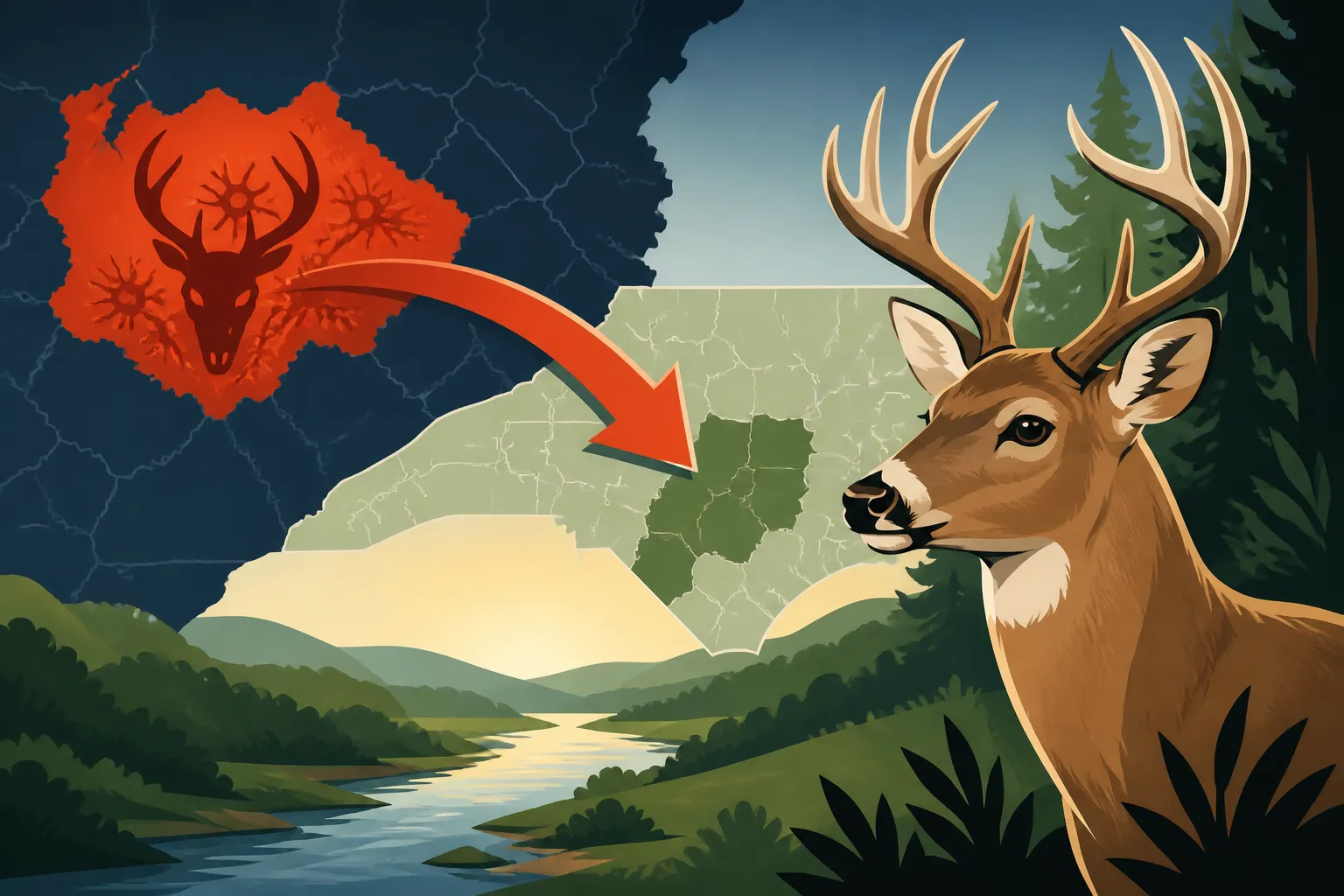
The grim news broke in 2022 when CWD was detected in a hunter-harvested deer in Surry County. It was a jolt to the hunting community, confirming what many had feared was inevitable. This wasn't some random testing; it was a deer taken by a hunter, processed, and then flagged for testing. The North Carolina Wildlife Resources Commission (NCWRC) has a robust surveillance program, often relying on voluntary submissions from hunters and opportunistic testing of sick or road-killed deer. This particular deer, taken during the regular season, provided the first undeniable proof that CWD had indeed breached North Carolina's borders, specifically into the heart of the Yadkin Valley. The confirmation immediately triggered a flurry of regulatory actions and intense focus on the region. Many hunters recall the feeling of disbelief and then a sober realization that things were about to change for deer hunting in the state. If you’re interested in the specifics, you can learn more about Why Surry County Drives North Carolina's CWD Count.
Potential Pathways of Introduction
How CWD actually made it to Surry County is a question that weighs heavily on biologists and hunters alike. The scientific community has several theories about how CWD moves into new areas. One primary concern is the natural movement of infected deer from an adjacent state. We're bordered by Virginia, which has had CWD for some time, so it’s entirely plausible for a deer to simply wander across the state line. Another major pathway, and one that sparks a lot of debate, is the movement of infected carcasses or parts by hunters. Imagine a hunter traveling from a CWD-positive state, harvesting a deer, and bringing back parts – like the head, spinal column, or brain – that could unknowingly contaminate the local environment if not properly disposed of. While illegal, it’s a risk. The transport of live deer, though heavily regulated, also poses a risk, albeit a smaller one given current restrictions. Regardless of the exact vector, the outcome is the same: the prions are here, and now we must contend with them.
Tracing the Spread Affected Counties and Surveillance
Once the initial case was confirmed, the NCWRC swiftly moved to establish CWD Management Areas (CWMAs) to contain and monitor the spread. This wasn't an easy task, as deer don't respect county lines, but it was a crucial step in managing the disease.
Defining CWD Management Areas
To combat the spread effectively, North Carolina designated specific counties within the Yadkin Valley as CWD Management Areas. These areas are subject to stricter regulations designed to limit deer movement and facilitate intensive testing. The core of the problem, the actual site of the initial detection, became a Primary Surveillance Area (PSA), with surrounding counties designated as Secondary Surveillance Areas (SSA). The primary goal is to minimize the chances of prions leaving these areas and infecting deer herds elsewhere in the state. For hunters, this means a whole new set of rules and responsibilities when hunting in these zones. It's vital to stay updated on North Carolina's Chronic Wasting Disease Areas to ensure you're compliant.
Currently, the primary counties identified in the Yadkin Valley region as part of the CWD Management Area include:
- Surry County: Where the initial case was detected.
- Yadkin County: Immediately adjacent and a high-risk area.
- Wilkes County: Another critical adjacent county with shared deer populations.
- Alleghany County: Further expanding the northern reach of the CWD Management Area.
- Stokes County: South of Surry, also included due to proximity and deer movement patterns.
- Forsyth County: Home to Winston-Salem, a more populated area, but still connected to the deer habitat of the Yadkin Valley.
Each of these counties faces specific regulations regarding carcass transport and mandatory CWD testing.
Ongoing Surveillance and Testing Efforts
The NCWRC has ramped up its efforts to monitor the disease. This isn't a one-and-done deal; it's a long-term commitment. Enhanced surveillance includes targeted testing of deer harvested within the CWD Management Areas, particularly during the early gun seasons. Hunters are often required to submit heads from harvested deer at designated drop-off points or to check stations. This mandatory testing is crucial for understanding the prevalence and geographical spread of the disease. Furthermore, the commission actively tests sick-looking or road-killed deer throughout the year, as these animals are often more likely to be infected. The data collected from these efforts guides future management decisions, helping biologists refine their strategies to contain CWD. This means that hunters in these areas have an even more critical role to play in conservation. To get details on the most recent confirmed locations, you can look up Which County Confirmed North Carolina's Newest CWD Case.
To illustrate the importance of hunter participation, here's a look at mandatory testing requirements in CWD Management Areas:
| Requirement Area | Action Required | Purpose |
|---|---|---|
| Primary Surveillance Area (PSA) | Mandatory carcass submission for testing | Assess CWD prevalence and distribution |
| Secondary Surveillance Area (SSA) | Mandatory submission during specific periods | Monitor potential spread from the PSA |
| General State CWD Zones | Voluntary submission, report sick deer | Maintain statewide surveillance, encourage early detection |
| Carcass Movement Restrictions | No whole carcasses out of CWMA | Prevent human-assisted spread of prions |
| Deer Head Drop-Off Sites | Designated locations for hunter submissions | Convenient and efficient collection of samples |
Impact on Hunting and Deer Management
The arrival of CWD is not just a biological problem; it’s a profound shift in how we approach deer hunting and management in North Carolina, especially in the Yadkin Valley. For many, deer hunting is a deeply ingrained tradition, and these changes can be tough to swallow.
New Regulations for Hunters
Hunting in a CWD Management Area now comes with a new set of rules, and it’s critical to understand them. The most impactful changes typically revolve around carcass movement and mandatory testing. Hunters harvesting deer within these zones usually face restrictions on transporting whole carcasses out of the area. This is a big deal, meaning you might have to process your deer differently or use a local processor within the CWMA. The goal is simple: prevent the accidental spread of infectious prions to new areas. Additionally, mandatory CWD testing for deer harvested in these areas means extra steps for hunters, but it's vital for surveillance. You'll need to know where and how to submit samples, which the NCWRC provides resources for. These regulations are designed to protect the broader deer population, even if they add a layer of complexity to your hunt. Information on North Carolina Carcass Movement Restrictions is a must-read for any hunter operating in these areas.
Changes in Deer Harvest Strategies
Beyond the immediate regulations, CWD influences broader deer management strategies. In areas with CWD, wildlife agencies often recommend increased harvest of deer, particularly antlerless deer, to help reduce herd density. A lower deer density can, in theory, slow the transmission rate of the disease by reducing close contact between animals. This might mean extended seasons or increased bag limits in CWD zones, which can feel counterintuitive to hunters accustomed to managing for healthy populations. It’s a difficult balance: too few deer, and hunting opportunities diminish; too many, and the disease could spread faster. The NCWRC aims to keep hunters informed about these evolving strategies, including initiatives like Why the Early CWD Season Targets Antlered Deer. This proactive approach ensures hunters play an active role in managing the herd's health.
For instance, the introduction of a special early CWD-zone season is a direct response to the need for increased sampling and potential population reduction. This season often focuses on antlered deer to maximize testing opportunities from a demographic that tends to travel more, thus providing better insights into the geographical spread of the disease. Understanding these changes requires hunters to stay constantly engaged with the latest regulations, often found on the NCWRC website or through digital platforms like GoHunt, which can help compile up-to-date information on specific zones and harvest reporting requirements.
What Hunters Can Do Prevention and Participation
As hunters, we are often the first line of defense and the most crucial partners in wildlife conservation. Our actions in response to CWD are paramount to protecting North Carolina’s deer herd for future generations. It’s not just about following rules; it’s about informed and responsible participation.
Responsible Hunting Practices in CWD Areas
Hunting in CWD Management Areas comes with added responsibilities. First and foremost, be aware of and strictly adhere to all carcass transport regulations. This means no whole carcasses, heads, or spinal columns leaving a CWD zone. Plan your hunt, including how you’ll process your deer, before you even head out. Many hunters in the Yadkin Valley are now adapting to processing their deer at local facilities or boning out the meat in the field before transporting it. Tools like GoHunt can help you quickly identify specific CWD zone boundaries on maps, ensuring you're fully aware of the regulations for your hunting location. This helps you comply with rules like Mandatory Testing Inside a CWD Surveillance Area and prevents unintended spread.
Additionally, avoid using natural deer urine scents, as these could potentially contribute to prion spread, though the risk is considered low. Instead, opt for synthetic alternatives. If you're using mineral licks or feeders (where legal), consider if they are concentrating deer in a way that could facilitate disease transmission. While these practices aren't universally banned, being mindful of their potential impact is part of responsible hunting in a CWD-affected landscape.
Participating in Surveillance and Testing
Your participation in surveillance is invaluable. If you harvest a deer in a CWD Management Area, be prepared to submit samples for testing. The NCWRC provides detailed instructions on how and where to do this, including designated drop-off sites in counties like Surry, Yadkin, and Wilkes. This might involve dropping off the head at a specific location or coordinating with a local processor. By submitting your deer for testing, you are directly contributing to the state's understanding of CWD prevalence and spread, which is critical for effective management. You can learn more about North Carolina CWD Testing for Hunters and how to get involved.
Furthermore, if you observe a deer exhibiting symptoms consistent with CWD – severe weight loss, abnormal behavior, or neurological signs – report it immediately to the NCWRC. Do not approach or harvest a visibly sick animal unless directed to do so by wildlife officials. Your vigilance and willingness to report suspicious observations are essential for early detection and rapid response. Finally, always handle venison from CWD areas with care. While there's no evidence of CWD transmitting to humans, health agencies still recommend not consuming meat from a CWD-positive deer. Understand the guidelines for Handling Venison From a CWD Management Area to ensure food safety.
Looking Ahead The Future of CWD in North Carolina
The presence of CWD in North Carolina, particularly in the Yadkin Valley, marks a new chapter in deer management. It's a long-term challenge, but one that wildlife agencies and hunters are committed to facing together.
Long-Term Management Strategies
The fight against CWD is not a sprint; it's a marathon. The NCWRC is developing and implementing long-term management strategies that integrate surveillance, population management, and public education. These strategies will likely involve ongoing adjustments to hunting seasons and bag limits in CWD Management Areas, focusing on maintaining healthy deer populations while slowing disease progression. This could mean increased antlerless harvests, special early seasons, or even localized population reduction efforts where necessary. Adaptive management is key, meaning strategies will evolve as more data is collected and our understanding of the disease in North Carolina grows. Part of this involves continuously updating hunters on important information, much like scouting new areas before the season begins, something many hunters use platforms like GoHunt for to stay current.
Collaboration with hunters, landowners, and other state agencies is also a critical component. The success of these strategies hinges on widespread compliance with regulations and active participation in surveillance programs. It’s an investment in the future of our deer herd and our hunting heritage. Understanding the broader context of North Carolina Deer Season Structure Explained helps hunters see where CWD management fits into the overall picture.
The Role of Research and Innovation
While management strategies are essential, continued research and innovation are vital in the battle against CWD. Scientists are constantly working to better understand prion biology, improve detection methods, and explore potential preventative measures or even cures, though the latter remains a distant hope. This includes research into CWD resistance in certain deer populations, better environmental decontamination methods, and more efficient testing technologies. North Carolina, through the NCWRC, contributes to these national efforts by sharing data and participating in collaborative studies. As hunters, staying informed about these advancements, even if they seem far removed from our day-to-day activities, helps us understand the bigger picture and the sustained effort required to protect our wildlife. The future of hunting in North Carolina depends on a collaborative effort between science, management, and the dedicated community of hunters.
Disclaimer
The information provided in this guide is for general educational purposes and is based on current understanding and publicly available information from the North Carolina Wildlife Resources Commission. Regulations and scientific understanding of CWD can change. Hunters are solely responsible for knowing and adhering to all current North Carolina hunting regulations, seasons, and CWD management directives. Always consult the official NCWRC website or contact them directly for the most up-to-date and accurate information before planning your hunt.