Squirrel and Small Game Hunting in North Carolina
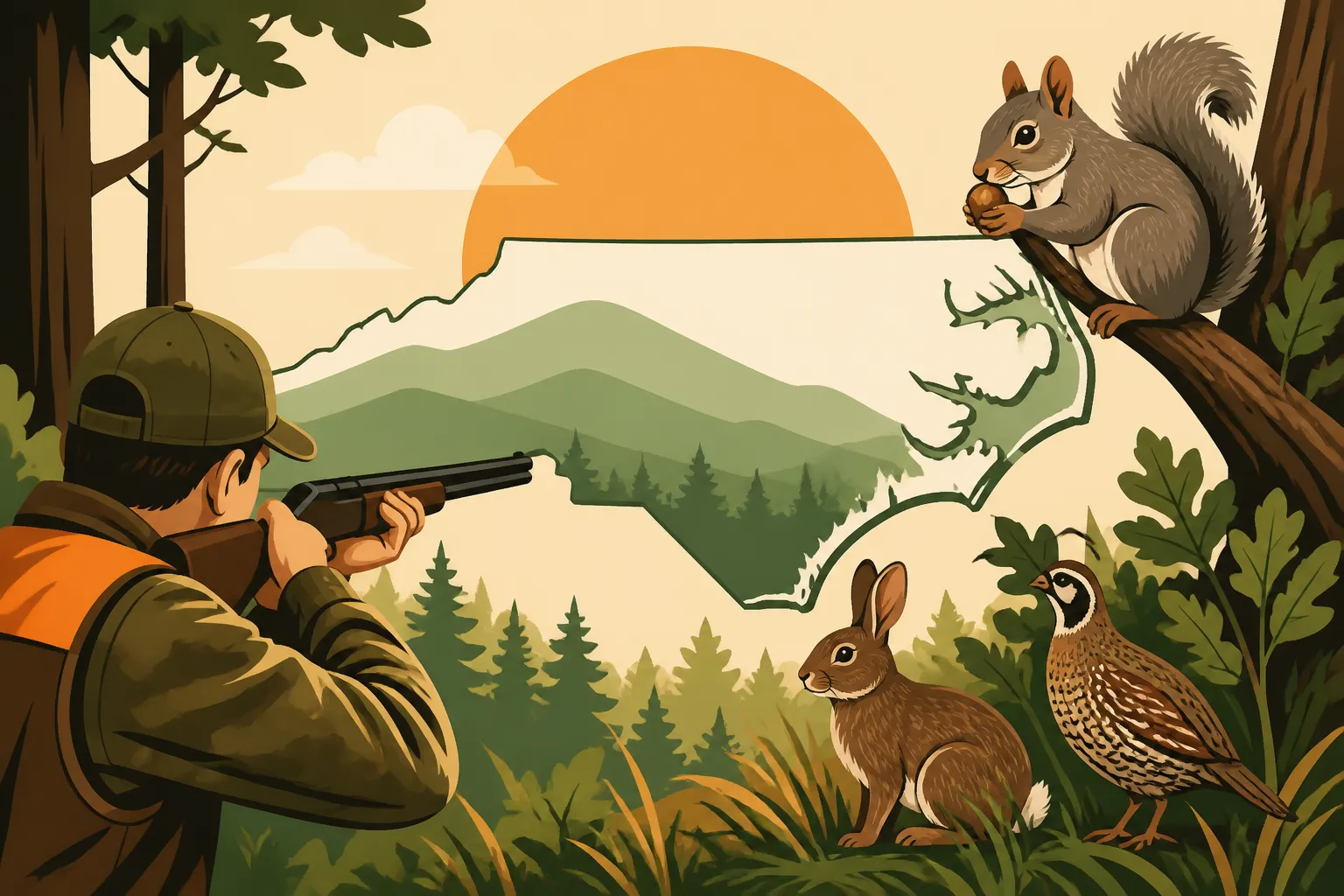
It’s easy to get caught up in the allure of big game hunting here in North Carolina – the trophy bucks, the massive black bears, or the challenging spring gobblers. But for many of us, the real magic, the foundational joy of the hunt, lies in chasing small game. Whether it's the frantic flush of a rabbit or the quick twitch of a squirrel's tail, these pursuits offer endless opportunities, build essential skills, and keep us afield through those crisp autumn days. This guide will walk you through everything you need to know to find success and enjoyment in North Carolina's vibrant small game hunting scene.
Understanding North Carolina's Small Game Landscape
For many hunters, small game like squirrels and rabbits were their first quarry, introducing them to the thrill of the chase and the satisfaction of a successful outing. While often overshadowed by deer and bear, small game hunting offers a unique blend of challenge, accessibility, and tradition that remains incredibly popular across the state. It's a fantastic way to spend a morning, whether you're alone with your thoughts or sharing the experience with family and friends.
The Enduring Appeal of Small Game Hunting
There's something deeply satisfying about small game hunting that keeps people coming back year after year. Maybe it's the simplicity of it – a shotgun, some shells, comfortable boots, and you’re ready to go. Unlike deer hunting, which often requires extensive scouting, specialized gear, and long periods of stillness, small game hunting is typically more active and immediate. It’s perfect for those shorter trips afield, or when you just need to scratch that hunting itch between bigger seasons. The pace is often faster, the shots more dynamic, and the opportunities more frequent. For many, it's a connection to simpler times, a chance to walk the woods and fields, appreciating the smaller details of the natural world.
Beyond the action, small game provides excellent table fare. There’s nothing quite like a plate of fried squirrel or rabbit stew after a successful hunt. This direct connection from field to fork enhances the entire experience, offering a tangible reward for your efforts. It teaches responsibility, patience, and the value of sustainable harvesting. Small game hunting is also incredibly social. It’s perfect for introducing new hunters, especially kids, to the sport without the intense pressure or long waits often associated with big game. A quick hunt with a few flushes or a handful of squirrels can create lasting memories and foster a love for the outdoors.
Dispelling Myths: Small Game Isn't Just for Beginners
A common misconception is that small game hunting is solely for novice hunters, a stepping stone to "real" hunting. While it's an excellent entry point, experienced hunters know that small game can present formidable challenges. A mature fox squirrel can be incredibly elusive, disappearing into dense canopy or scampering across limbs with uncanny speed. Bagging a limit of gray squirrels requires keen eyesight, stealth, and precise shooting, especially when they're high in the treetops on a windy day. Similarly, flushing rabbits from thick briar patches or tracking them through dense cover demands stamina, sharp reflexes, and often, the skilled work of a good dog.
Consider the focused effort required for Squirrel Hunting North Carolina Bottomland Hardwoods. Hunters must master reading sign, understanding squirrel behavior, and making quick, ethical shots in often cluttered environments. Pursuing upland birds like grouse or quail in North Carolina's varied terrain is an art form, demanding knowledge of habitat, bird behavior, and expert gun handling. Even seasoned wingshooters will tell you that a fast-flying woodcock or a covey rise of bobwhites can test the best of them. Small game hunting hones skills like tracking, stealth, marksmanship, and environmental awareness – all transferable to any hunting endeavor. It keeps your senses sharp and your skills polished, ensuring you're a better hunter overall.
Public vs. Private Land Opportunities
North Carolina offers a wealth of opportunities for small game hunters, whether you prefer the solitude of public lands or the controlled access of private property. Each option presents its own unique set of considerations and rewards. Public lands, including national forests and state game lands, provide vast tracts of open access but often come with higher hunting pressure, especially on opening weekends. However, if you're willing to walk a bit further or explore less accessible areas, you can often find untouched pockets teeming with small game. Using mapping tools like those found on the NC Wildlife app or third-party platforms like GoHunt can be invaluable for identifying potential hotspots, logging roads, and contour lines that might lead you away from the crowds. This is where diligent scouting, perhaps even during the off-season, truly pays dividends. Knowing How Many Acres of Public Land North Carolina Has gives you a sense of the vastness, but truly understanding specific zones is key.
Private land, on the other hand, can offer a more consistent experience with less pressure, but it requires gaining permission from landowners. This often involves building relationships, offering help with chores, or leasing hunting rights. The benefit here is often higher game populations due to less hunting pressure and potential for habitat management focused on small game. Farmers, in particular, may welcome hunters who can help manage rabbit or squirrel populations that might be impacting crops. Always ensure you have explicit permission before setting foot on private property and understand North Carolina Posted Land Rules to avoid any legal issues. Respect for the land and the landowner is paramount, ensuring future access for yourself and other ethical hunters.
Key Small Game Species and Their Habits
North Carolina is home to a diverse array of small game, each offering a unique hunting experience. Understanding their habits and preferred environments is crucial for successful hunting trips. From the chattering squirrels in oak trees to the explosive flush of a cottontail, these animals provide abundant opportunities across the state.
North Carolina's Squirrel Species: Gray and Fox Squirrels
When we talk about squirrels in North Carolina, we're primarily focused on two main species: the ubiquitous gray squirrel and the less common but larger fox squirrel. Both offer fantastic hunting opportunities, though their behaviors and preferred habitats differ slightly. Gray squirrels are the acrobats of the forest, known for their quick movements and tendency to stay high in the canopy. They thrive in mature hardwood forests, particularly those rich in oak, hickory, and beech, which provide their primary food sources like acorns and nuts. You’ll often find them active from dawn until mid-morning, and again in the late afternoon, especially on calm, clear days. They're incredibly vocal, using barks and chirps to communicate warnings, which can often betray their presence. Their populations are robust, and they're found virtually statewide, offering accessible hunting for many. Understanding North Carolina Squirrel Population Estimate gives you a good sense of how numerous these critters are.
Fox squirrels, by contrast, are significantly larger, often with striking variations in color, ranging from reddish-brown to black, sometimes with white markings on their faces. They tend to be more solitary and prefer open pine forests, mixed pine-hardwood stands, and areas with scattered mast trees, often foraging on the ground more than their gray cousins. Their movements are typically slower and more deliberate, making them a challenging target due to their wariness. They also tend to have smaller populations than gray squirrels, making them a prized catch for those who specifically target them. Hunting fox squirrels often means covering more ground and exercising extreme patience, as they can sit motionless for long periods, blending almost perfectly with their surroundings. Regardless of species, targeting areas with abundant mast crops, especially after a good acorn year, is a reliable strategy for finding squirrels.
Rabbits: Cottontails and the Elusive Swamp Rabbit
Rabbit hunting is a classic North Carolina tradition, often synonymous with the joyous chorus of beagles trailing a cottontail through thick cover. The Eastern cottontail is the most widespread and commonly hunted rabbit species in the state. These fast and agile creatures prefer dense, brushy habitats: fencerows, briar thickets, overgrown fields, young clear-cuts, and the edges of agricultural lands. They are most active during dawn and dusk, but can be found foraging and moving throughout the day, especially in overcast or cool weather. Their defensive strategy is to burst from cover and quickly dart into the nearest thicket, making for exciting, fast-paced shooting opportunities. North Carolina Cottontail Population Trend suggests healthy numbers in suitable habitats, particularly in the Piedmont and Coastal Plain.
The swamp rabbit, a larger and more robust cousin of the cottontail, is found primarily in the eastern part of the state, inhabiting wetland areas, bottomland swamps, and river floodplains. As their name suggests, they are excellent swimmers and will often take to water to escape predators or hunters. Hunting swamp rabbits can be a very wet and challenging endeavor, requiring hunters to navigate dense, often flooded terrain. Their tendency to stick to the nastiest cover makes them a prized trophy for those who pursue them. Both cottontails and swamp rabbits respond well to dog hunting, particularly with beagles, which excel at rooting them out of dense cover and pushing them within range of waiting hunters. For hunters without dogs, still-hunting or carefully working through brush piles can also yield results.
Other Notable Small Game: Quail, Grouse, and Woodcock
While squirrels and rabbits are the primary small game pursuits for many in North Carolina, the state also offers opportunities for upland birds like bobwhite quail, ruffed grouse, and American woodcock. These species provide a unique wingshooting challenge and often take hunters to some of the most beautiful and wild parts of the state.
Bobwhite quail, once abundant, have seen a significant decline in numbers over the past few decades, primarily due to habitat loss and fragmentation. However, dedicated conservation efforts, particularly habitat management on game lands and private properties, are working to bring them back. Hunting quail typically involves bird dogs (pointers or setters) that locate and hold coveys, allowing hunters to walk up for an explosive flush. You'll find them in areas with a mosaic of open pine woodlands, old fields, and brushy edges, particularly in the Sandhills and Coastal Plain. How Managed Pine Could Restore North Carolina Quail is a topic often discussed by conservationists, highlighting the importance of specific habitat interventions.
Ruffed grouse are the king of the mountain uplands, found exclusively in the western part of the state, particularly in the Blue Ridge Mountains and higher elevations of the Appalachian chain. These elusive birds prefer young, regenerating forests, dense rhododendron thickets, and steep, rugged terrain. Flushing a grouse is a heart-stopping experience, as they explode from cover with a thunderous roar of wings, often darting behind trees at incredible speed. Hunting grouse is physically demanding and requires keen ears, sharp eyes, and quick reflexes. North Carolina Ruffed Grouse Numbers Today unfortunately indicate a decline, making them a challenging but highly rewarding quarry.
American woodcock, a migratory shorebird, passes through North Carolina during their fall migration. These odd-looking birds, with their long bills and large eyes, inhabit damp, brushy cover along creek bottoms, moist woodlands, and alder thickets. They offer an exciting wingshooting challenge as they flush in a zig-zag flight pattern. Woodcock hunting is often done in conjunction with grouse or quail hunting, as they share similar habitat preferences in certain areas. Knowing North Carolina Woodcock Season Dates is crucial for timing your hunts. All three of these upland birds require specialized knowledge of their habits and often the aid of trained bird dogs to maximize success.
| Species | Typical Habitat | Primary Food Sources | Optimal Hunting Conditions | Distinctive Behavior |
|---|---|---|---|---|
| Gray Squirrel | Mature hardwood forests (oak, hickory, beech) | Acorns, nuts, seeds, buds | Calm, clear mornings/evenings | Agile tree climbers, vocal (barks, chirps), active |
| Fox Squirrel | Open pine forests, mixed pine-hardwood, ground | Pine seeds, nuts, fungi, buds | Quiet, still days | Larger, more solitary, slower movements, often ground-forages |
| Eastern Cottontail | Dense brush, fencerows, overgrown fields, thickets | Grasses, clover, woody browse | Cool, overcast days, dawn/dusk | Explosive flush, darts into thick cover |
| Swamp Rabbit | Bottomland swamps, river floodplains, wetlands | Aquatic plants, cane, grasses | Wet, humid conditions, dawn/dusk | Excellent swimmer, prefers dense, wet cover |
| Bobwhite Quail | Open pine woodlands, old fields, brushy edges | Seeds, insects | Cool, dry, calm days | Covey flush, holds for dogs, often uses roads/trails |
| Ruffed Grouse | Young, regenerating forests, rhododendron thickets | Buds, catkins, berries, leaves | Overcast, cool, still days | Explosive, thundering flush, flies through dense cover |
| American Woodcock | Damp, brushy cover, moist woodlands, alder thickets | Earthworms (primary), insects, larvae | Overcast, damp conditions | Zig-zag flight pattern, often found near water |
Navigating North Carolina's Small Game Seasons and Regulations
Understanding the regulations is paramount to a safe, legal, and enjoyable small game hunting experience in North Carolina. The North Carolina Wildlife Resources Commission (NCWRC) sets specific seasons, bag limits, and licensing requirements that every hunter must adhere to. These rules are designed to ensure sustainable populations and fair chase.
General Season Dates and Bag Limits
North Carolina's small game seasons are typically quite generous, offering ample opportunity to get out and hunt. Squirrel season usually opens in October and runs through February, providing a long window that covers various stages of the fall and winter. The daily bag limit for squirrels is often 6. Rabbit season often begins a bit later, usually in November, and also extends into February, with a daily bag limit of 5. These longer seasons allow hunters to take advantage of different weather patterns and game behaviors throughout the cooler months. For specific dates, always consult the current North Carolina Squirrel Season Opening Day and North Carolina Rabbit Season Opening Day regulations published by the NCWRC.
Upland birds have more specific and often shorter seasons. Bobwhite quail season typically runs from mid-November to late February, with a daily bag limit of 6. Ruffed grouse season, found only in the mountain counties, also runs from mid-November but often closes in late February, with a daily bag limit of 3. American woodcock, being migratory, have a split season, usually with an early segment in November and a later one in December/January, with a daily bag limit of 3. These bag limits and season dates are subject to change annually, so it's critical to review the official NCWRC digest each year. You can find detailed information in the North Carolina Small Game Season Rules publication.
Licensing and Hunter Education Requirements
Before you even think about stepping into the woods, you need the proper licensing. All hunters in North Carolina, with very few exceptions for specific landowner situations, are required to possess a valid hunting license. For residents, various North Carolina Resident Hunting License Options are available, often combining hunting, fishing, and big game privileges. Non-residents also have options, though these are typically more expensive. At a minimum, you'll need a statewide hunting license for small game. You can purchase licenses conveniently online through the NCWRC portal, by phone, or at authorized license agents like sporting goods stores and some Walmart locations.
Furthermore, hunter education is a mandatory requirement for anyone born on or after July 1, 1957, who wishes to hunt in North Carolina. This course covers firearm safety, wildlife identification, hunting ethics, and regulations, ensuring that hunters are responsible and knowledgeable afield. There are both traditional classroom courses and online options available, followed by a required field day. There are exemptions for apprentice hunters under specific conditions, but generally, getting your hunter education certificate is a crucial first step. You can learn more about this vital preparation by looking into North Carolina Hunter Education Requirements. Always carry your license and any required certifications with you while hunting, as wildlife enforcement officers frequently check for compliance.
Specific Rules for Different Species and Areas
Beyond general season dates and bag limits, there are specific rules that can vary depending on the species you're pursuing or the area you're hunting. For example, some Game Lands may have specific sign-in requirements or special regulations for certain species or hunting methods. Always check the individual Game Land regulations if you're hunting on public land, which you can usually find through the Using the NC Wildlife Map Tool or on the NCWRC website.
For upland birds, while general regulations apply, habitat type can significantly influence tactics and success. For instance, Upland Guns for Mountain Grouse Cover might focus on shorter barrel shotguns for quick handling in dense brush, whereas hunting quail in more open country might allow for different shotgun and choke combinations. It's important to be aware of any restrictions on weapon types in certain areas. While shotguns are the most common firearm for small game, .22 caliber rifles or air rifles are also popular for squirrel hunting, provided they meet legal requirements and are used safely. Additionally, rules regarding Sunday hunting vary across counties and land types, so it’s essential to be informed about North Carolina Sunday Hunting Rules for your specific location. Always be proactive in checking the most current regulations to ensure a safe and legal hunt.
Prime Habitats for Small Game in North Carolina
Understanding where small game lives is fundamental to finding them. North Carolina's diverse topography, from the mountains to the coast, offers a wide range of habitats, each attracting different species. Knowing what to look for and how to interpret the landscape will dramatically increase your success rate.
Hardwood Forests and Bottomlands for Squirrels
When targeting squirrels, your best bet is to focus on mature hardwood forests, particularly those dominated by mast-producing trees. Oaks, hickories, and beech trees are squirrel magnets, especially during the fall when acorns and nuts are dropping. These areas provide both abundant food and crucial cover. Look for stands of timber with a healthy canopy and a good mix of tree ages, offering denning cavities as well as younger trees for forage. Reading Cuttings Under an Oak can reveal recent squirrel activity, as they'll leave behind shell fragments and chewed nuts. The presence of these food sources dictates where squirrels will concentrate.
Bottomland hardwoods, found along rivers and creeks, are particularly productive. These fertile areas often produce consistent mast crops and provide dense cover in the understory. During the colder months, when ground forage might be scarce, squirrels often rely more heavily on what's left in the trees. Scouting these areas before the season opens, or even during a quiet morning walk, can help you identify prime feeding zones and travel routes. Look for signs like chewed nuts, active leaf nests, and squirrel tracks in soft ground. A good pair of binoculars can also help spot squirrels high in the canopy before they spot you.
Brushy Fencerows and Thickets for Rabbits
For rabbit hunting, "thick" is the magic word. Rabbits, especially cottontails, are masters of concealment, preferring habitats that offer dense cover for protection from predators and the elements. Brushy fencerows, abandoned farm fields reverting to scrub, briar patches, honeysuckle tangles, and dense hedgerows are all prime rabbit real estate. These areas often provide a mosaic of food sources (grasses, forbs, woody browse) adjacent to impenetrable cover. Rabbit Hunting North Carolina Fencerows is a classic example of targeting these specific linear habitats.
When scouting for rabbits, look for areas where different habitat types meet – where a cornfield borders a thicket, or a logging road cuts through dense undergrowth. These "edge" habitats are incredibly productive. In winter, rabbits will often seek out brush piles, fallen trees, or dense stands of evergreens for warmth and shelter. Active rabbit sign includes droppings (small, round pellets), runways through dense vegetation, and gnaw marks on small shrubs. Hunters often find success by carefully walking these thickets, kicking brush piles, or, more effectively, by Running Beagles on North Carolina Cottontails. The dogs' ability to work through heavy cover and push rabbits out is unmatched, turning what might be a frustrating solo hunt into an exhilarating team effort.
Specialized Habitats for Upland Birds
Upland birds like quail, grouse, and woodcock have more specialized habitat requirements, making successful hunts dependent on targeting the right environment. For bobwhite quail, look for areas managed with prescribed burns or timber thinning, creating a patchwork of open pine woodlands, old field edges, and brushy cover. They need a combination of open ground for foraging, dense escape cover, and brooding habitat. You'll often find them along the edges of agricultural fields, in clear-cut regrowth, or in areas with native warm-season grasses. These types of habitat are more common in the Piedmont and Coastal Plain.
Ruffed grouse, on the other hand, are strictly mountain birds. They thrive in young, regenerating hardwood forests, particularly those with a strong understory of rhododendron, mountain laurel, and dense saplings. They prefer steep, rugged terrain and higher elevations, where the canopy provides protection and the dense undergrowth offers escape cover and food sources like buds and catkins. Finding Grouse Hunting Blue Ridge Cover means seeking out these specific, often challenging, environments.
American woodcock prefer damp, moist soil and dense, low-growing vegetation. Look for them in alder thickets, willow bottoms, wet clear-cuts, and along the banks of sluggish creeks and small rivers. Their primary food source is earthworms, so they need soft, moist ground where they can probe with their long bills. They are migratory birds, so timing your hunt with their migration through North Carolina is key. These specialized habitats often require dedicated scouting, and often the aid of trained bird dogs, to efficiently locate and flush these elusive upland game birds.
Effective Tactics for North Carolina Small Game Hunters
Regardless of the species you pursue, successful small game hunting often comes down to a few core tactics: understanding animal behavior, moving stealthily, and being prepared for quick shots. While techniques vary slightly by species, patience and observation are always key.
Still-Hunting and Stalking for Squirrels
Still-hunting is a highly effective, and often very peaceful, method for pursuing squirrels. It involves moving slowly and deliberately through the woods, pausing frequently to listen and observe. Think of it as a moving ambush. After every few steps, stop for several minutes, scanning the trees and ground for any movement or sounds. Squirrels are incredibly attuned to sounds and will often freeze or move to the opposite side of a tree if they detect a threat. By stopping, you might trick a squirrel into thinking you've passed, causing it to resume its activity or reveal itself. Using a good pair of binoculars to scan the canopy and check tree crotches for hidden squirrels can dramatically increase your success. This method is particularly effective in large stands of hardwoods or when you're Reading a Ridge for Mountain Zone Deer and happen upon a patch of active squirrels.
Stalking is a more active form of still-hunting, used when you've spotted a squirrel and need to get into a better shooting position. Move quietly, using trees and natural cover to break up your outline. If a squirrel barks at you or moves to the far side of a tree, try moving around the tree in the opposite direction from which it moved. Sometimes, waiting it out is the best strategy. Position yourself quietly and wait for the squirrel to reappear. Squirrels often circle a tree to keep it between themselves and a perceived threat. Using a .22 rifle requires more precise shot placement, often aiming for the head to preserve meat. Shotguns with smaller shot sizes (like 6 or 7.5) are more forgiving and effective in denser cover.
Beagles and Drives for Rabbits
For rabbit hunting, especially in North Carolina's thick cover, using beagles is arguably the most effective and enjoyable method. Beagles are bred for their tracking ability and vocalizations, which are perfectly suited for rooting out rabbits from dense briar patches and pushing them along their natural escape routes. The sound of a pack of beagles on a hot trail is music to a rabbit hunter's ears. Hunters position themselves strategically around known rabbit thickets or along the edges of fields, waiting for the dogs to push a rabbit into an open lane. The key is to be patient and ready, as rabbits can appear and disappear quickly. This method is social, allowing multiple hunters to participate and cover a wider area.
For hunters without dogs, or in smaller, more confined areas, rabbit drives can be effective. This involves several hunters walking abreast through dense cover, pushing rabbits towards "blockers" positioned at the other end of the thicket or along a fencerow. The drivers make noise, kicking brush piles and walking slowly but steadily. Blockers remain quiet and alert, ready to shoot when a rabbit is flushed. This tactic works best in areas with identifiable boundaries, like a small woodlot surrounded by open fields. While less efficient than hunting with dogs, it can be a fun way to hunt with a group and can be surprisingly productive. Remember, safety is paramount during drives; always know where other hunters are and maintain safe shooting lanes.
Walk-Up Hunting for Upland Birds
Walk-up hunting for upland birds like quail, grouse, and woodcock is physically demanding but incredibly rewarding. It involves slowly and systematically covering prime habitat, expecting birds to flush unexpectedly. Without dogs, this method requires intense focus and quick reflexes. For quail, you'd slowly walk through old fields, pine edges, and areas with good ground cover, hoping to flush a covey. Listen for the distinct "bob-white!" call, which can help pinpoint their location. Once a covey flushes, try to mark where individual birds fly to, as they will often scatter and hold tighter, offering opportunities for single-bird flushes.
Grouse hunting in the mountains involves navigating steep terrain and dense thickets. Hunters walk logging roads, old timber cuts, and through rhododendron slicks, listening for the tell-tale thunder of a flushing grouse. Shots are often quick, challenging, and through heavy cover. Boots for Walking North Carolina Ridges are essential for this strenuous pursuit. For woodcock, focus on damp, low-lying areas with thick alders or willows. Walk slowly, pausing frequently, as woodcock often hold tight until you're nearly on top of them. Their distinctive "peent" call can also give away their presence, especially at dusk. For all upland birds, a fast-handling shotgun with open chokes (like improved cylinder or modified) and smaller shot sizes (7.5 or 8) is typically preferred, allowing for quick, effective shots at fast-moving targets.
Essential Gear for Small Game Success
Having the right gear makes a huge difference in your comfort, safety, and success while small game hunting. While it doesn't require the extensive investment of some big game pursuits, a thoughtful selection of firearms, apparel, and accessories will greatly enhance your time afield.
Firearms and Ammunition for Small Game
For small game hunting in North Carolina, shotguns are arguably the most versatile firearm choice. A 12-gauge or 20-gauge shotgun is perfect for rabbits, quail, grouse, and woodcock, offering a spread of pellets that increases your chances of hitting fast-moving targets. A 20-gauge is often recommended for smaller hunters or those who prefer less recoil, and it's perfectly capable of humanely taking all common small game. 20 Gauge Doubles for Grouse Cover are often praised for their balance and quick swing in thick terrain. For squirrels, while a shotgun (with smaller shot like 6 or 7.5) is effective, many hunters prefer a .22 caliber rimfire rifle. The .22 offers precision, is quieter, and allows for headshots that preserve more meat. Air rifles are also gaining popularity for squirrel hunting, offering quiet operation and accuracy.
Ammunition choice is equally important. For squirrels with a shotgun, #6 or #7.5 lead shot is standard. For rabbits, #4, #5, or #6 shot is common. For upland birds like quail and grouse, smaller shot sizes like #7.5 or #8 are typically used to create a dense pattern for these fast-flying, smaller targets. It's crucial to pattern your shotgun with your chosen ammunition to understand its effective range and shot density. If you're using a .22 rifle for squirrels, standard velocity or subsonic hollow points are excellent choices, offering good accuracy and knockdown power. Always check local regulations, as some areas may restrict certain types of ammunition or firearms.
Clothing, Optics, and Other Essentials
Comfortable and appropriate clothing is paramount for small game hunting, which often involves a lot of walking and working through brush. Layering is key, allowing you to adapt to changing temperatures throughout the day. Durable, briar-resistant pants or chaps are a game-changer for rabbit hunting, protecting your legs from thorns and snags. A good hunting vest with plenty of pockets for shells, game, and other essentials is also invaluable. For visibility and safety, particularly during overlap with deer seasons, adhere to North Carolina Blaze Orange Requirements. A blaze orange hat and vest are typically sufficient and often required on public lands.
Beyond clothing, a few other essentials will make your hunt more enjoyable. A quality pair of binoculars (8x or 10x) can greatly assist in spotting squirrels or rabbits before they spot you, especially when still-hunting. A rangefinder isn't typically necessary for small game, but it can be useful in judging distances for rifle shots on squirrels. A reliable map and compass or a GPS unit/phone app (like GoHunt's mapping features) are crucial for navigation, particularly on large public land tracts where it's easy to get disoriented. A sharp knife for field dressing, a small game carrier or vest with a game bag, and plenty of water are also must-haves. Don't forget a basic first-aid kit for minor scrapes and thorns.
Dog Hunting Gear for Enthusiasts
For those who enjoy hunting with dogs, particularly beagles for rabbits or pointers/setters for upland birds, specialized gear is essential for both your safety and your dog's well-being. A sturdy, blaze orange dog vest or collar is critical for your dog's visibility and protection in dense cover, making them easier to spot and reducing the risk of accidental injury. GPS collars, like those from Garmin or SportDOG, are highly recommended, allowing you to track your dog's location in real-time, especially when they're out of sight or on a long chase. These systems can be a lifesaver for locating a dog that has gone off-course or is injured.
Leashes, portable water bowls, and plenty of water are vital for keeping your hunting companion hydrated throughout the day. A small first-aid kit for dogs, containing items like antiseptic wipes, paw balm, and wraps, is also a good idea. Training tools, such as e-collars (used responsibly and ethically) and training scents, help prepare your dog for the rigors of the hunt. Finally, a comfortable and secure dog crate for transportation is essential. The bond with a well-trained hunting dog adds an incredible dimension to small game hunting, turning a solo pursuit into a true partnership.
Conservation and Future of Small Game Hunting in NC
Small game populations, like all wildlife, face various pressures, from habitat loss to disease. The good news is that hunters play a crucial role in their conservation, contributing to habitat management and funding research through license sales and excise taxes on sporting goods. Protecting and enhancing small game populations ensures these cherished hunting traditions can continue for generations.
Habitat Management and Restoration Efforts
The primary challenge for many small game species, particularly bobwhite quail, is habitat degradation and loss. Modern agricultural practices, urbanization, and changes in forestry have reduced the mosaic of early successional habitat that species like quail and rabbits rely on. Recognizing this, the North Carolina Wildlife Resources Commission (NCWRC) actively engages in and promotes habitat management and restoration efforts across the state. This includes prescribed burning, which mimics natural fire cycles to open up forest understories and promote new growth; selective timber harvesting to create young, dense cover; and planting native warm-season grasses and food plots.
On public lands, these efforts are often visible, creating diverse landscapes that benefit a wide array of wildlife, including small game. Private landowners are also encouraged to implement wildlife-friendly practices, and programs exist to provide technical and financial assistance for habitat improvements. For example, creating brush piles from downed trees offers immediate shelter for rabbits, while planting hedgerows provides cover and travel corridors. Even small changes, like leaving brushy field borders or allowing fencerows to grow naturally, can make a significant difference for local small game populations. These initiatives are vital for the North Carolina Quail Population Trends and other species that rely on specific habitat types.
The Role of Hunters in Conservation
Hunters are, and always have been, the frontline conservationists. Through the purchase of hunting licenses, stamps, and excise taxes on firearms, ammunition, and archery equipment (the Pittman-Robertson Act), hunters directly fund wildlife management, research, and habitat acquisition. These funds are critical for the NCWRC's ability to monitor game populations, conduct scientific studies, enforce regulations, and implement habitat projects that benefit all wildlife. Without hunter dollars, many conservation programs simply wouldn't exist.
Beyond financial contributions, hunters are often the first to notice changes in wildlife populations or habitat conditions. By reporting observations, participating in surveys, and adhering to ethical hunting practices, hunters provide invaluable data to wildlife biologists. Adhering to bag limits, season dates, and other regulations is a direct act of conservation, ensuring sustainable harvests and healthy populations for the future. Furthermore, hunters are often strong advocates for land conservation and responsible land use, understanding that healthy ecosystems are the foundation of abundant wildlife. Their dedication ensures that species like the North Carolina Squirrel and Rabbit Populations remain robust and available for future generations to enjoy.
Passing on the Small Game Tradition
Perhaps one of the most important aspects of small game hunting for the future of conservation is its role as an entry point for new hunters. The accessibility, lower cost of entry, and often higher success rates make small game an ideal starting point for youth and adults new to hunting. A successful squirrel hunt or a day spent trailing rabbits with beagles can ignite a lifelong passion for the outdoors and conservation. Mentored hunts, where experienced hunters take newcomers afield, are crucial for passing on not just hunting skills, but also the ethical principles and conservation mindset that define responsible hunting.
Teaching children how to identify tracks, understand animal behavior, and appreciate the nuances of the natural world during a small game hunt instills a deep connection to nature. These experiences foster an understanding of where food comes from and the importance of healthy ecosystems. As our society becomes increasingly urbanized, these direct, tangible experiences in nature are more vital than ever. By actively participating in and promoting small game hunting, we ensure that the traditions, skills, and conservation ethic continue to thrive in North Carolina, securing a healthy future for both wildlife and hunters.
Disclaimer
Please note that hunting regulations, season dates, and licensing requirements in North Carolina can change. Always consult the most current North Carolina Inland Fishing, Hunting & Trapping Regulations Digest published by the North Carolina Wildlife Resources Commission (NCWRC) before planning any hunting activity. This guide is for informational purposes only and should not be considered a substitute for official regulations.