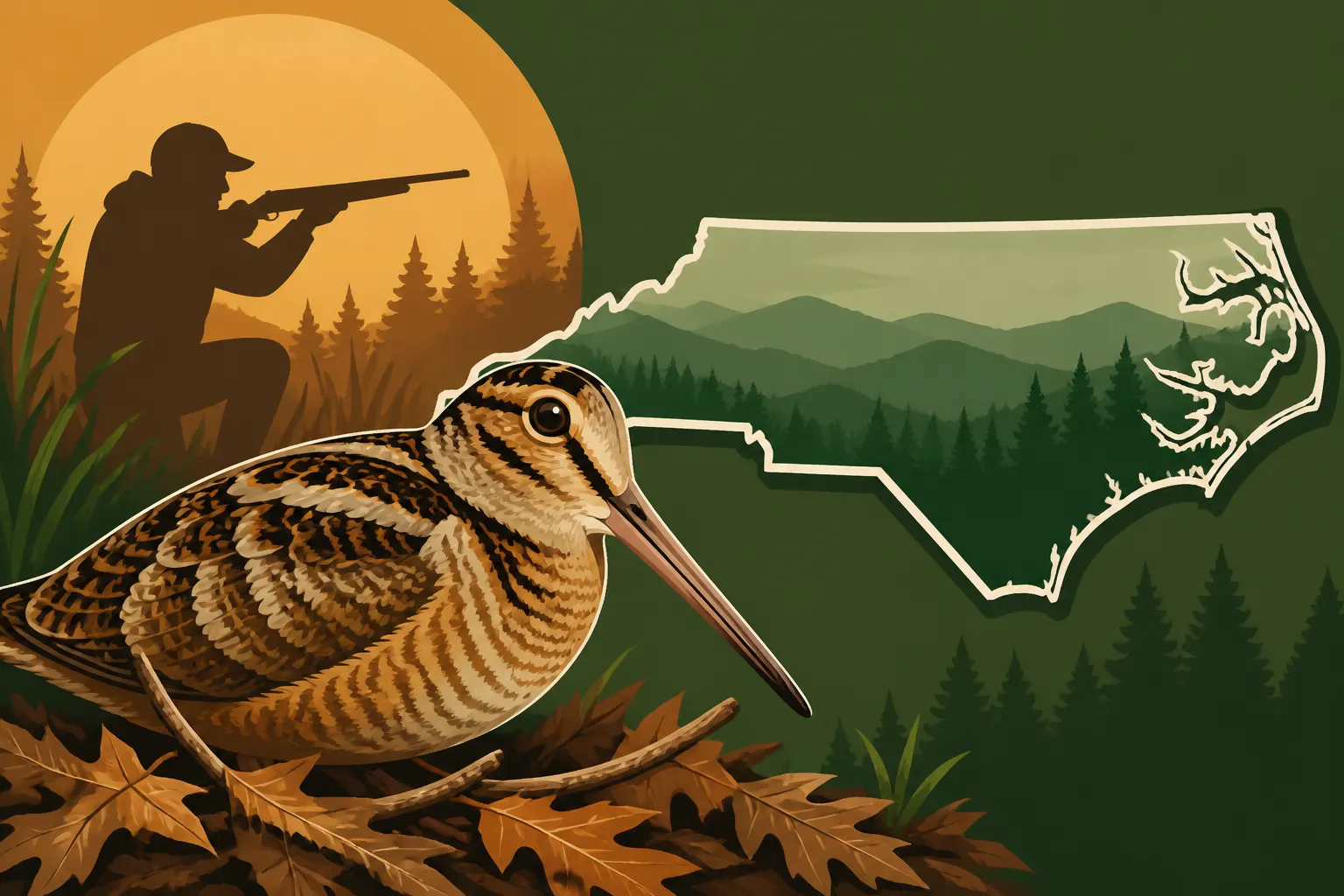
North Carolina Woodcock Season Dates
Hunting migratory birds in North Carolina can sometimes feel like navigating a constantly shifting maze of dates and regulations, and woodcock, with their unique flight patterns, are no exception. Many hunters find themselves scratching their heads trying to pinpoint the exact windows when they can pursue these timberdoodles. This comprehensive guide is designed to cut through that confusion, providing clear, up-to-date information on North Carolina's woodcock season dates, bag limits, and essential requirements, ensuring you're fully prepared for a successful hunt.
Navigating North Carolina's Woodcock Season Framework
Understanding how woodcock seasons are set is the first step to confidently planning your hunt. Unlike resident game like deer or turkeys, woodcock are migratory birds, meaning their management falls under a shared jurisdiction between federal and state agencies. This cooperative effort aims to ensure sustainable populations across their entire range.
The Federal-State Partnership in Setting Dates
At the highest level, the U.S. Fish and Wildlife Service (USFWS) establishes broad frameworks for migratory bird hunting seasons. These frameworks dictate the earliest and latest possible dates, total season length, and maximum bag limits for various species. They base these decisions on extensive biological surveys, population data, and scientific modeling to ensure conservation goals are met. It's a massive undertaking that takes into account breeding success, habitat conditions, and migration patterns across the entire continent. Once these federal frameworks are established, individual states, like North Carolina, then select their specific season dates and regulations within those guidelines.
The North Carolina Wildlife Resources Commission (NCWRC) works closely with federal partners to tailor these seasons to our local conditions and migration patterns. This means they consider when woodcock typically arrive in our state, how long they tend to stay, and what areas they utilize most heavily. It's a delicate balance, aiming to provide ample hunting opportunities while safeguarding the species' future. The dates chosen by NCWRC reflect the best available data on when woodcock are present in huntable numbers within our borders, factoring in local weather and habitat availability. This collaboration is why it’s so important to check the state-specific regulations even after understanding the federal overview.
Why Woodcock Seasons Are Often Split
You might notice that migratory bird seasons, including those for woodcock, are often broken into multiple segments, or "splits." This isn't just to make things more complicated; it's a strategic decision designed to maximize hunting opportunity while aligning with the unpredictable nature of migration. Woodcock, often dubbed "timberdoodles" for their probing bills and preferred cover, migrate south as cold weather pushes them out of their northern breeding grounds. Their arrival in North Carolina can vary significantly year to year, depending on weather fronts and food availability further north.
A split season allows hunters to target different waves of migrating birds. For instance, an early segment might catch birds that move through with the first major cold snaps of late fall or early winter, while a later segment could coincide with a subsequent push of birds, or those that have settled into wintering grounds within the state. This approach caters to both early migrants and those that overwinter in North Carolina, giving hunters a better chance at encountering these elusive birds. It also helps distribute hunting pressure, ensuring that no single influx of birds is over-harvested. Trying to hit that perfect window can be tricky, which is why a good scouting app like GoHunt can be invaluable for identifying potential hotspots and tracking local conditions.
Official North Carolina Woodcock Season Dates and Regulations
Now, let's get down to the brass tacks: when can you actually hunt woodcock in North Carolina? The NCWRC sets these dates annually, typically releasing the full migratory game bird seasons well in advance of the fall hunting period. It's always crucial to verify the latest regulations directly from the NCWRC website or their official digest, as dates can occasionally be subject to minor adjustments.
Key Dates for the Current Season
For the most recent hunting season (e.g., 2023-2024, or similar current year), North Carolina typically offers a split woodcock season. These dates are meticulously planned to align with the state's position on the migratory flyway, aiming to provide opportunities during peak woodcock presence. Generally, you can expect to find two distinct periods:
North Carolina Woodcock Season Dates (Example for a Recent Season)
| Season Segment | Opening Date | Closing Date | Notes |
|---|---|---|---|
| First Split | December 13th | January 13th | Targets early-to-mid winter migrants. |
| Second Split | January 27th | February 10th | Focuses on late-season migrants and resident wintering birds. |
These dates are illustrative and based on common patterns for North Carolina's migratory bird seasons. Always confirm the exact, current dates with the official NCWRC Hunting and Fishing Regulations Digest before planning your hunt.
These segments are designed to give hunters ample opportunity, whether you're out chasing deer and stumble upon a few timberdoodles, or you're specifically targeting woodcock. Keep in mind that these dates can sometimes shift slightly from year to year, so referring to the official North Carolina Small Game Season Rules is always your safest bet.
Bag Limits and Shooting Hours
Knowing the season dates is only half the battle; understanding the legal limits and timing is just as vital. For woodcock, the daily bag limit is generally quite consistent, but it's not a number to guess at. As of the current regulations, hunters in North Carolina are allowed to harvest three (3) woodcock per day. This is a federal standard often adopted by states to ensure population health. Possession limits also apply, meaning you can't have more than a certain number of birds (usually nine, or three times the daily bag limit) in your possession away from the field or your immediate daily harvest.
Shooting hours for woodcock, like most migratory game birds, are set from one-half hour before sunrise until sunset. This timeframe is consistent across the state and is crucial to observe not only for legal compliance but also for ethical hunting practices. It ensures fair chase and provides enough light for positive target identification. Always double-check these specifics in the official regulations, because violating bag limits or shooting hours can lead to serious penalties. It's a small detail, but one that every responsible hunter must adhere to.
Essential Gear and Tactics for Woodcock Hunters
Chasing woodcock is a unique experience, often requiring a slightly different approach than hunting larger game. These birds prefer specific habitats, and having the right gear can make all the difference in your success and enjoyment. Forget the long-range rifles; this is a game of quick reflexes and close-quarters shooting.
Choosing the Right Shotgun and Ammunition
When it comes to woodcock, you want a shotgun that's light, fast-handling, and capable of putting a dense pattern of small shot into the air quickly. Many upland bird hunters favor a 20-gauge or even a 28-gauge for woodcock. These gauges offer less recoil, allowing for faster follow-up shots on these erratic flyers, and they are typically lighter to carry through thick cover all day. Over-and-under or side-by-side shotguns are popular choices for their quick swinging ability and often lighter weight, though a semi-automatic or pump-action can also work well, especially if you're comfortable with it. You can explore more on specific options in a guide like Upland Guns for Mountain Grouse Cover, which shares many characteristics with woodcock hunting.
Choke selection is critical for woodcock. Given that most shots will be at very close ranges, often within 15-25 yards, an open choke like Cylinder or Improved Cylinder is almost universally recommended. Anything tighter, and you'll likely blow birds apart or miss entirely as they explode from cover. For ammunition, small shot sizes are key. Lead shot (where permitted, which is generally the case for upland birds on non-wetland areas) in sizes 7 1/2 or 8 is perfect. These small pellets create a dense pattern that's effective on a small bird like a woodcock without over-penetrating. Always ensure you're using legal, appropriate shot for your hunting area; a deeper dive can be found in a resource like Shot Size for Grouse and Woodcock.
Finding Woodcock Habitat in North Carolina
Woodcock are masters of camouflage and prefer very specific types of habitat, making them challenging to locate if you don't know what to look for. They aren't found in open fields or dense, mature forests. Instead, they seek out young, regenerating timber, often in damp areas. Think alder thickets, abandoned farm fields reverting to forest, areas around creek bottoms, and young pine or mixed hardwood stands with a dense understory. These areas provide the soft, moist soil they need to probe for earthworms, which make up the bulk of their diet. Using a mapping tool, such as GoHunt, can help you identify areas with dense, young growth or clear-cuts that might hold these birds.
Look for areas with a mix of saplings, briars, and low-growing shrubs. Ideal cover will be thick enough to offer protection from predators but open enough for them to move through on the ground. When scouting, keep an eye out for "splatter," which is their distinct chalky white droppings, or probe holes in the soft earth where they've been feeding. These are tell-tale signs that woodcock are in the area. Often, the same types of cover that hold grouse or rabbits will also hold woodcock, so if you're familiar with Grouse Hunting Blue Ridge Cover, many of those principles will transfer. Remember, woodcock are often found on public land, so don't be afraid to explore state game lands or national forests in the Piedmont and Coastal Plain that fit this description.
Hunting Tactics for Elusive Timberdoodles
Woodcock hunting is an active sport, demanding constant movement through thick cover. Unlike deer hunting, where patience in a stand is key, woodcock require you to walk, walk, and then walk some more. The most effective tactic is to slowly work through promising cover, keeping your eyes peeled for flushes. Woodcock often hold very tight, so you might walk right past one before it explodes into the air with its characteristic whistling wings. When they flush, they fly erratically through the timber, presenting a challenging shot.
Many woodcock hunters rely on a good bird dog, typically a pointing breed or a flushing spaniel, to locate and retrieve these camouflaged birds. A dog's keen nose can find birds you would undoubtedly walk past, and their ability to point allows you to get into a ready position for the flush. If you're hunting without a dog, walk slowly and deliberately, stopping frequently. Woodcock are known to sometimes flush when you pause, as they perceive the sudden silence as a predator's approach. This "stop-and-go" method can be surprisingly effective. Don't be discouraged by empty flushes; it's all part of the challenge and excitement of hunting these unique migratory birds. For more on their presence in the state, consider reading about North Carolina's Place on the Woodcock Flight.
Additional Permits and Considerations for Migratory Birds
Hunting woodcock, like all migratory game birds, comes with specific federal requirements in addition to state hunting licenses. It’s imperative to have all your ducks—or in this case, timberdoodles—in a row before heading into the field. Overlooking these permits is a common mistake that can lead to fines and a ruined hunt.
Federal Duck Stamp and HIP Certification
Anyone planning to hunt migratory game birds in North Carolina, including woodcock, doves, ducks, or geese, must possess a valid hunting license. Beyond that, two additional federal requirements are mandatory for woodcock. First, you need a Federal Duck Stamp. Despite its name, this stamp isn't just for ducks; it's required for hunting any migratory waterfowl or migratory game birds, with some specific exceptions like doves in certain circumstances, but definitely for woodcock. The funds from the sale of these stamps go directly to conserving wetlands and waterfowl habitat, so it's a purchase with a direct conservation benefit. You can learn more about this in North Carolina Federal Duck Stamp Requirement.
Second, you must also be HIP (Harvest Information Program) certified. This is a free registration that helps the USFWS collect data on migratory bird harvests. When you purchase your North Carolina hunting license, you'll be asked if you intend to hunt migratory birds. Answering "yes" enrolls you in the program, and you'll receive a HIP certification number that must be carried with your license. This information is vital for wildlife managers to track harvest trends and make informed decisions about future seasons. It's a simple, quick step that ensures you're legally compliant and contributing to important conservation efforts. More details can be found by researching North Carolina Migratory Bird Certification.
Ethical Hunting and Conservation
Woodcock hunting, while exhilarating, also comes with a responsibility towards conservation and ethical practice. These birds are not as numerous as some other game species, and their cryptic nature means understanding their populations requires careful monitoring, often aided by programs like North Carolina Woodcock Singing Ground Surveys. As hunters, we are critical participants in this conservation cycle. Always strive for clean, ethical shots, and if hunting with a dog, ensure it's well-trained for retrieving to minimize lost birds.
Respecting private land is paramount, whether you've secured permission or are hunting on public lands. Always be aware of your surroundings, especially if hunting near populated areas or other hunters. Knowing the rules and adhering to them not only keeps you safe and legal but also ensures that woodcock hunting remains a viable and respected activity for future generations. For a broader understanding of how your efforts contribute, consider exploring articles like Hunting North Carolina Small Game and Furbearers. Every hunter plays a role in the ongoing health of our wild places and the species that call them home.
Disclaimer
Please remember that hunting regulations, season dates, and license requirements are subject to change. Always consult the most current official North Carolina Wildlife Resources Commission (NCWRC) regulations digest or website before planning and participating in any hunting activity. This article is intended for informational purposes only and does not supersede official regulations.