How Many Acres of Public Land North Carolina Has
It's easy to feel like North Carolina is just one big sprawl of private land, "No Trespassing" signs popping up everywhere, especially as more folks move into our beautiful state. You might spend hours driving, looking for a spot that isn't posted, only to turn around in frustration. But the truth is, North Carolina actually boasts a significant amount of public hunting ground, though it's spread out and often requires a bit more savvy to find and navigate. This guide is going to peel back the layers on North Carolina's public land system, helping you understand just how much acreage is out there and how to unlock those opportunities.
The Misconception of Limited Public Land in North Carolina
Many of us have felt that pinch, haven't we? You look around, and it seems like every prime hunting spot is either leased, owned, or strictly off-limits. It's a common complaint among North Carolina hunters, especially those of us who weren't lucky enough to inherit a family farm or join an exclusive club. The state's growing population, coupled with increasing development, means that green spaces are constantly being converted, and available hunting land feels like it's shrinking.
Why Hunters Feel Squeezed for Space
It's a really valid feeling. When you're used to hunting sprawling tracts in other states or even just hearing tales of "the good old days" here, the reality of navigating today's landscape can be disheartening. We see new subdivisions popping up in areas that were once prime deer habitat, and those small, privately owned woodlots that once offered a friendly handshake permission are now often posted tight. The sheer volume of "private property" signs can make it seem like there's nowhere left for the average hunter to go.
This perception is also shaped by how accessible much of our public land truly is. While places like the vast Western national forests are often open by simply driving in, a lot of North Carolina's public ground requires a bit more legwork – literally. It might mean long walks, crossing difficult terrain, or understanding specific regulations that vary wildly from one tract to another. It's not always a turn-key solution, which can lead to the belief that opportunities are scarce.
North Carolina's Surprising Public Land Footprint
Despite those feelings of being squeezed, North Carolina actually has a substantial public land footprint. It's not always contiguous blocks like you might find out west, but rather a mosaic of national forests, state game lands, and national wildlife refuges. When you add all these pieces together, you're looking at hundreds of thousands of acres managed for various uses, including hunting. It’s a diverse portfolio, from the rugged mountains to the sprawling coastal plains.
The key is understanding where this land is and how it's designated. We've got four incredible national forests, managed by the U.S. Forest Service, alongside numerous Game Lands scattered by the North Carolina Wildlife Resources Commission (NCWRC). Then there are the federal National Wildlife Refuges, each with its own specific rules. It's a far cry from a land-poor state, but it certainly requires a different approach than just jumping out of the truck.
Decoding North Carolina's National Forest System
Our national forests are truly gems for public land hunters, offering vast expanses and a different kind of challenge than hunting smaller, fragmented tracts. They are managed for multiple uses, and hunting is a proud tradition within them.
The Big Four: Pisgah, Nantahala, Croatan, and Uwharrie
North Carolina is home to four distinct National Forests, each offering a unique hunting experience shaped by its geography and ecosystem. You have the towering Appalachian mountains of the Pisgah National Forest and Nantahala National Forest, covering immense acreage in the western part of the state. These are lands of steep ridges, deep coves, and dense timber, where deer, bear, and turkey thrive in challenging terrain. Hunting here often means long walks and physically demanding climbs, but the reward is a truly wild experience. If you're looking for an adventure, Pisgah National Forest Hunting and Nantahala National Forest Hunting offer just that.
Moving east, you'll find the Uwharrie National Forest, nestled in the central Piedmont region. This forest is characterized by rolling hills, mixed pine and hardwood stands, and a more accessible landscape. It's a fantastic spot for deer and turkey, and while it's smaller than its mountain cousins, it still provides ample room to roam. Further still, on the coastal plain, lies the unique Croatan National Forest, a land of longleaf pine, pocosin swamps, and cypress bottoms. Here, you'll find an abundance of deer, bear, and even some waterfowl opportunities. This diverse habitat requires specialized tactics, and you can learn more about Croatan National Forest Hunting and Uwharrie National Forest Hunting to prepare.
Acreage and Accessibility Within the National Forests
While specific acreage can fluctuate with land acquisitions and changes in management, the combined total of our national forests represents hundreds of thousands of acres. These are vast, contiguous blocks of land, a real treasure for public land hunters. Pisgah and Nantahala alone represent a massive chunk of western North Carolina, providing incredible opportunities for those willing to put in the effort.
Accessibility varies greatly within these forests. Main forest service roads often provide good access, but many areas require foot travel, sometimes for miles, to get away from the immediate pressure. You'll encounter gates that may be open or closed seasonally, and knowing the lay of the land, whether through scouting or utilizing mapping apps like onX Hunt, is crucial. Hunting in these large tracts demands different strategies than smaller woodlots; understanding how deer move on Reading a Ridge for Mountain Zone Deer or scouting Finding Sign in Big Pisgah Timber are vital skills.
North Carolina Game Lands: Diverse Opportunities Across the State
Beyond the national forests, North Carolina’s Game Lands system offers an incredible array of hunting experiences, from vast coastal swamps to upland pine forests. These are some of the most actively managed lands for wildlife across the state.
Understanding the Game Lands System
North Carolina’s Game Lands are tracts of land, both public and privately owned, that are leased or owned by the NC Wildlife Resources Commission and managed specifically for hunting and other wildlife-related recreation. This system is incredibly diverse, encompassing everything from hundreds of thousands of acres of contiguous forest to smaller, scattered parcels, sometimes just a few hundred acres. What they all share is the primary goal of providing public hunting access. You'll often find signs denoting the boundaries, and many require a specific Game Lands license in addition to your base hunting license. The NCWRC has done an amazing job providing North Carolina Game Lands for us hunters.
The regulations on Game Lands can be quite different from private land or even national forests. Many have specific sign-in requirements, special seasons, or permit-only hunts to manage pressure and wildlife populations. It's absolutely essential to consult the NCWRC regulations digest and specific Game Land maps before heading out. Don't just assume what's legal on private land is legal on a Game Land – always double-check! This meticulous management is what allows these areas to continue supporting healthy game populations year after year, even with significant hunting pressure.
Notable Game Lands and Their Unique Offerings
North Carolina boasts an impressive list of Game Lands, each with its own character and opportunities. On the coast, you have giants like Holly Shelter Game Land, a massive tract of pocosin swamp and pine flatwoods, renowned for its challenging deer hunting and healthy bear population. Navigating a place like Holly Shelter Bear Hunting Access requires a boat or serious swamp-walking gear. Further south, the Green Swamp Game Land offers a unique ecosystem, home to Venus flytraps and, yes, deer and hogs. These coastal Game Lands are rugged, wild, and incredibly rewarding for those who brave the thick cover.
In the Sandhills region, the Sandhills Game Land is famous for its longleaf pine habitat and ongoing efforts to restore quail populations. It's a completely different experience, with open pine forests and sandy soils. For those closer to the Piedmont, there are numerous smaller Game Lands that might not be as well-known but offer fantastic local opportunities. These range from bottomland hardwoods along rivers to reclaimed agricultural fields. Learning about Sandhills Game Land Quail Hunting or Green Swamp Game Land Access highlights the diversity. Each Game Land provides a unique challenge and reward, making it worth researching the ones in your area through the NCWRC's online resources.
| Public Land Type | Primary Manager | Typical Terrain | Common Game Species | General Rules & Access |
|---|---|---|---|---|
| National Forests | U.S. Forest Service | Mountains, Piedmont, Coastal | Deer, Bear, Turkey, Small Game | Generally open, specific forest rules, some road closures |
| North Carolina Game Lands | NC Wildlife Resources Commission | Highly varied: swamps, pine, hardwoods | Deer, Bear, Turkey, Small Game, Waterfowl | Specific Game Land permits often required, sign-in, varied regulations |
| National Wildlife Refuges | U.S. Fish & Wildlife Service | Coastal marshes, forests, wetlands | Waterfowl, Deer, Bear | Highly regulated, often permit-only, limited access, specific seasons |
National Wildlife Refuges and Other Public Hunting Areas
Beyond the major state and federal forest systems, North Carolina is also home to several National Wildlife Refuges and other scattered public hunting areas that offer unique, though often more restricted, opportunities. These lands play a critical role in conservation and provide crucial habitat for a wide array of species.
Hunting on National Wildlife Refuges
National Wildlife Refuges (NWRs) are established primarily for the conservation, management, and restoration of fish, wildlife, and plant resources and their habitats. While their core mission is conservation, hunting is often permitted as a compatible use, serving as a management tool to control populations. However, hunting on NWRs is typically much more regulated than on national forests or even some Game Lands. You'll frequently find hunts are permit-only, drawing systems are in place, and access might be restricted to specific areas or limited days. This is often frustrating for hunters who just want to show up and hunt, but it's part of how these special places are managed.
Take the Mattamuskeet National Wildlife Refuge, for example, which is renowned for its waterfowl. Access to duck blinds is often determined by a draw system, and specific rules apply to decoy placement and hunting hours. Similarly, the Alligator River National Wildlife Refuge and Pocosin Lakes National Wildlife Refuge offer limited deer and bear hunting opportunities, often requiring special permits or adherence to strict weapon and season guidelines. It’s absolutely vital to check the specific refuge's website or contact their office well in advance to understand the current rules. Don't show up without doing your homework; it will save you a lot of headache. Understanding Mattamuskeet National Wildlife Refuge Hunting Rules or getting an Alligator River Refuge Deer Permit is crucial.
Lesser-Known Public Hunting Opportunities
While the big national forests, Game Lands, and NWRs get most of the attention, there are a few other, often smaller, public hunting opportunities scattered across North Carolina. Some State Forests, managed by the North Carolina Forest Service, occasionally allow hunting on certain tracts, though these are typically not as widespread as Game Lands. You might also find limited hunting access on certain military lands through specific programs or utility easements like power line cuts, though these often come with very specific restrictions and require extensive research to find.
These smaller or less obvious opportunities require diligent scouting and direct communication with the managing agencies. It's not uncommon for hunters to overlook these spots, leading to less pressure and potentially better success for those willing to do the digging. The key here is to keep an open mind, constantly check local government and state agency websites, and be prepared for highly specific rules. Every little bit of accessible ground adds up, and sometimes these overlooked pockets can be true hidden gems.
Navigating and Maximizing Public Land Access
Finding public land is one thing, but actually navigating it, understanding its boundaries, and effectively hunting it are entirely different challenges. In North Carolina, with our varied terrain and sometimes fragmented public tracts, having the right tools and strategies is paramount.
Essential Tools for Finding and Scouting Public Land
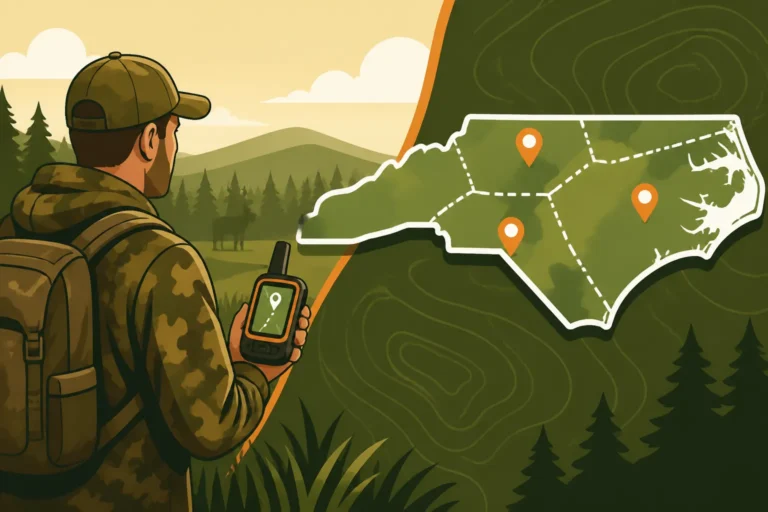
In today's hunting world, digital mapping tools are no longer a luxury; they're an absolute necessity, especially when you're trying to unravel the complex patchwork of public and private land in North Carolina. Applications like onX Hunt and even GoHunt provide invaluable layers that clearly delineate public land boundaries, private property lines, and even landowner names. This is game-changing, allowing you to confidently know exactly where you stand and avoid accidental trespass, which is a huge concern in heavily posted areas. These apps often include aerial imagery, topographical maps, and other features that help you identify potential access points, dense cover, and travel corridors.
Beyond third-party apps, the NCWRC website offers an incredible interactive map tool that is constantly updated. This is a primary resource for identifying Game Lands, understanding their specific regulations, and even locating sign-in kiosks. Pairing this official information with the detailed satellite imagery and property lines of commercial apps like onX Hunt creates a powerful scouting combination. Before you even set foot in the woods, you can digitally "walk" the property, mark potential stand locations, scout likely food sources or bedding areas, and plan your entry and exit routes. Learning Using the NC Wildlife Map Tool and Scouting With the NC Wildlife App is a fundamental step for any modern hunter.
Strategies for Hunting Pressured Public Land
Let's be realistic: public land in North Carolina, especially easily accessible tracts, will see hunting pressure. It's a fact of life. But that doesn't mean you can't be successful. The key is to understand how that pressure affects game animals and then adapt your strategies. Most hunters won't walk very far from a road or parking area, so one of the most effective tactics is simply to walk farther. Identify areas on your map that are a mile or more from common access points – these are often overlooked pockets where deer and other game will seek refuge.
Another effective strategy is to hunt during less popular times. Weekdays, especially outside of opening week or peak rut, often see significantly fewer hunters. Also, consider hunting during inclement weather, when many fair-weather hunters stay home. For specific areas, focus on difficult terrain – thickets, swamps, or steep hillsides – that deter most people. These areas often serve as natural sanctuaries. Understanding Hunting Pressure on North Carolina Public Land and actively seeking out Finding Ground Others Walk Past are crucial mindsets. By being willing to work a little harder and think a little differently, you can consistently find success on North Carolina's public lands, proving that while access can be challenging, opportunity is definitely out there.
Disclaimer
This article is for general informational purposes only and does not constitute professional advice. Laws, prices and regulations vary by location and change over time. Consult a qualified professional for guidance on your specific situation.