How Long a North Carolina License Stays Valid
It's easy to get caught up in the excitement of hunting season, planning your next trip into the woods or marshes. But a common, yet easily overlooked, frustration many North Carolina hunters face is knowing exactly how long their hunting license remains valid. Nobody wants to be caught in the field with an expired license, facing potential fines or, worse, losing their hunting privileges. This guide will meticulously break down the different license types and their specific validity periods, ensuring you're always legal and ready for your next adventure.
Understanding the North Carolina License Year Structure
Before diving into the specifics of individual licenses, it's crucial to understand how North Carolina's Wildlife Resources Commission (NCWRC) structures its licensing year. Unlike some states that might operate on a calendar year, North Carolina utilizes a specific "license year" that impacts the validity of most annual permits.
The Standard License Year: August 1st to July 31st
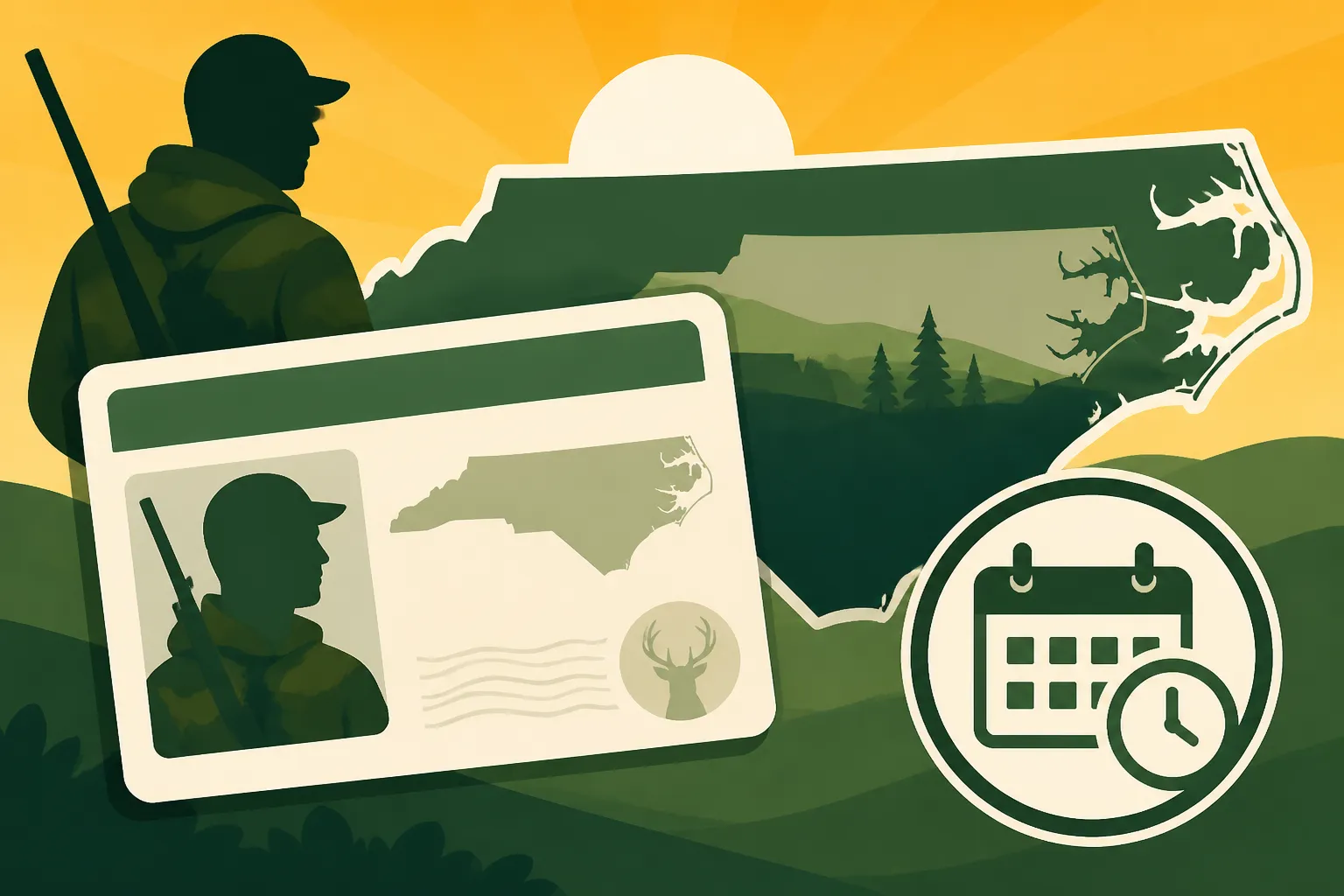
For the vast majority of annual hunting and fishing licenses in North Carolina, the official license year begins on August 1st and concludes on July 31st of the following year. This means that if you purchase an annual license on, say, November 15th, it doesn't expire a year later on November 15th. Instead, it will expire on the following July 31st. This can sometimes catch new hunters or those accustomed to different state regulations off guard, especially if they purchase a license late in the season and mistakenly believe it will last a full 12 months from the purchase date. This unique structure, clearly outlined in documents discussing the North Carolina License Year Start Date, is designed to align with the staggered opening and closing of various hunting seasons across the state, ensuring that most seasons fall within a single licensing period.
For example, if you bought a Resident Annual Hunting License on September 1, 2023, it wouldn't be valid until September 1, 2024. It would instead expire on July 31, 2024. This system requires hunters to be diligent about checking their expiration dates, particularly as summer approaches. Many seasoned hunters make it a habit to renew their licenses sometime in July or August to ensure uninterrupted coverage for the upcoming fall seasons. Keeping this annual cycle in mind is the first step toward always having a valid license in your pocket or on your phone.
Perpetual Versus Fixed Validity Periods
While most annual licenses adhere to the August 1st to July 31st cycle, it's important to differentiate this from licenses that have a "perpetual" validity, meaning they don't expire, or those with very short, fixed periods. Lifetime licenses, for instance, are perpetual once purchased; they don't need annual renewal. On the other end of the spectrum, some temporary or short-term licenses might only be valid for a few days, regardless of the overarching license year.
The NCWRC offers various options to cater to different hunter needs, from a full-year license for the dedicated enthusiast to short-term permits for visitors or those only hunting for a specific brief period. Knowing which category your chosen license falls into is paramount. For example, someone who primarily hunts during the special early CWD-Zone season in August might purchase a license right before that opener, but they still need to be aware that it's tied to the July 31st expiration date, meaning it won't carry over into the next calendar year's main seasons without renewal. Tools like GoHunt can be invaluable for tracking these dates, setting reminders, and helping you manage your hunting calendar effectively.
Detailed Validity Periods for Various License Types
North Carolina offers a range of hunting licenses and permits, each with its own specific validity period. Understanding these differences is key to staying compliant.
Annual Licenses
These are the most common licenses for resident and nonresident hunters alike, covering a broad spectrum of hunting activities.
- Resident and Nonresident Annual Hunting Licenses: These are your bread-and-butter licenses, often required as a base to purchase additional privileges. As discussed, they are valid from August 1st of the year of purchase until July 31st of the following year. This applies to both the North Carolina Resident Hunting License Options and the North Carolina Nonresident Hunting License Options. For a resident, the North Carolina Resident Base License Cost covers basic statewide hunting.
- Big Game, Game Lands, Bear, and Federal Duck Stamps: These are typically "privileges" or stamps that must be purchased in addition to a base hunting license. Their validity aligns with the base annual hunting license: August 1st to July 31st. For example, if you purchase your Big Game Privilege in October, it will still expire the following July 31st, not a full year from October. This includes specific privileges like the bear management stamp for those pursuing North Carolina's Black Bear Population. It’s essential to have both your base license and the necessary privileges for the game you intend to hunt and the land you plan to hunt on (e.g., a Game Lands license for public lands).
Short-Term Licenses
North Carolina also offers licenses designed for short visits or specific, limited hunting opportunities. These are particularly popular with nonresident hunters or those who only hunt occasionally.
- 10-Day Nonresident Hunting License: As the name suggests, this license is valid for ten consecutive days from the date of purchase or the specified start date. This is a popular choice for nonresidents coming for a specific hunt, such as a quick deer hunt or a few days of waterfowl hunting. For example, a nonresident coming for a week-long hunt in the Coastal Plain's pocosin swamps might find this license ideal. It's important to select your start date carefully, as the clock begins ticking immediately for ten days, regardless of actual hunting activity.
- 3-Day Nonresident Hunting License: Similar to the 10-day option, this license provides hunting privileges for three consecutive days. This is often chosen by nonresidents targeting shorter trips, perhaps a long weekend hunt for Wild Turkeys in North Carolina or small game. Both the 10-day and 3-day licenses offer flexibility but require precise planning of your hunting dates.
Lifetime Licenses and Special Permits
These categories have distinct validity rules that set them apart from annual and short-term options.
- Lifetime Licenses: These are the ultimate convenience for dedicated hunters. Once purchased, a lifetime license remains valid for the entire life of the holder, assuming they continue to meet residency requirements if applicable (e.g., moving out of state might affect some privileges but the base lifetime license typically remains valid). While the initial investment is higher, it removes the need for annual renewals and saves money in the long run. Many hunters consider lifetime licenses for their children or grandchildren through programs like the North Carolina Lifetime License Options. While the base hunting privileges are covered for life, specialized stamps or permits, such as a Federal Duck Stamp, might still need to be purchased annually if applicable.
- Special Permits (e.g., Depredation Permits, Quota Hunts): These permits often have very specific, limited validity periods tied to the purpose of the permit or the dates of a specific managed hunt. For example, a landowner's deer damage permit might only be valid for a specific timeframe to address agricultural damage, or a permit for a managed quota hunt on a Game Land will only be valid for the designated hunt dates. These are not general hunting licenses and usually come with strict conditions.
Here's a quick reference table for common license types and their validity:
| License Type | Validity Period | Notes |
|---|---|---|
| Resident Annual Hunting | August 1st – July 31st (following year) | Requires annual renewal |
| Nonresident Annual Hunting | August 1st – July 31st (following year) | Requires annual renewal |
| Big Game Privilege (Annual) | August 1st – July 31st (following year) | Must accompany base hunting license |
| Game Lands Privilege (Annual) | August 1st – July 31st (following year) | Must accompany base hunting license for public land |
| Bear Management Stamp (Annual) | August 1st – July 31st (following year) | Must accompany base hunting license & Big Game Privilege |
| Nonresident 10-Day Hunting | 10 consecutive days from chosen start date | Good for short trips |
| Nonresident 3-Day Hunting | 3 consecutive days from chosen start date | Good for long weekends |
| Lifetime Hunting Licenses | For the life of the holder | No annual renewal needed for base hunting privileges |
| Federal Duck Stamp | July 1st – June 30th (following year) | Required for migratory waterfowl; separate from state license year |
It's important to note the Federal Duck Stamp's validity runs on a slightly different cycle (July 1st to June 30th) compared to most state annual licenses. Waterfowl hunters need to be especially mindful of this difference to ensure they are always compliant. When you’re focused on preparing your gear for Waterfowl Hunting Currituck Sound and the Coast, double-check this critical stamp.
Keeping Track: How to Confirm Your License Status
With so many different license types and validity periods, it’s easy for confusion to creep in. Thankfully, the NCWRC provides several convenient ways for hunters to check their license status and avoid an unpleasant surprise in the field.
Utilizing the NC Wildlife Online Portal
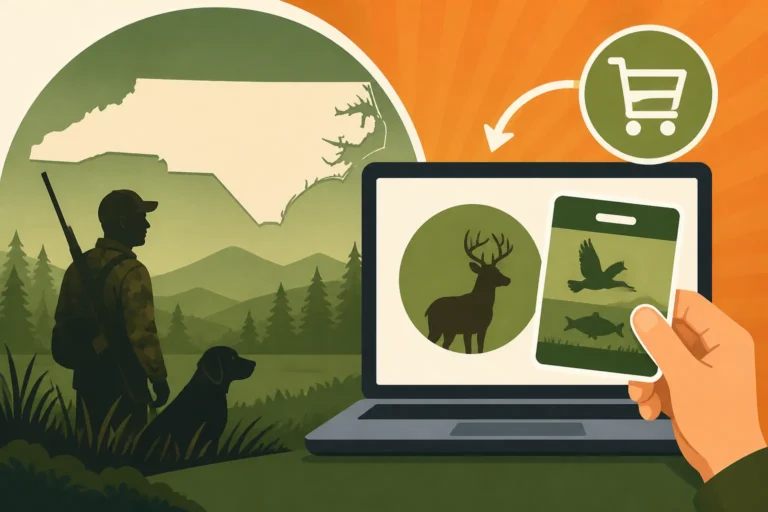
The most reliable and accessible method to verify your license information is through the official NCWRC online portal. This digital hub allows you to access your personal licensing profile with ease. Simply navigate to the NCWRC website and look for the "License & Permits" section. You'll typically need to enter some identifying information, such as your NCWRC customer number, date of birth, or driver's license number. Once logged in, you can view all the licenses you currently hold, their purchase dates, and, most importantly, their expiration dates. This is a direct, clear way to see exactly what you're licensed for and when those privileges end. It's an indispensable tool for every hunter, whether you're planning your next deer drive on North Carolina public land or just casually checking your status.
Many hunters, myself included, make it a habit to log in and check their license status a few weeks before the August 1st renewal date. This gives you plenty of time to purchase new licenses or privileges without interruption to your hunting schedule. The online portal for Buying a License on the NC Wildlife Portal is usually intuitive and guides you through the renewal process seamlessly.
Checking with the NC Wildlife App
For hunters who rely heavily on their smartphones for mapping, scouting, and general outdoor navigation (perhaps using a powerful tool like GoHunt for detailed terrain analysis), the official NC Wildlife mobile app is a fantastic resource. This app often allows you to carry a digital version of your license directly on your phone. Even better, it typically provides quick access to your license profile, where you can view all your current and expired licenses.
Having your license information readily available on your phone can be a huge convenience, especially when you're deep in the woods or marsh without a physical copy. It's a quick way to confirm validity if you have any doubts. However, always remember that relying solely on a digital license means ensuring your phone is charged and protected from the elements.
Reviewing Your Physical License
While digital options are convenient, many hunters still prefer to carry a physical copy of their license. When you purchase a license, you'll receive a paper copy, either printed on the spot at a license agent or mailed to you if purchased online. This physical document clearly states the type of license, your personal information, the purchase date, and the expiration date.
Before heading out for any hunt, take a moment to glance at your physical license. Make sure the date is current for the specific season and species you're pursuing. It’s a simple, old-school check that can save a lot of trouble. This is especially true for those who might not regularly use smartphone apps or have reliable cell service in their hunting areas, such as when Still-Hunting Nantahala Forest Ridges.
The Importance of a Valid License
Hunting in North Carolina is a privilege, not a right, and it comes with the responsibility of adhering to all regulations. Having a valid license is the fundamental cornerstone of legal and ethical hunting. Ignoring this can lead to severe consequences that go far beyond a simple fine.
Legal Consequences and Penalties
Hunting without a valid license, or with an expired license, is a serious offense in North Carolina. It's considered a violation of state wildlife laws, and the penalties can range significantly depending on the specific circumstances and whether it's a first offense or a repeat violation. Typically, you could face:
- Fines: These can be substantial, often hundreds of dollars, and they can quickly outweigh the cost of a valid license.
- Loss of Hunting Privileges: Perhaps the most impactful consequence for an avid hunter is the suspension or revocation of hunting and fishing privileges for a period of time. This means you could be legally barred from hunting in North Carolina for months or even years. Imagine missing entire deer or turkey seasons because you neglected to renew a piece of paper!
- Seizure of Equipment: In some severe cases, wildlife enforcement officers have the authority to seize hunting equipment, including firearms or bows, used in the commission of a wildlife violation.
- Criminal Charges: While often handled as a civil infraction, egregious or repeat offenses could escalate to misdemeanor charges, which carry more significant legal implications and can appear on your criminal record.
These penalties are designed to deter illegal activity and protect North Carolina's wildlife resources. It’s simply not worth the risk. When you consider the North Carolina Wildlife Violation Penalties, ensuring your license is current becomes a very small price to pay for peace of mind.
Ethical Responsibility and Public Perception
Beyond the legal ramifications, having a valid license is an ethical responsibility. When you purchase a license, a portion of those funds directly supports wildlife conservation efforts in North Carolina. This includes habitat restoration, wildlife research, law enforcement, and public access programs. By neglecting to purchase a valid license, you're not only breaking the law but also failing to contribute to the very resources you enjoy.
The public perception of hunting is also heavily influenced by how hunters conduct themselves. Incidents of individuals hunting illegally reflect poorly on the entire hunting community, potentially jeopardizing future hunting opportunities and increasing anti-hunting sentiment. Every responsible hunter plays a role in upholding the integrity of the sport. Make sure you also understand essentials like How Much Blaze Orange North Carolina Requires to always hunt safely and visibly.
Avoiding Unnecessary Stress in the Field
Finally, and perhaps most practically, having a valid license simply makes your hunting experience more enjoyable. No one wants to spend their time in the woods or marsh worrying about whether their paperwork is in order. Imagine calling in a gobbler during Spring Turkey Hunting in North Carolina or finally getting a shot at that trophy buck after hours on stand, only to realize your license expired yesterday. The anxiety and potential fallout would completely ruin the moment.
By routinely checking your license status through the online portal or the NC Wildlife app, and making sure to renew well in advance of the August 1st deadline, you can eliminate this unnecessary stress. Focus on the hunt, the beauty of nature, and the camaraderie with fellow hunters, not on administrative oversights. Take advantage of resources like GoHunt to keep track of critical dates and ensure you're always prepared, both legally and practically, for your North Carolina hunting adventures.
Disclaimer
The information provided in this guide is intended for general informational purposes only and does not constitute legal advice. Hunting regulations in North Carolina can change, and it is the hunter's responsibility to consult the most current regulations published by the North Carolina Wildlife Resources Commission (NCWRC) prior to engaging in any hunting activities. Always refer to the official NCWRC website or printed regulations digest for the most accurate and up-to-date information.