How Much Blaze Orange North Carolina Requires
It’s a common frustration for North Carolina hunters: you’re trying to plan a hunt, you’ve got your gear ready, but then you second-guess yourself on something seemingly simple like blaze orange requirements. The fear of a game warden giving you a citation, or worse, a preventable accident in the woods, can really put a damper on your confidence. This comprehensive guide aims to cut through that confusion, detailing precisely how much blaze orange (or blaze pink) North Carolina requires, who needs to wear it, and when, ensuring you stay safe and fully compliant in the field.
Understanding North Carolina's Core Blaze Orange Requirements
Navigating the rules and regulations can sometimes feel like a hunt in itself, especially when it comes to safety gear like blaze orange. North Carolina has clear, concise guidelines designed to maximize hunter visibility and minimize accidents, which is something we can all appreciate. These aren't just arbitrary rules; they're based on years of safety data and best practices to keep everyone safer afield.
The Mandatory Minimum Display for Big Game Seasons
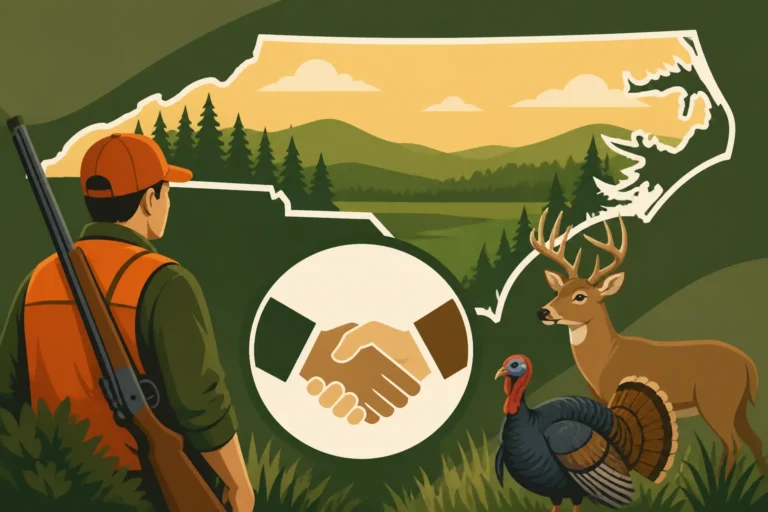
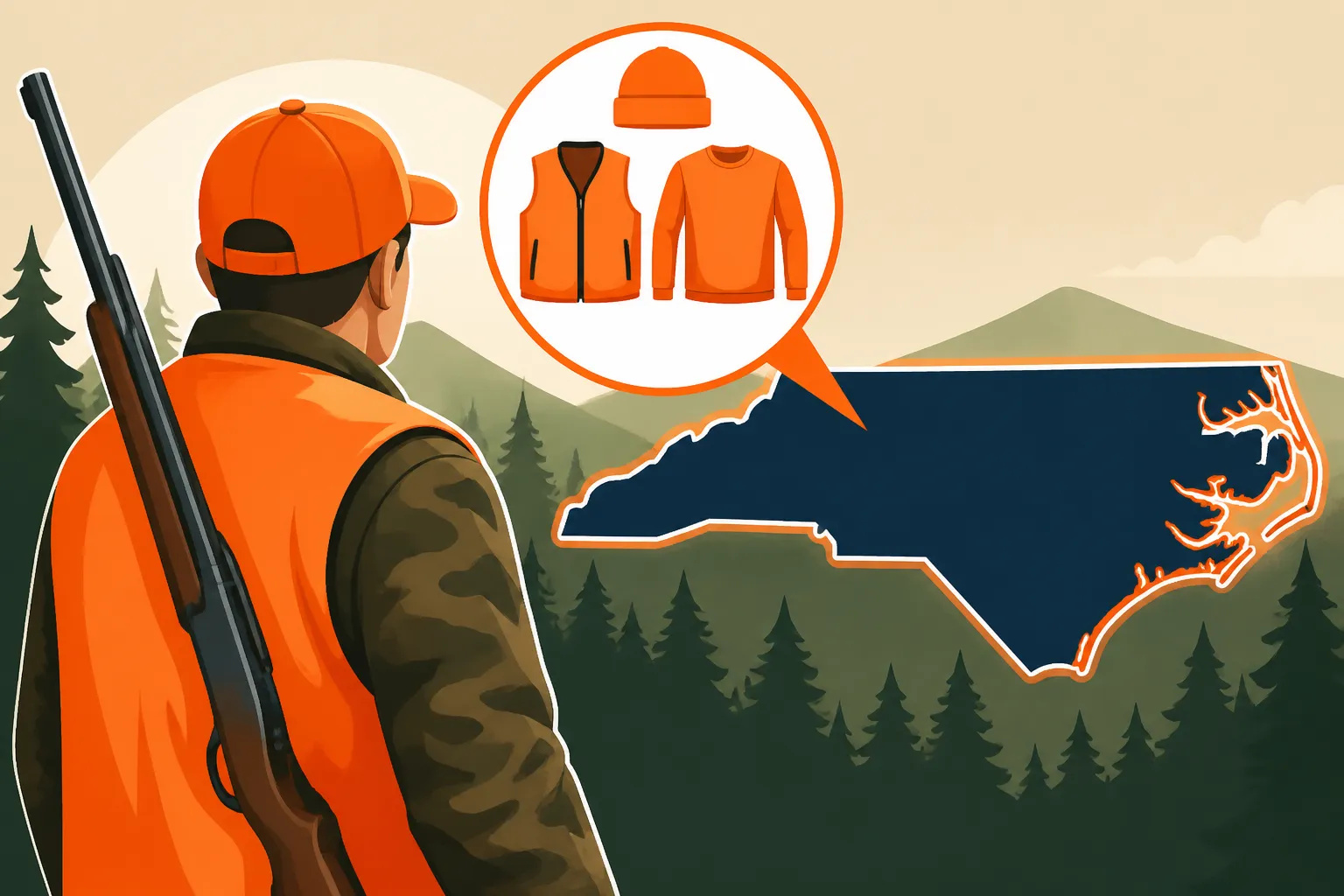
When you step into the woods during any open gun season for deer, bear, or feral hogs, North Carolina's regulations are pretty straightforward: you absolutely must display 400 square inches of solid blaze orange or fluorescent pink. And here's the kicker: that 400 square inches needs to be visible from all 360 degrees. This isn't just a patch on your back; it typically means a blaze orange or pink vest or jacket that wraps around you, plus a blaze orange or pink hat. Think about it from every angle – if another hunter is approaching you from the front, side, or rear, they need to see that unmistakable flash of color.
This visibility is paramount. It’s what prevents those tragic mistaken-for-game accidents that no one ever wants to hear about. Imagine walking through thick timber or dense pocosin cover; that bright orange or pink can mean the difference between being seen as a fellow hunter and being misidentified in a split second. It’s a small amount of gear that provides a massive amount of protection, especially when you're in areas with high hunting pressure. Trying to find specific laws can be tricky, but knowing the basics about North Carolina Legal Firearms for Deer Hunting will often mean understanding when these visibility rules apply.
When Blaze Orange is Mandatory for Hunters
The crucial factor for when blaze orange or pink is mandatory revolves around the open gun seasons for big game. Specifically, if you're hunting deer, bear, or wild boar with a firearm during the statewide gun season, or even during a special muzzleloader season, you're required to wear it. This applies to both public and private lands, with very few exceptions. It’s not just about when you are using a firearm; it's about when firearms are allowed to be used for big game in that area, creating a heightened need for visibility for everyone.
For example, when the North Carolina Deer Season Structure Explained shows that gun season is open in your specific zone, that's your cue to don the orange. The same goes for bear seasons; if you're hunting during the North Carolina Bear Season Dates in the Mountains, make sure you're highly visible. Even if you're primarily still-hunting and moving slowly, other hunters might be conducting deer drives or simply moving through the woods more actively. Many hunters, myself included, use digital tools like the GoHunt app to quickly verify season dates and check local regulations, ensuring we’re always up-to-date on these vital safety requirements. This proactive approach helps avoid any last-minute scramble or, worse, a violation ticket.
Specific Hunting Scenarios and Blaze Orange Exceptions
While the general rule for big game gun seasons is clear, North Carolina's hunting regulations also account for various specific scenarios where the requirements might differ. It’s these nuances that often cause the most confusion, but understanding them ensures you're compliant no matter what species you're pursuing.
Archery Season and Its Distinct Rules
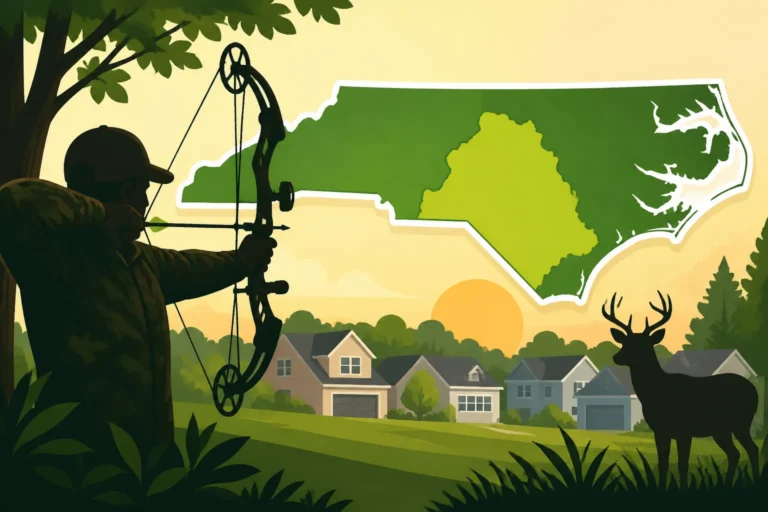
Here's where many hunters get tripped up: during a dedicated archery-only season, blaze orange or pink is generally not required. This means if you're out Bowhunting North Carolina's Statewide Archery Season before any gun seasons kick off, you can typically wear camouflage head-to-toe without issue. The logic is that bowhunting, by its nature, involves much shorter shot distances and a more solitary, stealthy approach, reducing the risk of being mistaken for game by another archer.
However, there's a significant caveat, and it's a critical one: if your archery season overlaps with any open gun season for deer, bear, or feral hogs in the same area, then you are required to wear the blaze orange or pink. This often happens later in the year. For instance, after the North Carolina Archery Season Opening Day, depending on your zone, other seasons like muzzleloader or gun deer might open up while archery is still allowed. In these concurrent seasons, even though you're carrying a bow, you still need to be highly visible to gun hunters in the area. Many experienced bowhunters, even when not strictly required, choose to wear some blaze orange anyway, especially on crowded public lands, just for that extra layer of safety. Better safe than sorry when you’re out there.
Small Game, Waterfowl, and Predator Hunting Guidelines
For most small game, waterfowl, and predator hunting, blaze orange or pink is typically not required, provided there isn't a concurrent big game gun season open. Think about squirrel hunting in the deep woods or setting up for coyotes in a field – these activities usually don't carry the same heightened risk of mistaken identity as deer hunting with firearms. If you're out Squirrel and Small Game Hunting in North Carolina or engaged in Predator Hunting in North Carolina, and there's no deer or bear gun season open, you're likely fine without it.
However, like with archery, common sense and safety should always prevail. If you're squirrel hunting in a woodlot that also sees a lot of deer hunters, and it's gun season for deer, you should absolutely wear your blaze orange. While the regulations might not explicitly demand it for squirrel hunting in that scenario, they do demand it for anyone present during a big game gun season. This is why it’s always wise to check the current regulations for all overlapping seasons and err on the side of caution. Even when pursuing waterfowl or doves, while the primary focus is on the birds, being aware of other hunting activities in the general vicinity is crucial for safety.
Private Versus Public Land Nuances
The general blaze orange/pink requirements apply universally across North Carolina, whether you're hunting on vast expanses of public land or a small private tract. The idea is that safety standards should not diminish based on land ownership. So, whether you're navigating the deep forests of a Game Land, which often require a North Carolina Game Lands License Requirements to access, or walking your own family property, the 400 square inches and headwear rule holds true during big game gun seasons.
There might be very specific, limited exemptions for landowners hunting exclusively on their own property, but these are rare and often misunderstood. The safest and most compliant approach is to always assume the standard rules apply. Boundary lines can be blurry, and sound travels, meaning you’re often in proximity to other hunters, even if you don't see them. If you’re hunting near a property line, being highly visible is even more critical to avoid any misunderstandings or unsafe situations with neighbors. I often use mapping applications, sometimes even checking the GoHunt app's land ownership overlays, to be absolutely certain of boundaries and potential hunting pressure in adjacent areas, ensuring I’m visible no matter whose land I'm near.
The Blaze Pink Option and Choosing Your Visibility Color
In an effort to be more inclusive and offer options, North Carolina, like several other states, has expanded its definition of high-visibility clothing to include blaze pink. This addition acknowledges that hunter safety isn't tied to a single color, but rather to the overall principle of being seen.
New Regulations for Blaze Pink
North Carolina officially recognized blaze pink as an acceptable alternative to blaze orange. This means that if the regulations call for 400 square inches of blaze orange, you can fulfill that requirement with 400 square inches of solid fluorescent pink instead. The intent behind this change, as with many states adopting it, was to potentially attract more female hunters and provide them with another gear option. It’s a great example of how wildlife agencies are looking to make hunting more accessible and welcoming while maintaining crucial safety standards.
The rules for blaze pink are identical to those for blaze orange: the same 400 square inches, visible from all 360 degrees, and the same headwear requirement. So, if you're looking for Blaze Pink Options Under North Carolina Law, rest assured that functionally, it's treated exactly the same as its orange counterpart in the eyes of the law. It’s not a lesser alternative; it’s an equal one, providing the same level of visibility in the field.
Choosing Between Orange and Pink
When it comes to deciding between blaze orange and blaze pink, it largely comes down to personal preference. Scientifically, both colors are highly visible to the human eye, standing out starkly against natural greens, browns, and grays of the forest. Deer, with their dichromatic vision, perceive both colors as shades of gray, so your choice won’t give you away to game any more or less than the other. The most important factor is simply wearing one of them when required.
Some hunters might have a strong preference for the traditional blaze orange, perhaps out of habit or a sense of tradition. Others might embrace the blaze pink, appreciating the modern option. What truly matters is that the chosen color is solid, bright, and meets the minimum square inch and 360-degree visibility requirements. I’ve seen hunters of all ages and genders rocking both colors successfully and safely in the field. It’s about being seen by other people, not necessarily making a fashion statement, though it’s nice to have choices!
Staying Safe and Compliant in the Field
Beyond just knowing the rules, truly embracing the spirit of hunter safety means understanding why these regulations exist and integrating them into every hunt. It's about responsibility, both to yourself and to every other person who shares the woods.
The Uncompromisable Importance of 360-Degree Visibility
Let’s circle back to the 400 square inches and the 360-degree visibility. This isn't just a suggestion; it's a non-negotiable part of the regulation during mandatory seasons. It’s not enough to have a small orange patch on your backpack or a camouflage vest with some orange accents. Those patterns, while perhaps having some orange, do not provide the solid, unmistakable block of color necessary for rapid identification by another hunter. You need an actual blaze orange or pink garment that covers a significant portion of your torso, like a vest or jacket, combined with a hat.
Think about the dynamic nature of hunting: people move, game moves, and your position relative to others can change rapidly. If you’re walking through a thicket, that solid block of color needs to be visible whether someone is looking at your front, back, or sides. An ethical hunter understands that this isn't about hindering their hunt, but about actively participating in a culture of safety. It's a fundamental aspect of how we prevent tragic accidents, especially on public lands where you might encounter many other hunters.
Legal Consequences and Hunter Safety's Ultimate Goal
Failing to comply with North Carolina's blaze orange or pink requirements can lead to a citation and a fine, which is an unpleasant experience for anyone. Game wardens are out there to ensure safety and compliance, and they take these regulations seriously for a very good reason. However, the legal penalties, while inconvenient, pale in comparison to the potential consequences of a hunting accident.
The ultimate goal of blaze orange/pink is to prevent accidental shootings. It drastically reduces the chance of another hunter mistaking you for game or failing to see you in their line of fire. Hunter education courses in North Carolina, which are mandatory for many new hunters (and covered in guides like North Carolina Hunter Education Requirements), emphasize "positive identification of your target and what is beyond it." Blaze orange or pink is a critical tool in helping other hunters achieve that positive identification. Always remember: if you don’t know what it is, don’t shoot. And if you’re wearing your visibility gear, you’re helping other hunters make that critical identification, too. Beyond just wearing the colors, always consider other aspects of safety, such as clearly communicating during a Deer Drives With Three or Four Hunters, or knowing when and how to report suspicious activity using resources like Reporting a Poacher in North Carolina. Your vigilance in following these rules is not just for your safety, but for the safety of everyone enjoying North Carolina's rich hunting heritage.
| Hunting Activity Type | Blaze Orange/Pink Required? | Minimum Area (Sq Inches) | Headwear Required? | Notes |
|---|---|---|---|---|
| Deer, Bear, Feral Hog (Gun Season) | Yes | 400 | Yes | Must be visible from 360 degrees. Applies to all firearms. |
| Deer, Bear, Feral Hog (Muzzleloader) | Yes | 400 | Yes | Must be visible from 360 degrees. |
| Archery-Only Season | No | N/A | No | Recommended if other hunting seasons (especially gun) are open. |
| Archery during Overlapping Gun Season | Yes | 400 | Yes | Even if you are bowhunting, if gun season is open, wear it. |
| Small Game (e.g., Squirrel, Rabbit) | No | N/A | No | Recommended if big game gun seasons are concurrently open. |
| Waterfowl/Dove/Predator | No | N/A | No | Recommended if big game gun seasons are concurrently open. |
Disclaimer
The information provided in this guide is for general informational purposes only and does not constitute legal advice. Hunting regulations in North Carolina can change, and it is the hunter's responsibility to review and comply with all current rules and statutes published by the North Carolina Wildlife Resources Commission (NCWRC) before engaging in any hunting activities. Always consult the official NCWRC regulations digest or website for the most accurate and up-to-date information.