Central Zone Gun Season Dates
Trying to keep track of North Carolina's deer hunting seasons can feel like deciphering a secret code, especially with the state's unique zone structure. You're trying to plan your hunts, maybe request time off work, or just figure out when you can finally get into the woods with your rifle, only to be met with a calendar that seems to shift depending on where you stand. This guide is going to walk you through everything you need to know about the gun deer season dates specifically for North Carolina's Central Zone, helping you nail down your plans and maximize your time afield.
North Carolina's Distinct Deer Hunting Zones
North Carolina is a massive state, stretching from the highest peaks of the Appalachians to the low-lying coastal plains, and the diversity in habitat and deer populations demands a thoughtful approach to hunting regulations. That's why the state isn't just one big hunting season; it's split into specific zones, each with its own rhythm and rules. This setup can be a real head-scratcher if you're new to the state or used to more uniform regulations elsewhere. The purpose behind this division is to better manage deer herds based on local conditions, population densities, and even the timing of the rut in different regions. It ensures that hunting pressure is distributed appropriately and that harvest goals are met without overtaxing any particular area.
The Layout of North Carolina's Zones
When you look at a map of North Carolina's deer zones, you'll immediately notice three primary divisions: the Eastern, Central, and Western zones. The Eastern Zone covers the vast expanse of the Coastal Plain, characterized by flat terrain, pocosin swamps, and agricultural fields. This area often has earlier seasons due to a more southerly deer population and habitat types that can support higher densities. Then there's the Western Zone, which encompasses the rugged, mountainous regions, including places like the Pisgah National Forest and Nantahala National Forest. Deer here tend to have different habits, and the seasons reflect the later rut and often lower deer densities.
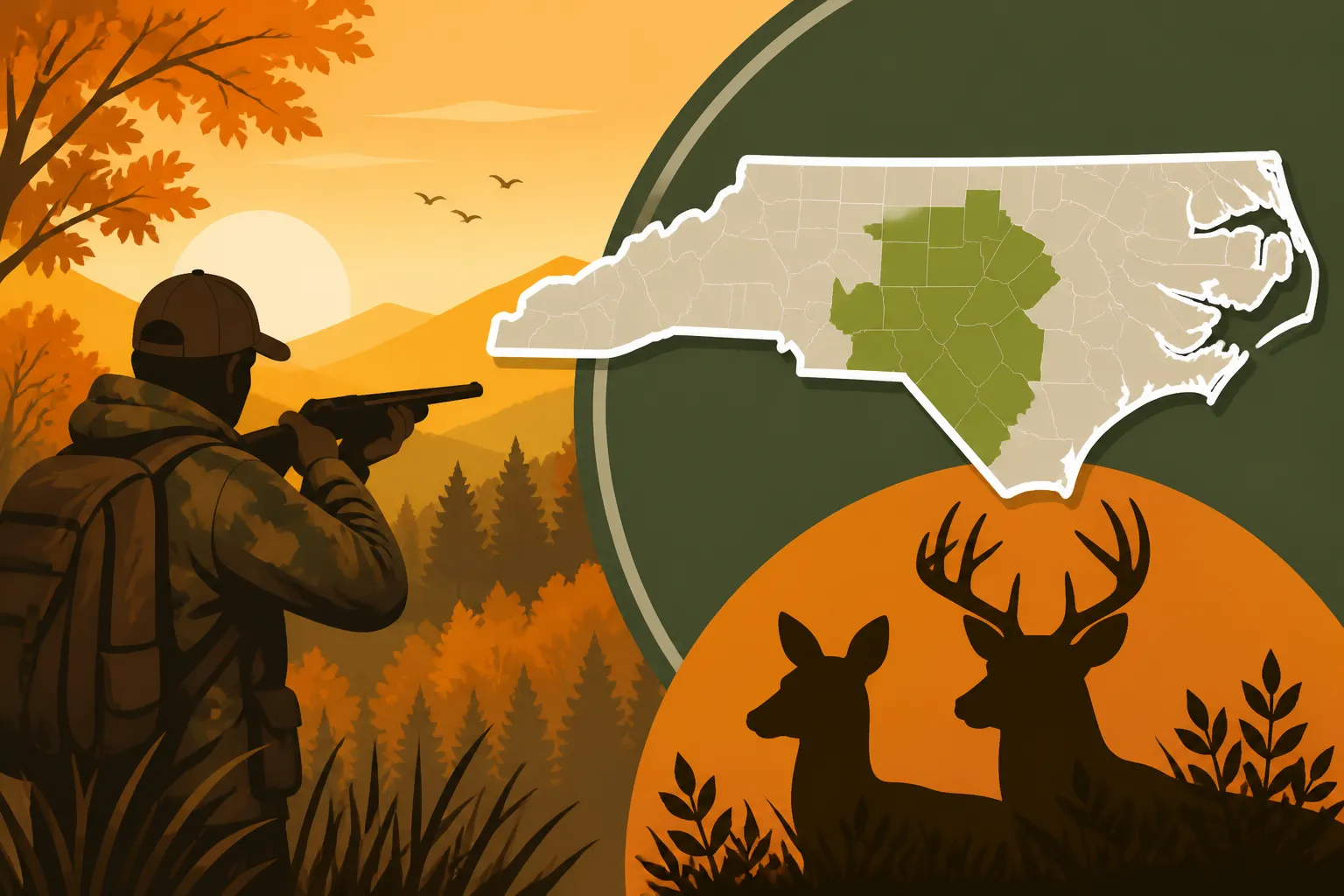
Sandwiched right in the middle, creating a broad vertical band down the state, is the Central Zone. This region is a true melting pot, encompassing much of the Piedmont, with its rolling hills, mixed hardwood and pine forests, and significant agricultural influence. It includes major population centers like Raleigh, Durham, and Charlotte, but still offers vast opportunities for hunters willing to put in the work. Understanding which zone your chosen hunting spot falls into is the absolute first step in planning your season. Many counties are entirely within one zone, but a few, particularly along the boundaries, might have portions in two different zones, adding another layer of complexity to your planning. Knowing these divisions is crucial, as the wrong date could lead to a wildlife violation.
Why the Dates Vary So Much
The variation in season dates across North Carolina's gun zones isn't arbitrary; it's a carefully calculated decision by wildlife biologists and managers. One of the biggest drivers is the timing of the deer rut. In the warmer, more southerly Eastern Zone, the rut tends to kick off earlier in the fall, so the gun season opens accordingly to align with this period of increased deer activity. As you move westward into the cooler, higher elevations of the mountains, the rut often occurs later, pushing the season openings back. The Central Zone often falls somewhere in between, with a rut that might be slightly later than the coast but earlier than the high mountains. You can learn more about how this plays out in specific regions by looking into Hunting the North Carolina Rut by Zone.
Another significant factor is habitat type and deer density. Areas with abundant food sources and mild winters can often sustain higher deer populations, allowing for longer or earlier seasons. Conversely, areas with tougher winter conditions or less productive habitat might see more conservative season structures. Agricultural impact also plays a role; in areas with extensive farming, deer can cause significant crop damage, which can influence hunting opportunities and season lengths to help manage deer numbers. These biological and ecological realities, coupled with human population density and hunter access, all combine to create the unique calendar hunters face.
Central Zone Specifics: Key Dates and Regulations
Alright, let's get down to brass tacks: when can you actually hunt deer with a gun in North Carolina's Central Zone? This is where many hunters, especially those crossing into the zone from other areas or just starting out, often get tripped up. The Central Zone offers a generous period for gun hunters, reflecting the robust deer population in much of the Piedmont and the balance between hunter opportunity and deer management. It's not just about the opening day, though; understanding the progression of the season, including when different weapons are allowed, is key to a successful and legal hunt.
When the Gun Season Kicks Off in the Central Zone
Historically, the gun deer season in North Carolina's Central Zone usually opens in mid-November. While precise dates can shift slightly year to year based on how the calendar falls, it typically starts on a Saturday, giving hunters a full weekend to kick things off. For many, this opening weekend is almost a holiday, a chance to gather with friends and family, share stories, and finally get back to the tradition of deer camp. It often coincides with a period where deer are still very active, whether they're chasing does or just moving more predictably in search of food before the harshest cold sets in.
This mid-November start often means hunters are catching the tail end of the peak rut or a strong secondary rut phase in many parts of the Central Zone. This can make for some exciting hunting, as bucks are still relatively vulnerable and focused on breeding activity. Early cold fronts around this time can really get deer on their feet, making for fantastic opportunities for those who are out there. Just be sure to double-check the exact dates each year with the North Carolina Wildlife Resources Commission (NCWRC) regulations, as they are the final word, but generally, think the second or third Saturday of November.
Mid-Season Nuances and Tactics
Once the initial excitement of opening weekend wears off, the Central Zone gun season settles into a steady rhythm through late November and much of December. During this mid-season period, deer behavior often shifts. The primary rut has usually wound down, and bucks are recovering, focusing heavily on feeding to replenish energy reserves lost during the breeding frenzy. This means hunters often need to adjust their tactics, shifting away from rut-centric strategies like rattling and grunting to focusing more on food sources and bedding areas.
For example, finding acorn flats that are still dropping, recently cut cornfields, or green winter food plots can be incredibly productive. Deer will be looking for high-energy forage to bulk up for the winter ahead. Hunters might also find success still-hunting through thick cover or setting up stands on travel corridors between feeding and bedding areas. This is also a time when hunter pressure can spread out a bit, offering a more peaceful experience in the woods compared to the busy opening days. It's a great time for those who prefer a quieter hunt and are willing to adapt their approach to the deer's changing patterns.
Closing Dates and Late Season Opportunities
The gun season in the Central Zone typically runs well into January, often closing on New Year's Day or the first Saturday following it, depending on the calendar. This late-season window provides some truly unique opportunities that are often overlooked by hunters who pack it in after Christmas. By this point, deer have been pressured for months, and food sources can be scarce, leading to predictable patterns that clever hunters can exploit. You can find more specific advice on Hunting Into the January First Close.
Temperatures are usually colder, and deer need to consume more calories to stay warm, making consistent food sources absolute magnets. Standing crops, especially soybeans or corn left unharvested, can be goldmines. Regenerating clear-cuts, thick cedar thickets, or deep swamp edges also become critical thermal cover that deer will utilize heavily. Snow or ice, while not guaranteed, can also significantly improve visibility and tracking opportunities if it occurs. The late season can be tough, requiring patience and resilience, but for those who stick with it, the rewards can be substantial, often yielding a mature buck that has successfully evaded hunters for months. It's a fantastic time to see how deer truly survive and adapt.
Here's a quick look at how the Central Zone gun season typically stacks up against the other zones in North Carolina. Keep in mind these are general windows; always confirm with the latest NCWRC regulations.
| Zone | Archery Season (General) | Muzzleloader Season (General) | Gun Season (General) | Key Characteristics |
|---|---|---|---|---|
| Eastern | Early September – Late October | Late October – Early November | Mid-October – January 1 | Earliest rut, highest deer density in some areas. |
| Central | Mid-September – Early November | Mid-November – Late November | Mid-November – January 1 | Mid-range rut, diverse habitat, good buck potential. |
| Western | Early September – Early November | Late November – Early December | Mid-November – December 10 | Latest rut, lower deer density, rugged terrain. |
Note: Specific dates for gun season in the Central Zone typically run from the second or third Saturday in November through January 1st or the first Saturday after. Always check the current NCWRC regulations for precise dates.
Decoding the Central Zone's Hunting Calendar
Beyond just knowing the opening and closing dates, really understanding the Central Zone's hunting calendar means grasping how various seasons overlap, when the deer are most active, and how to adapt your approach to public versus private land. It's not just about a single gun season; it's about a complete picture of opportunities and challenges that change throughout the fall and winter. This comprehensive view helps you plan smarter, hunt more effectively, and ultimately enjoy your time in the woods more.
Overlapping Seasons and Archery Opportunities
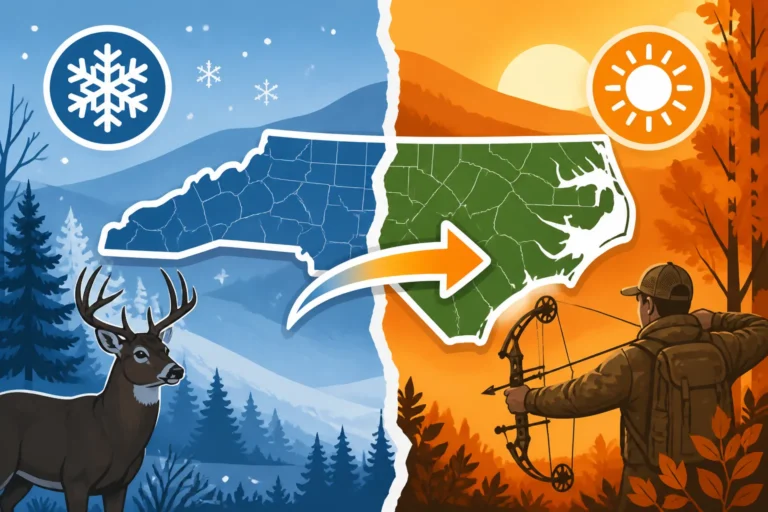
One of the great things about hunting in North Carolina is the generous overlap of different weapon seasons, particularly in the Central Zone. While the gun season might be your primary focus, remember that archery season typically kicks off much earlier, often in mid-September, and runs concurrently with muzzleloader season, eventually leading into the gun season. This means that for a period in early to mid-November, you might have the option of hunting with a bow, muzzleloader, or a rifle, depending on the specific dates and your preference. This flexibility allows hunters to pursue deer with their weapon of choice during prime activity periods.
For many, starting with archery season in September and October is a fantastic way to get a feel for deer movement before the rifle season even begins. It's a quieter time in the woods, and you can really dial in on patterns. Then, as gun season opens, you might find that your earlier scouting efforts pay off. Even during gun season, some hunters still prefer to stick with their bow in certain scenarios, especially in thick cover or smaller tracts of land where shot distances are short. Don't forget that Crossbow Rules During North Carolina Archery Season also allow another option for bowhunters. Keeping an eye on these overlapping dates with a tool like GoHunt can help you plan diversified hunts throughout the fall.
The Rut in the Central Zone and How it Aligns with Gun Season
The timing of the rut is perhaps the most critical factor for many deer hunters, and the Central Zone often delivers some fantastic rut action during its gun season. While the peak of the rut can vary from year to year and even county to county within the zone, it generally falls in late October to mid-November. This means that when the gun season opens in mid-November, hunters are often hitting the tail end of the primary breeding phase or the beginning of the secondary rut. During these periods, bucks are actively seeking does, often moving more during daylight hours than at any other time of the year.
What this translates to for hunters is increased daytime deer activity. Bucks might be cruising through timber, checking scrapes, or trailing does, making them more visible and vulnerable. Knowing this, savvy hunters will focus their efforts on travel corridors, pinch points, and areas with good visibility where they can intercept a moving buck. Listening for deer activity, like chasing or grunting, becomes paramount. While the absolute peak breeding might have passed, the energy expended by bucks during the rut means they are still very much on the move and in search of does that might not have been bred during the first wave. Understanding the nuances of Hunting the Rut in the Eastern Zones and Hunting the Rut in the Western Zone can help put the Central Zone's rut timing into perspective.
Special Considerations for Public vs. Private Land
Hunting in North Carolina, especially in the Central Zone, often means navigating a mix of public and private land. The season dates are generally the same across both, but the hunting experience and specific rules can differ significantly. On public lands, such as game lands managed by the NCWRC, you'll encounter different regulations regarding vehicle access, treestand placement, and even required sign-in procedures. These areas are open to everyone with the proper licenses, but they can also see higher hunting pressure, especially on opening weekend or near easy access points. Using a mapping application from a provider like GoHunt can be invaluable for identifying public land boundaries and access points.
Private land, on the other hand, offers more control and potentially less pressure, but it comes with the fundamental requirement of obtaining permission from the landowner. If you're fortunate enough to have access to private land, your strategies might be different. You might be able to implement food plots, control access, or hunt areas that see minimal disturbance. However, even on private land, you still must adhere to all state hunting regulations, including season dates, bag limits, and reporting requirements. Whether you're hunting a small private tract near Raleigh or traversing one of the larger game lands in the Piedmont, always be aware of your location and the specific rules that apply.
Gear and Strategy for Central Zone Gun Hunters
Stepping into the Central Zone for gun deer season requires more than just knowing the dates; it demands the right gear and a solid strategy tailored to the diverse terrain and deer behavior of the region. From the dense pine thickets to the open agricultural fields, and the rolling hardwood ridges, the Central Zone presents a variety of hunting scenarios. Having your equipment dialed in and your tactics adaptable will significantly increase your chances of success.
Recommended Rifle Calibers and Optics
When it comes to rifle calibers for North Carolina's Central Zone, versatility is key. While you might encounter some longer shots across fields, many engagements will be in denser timber or along wooded edges, where distances are more moderate. Popular choices like the .270, .30-06, and .308 Winchester are perennial favorites, offering a great balance of power, trajectory, and readily available ammunition. They are more than capable of cleanly taking down the robust whitetails found in the Piedmont. However, don't overlook calibers like the 6.5 Creedmoor, which has gained immense popularity for its flat trajectory and mild recoil, making it an excellent choice for varied terrain. For closer-range hunting in thick cover, the venerable .30-30 lever action still has a loyal following. It's ultimately about choosing a caliber you shoot well and trust. Learn more about Best Rifle Caliber for North Carolina Deer to refine your choice.
As for optics, a good quality rifle scope with a variable magnification from 3-9x or 4-12x is perfectly suited for most Central Zone hunting. You'll want something that performs well in low light conditions, as prime deer movement often occurs at dawn and dusk. Look for scopes with clear glass, a reliable zero, and a simple, uncluttered reticle. A rangefinder is also an invaluable tool, especially when hunting across fields or in unfamiliar terrain, to accurately gauge distances and make ethical shots. For those who hunt areas with more open visibility, a pair of 8×42 or 10×42 binoculars will help you scan distant field edges or dense timber for deer movement, giving you an edge in spotting game before it spots you.
Effective Hunting Methods for Central Zone Terrain
The Central Zone's varied landscape lends itself to several effective hunting methods. Stand hunting from a treestand or ground blind is perhaps the most common approach. Treestands offer an elevated vantage point, improving visibility and helping to keep your scent above a deer's nose. They're particularly effective along field edges, pinch points, or near known food sources. Setting Up on a Piedmont Field Edge is a classic example of this strategy. Ground blinds, especially brushed-in pop-up blinds, are excellent for hunters who prefer to stay on the ground, offering concealment and comfort, particularly in areas where suitable trees for stands are scarce.
Still-hunting, or slowly moving through the woods, can also be very productive, especially during mid-day when deer might be bedded down. This method requires stealth, patience, and a keen eye for deer sign. Focusing on wind direction and thermal currents, particularly on rolling terrain, is crucial. Another tactic, often employed on public lands or larger private tracts, is deer drives. While they require multiple hunters, organized drives can push deer out of thick cover towards waiting standers. Regardless of the method, scouting before the season, identifying deer travel routes, bedding areas, and food sources, is paramount. Utilizing mapping tools, even free versions, and scouting before the season, can give you a significant advantage.
Staying Prepared for Weather and Regulations
North Carolina's weather during the gun season can be notoriously unpredictable. One day it might be a mild 60 degrees, and the next, a cold front could drop temperatures into the 20s with a biting wind or even freezing rain. Dressing in layers is absolutely essential. Start with a moisture-wicking base layer, add insulating layers like fleece or wool, and top it off with a waterproof and windproof outer shell. Don't forget insulated, waterproof boots, warm gloves or mittens, and a good hat. Being comfortable in varying conditions will allow you to stay on stand longer and remain more focused.
Beyond weather, staying current with regulations is non-negotiable. The NCWRC updates its regulations annually, and while core season dates often remain consistent, subtle changes in bag limits, weapon restrictions, or specific game lands rules can occur. Always carry your current hunting license and Big Game Privilege license, and be sure to understand North Carolina's Blaze Orange Requirements. Even if you don't plan to use an application like GoHunt, having a physical copy of the current regulations digest or accessing the NCWRC website on your phone is critical. Compliance ensures a safe, ethical, and legal hunt for everyone.
Navigating Licenses, Tags, and Reporting
Getting your gun and strategy ready is only half the battle. To legally hunt during the Central Zone gun season, you need to ensure all your administrative ducks are in a row. This means understanding which licenses are required, how to properly tag and report your deer, and being aware of any specific health-related regulations that might impact your hunt. Neglecting these details can quickly turn a successful hunt into a frustrating, and potentially costly, encounter with wildlife enforcement.
Essential Licenses and Big Game Privileges
Before you even step foot in the woods with a firearm, you'll need the correct North Carolina hunting licenses. For residents, a basic hunting license is usually the starting point, but to hunt deer and other big game, you'll also need to purchase a "Big Game Privilege" license. Nonresidents have their own set of options, often including annual or short-term licenses coupled with the Big Game Privilege. If you plan to hunt on any of North Carolina's extensive game lands, you'll also need a separate "Game Lands License."
It’s often easiest to purchase these online through the NCWRC website, by phone, or at a licensed agent. Double-check that all your licenses are current and valid for the entire duration of your planned hunting trips. It's not uncommon for hunters to overlook a small detail, like an expiring Big Game Privilege, only to find themselves in a predicament. Make sure you understand North Carolina Hunting Licenses and What They Cost and North Carolina Big Game Privilege Requirements to ensure you're fully legal before heading out.
Reporting Your Harvest in the Central Zone
One of the most important responsibilities of any deer hunter in North Carolina is properly reporting your harvest. This isn't just a suggestion; it's a mandatory requirement for all big game animals, including deer. The NCWRC uses this data to monitor deer populations, assess management strategies, and ensure sustainable hunting opportunities for the future. Failing to report a harvested deer is a violation and can carry penalties.
The good news is that reporting a deer is incredibly easy thanks to modern technology. You can do it online through the NCWRC website, via their mobile app (which is very user-friendly and can even work offline in some cases), or by calling a toll-free number. You'll need information like the date of kill, county of kill, weapon used, sex of the deer, and whether it was antlered or antlerless. Make sure you report your harvest before midnight on the day you kill the deer. This process helps biologists keep track of deer numbers across the state, including the Central Zone, and ensures the continued health of the herd. Learn more about North Carolina Deer Reporting Requirements.
Understanding CWD Implications in Neighboring Areas
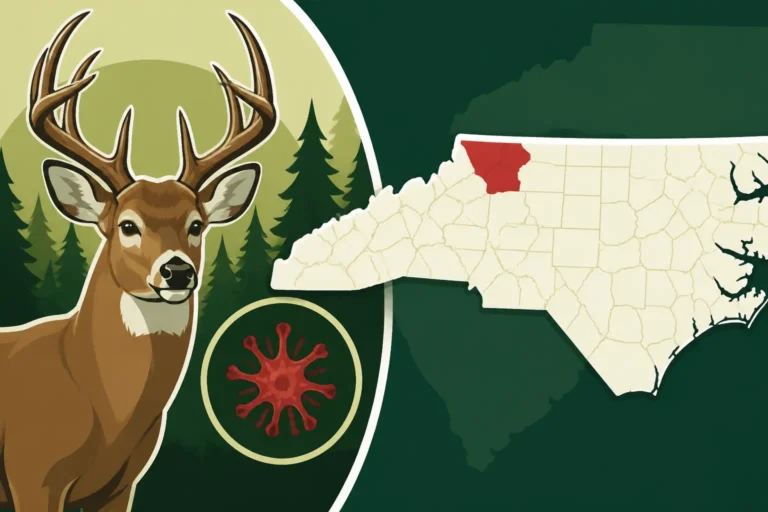
Chronic Wasting Disease (CWD) is a serious concern for deer populations nationwide, and North Carolina has unfortunately detected cases in some parts of the state. While the Central Zone itself may not be entirely within a designated CWD management area, it's crucial to be aware of the counties that are, especially if you hunt near their borders or plan to transport deer through them. Currently, several counties in the Yadkin Valley region, which borders parts of the Central Zone, are designated as CWD management areas.
Hunters in or near these areas might face specific regulations, such as mandatory testing for deer harvested within surveillance zones, or restrictions on the movement of certain deer parts out of these counties. These measures are designed to help contain the spread of the disease. Always check the latest NCWRC CWD updates before you hunt, especially if you're in a border county or planning a trip to a known CWD area. Being informed helps protect North Carolina's deer herd for generations to come. Understanding North Carolina's Chronic Wasting Disease Areas and North Carolina Carcass Movement Restrictions is vital for all hunters.
Disclaimer
The information provided in this guide is for general informational purposes only and is subject to change. Hunting regulations and season dates are determined by the North Carolina Wildlife Resources Commission (NCWRC) and can be updated annually. It is the responsibility of every hunter to consult the most current NCWRC hunting regulations digest before engaging in any hunting activity. Failure to comply with all state and federal regulations may result in penalties.