North Carolina Deer Tag Transfer Rules
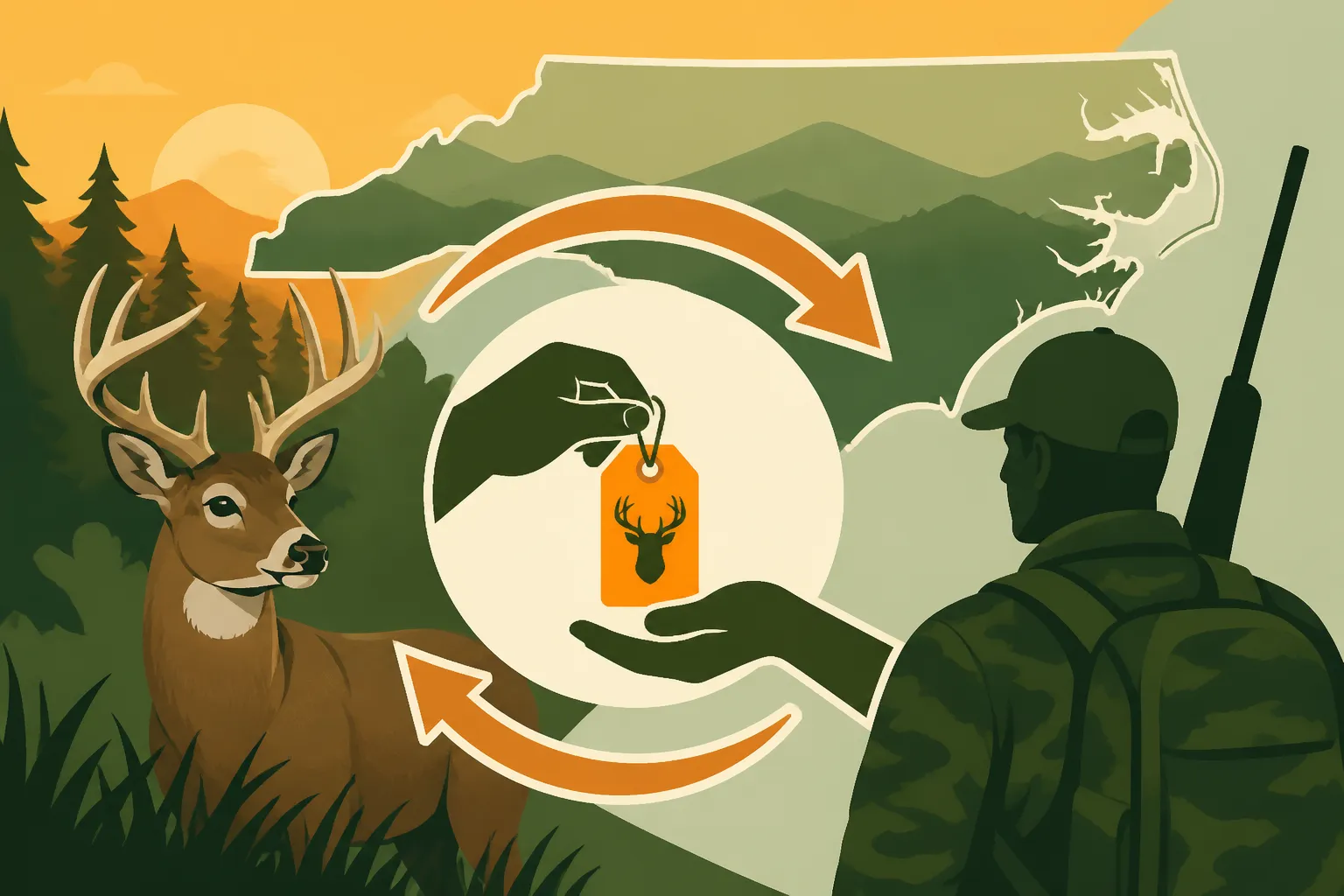
It’s a scenario many North Carolina hunters have either experienced or thought about: you’re out in the stand with a buddy, or maybe hunting with your kids, and someone fills their deer tag early. Or perhaps, you’re nearing the end of the season, and you still have an unfilled antlerless tag but a friend is desperate for one more deer for the freezer. The thought naturally arises, "Can I just give them my tag?" While the impulse to help a fellow hunter or make sure a tag doesn't go to waste is understandable, North Carolina's deer tag transfer rules are quite clear: tags are strictly personal and non-transferable. This guide will walk you through the intricacies of the state's tagging regulations, explaining why transfers are prohibited, what the legal realities are, and how to properly manage your harvest to stay within the law.
Understanding North Carolina's Deer Tag System
Hunting deer in North Carolina comes with a set of rules and responsibilities designed to manage our healthy deer population effectively. At the heart of this system are the deer tags, which are issued to individual hunters as part of their hunting license package. It’s critical to grasp that these aren't just generic pieces of paper; they are tied directly to you as the licensed hunter.
The Personal Nature of North Carolina Deer Tags
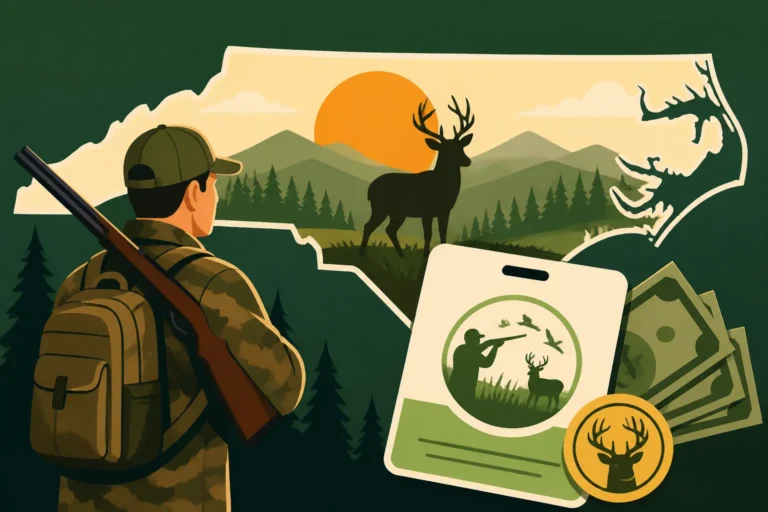
When you purchase your hunting license in North Carolina, whether it's an annual license or a lifetime option, you're also acquiring the privileges to harvest certain game, including deer. With that privilege comes your specific set of deer tags. These tags are inherently personal, meaning they are issued to and intended for use by the individual whose name appears on the hunting license. They are not like a spare key you can hand off to someone else.
Imagine you've successfully harvested a beautiful buck in the Piedmont. You're beaming, and rightly so! Your specific license, with your name and unique hunter ID, is what allows you to possess that animal legally, provided you follow the proper tagging and reporting steps. The deer tag itself, which you print or display digitally, serves as direct proof that you, the licensed hunter, are responsible for that harvest. This individual accountability is a cornerstone of wildlife management. It helps the North Carolina Wildlife Resources Commission (NCWRC) track harvest data accurately, which is essential for making informed decisions about population health, season structures, and bag limits. If you're curious about the specifics of what your license covers, it's always a good idea to review the comprehensive guide on North Carolina Hunting Licenses and What They Cost.
Digital Versus Physical Tagging and Reporting
North Carolina has largely transitioned to a modern, digital system for tagging and reporting deer, which further reinforces the personal nature of these tags. Gone are the days of solely physical paper tags that could theoretically be passed around. While you can still print out your tags, the primary method now involves using the NC Wildlife App or the online reporting portal.
Let's say you've just taken down a doe on opening day in one of the Eastern Zones. The moment that deer is down, your immediate responsibility is to tag it. This means pulling out your phone, opening the NC Wildlife App, and electronically tagging your deer. You’ll select the type of deer (buck or doe), the county, and the date and time of harvest. The app then generates a confirmation number. This digital process ensures that each harvest is directly linked to your personal license and your hunting record. There's no physical tag that can be swapped or given to another hunter to use for their deer. The system is designed to prevent this kind of transfer by instantly associating a kill with a specific hunter's account. This method not only simplifies the process for hunters but also provides wildlife biologists with real-time, accurate harvest data, crucial for understanding North Carolina Deer Population Estimate and trends.
Why Deer Tag Transfers Are Not Permitted
The strict non-transferability of deer tags isn't just about making things complicated; it's a fundamental aspect of effective wildlife management and law enforcement. Allowing tags to be transferred would create significant loopholes that could jeopardize both the deer population and the integrity of the hunting system.
Upholding Bag Limits and Management Objectives
North Carolina's deer season structure, including the specific North Carolina Deer Bag Limit Rules for each zone, is carefully crafted based on scientific data, population assessments, and management goals. These bag limits—which specify how many antlered and antlerless deer you can harvest—are designed to maintain a healthy and sustainable deer population across the state. If hunters could transfer their unused tags, these carefully established limits would quickly become meaningless.
Imagine a scenario where one hunter, who has already filled their individual bag limit of two antlered bucks, could simply ask a friend with an unused tag to "transfer" it to them. Suddenly, that hunter effectively has an unlimited number of tags, completely bypassing the regulations. This would lead to overharvesting in some areas, potentially depleting local deer populations, impacting herd health, and unbalancing the buck-to-doe ratio. The NCWRC relies heavily on accurate harvest data, which is reported by individual hunters, to monitor population trends and make informed decisions for future seasons. Any circumvention of the personal tag system undermines these vital conservation efforts. The rules around North Carolina Deer Season Structure Explained are intricate for a reason, and respecting them is key to sustainable hunting.
Preventing Illegal Activity and Poaching
The non-transferability of deer tags is a critical deterrent against illegal activity and poaching. Without this rule, it would be incredibly easy for individuals to harvest deer beyond their legal limits, or for unlicensed individuals to hunt, and then simply claim a "transferred" tag from a legal hunter. This opens the door to a host of illicit practices.
Consider a poacher who kills a deer out of season or without a license. If they could simply obtain a valid, unused tag from a willing friend, their illegal act would be much harder to detect and prosecute. The current system ensures that every harvested deer is accounted for by a specific, licensed hunter. When a Wildlife Enforcement Officer checks a hunter in the field, they expect to see that the hunter's license and the harvested deer's tag (or digital confirmation) match up to that individual. Any discrepancy immediately raises a red flag, indicating a potential violation. This strict approach is a powerful tool in the fight against poaching, helping to protect North Carolina's wildlife resources for everyone. It helps maintain the integrity of our hunting traditions and ensures fair chase for all.
Common Misconceptions and Legal Realities
Even with clear rules, misconceptions about deer tag transfers persist, often rooted in good intentions or misunderstandings of the law. It’s vital to distinguish between what feels right and what is legally permissible to avoid unintended consequences.
The Myth of "Donating" a Tag
One common misconception is the idea of "donating" an unused tag to another hunter. Perhaps you've filled your bag limit early, or you've decided not to hunt anymore that season, and you have an extra antlerless tag. You might think, "Why let it go to waste when my buddy could really use it?" This line of thinking, while seemingly altruistic, is where hunters can inadvertently step outside legal bounds. You cannot "donate" or transfer your actual deer tag to another person, whether it’s a physical printout or the digital privilege.
What you can do, however, is donate the meat from a legally harvested deer. If you harvest a deer and realize you have more venison than your freezer can hold, North Carolina has excellent programs that facilitate donating venison to those in need. Organizations like Hunters for the Hungry work with local processors to accept donated deer, ensuring the meat goes to food banks and charities. This is a fantastic way to give back to the community and ensure that the resource doesn't go to waste, without ever compromising the integrity of the tagging system. For more on this, you might look into Donating Venison in North Carolina. Remember, the tag belongs to you, and the harvest must be your own.
A common scenario might involve a parent taking their child hunting. The parent has a tag, the child has a tag (if they are licensed), or they are covered under North Carolina Mentored Youth Hunting Rules where the mentor's license covers the youth. If the child harvests a deer, it must be tagged under their license or the mentor's, according to the specific rules for youth hunting. You cannot "give" your tag to your child to use if they've already filled theirs, or if you're trying to circumvent age restrictions. The GoHunt app, or similar tools, makes it easy to manage and track individual harvests, helping ensure each deer is properly reported under the correct hunter's ID.
Consequences of Illegally Transferring or Using Another's Tag
Attempting to transfer a deer tag, or using a tag that isn't yours, carries serious legal ramifications in North Carolina. These aren't minor infractions; they are violations of wildlife laws that can lead to significant penalties, far outweighing any perceived benefit of bending the rules. The NCWRC takes these violations seriously because they directly threaten conservation efforts and fair hunting practices.
Penalties for illegal tag transfers or improper tagging can include substantial fines, forfeiture of hunting equipment (such as firearms or bows), and, most critically for hunters, the suspension or permanent revocation of your hunting license. Imagine losing your privilege to hunt for a year, five years, or even permanently, all because you tried to transfer a tag. These penalties can also vary depending on the severity of the offense and whether it's a first-time violation or a repeat offense. Law enforcement officers, often equipped with knowledge of the Scouting With the NC Wildlife App and other digital tools, are vigilant in checking licenses and harvests. If they find a deer with a tag that doesn't belong to the hunter in possession, or if they discover an unreported deer where a "transferred" tag was implicitly used, you could face charges. It’s simply not worth the risk. Always prioritize legal and ethical hunting practices to avoid severe North Carolina Wildlife Violation Penalties.
Proper Handling of Deer After a Harvest
Understanding what you can't do with deer tags makes it even more important to be clear on what you must do. Proper post-harvest procedures are non-negotiable and ensure that you remain compliant with North Carolina wildlife laws.
Tagging and Reporting Your Own Harvest
Once you've successfully harvested a deer, your responsibilities don't end there—they've just begun. The first and most crucial step is to legally tag and report your harvest. North Carolina law requires hunters to immediately validate their deer tag after harvesting an animal, and then report it within a specified timeframe.
The easiest and most common way to do this is using the NC Wildlife App on your smartphone. As soon as the deer is down and you've confirmed it, you pull out your phone. Open the app, select "Report Harvest," and input the required information: your license number, the date and time of harvest, the county where it was harvested, and the sex of the deer (antlered buck, antlerless doe). The app will then provide you with a unique confirmation number. This confirmation number effectively validates your harvest and serves as your legal tag. You should write this number down on a physical tag (if you printed one) or simply keep it accessible on your phone, as it's required for transport and processing. For those without smartphone access, you can also report online through the NCWRC website. It's important to do this as quickly as possible; waiting too long can lead to complications. For detailed instructions, refer to Checking a North Carolina Deer Harvest Online. Even if you plan on Field Dressing a Deer in Cold Weather right there, the tagging and reporting comes first.
Assisting Other Hunters Legally
While you cannot transfer your tag, there are plenty of legitimate and helpful ways to assist other hunters, especially those new to the sport or those who might need a hand with a difficult retrieve. This is where the camaraderie of hunting truly shines.
You can absolutely help a fellow hunter track a deer, drag it out of the woods, or even help them field dress it. For instance, if your hunting partner drops a big buck in a dense pocosin swamp and needs an extra set of hands to get it back to the truck, offering your assistance is a gesture of good sportsmanship and perfectly legal. You can also lend a hand with the butchering process, helping to break down the carcass and prepare the meat for the freezer. The key distinction here is that your assistance does not involve your tags or your license. The deer remains the legal harvest of the hunter who pulled the trigger or released the arrow, and it must be tagged and reported under their license. For example, if you're on a deer drive on North Carolina public land with a group, each hunter is responsible for their own harvest, regardless of who might be helping them retrieve it.
Another instance where assistance is clearly defined is with mentored youth hunters. Under North Carolina’s Mentored Youth Hunting rules, an unlicensed youth can hunt certain game species, including deer, while being directly supervised by a licensed adult mentor. The mentor's license covers the youth, and any deer harvested by the youth is tagged and reported under the mentor's bag limit. This is a legal framework designed to introduce young people to hunting, not a loophole for adults to harvest extra deer. Understanding these distinctions is crucial for all hunters, ensuring we foster a culture of ethical hunting and respect for our wildlife laws.
North Carolina Deer Tag Transfer Rules Summary
To make things crystal clear, here's a quick reference on North Carolina's deer tag transfer rules:
| Aspect | Rule | Permitted Actions | Prohibited Actions |
|---|---|---|---|
| Tag Ownership | Deer tags are personal and legally tied to the individual hunter's license. | Hunter uses their own tag for their own legally harvested deer. | Giving an unused tag (physical or digital) to another hunter. |
| Harvest Reporting | All deer harvested must be reported by the licensed hunter who made the kill, using their personal NC Wildlife App or online portal. | Reporting your own deer promptly and accurately. | Reporting a deer killed by someone else under your license. |
| Assisting Others | You can legally assist other licensed hunters with tracking, dragging, field dressing, or processing their legally harvested deer. | Helping a friend retrieve their deer; sharing processing tasks. Mentoring youth hunters under specific NCWRC guidelines. | Killing a deer for someone else to tag, or allowing someone else to use your tag for their kill. |
| Meat Donation | You can donate the venison from your legally harvested and reported deer to others or to approved charities. | Donating venison to family, friends, or organizations like Hunters for the Hungry after proper tagging and reporting. | Transferring the privilege to harvest (the tag itself) to facilitate another person's hunt. |
| Consequences of Violating | Violations can result in significant fines, forfeiture of equipment, and suspension or revocation of hunting privileges. | Adhering strictly to all tagging and reporting requirements. | Attempting to bypass bag limits or aid illegal harvesting through tag transfers. |
The rules are in place to safeguard our deer populations and uphold the integrity of hunting in North Carolina. By understanding and respecting these regulations, we all contribute to a healthy future for wildlife and our cherished hunting traditions.
Disclaimer
The information provided in this guide is for general informational purposes only and does not constitute legal advice. Hunting regulations can change, and it is the individual hunter's responsibility to review and comply with all current North Carolina Wildlife Resources Commission (NCWRC) laws and regulations before engaging in any hunting activities. Always refer to the most recent official NCWRC publications for accurate and up-to-date information.