North Carolina Public Dove Field Draw Rules
Trying to navigate the system for a chance to hunt some of North Carolina's prime public dove fields can feel like cracking a secret code. Between application windows, understanding the draw odds, and hoping your name gets picked, it’s enough to make you just want to find a private sunflower field. But don't despair! This guide will walk you through everything you need to know about the North Carolina Wildlife Resources Commission's (NCWRC) public dove field draw rules, from how to apply to what to expect, helping you maximize your chances of getting in on that fast-paced opening day action.
Understanding North Carolina Public Dove Field Draws
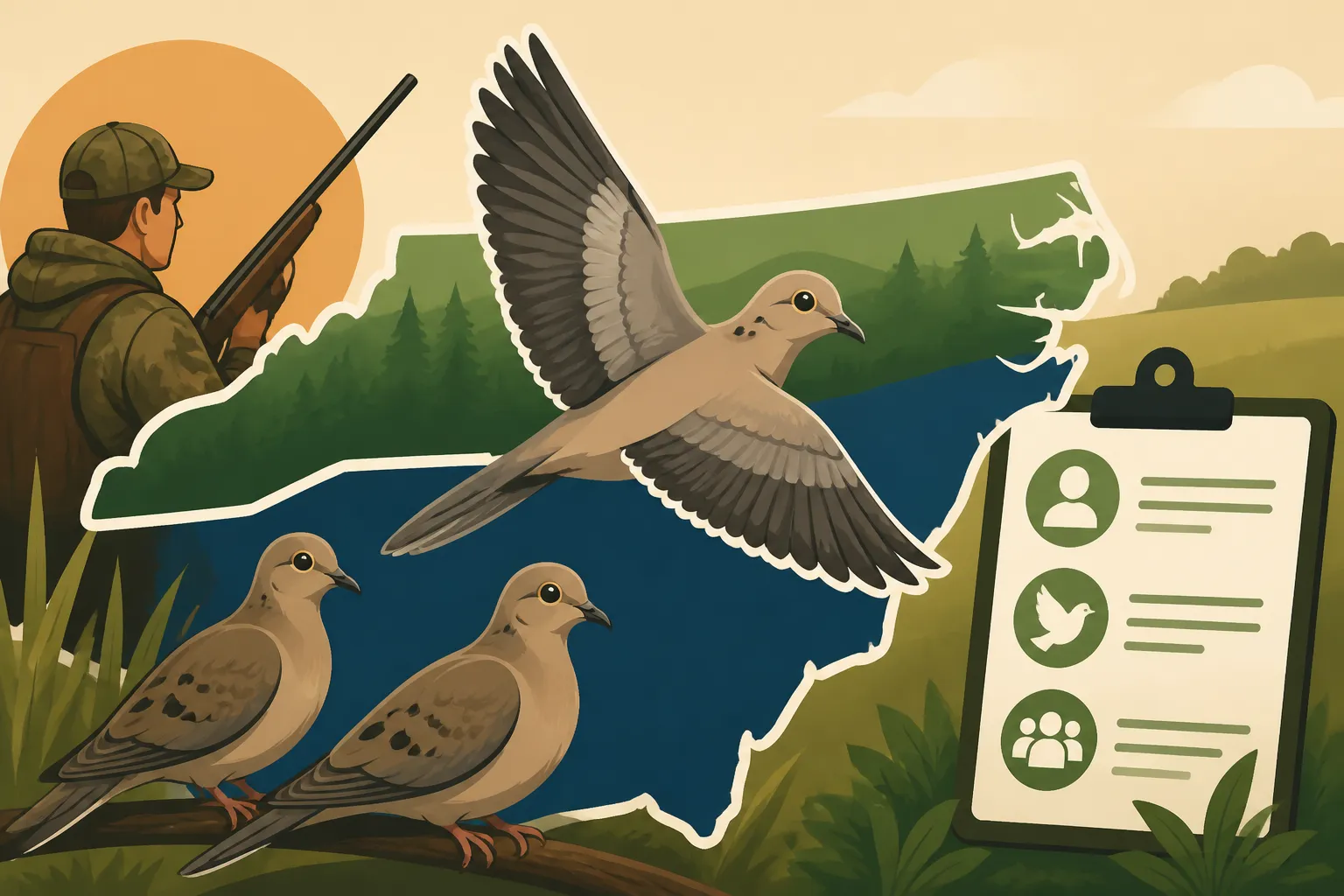
North Carolina boasts a fantastic dove population, and the NCWRC, along with other agencies, manages several dedicated public dove fields across the state. These fields are specifically planted with crops like sunflowers, millet, and wheat to attract doves, providing excellent hunting opportunities. However, because these fields are so popular, especially on opening day and during the early splits of the season, access is often regulated through a controlled draw system. This isn't just about fairness; it's about managing hunter pressure to ensure a quality experience for those who are drawn, and to prevent overcrowding that can spoil the hunt and even create safety concerns.
Why Dove Field Draws Are Necessary
Imagine showing up to a prime dove field on opening day, only to find dozens, maybe even hundreds, of other hunters already setting up, scrambling for a spot. It would be chaotic, dangerous, and frankly, not much fun. The draw system prevents this by limiting the number of hunters allowed on a given field at a specific time. This ensures that those who are drawn have enough space to spread out, hunt safely, and enjoy a quality experience without constant competition for birds. It's a way for the NCWRC to maintain high-quality hunting opportunities on popular public lands.
These fields are often located on North Carolina Game Lands, which are managed explicitly for wildlife and public recreation. The investment in planting and maintaining these fields is significant, and the draw system helps protect that investment by preventing over-harvest and habitat degradation from excessive foot traffic. It's a balance of providing access and sustaining the resource for future seasons.
Types of Public Dove Fields and Draw Structures
Not all public dove fields operate under the same draw rules. While many of the most popular fields, especially for opening day, require a permit obtained through a lottery, others might be open on a first-come, first-served basis after the initial draw period, or some simply have no draw at all. It's crucial to check the specific regulations for each game land or public hunting area you're interested in, as rules can vary significantly.
Typically, the draw system is most common for the initial dove season opener in September. These are often the "premier" fields with exceptional concentrations of birds due to strategic planting. Later in the season, or on less intensely managed fields, you might find walk-in opportunities. The NCWRC's website is your best friend here, as it provides detailed information for each specific public dove field, including whether a draw is required, the dates of the hunt, and any special regulations. Sometimes, there might even be separate draws for youth-only hunts, providing dedicated opportunities for younger hunters to learn the ropes without the pressure of a crowded adult hunt.
Navigating the North Carolina Public Dove Field Draw Application Process
Applying for a North Carolina public dove field draw can seem a bit daunting at first, but once you understand the steps, it's quite straightforward. The key is to be proactive, know your deadlines, and understand the requirements. The NCWRC uses an online permit application system, and it's essential to familiarize yourself with it well before the application period opens.
Essential Licenses and Requirements Before Applying
Before you can even think about submitting a draw application, you need to ensure you're legally ready to hunt in North Carolina. First and foremost, you'll need a valid hunting license. For dove hunting, this includes your base hunting license and a North Carolina Migratory Bird Certification, often referred to as HIP (Harvest Information Program) certification. Even if you hold a North Carolina Lifetime License Options, you still need to make sure your HIP certification is current each year. This certification is a federal requirement for anyone hunting migratory game birds, including doves, and helps wildlife agencies gather important harvest data.
You also need to be aware of North Carolina Hunter Education Requirements. If you were born on or after July 1, 1988, you must complete an approved hunter education course before hunting in North Carolina, unless you are hunting under an apprentice hunter license with a mentor. The NCWRC's online portal will verify these requirements when you apply, so it's best to have everything in order beforehand to avoid any last-minute stress or disqualification. Make sure to check the specific regulations for the year you plan to hunt, as rules can sometimes be updated.
Step-by-Step Application Guide
The application process for public dove field draws is primarily done online through the NCWRC's Permit Hunting Opportunities portal. Here's a general breakdown of the steps:
- Access the NCWRC Permit Hunting Portal: This is typically found on the NCWRC's official website. You'll need to create an account or log in with an existing one. This portal is also where you might apply for other quota hunts like those for deer or bear, so if you've done that before, the interface will be familiar.
- Locate Dove Hunt Applications: Once logged in, navigate to the permit hunting section and look for available dove hunt applications. The application period usually opens in July and closes in early August, so mark your calendar! Missing the deadline means missing out on the draw.
- Review Available Hunts: The system will display a list of all public dove fields that require a draw, along with their specific dates and any special conditions (e.g., youth-only, specific weapon types). Take your time to review these options. Consider proximity, your availability, and the number of permits offered.
- Select Your Choices: You'll typically be allowed to submit multiple choices, ranking them in order of preference. For instance, you might put the "Holly Shelter Game Land Access" field as your first choice if it's close to home and has a good reputation, followed by a field on "Sandhills Game Land Quail Hunting" if it's a backup option. Be strategic with your rankings, as the system tries to fulfill your highest possible choice. You can often apply as an individual or as a party with other hunters. If applying as a party, all members must meet the license requirements, and if one member is drawn, the whole party is granted a permit.
- Submit and Pay: There's usually a small, non-refundable application fee. Once you've selected your preferred hunts and entered all necessary information, you'll submit your application and pay the fee. Always double-check your application before submitting to ensure all details are correct.
- Confirmation and Drawing Results: After the application period closes, the NCWRC conducts the lottery. You'll typically receive an email confirmation that your application was received. Later, after the draw, results are usually posted on the same online portal, and successful applicants are notified via email. Keep an eye on your inbox, including your spam folder!
It's a good idea to consider using a tool like GoHunt to keep track of these application deadlines. While not directly integrated with the NCWRC system, many hunting apps and platforms offer calendar reminders that can be invaluable for staying organized, especially if you're applying for multiple different types of hunts throughout the year.
Application Window and Important Dates
The application window for public dove field draws is relatively short, usually opening in mid-July and closing in early August. The exact dates can shift slightly each year, so always confirm with the official NCWRC calendar. If you plan to be out of town or away from internet access during this period, plan to submit your application early.
Results are typically announced in mid to late August, giving successful applicants enough time to make their preparations before the statewide turkey opener in April. Missing these deadlines means you won't be able to participate in the draw for those premium fields. For the most up-to-date information, regularly check the NCWRC's website or sign up for their email newsletters. Many hunters use hunting apps like GoHunt to set reminders for these critical dates, ensuring they never miss an application window.
Maximizing Your Chances in the Dove Field Draw
Getting drawn for a public dove field can feel like winning the lottery, but there are strategies you can employ to potentially improve your odds, or at least your chances of getting a permit, even if it's not your top choice. It's about understanding the system and making smart decisions during the application process.
Understanding Draw Odds and Popularity
The reality is, some public dove fields are just more popular than others. Fields closer to major metropolitan areas, those with a long-standing reputation for excellent hunting, or those that receive significant media attention tend to have much higher application numbers and, consequently, lower draw odds. Fields on prime game lands often see overwhelming interest. For example, a field near Charlotte or Raleigh might be incredibly competitive compared to one in a more remote county.
The NCWRC doesn't usually publish specific draw odds for each individual dove field, but you can often infer popularity by checking forums or talking to local hunters. Generally, if a field is easy to access and known for consistent bird numbers, assume it will be tough to draw for opening day. Consider applying for hunts on weekdays or during the second or third splits of the season. For example, hunting the Second Dove Split in October might have significantly better draw odds than the September opener, as fewer hunters are typically focused on doves by then.
Strategic Application Choices
This is where you can be smart. Instead of putting all your eggs in one basket for the most popular opening day field, diversify your choices.
- Rank Wisely: If you're allowed multiple choices, don't just put all the "dream" fields as your top picks. Include a mix of highly desirable fields and some lesser-known or later-season options. Your goal is to get a permit, even if it's not for your absolute first choice. If you apply as a party, your odds are often tied to the least experienced hunter's application, or the system treats the party as a single application, so ensure everyone meets requirements.
- Consider Weekday Hunts: Weekday hunts almost always have better draw odds than weekend hunts, especially the opening Saturday. If your schedule allows, prioritizing weekday permits can significantly increase your chances of being drawn.
- Explore Later Season Splits: The frenzy of opening day often subsides quickly. The North Carolina Small Game Season Rules often include multiple dove splits. Applying for permits during the later splits in October or November usually means less competition and potentially easier draws. While bird numbers might be different, a successful later-season hunt can still be incredibly rewarding.
- Hunt with a Group: Applying as a party can sometimes be beneficial, especially if one member has preference points (though this is less common for dove draws compared to big game). However, be aware that if your party is drawn, you all get a permit, but if only part of your party would have been drawn as individuals, the entire party might be skipped. Check the specific rules for party applications on the NCWRC portal.
- Use Tools for Organization: While GoHunt focuses more on Western big game, the principle of using digital tools to manage your application process is universal. Set up calendar alerts for application deadlines, compile a spreadsheet of your desired fields, and track your applications. Staying organized is key to not missing out.
What to Expect on a Public Dove Field
So, you got drawn for a public dove field in North Carolina – congratulations! Now it's time to prepare for the actual hunt. Public dove fields, especially those managed through a draw, offer a unique experience. While the thrill of fast-flying birds is universal, being on public land means understanding etiquette, safety, and logistical considerations.
Scouting and Preparation Before the Hunt
Just because you have a permit doesn't mean you should show up blind. If possible, a little scouting beforehand can go a long way. Drive by the field a few days before your hunt (if access allows and it's permitted) to get a lay of the land. Look for prime areas where doves might be entering or exiting the field. Are there power lines nearby? Isolated trees? A water source? These are often natural funnel points for doves.
However, respect any "no entry" signs during off-hours, as some fields are restricted until the hunt day. Also, don't over-scout right before the hunt, as you don't want to spook the birds you're hoping to hunt. If you can't physically scout, use online mapping tools to study the field layout. The NCWRC's online mapping system or a tool like GoHunt can help you visualize the field boundaries and surrounding habitat.
On the hunt day, arrive early. This allows you time to find your spot, set up, and safely get settled before shooting hours begin. Ensure you have all your gear: plenty of shells (doves are small, fast targets!), a stool or bucket to sit on, comfortable clothing, water, and your blaze orange. While not always required for dove hunting, it's highly recommended on crowded public fields for safety.
Field Etiquette and Safety Considerations
Hunting on a public dove field with other hunters means practicing impeccable etiquette and strict safety.
- Respect Spacing: Once you arrive, spread out. Don't crowd other hunters. Give everyone ample space to shoot and retrieve birds safely. A good rule of thumb is at least 40-50 yards between hunters, but use common sense based on the field size and number of participants. Overcrowding is a primary safety concern on these fields.
- Communicate: If you're walking to your spot, make eye contact with other hunters and let them know where you're headed. Once set up, avoid walking around unnecessarily during the hunt, as it can spook birds and distract others.
- Shoot Safely: Always know your shooting lanes and what's beyond your target. Never swing your gun toward another hunter, a vehicle, or any other unauthorized zone. Remember that stray pellets can travel hundreds of yards. When Pass-Shooting Doves Over a Water Hole or in a field, be mindful of your backdrop.
- Picking Up Birds: Immediately after shooting a bird, mark where it fell. If another hunter's bird falls near you, offer to help them retrieve it, and expect the same courtesy in return. Never claim another hunter's downed bird. Use a trained retriever if you have one; they're invaluable for finding birds in thick cover.
- Limit Your Harvest: While the North Carolina Duck and Goose Bag Limits are specific, the dove bag limit is also regulated. Always know the daily and possession limits for doves. Hunt ethically and only take what you need and what's legal.
- Clean Up: Pack out everything you packed in, including spent shell casings, food wrappers, and any other trash. Leave the field cleaner than you found it.
The Hunting Experience Itself
Hunting a public dove field is often a high-volume, action-packed experience. Doves tend to fly in waves, especially at first light and last light. You might have periods of intense shooting followed by lulls. This is where patience comes in. During these lulls, stay alert, reload, and enjoy the camaraderie if you're with a group.
Remember, doves are fast, agile flyers, making them challenging targets. Don't get discouraged if you miss more than you hit – that's part of the fun! Shotgun Gauge Choice is important; a 12-gauge or 20-gauge with light game loads (like 7.5 or 8 shot) is typical. Bringing enough ammunition is critical, as you can burn through shells quickly. Many hunters enjoy Working a Dove Field on Opening Day, and it can be a great social event with friends and family. Even if you don't limit out, the experience of being outdoors and sharing the field with fellow hunters is what it's all about.
North Carolina Public Dove Field Application Key Dates
| Action | Typical Month | Notes |
|---|---|---|
| Application Period Opens | Mid-July | Check NCWRC website for exact dates annually |
| Application Period Closes | Early-August | Don't miss this deadline! No late applications accepted |
| Draw Results Announced | Mid-Late August | Notifications via email and on the NCWRC online portal |
| First Dove Season Split Opens | Early September | Specific dates vary by year, check NCWRC migratory bird seasons |
| Second Dove Season Split | Mid-October | Often less crowded, potentially better draw odds for permits |
Final Thoughts on Public Dove Field Draws
Navigating the North Carolina public dove field draw rules might seem like a hurdle, but it's a worthwhile process for anyone looking to experience some of the state's best public land dove hunting. The system is designed to provide fair access and ensure a quality experience, preventing the chaos that would otherwise occur on these popular fields. By understanding the application process, being strategic with your choices, and adhering to strict field etiquette and safety, you can significantly increase your chances of getting a permit and enjoying a fantastic day afield. Remember to secure your hunting license and North Carolina HIP Certification for Bird Hunters well in advance, and always consult the latest NCWRC regulations for the most accurate and up-to-date information. Good luck in the draw, and happy hunting!
Disclaimer
The information provided in this guide is for general informational purposes only and does not constitute legal advice. Hunting regulations, licensing requirements, and draw rules are subject to change by the North Carolina Wildlife Resources Commission (NCWRC) and other governing bodies. Always consult the official NCWRC website and current North Carolina Inland Fishing, Hunting & Trapping Regulations Digest for the most accurate and up-to-date information before participating in any hunting activities.