North Carolina Nonresident Game Lands License Cost
Trying to figure out all the different hunting licenses and their costs in North Carolina as a nonresident can feel like navigating a maze blindfolded. You've got your home state licenses, and then you look at NC and see a whole new list of requirements, especially if you're hoping to hunt on public land. This guide will cut through the confusion, clearly outlining what a nonresident Game Lands license costs and what other permits you'll need to hit the woods legally.
Understanding North Carolina's Game Lands System
North Carolina boasts a fantastic amount of public hunting opportunity, but accessing it requires a specific understanding of how the system works. For nonresidents, this often means an extra layer of planning and, yes, an additional license.
What Are Game Lands Anyway?
North Carolina's Game Lands are tracts of land, both public and private, that are managed by the North Carolina Wildlife Resources Commission (NCWRC) and open to public hunting, fishing, and trapping. These aren't just patches of woods; they encompass a huge variety of ecosystems, from the high peaks of the Appalachian Mountains to the vast, wet pocosins of the Coastal Plain. Think sprawling national forests like Pisgah and Nantahala, massive coastal swamps like Holly Shelter, and scattered smaller tracts across the Piedmont.
For many nonresidents, these Game Lands represent the primary, or even sole, opportunity to hunt in North Carolina without needing to secure private land access. They're critical resources for anyone without local connections or deep pockets for leases. The beauty of these areas is their accessibility, offering a chance to pursue everything from deer and bear to turkey and small game, often in wild, undeveloped settings. You can learn more about the diverse types of public hunting land in North Carolina and where to find them.
Why a Separate Game Lands License?
It’s a common point of confusion and sometimes frustration for hunters: you buy your base hunting license, and then you discover you need another one just to hunt on public land. The reason for this separate Game Lands license is all about funding and management. The revenue generated from Game Lands licenses goes directly back into the upkeep and improvement of these specific areas. This includes everything from maintaining access roads and parking areas, funding habitat improvements like prescribed burns and food plots, to law enforcement patrols that ensure compliance and safety.
Without this dedicated funding stream, the NCWRC would struggle to manage these extensive properties effectively. While it might feel like an added hurdle, especially for those accustomed to other states where a general hunting license covers public land, it's a vital component of North Carolina's conservation model that ensures these areas remain viable for generations of hunters. It's essentially an investment in the quality and accessibility of your public hunting experience.
The Nonresident Game Lands License Cost: Breaking It Down
When you're planning a hunting trip to North Carolina as a nonresident, understanding the total cost of licenses can be a bit daunting. It's not just one fee; it's usually a combination. Let's get specific about the Game Lands license itself and what else you’ll need.
The Current Price Tag
For the current hunting season, the North Carolina Nonresident Game Lands License (officially designated as "Type 156" by the NCWRC) costs $80.00. This is an annual license, meaning it's valid from August 1st through July 31st of the following year, regardless of when you purchase it.
It's important to understand that this $80.00 is in addition to your base hunting license. It's a supplemental license that grants you access to hunt on any of the state's designated Game Lands. You can't just buy the Game Lands license and head out; you need the foundational permits first. The costs for nonresident hunters can certainly add up, making planning crucial.
What Else Do Nonresidents Need?
The Game Lands license is an essential piece of the puzzle, but it's rarely the only piece. Here's what most nonresidents will need to purchase to legally hunt big game (like deer, bear, or turkey) on North Carolina Game Lands:
- Nonresident Annual Hunting License (Type 100): This is your foundational permit, allowing you to hunt in North Carolina. For the current year, this costs $100.00. You cannot hunt on Game Lands without this, even if you have the Game Lands license.
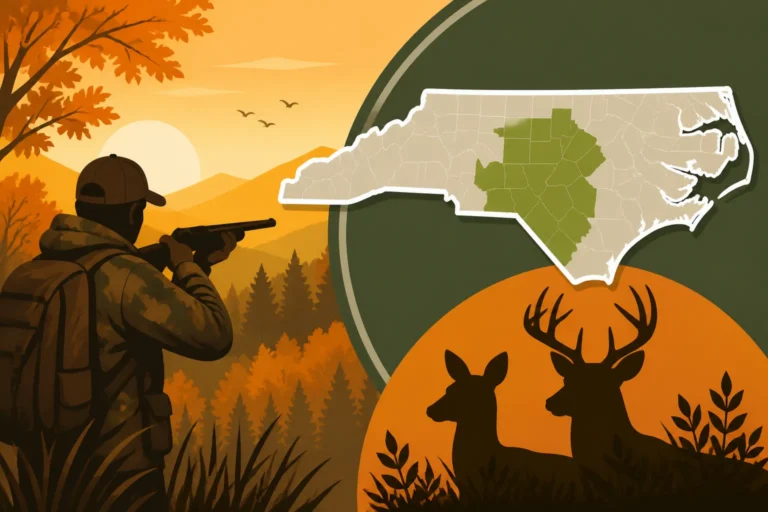
- Nonresident Big Game Harvest Report Card (Type 102): If you plan to hunt deer, bear, or turkey, this is absolutely mandatory. It costs $80.00. This card is used to tag and report any big game harvests, which is a critical part of wildlife management. Understanding North Carolina's Big Game Privilege Requirements is key here, as this card is your permit to harvest.
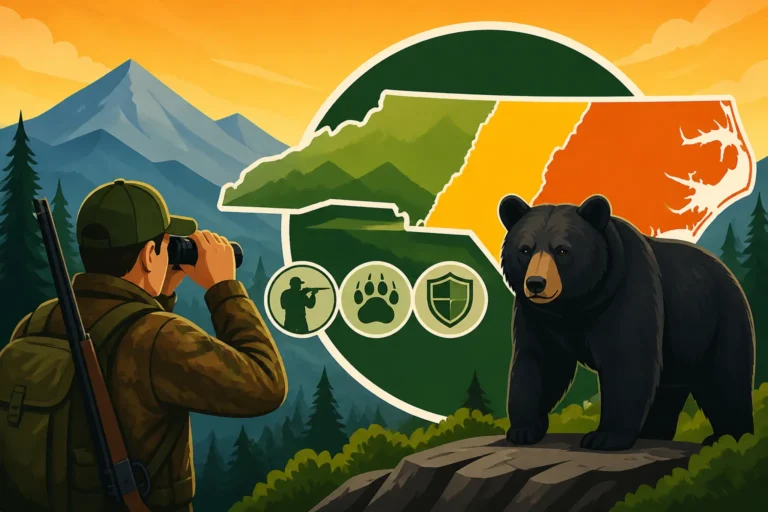
- Nonresident Bear Management E-Stamp (Type 107): If you're coming to North Carolina specifically to hunt black bear – and North Carolina offers some fantastic bear hunting opportunities – you'll need this additional stamp. It's priced at $125.00. Make sure to check the North Carolina Bear Management Stamp Rules if you're targeting bears.
Let's put this into perspective with a common scenario:
| License/Permit | Cost (Nonresident) | Purpose |
|---|---|---|
| Annual Hunting License (Type 100) | $100.00 | Basic hunting privileges in NC |
| Game Lands License (Type 156) | $80.00 | Required to hunt on all NC Game Lands |
| Big Game Harvest Report Card (Type 102) | $80.00 | Required to hunt/harvest deer, bear, turkey |
| Total for Deer/Turkey on Game Lands | $260.00 | |
| Bear Management E-Stamp (Type 107) | $125.00 | Additional stamp if hunting bear |
| Total for Bear on Game Lands | $385.00 | (Includes all above plus bear stamp) |
As you can see, the costs accumulate. It’s important to budget accordingly and ensure you have all the necessary permits before you arrive. Many hunters find resources like the GoHunt platform helpful for keeping track of these requirements and planning their hunts across different states.
Considerations for Shorter Trips or Specific Hunts
North Carolina does offer some shorter-term nonresident hunting licenses, such as a 10-day hunting license (Type 104) for $75.00. However, the Game Lands License (Type 156) is exclusively an annual permit. This means that even if you buy a 10-day base hunting license, you still need to purchase the full $80.00 annual Game Lands License if you intend to hunt on public land during those ten days.
For nonresidents planning just a quick, one-off trip, this can make the per-day cost seem high. However, if you anticipate making multiple trips within a license year, or if your single trip is an extended one (e.g., a full week or more), the annual Game Lands license offers excellent value. It unlocks vast hunting opportunities across the entire state for a full 12-month period, which can be a huge benefit for those looking to explore different hunting areas or species throughout the year, from the Eastern Zones Gun Season Dates to the Western Zone Gun Season Dates.
Maximizing Value from Your Nonresident Game Lands License
Once you've made the investment in your North Carolina nonresident Game Lands license, the goal is to make every dollar count by having the most productive and enjoyable hunting experience possible.
Planning Your Hunts on Game Lands
Hunting public land is often a different ballgame than hunting private property, especially in a new state. The key to success on North Carolina's Game Lands, whether you're chasing a mountain whitetail or a coastal gobbler, lies in meticulous planning and scouting. Don't just show up and expect to find game everywhere; these areas often receive significant pressure.
Start by utilizing the NCWRC's online resources. Their interactive map tool is invaluable for identifying Game Land boundaries, access points, and specific regulations. Tools like GoHunt also provide layers that help visualize terrain, identify potential bedding and feeding areas, and even show historic hunting pressure in some regions. Spend time studying aerial photos and topographic maps long before you arrive. Look for pinch points, saddles, benches, and thick cover that might hold deer, or large mast crop areas for bear. This type of reconnaissance is a crucial first step in Scouting North Carolina Public Land Before Season. When you're physically in the field, use the NC Wildlife App to stay oriented and ensure you're on public land.
Navigating Regulations and Access
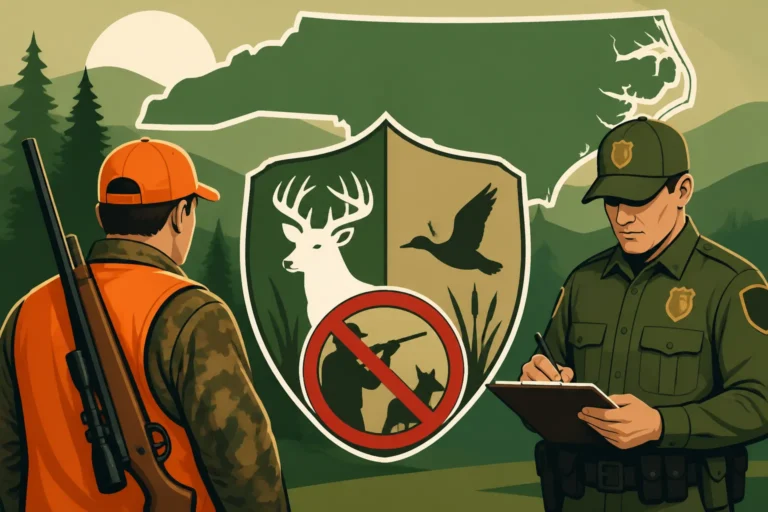
Each Game Land in North Carolina can have its own set of specific regulations, beyond the statewide rules. These might include special sign-in requirements, weapon restrictions (e.g., archery-only areas, muzzleloader-only periods), vehicle access limitations, or even lottery-style permit hunts for specific areas or species. Ignoring these can quickly lead to a ruined hunt or, worse, a citation.
Always check the current NCWRC Game Lands regulations digest for the specific Game Land you plan to visit. Many Game Lands require you to sign in and out, either physically at kiosks or electronically through the NCWRC website or app. Familiarize yourself with the North Carolina Game Lands Sign-In Process before you head out. Don't assume that because one Game Land allows something, all of them do. This diligence will not only keep you legal but also inform your hunting strategy. For instance, knowing where vehicles are prohibited can point you to less-pressured areas that require a longer walk, but often hold more game.
The Value of Public Land for Non-Residents
While the cumulative cost of nonresident licenses in North Carolina can seem substantial, the value proposition of the Game Lands license for out-of-state hunters is immense. It opens up millions of acres of diverse hunting grounds, from the rugged slopes of Pisgah National Forest to the sprawling swamps of Croatan. This access is invaluable for those who don't have the option of leasing private land or have limited private land contacts.
These Game Lands allow you to pursue a wide range of species across various habitats, giving you a true North Carolina hunting experience. It’s an opportunity to immerse yourself in the natural beauty of the state and test your skills against wild game in challenging environments. The ability to move freely across large tracts of land, adapting your strategy to conditions, is a freedom that many hunters cherish. The investment in the Game Lands license pays dividends in adventure, challenge, and the possibility of a truly memorable hunt.
Practical Tips for Nonresident Hunters
Getting all your ducks in a row for a nonresident hunt in North Carolina can feel like a big task, but with a few practical tips, you can make the process smooth and stress-free.
Purchasing Your Licenses
The easiest and most reliable way to purchase your North Carolina hunting licenses, including the nonresident Game Lands license, is through the NCWRC's online Wildlife License Portal. This portal is available 24/7 and allows you to select all the necessary licenses and pay securely. You can also purchase licenses by phone, but the online portal is generally more convenient and provides immediate confirmation.
It's highly recommended to buy all your required licenses well in advance of your trip. Don't wait until the last minute, especially if you're relying on a physical copy being mailed to you (though e-licenses are common now). Having everything squared away weeks before your hunt means one less thing to worry about when you should be focused on scouting and gear prep. Familiarize yourself with the steps for Buying a License on the NC Wildlife Portal, so you're ready when the time comes.
Using Mapping Tools and Resources
In today's hunting world, digital mapping tools are your best friend, especially on unfamiliar public land. The NCWRC provides its own interactive map, which is excellent for identifying Game Land boundaries, road systems, and other public land information.
Beyond the official state resources, commercial apps like onX Hunt are incredibly popular and useful. They offer detailed satellite imagery, property lines, and public land overlays that can be downloaded for offline use, which is critical in areas with spotty cell service. Other platforms, such as GoHunt, also provide state-specific information, articles, and mapping features that can give you a tactical edge. These tools are indispensable for planning your approach, understanding terrain, and making sure you stay within legal hunting boundaries. You can learn more about Using the NC Wildlife Map Tool directly from the NCWRC.
Being a Responsible Hunter
As a nonresident, you're not just representing yourself; you're representing the entire out-of-state hunting community. Responsible and ethical behavior is paramount. Always know and follow all hunting regulations, whether they are statewide rules or specific to the Game Land you are on. Respect private property boundaries, even if you have mapping tools – if there's any doubt, err on the side of caution.
Proper game recovery is another critical aspect. If you make a shot, do everything in your power to find that animal, even if it takes hours or means calling in assistance. Once harvested, ensure you complete the North Carolina Deer Reporting Requirements or other species-specific reporting promptly and accurately. Leave no trace behind; pack out all your trash, including spent shell casings. By being a responsible and ethical hunter, you contribute positively to the image of hunters and help ensure continued access to North Carolina's incredible Game Lands for everyone.
Disclaimer: The information provided in this guide is for general informational purposes only and is subject to change. Hunting regulations, license costs, and season dates are determined by the North Carolina Wildlife Resources Commission (NCWRC) and can be updated annually. Always consult the official NCWRC website and the current year's North Carolina Inland Fishing, Hunting, and Trapping Regulations Digest before planning or embarking on any hunting trip.