North Carolina Wildlife Violation Penalties
There’s nothing quite like the feeling of being out in the North Carolina woods, marshes, or mountains, pursuing game. But that incredible sense of freedom and connection to nature comes with a serious responsibility: understanding and adhering to the state’s extensive hunting regulations. Many of us have been there, confused by a new rule or unsure about a particular boundary, and the thought of accidentally breaking a law is genuinely stressful. This guide is here to shed light on North Carolina wildlife violation penalties, helping you navigate the rules and protect your hunting future.
Understanding North Carolina's Wildlife Enforcement
It’s easy to feel like wildlife enforcement is just waiting to catch you, especially when you’re out on public land. But the reality is far more nuanced. North Carolina’s wildlife officers play a critical role in preserving the state's natural resources and ensuring fair chase for everyone.
The Role of Wildlife Officers
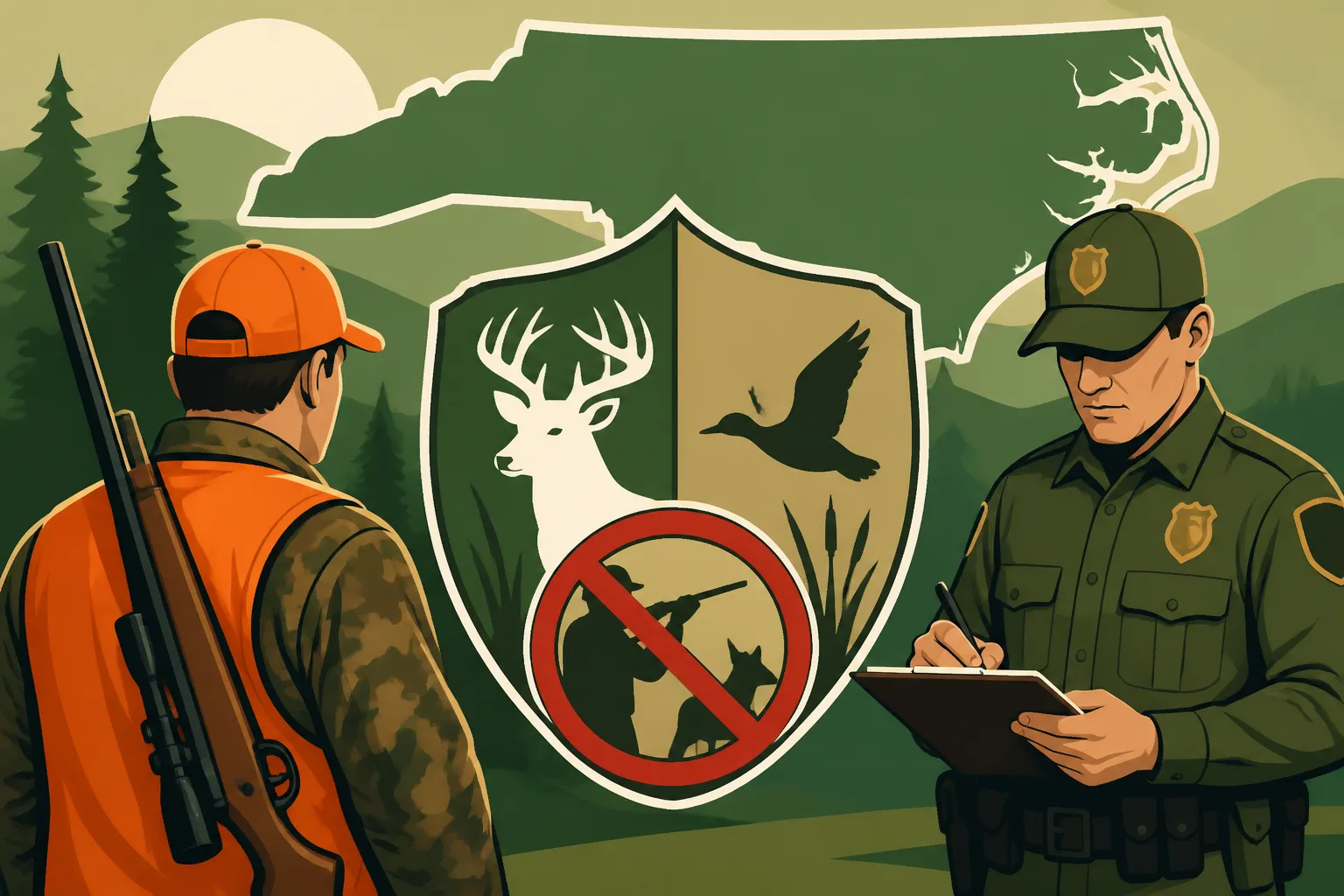
North Carolina Wildlife Resources Commission (NCWRC) law enforcement officers are more than just ticket writers; they are trained professionals dedicated to conserving wildlife and protecting hunters. Their duties encompass a wide range of responsibilities, from enforcing hunting and fishing regulations to investigating wildlife crimes and educating the public. They patrol vast areas, from the dense Pocosin swamps of the coast to the rugged peaks of the Blue Ridge, often in remote locations where they are the only presence of law and order.
Their primary goal isn't just to punish, but to deter illegal activities that could harm wildlife populations or endanger other outdoor enthusiasts. They work tirelessly to prevent poaching, ensure proper licensing, and uphold safety standards, often putting themselves in challenging situations. While it might feel frustrating to be checked by an officer, remember that they are ensuring the integrity of the sport and the health of the resource we all cherish. They are also often the first point of contact when someone needs to report a violation, working closely with programs like Reporting a Poacher in North Carolina to ensure tips lead to appropriate action.
Common Misconceptions About Violations
When it comes to wildlife violations, many hunters harbor misconceptions that can lead to serious trouble. One of the most dangerous is thinking, "It's just a small mistake, they won't care." The truth is, intent doesn't always matter in the eyes of the law. Ignorance of the law is rarely an excuse, and a seemingly minor oversight can still carry significant penalties. Whether you forgot your hunting license at home or misread a season date, the consequences can range from a stiff fine to a suspension of your hunting privileges.
Another common thought is, "They'll never catch me out here." This couldn't be further from the truth. NCWRC utilizes modern technology, including trail cameras and even drone surveillance in some areas, to monitor activity. Furthermore, the vast majority of violation tips come from concerned citizens and ethical hunters who are committed to protecting North Carolina's wildlife. The hunting community is often its own best police force, and officers take every credible tip seriously. So, while you might feel alone in a vast forest, chances are, someone is paying attention.
Types of Wildlife Violations and Associated Penalties
North Carolina's wildlife violations are generally categorized as misdemeanors or felonies, with penalties escalating significantly based on the severity of the offense, the species involved, and whether it's a repeat offense. It's crucial to understand these distinctions because the impact on your life and your hunting future can be profound.
Misdemeanor Violations
Most common hunting infractions fall under misdemeanor violations. These are typically less severe but still carry serious weight and can result in substantial fines and the loss of hunting privileges.
Some examples include:
- Hunting without a proper license or tags: This is a very common offense, and it's easily avoidable. Always ensure you have the correct licenses, permits, and harvest tags for the game you're pursuing and the area you're in. This includes your base hunting license and any specific big game privileges. Forgetting your license at home is still considered hunting without one. If you're wondering about the costs, we have a detailed guide on North Carolina Hunting Licenses and What They Cost.
- Hunting out of season (minor instances): This usually applies to taking game slightly outside the designated season dates, often due to a misunderstanding or a lapse in checking the regulations.
- Exceeding daily or seasonal bag limits (minor): Taking one or two extra doves, for instance, can fall into this category.
- Improper reporting of harvested game: North Carolina requires hunters to report deer and turkey harvests promptly. Failing to do so, or reporting inaccurately, can lead to a misdemeanor charge.
- Failure to wear blaze orange: On days when blaze orange is required for deer hunting, not wearing the specified amount can result in a ticket. We cover the specifics in North Carolina Blaze Orange Requirements.
Penalties for misdemeanor violations typically involve monetary fines ranging from several hundred dollars up to $2,000, depending on the specific offense. Additionally, and perhaps more impactful for many hunters, is the potential loss of hunting privileges. This suspension can range from one to three years, meaning you cannot legally hunt in North Carolina during that period. In some cases, community service may also be assigned. Imagine planning an exciting deer hunt for months, only to have your license revoked for a couple of years because you simply didn't check the regulations closely enough. It's a harsh reality that many face.
Felony Violations
Felony wildlife violations are the most severe and are reserved for serious crimes that often involve significant poaching, commercial exploitation of wildlife, or a pattern of egregious behavior. These are not minor mistakes; they are deliberate acts that undermine conservation efforts and often involve substantial harm to wildlife populations.
Examples of felony violations include:
- Commercial poaching of big game: This involves killing deer, bear (especially important given North Carolina's Black Bear Population), or turkey with the intent to sell the meat or parts illegally. This is a severe crime that treats wildlife as a commodity rather than a public trust.
- Spotlighting deer with intent to kill: Using artificial lights at night to locate and kill deer is a felony offense in North Carolina, designed to curb unfair chase and protect deer populations.
- Taking endangered or threatened species: Deliberately harming protected species carries felony charges and can involve federal penalties as well.
- Repeat serious offenses: A history of multiple severe misdemeanor violations can escalate a new offense to a felony.
Penalties for felony violations are drastically more severe. Fines can reach into the thousands of dollars, often $5,000 or more, plus court costs. The loss of hunting privileges is typically for a minimum of five years and can extend to a lifetime ban. Perhaps most significantly, felony violations often come with mandatory jail time, ranging from several months to multiple years, depending on the specifics of the case. Furthermore, enforcement agencies have the authority to seize any equipment used in the commission of the felony, including vehicles, firearms, ATVs, and other valuable hunting gear. This can be devastating for a hunter, not just financially, but emotionally, as their prized equipment is confiscated.
Specific Offenses and Penalties Table
To give you a clearer picture, here's a table outlining some common North Carolina wildlife violations and their typical penalty ranges. Keep in mind that these are general guidelines, and actual penalties can vary based on specific circumstances, county, and judicial discretion.
| Violation Type | Typical Fine Range | License Suspension (Years) | Additional Penalties |
|---|---|---|---|
| Hunting without a valid license | $100 – $500 | 1 – 2 | Court costs, required license purchase |
| Improper tagging/reporting of deer | $50 – $200 | 1 | Required reporting, potential deer replacement fee |
| Hunting out of season (minor game) | $100 – $500 | 1 – 2 | Game confiscation |
| Exceeding bag limit (minor game) | $50 – $250 per extra animal | 1 | Game confiscation |
| No blaze orange (when required) | $25 – $100 | None | Immediate cessation of hunting activity |
| Hunting on posted land (first offense) | $100 – $500 | 1 – 2 | Criminal trespass charges, potential civil damages |
| Illegal baiting deer | $250 – $1,000 | 2 – 3 | Confiscation of bait, required cleanup |
| Hunting big game at night (felony) | $1,000 – $5,000+ | 5 – Lifetime | Jail time, equipment seizure, restitution to the state |
| Commercial poaching big game (felony) | $2,000 – $10,000+ | Lifetime | Jail time, equipment seizure, restitution to the state |
This table provides a snapshot, but it's crucial to consult the official NCWRC regulations digest or their website for the most current and detailed information. Remember, penalties can add up, especially if you have multiple infractions. For instance, hunting on posted land without permission is a serious issue, as outlined in North Carolina Trespass and Permission Law, and ignoring it can lead to more than just fines.
The Long-Term Consequences Beyond Fines
While fines are an immediate sting, the long-term repercussions of a wildlife violation can be far more damaging, affecting your ability to hunt, your finances, and even your reputation for years to come.
Loss of Hunting Privileges
For many passionate hunters, the most devastating penalty is the loss of hunting privileges. A license suspension means you are legally prohibited from hunting any game, anywhere in North Carolina, for the duration of your suspension. This isn't just a minor inconvenience; it can mean missing out on entire deer, bear, or turkey seasons, which can be heartbreaking for those who live for these traditions. Imagine not being able to plan your next backcountry adventure using tools like GoHunt simply because you failed to tag a deer properly. The NCWRC tracks all violations, and these suspensions are strictly enforced.
What many hunters don't realize is that these suspensions aren't just local. North Carolina is part of the Interstate Wildlife Violator Compact, an agreement among participating states to recognize each other's hunting, fishing, and trapping license suspensions. This means if your hunting privileges are suspended in North Carolina, those same privileges are likely suspended in over 40 other member states. So, that lapse in judgment on a local Game Lands hunt could mean you can't even buy an North Carolina Nonresident Hunting License Options in another state for years.
Financial Strain and Equipment Seizure
Beyond the immediate fine, wildlife violations can create a cascade of financial problems. Court costs, legal fees if you choose to hire an attorney, and potential restitution payments to the state for illegally harvested game can quickly add up. For felony offenses, the financial hit can be truly crushing.
Even more impactful can be the seizure of your valuable hunting equipment. Imagine losing your favorite rifle, your new ATV, or even your truck if it was used in the commission of a serious felony wildlife crime. These aren't just tools; they're often significant investments and cherished possessions. The financial burden of replacing seized equipment, on top of fines and legal fees, can be a monumental challenge, impacting not just your hunting future but your entire family's financial well-being.
Reputation and Future Opportunities
The hunting community in North Carolina is tight-knit, and word travels fast. A wildlife violation can severely damage your reputation among fellow hunters, landowners, and hunting clubs. This can close doors to future opportunities, making it difficult to gain permission to hunt on private land, join a hunting lease, or even participate in local conservation efforts. When you're trying to gain Getting Private Land Permission in North Carolina, a landowner is far less likely to trust someone with a history of violations.
Ethical hunting is a cornerstone of the sport, and violations undermine that trust. Even after a suspension is served and fines are paid, the stain on your record can linger, affecting your ability to be viewed as a responsible conservationist. It's not just about what the law says; it's about protecting your standing in a community that values adherence to rules and respect for wildlife. This also means you might find yourself unable to fully leverage resources that promote ethical hunting, such as planning tools like GoHunt, because your ability to hunt legally has been compromised.
Interstate Compacts and Reciprocity
As mentioned, North Carolina is a member of the Interstate Wildlife Violator Compact. This agreement ensures that if you lose your hunting, fishing, or trapping privileges in North Carolina due to a violation, those privileges will likely be revoked in all other member states. This is a crucial point that many hunters overlook.
For example, if you are caught illegally baiting deer in North Carolina and receive a three-year license suspension, you won't be able to buy a hunting license in Virginia, South Carolina, Tennessee, or any other compact state for that same period. This reciprocity is designed to prevent poachers and habitual offenders from simply crossing state lines to continue their illegal activities. It serves as a powerful deterrent and underscores the severity of wildlife violations, extending their impact far beyond North Carolina's borders. Before planning any out-of-state trips, it's wise to ensure your record is clean.
Preventing Violations and Staying Compliant
The best way to deal with wildlife violation penalties is to avoid them altogether. While mistakes can happen, a proactive and diligent approach to understanding and following the rules can save you a world of trouble.
Know the Regulations
This might sound obvious, but it's the single most important step. North Carolina's hunting regulations are extensive and can change from year to year. It's your responsibility as a hunter to stay informed.
- Read the NCWRC Regulations Digest: Every year, the NCWRC publishes a comprehensive digest. Pick up a physical copy at any license agent or download the digital version from their website. Read it cover to cover, paying close attention to the species you hunt and the zones you hunt in.
- Check the NCWRC Website: The website is constantly updated with regulation changes, news releases, and important alerts. Make it a habit to check before each season or before heading to a new area.
- Use the NC Wildlife App: This fantastic resource, detailed further in Scouting With the NC Wildlife App, allows you to check regulations on the go, report harvests, and even view maps.
- Leverage Modern Mapping and Information Tools: Staying compliant requires ongoing effort. Leveraging resources like the NCWRC website and apps, and even premium services like GoHunt, can provide critical, up-to-date information on boundaries and regulations, helping you avoid accidental trespass or season violations. These tools often have property line overlays and regulation summaries that can be invaluable in the field.
Remember that regulations can vary significantly by county, by game land, and by the specific season. For example, deer season dates are different across the state's four gun zones. Pay attention to the details.
When in Doubt, Ask
If you're ever unsure about a specific regulation, a boundary, or what constitutes legal activity, don't guess. Guessing can lead to an unintended violation. Instead, reach out directly to the NCWRC. You can call their customer service line or your local wildlife officer. While they may not be able to answer every question instantly, they are the definitive source for clarification. It's far better to make a phone call or send an email than to face a fine or license suspension because you operated on a hunch.
This also applies to public land boundaries. Even with a GPS, things can get confusing. If you're hunting near a property line on public land, and you're unsure if you're on a Game Land or private property, double-check your maps, and if still in doubt, err on the side of caution. Understanding Reading North Carolina Public Land Boundary Signs is paramount.
Reporting Suspicious Activity
Ethical hunting is a shared responsibility. If you witness what you believe to be a wildlife violation, report it. North Carolina has a "Turn in Poachers" (TIP) program that allows citizens to anonymously report violations. This program is vital in catching repeat offenders and those committing serious wildlife crimes. By reporting suspicious activity, you're not just being a "tattletale"; you're actively contributing to the conservation of North Carolina's wildlife and ensuring that everyone plays by the rules. Ethical hunters using tools like GoHunt to identify legal hunting areas are often the first to notice when something seems amiss. Your vigilance helps protect the resources for future generations of hunters.
Disclaimer
The information provided in this guide is for general informational purposes only and does not constitute legal advice. Hunting regulations are complex and subject to change. Always consult the official North Carolina Wildlife Resources Commission (NCWRC) regulations digest and website or a legal professional for the most accurate and up-to-date information.