Spring Turkey Hunting in North Carolina
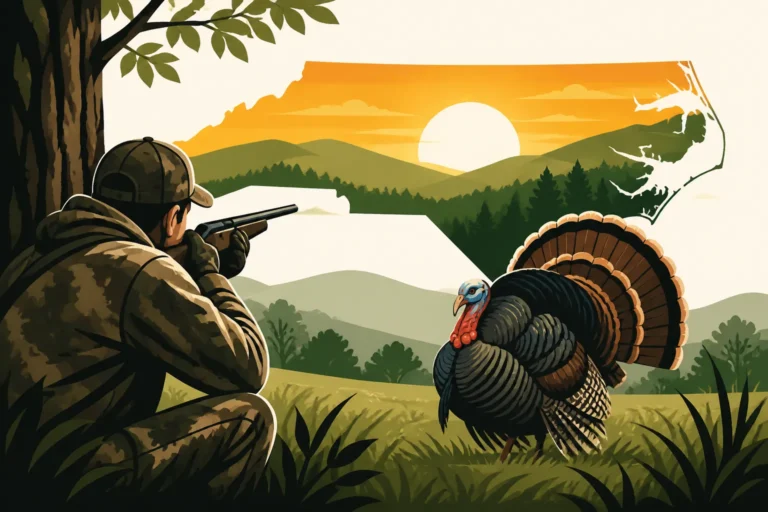
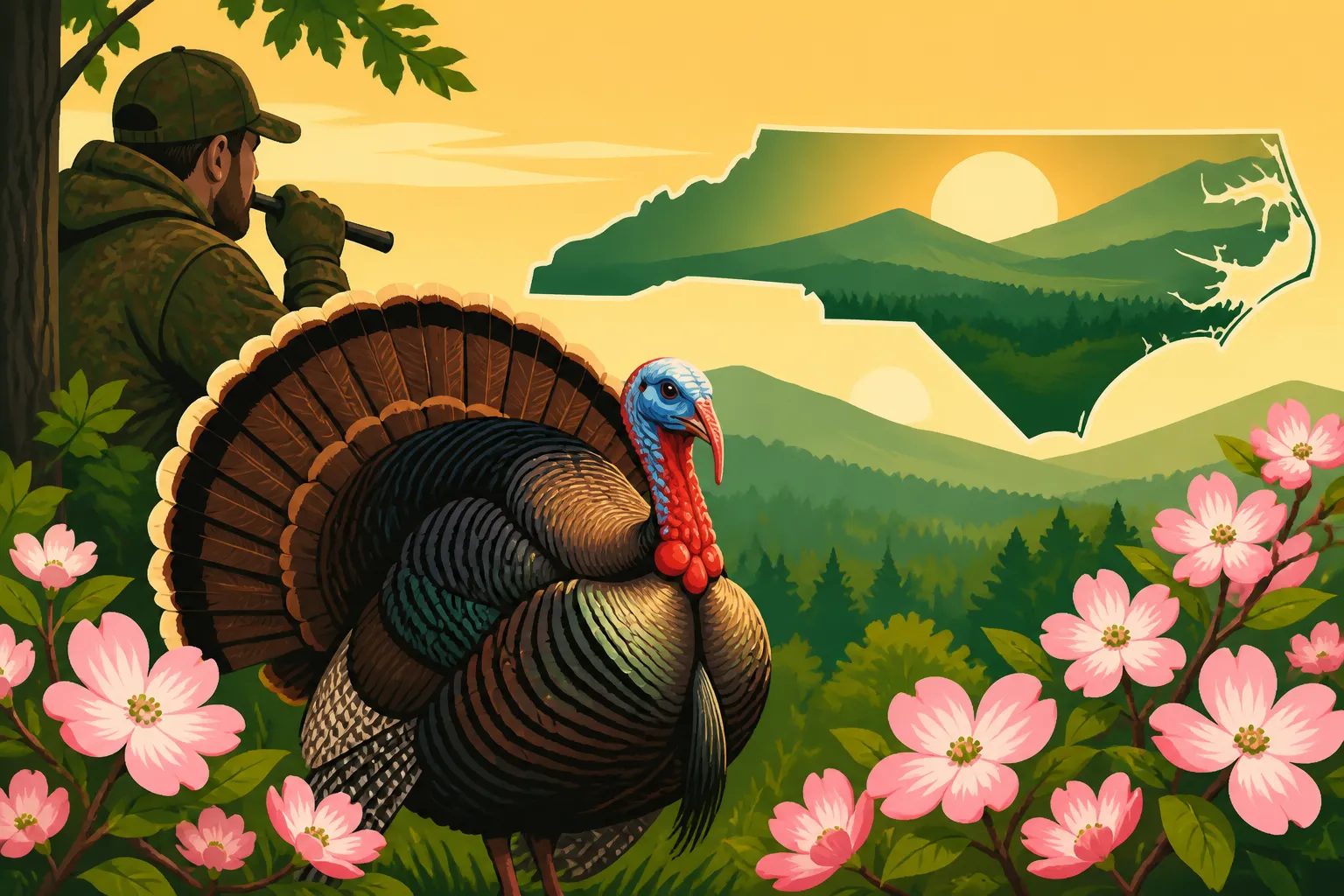
There’s nothing quite like the sound of a distant gobble cutting through the crisp morning air in a North Carolina spring. It’s a sound that stirs something primal in every hunter, but getting that bird to commit can feel like solving a complex puzzle. If you've ever felt the frustration of a hung-up tom or the challenge of navigating new public land, you're in good company. This comprehensive guide will walk you through everything you need to know to increase your odds and truly enjoy spring turkey hunting in North Carolina, from understanding the regulations to advanced calling strategies and terrain-specific tactics.
Understanding North Carolina's Spring Turkey Season
Spring turkey season in North Carolina is a deeply anticipated time for many hunters, offering a unique challenge and reward after the long winter. However, the exact dates, specific regulations, and youth opportunities can sometimes feel a bit convoluted, leading to confusion if you don't stay on top of the latest rules. It’s crucial to understand these foundational elements before you even think about setting foot in the woods, as they dictate when and how you can pursue these magnificent birds. Ignoring these details could lead to legal issues or, at the very least, a missed opportunity.
Key Dates and Zones for Spring Gobblers
North Carolina’s spring turkey season generally kicks off in early April and runs through mid-May, but there are some important nuances to be aware of. The season opens statewide for adult hunters, meaning there aren't different geographical zones or opening dates like there are for deer. This simplifies planning somewhat, allowing hunters from the mountains to the coast to hit the woods on the same opening day. However, it also means that the pressure can be widespread, especially during the first week or two. Always double-check the North Carolina Wildlife Resources Commission (NCWRC) regulations annually, as dates can shift slightly from year to year due to calendar alignment. Knowing the exact dates is your first step to success.
Beyond the general statewide season, there's a special, earlier youth-only season that typically precedes the statewide opener by a week. This is an incredible opportunity for younger hunters to experience the thrill of the hunt without the added pressure of adult hunters in the woods. It's a fantastic program designed to introduce the next generation to the sport, allowing them to learn and gain experience with a mentor by their side. Mentors must be properly licensed and ensure the youth follows all regulations, but they cannot carry a firearm or bow themselves during this special weekend. For those looking to introduce a new hunter, understanding North Carolina Youth Turkey Weekend Rules is paramount.
It's also worth noting that while there aren't specific "zones" for turkey season like there are for deer, the timing of the gobbling activity and breeding can vary slightly across the state due to climate differences. Birds in the warmer Coastal Plain might be more advanced in their breeding cycle than those high in the Blue Ridge Mountains. This doesn't change the legal season dates, but it can absolutely influence gobbler behavior and your tactical approach. Keeping an eye on local conditions and understanding the subtle regional shifts in turkey behavior will give you a significant edge.
North Carolina Spring Turkey Bag Limit Rules
The bag limit is another critical aspect that every spring turkey hunter must know to hunt legally and ethically. In North Carolina, the statewide bag limit for the spring season is two male turkeys (gobblers or bearded hens) per hunter for the entire season. This limit applies regardless of how many different properties or game lands you hunt. It’s not two per county, or two per week; it’s a total of two birds for the entire spring. This regulation is in place to ensure a healthy and sustainable turkey population across the state.
An important detail to remember, especially if you hunt during the special youth season, is how the bag limit interacts with that early opportunity. If a youth hunter harvests a bird during the youth weekend, that bird counts towards their season total of two. They cannot harvest two birds during the youth season and then another two during the regular season; it's a hard limit of two for the entire spring. This can sometimes be confusing for parents or mentors, so it’s vital to clarify this beforehand to avoid any unintentional violations. For a full breakdown, refer to the official North Carolina Spring Turkey Bag Limit.
Once you harvest a turkey, there are specific reporting requirements you must fulfill. Hunters are required to report their harvest through the NCWRC's online system, via their mobile app, or by phone. This needs to be done before you move the bird from the site of the kill, or as soon as practically possible. This data is incredibly important for wildlife biologists to monitor turkey populations, assess harvest trends, and make informed management decisions. Don't skip this step; it's a vital part of responsible hunting in North Carolina.
Special Considerations for Youth Hunters
The youth turkey weekend is a shining example of North Carolina's commitment to fostering a love for hunting in the next generation. This special season, typically held the weekend before the general statewide opener, provides a dedicated, less pressured environment for young hunters aged 16 and under. It’s an invaluable opportunity for them to learn the ropes, gain confidence, and experience the thrill of a gobbler responding to a call, all under the direct supervision of an experienced adult mentor. The age definition for "youth" recently changed, so always confirm the current rules regarding eligibility.
During this special weekend, the youth hunter must be properly licensed, which often means they might be participating under a North Carolina Apprentice Hunter License Rules if they haven't completed hunter education yet. The adult mentor accompanying them must also possess a valid hunting license. The mentor, however, is not permitted to carry a firearm or bow when accompanying a youth hunter during this specific season. Their role is strictly to guide, instruct, and supervise, not to hunt themselves. This creates a safe and focused learning environment for the young hunter.
Beyond the regulations, it's about creating a positive and memorable experience. Patience is key. The goal isn't just to harvest a bird, but to instill a respect for wildlife, conservation, and the hunting tradition. Take the time to explain calling sequences, how to read the woods, and the importance of ethical shot placement. Even if no bird is taken, the memories made and lessons learned during the youth turkey weekend will last a lifetime. Make it about the experience, and the success will follow, whether it's this year or a future one.
Scouting for Success Before Opening Day
You wouldn't head into a job interview without preparing, right? The same goes for turkey hunting. Just showing up on opening morning, blindly walking through the woods and hoping for the best, is a recipe for frustration. The most successful turkey hunters aren't just good callers; they're master scouts. Pre-season scouting is arguably the most critical component of spring turkey hunting, allowing you to locate birds, understand their patterns, and formulate a game plan long before that first gobble echoes through the trees on opening day. It's about gathering intelligence and stacking the odds in your favor.
Locating Roost Trees and Travel Corridors
Finding where turkeys roost at night is like finding the holy grail of turkey hunting. Turkeys typically fly up into tall, sturdy trees at dusk and fly down at dawn, often using the same general areas repeatedly. The best way to locate these roosts is to be in the woods during the last hour of daylight or the first hour of morning light a week or two before the season opens. Listen for their "fly-up" cackles in the evening or their "fly-down" cackles and first gobble in the morning. Pines, hardwoods, and even dead snags can all serve as roost trees, often overlooking open fields or water sources. Once you've heard a bird gobble from a specific area, you can then try Calling a North Carolina Gobbler Off the Roost, or at least get set up for it.
Once you've identified a general roosting area, the next step is to figure out their travel corridors. Where do they go after they hit the ground? Turkeys are creatures of habit, and they'll often follow the path of least resistance. Look for trails leading from roosting areas to feeding grounds, dusting bowls, or strutting zones. These might be old logging roads, creek bottoms, ridge lines, or property boundary lines. Funnels created by changes in terrain or vegetation are particularly hot spots. A ridge-top saddle, for instance, can be a major travel route for deer and turkeys alike. Knowing these routes allows you to set up strategically, intercepting birds as they move through their daily routines rather than just hoping they wander into your calling range.
Using modern mapping applications can be a game-changer for this kind of scouting. Tools like GoHunt allow you to mark potential roost trees, plot travel routes, identify property lines (critical for public land hunting), and even analyze topography. You can look at aerial photos to find open fields where turkeys might feed or strut, pinpoint water sources, and identify areas of dense cover where they might feel secure. This digital reconnaissance, combined with boots-on-the-ground investigation, paints a complete picture of turkey movement and helps you choose your setup locations with precision.
Interpreting Turkey Sign: Tracks, Droppings, Feathers
Turkeys leave a wealth of clues behind, and learning to read these signs is like understanding their secret language. Tracks are one of the most common indicators of turkey presence. Adult gobbler tracks are generally larger than hens', with longer middle toes (often 4 inches or more) and a wider stride. The more distinct the tracks and the more of them you find, the fresher the activity and the more birds are using that area. Look for tracks along field edges, dirt roads, creek banks, and dusting areas. Fresh tracks after a rain are particularly easy to spot and indicate recent activity.
Droppings are another tell-tale sign that can even help differentiate between gobblers and hens. Gobbler droppings are typically J-shaped or spiraled, often larger and firmer than hen droppings, which tend to be more amorphous or cylindrical. Finding fresh droppings, especially in quantity, signals that turkeys are actively using that area for feeding or loafing. Feathers can also provide valuable information. Long, barred body feathers or tail feathers often indicate an active strutting zone or roost site. Finding primary wing feathers can sometimes mean a bird has recently molted or been disturbed.
Don't just look for isolated signs; look for patterns. A combination of tracks, droppings, and feathers along a specific path suggests a consistent travel route or an active feeding area. Fresh scratch marks in the leaves where turkeys have been foraging for acorns or insects are another great indicator. The more fresh sign you find, the more confident you can be that turkeys are in the vicinity and actively using that particular spot. Regularly checking scrape lines along a logging road can offer similar insights into deer movement, and a seasoned woodsman knows that turkeys often use similar features.
Using Technology for Pre-Season Scouting
In today's hunting world, technology is no longer just a luxury; it's a powerful scouting tool that can significantly enhance your chances of success. Mapping applications are at the forefront of this revolution. As mentioned, platforms like GoHunt provide detailed satellite imagery, topographic maps, and public/private land boundaries right on your phone or computer. Before you ever step into the woods, you can digitally scout vast areas, identifying potential roosting ridges, feeding fields, water sources, and escape cover. This allows you to prioritize areas for physical scouting, saving you valuable time and boot leather.
Beyond basic mapping, some apps allow you to create custom waypoints for everything from potential blind locations to fresh turkey sign, historical harvest spots, or even just interesting terrain features. You can drop pins for gobbling activity, draw out planned entry and exit routes, and share information with hunting partners. This level of organization can turn what used to be guesswork into a well-researched, data-driven strategy. Imagine knowing the exact coordinates of a consistent strut zone from last year, or seeing how the timber harvest has changed a travel corridor on an aerial photo.
Trail cameras, while not always legal for active hunting over bait, can be incredibly useful for pre-season scouting on private land or within the regulations of public lands that allow them. Setting them up on known travel corridors, field edges, or near historical strutting zones can capture images or videos of turkeys, giving you insight into their daily routines, numbers, and even their behavior patterns. While not explicitly mentioned for turkey, knowing Where to Hang a Camera on a Logging Road for deer can easily translate to effective turkey scouting. Just be mindful of the rules regarding trail camera use on North Carolina Public Land; some areas may have restrictions. This technological edge, when combined with traditional woodsmanship, gives you an undeniable advantage.
Essential Gear for North Carolina Turkey Hunters
Just like a chef needs the right tools in the kitchen, a turkey hunter needs the right gear in the woods. While the fundamentals of turkey hunting remain rooted in woodsmanship and calling ability, having reliable, appropriate equipment can make the difference between success and frustration. From the gun in your hand to the calls around your neck, each piece of gear plays a vital role in executing your strategy effectively and safely. You don’t need the most expensive items, but you do need gear that performs when it counts.
Shotguns, Chokes, and Ammunition Choices
When it comes to putting a gobbler on the ground, your shotgun is your primary tool. While 12-gauge shotguns are the most common choice, many hunters also find success with 20-gauge shotguns, especially with the advancements in modern ammunition. The key isn't necessarily the gauge, but rather how well your chosen gun patterns with your specific choke and ammunition combination. A tight pattern is absolutely crucial for cleanly dispatching a turkey, as the target area (the head and neck) is relatively small. You're not looking to pepper a bird; you're looking to deliver a dense cluster of pellets.
The choke tube you choose will significantly impact your pattern density. For turkey hunting, most hunters opt for an extra-full or even a "turkey specific" choke, which is designed to constrict the shot charge much tighter than a standard full choke. These specialized chokes help maintain a dense pattern out to 40 or even 50 yards, which is often the maximum ethical range for turkey hunting. Patterning your turkey gun at 40 yards is non-negotiable before the season starts. Take several shots at a turkey head target with different ammunition brands and choke tubes to see what combination produces the tightest, most consistent pattern. Every shotgun is unique, and what works well in one gun might be mediocre in another.
As for ammunition, modern turkey loads have come a long way. Tungsten-alloy or bismuth shotshells, while more expensive, offer superior density and energy transfer compared to traditional lead, allowing for tighter patterns and better penetration at extended ranges. Brands like Federal, Winchester, and Hevi-Shot all offer excellent turkey-specific loads. If using lead, stick with larger shot sizes like 4, 5, or even 6, as smaller shot sizes tend to lose energy too quickly for reliable kills. Regardless of your choice, ensure you're using a load that consistently puts 100+ pellets into a 10-inch circle at your maximum comfortable range. These Tungsten Turkey Loads Worth the Price often prove their value on those tough birds.
Mastering the Art of Turkey Calling
Turkey calling is truly an art form, and it's what separates a good hunter from a great one. While some birds might come silently, most spring gobblers need to be convinced through vocalizations that a hen is nearby and ready to breed. There's a wide variety of calls available, each with its own strengths and weaknesses, and learning to use a few effectively can dramatically increase your success rate. The goal isn't just to make turkey sounds, but to imitate the sounds of a real hen, with proper cadence, volume, and emotion.
Mouth calls (diaphragm calls) are incredibly versatile, allowing for hands-free calling which is critical when a bird is closing in and you need to keep your gun shouldered. They can produce a wide range of yelps, clucks, purrs, and cutts, but they require significant practice to master. Slate or glass calls (friction calls) are excellent for their realistic tones and consistent sounds, making them a favorite for many hunters, especially in wet weather where they can still perform well. They are great for producing loud, attention-grabbing yelps, as well as soft, seductive purrs. Box calls are probably the easiest for beginners to learn, producing very realistic yelps and cutts with minimal practice.
| Call Type | Best For | Pros | Cons |
|---|---|---|---|
| Mouth (Diaphragm) Call | Versatile, close-in calling, hands-free | Wide range of sounds, compact, discreet | Steep learning curve, can be uncomfortable |
| Slate/Glass Call | Realistic yelps, purrs, soft calling | Excellent tone, relatively easy to use, works in some moisture | Requires two hands, can be noisy if dropped |
| Box Call | Loud yelps, cutts, easy to learn | Very realistic sound, good volume, beginner-friendly | Requires two hands, can be bulky, prone to squeaks if wet |
| Locator Call | Getting shock gobblers to respond | Helps locate birds without alarming them | Doesn't mimic turkeys, only for locating |
The real "mastery" comes from knowing when to use which call, and how aggressively to call. Early in the morning, a loud series of tree yelps followed by some soft clucks might convince a gobbler off the roost. Mid-morning, more aggressive cutting and yelping might be needed to get a quiet bird to respond. As the day progresses, more subtle purrs and clucks can sometimes be more effective on Call Box Calls Versus Mouth Calls for different situations, or to entice a wary tom closer. Don't be afraid to experiment, but always listen to the bird and adapt your calling to his mood. Sometimes, less is more.
Decoy Strategies and Ground Blind Setups
Decoys can be a powerful tool for attracting wary gobblers, providing a visual element that complements your calling. When a gobbler sees what he thinks is a hen, his caution often drops, and he's more likely to commit to your setup. The most common turkey decoy setups involve a single hen, a hen and a jake, or sometimes a full-strut gobbler. A jake decoy (a young male turkey) can be particularly effective, as it can challenge an adult gobbler's dominance, making him eager to come in and investigate or fight. Place your decoys 15-20 yards in front of your position, facing away from you, so the gobbler approaches and turns to face them, offering you an ideal shot opportunity.
While decoys are effective, using a ground blind can offer significant advantages, especially on public land or in open areas. A pop-up ground blind provides concealment, allowing you to move, adjust, and call without being detected by sharp-eyed turkeys. This is particularly beneficial for fidgety hunters, youth hunters, or when hunting in areas with sparse cover. When selecting a blind, look for one that's easy to set up, offers good concealment (camo patterns that match your surroundings), and has quiet window adjustments. Brushing In a Blind on a Field Edge can help it blend even better into the natural landscape, making it almost invisible to approaching birds.
However, decoys and blinds aren't always necessary, and sometimes they can even be a hindrance. In thick timber, particularly during Run-and-Gun Turkey Tactics on Public Land where you're constantly moving, carrying a blind and decoys can be cumbersome. Some highly pressured gobblers might also be "decoy-shy" and actually avoid them. Adapt your strategy to the specific hunting situation and the temperament of the birds you're pursuing. Always practice setting up your blind and decoys quietly before the season, so you can do it efficiently and silently in the field when it counts.
Hunting Tactics for Diverse North Carolina Terrain
North Carolina is a state of incredible topographical diversity, ranging from the rugged peaks of the Appalachian Mountains to the vast, flat Coastal Plain. This variety means that a "one-size-fits-all" approach to turkey hunting simply won't cut it. A gobbler in Pisgah National Forest behaves very differently from one strutting along a Piedmont field edge or navigating a pocosin swamp. Understanding the unique characteristics of each region and adapting your tactics accordingly is absolutely crucial for consistent success across the state.
Mountain Turkey Tactics: Run-and-Gun and Ridge Hunting
Hunting turkeys in the North Carolina mountains, particularly areas like Pisgah or Nantahala National Forests, presents a physical challenge but also a rewarding experience. The steep, timbered terrain means that birds can be harder to locate and often require more aggressive tactics. Here, the "run-and-gun" method is often your best bet. This involves covering a lot of ground, stopping frequently to call, listening for a response, and then quickly closing the distance if a bird gobbles. You need to be in good physical shape to navigate the inclines and descents, often carrying your gear for miles.
Ridge hunting is a classic mountain turkey tactic. Gobblers often roost on ridgetops or benches, and they'll frequently strut and feed along these features after flying down. Setting up on a ridge-top saddle or a bench can put you in a prime location to intercept a bird moving between feeding areas or seeking out hens. Using the terrain to your advantage is key: try to get above the bird if possible, as turkeys often prefer to come downhill or stay on the same elevation. Always be mindful of wind and thermals on a Blue Ridge Slope, as these can carry your scent or calling sounds in unexpected directions.
When hunting mountain terrain, silent movement is paramount. The crisp air carries sound far, and snapping a twig can send a wary gobbler running. Footwear with good ankle support and traction is a must. Locator calls like owl hoots or crow calls can be highly effective in the mountains, as they don't mimic turkey sounds but often provoke a "shock gobble" from a tom, revealing his location without alerting him to your presence. Once you locate a bird, use the terrain to move quietly into a good setup position before starting your series of hen calls. Remember that sometimes when North Carolina Gobblers Go Quiet in May, you might need to be extra patient.
Piedmont Turkey Tactics: Field Edges and Woodlots
The Piedmont region of North Carolina, with its rolling hills, mixed hardwood and pine forests, and abundant agricultural fields, offers a different set of challenges and opportunities for turkey hunters. Here, turkeys often revolve around food sources and cover, making field edges and small woodlots prime hunting grounds. Birds will typically roost in the larger timber blocks adjacent to fields, fly down, and then spend much of their morning feeding in the fields or strutting along their edges, making them highly visible.
Setting up on a Piedmont Field Edge is a go-to strategy. Get to your chosen spot well before dawn, and position yourself along the field edge, ideally with some natural cover (like a thick hedgerow or a cluster of pines) behind you. This allows you to observe the field, call to birds, and have a clear shooting lane if a gobbler steps out. Decoys can be incredibly effective in this open terrain, as they provide a visual confirmation for a tom that might be reluctant to commit to calling alone. However, be aware of visibility; the more open the field, the farther away a gobbler might spot you or your decoys.
Beyond the open fields, the numerous small woodlots and creek bottoms interspersed throughout the Piedmont are also hotspots. Turkeys will often travel between these woodlots, using creek beds or fencerows as travel corridors. Scouting these smaller pockets of timber and understanding their connection to larger feeding areas can be very productive. Aggressive calling can often pull a bird out of a woodlot and across a smaller field or open area. It's a blend of patience and knowing when to ramp up your calling to get that tom to commit.
Coastal Plain Turkey Tactics: Swamps and Pine Plantations
The Coastal Plain of North Carolina presents a uniquely challenging environment for turkey hunting, characterized by vast expanses of pine plantations, dense pocosin swamps, and low-lying river bottoms. The thick vegetation can make traditional visual scouting difficult, and movement can be noisy. Here, understanding how turkeys navigate and utilize these dense habitats is paramount. Birds in the Coastal Plain often roam larger home ranges due to the nature of the habitat, which means you might have to cover more ground.
Pine plantations, with their uniform rows of trees, are a favorite roosting and feeding habitat for Coastal Plain turkeys. During the cooler parts of the day, birds will forage for insects and seeds among the rows. Locator calls, like crow or pileated woodpecker calls, are excellent for getting a shock gobble in these dense woods. Once you locate a bird, the challenge is often moving silently through the thick pine needles and brush to get into a good setup position. Turkeys will often use the clear lanes between rows of pines as travel routes, so setting up along one of these can be effective.
Pocosin swamps and river bottoms are incredibly dense and often wet, but they are also crucial habitats, providing food, water, and refuge for turkeys. Birds will often roost on the edges of these swamps, and sometimes even deep inside on high ground. Hunting Coastal Plain Pocosin Swamps for deer is a tough challenge, and turkey hunting is no different. Accessing these areas often requires specialized waterproof footwear and a willingness to get wet and muddy. Calling in these dense areas often requires more patience and a more subtle approach, as the sound doesn't carry as far, and visibility is limited. Using soft purrs and clucks once a bird is close can be more effective than loud yelps that might give away your exact position too early.
Dealing with Pressured Birds and Mid-Season Lulls
Turkey hunting, especially on public land, isn't always a walk in the park. After the initial excitement of opening day, birds can become "educated" quickly, growing warier of calls, decoys, and human presence. This often leads to frustrating mid-season lulls where gobblers seem to go quiet or refuse to commit. It’s a common scenario that can test any hunter's patience, but recognizing these patterns and adapting your strategies is key to turning those tough days into successful ones. The ability to pivot and try new approaches is what separates seasoned hunters from those who pack up early.
Adapting to Gobblers That Go Quiet
It’s a tale as old as time: opening morning, gobblers are hammering, but by day two or three, they’ve clammed up. This can happen for several reasons. Intense hunting pressure often makes gobblers more wary; they've likely heard every call in the book and may have even had a close call with another hunter. The weather can also play a role; a sudden cold front or persistent rain can make birds less vocal. Most importantly, the breeding cycle progresses; as hens become more receptive and bred, gobblers have less reason to respond to your calls, as they are already with real hens.
When gobblers go quiet, your strategy needs to shift from aggressive calling to more subtle tactics. Instead of booming yelps, try soft purrs, clucks, and subtle contented hen sounds. Less is often more. Sometimes, a single soft tree yelp every 15-20 minutes is enough to pique a tom's interest without making him suspicious. Become a better listener, not just for gobbling, but for subtle turkey sounds like scratching in the leaves, soft clucks, or fly-down cackles. Patience becomes your greatest virtue. Set up in a likely travel corridor between a roost and a known feeding area, and simply wait.
Another effective tactic for quiet birds is to change locations frequently. If one area isn't producing, quietly slip out and try another, perhaps moving to a different property or a more secluded part of the woods. Sometimes, just a change of scenery, even if the bird doesn't gobble, can put you in front of a tom that’s silently cruising for hens. This is where your pre-season scouting pays off, providing you with multiple potential hotspots to investigate throughout the day. Don't be afraid to try new spots if your usual ones are silent.
Public Land Pressure and Finding Secluded Spots
Hunting North Carolina Public Land can be incredibly rewarding, but it often comes with the challenge of hunting pressure. On opening weekend, popular game lands and National Forests can feel like Grand Central Station, with vehicles parked every few hundred yards and hunters crashing through the woods. This intense pressure quickly makes gobblers wary and pushes them into less accessible, thicker cover, making them even harder to hunt. Recognizing this dynamic and planning for it is crucial.
To combat public land pressure, the first step is to get away from the easy access points. Most hunters don't venture far from their trucks, especially on steeply inclined terrain. If you're willing to walk an extra mile or two, or navigate through some challenging terrain like a dense rhododendron thicket or a particularly brushy clear-cut, you significantly increase your chances of finding unpressured birds. Use mapping apps like GoHunt to identify potential routes that avoid popular trails and roads, leading you to those harder-to-reach pockets of timber or secluded creek bottoms. Understanding How Far to Walk From a Forest Road can make all the difference.
Another strategy is to hunt mid-week or later in the season. While opening weekend draws the biggest crowds, by mid-week, and certainly a few weeks into the season, many hunters have gone back to work, and the woods become much quieter. Birds that were pressured early on might start to relax a bit and become more vocal or responsive. Also, focus on areas that other hunters walk past, such as thick laurel slicks, overgrown clear-cuts, or deep, wet swamps. These areas might be uncomfortable for humans but offer excellent refuge for wary turkeys.
Overcoming Mid-Season Challenges
Mid-season often brings a combination of pressured birds, hens that are nesting, and sometimes less-than-ideal weather, all contributing to a challenging hunting experience. It's during this period that many hunters give up or grow frustrated. However, with the right mindset and a willingness to adapt, you can still find success. The key is to reassess your approach and think like a turkey that has seen a lot of hunting action.
One of the biggest mid-season challenges is that many hens are now nesting. This means gobblers might not be as actively seeking hens, as they're often with the few remaining unbred females or simply waiting for hens to finish nesting before breeding again. When hens are on the nest, gobblers often become more solitary and might "gobble on the roost" but then fly down silently and seek out those few remaining available hens. Your calling should reflect this: be more subtle, more patient, and less aggressive. Think about soft clucks and purrs rather than loud, frantic yelps.
Another strategy for mid-season is to try "cold calling" in areas you've scouted as having good turkey sign, even if you haven't heard a gobble. Sometimes, a tom that's silent on the roost might respond later in the morning once he's on the ground. Walk quietly, stop frequently in good-looking areas, and send out a series of calls. If you get a response, you can then set up. Furthermore, focus on mid-day hunts. Many hunters quit by 10 or 11 AM, but gobblers can become active again in the late morning or early afternoon, especially if they've lost their hens. This is a great time to be in the woods, as pressure is typically lower. These quiet periods are also great opportunities for Scouting North Carolina Public Land Before Season for next year, marking new sign or identifying new travel routes.
Safety and Ethics in the North Carolina Turkey Woods
Beyond the thrill of the hunt and the challenge of outsmarting a wary gobbler, spring turkey hunting carries a profound responsibility. Every hunter has a moral and legal obligation to prioritize safety, adhere to all regulations, and uphold the highest ethical standards. Unfortunately, turkey hunting incidents, while rare, do occur, often stemming from misidentification or unsafe gun handling. Being a safe and ethical hunter isn't just about avoiding trouble; it's about respecting the game, the land, and your fellow outdoors enthusiasts.
Critical Hunter Safety Practices
Safety must always be your absolute top priority when spring turkey hunting. The most critical safety rule in turkey hunting revolves around positive target identification. Never, ever shoot at sound or movement. Always assume that any movement or sound in the woods is another hunter until you can clearly identify it as a turkey and see the bird's head and neck. This simple rule is the single most important one for preventing accidents. Many incidents occur when one hunter mistakes another for a turkey, often due to movement or the color of their clothing.
Blaze orange requirements are important to understand, though they are often relaxed for turkey season. While North Carolina's Blaze Orange Requirements are strict for deer season, for turkey hunting, hunters are generally not required to wear blaze orange while actively hunting (i.e., while stationary and calling). However, it is highly recommended to wear blaze orange when walking in and out of your hunting area, especially on public land where other hunters might be present. Once you set up your position, you can remove it. For a quick reference, here's a general table on blaze orange usage:
| Hunting Situation | Blaze Orange Recommendation |
|---|---|
| Walking to/from Stand/Setup | Strongly Recommended (Especially on public land) |
| Actively Hunting (stationary) | Not legally required for turkey, but use extreme caution |
| Retrieving a Harvested Bird | Strongly Recommended (Secure bird, then put on orange) |
| Calling in Thick Cover | Crucial to ensure positive identification of target |
Beyond identification, basic firearm safety rules are always in effect. Treat every firearm as if it's loaded. Keep the muzzle pointed in a safe direction. Keep your finger off the trigger until you are ready to shoot. Be absolutely sure of your target and what is beyond it. When a gobbler approaches, resist the urge to wave or move excessively. Stay still, allow the bird to come into range, and make a clean, ethical shot to the head and neck. These fundamental rules of gun safety are paramount in every hunting scenario.
Ethical Considerations and Respect for the Resource
Ethical hunting goes beyond simply following the letter of the law; it embodies a deep respect for the wildlife, the environment, and the hunting tradition itself. For turkey hunting, this means ensuring a clean kill, avoiding unnecessary suffering, and not pushing the limits of your equipment or skill. It means choosing your shot wisely, aiming only for the head and neck area, which is the most effective and humane way to dispatch a turkey. Body shots, while sometimes fatal, often result in wounded birds that escape and suffer.
Another ethical consideration is related to calling. While a skilled caller can mimic a wide range of turkey sounds, some methods, like "fanning" or "reaping" where a hunter uses a turkey fan or full strut decoy to actively crawl towards a gobbler, have become controversial. While often legal, they pose a significant safety risk, as another hunter might mistake you for a real bird approaching their position. The intent behind ethical hunting is to engage with the animal fairly, not to deceive other hunters or put anyone at risk. Think about how your actions reflect on the hunting community as a whole.
Respecting the land and other hunters is also part of being ethical. Leave no trace; pack out everything you pack in, including spent shotshells and any trash. If hunting public land, be mindful of other hunters. If you know someone else is working a bird, give them space. Avoid "running in" on another hunter's setup. A little courtesy goes a long way in fostering a positive hunting community. The act of hunting is a privilege, and we owe it to the resource and future generations to uphold its integrity.
Reporting Your Harvest and Following Regulations
North Carolina has clear regulations for spring turkey hunting, and it is every hunter's responsibility to know and abide by them. This includes having the correct licenses and permits, understanding the North Carolina Spring Turkey Season Rules, and respecting bag limits. Hunters must possess a valid North Carolina hunting license with the appropriate big game privileges to hunt turkeys. Additionally, if hunting on a North Carolina Game Lands, a Game Lands license is often required. Always ensure your paperwork is in order before heading afield.
One of the most important regulations, as previously mentioned, is the mandatory harvest reporting. Any turkey harvested must be reported to the NCWRC through their official system (online, app, or phone) before the carcass is moved from the site of kill, or as soon as practicable. This data is not just for tracking; it's vital for wildlife management. Without accurate harvest numbers, biologists cannot effectively monitor populations or make informed decisions about future season structures. It's a small task that has a big impact on the future of turkey hunting in North Carolina.
Beyond the specific turkey regulations, all general hunting laws apply. This includes adherence to North Carolina Legal Firearms for Deer Hunting (which applies to turkey as well) regarding legal methods, ensuring safe firearms discharge setback rules from residences, and understanding Sunday Hunting Rules. While North Carolina does allow Sunday hunting for specific species, including turkey, on private land, regulations on public land may vary or be more restrictive. Stay informed, stay compliant, and do your part to ensure a future for North Carolina's wild turkey populations.
Post-Harvest Care and Enjoying Your Wild Turkey
The moment you tag a gobbler after a hard-earned hunt is exhilarating, but the work isn't over. Proper post-harvest care is crucial, not only for honoring the animal but also for ensuring the meat is of the highest quality for your dinner table. Whether you're a seasoned chef or just learning to cook wild game, treating your turkey right in the field will pay dividends in flavor and tenderness. This final stage of the hunt is as important as any other, completing the cycle from field to fork.
Field Dressing and Transporting Your Bird
Immediately after harvesting your turkey, the priority is to cool the bird down as quickly as possible, especially on warmer spring days. The primary method for field dressing a turkey is to remove the entrails. First, make an incision around the vent (anus) and then carefully cut up the breastbone to access the body cavity. Reach in and remove all organs, including the heart, liver, and lungs (if you plan to keep them, store them separately on ice). This process helps the bird cool down and prevents spoilage.
Once field dressed, the next step is to get the bird out of the woods and to a cooler. If you're hunting in mountainous terrain or deep in a swamp, consider how you will transport it. A good game bag can protect the meat from dirt and flies. If you have a long walk out, a game cart or deer sled can be invaluable for heavier birds. Never drag a turkey by its head or tail, as this can damage the meat and feathers. Carry it over your shoulder with the head facing down, or by its legs.
Upon reaching your vehicle, immediately place the turkey on ice in a cooler. Ensure there's plenty of ice around and inside the body cavity. If you're going to keep the bird whole for photographs or processing later, consider wrapping it in a towel or game bag to keep the feathers clean and prevent them from soaking in meltwater. The faster you can chill the bird, the better the quality of the meat will be. This attention to detail reflects respect for your harvest.
Preserving the Quality of Your Turkey Meat
Once you've field dressed and cooled your turkey, you need to decide how to process it. You can either pluck the bird whole, keeping the skin on for roasting, or breast out the meat, which is a quicker process that yields boneless cuts. Plucking takes more time and effort, but the skin adds flavor and moisture when cooking. If you choose to pluck, ensure you have hot water for scalding or do it dry while the bird is still warm.
If you decide to breast out the bird, simply make an incision down the center of the breastbone and carefully separate the breast meat from the bone, working your way down the rib cage. You can also remove the leg and thigh meat, which is often tougher but excellent for slow-cooking or grinding. Regardless of your choice, trim away any bloodshot areas, feathers, or connective tissue. Rinse the meat gently with cold water and pat it dry.
For storage, properly wrap the individual cuts of meat in butcher paper, vacuum seal bags, or freezer bags, ensuring no air is trapped. Label each package with the date and type of meat. Wild turkey can be stored in a freezer for 6-12 months without significant loss of quality. Consider the amount of Deer Meat Yield From a North Carolina Buck and how you'd normally process it; the same principles of cleanliness, cooling, and proper wrapping apply to your turkey harvest.
Culinary Delights: From Field to Fork
Wild turkey meat is lean, flavorful, and incredibly versatile in the kitchen. Unlike store-bought turkey, it has a richer, slightly gamier taste that reflects its active, free-range life. The breast meat is especially lean and can dry out quickly if overcooked, so gentle cooking methods are often best. You can slice it thin for stir-fries, cut it into medallions for pan-searing, or cube it for kebabs.
For a classic approach, try pan-searing breast cutlets: dredge them lightly in seasoned flour and quickly fry them in butter until golden brown and just cooked through. The key is not to overcook. You can also marinate the breast meat to add moisture and flavor before grilling or baking. Consider Cooking a Wild Turkey Breast with fresh herbs and a splash of white wine for a simple yet elegant meal.
Don't forget the legs and thighs! While tougher, they are packed with flavor and excellent for slow-cooking methods like braising or stewing. You can debone them, chop the meat, and use it in chili, tacos, or pulled turkey sandwiches. The options are endless, truly making your wild turkey a culinary adventure from the North Carolina woods. Enjoying the fruits of your labor at the dinner table is the perfect conclusion to a successful spring turkey hunt.
Disclaimer
Hunting is an inherently dangerous activity. This guide provides general information for educational purposes only and is not a substitute for professional instruction, adherence to all local, state, and federal laws, or personal judgment. Always consult the official North Carolina Wildlife Resources Commission regulations for the most up-to-date and complete hunting laws. The author and publisher are not responsible for any accidents, injuries, or legal infractions that may occur from following the advice contained herein. Hunt safely, ethically, and responsibly.