Binocular Harnesses Worth Wearing
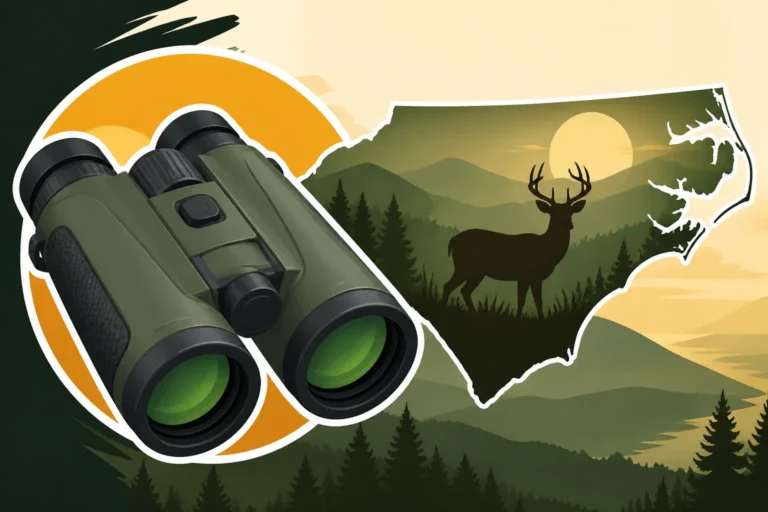
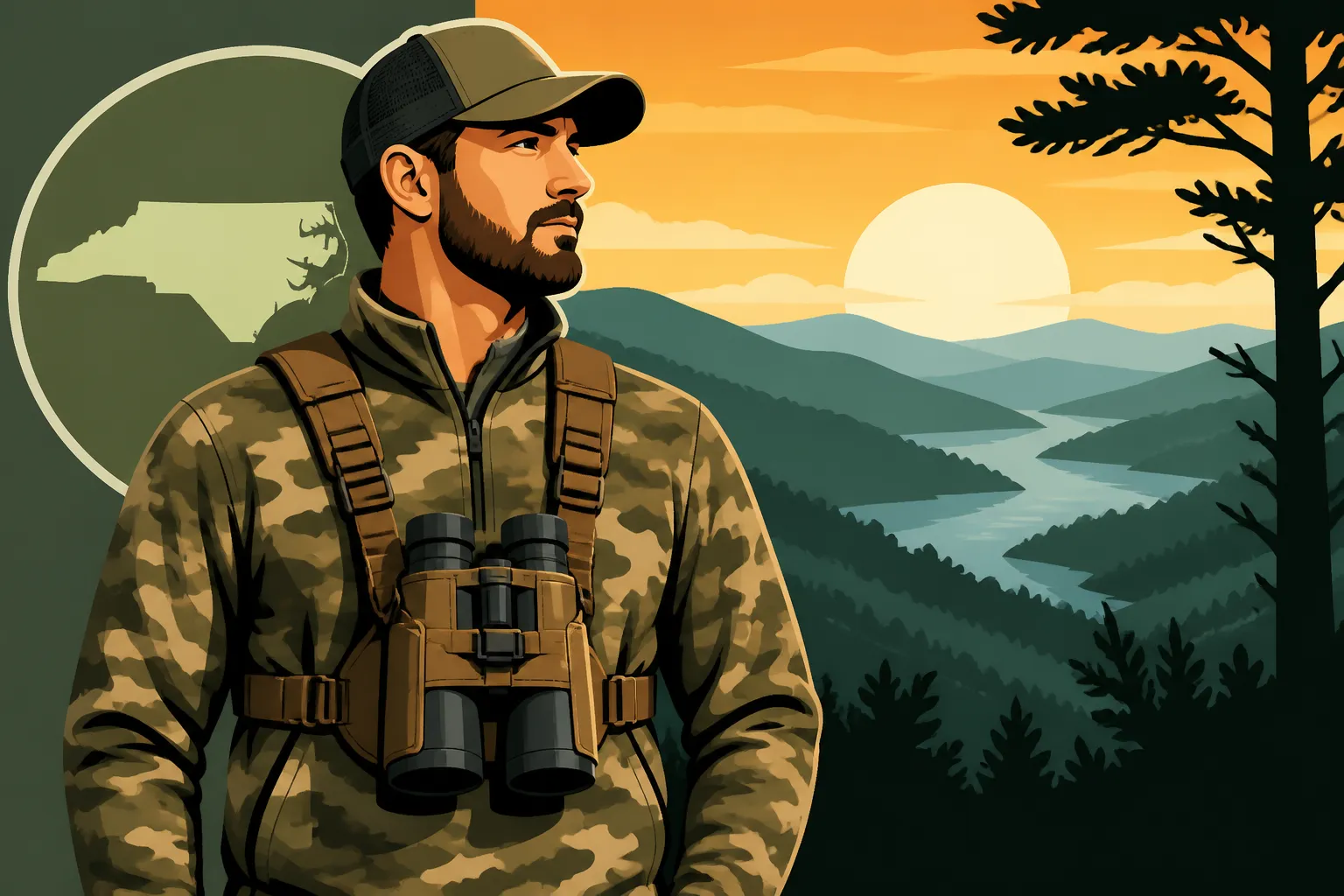
We've all been there: you're still-hunting through a thick Piedmont woodlot, easing your way towards a promising field edge, and your expensive binoculars are swinging wildly from your neck, slapping your chest with every careful step. Or maybe you're glassing a distant ridge in the Blue Ridge Mountains, desperately trying to steady your view, but the neck strap is digging into your traps, making your focus waver. This guide is all about banishing those frustrations, diving deep into why a proper binocular harness isn't just a luxury, but a vital piece of gear for any serious North Carolina hunter, and how to pick the perfect one for your adventures afield.
The Unseen Advantage: Why a Binocular Harness is Essential for North Carolina Hunters
Many hunters start out with the simple neck strap that comes with their binoculars. It seems sufficient, right? You just want to carry them. But out in the diverse and often challenging terrain of North Carolina, from the dense coastal pocosins to the steep mountain coves, that neck strap quickly becomes a liability. A good binocular harness, on the other hand, transforms how you carry and access your optics, offering significant advantages that directly impact your hunting success and comfort.
Protecting Your Investment in the Field
Let's face it, quality binoculars are a significant investment. Dropping them on a rocky mountain trail or having them bang against a tree while you're crawling through thick brush can instantly ruin your day, and potentially your optics. A well-designed harness secures your binoculars tightly to your chest, mitigating these risks dramatically. It prevents the jarring swings that can happen when traversing uneven ground, climbing into a treestand, or pushing through briars. Think about those early morning walks to your stand in the dark; a harness keeps your binos from swinging out and hitting a low-hanging branch that you didn't see.
This secure fit isn't just about impact protection; it's also about keeping dust, dirt, and moisture at bay. Many modern harnesses feature a main compartment that fully encloses your binoculars, protecting the lenses and sensitive internal components from the elements. This is a game-changer when you're hunting during a misty mountain morning or navigating a damp Hunting Coastal Plain Pocosin Swamps. Having clear, clean lenses when you spot that deer at first light, rather than smudged or wet ones, can be the difference between a shot opportunity and a missed chance.
Comfort and Accessibility on Long Hunts
North Carolina hunting often involves long hours in the field and covering significant ground. Whether you're still-hunting for deer in Uwharrie Piedmont Hollows or tracking a bear across a vast game land, comfort is paramount. A traditional neck strap concentrates all the weight of your binoculars on a small area of your neck, leading to fatigue, chafing, and even headaches over time. This discomfort can pull your focus away from the hunt, making you less observant and less effective.
Binocular harnesses, by design, distribute the weight evenly across your shoulders and back, much like a backpack. This reduces strain significantly, allowing you to carry your optics comfortably for much longer periods. But comfort isn't just about weight distribution; it's also about quick, silent access. Imagine that moment when a deer suddenly steps into a clearing. You need to identify it, check for antlers, and assess the shot quickly and quietly. With a harness, your binoculars are right there, ready to grab. The best harnesses allow for one-handed deployment, ensuring you can raise them to your eyes smoothly without fumbling or making unnecessary noise, a critical factor when hunting wary North Carolina whitetails.
Anatomy of a Great Harness: Key Features and Considerations
Not all binocular harnesses are created equal. The market is flooded with options, and while many will "do the job," a truly great harness offers specific features that enhance your hunting experience in North Carolina's diverse environments. When you're looking to invest in a piece of gear that will serve you season after season, it pays to know what truly matters.
Material Durability and Weather Resistance
The materials used in a binocular harness dictate its longevity and performance in the demanding North Carolina outdoors. You want something that can withstand repeated exposure to sun, rain, briars, and abrasive surfaces. Look for durable, synthetic fabrics like Cordura nylon or similar heavy-duty polyesters. These materials are known for their resistance to tearing, abrasion, and fading. Avoid flimsy fabrics that feel like they might rip if you brush against a thicket.
Beyond sheer toughness, weather resistance is crucial. Our state sees its fair share of wet weather, from misty mornings to sudden downpours. Many high-quality harnesses feature water-resistant coatings (like DWR) or even fully waterproof zippers and fabric construction. This extra layer of protection keeps your optics dry, preventing fogging or internal damage. While no fabric is truly impenetrable in a monsoon, good weather resistance buys you time and confidence when you're caught in an unexpected shower during a North Carolina Deer Season Structure Explained.
Storage and Organization Features
A binocular harness is more than just a holder for your optics; it's an extension of your primary pack, providing quick access to essential small items. Look for harnesses with additional pockets and compartments. A small front pocket is perfect for lens cloths, a small rangefinder, or a wind checker. Side pockets can hold calls, a license, or even a compact GPS unit or phone. The goal is to keep frequently used items accessible without having to dig through your main pack.
Internal organization within these pockets can also be a plus, with elastic loops or small dividers to prevent items from rattling around. Some harnesses even feature magnetic closures on the main compartment, which are incredibly quiet and easy to operate with one hand, a definite advantage when you need stealth in the woods. Consider your typical hunting setup and what small items you always need at arm's reach. For example, if you often hunt fields, having your Rangefinders in Thick Coastal Plain Cover easily accessible in a harness pocket is a huge benefit.
Adjustable Fit and Ergonomics
A harness won't be comfortable or effective if it doesn't fit properly. The best harnesses offer a wide range of adjustability, ensuring a snug fit over various layers of clothing, from a light t-shirt in early Bowhunting North Carolina's Statewide Archery Season to heavy insulated jackets during a cold December sit. Look for multiple adjustment points on the straps, allowing you to customize how the harness sits on your chest and shoulders. Padded shoulder straps are also a huge bonus, especially if you're carrying heavier binoculars or are prone to shoulder fatigue.
Ergonomics also extend to how the binoculars attach to the harness. Quick-release buckles or clips allow you to detach your binoculars easily if you need to use them freehand or share them with a hunting partner. This flexibility is often overlooked but proves invaluable in the field. Before buying, try on a harness with your actual binoculars and simulate drawing them to your eyes. Does it feel natural? Is it silent? Does it allow for a full range of motion without restricting your draw or shouldering a rifle? Many hunters find resources like GoHunt helpful for detailed gear reviews that often cover these ergonomic nuances, helping them make an informed choice for their specific hunting style and local conditions.
Matching Your Harness to Your Hunt: Scenarios Across North Carolina
North Carolina's diverse topography and hunting opportunities mean that a "one-size-fits-all" approach to gear often falls short. What works perfectly for glassing open fields in the Piedmont might be overkill or insufficient for crawling through dense coastal swamps. Tailoring your binocular harness choice to your specific hunting scenarios can significantly enhance your effectiveness and comfort.
Mountain Hunting: Ruggedness and Stability
Hunting the mountains of Western North Carolina, whether for deer in Pisgah National Forest or bears in the Nantahala, is physically demanding. You're navigating steep inclines, rocky terrain, and dense rhododendron thickets. For these conditions, your binocular harness needs to prioritize ruggedness and stability. A full-coverage harness with durable, thick fabric is key to protecting your optics from bumps and scrapes. The closure mechanism should be robust, preferably magnetic or a heavy-duty buckle, to prevent accidental opening while you're scrambling over downed timber or Still-Hunting Nantahala Forest Ridges.
Consider a harness with extra padding on the shoulder straps, as the weight of binoculars can become more pronounced during long, uphill treks. Also, look for additional stabilization straps, perhaps around the waist or under the arms, to keep the harness from shifting or bouncing as you move. A harness that stays put means your binoculars are always in the same ready-to-access position, and they won't swing into your rifle when you shoulder it for a shot. For anyone spending serious time in these elevations, checking out reviews or forums for "Optics for Mountain and Piedmont Hunting" or even specific recommendations for Packs for a Pisgah Forest Day Hunt can provide insights into what gear performs best in truly rugged country.
Piedmont and Coastal Plain Hunting: Stealth and Accessibility
Hunting the Piedmont's rolling farmlands or the vast, flat coastal plain presents different challenges. Here, stealth is often paramount, and quick, quiet access to your optics can make or break an encounter. In the thick pine plantations of the Sandhills or the dense bottomland hardwoods of the Coastal Plain, visibility can be limited, and game often appears suddenly and close.
For these environments, a binocular harness that prioritizes quiet operation and rapid deployment is crucial. Magnetic closures on the main compartment are excellent for silent opening and closing. The harness itself should be made of quiet fabrics that don't rustle or make noise when you move, particularly if you're Setting Up on a Piedmont Field Edge or easing through dry leaves. Minimal bulk is also a plus, allowing you to move freely without snagging on brush or feeling cumbersome, especially if you're wearing it under a backpack or with a Treestand Setups in Pisgah National Forest. A slim profile harness ensures your binoculars are protected and accessible without hindering your mobility or adding unnecessary noise to your movement.
| Feature | Mountain Hunting (Pisgah, Nantahala) | Piedmont/Coastal Plain (Uwharrie, Croatan) |
|---|---|---|
| Durability | High – Thick, abrasion-resistant fabric (Cordura) | Medium to High – Durable but quieter fabric |
| Closure Type | Robust buckles, strong magnets for security on rugged terrain | Silent magnets, quick-release for stealth and speed |
| Weatherproofing | Essential – Water-resistant/waterproof for changing conditions | Important – Keeps optics dry in dew, mist, and light rain |
| Stability | Max – Multiple straps, snug fit to prevent bouncing on steep ground | High – Snug fit, minimal shift for quiet movement and quick access |
| Storage | Ample – Room for rangefinder, GPS, calls, small survival items | Moderate – Quick-access for rangefinder, lens cloth, wind checker |
| Bulk | Moderate – Protects optics, but should not impede movement on steep terrain | Low – Streamlined to prevent snags and maintain stealth |
Care and Keeping: Maximizing the Life of Your Binocular Harness
You've invested in a good quality binocular harness that fits your hunting style and the unique demands of North Carolina's terrain. Now, to ensure it serves you well for many seasons to come, a little care and maintenance go a long way. This isn't just about making your gear last; it's about making sure it performs optimally when you need it most.
Cleaning and Storage Best Practices
After a long season of hunting, especially through the mud, dust, and rain our state can throw at you, your harness will inevitably get dirty. Don't just toss it in a corner of the garage until next year. Regularly cleaning your harness removes abrasive dirt, prevents mildew, and prolongs the life of the fabric and zippers. The best approach is often simple: hand wash with mild soap and cool water. Avoid harsh detergents, bleach, or fabric softeners, as these can break down waterproof coatings and fabric fibers. Gently scrub away any caked-on mud or grime, paying attention to zippers and buckle areas.
Once cleaned, ensure the harness is thoroughly air-dried before storing. Hanging it in a well-ventilated area, away from direct sunlight, will prevent mildew growth and unpleasant odors. Never put your harness in a dryer, as the heat can damage the fabric and plastic components. When completely dry, store it in a cool, dry place. Avoid leaving it in a hot vehicle or direct sunlight for extended periods, as UV exposure can degrade materials over time. Proper cleaning and storage keep your harness ready for your next adventure, whether it's Spring Turkey Hunting in North Carolina or preparing for fall deer season.
Checking for Wear and Tear
Before and after each hunting season, make it a habit to inspect your binocular harness for any signs of wear and tear. This proactive approach can help you identify small issues before they become big problems in the field. Pay close attention to the stitching, especially around stress points like where the straps attach to the main compartment or where buckles are sewn in. Look for loose threads or areas where the stitching might be unraveling.
Examine all buckles, clips, and zippers. Do they operate smoothly? Are there any cracks or breaks in the plastic components? Are the zippers still running freely, or are they getting sticky? A broken buckle or a jammed zipper can quickly compromise the effectiveness of your harness. Check the fabric itself for any small tears, punctures, or thinning spots. Even a small tear can expand rapidly when subjected to the rigors of hunting. Addressing these issues promptly, perhaps with a quick repair or a replacement, ensures your harness remains a reliable piece of gear when you're out in the wilds of North Carolina, navigating game lands or Finding Ground Others Walk Past. Regularly inspecting your gear, including your harness, is a good habit for any hunter concerned with safety and preparedness.
Disclaimer
This article is for general informational purposes only and does not constitute professional advice. Laws, prices and regulations vary by location and change over time. Consult a qualified professional for guidance on your specific situation.