Packs for a Pisgah Forest Day Hunt
The challenging terrain and unpredictable weather of North Carolina's Pisgah National Forest demand a lot from a hunter, and arguably, nothing impacts your comfort and efficiency more than your chosen day pack. Hauling gear up steep climbs, navigating dense rhododendron thickets, and being prepared for a sudden mountain squall all hinge on having the right companion on your back. This guide will walk you through everything you need to consider, from choosing the right pack to what to fill it with, ensuring your Pisgah day hunt is as successful and comfortable as possible.
The Unique Demands of Pisgah National Forest Hunting
Hunting in the Pisgah National Forest isn't like hunting a flat farm field or a gently rolling Piedmont woodlot. It's a truly wild, rugged experience that will test both you and your gear. The environment here presents specific challenges that dictate what kind of pack you need to carry and how you should prepare it.
Navigating Steep Slopes and Rough Terrain
Pisgah is synonymous with mountains – steep, unforgiving, and often relentless. You'll encounter ascents and descents that feel endless, often over rocky, root-strewn ground that demands constant attention. Every step requires balance and stability, and a poorly balanced or ill-fitting pack can quickly become a significant hindrance, throwing you off kilter and exacerbating fatigue. Imagine trying to scramble over a large blowdown or traverse a steep side-hill with a pack that's swaying wildly or digging into your shoulders – it's an exhausting and potentially dangerous scenario.
The physical toll of these sustained climbs and descents is immense. Your muscles will burn, and your lungs will work overtime. A pack that distributes weight efficiently to your hips, rather than solely on your shoulders, makes a world of difference over miles of this demanding terrain. You need a pack that moves with your body, doesn't snag on every branch, and ultimately helps you maintain the steady, quiet pace essential for success in the mountains. A good pack isn't just about carrying stuff; it's about facilitating your movement through an incredibly challenging landscape.
Without proper consideration for how your pack rides, you'll find your stamina quickly depleted. A pack that is too wide might catch on trees when you're slipping through tight spots, while one that's too tall could restrict your head movement when looking up for sign or scanning ridges. Every little detail adds up, and in Pisgah, those details can mean the difference between getting to your chosen spot feeling refreshed and ready, or arriving already beaten down before you even start hunting. Taking the time to adjust and fit your pack properly before the hunt is a non-negotiable step.
Weather Extremes: From Sunshine to Sudden Squalls
The weather in the North Carolina mountains, particularly Pisgah, is notoriously fickle. You can start your morning under clear, crisp skies, only for a dense fog to roll in by midday, followed by a torrential downpour, or even unexpected snow flurries, especially at higher elevations or later in the season. These rapid changes demand that you be prepared for everything, and your pack is the mobile repository for that preparedness.
This unpredictability means packing sufficient layers is paramount. You'll need a reliable rain jacket and pants, an insulating puffy jacket or fleece, and perhaps even a change of base layers if you expect to sweat through your clothes on a climb. Your pack needs to accommodate these items efficiently, allowing quick access without requiring you to unpack your entire kit. Trying to dig through a disorganized pack for your rain gear when a storm suddenly breaks can be a frustrating and soaking experience, potentially forcing you to abandon a prime hunting location.
Beyond just carrying the gear, the pack itself needs to withstand the elements. While most packs aren't fully submersible, a good degree of water resistance is crucial. Look for packs made from treated fabrics or those that come with an integrated rain cover. Even a persistent drizzle can soak through less-protective materials, potentially ruining electronics, drenching spare clothes, or making your maps illegible. Protecting your essentials from the wet, cold mountain environment is a primary function of a well-chosen Pisgah day pack.
Longer Distances and Remote Accessibility
Hunting in Pisgah often means committing to longer walks from your vehicle to reach areas that see less pressure or hold better game. Unlike some private land or smaller game lands, the vastness of the national forest means you might be miles from the nearest road, deep in rugged country. This commitment means you need to be self-sufficient for the entire duration of your hunt, as "running back to the truck" simply isn't an option.
Your pack, therefore, must hold all your necessary supplies for an extended period, which includes not just hunting gear, but also ample food, water, and critical emergency supplies. You won't find a convenience store or a water refill station out there. Every item needs to be considered for its necessity and weight, but ultimately, preparedness trumps minimalism when you're truly remote. Being able to sustain yourself, even in an unexpected overnight scenario, is a cornerstone of responsible backcountry hunting.
The reality of being so far from immediate help means that self-reliance starts with your pack. If you become injured, disoriented, or simply take longer than expected to track an animal, having the right gear to stay warm, hydrated, and able to signal for help can literally be a lifesaver. This isn't about being paranoid; it's about being realistic about the inherent risks of hunting truly wild country. A thoughtfully packed bag is your lifeline. For deeper dives into pre-season planning, consider Scouting North Carolina Public Land Before Season.
Essential Features for a Pisgah Hunting Pack
When selecting a pack for your Pisgah adventures, certain features move from "nice to have" to "absolutely essential." These core elements contribute to comfort, functionality, and ultimately, your success and safety in the mountains.
Appropriate Capacity and Smart Organization
One of the first decisions you'll make is pack size, and for a Pisgah day hunt, you're generally looking at something in the 1800 to 3000 cubic inch range. This sweet spot offers enough room for all your daily essentials, layers, food, and water, with a little extra space for a successful harvest, without becoming overly bulky. Too small, and you'll be strapping gear to the outside, creating snags. Too large, and you'll carry unnecessary weight and bulk. It's a delicate balance.
Beyond just volume, how that volume is organized is critical. Look for packs with multiple compartments, internal pockets, and external attachment points. These features allow you to compartmentalize your gear, keeping items like a rangefinder, snacks, or a wind checker easily accessible without having to dig through your entire main compartment. For instance, a dedicated pocket for your optics ensures they're protected and quick to deploy, as detailed in Optics for Mountain and Piedmont Hunting. This level of organization prevents the dreaded "black hole" effect, where you spend valuable time rummaging for a critical item.
Think about specific needs: a hydration bladder sleeve is almost a must for Pisgah's demanding climbs, allowing you to drink on the move. Quick-access pockets on the hip belt are perfect for small items like calls, a compass, or a camera. Some packs even offer a separate, easily accessible compartment for rain gear, allowing you to quickly don it when a shower hits without exposing your entire pack's contents to the elements. The more intuitive the organization, the smoother your hunt will be.
Comfort and Ergonomics for All-Day Wear
A comfortable pack is not a luxury; it's a necessity when you're logging miles on steep, uneven terrain. The cornerstone of pack comfort is its suspension system, which includes the shoulder straps, back panel, and hip belt. Padded, adjustable shoulder straps are standard, but a rigid frame sheet or internal frame is what truly allows the pack to transfer the weight from your shoulders down to your hips, where your body is better equipped to carry it. Without this, your shoulders will be screaming after a few hours.
Proper weight distribution across your hips and shoulders is what prevents fatigue and hot spots. A well-designed hip belt should be substantial, well-padded, and sit squarely on your iliac crest (the top of your hip bones). It should be adjustable enough to provide a snug, secure fit, effectively taking the brunt of the load. Furthermore, adjustability for your specific torso length is paramount; a pack that's too long or too short for your back will never be truly comfortable, regardless of padding.
Pisgah hunts often involve strenuous activity, leading to sweat. Look for packs with breathable back panels and shoulder straps, often featuring mesh or channeled foam, to allow air circulation and help prevent excessive sweating and chafing. Nothing saps morale faster than a perpetually wet and rubbing pack. Investing in a pack that fits your body properly and is designed for extended wear will pay dividends in comfort and endurance, allowing you to focus on the hunt, not on your aching back.
Durability and Weatherproofing for Mountain Abuse
Pisgah will put your gear through its paces. The dense undergrowth, abrasive rocks, and frequent scrapes against tree bark demand a pack constructed from tough, durable materials. Look for fabrics like Cordura nylon or heavy-duty ripstop nylon, known for their resistance to tears and abrasion. Reinforced stitching at stress points – where straps attach, zippers are sewn in – is also crucial to prevent catastrophic failure in the field. A pack isn't just a container; it's a piece of working equipment.
While "waterproof" packs are rare (and often very heavy or expensive), a high degree of water resistance is non-negotiable. Many quality packs achieve this through durable water repellent (DWR) coatings on the fabric, internal PU coatings, and storm flaps over zippers. Better yet, many hunting-specific packs come with an integrated, easily deployable rain cover. This is a crucial feature, as a prolonged downpour can penetrate even the most water-resistant fabrics, soaking your essential gear and potentially ending your hunt prematurely.
Finally, don't overlook the importance of quality hardware. Cheap plastic buckles can snap in cold weather or under stress. Inferior zippers can jam or fail, rendering pockets or even the main compartment inaccessible. Invest in a pack with robust, reliable buckles, YKK zippers, and strong webbing. These small details might seem insignificant, but when you're miles into the backcountry, a broken buckle or a stuck zipper can create a cascade of problems. A pack needs to be reliable, every time, in every condition.
Types of Packs for Your Pisgah Hunting Style
The "best" pack isn't a one-size-fits-all answer; it depends on your specific hunting style, the duration of your hunt, and whether you anticipate packing out meat. Pisgah offers varied terrain and opportunities, and your pack should align with your approach.
Minimalist Day Packs: Fast and Light for Shorter Jaunts
For hunters who prioritize speed and agility, or for those undertaking shorter, more targeted missions like quick scouting trips or an afternoon stand hunt close to the truck, a minimalist day pack can be an excellent choice. These packs typically range from 1500 to 2000 cubic inches, focusing on carrying only the bare essentials. Think water, a few snacks, a rain jacket, basic first aid, and your primary hunting tools.
The primary advantage of these smaller packs is their lightweight nature and compact profile. They are less likely to snag on dense rhododendron or thick mountain laurel, making movement through tight cover smoother and quieter. They won't weigh you down during strenuous climbs, allowing for a faster pace and less fatigue. They're ideal when you're just looking for Finding Sign in Big Pisgah Timber or making a quick entry to a specific bedding area you've identified.
However, their limited capacity is also their biggest drawback. If you anticipate needing extra layers for changing weather, carrying substantial amounts of water, or having the space to pack out meat from a successful harvest, these packs will quickly prove inadequate. They are not designed for heavy loads or for extended periods in remote backcountry where self-sufficiency might stretch beyond a few hours. Use them strategically for specific, lighter-duty scenarios.
Standard Hunting Day Packs: The Versatile Workhorse
For the majority of Pisgah hunters embarking on a full-day excursion, a standard hunting day pack is often the most versatile and practical choice. These packs usually fall within the 2000 to 3000 cubic inch range, striking a good balance between carrying capacity and manageable bulk. They are designed to comfortably hold all your necessary gear for a day of hunting, including extra layers, sufficient food and water, optics, and basic emergency supplies, with enough room left over for deboned meat if you're successful.
Many packs in this category come equipped with features specifically tailored for hunters. This might include integrated rifle or bow carry systems, allowing you to secure your weapon to the pack for hands-free movement over rough terrain. Quiet, brushed fabrics are common to minimize noise. You might also find blaze orange rain covers built-in, fulfilling safety requirements without needing to carry a separate item. These packs are built to withstand the rigors of hunting while keeping your gear organized and accessible.
When researching these workhorse packs, it's beneficial to consult resources that provide detailed reviews and comparisons. Many hunters rely on established outdoor brands, and platforms like GoHunt often feature discussions, reviews, and comparisons of different pack styles and features, helping you assess what might best suit your particular needs and preferences for Pisgah's diverse hunting scenarios. The key is to find a pack that provides comfort for the long haul and the functionality you need for various situations you might encounter.
Internal Frame Packs: Hauling More, Further
For hunters who specifically anticipate the challenge of packing out meat on a day hunt, or perhaps those who combine a day hunt with a minimalist overnight stay in Pisgah, a smaller internal frame pack (often still marketed as a "day pack" but with capacities typically pushing 3000 cubic inches and beyond) becomes an invaluable tool. The internal frame system, usually composed of aluminum stays or a rigid frame sheet, is designed to efficiently transfer heavy loads from your shoulders to your hips, making substantial weight feel much more manageable.
These packs excel when you're carrying a combination of your personal hunting gear and the added weight of an animal quarter or deboned meat. Many feature an expandable load shelf or a dedicated meat compartment, allowing you to secure a heavy, awkward load close to your back for optimal balance and comfort. This is especially critical in Pisgah's steep and uneven terrain, where a shifting, heavy load can easily lead to a fall or severe muscle strain. They are designed for truly robust use, similar to a backpacking pack but often with hunting-specific features.
While internal frame packs offer superior weight distribution and durability for heavy loads, they do come with trade-offs. They are generally heavier than minimalist or standard day packs, even when empty, due to their more robust construction and frame. They can also be bulkier, potentially making it slightly harder to slip silently through dense cover. However, if your hunting plans in Pisgah frequently involve packing out an animal, the investment in a high-quality internal frame pack is well worth it, preventing significant discomfort and potentially dangerous situations during the strenuous pack-out. For those looking to set up temporary camps for multi-day excursions, these packs also pair well with strategies found in Hunting the North Carolina Mountains.
What Goes Inside: Equipping Your Pisgah Pack
A pack is only as good as what's inside it. For a Pisgah day hunt, your contents need to reflect the rugged environment, the potential for rapid weather changes, and the inherent remoteness of the area. Thinking through every item ensures you're prepared for the expected and the unexpected.
Navigation, Communication, and Safety Essentials
Getting lost in Pisgah is a real concern, and cell service is notoriously spotty or non-existent in many hollows and deep coves. Therefore, reliable navigation tools are paramount. Always carry a physical map (waterproofed, if possible) and a compass, and know how to use them. Don't rely solely on your phone; even with downloaded maps, batteries die. A dedicated GPS device is a solid backup, or if using your phone, ensure you have a robust mapping app like GoHunt with offline capabilities and your maps downloaded before you lose service.
Beyond navigation, communication and safety are critical. A fully charged headlamp, even if you plan to be out before dark, is an absolute must – an unexpected tracking job or a wrong turn can quickly leave you in the dark. Carry a loud whistle for signaling, a reliable fire starter (waterproof matches, lighter, fire steel), and a basic but effective first aid kit. For more on what to include, check out First Aid Kits for Remote Mountain Ground. Consider a personal locator beacon (PLB) or satellite messenger for true peace of mind in deep backcountry, as it allows you to communicate even without cell signal.
Don't forget a fully charged power bank to recharge your phone or other small electronics. In the cold, batteries drain faster. A multi-tool can also be invaluable for minor repairs or tasks in the field. These items are the bedrock of self-sufficiency and can turn a potentially dangerous situation into a manageable inconvenience.
Sustenance and Emergency Preparedness
Pisgah hunting is physically demanding, so proper sustenance is key. Carry ample water, far more than you think you'll need. A hydration bladder is excellent for continuous sipping, supplemented by water bottles. Additionally, always pack a water purification method – a filter, purification tablets, or a small bottle of iodine solution – in case you run out of what you carried and need to replenish from a mountain stream.
Pack high-energy snacks that are easy to eat on the go and won't freeze in cold weather. Think nuts, jerky, energy bars, and dried fruit. A simple emergency meal, like a dehydrated meal pack, can also be a lifesaver if you're unexpectedly delayed. As mentioned earlier, layers are crucial. A lightweight rain jacket and pants, along with an insulating puffy jacket or fleece, should always be in your pack, even on a sunny day. Reference Clothing for a North Carolina Late Season for detailed guidance on layering.
Emergency preparedness also extends to unexpected overnight stays. A lightweight space blanket or an emergency bivvy sack can provide critical warmth if you're stranded. A small tarp can offer shelter from rain or wind. These items don't take up much space or add significant weight but can be game-changers in a survival situation. Always think worst-case scenario when packing, and hope for the best.
Hunting-Specific Tools and Game Recovery
Finally, your pack needs to hold the tools essential for the hunt itself and, hopefully, for a successful recovery. This includes a sharp field dressing knife (or two), game bags for quartering or deboning an animal, and rubber gloves for hygiene. You'll likely also want zip ties or small bungee cords for securing various items, and brightly colored flagging tape to mark a blood trail or a downed animal's location. For more details on preparing your harvest, see Meat Care Gear for North Carolina Hunters.
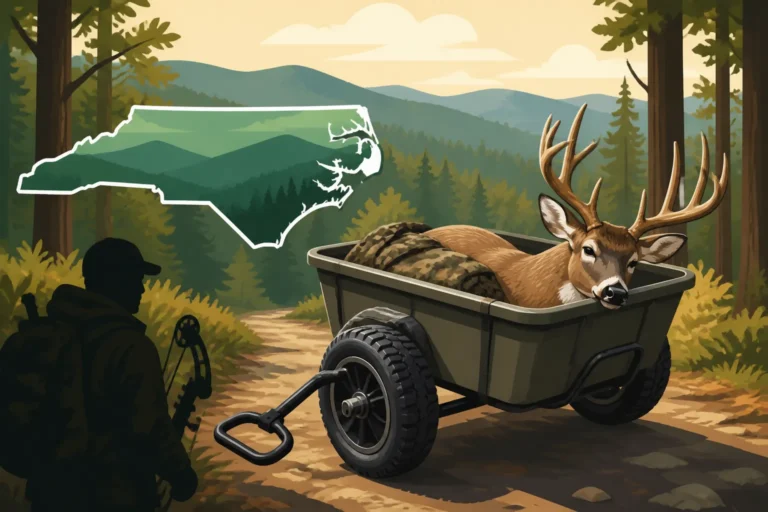
If you're successful, consider how you'll get the animal out. While a full internal frame pack is ideal for packing quarters, even a standard day pack should have enough room to carry out deboned meat. This might mean making multiple trips or having a plan to retrieve a larger pack or game cart (though carts are often impractical in the steepest parts of Pisgah). The key is to have the tools on hand to process the animal efficiently and hygienically, preserving the meat.
Don't forget your specific hunting tools – extra broadheads or bullets, a small sharpening stone, and any calls you might use. Every item in your pack should serve a purpose, and for a Pisgah hunt, that purpose is often tied directly to survival, comfort, or success in a demanding environment.
Fine-Tuning Your Pack for Peak Performance
Having the right pack and the right gear is only half the battle. How you load that gear, adjust the pack to your body, and test it before the hunt can dramatically impact your comfort, balance, and overall effectiveness in the Pisgah woods.
Strategic Weight Distribution and Packing Techniques
Packing your bag isn't just about cramming everything in; it's an art that directly influences your comfort and balance on the trail. A general rule of thumb for rugged terrain like Pisgah is to place heavy items close to your back, ideally at shoulder blade height. This keeps the center of gravity high and tight, helping you maintain stability on uneven ground and steep climbs. Lighter, bulkier items can fill out the top and bottom of the pack.
Items you'll need frequently—like your water bottle, snacks, rangefinder, wind checker, or small calls—should be in easily accessible pockets, such as those on the hip belt or the side of the pack. Your rain gear should also be quick to grab, ideally in an external stretch pocket or the top lid, so you don't have to unpack your entire bag when a sudden shower hits. This prevents valuable time wasted fumbling for essentials and keeps you focused on the hunt.
Utilize any internal compression straps or external cinch straps your pack offers. These are your friends for compacting the load and preventing shifting. A loose, shifting load can throw you off balance, create annoying noises, and quickly lead to fatigue. Secure everything tightly, ensuring nothing dangles or can get caught on brush. This meticulous packing prevents the dreaded feeling of a "swaying" pack that makes every step a battle against gravity.
External Attachments and Customization
Many modern hunting packs offer a variety of external attachment points, such as daisy chains, MOLLE webbing, or specialized straps for carrying gear outside the main compartment. These can be incredibly useful for items that are too bulky to fit inside, or those you need instant access to. For example, a spotting scope or tripod can be lashed securely to the side or front, or an extra layer can be quickly cinched to the bottom.
However, use external attachments judiciously. While convenient, too much gear hanging outside can create snag points in dense brush, rattle against trees, or throw off your pack's balance. Always ensure anything attached externally is secured tightly with no loose ends. If you're carrying a rifle or bow in a dedicated external sleeve, ensure it's balanced and won't interfere with your head movement or arm swing while walking.
Consider how your pack integrates with other gear you wear. A good binocular harness system, for instance, can often integrate with your pack's shoulder straps, distributing the weight of your binos without adding extra bulk around your neck. Some hunters also use hip-belt holsters for a sidearm or calls, ensuring these critical items are always within easy reach. Thoughtful customization can greatly enhance your efficiency in the field.
Pre-Hunt Testing and Adjustment
This step is absolutely critical and often overlooked: never head into Pisgah on a serious hunt with an untested pack. Load your pack with all the gear, food, and water you intend to carry on your actual hunt. Then, take it for a strenuous "shakedown" walk. This isn't a stroll around the block; find some hills, uneven terrain, and maybe even some brush to simulate actual hunting conditions.
During this test walk, pay close attention to how the pack feels. Adjust the shoulder straps, sternum strap, and hip belt until the weight feels comfortably distributed. The hip belt should be doing most of the work, resting on your hip bones, not sagging. Notice any pressure points, rubbing, or discomfort. Does anything rattle? Does the pack shift when you bend or climb? Are key items accessible without too much effort?
Address any pain points before your actual hunt. Adjust the torso length if your pack allows, add extra padding to shoulder straps if needed, or re-pack to eliminate shifting. It's far better to discover and fix these issues in your backyard or a local park than to be miles deep in Pisgah, miserable, and wishing you had spent more time preparing. This pre-hunt trial run is an investment in your comfort, safety, and ultimate success. For tips on navigating the terrain, consider the advice in Wind and Thermals on a Blue Ridge Slope.
Longevity and Care for Your Mountain Companion
Your hunting pack is an investment, a critical piece of gear that carries everything you need into the wilderness. Proper care, cleaning, and timely maintenance will ensure it serves you reliably for many seasons of Pisgah hunts.
Cleaning and Proper Storage
After a challenging day in Pisgah, especially if your hunt involved mud, blood, or heavy rain, your pack will likely need some attention. Neglecting to clean it can lead to foul odors, mildew growth, and even accelerated wear on the fabric. For general dirt and grime, spot clean your pack with mild soap (like unscented dish soap) and a soft brush or sponge. Avoid harsh detergents or bleach, which can damage fabric coatings and colors. For tougher stains, a gentle scrub is usually all that's needed.
Once cleaned, thoroughly dry your pack. This is perhaps the most crucial step. Hang it upside down in a well-ventilated area, preferably out of direct sunlight, which can degrade fabric over time. Ensure all pockets are open to allow air circulation. Never store a damp pack, as this is a guaranteed recipe for mildew, which not only smells terrible but also breaks down the fabric's integrity. Give it a full day, or even two, to completely air out before putting it away.
For long-term storage, find a cool, dry place where your pack is protected from direct sunlight and away from rodents or other pests that might chew through straps or fabric. Avoid cramming it into a tight, confined space, as this can bend or damage internal frames or create permanent creases in the fabric. Storing it loosely, perhaps in a large duffel bag or hanging from a sturdy hook, is ideal, helping to maintain its shape and material integrity for its next outing.
Minor Repairs and Field Fixes
Even the best-made packs can suffer minor wear and tear, especially with the abuse dished out by Pisgah. Knowing how to perform basic field repairs or bringing a small repair kit can save a hunt or extend your pack's life. Zippers are often the first point of failure; learn how to clear a snagged zipper or carry extra zipper pulls. A small sewing kit with a heavy-duty needle and strong thread is invaluable for patching small tears or reinforcing a stressed seam before it becomes a major blowout.
Small tears in the fabric can be temporarily patched with tenacious tape or gear tape, which are highly adhesive and can withstand moisture. For more permanent fixes, a heavier fabric patch and appropriate adhesive can work wonders. Don't let a small rip turn into a large, unmanageable hole. Addressing these issues promptly prevents them from escalating and compromising your pack's functionality.
Broken buckles are another common issue, but fortunately, they're relatively easy to fix. Carry a few spare buckles in common sizes for your pack, as they are inexpensive and lightweight. Learning how to re-thread webbing and replace a buckle can be done in minutes, preventing the annoyance of a flapping strap or a hip belt that won't secure. These minor repairs keep your pack fully functional and comfortable, ensuring you're not hampered by small equipment failures.
Knowing When to Upgrade
While diligent maintenance and repairs can extend a pack's life significantly, there comes a point when a pack is simply worn out. Fabrics become abraded and thin, internal frames might be permanently bent or compromised, and waterproofing treatments can be long gone, no matter how many times you re-treat it. Trying to squeeze another season out of a truly dilapidated pack can lead to discomfort, equipment failures, and even safety concerns in the backcountry.
Evaluate your current pack objectively. Does it still meet your hunting needs? Have your hunting style or the type of terrain you frequent in Pisgah evolved? Perhaps new pack technologies or features (like advanced suspension systems, integrated weapon carry, or better organizational layouts) have emerged that would significantly improve your experience. Sometimes, investing in an upgrade isn't just about replacing something old; it's about optimizing your gear to better match your current pursuits and maximize your comfort and efficiency.
Ultimately, view your pack as an investment in your comfort, efficiency, and safety on the mountain. A well-chosen, well-maintained, and appropriately upgraded pack will be a reliable companion through countless Pisgah adventures, carrying you and your gear to success.
Disclaimer
This article is for general informational purposes only and does not constitute professional advice. Laws, prices and regulations vary by location and change over time. Consult a qualified professional for guidance on your specific situation.