Locator Calls for North Carolina Gobblers
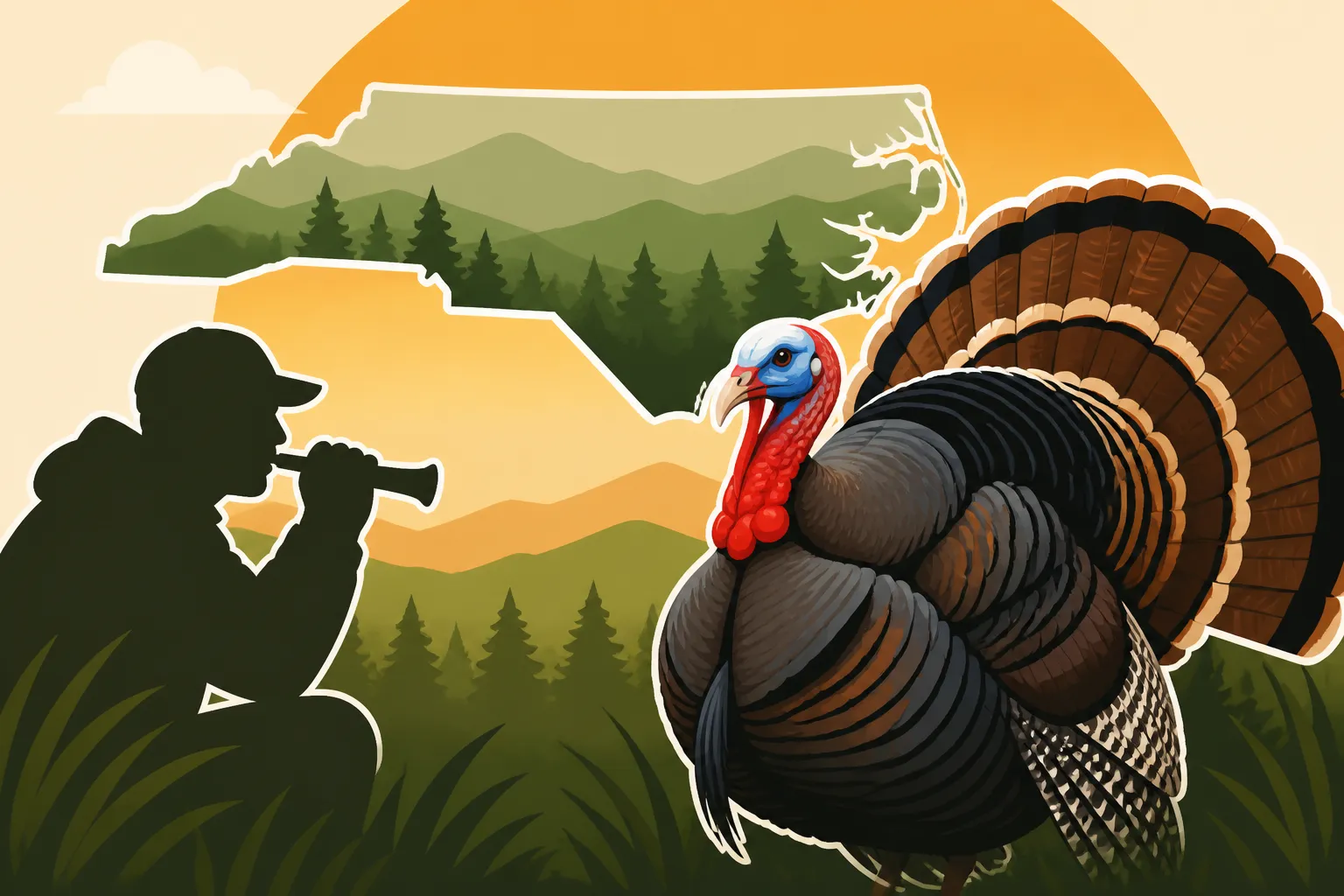
There’s nothing quite like the anticipation of a North Carolina spring morning, right? You’ve put in the scouting, maybe spent hours poring over maps, and now you’re standing in the pre-dawn chill, heart pounding with hope. But then, silence. Or worse, you hear a distant gobble, can't quite pinpoint it, and the bird clams up before you can even think about a setup. That's where locator calls become your best friend, helping you cut through the quiet and get those gobblers to reveal their position without giving away yours. This guide will walk you through the ins and outs of using these essential tools to put more North Carolina longbeards in your sights.
The Secret Weapon: What are Locator Calls and Why They Matter
Many new turkey hunters, and even some seasoned folks, sometimes overlook the power of a good locator call. They think, "Well, I have a slate call or a box call, isn't that enough?" And yes, those are vital for calling a turkey to you, but locator calls serve a different, equally critical purpose: finding them. Imagine trying to hunt a ghost – that's what it feels like when you know turkeys are in an area but they're not talking, or you simply can't tell exactly where that booming gobble came from in the vastness of a national forest.
The primary frustration? You can't call to a bird you can't hear, or one whose location you can't confidently pinpoint. North Carolina's diverse landscapes, from the thick laurel slicks of the mountains to the sprawling pine plantations of the Coastal Plain, can swallow sound. A gobble might carry, but its exact origin can be surprisingly deceptive. That's where a locator call steps in, acting as an auditory probe to shock a gobbler into sounding off. It's about eliciting a "shock gobble" – that involuntary, often loud and enthusiastic response a tom gives when surprised by another loud, sharp sound. This isn't about mimicking a hen; it's about provoking a reaction.
When to Deploy Your Locator Calls
Knowing when to use a locator call is almost as important as knowing how to use one. You wouldn't throw a pot call at a roosted bird at midday, and similarly, there are optimal times for locators.
- Pre-dawn Roosting: This is classic locator call territory. Before the first hint of light, when turkeys are still tight on their roosts, a sharp owl hoot or crow caw can often get them to gobble. They're feeling safe, perhaps a bit territorial, and a sudden, loud noise often triggers a response. This allows you to get a bearing on their position before they fly down. You can adjust your approach, set up a Decoy Placement for Pressured North Carolina Birds, or plan your entry route silently.
- Mid-Morning Silence: Sometimes, after the initial morning flurry, things go dead silent. Hens might have gone to nests, gobblers might be henned up, or they've simply shut down. A well-timed locator call can break the silence and reveal a tom you didn't know was there. Maybe he's slipped into a new area or just needed a nudge to talk. This is especially useful if you're Run-and-Gun Turkey Tactics on Public Land and covering a lot of ground.
- Scouting Missions: Even outside of hunting season, or during off-peak hours, locator calls are invaluable for scouting. You can identify potential roosting areas, feeding grounds, and travel corridors by hitting various points with a locator call. A quick trip to a new section of Uwharrie National Forest with your owl hooter and a mapping app like GoHunt can reveal hidden honey holes. This kind of intel is gold when you're trying to figure out Where North Carolina Gobblers Roost.
The Benefits Beyond Just Finding Birds
Beyond simply getting a gobble, locator calls offer several strategic advantages. They help you gauge a bird's enthusiasm – a weak, single gobble might indicate a distant or less-interested tom, while a booming, aggressive series of gobblers means he's hot. This intel can help you decide how aggressively to approach or whether to move on. They can also help you confirm a bird's direction of travel. If you hear him gobble to your crow call, then move and gobble again from a different direction to your next call, you know he's shifting.
Furthermore, locator calls can help you avoid bumping birds. Instead of blindly walking into an area hoping to hear a gobble, you can use a locator call from a distance to get a general idea of turkey presence. This allows for a more stealthy and controlled approach, especially on pressured public land where birds are quick to bust you. With a robust mapping tool like GoHunt, you can mark every gobble you hear, creating a heat map of activity that guides your future hunts.
Your Toolkit: Types of Locator Calls for North Carolina Gobblers
North Carolina offers a fantastic variety of terrain and hunting situations, which means having a diverse set of locator calls can really pay off. Each call has its own unique sound, and certain sounds tend to work better in specific situations or for different birds. It’s like having a full set of tools in your hunting pack, not just a hammer.
The Classic Owl Hooter
The owl hooter is arguably the most popular and effective locator call, especially in the pre-dawn hours. Why? Because owls are predators, and their hoots are a natural sound in the woods. When a turkey hears an owl, it's not a threat to them, but it often triggers an "all clear" or a territorial response, making them gobble.
- Sounds and Technique: Most owl calls mimic the barred owl's distinctive "Who cooks for you? Who cooks for you all?" call, though some replicate the great horned owl. The key is to make it sound natural. Start with a softer series of hoots, waiting 15-30 seconds before trying a louder, more aggressive sequence. Vary your cadence and volume. You don't want to sound like a broken record. Try a couple of short hoots, then a longer series.
- Optimal Use: This call shines right before fly-down, when turkeys are still on the roost. I've been tucked into a cold, dark hollow in the Appalachian foothills, wondering if any birds were even around, and a well-placed owl hoot shattered the silence with a booming gobble directly above me. It’s also effective just after fly-down when birds are still grouped up and haven't dispersed yet.
- North Carolina Specifics: In the denser hardwood bottoms of the Piedmont or the thick mountain timber of Pisgah National Forest, owl hoots can really cut through the canopy. The sound travels well, bouncing off ridge lines and through valleys. However, be mindful of real owls. If a real owl is hooting, let it do the work for you or wait until it moves on before trying your own.
The Aggressive Crow Call
The crow call is another locator call staple, known for its piercing, far-reaching sound that can often agitate a gobbler into giving away his position. Crows are noisy birds, and turkeys often associate their cawing with alarm or general woodland commotion.
- Sounds and Technique: Crow calls are generally simpler to operate than owl calls, typically requiring a sharp, aggressive burst of air to create loud, realistic caws. Vary your caws – single sharp caws, then a series of excited caws, just like real crows would make. Don't be shy with the volume; crows are not subtle.
- Optimal Use: Crow calls are excellent once the sun is up, throughout the mid-morning, and even into the early afternoon. They're particularly useful for birds that have flown down and are moving around or for covering large areas as you Scouting North Carolina Public Land Before Season. I've had success with crow calls on field edges in eastern North Carolina, where crows are abundant and their calls are part of the everyday soundscape.
- North Carolina Specifics: In open farm country or pine plantations, where sound can carry for miles, a crow call is incredibly effective. Be aware that you might call in actual crows, which can be a good thing – a group of real crows cawing will often get a gobbler to respond even if your call didn't. Just don't get so engrossed in crow calling that you miss the soft gobble you're listening for!
The Distinctive Coyote Howler
While perhaps less traditional than the owl or crow, a coyote howler can be an incredibly potent locator, especially for those hard-headed gobblers that ignore other calls. The sound of a coyote can be alarming to turkeys, prompting a shock gobble.
- Sounds and Technique: Coyote howlers typically involve a diaphragm or friction call that produces a high-pitched, often mournful howl. You want to mimic a lone coyote's howl, maybe even a couple of yips and barks, but don't overdo it. A single, convincing howl or a short series is usually enough.
- Optimal Use: Coyote howlers can work any time of day, but they are particularly effective when other calls have failed, or you're trying to locate a bird that's proven to be tight-lipped. The "shock" factor is very high with a coyote howl, as it's a sound that suggests danger. I've heard stories of howlers getting a bird to gobble when nothing else would, even during the middle of the day.
- North Carolina Specifics: With Coyotes and Predators in North Carolina being widespread, this is a very natural sound in our woods. Consider using a coyote call when hunting larger tracts of public land, such as the Croatan National Forest or the vast game lands where coyotes roam freely. It's a call that carries a long way and can provoke a response from distant birds.
The Lesser-Known Pileated Woodpecker Call
This one might surprise some, but the loud, distinct call of the pileated woodpecker can also trigger a shock gobble. Their calls are piercing and carry well through the timber.
- Sounds and Technique: Pileated woodpecker calls are generally mouth-blown, mimicking the bird's loud, rhythmic "cuk-cuk-cuk-cuk" or "wucka-wucka-wucka" call. The key is to make it sharp and clear.
- Optimal Use: This call is great for breaking the silence in dense timber, especially mid-morning. It's less intrusive than a coyote howl and more unique than a crow caw, sometimes offering a different stimulus for a gobbler to respond to.
- North Carolina Specifics: North Carolina is home to a healthy population of pileated woodpeckers, especially in mature hardwoods and mixed forests across all regions. This makes their call a very natural and non-threatening sound to turkeys. If you're hunting older growth timber in the mountains or the deep swamps of the Coastal Plain, this can be a surprisingly effective call that birds won't associate with human presence.
Here's a quick comparison of these locator calls:
| Call Type | Primary Use | Key Advantages | Best Time of Day | North Carolina Terrain Fit |
|---|---|---|---|---|
| Owl Hooter | Roost location, close range | Natural, good for pre-dawn, carries well | Pre-dawn, early morning | Dense timber, mountain hollows, Piedmont hardwoods |
| Crow Call | Covering ground, mid-range | Loud, far-reaching, common sound, good mid-day | Mid-morning, midday | Open fields, pine plantations, mixed forests |
| Coyote Howler | Stubborn birds, long range | High "shock" factor, unique sound, far-reaching | Any time | Large public land, rural areas, thick cover |
| Pileated Woodpecker | Timber, subtle provocation | Natural, distinct, less common by hunters | Mid-morning, midday | Mature hardwoods, mixed forests, swamps |
Becoming a Maestro: Mastering the Art of Locator Calling
It's one thing to blow into a call; it's another entirely to use it effectively. Locator calling is as much an art as it is a science, demanding patience, keen listening skills, and an understanding of turkey behavior. It's about provoking a reaction without spooking your quarry.
Techniques for Optimal Success
- Listen First: Before you even bring a call to your lips, pause. Take a minute or two to simply listen to the woods. Are there any natural sounds that might be eliciting a gobble? Is a real owl hooting? Sometimes, the best locator call is no call at all. Knowing the baseline sounds of the forest you're hunting, perhaps by reviewing GoHunt's satellite imagery to understand the landscape, can give you a significant advantage.
- Vary Your Position and Volume: Don't just stand in one spot and blast your call. Move 50-100 yards between calls, especially if you're working a ridge or a large bottom. Change your calling position to ensure the sound carries in different directions. Start with softer calls, then escalate to louder ones if you get no response. This is particularly important when you're Calling a North Carolina Gobbler Off the Roost, as you don't want to blow him out of his tree.
- Wait and Listen: This is perhaps the most crucial technique. After making a locator call, wait. Give it a good 30-60 seconds, sometimes even longer, for a gobbler to respond. Turkeys don't always gobble immediately. They might stretch, adjust, or simply take a moment to react. Sometimes the gobble is softer and more distant than you expect, so keen listening is key.
- Directional Calling: If you suspect a bird is in a certain direction but you can't quite pinpoint him, try calling slightly away from that direction. Sometimes, hearing a sound from an unexpected angle can be just enough to shock him into gobbling.
Reading the Gobble: More Than Just a Sound
A gobble isn't just a gobble. There's a lot of information hidden within that sound. Learning to interpret it can guide your next moves.
- Enthusiasm: Is it a weak, single gobble, or a booming, multi-series eruption? A very enthusiastic gobble often indicates a hot, territorial tom who might be more willing to come to a hen call. A weak gobble might mean he's distant, henned up, or simply not that interested.
- Direction and Distance: This is the primary goal. Use landmarks, your compass, or even your GoHunt app to triangulate the sound. A gobble from across a valley sounds different from one coming from a nearby thicket. Pay attention to how the sound echoes and where it seems to originate.
- Frequency: Is he gobbling every time you call, or just occasionally? A bird that's gobbling frequently is often easier to work. If he's only gobbling every fifth call, he might be henned up or moving away.
- Change in Location: If you call, get a gobble, move, and call again, and the gobble comes from a different location, that's important. It tells you he's moving, and you might need to adjust your approach or try to intercept him. This is vital when trying to figure out Hunting the North Carolina Rut by Zone and where birds might be traveling.
Common Mistakes to Avoid
Even seasoned hunters can fall into these traps. Being aware helps you avoid them.
- Over-Calling: This is probably the number one mistake. Blasting a locator call too frequently can educate birds, make them associate the sound with danger, or simply make them shut down. Less is often more.
- Calling Too Close: If you're too close to a roosted bird when you make a loud locator call, you might spook him right off the roost or make him clam up completely. Always try to locate from a safe distance.
- Ignoring the Wind and Terrain: Wind can carry your sound away, or distort it. Terrain, like hills and hollows, can block or redirect sound. Always factor in the environmental conditions. A strong wind can make it impossible for a bird to hear you, or for you to hear him. Using a mapping tool like GoHunt can help you visualize the terrain and anticipate how sound might travel.
- Not Having a Backup: What if your owl hooter isn't working? What if the birds are ignoring your crow call? Always carry at least two different types of locator calls to offer variety and increase your chances of getting a response.
Integrating Locator Calls into Your Overall Hunt Strategy
Locator calls are not a standalone tactic; they are a critical component of a larger hunting strategy. Think of them as the scouting phase that happens during your hunt, constantly updating you on the turkeys' positions and moods.
The Pre-Dawn Roost Hunt
This is where locator calls truly shine. You've hiked into your general area in the pitch black, using your GoHunt app to navigate to a ridge overlooking a known roosting bottom. The woods are still.
- First Light Approaches: As the sky begins to show the faintest hint of grey in the east, pick a strategic spot – perhaps a small knoll or a bench on a ridge – and make your first owl hoot. Make it sound natural, not too loud. Wait. Listen. If nothing, try a slightly louder version 5-10 minutes later.
- Pinpointing the Gobble: When that first gobble rips through the morning air, your heart leaps! Now, focus. Can you tell if it's high in a tree, or already on the ground? Use your ears to pinpoint the exact direction. If you get multiple gobblers, even better. This intel is crucial for deciding your next move: do you try to slip closer for a setup, or is he already too close? This is also where understanding Roost Hunting North Carolina Gobblers comes into play.
- Silent Approach: Once you have a general location, put the locator calls away. Your next moves need to be as quiet as possible. You're now transitioning from locating to calling. If you're on public land, remember that other hunters might also be using locator calls, so be aware of your surroundings.
Mid-Day and Running & Gunning
North Carolina turkeys, especially those on public land, can go quiet after the initial morning excitement. This is where a more mobile, "run-and-gun" approach often pays off, and locator calls are your best friend.
- Covering Ground: If you're not getting any responses in one area, don't be afraid to move. Use a topographic map on your GoHunt app to identify potential travel corridors, creek bottoms, or field edges where birds might be feeding or loafing.
- Strategic Calling Intervals: As you move, stop every few hundred yards, or at key terrain features like saddle points or creek crossings, and hit a locator call. A crow call works wonderfully here, as it carries a long way and doesn't sound out of place during the day. A well-placed coyote howl can also break the silence.
- Adapting to Silence: If a bird gobbles consistently to your locator, you know he's responsive, and you can start closing the distance and switch to softer hen calls. If he only gobbles once and shuts up, it might be a tougher bird, or he's with hens. In this case, you might need to back off, circle, and try to get ahead of him or try a different approach, perhaps focusing on Turkey Tactics for Piedmont Field Edges if that's the terrain you're in.
Scouting and Planning for Future Hunts
Locator calls aren't just for in-season hunting. They are invaluable scouting tools that can help you understand turkey behavior in specific areas.
- Off-Season Intel: Take your locator calls out in the fall or winter when you're deer hunting. If you hear turkeys gobble to your calls then, you know they're using that area. Mark it on your GoHunt map. This pre-season intel can save you countless hours during the spring. Knowing North Carolina Turkey Population Trends in your specific hunting zone can also inform your scouting intensity.
- Mapping Key Locations: Every time you get a gobble, especially from a unique spot, mark it on your GoHunt map. Over time, you'll start to see patterns: certain ridges where birds consistently roost, particular bottoms where they feed, or specific areas where they seem to respond more readily. This data builds a powerful picture of turkey activity.
- Understanding Pressure: If you're hunting public land, you'll often hear other hunters' locator calls. This can be a double-edged sword: it tells you birds are in the area, but also that they're getting pressured. Your ability to make realistic, subtle locator calls, and then transition to realistic hen calls, becomes even more important. Understanding Hunting Pressure on North Carolina Public Land is key to success.
Using locator calls effectively can truly transform your North Carolina turkey hunting experience. They are your eyes and ears in the silent woods, giving you the critical information you need to make smart, strategic moves. So next time you're heading out, don't forget your owl hooter, crow call, and even a coyote howler. You might be surprised what secrets they unlock.
Disclaimer
This article is for general informational purposes only and does not constitute professional advice. Laws, prices and regulations vary by location and change over time. Consult a qualified professional for guidance on your specific situation.