First Aid Kits for Remote Mountain Ground
Getting out into North Carolina’s vast mountain hunting grounds, whether it’s the rugged terrain of Pisgah or Nantahala National Forests, is an incredible experience. But that wild beauty comes with a serious trade-off: true remoteness. If you find yourself injured deep in a cove or high on a ridgeline, help isn't just a quick phone call away, and emergency services could be hours, not minutes, from reaching you. This guide will walk you through exactly what you need in a comprehensive first aid kit specifically designed for these challenging conditions, helping you be self-reliant when every second counts.
Why a Specialized First Aid Kit is Non-Negotiable in North Carolina's Mountains
Hunting in North Carolina's mountains isn't like walking through a manicured city park. The terrain is unforgiving, the weather can change on a dime, and cell service is often a mythical luxury. This isn't the place for a small plastic box with a few bandaids you picked up at the drug store. When you’re miles from the nearest road, a proper first aid kit isn't just a good idea; it's a lifeline.
The Harsh Reality of Remote Mountain Hunting
Imagine this: you've been working your way up a steep slope, meticulously following a game trail that seems to disappear and reappear through the rhododendron thickets. You're focused on Reading a Ridge for Mountain Zone Deer, watching for movement, and then, snap. A hidden rock shifts under your boot, and you feel a sickening twist in your ankle. Or perhaps you're field dressing a deer after a successful hunt, and your knife slips, opening a deep gash on your hand. In the low light of a mountain evening, with the temperature dropping, panic can quickly set in if you’re unprepared.
These aren't far-fetched scenarios; they're common occurrences for hunters who spend serious time in the backcountry. A sprained ankle can turn a mile-long walk into an impossible crawl. A deep cut, if not properly tended, can lead to significant blood loss or infection. And in many parts of the Pisgah or Nantahala, you might be an hour's hike from your vehicle, which is another hour or more from cell service, and then who knows how long for EMS to even begin to reach you. That's why your kit needs to be ready for real medical emergencies, not just minor scrapes.
Beyond the Bandaid Box: What Makes Mountain Kits Different
A basic home first aid kit is designed for convenience, not survival. A mountain hunting first aid kit, however, operates on wilderness medicine principles, emphasizing stabilization, preventing further injury, and sustaining life until professional help can arrive or you can self-evacuate. This means focusing on trauma, serious wound care, and addressing environmental exposures. It’s about having supplies that can handle a substantial bleed, immobilize a fracture, or treat severe allergic reactions or hypothermia.
You're essentially carrying a miniature emergency room, tailored for adverse conditions and delayed response times. This isn't just about having more items; it's about having different items – high-quality, durable, and effective tools for serious situations. Think robust elastic bandages instead of small adhesive strips, and sterile gauze pads the size of your hand rather than cotton swabs. Furthermore, a mountain kit demands a proactive mindset, recognizing that you are the first responder, and potentially the only responder, for a significant period.
Building Your Core Mountain First Aid Kit: The Essentials
When you’re deep in the Blue Ridge Mountains, every item in your pack needs to justify its weight. For your first aid kit, that means focusing on versatile, effective tools for common hunting injuries and backcountry emergencies.
Trauma and Bleeding Control
This is where your kit truly earns its keep. Hunting involves sharp broadheads, keen knives, and firearms, all of which carry a risk of significant injury. A severe cut from a knife during field dressing or a deep laceration from a fall could lead to rapid blood loss if not addressed immediately.
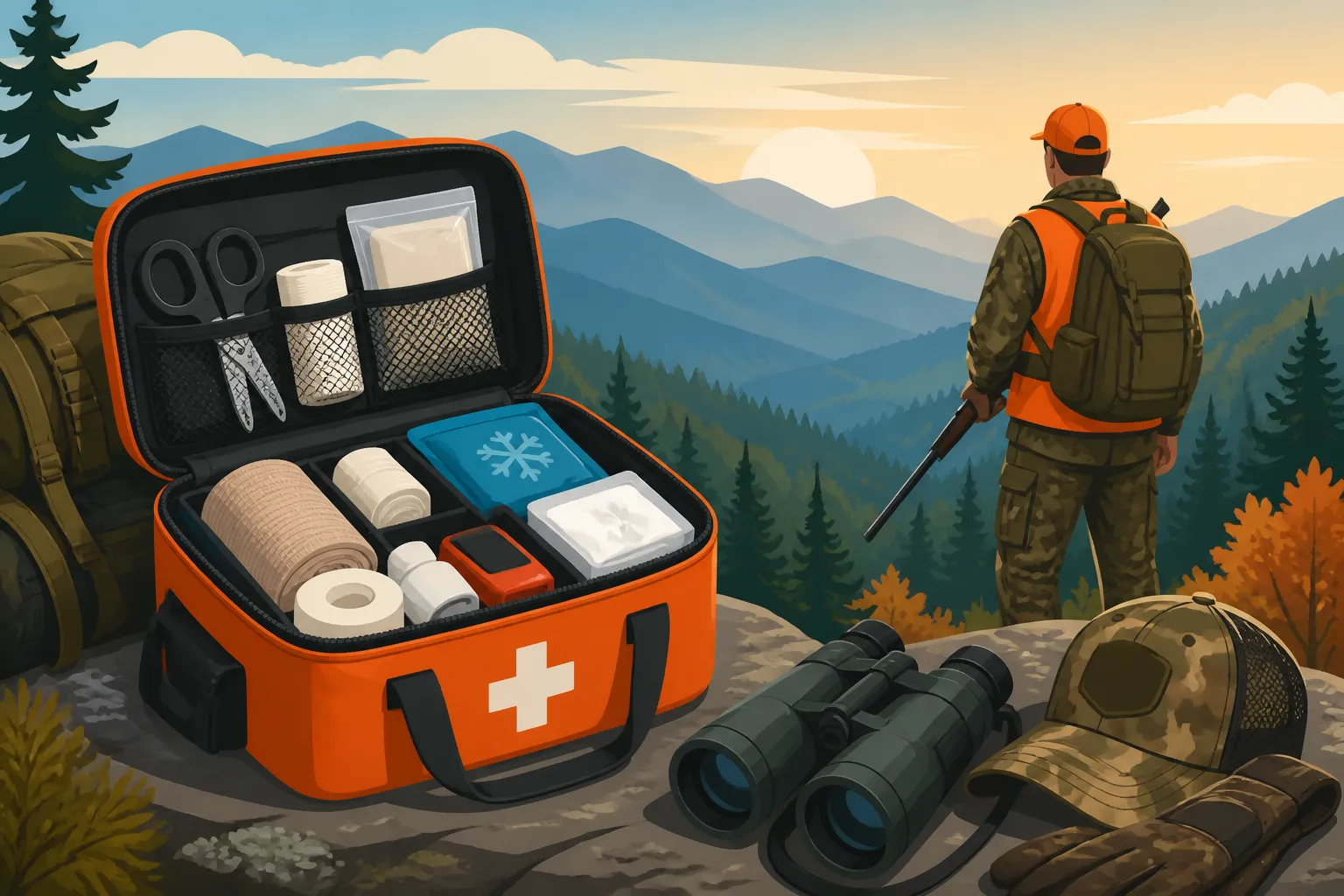
You absolutely must have at least one tourniquet, readily accessible and not buried at the bottom of your pack. Learn how to use it before you ever head out. Pair this with a high-quality pressure bandage (like an Israeli bandage), which combines a sterile pad with a compression wrap. Several rolls of sterile gauze pads (4×4 inches or larger) and a roll of medical tape (preferably waterproof athletic tape or similar) are also critical. These items allow you to pack wounds, apply direct pressure, and secure dressings. Accidents happen, whether it's an unfortunate slip with a broadhead while setting up for Bowhunting North Carolina's Statewide Archery Season or a missed step with a firearm, so being prepared for traumatic injuries is paramount.
Wound Care and Infection Prevention
Beyond immediate bleeding control, preventing infection and promoting healing are vital, especially if you're facing a multi-day trek out or delayed extraction. Cleanliness is king in the backcountry.
Your kit should include a generous supply of antiseptic wipes (alcohol or iodine), antibiotic ointment packets, and various sizes of adhesive bandages. Don't skimp on these; you'll use them more often than you think. For deeper cuts that don't quite need stitches but could benefit from a little extra help, include a few packs of wound closure strips (often called butterfly bandages). Blisters are also a common menace when you're covering ground in the mountains; a good supply of moleskin or specialized blister pads is a game-changer when your Boots for Walking North Carolina Ridges start to rub. Don't forget tweezers for splinters or tick removal, and safety pins for securing bandages or improvising slings.
Medications and Personal Items
While not strictly "first aid" in the emergency sense, having personal medications and common remedies can make the difference between an uncomfortable outing and a forced early exit.
Always carry any prescription medications you or your hunting partners might need, clearly labeled and protected from moisture. Over-the-counter staples like ibuprofen or acetaminophen for pain and inflammation, and antihistamines (like Benadryl) for allergic reactions to insect bites or plants, are crucial. If you’re prone to digestive issues, anti-diarrhea medication is a must. Small packets of hydrocortisone cream can soothe bug bites or rashes. Given the potential for sun exposure on open ridges or water, especially during early season hunts, a small tube of sunscreen and lip balm can prevent painful burns. Many experienced hunters also include an epinephrine auto-injector if they or a partner has severe allergies, and they'll ensure everyone knows how to administer it.
Advanced Considerations and Training for North Carolina's Backcountry
Having a well-stocked kit is only half the battle. Knowing how to use it, preparing for the worst-case scenario, and tailoring your gear to your specific hunt are what truly make you ready for the challenges of North Carolina's remote mountain ground.
Wilderness First Aid Training: More Than Just a Kit
You can have the most comprehensive first aid kit in the world, but if you don't know how to properly use a tourniquet, identify symptoms of hypothermia, or stabilize a broken bone, it's just dead weight. This is where formal Wilderness First Aid (WFA) or even Wilderness First Responder (WFR) training becomes invaluable. These courses go far beyond basic first aid, teaching you how to assess patients, manage prolonged care in remote environments, improvise splints, and deal with environmental illnesses like heat stroke or hypothermia – a real concern when dealing with rapidly changing weather and Wind and Thermals on a Blue Ridge Slope.
Learning how to communicate effectively with emergency services (even if delayed), make difficult decisions about evacuation, and manage a scene safely are skills that no amount of gear can replace. Think of your first aid kit as your toolbox, and WFA/WFR training as the instruction manual and practical experience that lets you use those tools effectively under pressure. It builds confidence and competence, turning a potential disaster into a manageable incident.
Communication and Evacuation Tools
Cell phones are notoriously unreliable in North Carolina’s mountain regions. If you're injured or lost, you need a way to call for help that doesn't rely on cellular towers. A satellite communication device (like a Garmin inReach or Zoleo) is arguably as important as your first aid kit in remote areas. These devices allow you to send SOS messages, communicate with loved ones via text, and often provide GPS tracking, even when off-grid. A personal locator beacon (PLB) is another excellent option, offering a direct signal to rescue authorities.
Always carry a fully charged headlamp with spare batteries. Getting caught out after dark, especially if dealing with an injury or trying to locate a downed animal, is a common scenario. Without light, even simple first aid tasks become impossible. When planning a hunt, it’s also wise to leave a detailed itinerary with someone reliable, including your route, expected return time, and hunting area. Services like GoHunt often provide excellent mapping and planning tools that can help you share this information effectively and mark potential extraction points, ensuring someone knows where to start looking if you don't check in.
Tailoring Your Kit to the Hunt and Terrain
No two hunts are exactly alike, and your first aid kit should reflect that. Are you going for a solo day hunt or a multi-day expedition with a group? The length of your trip, the number of people, and the specific risks of the terrain should all influence your kit's contents and size.
For a short day trip, you might carry a more compact, lightweight kit focused on immediate trauma and common ailments. For a multi-day backcountry hunt for North Carolina's Black Bear Population, you'd need a more extensive kit, including items for water purification, fire starting, and potentially a lightweight emergency shelter, in addition to your medical supplies. Consider the unique hazards of your target area: while a dedicated snake bite kit is often debated by experts for its efficacy, knowing the risks of North Carolina Diamondback Rattlesnake Encounters Afield and how to react is key. Always evaluate your pack for weight versus necessity, making sure that every item pulls its weight without overburdening you.
Maintenance, Organization, and Practice
A first aid kit isn't a "set it and forget it" item. It's a dynamic tool that requires ongoing attention to ensure it's always ready when you need it most. Neglecting your kit is like showing up to deer season with an un-sighted rifle; it's asking for trouble.
Regular Inventory and Replenishment
How often do you actually open your first aid kit outside of an emergency? Many of us are guilty of letting it sit, untouched, until a crisis hits. That's a huge mistake. Medications expire, bandages degrade, and items can mysteriously disappear after a quick patch-up job. Make it a habit to perform a full inventory check at least twice a year – perhaps before spring turkey season and again before the deer opener. Check expiration dates on all medications and antiseptic wipes. Replace anything that’s expired, used, or damaged.
Think about it: nothing is more frustrating than reaching for that pain reliever when your knee is screaming, only to find it expired two years ago. Or needing a sterile gauze pad and pulling out a tattered, damp one. Being proactive with replenishment ensures your kit is always at peak readiness.
Smart Packing and Accessibility
When an emergency strikes, time is often of the essence. You don't want to be fumbling through a disorganized mess. Organize your kit logically. Consider using small, clear, waterproof pouches within a larger main bag to compartmentalize different types of supplies: one for trauma, one for wound care, one for medications, etc. Label these pouches clearly. This not only makes finding what you need faster but also helps keep everything dry and protected from the elements.
Ensure your first aid kit is stored in an easily accessible location in your pack, not buried under a pile of extra layers or snacks. In an emergency, especially if you're injured, you might not have the dexterity or time to dig around. A clearly marked, quickly deployable kit is a mark of a prepared hunter.
Practice Scenarios and Review
Reading about first aid is one thing; actually performing it under pressure is another. Periodically review the contents of your kit and mentally walk through how you would use each item for various scenarios. If you've taken a WFA or WFR course, refresh your memory on techniques. If you're a beginner, even watching reputable online tutorials can help. For instance, practicing applying a tourniquet to your own limb or a partner's can make a world of difference when adrenaline is pumping in a real emergency.
Consider scenarios like a sprained ankle, a deep cut, or signs of hypothermia. How would you assess the situation? What items from your kit would you use first? Who would you call with your satellite communicator? Regularly thinking through these possibilities helps ingrain the process and makes you more effective when it counts. Resources from organizations like NOLS Wilderness Medicine or even articles found through platforms like GoHunt can offer great scenario-based learning opportunities and refreshers.
| Component Category | Essential for Basic Kit (Day Hunt) | Recommended for Advanced Kit (Multi-Day/Remote) | Purpose in Mountain Hunting |
|---|---|---|---|
| Trauma | Small trauma dressing, medical tape | Tourniquet, Israeli bandage, large gauze, chest seal | Stopping severe bleeding from cuts, punctures, or gun/bow accidents. |
| Wound Care | Adhesive bandages (assorted), antiseptic wipes, antibiotic ointment | Wound closure strips, moleskin, blister pads, larger sterile gauze, irrigation syringe | Cleaning and protecting wounds to prevent infection, managing blisters from long hikes. |
| Medications | Pain relievers (ibuprofen), allergy meds | Prescription meds, anti-diarrhea, hydrocortisone cream, epinephrine auto-injector (if needed) | Managing pain, allergic reactions, digestive issues, and personal health conditions. |
| Tools | Tweezers, safety pins | Scissors/shears, headlamp with spare batteries, small mirror, tick key | Removing splinters/ticks, cutting bandages, signaling, working in low light. |
| Environmental | Lip balm, small sunscreen | Emergency blanket/bivy, fire starter, water purification tablets | Protecting from sun/wind, managing hypothermia/hyperthermia, providing basic survival. |
| Communication | Cell phone (for trailheads) | Satellite communicator (inReach, PLB), whistle | Calling for help where cell service is absent, signaling. |
Disclaimer
This article is for general informational purposes only and does not constitute professional advice. Laws, prices and regulations vary by location and change over time. Consult a qualified professional for guidance on your specific situation.