Trail Cameras on North Carolina Public Land
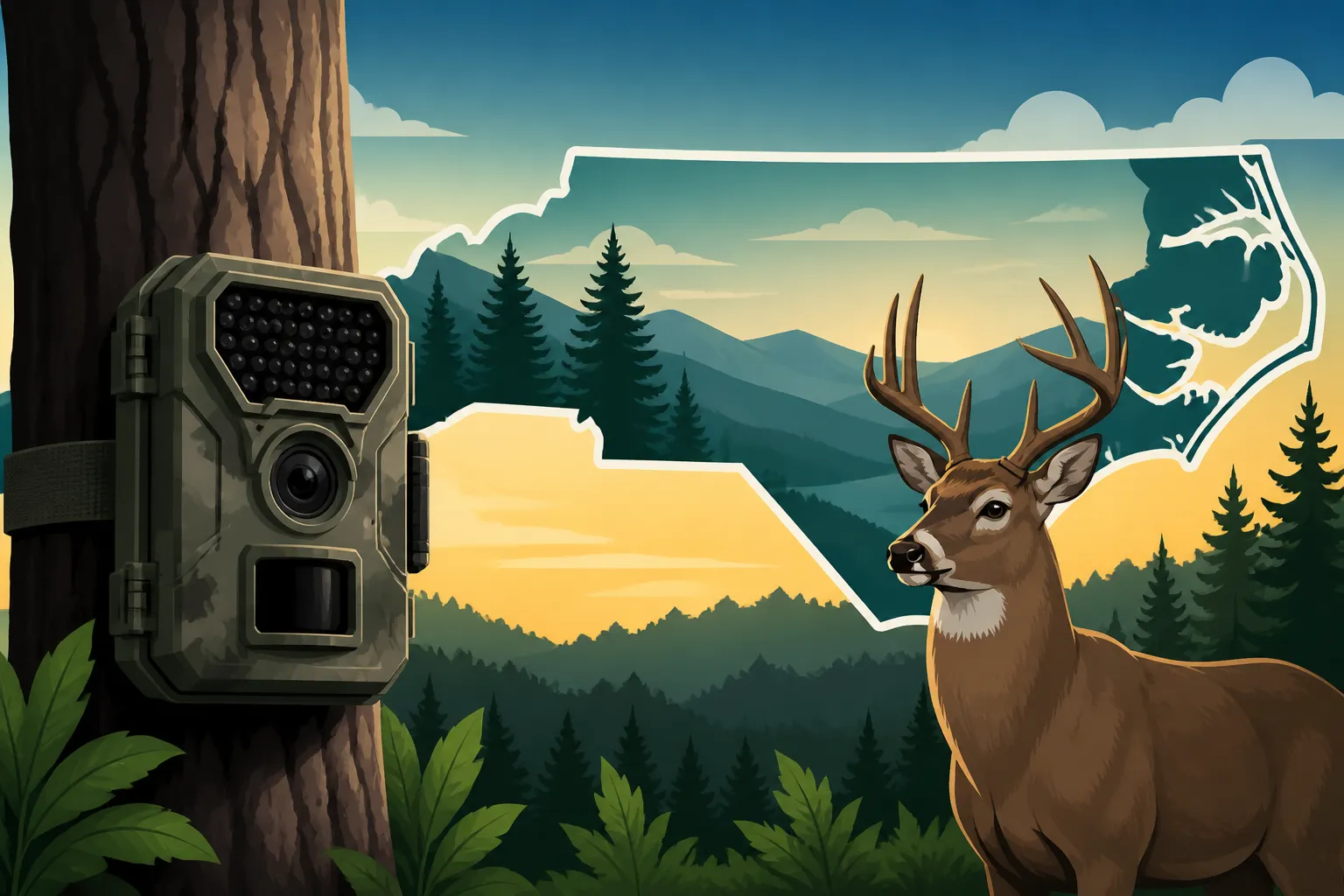
The frustration of scouting prime hunting ground on North Carolina's public lands only to realize you've missed crucial deer movement is a feeling every dedicated hunter knows well. You can walk for miles, studying sign, but you can't be everywhere at once. This guide is dedicated to helping you understand the rules and best practices for using trail cameras on North Carolina public land, ensuring you can gather vital intelligence ethically and effectively, even when you're not physically in the woods.
The Landscape of Trail Camera Rules on North Carolina Public Land
Navigating the rules for trail cameras on North Carolina's public lands can feel like deciphering ancient runes, and nobody wants to unknowingly break a rule. The regulations aren't always uniform, varying slightly between different types of public land, which can certainly add to the confusion. It's not just about what you can do, but what's wise to do to respect the land and your fellow hunters. Understanding these nuances is key to a successful and stress-free scouting season.
Understanding NCWRC Regulations
The North Carolina Wildlife Resources Commission (NCWRC) sets the overarching regulations for hunting and, by extension, the tools hunters use on game lands. When it comes to trail cameras, the general rule is that they are permitted on most game lands, but there are some critical caveats. For instance, cameras typically cannot be left out year-round; there's often a specific timeframe they can be deployed, usually aligning with hunting seasons or slightly before. Always check the current North Carolina Inland Fishing, Hunting and Trapping Regulations Digest – it’s your bible for what’s permissible. Ignoring these details can lead to your cameras being removed by wildlife enforcement, or worse, citations. This isn't just about avoiding trouble; it's about being a responsible steward of our shared resources.
Another important aspect of NCWRC rules often relates to how cameras are affixed to trees or other natural features. Generally, anything that damages the tree, like nails, screws, or lag bolts, is strictly prohibited. You'll typically be limited to straps, bungee cords, or other non-damaging methods. This makes perfect sense when you consider the sheer number of hunters who might want to hang a camera on a single game land. Imagine the damage if everyone drove nails into trees! This is also why many hunters opt for camera models that are designed to be secured with a simple nylon strap, making deployment quick and compliant. You might even want to look into methods that keep your strap from cutting into the tree bark, especially for long-term deployments during the allowed window.
National Forest vs. Game Lands
While NCWRC regulations cover game lands, the rules can get a bit more complex when you venture into the National Forests like Pisgah, Nantahala, or Croatan. These lands are managed by the U.S. Forest Service, and while they often align with state hunting regulations, they can have their own specific rules regarding personal property left on federal lands. It’s not uncommon for National Forests to have stricter interpretations or shorter durations for leaving unattended property, including trail cameras. This distinction is crucial, as a camera that's perfectly fine on a state game land might be considered abandoned property on a National Forest.
For example, on many National Forests, there's a general policy against leaving personal property unattended for more than a certain period, often 72 hours or 14 days, particularly outside of specific hunting seasons. This means your "set it and forget it" strategy for months might not fly. Before setting up cameras in Pisgah National Forest Hunting or Nantahala National Forest Hunting, always check the specific district ranger's office or the forest's official website for their most current rules on unattended property. A quick call can save you a lot of headache and potential loss of equipment. Remember, these lands see a lot of recreational use beyond hunting, and rules are in place to manage that usage and prevent clutter or abandonment.
| Feature/Aspect | NC Game Lands (General) | National Forests (General) |
|---|---|---|
| Permitted? | Generally Yes, with time restrictions | Generally Yes, but often stricter time limits |
| Attachment | Non-damaging straps/cords ONLY | Non-damaging straps/cords ONLY |
| Damage to Trees | PROHIBITED (nails, screws, lag bolts) | PROHIBITED (nails, screws, lag bolts) |
| Retrieval | Must be retrieved by specified dates | Often within 72 hrs – 14 days, check local rules |
| Enforcement | NCWRC | US Forest Service / NCWRC |
| Abandonment Risk | Moderate if left outside season | Higher if left for extended periods |
Best Practices for Deploying Cameras Ethically and Effectively
Once you've wrapped your head around the regulations, the next step is to deploy your cameras in a way that respects both the environment and other hunters. Public land is a shared resource, and nothing sours the experience faster than encountering carelessly placed or intrusive gear. Plus, let's be honest, you've invested good money in your trail cameras, and the last thing you want is for them to go missing or be damaged. Thinking strategically about placement and security is just as important as knowing the rules.
Minimizing Impact and Respecting Fellow Hunters
When you hang a camera on public land, you're not just scouting; you're also leaving a footprint. The goal is to make that footprint as light as possible. This means selecting locations that are effective for gathering data but don't interfere with others' enjoyment or access. Avoid hanging cameras directly over obvious deer trails that everyone uses, especially if it means putting it right at eye level where it's easily spotted. Think about tucking it slightly off-trail, or using natural cover to obscure it. A camera that’s too obvious can be a magnet for theft or, at the very least, a nuisance for other hunters who feel their privacy is invaded.
Consider the aesthetic impact as well. Nobody wants to walk through a pristine piece of woods only to see a bright orange or camouflage camera strap glaring from a tree. While you might want to mark your camera to identify it, perhaps using a small, subtle tag on the back, avoid anything overtly flashy. And please, please, please, don't leave trash, old batteries, or packaging materials around your camera site. The "leave no trace" principle is paramount on public land. When you're Scouting North Carolina Public Land Before Season, it's not just about finding deer sign, it's about leaving the area better than you found it.
Security and Anti-Theft Measures
The unfortunate reality of public land hunting is that theft can be an issue. You're putting valuable electronics out in the open, and while most hunters are honorable, a few bad apples can spoil the experience. To mitigate this risk, stealth is your best friend. Paint your camera housing a dull, non-reflective color if it's not already. Avoid bright straps or accessories. The goal is to make it blend into its surroundings as much as possible, becoming just another bump on a tree trunk.
Beyond camouflage, consider physical security measures. Many trail cameras have security cable holes, allowing you to run a Python lock or similar cable through the camera body and around the tree. This won't stop a determined thief with bolt cutters, but it will deter opportunistic grab-and-go incidents. Some hunters also engrave their driver's license number or a unique identifier onto the camera body, making it harder for a thief to resell and easier for law enforcement to return if recovered. Finally, positioning your camera slightly higher than eye level, angled down, can make it less conspicuous while still capturing good images. This often means carrying a small foldable step stool or climbing stick, but the added security is usually worth the effort.
For those considering cellular cameras, they offer an extra layer of protection by sending images directly to your phone. Even if the camera is stolen, you might have photos of the culprit. However, cellular service can be spotty in many public land areas, especially in the mountains or deep pocosins. Check cell coverage with a tool like the GoHunt app or simply by checking your phone signal before committing to a cellular camera in a specific area.
Maximizing Your Scouting with Trail Cameras
Using a trail camera isn't just about sticking it on a tree and hoping for the best. To truly leverage this technology, you need a strategic approach to placement and a disciplined method for interpreting the data you collect. A well-placed camera can tell you stories about deer movement, activity patterns, and even buck-to-doe ratios that you'd never get from just walking through the woods.
Strategic Placement for Optimal Intel
The "where" of camera placement is critical. Don't just slap a camera on the first tree you see. Think like a deer. Where do they feel safe? Where do they eat? Where do they travel between bedding and feeding? Funnels are classic camera locations – saddles, creek crossings, pinch points between thickets, or the edge of a powerline cut where deer are forced into a narrow travel corridor. Old logging roads, especially those that aren't heavily used by people, can be fantastic for picking up deer moving from one area to another. Where to Hang a Camera on a Logging Road is a masterclass in this kind of thinking.
Consider the sun's position. You want to avoid direct sunlight hitting your lens, especially at dawn and dusk, as this can result in washed-out or overexposed images. North or south-facing cameras are generally best to minimize direct sun glare. Also, think about prevailing winds and thermals, particularly in hilly or mountainous terrain. Deer often use these to their advantage, and understanding Wind and Thermals on a Blue Ridge Slope can help you predict their travel paths and place cameras to intercept them. For example, a camera placed on a bench on a downhill thermal current might pick up deer moving through that area just before dark.
Interpreting Your Camera's Data
Once you start pulling those SD cards or receiving cellular images, the real work begins. Don't just scroll through admiring the big bucks; analyze the data. Pay attention to the date and time stamps. Are deer moving mostly at night, or are there consistent daylight encounters? If it's all nocturnal, you might be too close to a bedding area, or your presence is pushing them to move after dark. Look for patterns in their travel. Are they coming from a particular direction? Heading towards a specific food source? This can help you identify key entry and exit routes for your stand setups.
Understanding deer behavior through your camera intel is a huge advantage. If you're seeing a lot of scrapes and rubs in front of your camera, it tells you bucks are actively marking their territory, indicating a pre-rut or rut phase. Combine this with aerial photos or mapping tools like the GoHunt app to get a broader perspective. Pinpoint specific trees or areas where deer are frequently captured, then cross-reference with terrain features. Are they following a subtle ridge line? Are they skirting a swamp edge? This intel is invaluable for formulating your hunting strategy and Finding Ground Others Walk Past that might be overlooked by other hunters. Remember, consistent observation over time is far more valuable than a single lucky picture.
Trail Camera Maintenance and Off-Season Use
Your trail cameras are an investment, and like any gear, they perform best with proper care. A little attention throughout the year can extend their life and ensure they're ready to capture those crucial moments when hunting season rolls around. It's not just about taking them down; it's about making sure they're prepped for their next deployment.
Seasonal Care and Storage
When it's time to pull your cameras off public land, typically after the hunting season closes or by specific deadlines for federal lands, make sure to give them a thorough cleaning. Wipe down the lenses to remove any grime, dust, or spiderwebs that have accumulated. Check the battery compartment for any corrosion, especially if you've been using cheap or old batteries. It's always a good idea to remove batteries completely before storing cameras for extended periods to prevent leakage and damage.
Store your cameras in a cool, dry place. Extreme temperatures, especially humidity, can wreak havoc on electronics. Keep them in their original boxes if you have them, or in a dedicated storage bin to protect them from bumps and scratches. This is also a great time to update any firmware on your cameras, if available, and to format your SD cards so they're fresh and ready for the next deployment. Having a clean, organized setup for your trail camera gear will save you headaches when you're scrambling to get them out before the next scouting trip or hunting season.
Off-Season Scouting and Non-Hunting Uses
While most of us use trail cameras for deer and turkey, their utility doesn't end when hunting season does. The off-season can be an incredible time for scouting without the pressure of an open season. You can identify late-season food sources that deer might be hitting, observe fawn recruitment, or even track predator movements. For instance, putting a camera on a known rub line in late winter can tell you which bucks survived the season and are starting to grow new antlers, making your Shed Hunting on North Carolina Public Land efforts more targeted.
Beyond traditional game, trail cameras are fantastic for observing all kinds of wildlife. You might capture images of black bears rummaging for acorns in Hunting Bears Over Natural Mast in the Mountains, bobcats slinking through a creek bottom, or even rare birds. This broader understanding of the ecosystem can make you a more observant and connected hunter. Many hunters also use cameras to monitor security on their private property or even just to watch the backyard wildlife. They're versatile tools that offer a window into the natural world, year-round, on both public and private lands.
Disclaimer
This article is for general informational purposes only and does not constitute professional advice. Laws, prices and regulations vary by location and change over time. Consult a qualified professional for guidance on your specific situation.