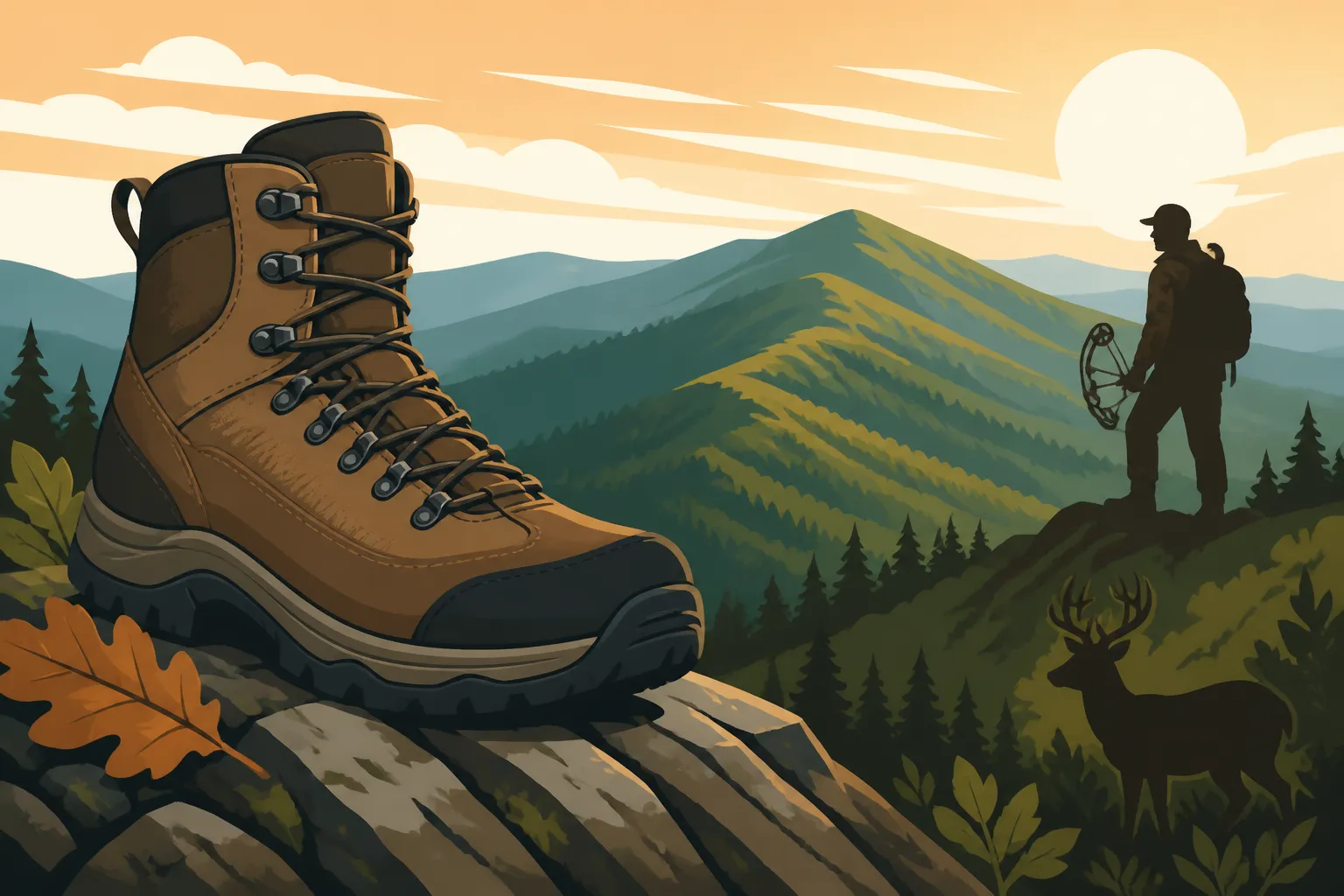
Boots for Walking North Carolina Ridges
There's nothing quite like the feeling of anticipating a hunt, especially when you're headed to the stunning ridge country of North Carolina. But let's be honest, that excitement can quickly turn to misery if your feet aren't happy. Clunky, ill-fitting, or simply unsuitable boots can lead to blisters, twisted ankles, and an early end to your day, whether you're climbing a steep Blue Ridge slope or traversing the rolling Piedmont hills. This guide is here to ensure your footwear supports your adventure, keeping you comfortable, stable, and focused on the hunt, not your aching feet.
Navigating North Carolina's Diverse Ridge Country
North Carolina's ridge systems are incredibly diverse, stretching from the ancient, rugged peaks of the Appalachians in the west to the more gentle, but still challenging, rolling hills of the Piedmont. Each presents its own unique set of demands on your footwear. What works perfectly for a flat field might leave you hobbling after an hour on a steep, rocky incline. Understanding these nuances is the first step to choosing the right boots.
The Steep Grades of the Mountains
When we talk about mountain hunting in North Carolina, we're picturing places like Pisgah National Forest or Nantahala National Forest. Here, you're dealing with serious elevation changes. Imagine climbing a thousand feet up a slope blanketed in slick, wet leaves, or carefully descending a rocky scramble with a deer on your back. The terrain is often uneven, with loose rocks, exposed roots, and sudden drops. A misstep here can mean a sprained ankle or worse. The soil can vary wildly, from deep, loamy earth under mature hardwoods to thin, rocky layers on exposed ridges. You might encounter small streams that require crossing, or pockets of thick rhododendron that demand high-stepping. Traction and extreme ankle support are non-negotiable in these environments. It's a completely different animal than walking a logging road.
Hiking deep into these areas often means multi-day trips, so comfort over the long haul is paramount. Think about how many miles you might put on your feet in a single day, or how many steep climbs you'll make when you're Hunting the North Carolina Mountains. You need boots that feel like an extension of your leg, providing stability without being overly rigid or restrictive. They need to flex where they should, but remain firm where support is critical.
The Rolling Hills of the Piedmont
Venture further east into the Piedmont, and the landscape shifts, but the challenges for your feet remain. While not as dramatic as the mountains, the Piedmont offers its own brand of ridge hunting, often characterized by persistent, rolling hills, creek bottoms, and agricultural edges. Here, you might be traversing old growth timber on one side of a ridge and then crossing a recently cut-over clear-cut or a brushy fencerow on the other. The ground can be a mix of compacted clay, rich topsoil, and sections that might be surprisingly rocky, especially around old stream beds or eroded areas.
Even though the elevation changes aren't as extreme, the sheer repetition of uphill and downhill trekking can wear you down. You’re less likely to encounter massive rock slides but more likely to deal with muddy creek crossings or damp low spots that demand good waterproofing. Good traction is still essential, as a dew-soaked field or a patch of wet clay can be just as treacherous as a mossy rock face. The kind of movement you do when Hunting Piedmont Farmland Deer means you might need boots that are a bit more forgiving for longer, less intense hikes, but still offer protection and grip.
Unexpected Wetness and Rocky Patches
One constant across all of North Carolina's ridge hunting grounds, regardless of elevation, is the unpredictability of the conditions. A clear, crisp morning can quickly turn into a drizzly, damp afternoon. Even without rain, heavy dew, hidden springs, and marshy low spots are common, especially in the shaded ravines and creek bottoms that often run between ridges. You might be walking along a perfectly dry ridge top, only to drop into a saddle that's perpetually damp and boggy.
Then there are the rocks. From the ancient granite outcrops of the Blue Ridge to the scattered quartz and flint in the Piedmont, you're going to encounter abrasive surfaces. These rocks don't just present a slipping hazard; they can also be incredibly hard on your boot materials, tearing at stitching, abrading leather, and grinding down outsoles. Choosing boots designed to withstand these constant assaults, keeping your feet dry and protected, is absolutely vital for a successful and comfortable hunt.
Essential Features for Ridge Hunting Boots
When you're slogging up and down North Carolina's unforgiving ridge country, your boots are arguably the most critical piece of gear you own. They're your foundation, your shock absorbers, and your defense against the elements. Skimping here is a fast track to misery. Let's break down the non-negotiable features you need to prioritize.
Ankle Support and Stability
This isn't just a suggestion; it's a requirement for navigating steep, uneven terrain. Imagine stepping on a loose rock or a hidden root while carrying a heavy pack or even a harvested deer. Without adequate ankle support, a simple misstep can lead to a severely twisted ankle, ending your hunt and possibly requiring a difficult extraction. Look for boots with a high cut, typically 8 inches or more, that lace up securely above the ankle bone.
The stiffness of the boot shaft and the quality of the lacing system are crucial. A good boot will hold your ankle firmly in place, preventing lateral movement without cutting off circulation or creating pressure points. Some hunters prefer a stiffer shank in the sole for even more stability on rocky ground, which also helps distribute the load when carrying weight. When you're trying to stay quiet while Still-Hunting Nantahala Forest Ridges, that stable footing lets you focus on your surroundings, not on where your next step will land.
Aggressive Traction for Varied Surfaces
North Carolina ridges present a smorgasbord of challenging surfaces: wet leaves, slick mud, loose gravel, exposed rock, and even icy patches in late season. Your boots need an outsole that can grip them all. Look for deep, multi-directional lugs – those aggressive rubber patterns on the sole. These lugs are designed to bite into soft terrain like mud and loose dirt, while also providing enough surface area to grip smooth, wet rocks or timber.
The rubber compound of the outsole also plays a role. Softer compounds generally offer better grip but wear faster, while harder compounds are more durable but can be slicker on wet surfaces. Many quality hunting boots strike a balance. A defined heel brake is also important for stability on steep descents, preventing you from sliding downhill. Think about the conditions you're most likely to encounter; for example, hunting in areas where you might be Hunting After a Poor Acorn Year and encountering more bare, slippery ground as deer forage harder.
Waterproofing for Unpredictable Conditions
You simply cannot afford to have wet feet in North Carolina's ridge country. Even if it hasn't rained in days, heavy morning dew, hidden seeps, creek crossings, or even just melting frost can quickly soak through non-waterproof boots. Wet feet lead to blisters, cold feet, and eventually, a miserable hunter. A high-quality waterproof membrane, such as Gore-Tex or similar proprietary technologies, is an absolute must.
This membrane is a breathable barrier that keeps external moisture out while allowing internal moisture (sweat) to escape, though to varying degrees. Keep in mind that "waterproof" doesn't mean "submersible indefinitely," but it should certainly handle splashing through streams, walking through tall wet grass, and shedding rain. Coupled with proper gaiters, a good waterproof boot will keep your feet dry even during unexpected showers, allowing you to focus on the hunt, not the squish in your socks.
Durability Against Abrasive Terrain
North Carolina's wild places are tough on gear, and boots are no exception. The constant scuffing against rocks, pushing through briar thickets, and flexing over uneven ground will quickly break down flimsy footwear. Durability comes from quality materials and robust construction. Full-grain leather is a classic choice, known for its longevity and ability to mold to your foot over time. Modern synthetics offer lighter weight and often quicker break-in, but ensure they are reinforced in high-wear areas.
Look for features like rubber randing or toe caps that protect the vulnerable parts of the boot from abrasion. Double or triple stitching, especially where the upper meets the sole, indicates a boot built to last. A high-quality shank, usually fiberglass or steel, provides underfoot protection from sharp rocks and adds torsional rigidity. When you invest in a durable pair of boots, you're investing in seasons of comfortable hunting, not just a single trip. Think of it as a long-term companion for every time you're Scouting North Carolina Public Land Before Season or tracking game deep in the woods.
Matching Boot Types to Your Hunting Style and Conditions
With so many options out there, choosing the right boot type can feel overwhelming. But by considering your specific hunting style, the season, and the typical conditions you face, you can narrow down the field significantly. There's no single "best" boot; there's only the best boot for your particular needs.
Uninsulated Boots for Early Season and Active Hunts
For those glorious early archery hunts in September and October, or when you're covering serious ground in milder temperatures, uninsulated boots are your best friend. North Carolina's early fall can still be quite warm, especially in the Piedmont and Coastal Plain, and even the mountains can see pleasant daytime temperatures. The key here is breathability and minimizing bulk. Your body will generate plenty of heat as you hike, especially if you're actively still-hunting or packing in a stand. Bowhunting North Carolina's Statewide Archery Season often involves long walks to your setup, and you don't want your feet overheating and sweating excessively, which can lead to blisters.
Uninsulated boots, sometimes referred to as "summer" or "three-season" boots, are typically lighter weight and allow for better airflow. They still offer excellent ankle support and traction, but without the added thermal layer. This allows you to manage your foot temperature more effectively through your sock choices – a thin merino wool sock in early season, perhaps a thicker one as temperatures dip slightly. They're also great for hunters who run consistently warm or engage in highly active hunting styles where sitting for long periods isn't the primary tactic. You can easily find detailed gear reviews for various uninsulated boot options by checking resources like GoHunt, which often highlights performance metrics relevant to different terrains.
Insulated Boots for Colder Weather and Static Stands
As North Carolina's deer season progresses into late fall and winter, especially during North Carolina's Gun Deer Season by Zone or Muzzleloader Deer Hunting in North Carolina, temperatures drop significantly. For those long, cold sits in a treestand, particularly in the mountain zones where Cold-Weather Sitting Strategy in the Mountains is critical, insulated boots become indispensable. They trap heat, keeping your feet warm and preventing frostbite or severe discomfort, which can quickly pull your focus from the hunt.
Insulation levels are measured in grams, typically ranging from 200g for moderate cold to 1,000g or even 2,000g for extreme cold. The amount of insulation you need depends on your personal tolerance for cold, your activity level (more insulation for less activity), and the expected temperatures. If you're going to be sitting for hours on a frosty morning in a Treestand Setups in Pisgah National Forest, you'll want more insulation than if you're actively tracking game. Just remember that more insulation usually means a bulkier, heavier boot, which can be a trade-off for mobility. Many hunters opt for a moderately insulated boot (400-600g) as a versatile option that works for both moderate activity and colder sits.
The Role of Materials: Leather, Synthetics, and Hybrids
The materials used in your boots significantly impact their performance, durability, and comfort. Each has its pros and cons, and understanding them helps you make an informed decision.
- Full-Grain Leather: This is the traditional choice for a reason. Full-grain leather is exceptionally durable, molds to your foot over time for a custom fit, and with proper care, can last for many years. It's naturally water-resistant (though still needs a waterproof membrane) and provides excellent abrasion resistance. The downside is that leather boots often require a significant break-in period, can be heavier, and take longer to dry if they get thoroughly soaked. Many hunters still swear by leather for its robust feel and classic look.
- Synthetics: Boots made from synthetic materials like nylon, Cordura, or other technical fabrics are typically lighter weight and often require less break-in time. They dry faster than leather and can be highly breathable. However, they may not offer the same level of long-term durability or abrasion resistance as quality leather, especially in extremely rugged or thorny terrain. They can also be noisier if you're trying to move stealthily through dry leaves or brush, as they don't have the same quiet flex as broken-in leather. GoHunt's gear reviews often feature comparisons of synthetic versus leather boots, detailing specific performance aspects.
- Hybrids: Many modern hunting boots are a blend of both, combining the durability and support of leather in high-wear areas (like the toe, heel, and ankle) with lighter, more breathable synthetics in other sections. This approach aims to leverage the best of both worlds: good support, decent durability, reduced weight, and quicker break-in. This combination can be an excellent compromise for hunters who want a versatile boot that handles a range of North Carolina's ridge conditions without being overly heavy or requiring extensive breaking in.
No matter the material, ensure the stitching is robust and the construction is solid. A boot is only as good as its weakest link, and poorly constructed boots will quickly fall apart under the stress of North Carolina's hunting conditions.
Care and Maintenance: Extending the Life of Your Ridge Boots
You’ve invested good money in a pair of boots designed to conquer North Carolina’s ridges, so don’t let them fall apart prematurely. Proper care and maintenance aren't just about making them last longer; they're about ensuring your boots perform reliably every time you hit the woods. Neglecting them can lead to cracking, leaks, and a loss of comfort.
Post-Hunt Cleaning Rituals
The first thing you should do after any hunt, especially one that involved mud, dirt, or crossing streams, is clean your boots. This isn't just about aesthetics; it prevents dirt and grime from drying out and cracking the materials, and it keeps your waterproof membranes from getting clogged.
Start by knocking off any large clumps of mud or debris. A stiff brush, an old toothbrush for intricate areas, and some lukewarm water are usually all you need. Pay particular attention to the crevices in the outsole and where the upper meets the sole – these are common spots for dirt to accumulate. For leather boots, you might also use a mild soap formulated for leather, but generally, plain water is sufficient for synthetics. Avoid harsh detergents or high-pressure washers, as these can strip natural oils from leather or damage waterproof membranes and adhesives. Taking care of your boots after a long day of Tracking a Deer Through North Carolina Leaf Litter will ensure they're ready for the next adventure.
Proper Drying Techniques
Once clean, proper drying is critical. Never, ever dry your boots directly next to a heat source like a campfire, wood stove, or direct sunlight. Intense heat can cause leather to crack and shrink, melt adhesives, and damage waterproof membranes. Instead, remove the insoles and laces, open the boots up as much as possible, and allow them to air dry in a well-ventilated area at room temperature.
You can aid the drying process by stuffing them with newspaper or moisture-absorbing boot dryers. Newspaper is great because it wicks moisture away and can be easily replaced once saturated. Electric boot dryers specifically designed for footwear are also an excellent investment, as they circulate warm, gentle air without excessive heat. The goal is a slow, thorough dry. If your boots are still damp when you put them away, you risk mildew growth and an unpleasant smell, not to mention a compromised boot structure.
Conditioning and Waterproofing Treatments
Even with a waterproof membrane, the exterior of your boots needs attention to maintain its integrity and performance. For leather boots, conditioning is crucial. Leather is a natural material that can dry out and crack over time, especially after repeatedly getting wet and drying. Use a leather conditioner or cream specifically designed for hiking or hunting boots. These products replenish the natural oils in the leather, keeping it supple and preventing cracking. Apply sparingly, following the product's instructions, and allow it to absorb fully.
For both leather and synthetic boots, periodically re-applying a durable water repellent (DWR) treatment to the exterior can significantly improve their performance. While the internal membrane handles the primary waterproofing, the DWR causes water to bead up and roll off the outer material, preventing it from soaking in. This keeps the boots lighter in wet conditions and helps the membrane do its job more effectively. You can find spray-on or rub-on DWR treatments at most outdoor retailers. Regular application of these treatments is a small effort that yields big returns in comfort and longevity, especially given North Carolina's propensity for moisture, whether you're hunting during North Carolina's Gun Deer Season by Zone or navigating coastal swamps.
| Feature | Importance for NC Ridges | Considerations |
|---|---|---|
| Ankle Support | Crucial for stability on uneven, rocky, or steep terrain. | Prevents twists and strains, reduces fatigue. |
| Traction | Essential for grip on wet leaves, mud, loose rock. | Deep, multi-directional lugs, aggressive heel brake. |
| Waterproofing | Protects feet from dew, stream crossings, rain, mud. | Gore-Tex or similar breathable membrane. |
| Durability | Withstands abrasive rocks, briars, general abuse. | Full-grain leather, reinforced toe/heel, quality stitching. |
| Weight | Lighter for long hikes, heavier for maximum support. | Balance weight with desired support and insulation level. |
| Insulation | Keeps feet warm during cold, static hunts. | Measured in grams (e.g., 200g, 800g Thinsulate). |
| Breathability | Prevents sweat buildup, reducing blisters and discomfort. | Often a trade-off with waterproofing; good socks help. |
| Fit | Prevents blisters, ensures comfort, enhances performance. | Try on with hunting socks, walk around, check snugness. |
Disclaimer
This article is for general informational purposes only and does not constitute professional advice. Laws, prices and regulations vary by location and change over time. Consult a qualified professional for guidance on your specific situation.