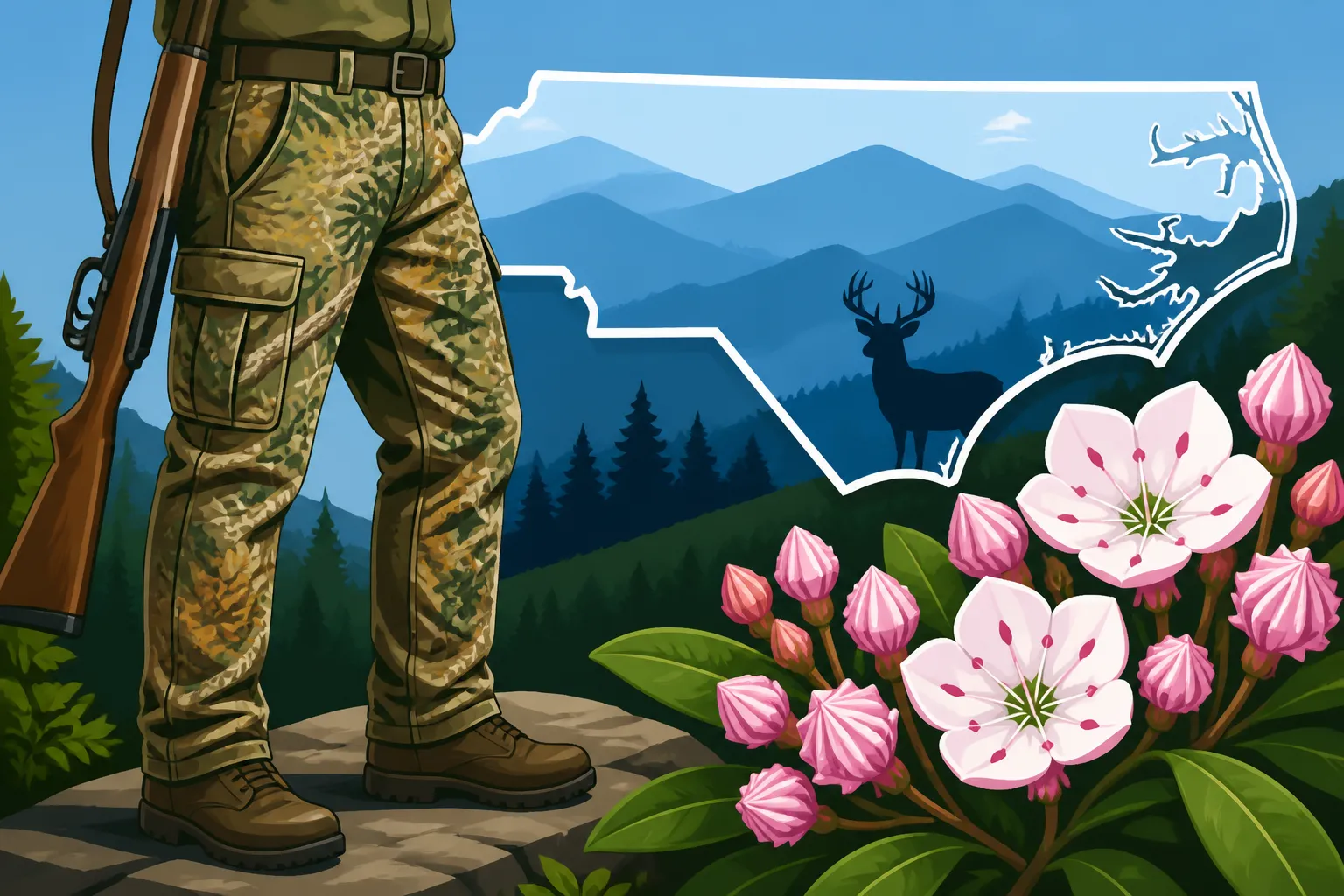
Brush Pants for North Carolina Mountain Laurel
If you've spent any time hunting the rugged terrain of North Carolina's mountains, particularly in areas thick with mountain laurel, you know the absolute frustration of shredded pants. It's not just an inconvenience; it can ruin a hunt, leave you cold and wet, and send you home with painful scrapes. This guide is all about helping you navigate that thorny problem by choosing the right brush pants, understanding what makes them durable, and ensuring they stand up to the relentless abuse of the Tar Heel State's toughest cover.
The Relentless Assault of North Carolina Mountain Laurel
Let's be honest, hunting in North Carolina’s mountains is a special kind of beautiful torture. Those sprawling stands of rhododendron and mountain laurel are picturesque, absolutely, but they’re also an impenetrable, snagging, gear-destroying nightmare if you’re not properly outfitted. It's not just thorns; it's the sheer density, the stiff, woody branches that grab and tear at anything that passes through. I've personally had more pairs of "tough" hunting pants reduced to tattered rags than I care to admit after just a couple of trips into prime ruffed grouse or deer country.
Why Standard Hunting Pants Just Don't Cut It
Most everyday hunting pants, even those marketed as "durable," are simply not designed for the constant abrasion and tearing forces that mountain laurel (or its equally nasty cousin, briar thickets) dishes out. They might be great for an open field or a gentle timber cruise, but introduce them to a dense laurel slick on a steep mountainside, and they'll give up the ghost fast. You'll find yourself patching holes after every outing, or worse, soaking wet from dew or a sudden shower because the fabric ripped wide open. It's disheartening to invest in gear only to have it fail you when you need it most.
The Terrain's Unforgiving Nature
Beyond the vegetation, the very ground in these mountain regions adds to the challenge. Steep inclines, rocky outcrops, slippery leaf litter – it all demands pants that not only resist tears but also offer flexibility and protection from falls and scrapes. You're not just pushing through brush; you're often scrambling, kneeling, and crawling. A flimsy pair of pants might snag and trip you, or offer zero protection when you inevitably slide down a loose shale slope. It’s a complete package of punishment, and your pants need to be ready for it. Hunting the North Carolina Mountains can be incredibly rewarding, but it demands respect for the environment and the right gear.
Essential Features for Mountain Laurel-Proof Pants
When you’re looking for brush pants specifically for those punishing North Carolina mountain laurel thickets, you need to think beyond just "thick fabric." It's a combination of material, design, and construction that makes all the difference. This isn't where you want to cut corners if you plan on consistent success and comfort in rough country.
Material Matters: Durability and Resilience
The fabric is your first line of defense. Forget thin cotton or cheap nylon. You need materials that are woven tightly and inherently resistant to punctures and tears.
- Heavy-Duty Nylon (e.g., Cordura): This is often the gold standard. Cordura nylon, especially in higher denier counts, is incredibly resistant to abrasion. It’s light for its strength and dries relatively quickly, which is a huge plus when you're busting through dew-laden brush or get caught in a shower. Many serious upland and big game hunters swear by pants featuring Cordura panels.
- Waxed Canvas: A traditional choice, waxed canvas offers excellent water resistance and incredible durability. It can be a bit heavier and stiffer, especially when new, but it breaks in beautifully and develops a fantastic patina. The wax coating helps shed water and resist snags, though it can feel a bit warmer in mild weather.
- Dense Cotton Duck or Blends: While not as strong as Cordura, heavy cotton duck, sometimes blended with synthetic fibers for added strength, can also be quite robust. Look for treatments that add water repellency. The key here is the density of the weave.
- Aramid Fibers (e.g., Kevlar, Dyneema): Some high-end brush pants integrate panels of aramid fibers in critical areas. These are the same materials used in body armor and offer extreme cut and tear resistance. While they add to the cost, they provide unparalleled protection against the nastiest snags.
When checking out options, I often look at reviews on platforms like GoHunt, paying close attention to how pants hold up for hunters in similarly dense environments.
Strategic Reinforcement: Briar Strips and Double Knees
It's not enough to have tough fabric everywhere; specific zones take the brunt of the abuse. This is where thoughtful design comes in.
- Briar Strips/Facing: These are extra layers of extremely durable material (often Cordura, ballistic nylon, or even leather) sewn onto the front of the pant legs, typically from the knee down to the ankle. This is critical because this is the area that constantly rubs, scrapes, and pushes through dense brush. Good briar strips are seam-sealed or overlapped to prevent water intrusion. They make a huge difference in the lifespan of your pants.
- Double or Triple Knees: Whether you're kneeling to examine tracks, set up for a shot, or just catch your breath, your knees are going to be on the ground. Pants with reinforced knees, often with an additional layer of fabric or a built-in pad pocket, will significantly extend their life and your comfort.
- Reinforced Seat and Inner Thigh: Don't forget the seat and inner thighs, especially if you spend time climbing over logs or sliding down short banks. Extra layers in these areas can prevent blowouts.
Comfort and Mobility: Fit, Flexibility, and Breathability
Durability is king, but if your pants feel like cardboard and restrict your movement, you won't wear them. Mountain hunting requires a lot of movement, from long uphill climbs to quick dashes.
- Articulated Knees and Gusseted Crotch: These design elements allow for a full range of motion without binding. Articulated knees are cut and sewn to follow the natural bend of your knee, while a gusseted crotch adds a diamond-shaped panel to prevent seams from tearing when you squat or step over obstacles.
- Proper Fit: You don't want pants that are too baggy (they'll snag more) or too tight (they'll restrict movement and tear seams). A comfortable, athletic fit that allows for layering underneath is ideal. Some brands offer a range of fits, so it's worth trying them on if possible.
- Breathability and Ventilation: While heavy fabrics can be warm, you still need some level of breathability, especially during strenuous activity. Some pants incorporate zippered vents on the thighs to dump heat when you're working hard. A good Durable Water Repellent (DWR) coating on the fabric also helps, keeping the outer layer from wetting out and impeding breathability. Given the humidity North Carolina can have, even in the mountains, breathability is key to staying comfortable.
Types of Brush Pants and Their Best Uses
Not all "brush pants" are created equal, and understanding the subtle differences can help you choose the best pair for your specific North Carolina hunting adventures. From chasing Ruffed Grouse in the North Carolina Mountains to still-hunting deer through thick undergrowth, your choice will impact your comfort and effectiveness.
Heavy-Duty Briar Pants: The Armor You Need
These are the tanks of the brush pant world. Designed for the absolute nastiest, most unforgiving cover, they prioritize maximum tear and puncture resistance above all else.
- Characteristics: Typically feature full-front briar facings, often with a waterproof membrane underneath. The primary fabric will be very dense nylon (like 1000D Cordura) or heavy waxed canvas. They tend to be stiffer and heavier than other options, especially when new.
- Best For:
- Thick Mountain Laurel and Rhododendron: When you're actively pushing through these dense, stiff thickets for grouse, bear, or deer.
- Briar Patches: Ideal for busting through greenbrier, multiflora rose, and other thorny vegetation often found on logging roads or old clear-cuts.
- Dog Training in Dense Cover: Protecting your legs from repeated exposure while training bird dogs.
- Considerations: While offering supreme protection, they can be warm and less flexible. This is a trade-off many serious mountain hunters are willing to make for the durability. Brands often reviewed positively on platforms like GoHunt for this category often emphasize their nearly impenetrable construction.
Upland Pants with Reinforced Fronts: Mobility and Protection
These pants strike a balance between protection and mobility, often favored by bird hunters who cover a lot of ground in moderately dense cover.
- Characteristics: Lighter than full briar pants, they often use a more flexible base fabric (like stretch nylon or blended canvas) with durable overlays on the front of the legs. The reinforcements might not extend as high or be as heavy-duty as true briar pants, but they still offer significant protection.
- Best For:
- Mixed Cover Hunting: Perfect for days where you encounter a mix of open woods, old fields, and some moderate brush. Think chasing grouse in areas with mixed hardwood and pine, or smaller, less dense laurel thickets.
- Faster-Paced Hunts: When you need to move quickly and efficiently through varied terrain, these offer better flexibility than the heaviest options.
- Warm-Weather Brush Hunting: The lighter weight and improved breathability make them a better choice for early season hunts or warmer days.
- Considerations: They won't offer the same bulletproof protection as dedicated briar pants for the nastiest stuff, but they excel in versatility and comfort. If you're doing a lot of hiking in the Blue Ridge, where you might encounter varied terrain, these are a great choice. Grouse Hunting the Blue Ridge Escarpment often involves this type of mixed cover.
Hybrid or Convertible Pants with Integrated Gaiters: Adaptability
A newer category, these pants aim to offer adaptability for varying conditions and activity levels.
- Characteristics: Often feature zip-off lower legs for warmer conditions, and some have integrated gaiter systems at the ankle to keep debris out of your boots. The fabric may vary from rugged blends to lighter synthetics with strategic reinforcements.
- Best For:
- Long Backcountry Trips: When you need a single pair of pants to handle a range of temperatures and terrain.
- Changing Weather Conditions: The ability to convert to shorts or open up vents is valuable for fluctuating North Carolina weather.
- Hunters Who Value Versatility: If you don't want a dedicated pair for every hunting scenario, these offer a multi-purpose solution.
- Considerations: While versatile, they often sacrifice some ultimate durability compared to dedicated briar pants, especially at the zippers or connection points. The integrated gaiters can be a nice touch, but ensure they are robust enough to handle abrasive brush.
Here's a quick comparison of common brush pant materials:
| Feature | Cordura Nylon | Waxed Canvas | Heavy Duck Cotton/Blend | Aramid Fiber Panels (Reinforcement) |
|---|---|---|---|---|
| Durability | Excellent (Abrasion) | Excellent (Puncture/Tear) | Good (Wear) | Superior (Cut/Tear) |
| Water Repellency | Good (with DWR) | Excellent (Wax) | Moderate (can absorb) | N/A (Reinforcement only) |
| Weight | Light to Moderate | Moderate to Heavy | Moderate to Heavy | Adds weight where applied |
| Flexibility | Good (can be stiff if heavy) | Stiff initially, softens | Moderate | Limited, often rigid |
| Breathability | Good | Moderate | Moderate | N/A |
| Drying Time | Fast | Slow | Slow | N/A |
| Noise | Can be slightly "swishy" | Quiet | Quiet | Can be stiffer |
| Best Use | All-around, fast-moving | Hardcore briars, traditional | General rugged hunting | Extreme protection areas |
Caring for Your Brush Pants for Longevity
Even the toughest brush pants won't last forever if you don't give them a little love. Proper care is crucial, especially when you're subjecting them to the kind of abuse found in North Carolina's thickest cover. Taking a few extra steps after each hunt can significantly extend their lifespan and keep you protected season after season.
Washing and Drying: The Gentle Approach
It might seem counterintuitive for "tough" pants, but aggressive washing can degrade their protective properties and fabrics over time.
- Shake Off Excess Debris: Before tossing them in the wash, give your pants a good shake to dislodge loose mud, burrs, and leaf litter. If there's caked-on mud, let it dry and then brush it off.
- Close Zippers and Fasteners: This prevents snags and damage to the zippers themselves, and stops them from snagging other garments or the inside of your washing machine.
- Cold Water, Gentle Cycle: Always opt for cold water and a gentle cycle. Hot water can break down DWR coatings and damage synthetic fibers. Use a mild detergent—avoid harsh chemicals, fabric softeners, or bleach, as these can strip away water repellency and weaken the fabric.
- Air Dry or Low Heat: The best method is to air dry your brush pants, especially if they have any waxed canvas or specialized coatings. Hang them in a well-ventilated area, away from direct sunlight, to allow them to dry thoroughly. If you must use a dryer, use the lowest heat setting and remove them as soon as they are dry. High heat is a notorious enemy of DWR and synthetic fibers.
Repairing Tears and Restoring Water Repellency
Damage happens, especially when you're hunting in challenging terrain. Knowing how to make minor repairs and refresh waterproofing can save you from buying new pants prematurely.
- Patching Small Tears: For small rips or snags, especially in the main fabric, invest in some durable fabric patches. Iron-on patches can work for quick fixes, but for truly resilient repairs, sewing a patch on with heavy-duty thread is best. Use a material similar to the original if possible, or a tough nylon. Gear-specific repair kits can be found at outdoor stores and are worth keeping in your hunting pack or truck for quick field fixes.
- Re-waxing Waxed Canvas: If you've chosen waxed canvas pants, you'll eventually notice the water repellency diminish, particularly in high-wear areas like the knees and seat. You can purchase specialized fabric wax (often from the original manufacturer or outdoor gear suppliers) and reapply it by gently heating the wax and rubbing it into the fabric, then using a hairdryer to melt it in evenly. This process is incredibly satisfying and brings your pants back to life.
- Reapplying DWR (Durable Water Repellent): For pants with synthetic fabrics and a DWR coating, this finish will wear off over time, especially after repeated washing. You'll notice water no longer beads up and rolls off, but instead soaks into the fabric. Fortunately, you can purchase DWR spray-on or wash-in treatments. Follow the product instructions carefully; usually, it involves washing the garment first, then applying the treatment and often heat-activating it in a dryer. This is a crucial step to keep your rain gear performing well. Remember, even if the fabric is waterproof underneath, a saturated outer layer feels heavy and reduces breathability.
Storage and Inspection: Off-Season Habits
Good habits in the off-season contribute to gear longevity.
- Clean Before Storage: Always store your brush pants clean and completely dry. Any lingering mud, moisture, or organic matter can lead to mildew, rot, or attract pests.
- Hang, Don't Crumple: Store them hanging in a cool, dry place. Crumpling them into a ball can set creases and stress the fabric over time.
- Regular Inspection: Before and after each season, give your pants a thorough once-over. Check for loose seams, small holes, or areas where the reinforcement might be separating. Catching these issues early means easier repairs and prevents bigger problems down the line. This goes for all your hunting clothing, including your Wool Versus Synthetics in Mountain Cold choices.
By taking these steps, your investment in quality brush pants will pay off for many seasons of battling North Carolina's mountain laurel and coming out on top.
Dressing for Success: Beyond the Pants
While brush pants are paramount for tackling mountain laurel, they're part of a larger system that contributes to your overall comfort and success. Thinking about the entire package, from your boots to your outer layers, is essential for a productive and enjoyable hunt in North Carolina's challenging mountain terrain.
The Right Boots for the Job
Your feet are your foundation, especially when traversing steep, uneven ground and pushing through thick brush. Forget flimsy boots; you need serious support and protection.
- Waterproof and Durable: Look for boots with a waterproof membrane (like Gore-Tex or similar) and a tough, abrasion-resistant exterior. This isn't just about stream crossings; it's about pushing through wet, dew-soaked laurel and mud.
- Ankle Support: High-cut boots that offer excellent ankle support are non-negotiable on rocky, uneven mountain slopes. A twisted ankle can end a hunt – or worse, leave you stranded.
- Aggressive Tread: You need serious traction for slick leaves, mud, and steep dirt. A lugged sole will bite into the terrain and prevent slips.
- Comfort for Long Miles: Despite all the rugged features, they need to be comfortable enough to wear all day. Break them in well before your hunt! Pairing the right pants with Boots for North Carolina Swamps and Ridges is critical for an enjoyable hunt.
Layering for North Carolina Mountain Weather
The mountains of North Carolina can experience drastic temperature swings, even within a single day. Layering allows you to adapt.
- Base Layer: Start with a moisture-wicking base layer (merino wool or synthetic) to pull sweat away from your body. This is crucial for preventing chilling when you stop moving after a strenuous climb.
- Mid-Layer (Optional): If it's cold, a fleece or lightweight insulated jacket provides warmth. You can shed this as you warm up during your hike in.
- Outer Shell: Your brush pants are one part of this, but consider a packable, waterproof and windproof jacket. Even on a clear morning, a sudden rain shower can pop up in the mountains. Lightweight rain gear can be a lifesaver. Being prepared for sudden weather changes is key to safety and comfort in locations like Pisgah. Packs for a Pisgah Forest Day Hunt often include extra layers and rain gear.
Navigational Tools and Safety Gear
Hunting in dense mountain laurel can disorient you, even on familiar ground.
- GPS or Mapping App: A reliable GPS unit or a smartphone app with downloaded offline maps (like GoHunt's mapping features) is essential. Mark your truck, your stand, and any notable features. Don't rely solely on cell service, as it's often nonexistent in deep mountain coves.
- Compass and Map: Always carry a physical compass and a paper map as a backup. Knowing how to use them is a skill every mountain hunter should possess.
- First Aid Kit: Scrapes, cuts, and minor injuries are common when busting brush. A compact First Aid Kits for Remote Mountain Ground is a must-have.
- Whistle: For emergencies or to signal hunting partners.
By combining the right brush pants with appropriate footwear, layering, and essential safety gear, you'll be well-prepared to tackle North Carolina's mountain laurel and enjoy your hunt safely and comfortably. Whether you're focused on Hunting the Nantahala Ranger District for Deer or pursuing small game, proper preparation makes all the difference.
Disclaimer
This article is for general informational purposes only and does not constitute professional advice. Laws, prices and regulations vary by location and change over time. Consult a qualified professional for guidance on your specific situation.