Rifle Calibers for North Carolina Bear
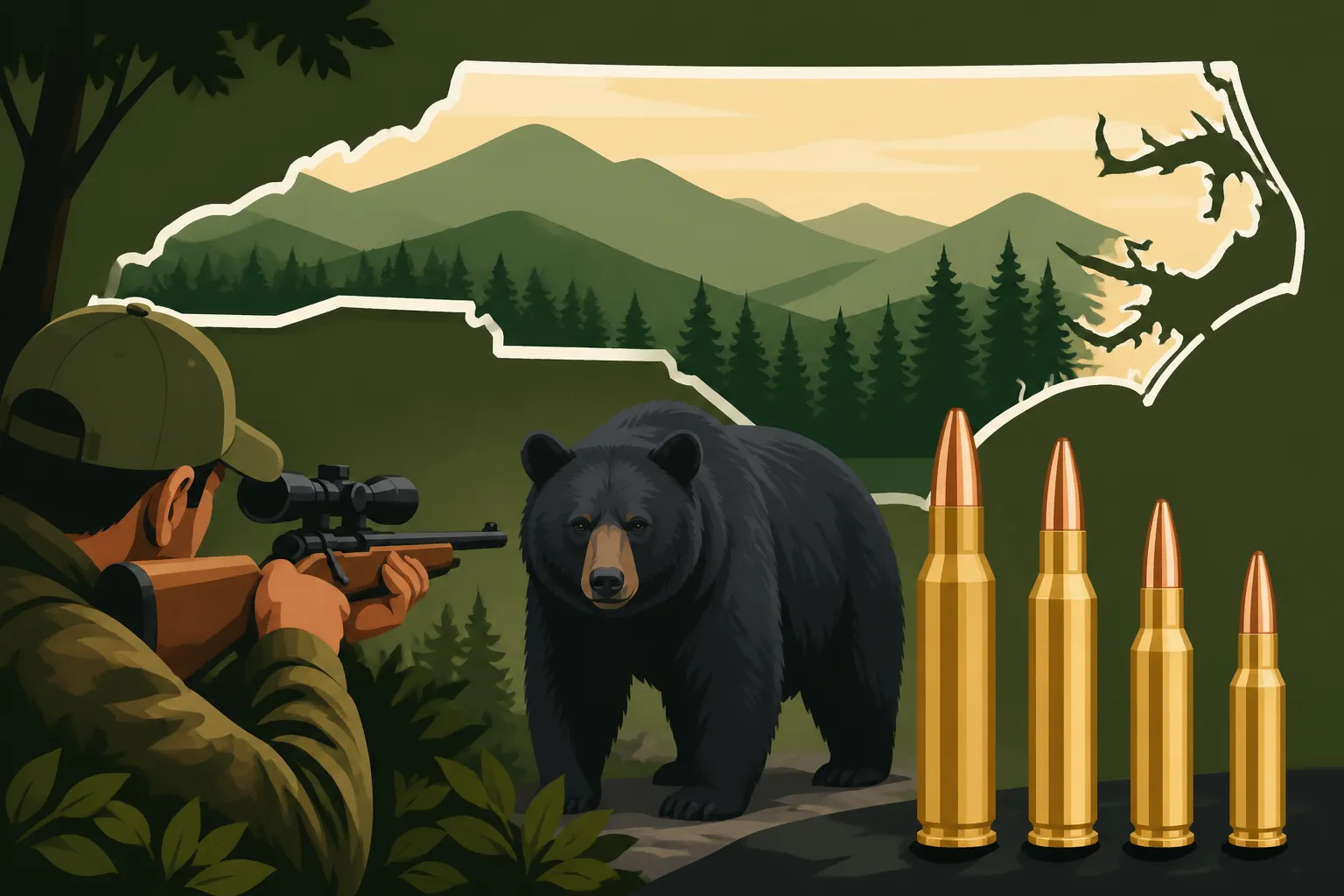
North Carolina's black bears are truly magnificent creatures, and pursuing them is an incredible challenge that draws hunters from all corners of the state and beyond. However, these aren't your average whitetails; they're incredibly tough, powerfully built animals that demand respect and the right tools for the job. Choosing the appropriate rifle caliber for North Carolina bear hunting is a crucial decision, one that can impact not only your success but also your ethical responsibility to ensure a clean, humane harvest. This guide will walk you through the nuances of selecting a rifle caliber that's up to the task, considering the diverse terrains and robust nature of our state's bear population.
Understanding North Carolina Bear Hunting Environments
North Carolina offers incredibly diverse bear hunting opportunities, from the rugged peaks of the Blue Ridge Mountains to the vast, dense pocosins of the Coastal Plain. Each environment presents its own set of challenges, and understanding these can help inform your caliber choice.
Mountain Bear Zones: Thick Cover and Steep Terrain
If you've ever found yourself deep in the Pisgah or Nantahala National Forests chasing a bear, you know firsthand how demanding the terrain can be. The mountain bear zones are characterized by incredibly steep slopes, dense rhododendron thickets, and deep, dark coves. Shots here are often up close and personal, sometimes measured in yards rather than dozens of yards. You might only get a fleeting glimpse of a bear as it navigates the brush. The challenge isn't just taking the shot, but also the recovery. A bear hit poorly in this kind of terrain can lead to a long, arduous, and potentially dangerous tracking job, often across near-impassable landscapes.
Because of this, quick energy transfer and enough stopping power to anchor a large animal quickly are paramount. You want a bullet that hits hard and expands reliably, creating a wide wound channel to maximize internal damage. While a well-placed shot is always key, having a caliber that provides a little extra insurance when a bear is pushing through thick cover can be a real comfort. Hunters often prioritize heavier, slower bullets that retain energy well at closer ranges and offer good penetration through muscle and bone. When planning your hunt, consider strategies for Hunting the Mountain Bear Zones to get a better sense of the conditions you'll face.
Coastal Plain Bear Zones: Swamps and Pocosins
Venture to the eastern part of the state, and you'll encounter a completely different world but no less challenging. The Coastal Plain bear zones, particularly the vast pocosins and swamps of areas like the Croatan National Forest or private timberlands, are known for their incredibly dense vegetation, standing water, and often soft, mucky ground. While the elevation changes aren't as dramatic as the mountains, navigating these areas can be physically exhausting. Visibility can be extremely limited, with dense cane, palmetto, and briar thickets creating a nearly impenetrable jungle.
However, opportunities for longer shots can arise if you're hunting along power lines, natural clearings, or cut-overs. This means your chosen caliber needs to perform reliably at both close range within the thick stuff and potentially across a hundred-yard opening. Penetration is still a huge factor here, as bears often need to be recovered from wet, heavy cover. An exiting bullet hole makes blood trailing significantly easier, especially in damp conditions where blood can be quickly washed away or absorbed. Hunters in these zones often run hounds, which requires a quick, decisive shot when the bear is treed or bayed, again emphasizing effective stopping power. Make sure you understand the unique demands when Hunting Coastal Bears in Thick Pocosin Cover.
North Carolina's Black Bear Population and Size
One of the most important factors influencing your caliber choice is the simple fact that North Carolina is home to some seriously large black bears. Our state boasts a robust and thriving bear population, and it’s not uncommon for hunters to encounter mature bears weighing in excess of 400 or even 500 pounds, particularly in the Coastal Plain where food sources are abundant. These aren't small animals; they are dense, muscular, and incredibly resilient.
The sheer size and toughness of these animals mean that a caliber sufficient for a typical 150-pound whitetail deer might be completely inadequate for a 350-pound North Carolina black bear. You need a cartridge that can deliver substantial energy and drive a heavy, well-constructed bullet deep into the animal to reach vital organs, even if it has to punch through shoulder bone or thick muscle. This reality underscores the need for a caliber that inspires confidence and ensures a quick, ethical harvest. If you're curious about just how big they get, dive into How North Carolina Grows Some of the East's Biggest Bears.
Key Factors in Choosing a Bear Rifle Caliber
When standing in the gun shop or browsing online, the sheer number of rifle calibers available can feel overwhelming. For bear hunting, however, a few critical performance factors should guide your decision, moving beyond just what "looks good" on paper.
Energy and Knockdown Power
"Knockdown power" is a term often debated, but it broadly refers to a cartridge's ability to quickly incapacitate an animal. For bears, this isn't just about dropping them in their tracks; it's about delivering enough kinetic energy to disrupt vital systems rapidly and prevent a wounded animal from escaping into inaccessible cover. Bears have incredibly tough hides, dense muscle, and strong bone structure. A bullet needs to retain sufficient energy throughout its path through the animal to create hydrostatic shock and cause significant tissue damage to the heart, lungs, or central nervous system.
While a lighter, faster bullet might deliver impressive energy figures at the muzzle, it's the retained energy and the bullet's ability to transfer that energy effectively inside the bear that truly matters. You want a heavy-for-caliber bullet that doesn't just zip through but expands predictably and consistently, dumping its energy where it counts. This ensures a broad wound channel and maximizes the chance of a quick, humane dispatch, even if the shot isn't perfectly placed in the vitals.
Bullet Construction and Performance
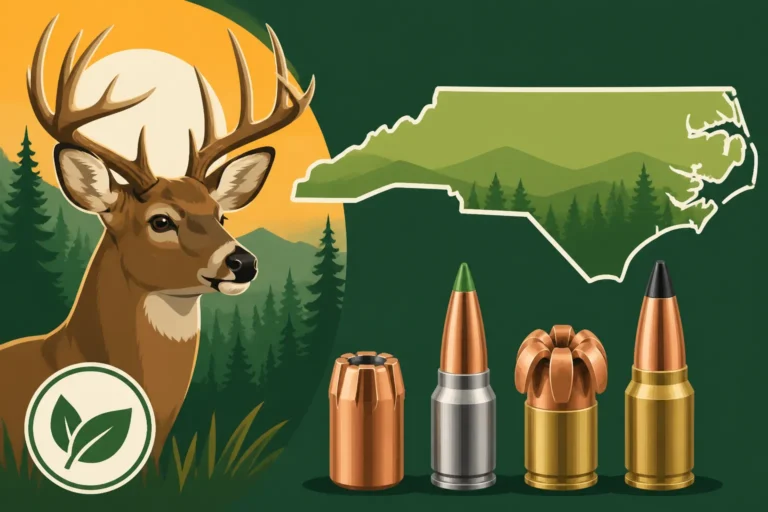
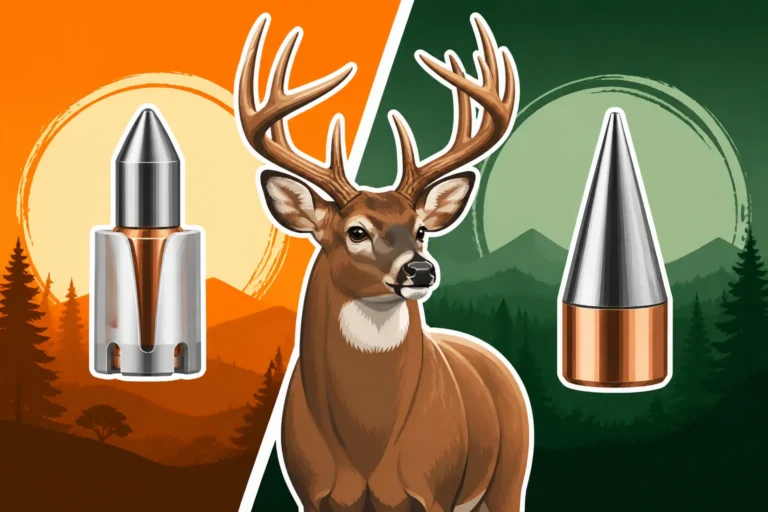
Perhaps even more important than the caliber itself is the bullet you choose within that caliber. For North Carolina bears, you simply cannot skimp on bullet quality. Flimsy, rapidly expanding deer bullets designed for quick kills on thinner-skinned game are a recipe for disaster on a bear. You need bullets engineered for controlled expansion and deep penetration. This typically means bonded bullets, solid copper/monolithic bullets, or heavy-jacketed lead-core bullets designed specifically for large, tough game.
These types of bullets are designed to hold together, expanding to a larger diameter but not fragmenting excessively upon impact. This controlled expansion allows them to penetrate through tough hide and bone, maintain a consistent path, and reach the vitals without breaking apart. An unreliable bullet can lead to superficial wounds, poor blood trails, and prolonged suffering for the animal. Look for bullets that advertise features like "heavy game," "controlled expansion," or "deep penetration." Ensuring your bullet performs as intended is critical for an ethical harvest and successful recovery. Having a bullet that makes two holes, an entry and an exit, will greatly aid in Tracking a Deer Through North Carolina Leaf Litter, or in this case, a bear.
Recoil Management and Shot Placement
Let's be realistic: a more powerful caliber generally means more recoil. It's a fundamental law of physics. While it might be tempting to opt for the biggest, baddest magnum out there for bear, if you flinch, anticipate the shot, or simply can't shoot it accurately, you're doing yourself and the bear a disservice. A perfectly placed shot from a moderately powerful, well-managed caliber is always superior to a poorly placed shot from a heavy magnum.
Confidence behind the trigger is key. If you're intimidated by your rifle's recoil, your accuracy will suffer. Spend time at the range with your chosen rifle and ammunition. Practice shooting from various field positions, not just off a bench, to build muscle memory and familiarity. The goal is a calm, precise shot that lands exactly where it needs to be – typically in the vitals, such as the shoulder or chest cavity – to ensure a clean kill. Don't let ego dictate your caliber choice; choose a rifle you can shoot consistently and accurately under hunting conditions. Many hunters find that resources like GoHunt offer excellent comparisons and reviews on how different calibers perform in the field, helping them choose not just a powerful rifle, but one they can shoot well.
Recommended Rifle Calibers for North Carolina Bear
With North Carolina's black bears being formidable animals, selecting a caliber that offers a solid balance of power, accuracy, and manageable recoil is paramount. Here's a rundown of popular and effective choices.
Good All-Around Performers
These calibers have proven themselves over generations for good reason. They offer a fantastic blend of power and versatility, making them excellent choices for general bear hunting across North Carolina's varied landscapes.
- ** .30-06 Springfield**: The venerable .30-06 is a classic for a reason. It's incredibly versatile, capable of handling a wide range of bullet weights from 150 to 200 grains. For bear, a 180-grain or 200-grain premium bullet is an outstanding choice. It delivers excellent energy, penetrates deeply, and is widely available. The recoil is stout but manageable for most hunters, making it a reliable performer in both the thick mountain coves and the coastal swamps. You'll find ammunition for the .30-06 just about anywhere, making it a practical choice.
- ** .308 Winchester**: Often considered the little brother to the .30-06, the .308 Winchester is another stellar option. It offers very similar performance to the .30-06 with slightly less recoil, usually in a shorter-action rifle. When loaded with 165-grain or 180-grain premium bullets, it provides more than enough punch for North Carolina black bears. Its accuracy potential is legendary, and its compact nature can be a real asset when navigating dense woods. Many hunters prefer the .308 for its efficiency and shootability.
- ** .270 Winchester**: While sometimes seen as primarily a deer cartridge, the .270 Winchester, when paired with the right bullet, is perfectly capable of taking black bears. The key here is bullet selection. Opt for heavier 150-grain bullets, especially those designed for controlled expansion on larger game. Its flat trajectory can be an advantage if you anticipate shots across wider clearings, but its effectiveness relies heavily on bullet construction and precise shot placement. It typically has lighter recoil than the .30-06 or .308, which can aid in accuracy for some hunters.
- ** .30-30 Winchester (Lever Action)**: Now, before anyone raises an eyebrow, let's put this in context. The .30-30 is not a primary recommendation for bear unless very specific conditions are met. In incredibly thick, short-range cover where shots are under 75 yards, and particularly for hunters who grew up with or prefer the maneuverability of a lever-action rifle, it can be used. However, it requires choosing modern ammunition with tough, expanding bullets designed for the .30-30, like Hornady's FTX line, and an absolute commitment to shot placement. It lacks the long-range energy and penetration of other calibers on this list, and its use should be restricted to hunters who are intimately familiar with its capabilities and limitations. Always consider if your chosen range and cover justify this choice.
More Powerful Options for Larger Bears or Peace of Mind
For hunters who prioritize maximum stopping power, anticipate longer shots, or simply prefer the added assurance of a magnum cartridge, these options deliver a significant increase in energy. Be aware, however, that increased power almost always means increased recoil.
- ** .300 Winchester Magnum**: The .300 Win Mag takes the .30-caliber performance up a notch. It offers a flatter trajectory and significantly more energy than the .30-06, especially at extended ranges. If you might encounter shots across large powerline cuts or agricultural fields, the .300 Win Mag can deliver that extra punch. However, the recoil is substantial, so extensive practice is essential to ensure accuracy. When loaded with 180-grain or 200-grain premium bullets, it's an exceptionally powerful choice for any North Carolina bear.
- ** .338 Winchester Magnum**: Often considered a staple for serious big game hunting, the .338 Win Mag is undeniably effective for black bears. It launches heavy .338-caliber bullets with tremendous energy, providing deep penetration and reliable knockdown power. This is a powerful cartridge with considerable recoil, but for those who can handle it, it offers immense confidence, particularly on larger bears or when hunting in dense areas where quick stops are desired.
- ** .35 Whelen**: Built on the .30-06 case, the .35 Whelen is a fantastic medium-bore cartridge that has gained a cult following among bear and moose hunters. It launches heavy .358-caliber bullets (200-250 grains) at moderate velocities, delivering a serious thumping at closer to medium ranges. It hits incredibly hard and is known for its deep penetration and large wound channels. Recoil is stout but generally more manageable than a .338 Win Mag. It’s an excellent choice for hunting bears in thick cover.
- ** 9.3×62 Mauser**: This classic European medium-bore cartridge is similar in application to the .35 Whelen. It pushes heavy .366-caliber bullets (typically 250-286 grains) with excellent energy and penetration. Known for its reliable performance on large European driven hunts, it translates very well to North Carolina bear hunting, offering a balance of significant power and often manageable recoil for its class. It’s a superb choice for hunters looking for something a bit different but incredibly effective.
Calibers to Approach with Caution (or Avoid)
While some calibers are perfectly adequate for deer, they simply lack the necessary punch and bullet mass to reliably and ethically take down a large black bear. It’s important to understand where these lines are drawn.
- ** .243 Winchester / 6mm Creedmoor**: These are fantastic deer cartridges, known for their flat trajectory and mild recoil. However, they are generally considered too light for black bears. The smaller bullet diameter and lighter bullet weights (typically 85-100 grains for hunting) mean they often lack the kinetic energy and penetration required to consistently break through heavy bone or create sufficient internal damage on a large, tough bear. While a perfect shot might work, the margin for error is razor-thin, and the risk of wounding an animal is significantly higher.
- ** 6.5 Creedmoor**: Similar to the .243, the 6.5 Creedmoor has revolutionized deer hunting with its incredible accuracy and ballistic efficiency. However, for bear, it falls into the same category of "approach with caution." While heavier 140-156 grain bullets are available, the overall energy and bullet mass are still at the lower end of what’s considered ethical for a large black bear. If you must use a 6.5 Creedmoor, select the absolute toughest, deepest-penetrating bullets available and limit your shots to close ranges on broadside animals only. Many reputable hunting sources, including those found on platforms like
GoHunt, strongly advise against using these lighter calibers for bear due to the ethical implications. - General Rule of Thumb: Anything under .270 caliber should be heavily scrutinized and generally avoided for black bear hunting. The ethical hunter's primary goal is a swift, clean kill, and relying on marginal calibers increases the chance of a wounded animal escaping. North Carolina Minimum Rifle Caliber Rules exist for a reason and should always be adhered to, but personal ethics often dictate choosing more power than the minimum required.
Ballistics Comparison Table for Common Bear Calibers
Understanding the relative performance of different calibers can help you make an informed decision. Remember that actual performance can vary based on specific ammunition types and barrel lengths. This table offers a general comparison to illustrate the differences in power and application.
| Caliber | Common Bullet Weights (grains) | Relative Velocity | Relative Energy (100 yds) | Recoil Level | Best Use Case |
|---|---|---|---|---|---|
| .270 Winchester | Medium-Heavy (130-150) | Fast | Good | Moderate | Open country, precise shooters, smaller bears |
| .308 Winchester | Medium-Heavy (150-180) | Moderate-Fast | Very Good | Moderate | Versatile, common, effective in various terrains |
| .30-06 Springfield | Medium-Heavy (150-200) | Moderate-Fast | Excellent | Moderate-Heavy | Classic, powerful, versatile across NC |
| .35 Whelen | Heavy (200-250) | Moderate | Excellent (close-mid) | Heavy | Thumper for thick cover, heavy penetration |
| .300 Win Mag | Heavy (180-200) | Very Fast | Superior | Heavy | Longer shots, maximum power, larger bears |
| .338 Win Mag | Very Heavy (200-250) | Fast | Outstanding | Very Heavy | Ultimate power for large bears, deep penetration |
This table shows a progression in power and effectiveness, especially as you move towards the magnums and medium-bores. The key takeaway is that for North Carolina bears, you want to be firmly in the "Very Good," "Excellent," or "Superior" energy categories.
Ethical Considerations and Practice
Choosing the right caliber is only part of the equation. Ethical hunting demands not just the proper equipment but also the skill and commitment to use it responsibly.
Making the Shot Count
Regardless of how powerful your rifle is, a poorly placed shot can lead to a wounded animal and a difficult, if not impossible, recovery. Your ethical responsibility as a hunter is to make the shot count every single time. This means practicing consistently with your chosen rifle and ammunition. Don't just sight in your rifle once before the season; become intimately familiar with how it shoots at various distances and from different positions you might encounter in the field.
North Carolina hunting often involves unexpected close encounters or shots through small lanes in the brush. Knowing your rifle's capabilities and, crucially, your own limitations under pressure is vital. For example, if you're hunting in thick Piedmont woods, knowing your effective range for Rifle Ranges Realistic in Piedmont Woods will be far more important than knowing your rifle's maximum ballistic potential. Spend time dry-firing, practicing your breathing, and managing recoil. The more comfortable and confident you are with your firearm, the higher your chances of making a clean, ethical kill.
Tracking and Recovery
Bears, even when mortally wounded, can travel a surprising distance, especially in North Carolina's dense cover. This is where a well-placed shot with an appropriate caliber and bullet really shines. A bullet that creates a good wound channel and, ideally, an exit wound, leaves a much better blood trail. Tracking a bear through tangled rhododendron, dense pocosin, or even typical hardwood leaf litter can be incredibly challenging.
Always give a bear time after the shot. How long depends on the shot placement – a heart/lung shot might require 30-60 minutes, while a stomach shot could mean waiting 4-6 hours or more. Rushing the track often pushes the animal further. Carry good tracking gear: bright flagging tape, a powerful headlamp (for Blood Trailing After Dark in North Carolina), and be prepared for a long, arduous process. Having a plan for Handling a Bear After the Shot is just as important as the shot itself. Your ethical duty extends to finding that animal.
North Carolina Bear Hunting Regulations
Finally, it's absolutely crucial to stay up-to-date on all current North Carolina hunting regulations. While this guide provides general advice on caliber choice, specific laws regarding legal firearms, hunting zones, season dates, and bear checking requirements can change. Always consult the latest North Carolina Inland Fishing, Hunting, and Trapping Regulations Digest or the North Carolina Wildlife Resources Commission website.
Understanding regulations like North Carolina Bear Management Stamp Rules, the nuances of North Carolina Bear Season Dates in the Mountains, and the specific checking requirements for harvested bears ensures you're hunting legally and responsibly. Ignorance of the law is never an excuse, and staying informed is a key part of being an ethical and successful North Carolina bear hunter.
Disclaimer
This article is for general informational purposes only and does not constitute professional advice. Laws, prices and regulations vary by location and change over time. Consult a qualified professional for guidance on your specific situation.