Bird Dog Boots and Cut Pads
There's nothing quite like the sight of your bird dog quartering through a North Carolina field, nose to the ground, pure joy in every stride. But that joy can quickly turn to dread when you notice a sudden limp, a tender paw, or worse, a deep gash from a hidden sharp stick or a patch of jagged rock. Paw injuries are a silent threat to any hunting dog, especially when navigating the diverse and often unforgiving landscapes of our great state. This guide aims to help you understand why dog boots and cut pads are essential gear and how to choose, use, and maintain them to keep your canine companion happy and healthy in the field.
The Unseen Dangers: Why North Carolina's Terrain is Tough on Paws
Our beautiful North Carolina offers incredible hunting opportunities, from the rugged western mountains to the sprawling eastern coastal plains. However, this very diversity also presents a myriad of hazards for your bird dog's sensitive paws. What might look like a harmless patch of ground to our booted feet can be a minefield of potential injuries for a dog pushing through cover.
Mountain Foothills and Forests: Rocky and Root-Strewn Trails
When you're chasing grouse or squirrels in the Blue Ridge Mountains or the rolling foothills, the ground underfoot is rarely soft. You'll encounter sharp, jagged rocks, exposed roots from mature hardwoods, and often hidden broken branches covered by leaf litter. Even frozen ground in late season can become abrasive. A dog running at full speed, making quick turns to follow a scent, can easily cut a pad on a shard of granite or tear a nail on a tough root. The sheer physicality of hunting in this vertical country means every step counts, and a paw injury can quickly sideline your hunt and put your dog in serious pain. Think about those steep slopes and creek crossings – they're not just challenging for us, but for our four-legged partners too. Grouse Hunting Blue Ridge Cover gives you a sense of the rugged terrain.
Piedmont Fields and Fencerows: Thorns, Stubble, and Hidden Debris
Venture into the Piedmont, and while the elevation might be less dramatic, the paw hazards are just as real, if not more insidious. When hunting deer or small game along agricultural edges, your dog will inevitably encounter thick fencerows. These are often choked with thorny briars, multiflora rose, and even old, rusted barbed wire hidden within the tangles. After crops like corn or soybeans have been harvested, the remaining stubble can be incredibly sharp and abrasive, acting like a thousand tiny knives on unprotected paw pads. It’s not uncommon for dogs to come out of these areas with multiple small cuts or embedded thorns that can lead to infection if not properly addressed. You might be focused on Hunting Piedmont Farmland Deer, but your dog's paws are on the front lines.
Coastal Swamps and Marshes: Submerged Threats and Abrasive Shells
The coastal plain and its unique ecosystems, like the pocosin swamps and tidal marshes, pose an entirely different set of challenges. Here, water is often a constant factor, and what lies beneath the surface can be treacherous. Submerged logs, broken glass, sharp-edged cypress knees, and discarded fishing debris can inflict deep wounds. In areas with brackish water, oyster shells and other sharp bivalve fragments can be like razor blades, slicing through even toughened pads. The constant moisture can also soften paw pads, making them more susceptible to cuts and abrasions. Navigating these environments, whether for waterfowl or even bear, demands robust paw protection. For hunters targeting waterfowl, understanding Waders for Cattail Marsh Hunting is important, but for your dog, it's about paw protection in that very same environment.
Decoding Your Options: Boots, Pads, and Topical Care
Given the array of hazards, it's clear that some form of paw protection is often a necessity, not a luxury, for North Carolina hunting dogs. But what are your options, and which is right for your situation? Let's break down the main categories.
Hunting Dog Boots: The Full-Coverage Solution
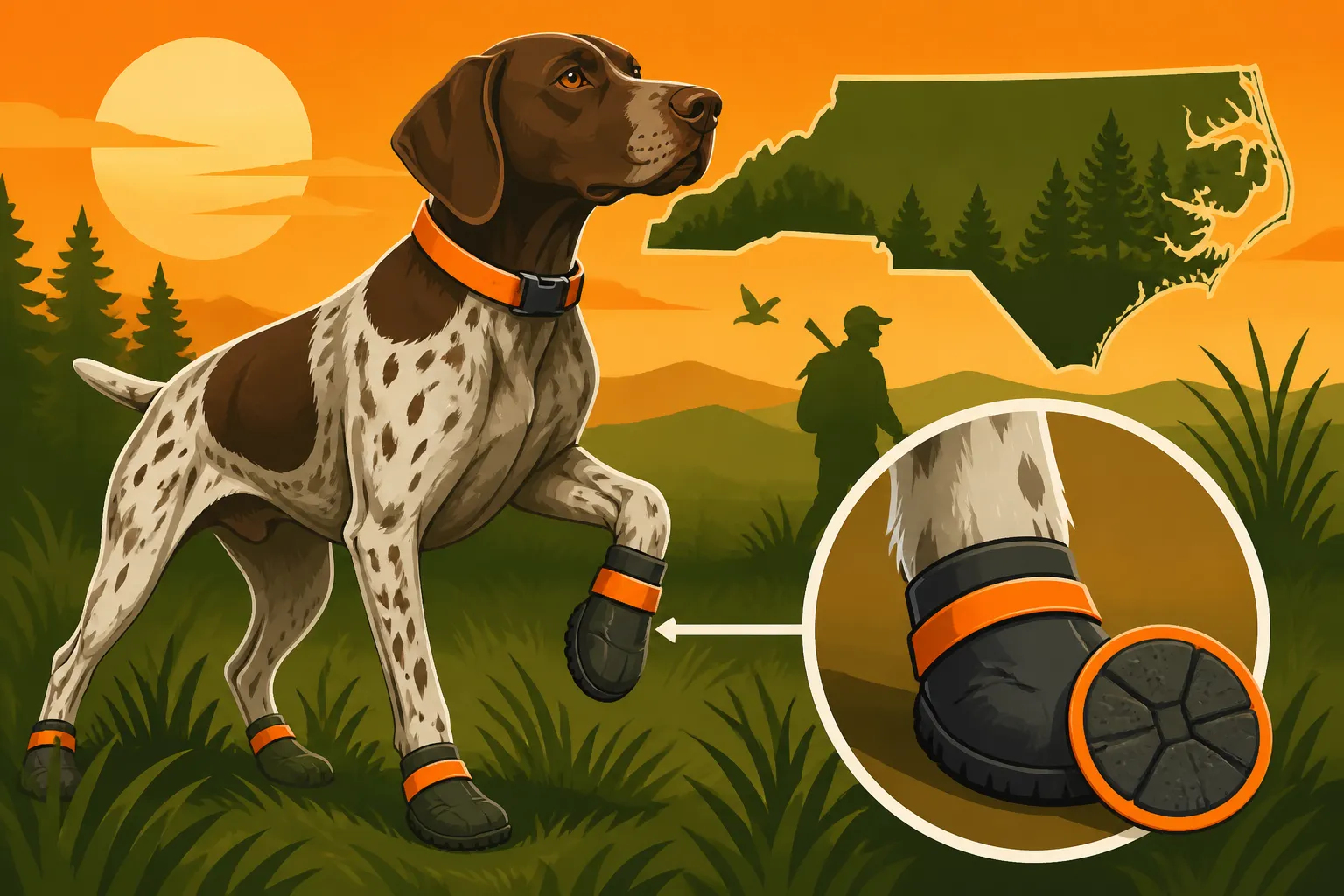
Dog boots are the most comprehensive form of paw protection. They encapsulate the entire paw, offering a barrier against cuts, punctures, abrasions, and extreme temperatures (both hot and cold). They come in various materials and designs, each suited for different conditions.
- Materials: You'll find boots made from durable Cordura nylon, rugged leather, thick rubber, or a combination. Cordura boots are often lightweight and breathable, good for general trail protection. Leather boots offer excellent durability and mold to the paw over time but can absorb water. Rubber boots provide superior waterproofing and grip, ideal for wet or icy conditions, but may lack breathability. Many quality boots, like those from manufacturers often reviewed on platforms like GoHunt, blend these materials for optimal performance.
- Closure Systems: This is critical for keeping boots on your dog. Common systems include Velcro straps, elastic gaiters, or even zippered closures. Some boots feature multiple straps for a more secure fit, while others have a wider opening that can be taped to the leg for extra security.
- Traction: A good hunting boot will have a textured sole, similar to a hiking boot, to provide grip on slippery rocks, wet leaves, or icy patches.
- Waterproofing: For hunting in coastal marshes or snowy mountain conditions, waterproof boots are paramount to prevent cold, wet paws, which can lead to frostbite or skin issues.
While boots offer excellent protection, they do require careful sizing and a "break-in" period for your dog to get used to them. Some dogs take to them immediately, others will "high-step" or try to shake them off initially. Persistence and positive reinforcement are key!
Adhesive and Liquid Paw Pads: Flexible Protection
If full boots aren't your preference, or if your dog simply won't tolerate them, adhesive paw pads or liquid paw protectants offer alternative solutions.
- Adhesive Pads: These are peel-and-stick pads that adhere directly to the bottom of your dog's paw pads. They create a temporary, protective layer against sharp objects, hot pavement, or abrasive surfaces. They're often made from a durable, flexible material that allows for natural paw movement. The main challenge with adhesive pads is ensuring they stay on during vigorous activity, especially in wet conditions. Proper application to a clean, dry paw is essential. They are typically single-use or last for a single hunt.
- Liquid Protectants/Waxes: Products like Musher's Secret are widely popular. These are waxes or balms that you rub directly onto your dog's paw pads. They create a breathable, protective barrier that moisturizes the pads, prevents cracking, and offers a degree of protection against ice, snow, salt, hot pavement, and minor abrasions. They don't offer the same puncture resistance as boots or adhesive pads but can significantly toughen and protect the pads over time. They're also great for preventative care before, during, and after a hunt.
The Hybrid Approach: Combining Solutions
Sometimes the best solution is a combination. For example, you might use a liquid paw wax daily to condition and toughen your dog's pads, then add boots for particularly rough hunts or specific terrain. For light hunting on familiar ground, adhesive pads might be sufficient. Understanding the specific threats of your hunting area—whether it's Hunting Coastal Plain Pocosin Swamps or a rocky ridge—will guide your choice.
Choosing the Right Boots or Pads for Your North Carolina Hunt
Selecting the right paw protection involves considering several factors unique to your dog, your hunting style, and the North Carolina environment you'll be exploring.
Understanding Your Hunting Environment
As we've discussed, North Carolina presents diverse challenges.
- Mountain Hunts: For the rocky, root-strewn terrain of the western counties, durable, abrasion-resistant boots with good traction are paramount. Look for reinforced toes and soles.
- Piedmont Fields: In agricultural areas with stubble and briars, puncture-resistant boots made from tough Cordura or thick leather are a good bet. Adhesive pads can also work for shorter, less intense hunts here.
- Coastal Swamps: Waterproof rubber or heavily water-resistant synthetic boots are essential to protect against submerged hazards and keep paws dry, preventing softening and cold-related issues.
Before you even step into the field, doing some research, perhaps checking out land features on platforms like GoHunt, can give you clues about the likely paw hazards.
Assessing Your Dog's Needs and Temperament
Every dog is an individual.
- Paw Pad Toughness: Some dogs naturally have tougher pads than others, especially older, well-conditioned hunting dogs. Puppies or less experienced dogs might need more robust protection.
- Sensitivity: Some dogs are more sensitive to foreign objects on their paws. This might make them more resistant to boots initially. Patience and positive reinforcement are key here. Start with short durations in low-stress environments.
- Activity Level: A high-drive, fast-moving dog covering many miles will exert more force on their paws and boots, requiring more durable options than a slower-paced hunter.
Key Features to Look For in Dog Boots
When evaluating different brands and models, keep these features in mind:
| Feature | Description | Ideal NC Hunting Scenario |
|---|---|---|
| Material | Cordura, leather, rubber, or blends for durability and protection. | Cordura for general, Leather for rugged, Rubber for wet/icy. |
| Sole Type | Grippy rubber (Vibram-style), rugged synthetic, or non-slip pattern. | Excellent traction for rocky mountains or slippery leaves. |
| Closure System | Multiple Velcro straps, elastic bands, zippered, or a combination. | Secure fit crucial; multiple points of adjustment for staying on. |
| Waterproofing | Water-resistant fabric, fully waterproof membrane, or rubber construction. | Essential for coastal swamps, wet snow, or rainy mountain days. |
| Breathability | Materials that allow air circulation to prevent overheating. | Important in warmer early season hunts to prevent heat buildup. |
| Flexibility | Allows natural paw movement for comfort and proprioception (awareness of body position). | Maintains dog's natural gait and agility during the hunt. |
| Reinforcement | Extra padding or layers in high-wear areas (toes, sole edges). | Prolongs boot life in abrasive environments. |
You'll find many excellent options that are frequently reviewed in hunting publications or online forums. It's wise to read up on user experiences to see how different brands hold up to the rigors of real-world hunting.
Proper Fit and Maintenance of Dog Boots and Pads
Even the best dog boots or pads are useless if they don't fit correctly or aren't maintained. This often overlooked aspect is critical for their effectiveness and your dog's comfort.
Sizing and Achieving the Perfect Fit
This is perhaps the most crucial step. A boot that's too loose will slip off or twist, becoming a tripping hazard. One that's too tight will restrict blood flow, cause rubbing, and be incredibly uncomfortable.
- Measure Accurately: Have your dog stand on a piece of paper. Lift the opposite paw to put weight on the paw you're measuring. Trace the outline of the paw, including the toenails. Measure the width at the widest point and the length from the back of the large pad to the tip of the longest nail. Most boot manufacturers provide detailed sizing charts based on these measurements.
- Consider All Paws: Front paws are often wider and larger than hind paws. You might need two different sizes of boots!
- Test Fit Indoors: Once you receive the boots, try them on indoors. They should be snug but not restrictive. Your dog's paw should sit comfortably, with enough room for the pads to splay slightly but not so much that the paw slides around inside. Check that the closure system can be secured firmly without pinching.
- "Break-In" Period: Just like new hiking boots for humans, dog boots need a break-in period. Start with short walks around the house or yard. Gradually increase the duration. Offer high-value treats and praise when your dog wears them. This helps them associate boots with positive experiences.
- Securing for the Hunt: For active hunting, consider adding an extra layer of security. Athletic tape or self-adhering vet wrap can be applied lightly above the boot's cuff to help prevent snow, mud, or debris from getting in and to keep the boot from slipping off. Just be careful not to wrap too tightly, which can cut off circulation. This is especially useful when your dog is working hard, like when Running Hounds Where North Carolina Allows It.
Maintenance and Care for Longevity
Proper care extends the life of your investment and ensures they're ready for the next hunt.
- Clean After Each Use: After every hunt, especially in muddy or wet conditions, clean the boots. Remove any debris, rinse off mud, and allow them to air dry completely. Never put them away wet, as this can lead to mold, mildew, and material breakdown.
- Inspect for Wear and Tear: Before and after each hunt, inspect the soles for cuts or excessive wear, check seams for fraying, and examine Velcro closures for loss of grip. Addressing minor issues early can prevent them from becoming major failures in the field.
- Storage: Store boots in a clean, dry place away from direct sunlight or extreme temperatures. A breathable mesh bag works well.
Caring for Adhesive Paw Pads and Topical Waxes
- Clean, Dry Application: For adhesive pads, ensure your dog's paws are clean and thoroughly dry before application. Any dirt, oil, or moisture will compromise the adhesive. Trim excess hair around the pads for better adhesion.
- Reapply as Needed: Adhesive pads are often designed for single-day use. Inspect them frequently during the hunt and replace them if they start to peel or show significant wear.
- Regular Wax Application: If using a paw wax, apply it regularly, not just on hunt days. A daily application, especially in the off-season or during periods of heavy use, will help keep pads moisturized, supple, and less prone to cracking.
Beyond the Boots: Preventative Care and Field First Aid
While boots and pads are excellent tools, they're part of a larger strategy for paw health. Good preventative care and knowing how to handle an injury in the field are equally vital.
Everyday Preventative Paw Care
Think of your dog's paws as their primary tools in the field, much like your Rifle Setups for North Carolina Deer Hunting are yours. They need to be conditioned and cared for consistently.
- Regular Exercise on Varied Terrain: Gradually expose your dog to different surfaces throughout the year. This helps naturally toughen their paw pads. Start with softer ground and move to harder, more abrasive surfaces.
- Trim Nails Regularly: Overgrown nails can interfere with a dog's natural gait, cause discomfort, and are more prone to tearing or splitting, especially when running through thick cover.
- Inspect Paws Daily: Make it a habit to check your dog's paws every day, especially during hunting season. Look for cuts, scrapes, thorns, foxtails, or any signs of tenderness, swelling, or redness between the pads. Early detection can prevent minor issues from becoming serious infections.
- Use Paw Waxes/Balms: Even if your dog wears boots, using a paw wax or balm regularly can keep their pads supple and prevent cracking, which is a common problem in both dry and overly wet conditions. These products create a protective layer and help maintain paw health.
Essential Field First Aid for Paw Injuries
Despite your best efforts, injuries can still happen. Being prepared to handle them in the field can make a huge difference in your dog's comfort and recovery. Your hunting pack should always include a basic first aid kit for your dog. First Aid Kits for Remote Mountain Ground is a good resource for what to pack.
- Antiseptic Wipes or Spray: For cleaning wounds.
- Sterile Gauze Pads and Self-Adhering Vet Wrap: For bandaging cuts and controlling bleeding. Vet wrap sticks to itself, not to fur, making it ideal for dogs.
- Medical Tape: To secure bandages, especially when you need extra hold.
- Small Scissors: To cut tape or gauze.
- Tweezers or Hemostats: For removing thorns, splinters, or other foreign objects.
- Hydrogen Peroxide (small bottle): To disinfect wounds (use sparingly and rinse after).
- Pain Relief: Consult your vet for appropriate canine-safe pain medication to have on hand for emergencies. Never give human pain relievers to your dog.
- Booties (Emergency): Carry a spare set of soft, flexible emergency booties or socks. If your dog sustains a paw injury, a temporary bootie can protect the wound from dirt and further irritation until you can get back to camp or a vet.
What to Do When an Injury Occurs
- Stop and Assess: As soon as you notice a limp or suspect an injury, stop hunting immediately. Calmly examine your dog's paw.
- Clean the Wound: If it's a cut or scrape, gently clean it with antiseptic wipes or a mild antiseptic solution. Remove any visible debris with tweezers.
- Control Bleeding: For deeper cuts, apply direct pressure with a clean gauze pad.
- Bandage: Apply a sterile gauze pad to the wound and secure it with vet wrap, ensuring it's snug but not too tight. Change bandages regularly to keep the wound clean.
- Seek Veterinary Care: For deep cuts, punctures, persistent bleeding, or any injury where you suspect a broken bone or severe infection, get your dog to a veterinarian as soon as possible. Even seemingly minor issues can escalate if not treated properly. Don't delay.
Taking these steps ensures you're not just ready for the hunt, but also ready to care for your most loyal hunting partner when they need it most. After all, a healthy dog means more happy days in the North Carolina woods and fields, pursuing everything from Squirrel and Small Game Hunting in North Carolina to tracking down a North Carolina Coyote Range and Density specimen.
Disclaimer
This article is for general informational purposes only and does not constitute professional advice. Laws, prices and regulations vary by location and change over time. Consult a qualified professional for guidance on your specific situation.