North Carolina Muzzleloader Tactics
Muzzleloader hunting in North Carolina offers a truly unique challenge, often pushing hunters to their limits with cold weather, wary deer, and the distinct limitations of a single-shot firearm. It’s a time of year when deer have seen considerable pressure, food sources are dwindling, and every shot counts. This guide is all about equipping you with the practical North Carolina muzzleloader tactics you need to overcome these hurdles and find success when the smoke clears.
Understanding North Carolina's Muzzleloader Season and Rules
The muzzleloader season in North Carolina is a special window, sandwiched between the archery and gun seasons, or running concurrently with certain gun seasons depending on your zone. It demands a different approach than chasing deer with a modern rifle or even a bow, primarily because of the specific gear requirements and the typically colder, later-season conditions. Knowing the regulations inside and out is your first, and arguably most important, tactic.
Key Dates and Zone Overlaps
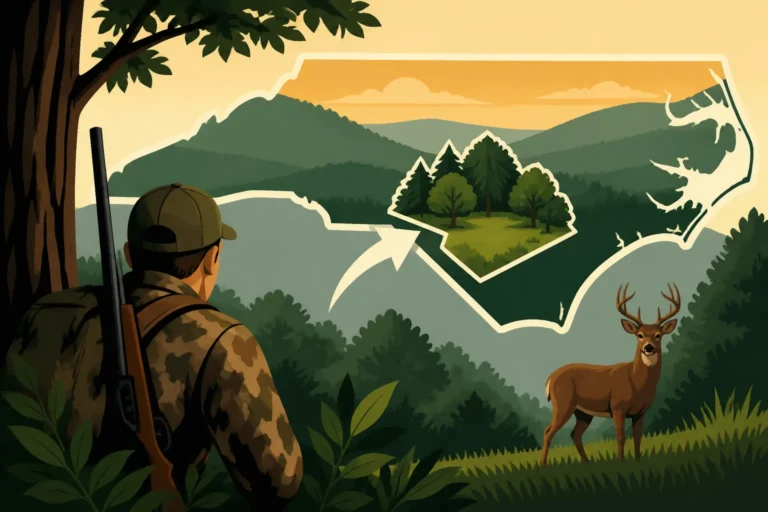
North Carolina's deer season is meticulously divided into four distinct zones: Eastern, Central, Western, and Northwestern. Each of these zones has its own unique calendar, and the muzzleloader season dates reflect these differences. For instance, in the Eastern and Central zones, you’ll often find the muzzleloader season preceding the full gun season, offering a chance to hunt deer before they’ve been subjected to the full-on rifle pressure. This can be a prime opportunity, especially if you’re targeting mature bucks still recovering from the rut and perhaps a little less cautious than they will be a few weeks later.
The Western and Northwestern zones typically see a later muzzleloader season, sometimes even overlapping with the general gun season. This overlap can be a double-edged sword; while you might benefit from deer moving due to gun pressure elsewhere, you'll also be sharing the woods with other hunters, which means increased competition and spookier deer. It's crucial to check the specific county you plan to hunt in, as a quick glance at the North Carolina's Four Gun Deer Zones map will show you just how varied the season dates can be. Understanding these specific dates and any overlap is paramount for planning your hunts and maximizing your time afield. Don't just assume the dates are uniform across the state; a quick check with the North Carolina Wildlife Resources Commission (NCWRC) regulations before each season is always a smart move.
Legal Muzzleloader Requirements and Ammunition
The rules around what constitutes a legal muzzleloader in North Carolina are quite specific, and it's not a place you want to cut corners. Generally, a muzzleloader must be loaded from the muzzle, meaning the projectile and powder are loaded down the barrel. This includes traditional percussion caps, flintlocks, and modern inline muzzleloaders. What's often overlooked, or at least misunderstood, are the specific bullet and powder requirements. North Carolina requires that during muzzleloader-only seasons, you must use a projectile that is loaded separately from the powder charge. This means no pre-loaded cartridges, obviously, but also be mindful of certain types of "speed loaders" that might combine powder and projectile in a way that doesn't meet the spirit of the law.
When it comes to projectiles, there’s a lot of debate among hunters about sabots versus full-bore conicals. Sabots, which are plastic sleeves that allow a smaller, typically more aerodynamic bullet to be fired from a larger bore, are perfectly legal. They can offer increased accuracy and flatter trajectories, which is a huge advantage for ethical, clean kills. However, some traditionalists prefer heavy, full-bore lead conicals for their impressive knockdown power at closer ranges. The key is to practice extensively with whatever setup you choose. Remember, you only get one shot, so make it count. Familiarize yourself with the Muzzleloaders Under North Carolina Rules to ensure your setup is compliant and effective.
Licensing and Hunter Education
Just like any other hunting season in North Carolina, participating in muzzleloader season requires the appropriate licenses and, for many, proof of hunter education. If you're a new hunter, or if you're under the age of 16 without an adult mentor, you absolutely need to complete a hunter education course. This isn't just a bureaucratic hoop to jump through; it teaches crucial safety practices, wildlife identification, and ethical hunting principles that are invaluable in the field. North Carolina offers both in-person and online courses, with a practical field day component for the online option.
Beyond hunter education, you’ll need a valid North Carolina hunting license. For deer, this typically means a basic hunting license coupled with a Big Game Harvest Report Card or the Big Game Privilege. Non-residents will have different pricing structures and license requirements, so it's essential to research those thoroughly. You can purchase licenses online via the NCWRC portal, by phone, or from authorized license agents across the state. Always double-check that your license is valid for the species, season, and weapon type you intend to use. There's nothing worse than having a perfect opportunity arise only to realize your paperwork isn't in order. It's also worth noting that if you plan on hunting on North Carolina Game Lands, you'll likely need an additional Game Lands License.
Scouting and Locating Deer for Muzzleloader Success
By the time muzzleloader season rolls around, deer behavior has shifted considerably from the early archery days. The frenzy of the rut might be winding down or even over, and deer are focused squarely on survival: finding food, conserving energy, and avoiding increasing hunting pressure. Your scouting tactics need to adapt to these changes.
Late-Season Food Sources and Patterns
Forget those lush alfalfa fields of early September; late-season deer in North Carolina are looking for high-energy, readily available food sources that can fuel them through colder days. Acorns, if any are left after the squirrel and deer frenzy, are gold. Specifically, white oak acorns are preferred for their lower tannin content, but red oak acorns become more palatable after a few hard frosts. Look for areas with a good mast crop, but also consider agricultural fields. Standing corn, if not harvested, is a magnet. Cut crop fields will still draw deer to glean leftover grains, especially if there's a nearby thicket for bedding cover. Soybean fields, even after harvest, can offer residual protein.
Additionally, don't overlook natural browse. Greenbriar, honeysuckle, and young saplings in recent clear-cuts or thinned timber stands provide essential forage. Deer will often travel significant distances to access these concentrated food sources. Using mapping tools like those offered by GoHunt or a similar application can help you identify potential food sources, locate access points, and pinpoint bedding areas relative to these crucial late-season buffet lines. Understanding Late-Season Food Sources for North Carolina Whitetails is crucial for predicting where deer will be spending their limited daylight hours.
Identifying Sanctuary and Bedding Areas
Deer, especially mature bucks, become incredibly wary during late-season hunting pressure. They will seek out dense, undisturbed sanctuary areas where they feel safe. These are often the nastiest, thickest places on the landscape – dense pine plantations, impenetrable pocosins, steep ravines, or overlooked pockets of cover near human habitation. On public land, these sanctuaries are usually deep within the property, far from main roads and trails, or in areas with extremely difficult access that most hunters avoid.
Your goal is to identify these bedding areas and then locate travel corridors that deer use to move between these safe havens and the late-season food sources you've identified. Look for heavy trails, rub lines (even old ones can indicate a buck's preferred travel route year after year), and scrapes. While rutting activity has largely subsided, some secondary rutting or late-season breeding can occur, so a fresh scrape or rub should never be ignored. Consider how Where Nantahala Forest Bucks Bed might influence your approach if you're hunting in mountainous terrain, as thermal currents and prevailing winds become critical factors when setting up near these bedding zones.
Using Technology for Scouting
In today's hunting world, technology can be a game-changer for effective scouting, especially for muzzleloader season where precise stand placement and understanding deer movement are paramount. Mapping applications, like those found within a GoHunt subscription, allow you to study terrain features, identify potential food plots, locate thick bedding cover, and plan your entry and exit routes without disturbing the area. You can drop pins on fresh sign, measure distances, and even identify property boundaries to avoid trespassing.
Beyond mapping, trail cameras are invaluable. Deploy them strategically near identified food sources, along known travel corridors, or on pinch points between bedding and feeding areas. During muzzleloader season, deer movement can be more concentrated, and trail cameras can help you confirm patterns, identify specific bucks, and understand their timing. Pay close attention to temperature and weather patterns as they correlate with deer activity captured on your cameras. For public land hunting, using a robust app that features public/private land ownership layers, topographical maps, and satellite imagery can drastically cut down on wasted time and help you find those overlooked pockets of habitat. This allows you to plan your Scouting North Carolina Public Land Before Season with surgical precision.
Stand Placement and Hunting Strategies
Muzzleloader hunting often means colder temperatures and more wary deer. Your stand placement and overall hunting strategy need to be meticulously planned to account for these factors, minimizing your footprint and maximizing your limited shooting opportunities.
Adapting to Pressure and Weather Changes
By muzzleloader season, deer have likely encountered numerous hunters, making them incredibly sensitive to pressure. This means you need to become a ghost in the woods. Plan your entry and exit routes carefully, minimizing noise and scent. Avoid walking through known bedding areas or over primary food sources, especially in daylight. Early mornings are often best for catching deer heading back to bed, while late afternoons can be productive as they emerge to feed. The wind is your absolute master; always hunt with the wind in your favor, especially when hunting near bedding areas.
Weather changes, particularly cold fronts, can trigger significant deer movement as they instinctively know to feed heavily before a severe drop in temperature. A fresh snowfall can also be a blessing, muffling your footsteps and making fresh tracks easy to spot, providing invaluable insights into current deer activity. However, rain can be a challenge for muzzleloaders, making it difficult to keep powder dry. Consider using weather-resistant accessories or covers for your muzzleloader to prevent misfires. When faced with sustained hunting pressure, consider Finding Ground Others Walk Past by targeting overlooked pockets of public land or gaining permission on smaller, less-pressured private tracts.
Effective Stand Types
When it comes to stand types for muzzleloader hunting, versatility is key. You'll primarily be choosing between elevated treestands and ground blinds, each with its own advantages depending on the terrain and situation.
Treestands: A well-placed treestand offers an elevated vantage point, which can be crucial for spotting deer earlier, especially in thicker cover, and for helping your scent dissipate above the deer's primary detection zone. For muzzleloader season, a good climbing stand or a lightweight hang-on stand with climbing sticks offers mobility, allowing you to adapt to changing deer patterns. When hunting on steep terrain in the mountains, learning Treestand Setups in Pisgah National Forest will teach you how to choose the right tree and position for optimal sight lines and safety, considering the often-uneven ground. Remember, safety harnesses are non-negotiable. The ability to quickly move your stand if a new pattern emerges is invaluable during late season.
Ground Blinds: Ground blinds offer excellent concealment, warmth, and are often the best choice when hunting field edges or open areas where natural cover is scarce. They also allow for more movement within the blind, which can be a relief on long, cold sits. For muzzleloader hunters, a well-brushed-in ground blind provides a stable shooting rest and protects your firearm from the elements. If you're targeting a specific food plot or a pinch point where deer are expected to move through a more open area, a ground blind can be incredibly effective. Make sure to choose a blind that blends naturally with the surroundings. For advice on blending into the North Carolina landscape, check out Using a Ground Blind on North Carolina Public Land.
Still-Hunting and Drives in Muzzleloader Season
Beyond static stand hunting, still-hunting and deer drives can be highly effective muzzleloader tactics, particularly on public lands or large private tracts where deer are accustomed to moving.
Still-Hunting: This technique is about moving slowly and deliberately through the woods, stopping frequently to observe, listen, and glass ahead. It requires immense patience and a keen eye. On a still-hunt, you become part of the forest, mimicking the slow movement of other animals. Focus on terrain features that funnel deer, like ridge lines, creek bottoms, or the edges of thick cover. Move into the wind, taking advantage of any natural sounds like a rustling breeze or falling leaves to mask your footsteps. This can be particularly effective in North Carolina's varied terrain, from the hardwoods of the Piedmont to the pines of the Coastal Plain. Consider learning the nuances of Still-Hunting Nantahala Forest Ridges for specific tips on navigating challenging mountain terrain quietly and effectively.
Deer Drives: If you're hunting with a group, organized deer drives can be a powerful way to push deer towards waiting standers. This is especially useful in dense cover like a coastal pocosin or a thick pine plantation where deer can easily hide. The key to a successful drive is planning: assign clear roles (drivers and standers), establish communication methods, and understand the terrain. Standers should position themselves in natural escape routes or funnels, ensuring safe shooting lanes. Drivers should move methodically and purposefully, making enough noise to encourage deer to move, but not so much that they bust out of the area wildly. For a deeper dive into coordinating a hunt with friends, explore Deer Drives With Three or Four Hunters to learn the strategies for maximizing success and safety.
Muzzleloader Gear and Preparation
Success with a muzzleloader isn't just about where you hunt; it's profoundly influenced by the reliability of your equipment and your meticulous preparation. One shot is often all you get, so your gear needs to be dialed in.
Rifle Selection and Ballistics
Choosing the right muzzleloader for North Carolina hunting depends on your personal preference and the type of hunting you'll be doing. Modern inline muzzleloaders are incredibly popular due to their accuracy, ease of cleaning, and ability to handle heavier powder charges and sabots, which translate to flatter trajectories and more kinetic energy downrange. Brands like Traditions, CVA, and Thompson/Center are well-regarded and offer excellent options. For those who appreciate tradition, a flintlock or percussion cap rifle offers a more authentic experience, though they often demand more skill and are less forgiving in adverse weather.
Regardless of the type, understanding your rifle's ballistics is critical. Practice at various ranges – 50, 75, and 100 yards – to know your ethical limits. A muzzleloader isn't a 300-yard rifle for most hunters, especially in the woods of North Carolina. Knowing your bullet's drop and energy at different distances ensures a clean kill. While a .50 caliber is standard and highly effective for deer, some hunters opt for .45 or .54 caliber. The most important factor is proficiency with your chosen rifle and projectile combination. For insights into selecting the best firearm for this specific season, check out Choosing a Muzzleloader for December Cold.
Loading and Field Care in Adverse Conditions
One of the biggest challenges of muzzleloader hunting, especially during North Carolina's often damp and unpredictable late seasons, is keeping your powder dry and your rifle functioning reliably. Moisture is the enemy of black powder and most black powder substitutes. Before heading into the field, ensure your powder and primers are stored in waterproof containers. Many hunters use speed loaders that pre-measure powder charges and hold a projectile, making reloading in the field quicker and more efficient. These should also be kept dry.
In the stand, especially during rain or snow, use a muzzleloader cover or even a simple piece of electrical tape over the muzzle to prevent moisture from entering the barrel. This is not just about preventing a misfire; moisture can also degrade the powder charge, leading to inconsistent performance and a potentially unethical shot. If your rifle does get wet, make sure to clean and dry it thoroughly as soon as possible after your hunt to prevent rust and corrosion. A little pre-hunt preparation and diligent field care can make all the difference when that trophy buck steps out. For more in-depth advice on this crucial aspect, refer to Keeping Powder Dry in Wet Snow.
Essential Accessories for a Successful Hunt
Beyond your muzzleloader, a few key accessories can significantly improve your hunting experience and success rate.
- Ramrod: While most muzzleloaders come with one, carrying a spare or an upgraded, sturdier ramrod (perhaps a range rod that breaks down) can be a lifesaver if your primary one gets damaged or lost.
- Powder Measure: An adjustable powder measure is essential for consistent and accurate charges.
- Primers/Caps: Always carry extra primers or percussion caps in a waterproof container.
- Projectile Holders: Speed loaders are fantastic for quick reloads. A small pouch for loose projectiles is also handy.
- Nipple Wrench/Decapping Tool: For cleaning and maintenance, especially if you need to remove a nipple to clear a fouled breach.
- Cleaning Kit: A small, compact cleaning kit with patches, a bore brush, and bore solvent is crucial for immediate field care and more thorough cleaning back at camp.
- Optics: A good pair of binoculars is invaluable for scanning for deer, especially in low light. A rangefinder is also highly recommended to ensure you're within your ethical shooting distance. Brands like Leupold, Vortex, and Bushnell offer reliable options for binoculars and rangefinders suitable for North Carolina hunting. GoHunt also provides resources for choosing the right optics for different terrains and conditions.
- Knife and Field Dressing Supplies: Always have a sharp knife, game bags, and gloves for field dressing.
- Navigation: A reliable GPS unit or a smartphone with a robust mapping app (like the one GoHunt integrates) is crucial for navigating public lands and tracking your movements.
This gear, combined with warm, layered clothing appropriate for North Carolina's often chilly muzzleloader season, will set you up for success.
Tracking and Recovery Challenges
After the shot, the work truly begins. Muzzleloader hunting can sometimes present unique tracking challenges due to the nature of the projectile and the potential for limited blood trails, especially if a full pass-through doesn't occur. Your ability to track and recover game ethically is a cornerstone of responsible hunting.
Blood Trailing After the Shot
Unlike a high-velocity modern rifle, muzzleloader projectiles, particularly heavy conicals, can sometimes expand less or create a smaller wound channel, potentially leading to a less pronounced blood trail. This means you need to be an even more meticulous tracker. After the shot, take a moment to compose yourself and replay the shot in your mind. Note the deer's reaction, the sound of the impact, and the direction it ran. If possible, mark the exact spot where the deer was standing when you shot and where you last saw it.
Give the deer ample time before beginning your track, especially if the shot wasn't immediately fatal. An hour or more for a lung shot, and several hours for a liver or gut shot, can make a huge difference in finding the animal. Start slowly at the point of impact, looking for any sign: blood, hair, bone fragments, or disturbed earth. Follow every drop of blood, no matter how small. If the blood trail peters out, grid search the area in the direction the deer was last seen. For more detailed strategies on what to do when the blood trail is sparse, refer to Blood Trailing After Dark in North Carolina, which provides excellent tips applicable to any low-visibility tracking situation.
Dealing with Difficult Terrain
North Carolina's diverse landscapes, from the steep, rocky slopes of the mountains to the dense, often swampy coastal plains, present significant recovery challenges. If you've shot a deer in the mountains, it often means a long, difficult drag downhill, or even the need to quarter the animal to pack it out. The terrain can be unforgiving, with thick rhododendron and mountain laurel creating impenetrable tangles. Pace yourself, stay hydrated, and ensure you have a good flashlight if you're tracking into dusk.
In the Coastal Plain, you might find yourself recovering a deer from a pocosin swamp or a flooded timber bottom. These areas are characterized by thick vegetation, soft ground, and standing water, making every step a monumental effort. Using a deer sled or a game cart can sometimes help, but often it's sheer brute force and determination. Having a buddy with you is invaluable for these situations. Make sure you're wearing appropriate waterproof footwear and clothing, and carry plenty of water. If you're tackling coastal swamps, the guidance in Recovering a Deer From a Coastal Swamp offers specific advice for these notoriously tough environments.
Reporting Requirements
North Carolina has specific reporting requirements for harvested deer, and it's essential to comply with these rules to remain a responsible hunter. Once you've successfully recovered your deer, you must report it to the NCWRC. This can typically be done online via the NCWRC website or through their mobile app. You'll need information like the county of harvest, the date, and the sex of the deer. This data is crucial for wildlife biologists to monitor deer populations, track harvest trends, and make informed management decisions.
The reporting window is generally quite generous, but it's always best to report your harvest as soon as possible after recovery. Neglecting to report your deer can result in penalties, so don't let the excitement of a successful hunt overshadow this important step. Familiarize yourself with the North Carolina Deer Reporting Requirements to ensure you're always in compliance and contributing to sound wildlife management.
Muzzleloader Tactics Table
Here's a quick comparison of different muzzleloader types and their typical considerations for North Carolina hunting:
| Feature | Traditional Flintlock | Traditional Percussion Lock | Modern Inline Muzzleloader |
|---|---|---|---|
| Ignition | Flint sparks powder pan | Percussion cap ignites powder | 209 primer ignites powder |
| Loading | Powder & projectile down muzzle | Powder & projectile down muzzle | Powder & projectile down muzzle |
| Weather Impact | Highly susceptible to moisture | Moderately susceptible to moisture | Less susceptible to moisture |
| Accuracy | Good with practice | Very good with practice | Excellent, often comparable to rifles |
| Reload Speed | Slowest | Slow | Fastest (for muzzleloaders) |
| Maintenance | More complex, frequent cleaning | Regular cleaning | Easier to clean, often break-open |
| Ammunition | Round balls, conicals | Round balls, conicals | Sabots, conicals |
| Cost | Varies, can be higher for custom | Moderate | Moderate to High |
| Best Use NC | Challenging, close-range, nostalgic | General hunting, wooded areas | Open country, longer shots, ease of use |
Disclaimer
Hunting is an inherently dangerous activity. The information provided in this guide is for informational purposes only and should not replace proper hunter education, safety courses, or professional guidance. Always follow all local, state, and federal hunting laws and regulations. Exercise extreme caution, be aware of your surroundings, and prioritize safety above all else when afield. The author and publisher assume no liability for accidents or injuries sustained while hunting.