Recovering a Deer From a Coastal Swamp
There’s almost nothing more disheartening for a North Carolina hunter than making a good shot on a deer, only to watch it disappear into the thick, mucky expanse of a coastal swamp. The adrenaline quickly turns to dread as you realize the formidable challenge ahead. This guide is here to walk you through the essential strategies, critical gear, and safety precautions needed to successfully recover your deer from these notoriously difficult North Carolina wetlands.
Understanding the Challenge of Coastal Swamps
The coastal plain of North Carolina is a truly unique environment, beautiful but incredibly tough, especially when you're trying to track a wounded animal. These aren't your typical open woods; we're talking about a dense mosaic of boggy ground, thick pocosin growth, and interconnected water features that can swallow up a blood trail and make navigation a nightmare.
The Unique Terrain and Vegetation
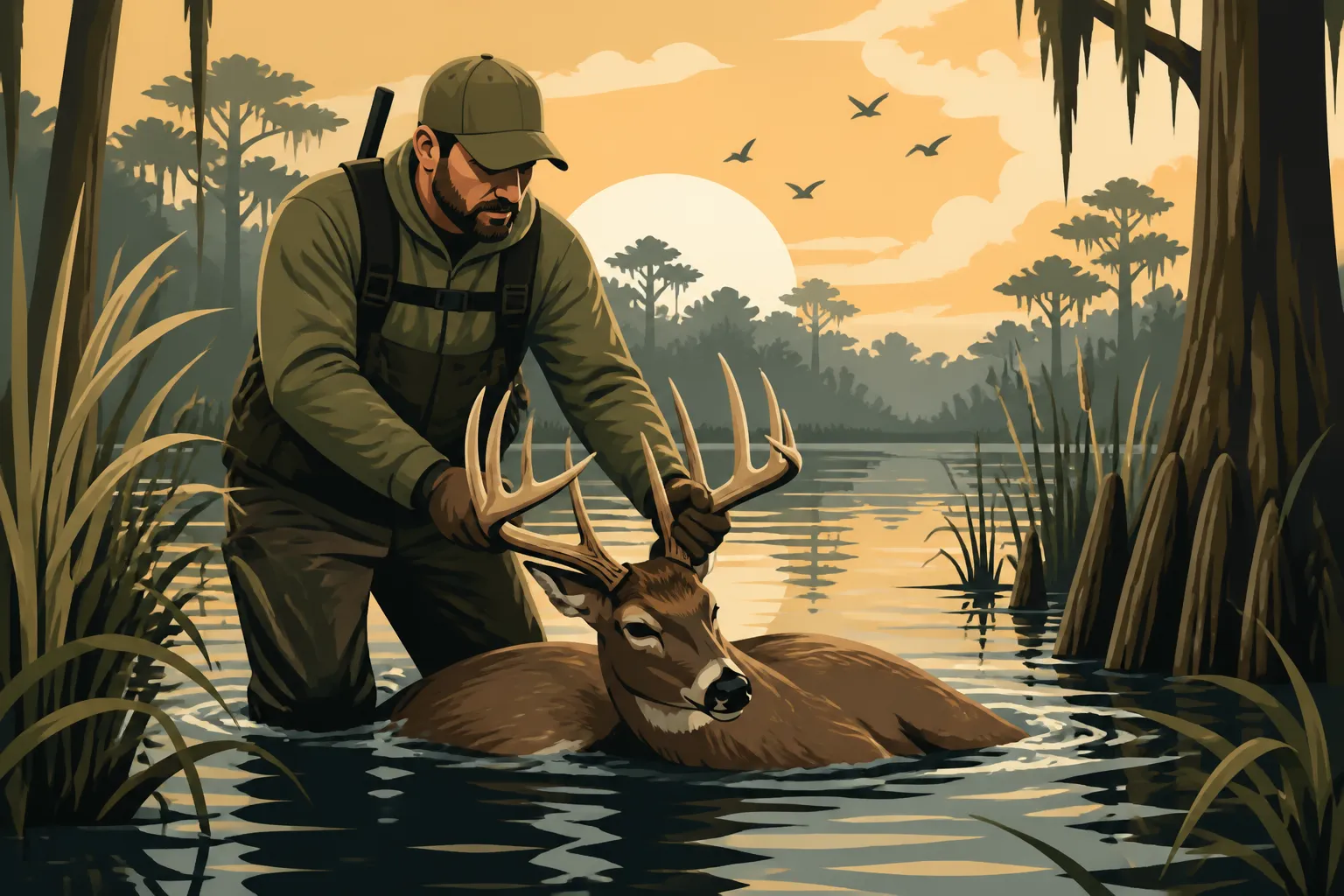
Imagine stepping into what feels like quicksand with every other step, all while navigating through dense, head-high tangles of titi, bay, and cypress knees. That’s the reality of a North Carolina coastal swamp. The water levels can vary dramatically, from ankle-deep muck to chest-deep channels, often with little warning. Underneath it all, the ground is soft, unstable, and often obscured by vegetation and murky water, making footing treacherous. Deer, when wounded, often seek the densest cover and water, which is precisely what these swamps offer in abundance. It’s a natural fortress for them, but a labyrinth for us. You might be focused on where you’re stepping, only to realize you’ve lost your bearings because the dense canopy blocks the sun, and everything looks the same.
Water and Blood Trailing Difficulties
Water is both a blessing and a curse in these recovery efforts. On one hand, it can help carry scent, sometimes allowing a tracking dog (if legal and available) to follow a faint trail. On the other hand, it obliterates traditional blood trails almost instantly. A few drops of blood on the bank quickly dissipate, and if the deer runs into water, any visible sign is gone with the current or dissolved into the murk. This means you can't rely solely on what you might be used to in drier woods. You'll need to look for disturbed vegetation, tracks in soft mud, and bubbles in the water, which are all much harder to spot. It truly tests your patience and observation skills. Understanding the movement patterns of deer in these environments, perhaps by observing how deer move when you're Hunting Coastal Plain Pocosin Swamps, can give you a slight edge.
Essential Gear for Swamp Recoveries
Going into a coastal swamp unprepared is a recipe for disaster. The right gear won't just make the recovery easier; it can literally be a lifesaver. Think about everything you might need for extended exposure, difficult navigation, and the physical demands of dragging out a heavy animal.
Proper Footwear and Clothing
This is non-negotiable. Forget your regular hunting boots; they just won't cut it. You need serious waterproof protection.
| Footwear Type | Ideal Conditions | Pros | Cons |
|---|---|---|---|
| Tall Rubber Boots | Ankle to mid-calf water, muddy banks | Excellent waterproof protection, good traction, relatively lightweight | Can fill with water in deeper sections, less ankle support for uneven ground |
| Chest Waders | Knee to chest-deep water, crossing channels | Superior waterproof coverage, allows deeper entry, keeps clothes dry | Cumbersome for long walks, can be hot, potential safety hazard if snagged or filled with water |
| Hip Waders | Knee-deep water, frequent transitions to dry ground | Easier to move in than chest waders, good for variable water levels | Limited depth, susceptible to splashing over the top |
Many seasoned hunters lean towards good quality rubber boots for swamp walking. Brands like Lacrosse or Muck Boots offer models specifically designed for rugged, wet conditions. For deeper incursions, especially if you anticipate having to cross channels, a good pair of chest waders is invaluable. While you might typically think of Waders for Cattail Marsh Hunting, they are equally effective in a deer recovery situation in a deep pocosin. Remember to layer clothing underneath, as even though it's wet, temperatures can drop, and hypothermia is a real concern. Having Rain Gear for a North Carolina Downpour readily accessible is also wise, as weather can change quickly.
Navigation and Lighting Tools
Losing your way in a featureless swamp is frighteningly easy, especially as daylight fades. A reliable GPS unit or a smartphone with a robust mapping app like GoHunt is absolutely essential. Before you even step into the swamp, mark your entry point, and if possible, the last confirmed sign of the deer. As you track, mark points of interest, like discernible tracks or small amounts of sign. This creates a breadcrumb trail that can guide you back out. Many hunters find that GoHunt's satellite imagery and offline map capabilities are invaluable in these dense, low-visibility areas, allowing you to trace your path even without cell service.
Don't underestimate the power of good lighting. Even if you start your recovery in broad daylight, it's wise to carry a powerful headlamp and a handheld spotlight. The canopy of a swamp can make it feel like dusk even at midday, and if the recovery extends into the evening, you'll be glad for the illumination. The dense undergrowth makes every shadow a potential obstacle, and strong light helps pick out subtle details that could be crucial to your trail.
Recovery and Safety Equipment
Beyond staying found, you need tools to get the deer out and ensure your own well-being. A sturdy rope or game drag is critical for Dragging a Deer Out of a Coastal Swamp. A sharp knife, like one of the Field Dressing Knives Worth Carrying, is needed for field dressing if you manage to reach the deer in the swamp, which can sometimes make the drag easier.
For personal safety, always carry a small but comprehensive first aid kit. Slips, falls, and cuts are common in this kind of terrain. A whistle can be a lifesaver if you're with a partner and become separated, or if you need to signal for help. Also, consider carrying a small, dry bag with essentials like a charged power bank for your phone, a lighter, and a small snack. It might seem like overkill, but the unforgiving nature of these swamps demands thorough preparation.
Strategic Approaches to Tracking in Water
Once your deer enters the water or thick swamp, traditional tracking methods become incredibly difficult. You need to adjust your strategy to account for the challenging conditions and think like the animal.
Gridding and Slow, Deliberate Movement
When a blood trail disappears, it's easy to panic and just start wandering, hoping to stumble upon something. Resist this urge. Instead, implement a "gridding" strategy. First, mark the last spot you had definitive sign. Then, move in small, methodical circles or squares around that point, slowly expanding your search area. Pay attention to every detail: broken branches, scuffed mud, overturned leaves, and even disturbed algae or submerged vegetation. Deer, even when wounded, will typically follow paths of least resistance, even if those paths are barely discernible to human eyes.
Move incredibly slowly, taking a few steps, then stopping to scan for several minutes. Use your binoculars, even in dense cover, to pick apart the vegetation ahead. Look for any change in the environment that indicates a large animal has passed through. It’s painstakingly slow, but far more effective than a frantic, haphazard search. If you’re hunting with a partner, spread out slightly, communicating constantly, but always keeping each other in sight or within earshot. A useful feature on mapping apps like GoHunt is the ability to share your location in real-time, which can prevent you from getting too far apart.
Looking for Secondary Signs Beyond Blood
Since blood will be scarce, you need to broaden your definition of "sign." Look for:
- Tracks: In soft mud, even subtle tracks can tell you direction and gait.
- Broken Vegetation: A wounded deer crashing through cover will often leave broken branches, bent saplings, or displaced moss.
- Bubbles or Disturbed Water: If the deer has just entered or moved through water, you might see small air bubbles rising or a lingering disturbance in the water’s surface.
- Hair: Sometimes, deer will shed hair when rubbing against brush, especially if they are stumbling.
- Scat or Urine: A deer under stress might relieve itself. While not common, it's a possible sign.
- Overturned Rocks or Leaves: Any slight disturbance that seems out of place can be a clue.
Consider where a deer would naturally go when injured. They often seek dense cover, so focus on the thickest parts of the swamp. They also tend to go downhill if possible, and will often try to cross water if they feel threatened. If you’re near a creek or stream, think about Reading a Tidal Creek for Deer Movement to predict possible crossing points.
Utilizing Tracking Dogs
While regulations vary and may require a permit, certified tracking dogs can be an invaluable asset in North Carolina, especially for difficult recoveries in places like coastal swamps. A good dog handler and their dog can pick up scent long after a visual blood trail has vanished, dramatically increasing your chances of finding the deer.
If you know you’re hunting in an area where recoveries might be tough, research local tracking dog services beforehand. Have their contact information ready. Time is of the essence when relying on a dog, as scent diminishes over time and with heavy rainfall. Don't wait until the next morning if you can get a dog out that evening, as finding the deer quickly means better meat quality and a more ethical recovery.
Safety First in North Carolina's Wetlands
Beyond the challenges of tracking, coastal swamps present inherent dangers that demand your respect and vigilance. Your personal safety and the safety of anyone assisting you must always be the top priority.
Awareness of Wildlife and Environment Hazards
North Carolina’s coastal swamps are teeming with life, and not all of it is friendly. You’re entering the domain of venomous snakes like cottonmouths and rattlesnakes, which often blend in perfectly with the leaf litter and cypress knees. Always watch where you step and place your hands. Alligators are also present in many coastal waters, and while typically shy, a distressed animal or an unexpected encounter can be dangerous. Be mindful of sudden drops in water depth, submerged logs, and sharp branches that can cause serious injury. The very nature of the terrain can lead to exhaustion, dehydration, and hypothermia, even on moderately warm days.
Insects are another major nuisance and potential health hazard. Mosquitoes, ticks, and chiggers are abundant. Use strong insect repellent, and after your recovery, perform a thorough tick check. Lyme disease and other tick-borne illnesses are a real concern in North Carolina. Don't forget that First Aid Kits for Remote Mountain Ground should also be tailored for remote swamp excursions, including antihistamines for allergic reactions to bites and stings.
Hunting with a Partner and Communication
Attempting a swamp recovery alone is incredibly risky. Always, always try to go with a partner or a small group. There's safety in numbers, not just for dealing with the physical demands and potential dangers, but also for the morale boost that comes from having someone else there. When working with a partner, establish clear communication protocols. Use two-way radios if cell service is spotty, or agree on specific vocal signals. As mentioned before, sharing your live location on a mapping app like GoHunt can be invaluable for staying connected.
Before you go, let someone not involved in the recovery know exactly where you're headed and your estimated return time. Give them a clear deadline for when they should expect to hear from you and when they should call for help. This simple step creates an essential safety net that could make all the difference in an emergency. Remember, a lost deer is heartbreaking, but risking your life for it is never worth it.
Disclaimer
Always consult the latest North Carolina Wildlife Resources Commission regulations regarding hunting, tracking, and game recovery. This guide is for informational purposes only and does not supersede official laws or safety guidelines.