Keeping Powder Dry in Wet Snow
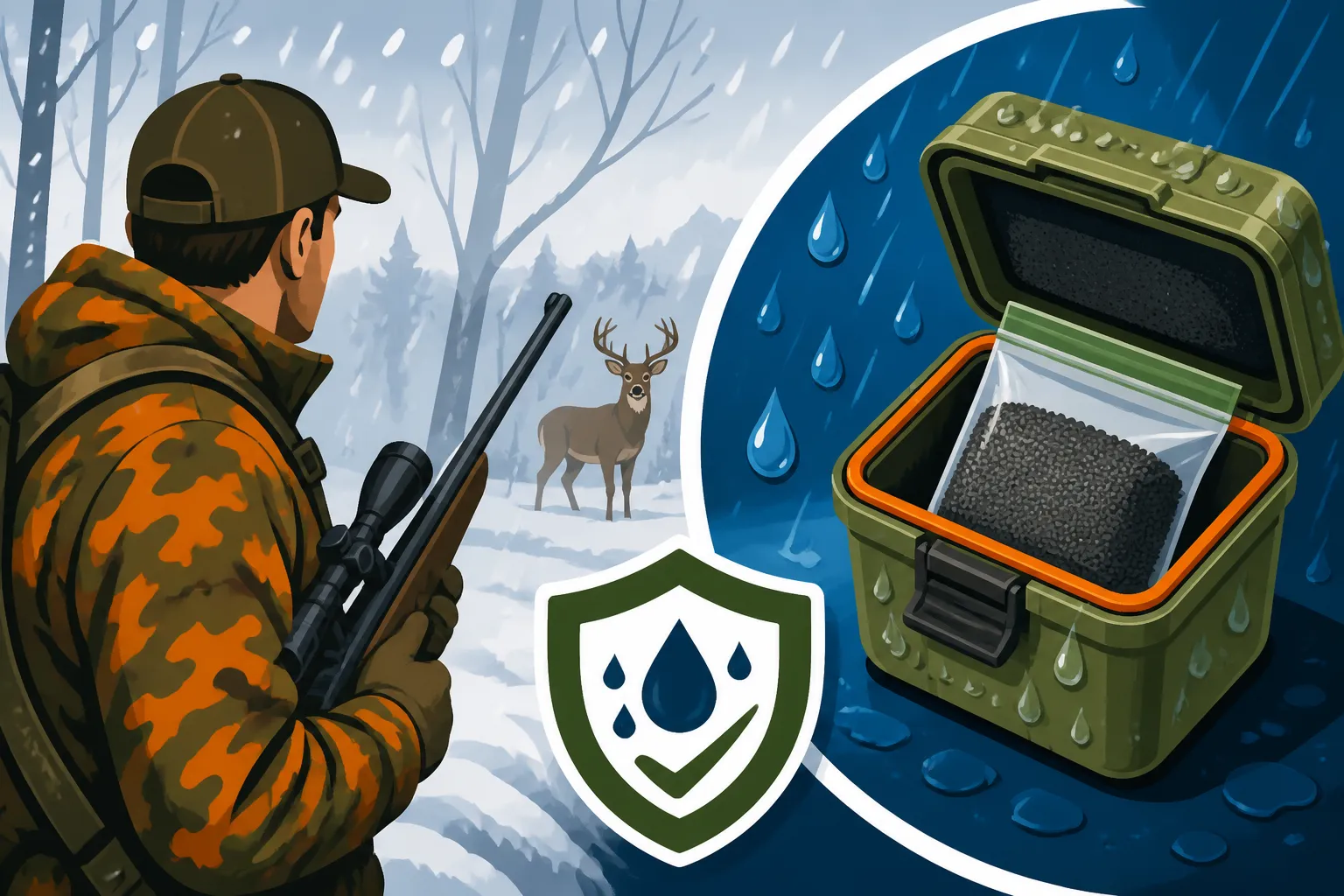
There's nothing quite like a late-season muzzleloader hunt in North Carolina. The woods are quiet, the air is crisp, and if you're lucky, a blanket of snow might transform the landscape into a pristine, deer-tracking paradise. But for those of us who cherish our muzzleloaders, that beautiful, wet North Carolina snow can quickly turn into a nightmare if moisture infiltrates our powder and primers. This guide is all about helping you keep your powder bone dry, ensuring your shot fires true when that buck steps out of the pines, even when the flakes are flying and melting all around you.
The Unique Challenge of North Carolina's Wet Snow
When we talk about hunting in snow, many folks picture the dry, fluffy stuff you see up north or out west. But North Carolina's snow is often a different beast entirely. It's frequently heavier, wetter, and often accompanied by freezing rain or quick temperature swings that lead to rapid melting and then refreezing. This unique combination presents a particular set of challenges for muzzleloader hunters.
Why North Carolina Snow Isn't Like Up North
Our state’s geography and proximity to the Atlantic Ocean mean that even when it snows, there’s often a lot of moisture in the air. This isn't the light, powdery snow that blows off your gun barrel without a trace. Instead, imagine big, heavy flakes that stick to everything, turning quickly into slush as soon as they hit a surface warmer than freezing. This wetness is what makes it so insidious for muzzleloaders. It can cling to your rifle, seep into tiny crevices, and quickly degrade the integrity of your powder charge. It's not uncommon to start a hunt with beautiful, white snow, only for it to turn into a miserable sleet or freezing rain by midday. That constant battle against moisture demands a proactive approach, not just a reactive one.
The Impact on Muzzleloader Primers and Powder
At the heart of any muzzleloader's reliable operation is dry powder and a hot, consistent spark from the primer. When moisture enters the equation, both are compromised. If your powder gets damp, even slightly, it can clump up, burn inefficiently, or, worst of all, fail to ignite completely. Imagine pulling the trigger on a hard-earned shot, only to hear a weak click or a half-hearted phfft instead of a resounding BOOM. It's a gut-wrenching experience that most of us would rather avoid.
Primers are equally vulnerable. The sensitive compounds within them are designed to ignite explosively when struck. Even a minuscule amount of moisture can render them inert. Think about how many times you might handle your primers during loading or in the field, exposing them to the damp air or touching them with gloved hands that might be wet from melting snow. The result is often a misfire, leaving you with a loaded gun that won't fire and a missed opportunity. This is why specialized protection for both powder and primers is non-negotiable when hunting North Carolina's wet, snowy conditions.
Essential Gear for Muzzleloader Moisture Protection
You can't control the weather, but you can control how well you prepare for it. Protecting your muzzleloader from North Carolina's often-soggy winter weather starts with the right gear and a meticulous approach to sealing out moisture.
Protecting Your Muzzleloader's Action and Breach
The breach area, where the primer ignites the powder, is arguably the most critical spot to protect. This is where the magic happens, and it's also where moisture can easily seep in. Many muzzleloaders come with some form of weatherproofing, but in truly wet snow or freezing rain, you need to add an extra layer of defense.
One of the simplest yet most effective methods is using electrical tape. Once your muzzleloader is loaded, carefully wrap a strip or two of electrical tape around the primer and breach plug area, ensuring a tight seal. The tape is flexible, sticks well even in cold, and can be quickly ripped off when it’s time to shoot. For many inline muzzleloaders, a simple rubber primer cap, designed to fit snugly over the primer, works wonders. These caps are reusable and offer excellent protection against drips and splashes. Some hunters even apply a thin layer of waterproof grease around the breach plug threads before screwing it in, adding another barrier against moisture. Taking these small steps can make a monumental difference between a successful hunt and a frustrating misfire. Always double-check your setup before heading out; a quick once-over in your truck or at camp using an app like GoHunt for last-minute mapping can prevent headaches later.
Keeping Your Powder and Primers Bone Dry
It's not enough to protect your loaded gun; you need to ensure your spare powder and primers stay completely dry too. Carrying your loose powder in its original container is asking for trouble in wet conditions. The best practice is to use pre-measured powder charges stored in waterproof speed loaders or vials. These are small, sealed containers, often made of plastic, designed to hold a single charge of powder. You can buy them pre-made or fashion your own from small, waterproof pill bottles. Label them clearly with the powder type and charge weight.
For primers, dedicated waterproof primer dispensers are a lifesaver. These small cases hold multiple primers, keeping them separated and shielded from moisture. Many hunters also keep their primers in a small, hard-sided, waterproof case inside their hunting pack. The key is multiple layers of protection. Don't just toss them into a pocket; put them in a waterproof container, then put that container inside another waterproof bag within your pack. Remember, if it's wet enough to snow in North Carolina, it's wet enough to compromise your ignition system. Thinking ahead about how to protect these vital components, similar to how you'd prepare for Muzzleloader Deer Hunting in North Carolina, is crucial.
Barrel Protection in the Field
While the breach is critical, the muzzle end of your barrel is also a prime entry point for moisture, especially when snow is falling, or you're walking through brush laden with melting ice. Snow can fall directly into the bore, and wet branches can brush against it, forcing water inside.
A simple balloon or a specialized rubber muzzle cap is your best friend here. A small, durable balloon stretched over the muzzle will keep out all moisture and can be shot through without issue, though it's always best practice to remove it just before taking your shot if you have time. Specialized caps are designed for this purpose and often have a small tab for quick removal. Beyond physical barriers, consider how you carry your rifle. Slinging it muzzle-down can help prevent snow from falling directly in, but it can also funnel water towards your action. Slinging it muzzle-up might catch snow. It's a delicate balance. When moving, especially through thick cover where you might be Still-Hunting Nantahala Forest Ridges, try to keep the muzzle pointed downwards as much as safely possible, then cover it up tightly when you settle into your stand. A quick check of the bore with a bore light or visually inspecting for obstructions before a shot is a habit every muzzleloader hunter should cultivate.
Field Tactics for Hunting in Wet Snow Conditions
Beyond gear, your approach to hunting in wet snow needs to adapt. It's not just about protecting your firearm; it's about making smart choices to maximize your chances of success and ensure your equipment functions when it counts.
Choosing Your Stand Location Wisely
When the snow is coming down wet and heavy, or melting quickly, the right stand location can provide a surprising amount of protection for you and your muzzleloader. Think natural cover. A thick stand of pines or cedars offers an incredible canopy that can shed a lot of moisture, keeping the ground (and your rifle) drier than open hardwoods. These evergreens also offer excellent thermal cover for deer, making them prime spots to ambush animals seeking shelter from the elements.
Avoid exposed ridgelines or open field edges where wind-driven snow and freezing rain will hit you and your equipment directly. Instead, look for leeward slopes, deep hollows, or the sheltered side of a thick cedar swamp. These areas not only offer more comfort but also drastically reduce the amount of moisture your muzzleloader is exposed to over the course of an all-day sit. When scouting with an app, use the topographic and satellite layers to identify these natural shelters, even if you’re focusing on Reading a Ridge for Mountain Zone Deer. You're looking for pockets of relative dryness in an otherwise soggy world.
Moving Through Wet Conditions
Movement in wet snow needs to be deliberate and cautious. Every branch you brush against, every gust of wind, and every step through deep snow has the potential to introduce moisture into your muzzleloader. If you’re actively still-hunting, try to minimize the direct exposure of your rifle. Keep it pointed down as much as is safe and practical, wiping it down periodically with a small, absorbent cloth you keep in a waterproof pocket.
When you pause for any length of time, even just to glass or check your bearings, ensure your muzzle is covered. If you anticipate sitting in a blind or stand, protect your muzzleloader by leaning it against the dry side of a tree or covering it with a small, waterproof game bag or poncho. Don't just set it down in the snow or on a wet log. The less time your muzzleloader spends directly exposed to falling or melting snow, the better its chances of firing true when the moment comes. Hunters often overlook this, but constant small exposures add up to a big problem.
The Importance of a Test Fire
This is perhaps one of the most overlooked, yet critical, tactics for muzzleloader hunters in adverse conditions. If your muzzleloader has been exposed to heavy, wet snow or freezing rain for an extended period – say, an all-day sit where conditions have been particularly miserable – seriously consider a test fire before you rely on it for a hunting shot.
While you might not always have the opportunity or a safe backstop in the middle of a hunt, if you're returning to camp for lunch or have a brief lull with an appropriate firing zone, a test fire can confirm your gun is still good to go. It offers invaluable peace of mind. If it doesn't fire, or fires weakly, you know you have an issue and can take steps to remedy it (like re-priming or even re-loading if necessary) before a deer steps into range. This proactive check, especially after a particularly nasty cold front rolls through, can save you from bitter disappointment. Always follow safe firearm handling practices and ensure you have a safe backstop before any test fire. For a deeper dive into ensuring your muzzleloader is reliable, checking out resources on North Carolina Muzzleloader Tactics can be very helpful.
Post-Hunt Care: Don't Let Moisture Linger
The hunt isn't over until your equipment is properly cared for. For a muzzleloader exposed to wet snow, post-hunt care is paramount to prevent rust, corrosion, and long-term damage. Neglecting this step after a wet hunt is a surefire way to have problems down the line.
Immediate Field Cleaning and Inspection
As soon as you’re out of the elements – even if it’s just back to your truck or a heated hunting blind – give your muzzleloader an immediate wipe-down. Use a dry cloth to remove all visible snow, ice, and moisture from the exterior of the barrel, stock, and action. Pay close attention to all the nooks and crannies where water might have collected.
Beyond wiping, a quick inspection is in order. Check the bore for any visible moisture or obstructions. If you suspect water got into the barrel, run a dry patch or two down it with your ramrod. Remove your primer and check the breach plug area for any signs of dampness. Even a quick swab with a cotton swab can tell you a lot. This isn't a full cleaning, but it's a critical first aid measure to prevent moisture from settling in and starting its destructive work. Remember, the longer moisture sits, the more damage it can do.
Deep Cleaning After a Wet Hunt
Once you're home or back at a proper cleaning station, a thorough, deep cleaning is absolutely essential. This goes beyond your routine post-hunt cleaning. Disassemble your muzzleloader as much as you're comfortable with, paying particular attention to the barrel, breach plug, and any components of the action that could have been exposed to moisture.
Clean the barrel meticulously, ensuring all powder residue is removed, then dry it completely. A hair dryer on a low setting can be very useful for ensuring all internal parts are truly dry. Inspect the breach plug and its channel for any rust or corrosion that might have started. Once everything is spotless and bone dry, apply a generous coating of rust-preventative oil to all metal surfaces, inside and out. Don't forget the stock; if it's wood, dry it thoroughly and consider applying a wood conditioner. If it's synthetic, a good wipe-down and inspection for water ingress is sufficient. Proper lubrication and protection after a harsh, wet hunt ensure your muzzleloader is ready for the next adventure, whether you're targeting late-season deer or preparing for Hunting Into the January First Close. Taking the time to do this correctly will preserve your investment and ensure its reliability for years to come.
| Muzzleloader Moisture Protection Method | Target Area | Pros | Cons |
|---|---|---|---|
| Electrical Tape | Primer/Breach | Cheap, effective, quick to apply/remove | Leaves sticky residue, single-use |
| Rubber Muzzle/Primer Caps | Muzzle/Primer | Reusable, quick, effective | Can get lost, might not fit all models |
| Waterproof Speed Loaders/Vials | Powder Charges | Keeps powder dry, pre-measured | Requires pre-loading, extra gear |
| Waterproof Primer Dispensers | Primers | Protects multiple primers | Adds bulk to pack |
| Bore Snake / Dry Patches | Barrel Bore | Quick internal drying, compact | Not for heavy cleaning, just moisture |
| Natural Tree Cover (Stand Choice) | Hunter & Rifle | Free, effective for sitting | Limited mobility, depends on terrain |
| Waterproof Gun Case/Bag | Entire Rifle (pack) | Full protection when not in use | Impractical for active hunting |
This article is for general informational purposes only and does not constitute professional advice. Laws, prices and regulations vary by location and change over time. Consult a qualified professional for guidance on your specific situation.