Resident Goose Problems Near Raleigh
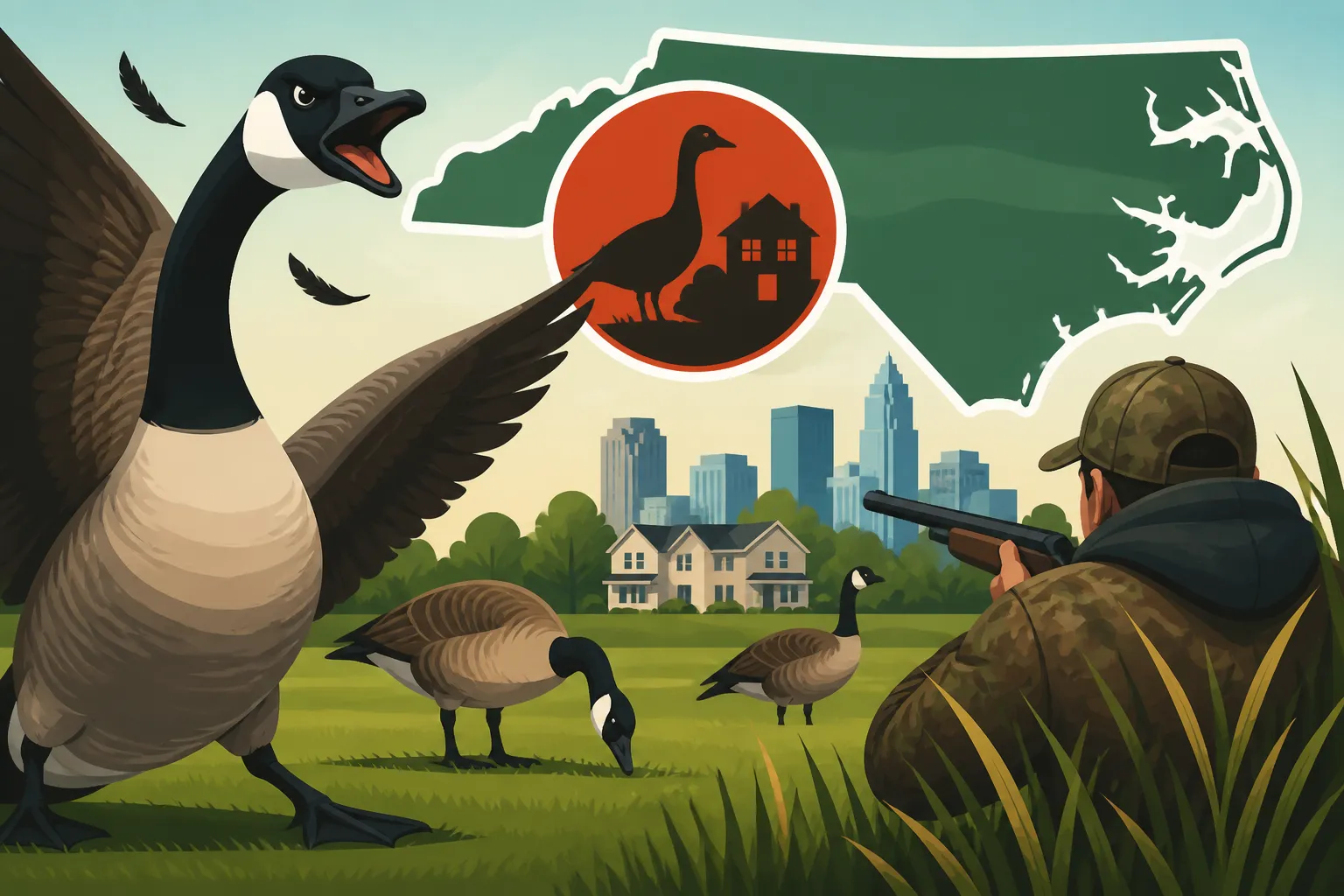
If you've spent any time enjoying the beautiful parks, golf courses, or agricultural fields around Raleigh, you've probably noticed a growing challenge: an abundance of Canada geese that seem to be making themselves very much at home. These aren't the migrating geese we often celebrate as a sign of changing seasons; these are year-round residents, and their burgeoning populations can lead to some significant headaches for landowners, farmers, and even local governments. This guide will dive deep into understanding these resident goose problems near Raleigh and what folks can do to manage them.
The Rise of Resident Canada Goose Populations Around Raleigh
It's easy to look at a flock of geese grazing peacefully and think nothing of it, but the truth is, the proliferation of non-migratory Canada geese, particularly in developed and semi-developed areas like those surrounding Raleigh, has become a real concern. These birds aren't just passing through; they've decided that our well-manicured green spaces offer everything they need to thrive, year-round. This has led to an explosion in their numbers, bringing with it a unique set of challenges.
Why Geese Love Our Urban and Suburban Landscapes
Our modern landscapes are practically custom-made for resident Canada geese. Think about it: wide-open grassy areas like golf courses, corporate parks, and common areas in housing developments provide ample grazing. Retention ponds, lakes, and even slow-moving streams offer safe roosting sites, clean water, and an escape route from predators. Combine this with a general lack of natural predators in these environments, and you have a recipe for exponential population growth. They feel secure, food is abundant, and they don't have to face the rigors of migration. It's an easy life, and they've adapted to it brilliantly.
These birds are incredibly adaptable. While we often picture geese in vast wetlands, they've learned to exploit human-altered habitats with remarkable efficiency. From the greenways winding through Cary to the expansive lawns of businesses in Research Triangle Park, these areas provide precisely the short, nutritious grasses they prefer for grazing. They're also quite tolerant of human activity, often grazing mere yards from people and vehicles, further cementing their status as permanent residents rather than shy visitors.
The Difference Between Migratory and Resident Geese
It's important to distinguish between the two types of Canada geese we see in North Carolina. Migratory geese are truly wild, breeding in northern Canada and the northern U.S. and flying south for the winter. They follow ancient pathways, and their presence is seasonal. Resident geese, however, either never migrated in the first place, or they are descendants of geese that were introduced or transplanted and decided North Carolina was a pretty great place to stay put. These birds breed locally, often raising multiple broods right here, contributing to continuous population growth.
The distinction matters because management strategies often differ. While migratory populations are managed on a continental scale, resident populations require more localized approaches, often focusing on habitat modification, harassment, or regulated hunting within specific areas. The resident population around Raleigh doesn't deplete itself by flying north each year; it just keeps growing, often exceeding the carrying capacity of the local environment.
Common Problems Associated with Nuisance Geese
When you have too many geese concentrated in one area, what started as a picturesque scene can quickly turn into a significant nuisance. The problems associated with resident Canada geese range from health concerns to property damage, making them a headache for homeowners, businesses, and public land managers alike.
Accumulation of Droppings and Sanitation Concerns
Let's be blunt: geese poop a lot. And where there are a lot of geese, there's a lot of goose droppings. This isn't just an aesthetic issue, though it certainly impacts the enjoyment of parks, golf courses, and private lawns. Goose droppings contain bacteria like E. coli and can harbor parasites, posing potential health risks, especially in areas where children play or where people might come into direct contact with contaminated surfaces. Imagine trying to enjoy a picnic at Lake Johnson or walk barefoot on your own lawn, only to encounter a minefield of droppings. It's unpleasant and unsanitary.
The sheer volume of droppings can also degrade water quality in ponds and lakes, leading to elevated nutrient levels that contribute to algae blooms. This can impact aquatic ecosystems, making conditions less favorable for fish and other wildlife, and can even make water bodies unsuitable for recreational activities like swimming or kayaking. Local municipalities and homeowner associations near Raleigh often spend considerable resources on cleaning up these droppings, a cost that ultimately falls back on taxpayers or residents.
Damage to Lawns, Golf Courses, and Agricultural Fields
Beyond the droppings, geese are voracious grazers. While a few geese might trim the grass, large flocks can cause significant damage to turfgrass, especially during vulnerable periods. They can pull up tender shoots, compact soil, and create muddy areas, ruining the appearance and health of lawns and sports fields. Golf course superintendents in the Raleigh area frequently battle geese that graze on greens and fairways, leaving divots and droppings that impact play and require constant repair. This can be a huge expense for courses striving to maintain pristine conditions.
Farmers, particularly those with winter wheat, clover, or young forage crops, face direct economic losses. A flock of hundreds of geese can decimate a field in a matter of days, wiping out potential yields and costing farmers thousands of dollars. The impact isn't just about what they eat; it's also about the damage to plants from their constant trampling and pulling, which can prevent regrowth. This is a common complaint in the more rural fringes of Wake and Johnston counties, where agricultural operations bump right up against suburban development.
Aggressive Behavior During Nesting Season
While generally perceived as peaceful, Canada geese can become quite aggressive, especially during nesting season (typically late winter through spring). A gander protecting his mate and nest can hiss, honk loudly, and even charge at perceived threats, including people and pets. This behavior can be intimidating, particularly for families with young children or dog walkers frequenting parks. Nesting sites are often chosen in surprisingly public places, such as near building entrances, parking lots, or popular walking paths, leading to frequent confrontations.
These encounters can be startling and, in some cases, result in minor injuries if a person is knocked down. It's not uncommon to see "Beware of Geese" signs pop up in certain areas around Raleigh during this time of year, warning visitors to give nesting pairs a wide berth. Understanding North Carolina Turkey Roost Tree Preferences can give you a different perspective on bird behavior, where turkeys are far more elusive than these assertive geese.
Managing Resident Goose Populations
Dealing with resident geese requires a multi-faceted approach, combining prevention, habitat modification, harassment, and, when necessary, direct control methods. There's no single silver bullet, but rather a toolbox of strategies that can be employed, often in combination, to mitigate the problems.
Habitat Modification and Exclusion Tactics
One of the most effective long-term strategies is to make an area less appealing to geese. Since they love open, short-cropped grass and easy access to water, altering these features can discourage them. Allowing grass to grow taller (6-10 inches) in buffer zones around water bodies can make an area less attractive for grazing and more difficult for goslings to navigate, helping them avoid predators. Planting dense shrubs or taller vegetation along pond edges can also block their clear line of sight, making them feel less secure.
Physical barriers like fences or netting can be used to exclude geese from specific sensitive areas, such as golf greens or private lawns. Some innovative solutions even include floating grids on ponds that deter geese from landing while still allowing other wildlife, like ducks, to access the water. While these might seem like big projects, they can be highly effective in reducing chronic problems in particular hotspots. Even something as simple as using different turf types that geese find less palatable can make a difference.
Harassment and Deterrent Methods
Geese are smart, and they can get used to deterrents quickly, so it's crucial to use a variety of harassment techniques and change them up often. This might include visual deterrents like Mylar balloons, reflective tape, or predator effigies (though these often lose their effectiveness quickly if not moved). Auditory deterrents, such as noisemakers, cannons, or recorded distress calls, can also work, but community tolerance for such noise can be an issue in residential areas.
The key to successful harassment is persistence and variety. Using trained border collies, for instance, has proven very effective in many areas. These dogs herd the geese without harming them, making the area feel unsafe and encouraging them to move on. For individual landowners, frequent disruption—walking out and clapping, yelling, or gently chasing them away—can work on a smaller scale, especially if done consistently. Think about how a smart hunter understands Reading North Carolina Mud for Fresh Deer Movement; geese are also constantly reading their environment for signs of safety or danger.
Egg Oiling and Nest Destruction
For areas with established nesting populations, managing reproduction is a critical step. Egg oiling involves coating goose eggs with corn oil, which prevents oxygen from passing through the shell, humanely terminating embryonic development without the geese abandoning the nest. This method requires proper permits from wildlife agencies and careful execution to ensure the adult geese continue incubating the non-viable eggs, thus preventing them from simply re-nesting.
Nest destruction is another option, though typically only used when egg oiling isn't feasible or in conjunction with broader population control efforts. Both methods aim to reduce the number of new goslings entering the population each year, slowly chipping away at the resident numbers over time. It's a proactive measure that, when consistently applied, can have a noticeable impact on local populations around Raleigh.
Hunting Opportunities and Permits
Hunting is a primary tool for managing wildlife populations, and resident Canada geese are no exception. North Carolina has established hunting seasons for resident geese, often separate from migratory seasons, to target these specific populations. These seasons can be quite generous, sometimes with higher bag limits, precisely because the goal is population reduction. Hunting not only removes birds from the population but also creates a "hazing" effect, making the remaining geese more wary of human activity and potentially encouraging them to move to less-pressured areas.
For hunters, finding accessible land around Raleigh that holds resident geese can be a challenge. Public lands may have specific waterfowl zones, but often the nuisance geese are found on private property, golf courses, or corporate campuses where hunting might not be permitted or practical. However, some private landowners who are experiencing severe problems may be open to allowing regulated hunting. Tools like GoHunt or other mapping resources can help identify potential areas, and always remember to check North Carolina Waterfowl Zones and Seasons for specific dates and rules. Additionally, nuisance permits can be issued by the North Carolina Wildlife Resources Commission (NCWRC) to landowners or communities experiencing significant damage, allowing for the legal removal of geese outside of regular hunting seasons. This often involves specific methods and reporting requirements.
Collaboration and Community Approaches
Resident goose problems often affect entire communities, not just individual properties. Therefore, a collaborative approach involving multiple stakeholders is usually the most effective way to achieve long-term success in management.
Working with Local Authorities and Wildlife Agencies
If you're dealing with a significant goose problem, contacting your local city or county wildlife services or the NCWRC is a great first step. They can provide guidance on regulations, permits, and best practices for managing nuisance wildlife. They often have resources or programs in place to assist communities and landowners. For instance, Raleigh parks might have specific strategies already in place, or the NCWRC can advise on applying for North Carolina Deer Damage Permits for Farmers which, while for deer, shows how agencies address agricultural impacts. Understanding who to call and what resources are available is crucial before taking any action.
Forming Community Management Plans
For homeowner associations, golf course managers, or corporate campuses, developing a comprehensive goose management plan can be highly beneficial. This plan might include a combination of strategies: a schedule for habitat modification, rotating harassment techniques, implementing an egg oiling program, and exploring controlled hunting options if appropriate. Consistency is key, and a coordinated effort across multiple properties within a given area will yield far better results than isolated attempts. GoHunt might also offer tools or resources to help identify and track wildlife activity patterns, which could inform such plans.
For example, a group of businesses along a creek in Cary or a series of interconnected ponds in Wake Forest could collectively fund a goose hazing program using trained dogs, or coordinate habitat changes. This avoids the situation where one property makes improvements, only for the geese to simply move to the next untreated property.
The Role of Responsible Human Behavior
Finally, it's worth mentioning that human behavior plays a significant role in resident goose problems. Feeding geese, while seemingly harmless, actively encourages them to congregate in specific areas and become dependent on human handouts. It can also lead to malnutrition as they consume less natural forage. Local ordinances against feeding waterfowl are becoming more common around Raleigh precisely for this reason. Educating the public about the negative impacts of feeding wildlife is a simple yet powerful way to reduce the attraction of urban and suburban areas for these birds.
By understanding the issues, implementing varied and persistent management techniques, and fostering community collaboration, we can work towards a more balanced coexistence with North Carolina's resident Canada geese. Sometimes a little bit of proactive management now saves a lot of headaches down the road.
| Problem Aspect | Impact on Raleigh Area | Potential Management Strategy |
|---|---|---|
| Droppings & Sanitation | Unpleasant parks/lawns, water contamination, health risks | Regular cleanup, habitat modification (taller grass near water) |
| Property Damage | Ruined golf courses, agricultural crop loss, turf damage | Exclusion fencing, harassment, less palatable turf, egg oiling |
| Aggressive Behavior | Conflicts with people/pets, fear, reduced recreation | Harassment, reducing nesting sites, population control |
| Population Growth | Escalation of all above problems, exceeding carrying capacity | Egg oiling/destruction, regulated hunting, nuisance permits, GoHunt |
| Community Impact | Shared burden, scattered efforts, public frustration | Coordinated community plans, agency collaboration, public education |
Disclaimer
This article is for general informational purposes only and does not constitute professional advice. Laws, prices and regulations vary by location and change over time. Consult a qualified professional for guidance on your specific situation.