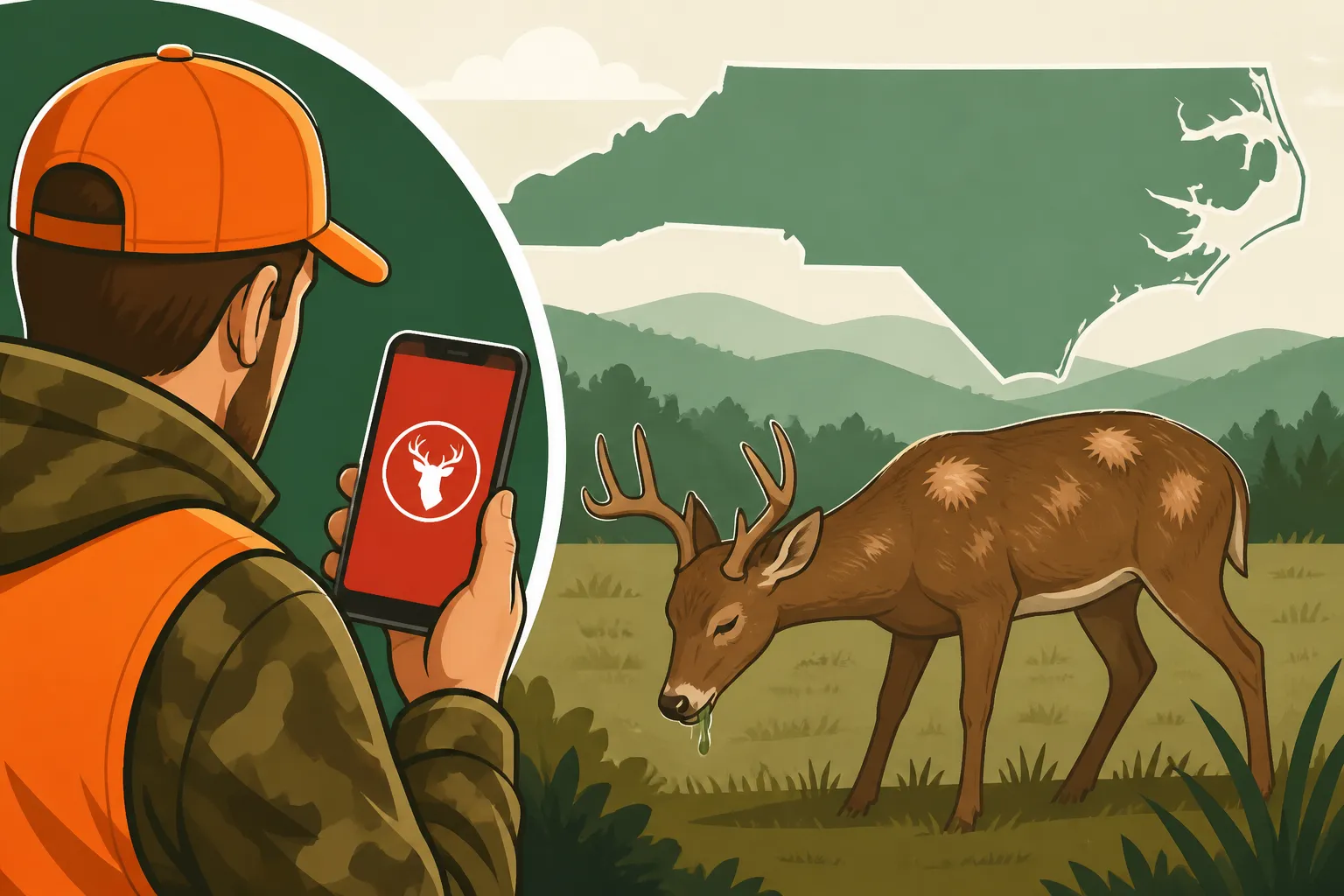
Reporting a Sick Animal in North Carolina
There's nothing quite like the feeling of being out in the North Carolina woods, soaking in the sights and sounds of our incredible wildlife. But sometimes, that peaceful feeling can turn to concern, even alarm, when you come across an animal that just doesn't look right. Maybe it's a deer stumbling, a bird acting strangely, or a fox that's far too unafraid of people. It’s natural to feel a pang of worry and wonder, "What do I do now?" This guide is here to walk you through exactly that – how to identify, assess, and responsibly report a sick or injured animal in North Carolina, ensuring both wildlife and human safety.
Why Reporting Matters and Why It's Often Hard
Coming across an animal in distress can be genuinely upsetting. Our instinct is often to help, but with wild animals, getting too close can do more harm than good, and sometimes, it can even be dangerous. Understanding why reporting is crucial, and acknowledging the difficulty of stepping back, is the first step.
The Frustration of Seeing a Sick Animal
You're out enjoying a quiet hike in Pisgah National Forest, or maybe just driving down a rural road in the Piedmont, and you see it: an animal that's clearly not well. Perhaps a deer is extremely thin, its coat dull, moving without its usual grace. Or maybe a squirrel is circling erratically in your backyard. Your heart sinks. You want to intervene, to ease its suffering, but you also know that direct contact with wild animals can be risky. It's a frustrating position to be in, feeling helpless, especially when you care deeply about the health of our local ecosystems. The impulse to "do something" is strong, but knowing what to do, and who to call, isn't always obvious. Many folks, myself included, have stood there wondering if we're overreacting or if it's truly a critical situation needing professional attention.
Protecting Wildlife and Human Health
While the immediate concern is often for the individual animal you're seeing, reporting sick wildlife actually serves a much broader purpose. Think about it: a single sick animal might be an isolated incident, but it could also be the tip of an iceberg, indicating a wider disease outbreak that could impact entire populations, other species, and even domestic animals and humans. Diseases like Chronic Wasting Disease (CWD) in deer, or rabies in mammals, are serious threats. CWD is always fatal for deer and elk, and while it hasn't shown a direct jump to humans, it's a concern for herd health and food safety. Rabies, on the other hand, is transmissible to humans and pets, making any encounter with a rabid animal a dire public health issue. By reporting, you're not just helping one creature; you're contributing to critical wildlife disease monitoring efforts, protecting our broader natural heritage, and safeguarding public health. These reports help biologists understand disease prevalence, track movement, and implement management strategies before problems escalate. It’s a collective effort, and your vigilance plays a vital role.
How to Report a Sick Animal in North Carolina
When you encounter a sick or injured animal, knowing exactly who to contact and what information to have ready can make all the difference. It helps the experts respond effectively and efficiently.
Who to Contact: The North Carolina Wildlife Resources Commission (NCWRC)
In North Carolina, the primary agency responsible for managing and protecting our wildlife, including responding to reports of sick or injured animals, is the North Carolina Wildlife Resources Commission (NCWRC). They are your go-to resource. While you might use fantastic tools like GoHunt to scout public land or research hunting regulations, when it comes to a direct wildlife emergency or disease concern, the NCWRC is the authority.
They have staff – wildlife biologists, enforcement officers, and animal health specialists – specifically trained to handle these situations. You can typically reach them through their main contact numbers or their online reporting systems. If you're dealing with something truly urgent, like an animal that appears rabid and is a direct threat to people or pets, a call to your local law enforcement (sheriff's office or police department) might also be appropriate, as they often have protocols for immediate public safety concerns and can coordinate with NCWRC. For less immediate concerns, such as a deer showing signs of CWD but not posing an immediate threat, using the NCWRC's dedicated channels is best. They even have specific processes for North Carolina Wildlife Disease Monitoring.
What Information to Gather Before You Call
Before you pick up the phone or fill out an online form, take a moment – from a safe distance – to gather as much detail as possible. This information is invaluable to the NCWRC staff and helps them assess the situation accurately.
- Specific Location: This is paramount. Don't just say "near Asheboro." Give cross streets, GPS coordinates if you have them (many phone mapping apps, like the ones GoHunt often integrates, can provide these), landmarks, mile markers, or even the nearest house number. The more precise, the better.
- Animal Species: Is it a deer, a fox, a raccoon, a coyote, a squirrel, a bird? Knowing the species helps identify potential diseases it might carry.
- Specific Symptoms and Behavior: This is crucial for diagnostics. Is the animal stumbling, walking in circles, drooling excessively, acting disoriented, overly aggressive, or unusually tame? Does it have missing fur (mange)? Is it extremely thin? Is it bleeding? What makes you think it's sick or injured?
- Time of Observation: When did you first see the animal? If you've been observing it for a while, note how long it's been exhibiting these symptoms.
- Photos or Videos (if safe): If you can safely get a photo or short video without approaching the animal, this can be incredibly helpful for biologists to see the symptoms firsthand. Use your phone's zoom, or a camera with a good telephoto lens. Remember, safety first! Do not put yourself in harm's way for a picture.
Having these details ready will streamline your report and allow the NCWRC to understand the situation fully, leading to a faster and more appropriate response.
Specific Situations: Rabies, CWD, and More
Not all sick animals present the same level of urgency or concern. Recognizing the signs of particular diseases can help you prioritize your report and emphasize the right details.
- Rabies Suspects: If an animal, especially a mammal like a fox, raccoon, skunk, bat, or even a deer, is acting aggressively, disoriented, paralyzed, or exhibiting unusual friendliness, it could be rabid. Do not approach it. This is an immediate public health concern. Call the NCWRC and potentially your local law enforcement or animal control immediately. If you or a pet have been bitten, seek medical attention immediately.
- CWD Concerns: If you observe a deer that is extremely emaciated ("wasting away"), drooling, walking with a strange gait, holding its head down, or acting unusually docile, particularly in counties designated as North Carolina's Chronic Wasting Disease Areas, this is a high-priority report. While CWD doesn't pose an immediate physical threat like rabies, its implications for the deer herd are severe. Hunters are often the first to notice these signs, so understanding North Carolina CWD Testing for Hunters is also important.
- General Sickness/Injury: For other signs of illness like mange (hair loss, crusty skin), EHD (epizootic hemorrhagic disease, which causes deer to be lethargic, feverish, and seek water), or obvious injuries from vehicle collisions or entanglement, the NCWRC still wants to know. These might not require an immediate emergency response but are vital for ongoing wildlife health surveillance. For example, EHD outbreaks can occur in late summer and early fall, and while generally not affecting humans, they can cause localized deer die-offs.
| Animal Type | Key Symptoms to Report | Immediate Danger? | Who to Contact First |
|---|---|---|---|
| Deer | Emaciation, drooling, stumbling, head down, dull coat | Low (except if aggressive) | NCWRC, especially in CWD zones |
| Fox, Raccoon, Skunk, Bat, Coyote | Unusually aggressive, disoriented, paralyzed, overly friendly, foaming at mouth | High (Rabies risk) | NCWRC & Local Law Enforcement/Animal Control |
| Birds | Lethargy, tremors, inability to fly, swollen joints | Low (Avian Flu risk for poultry) | NCWRC |
| Other Mammals | Limping, missing fur, visible wounds, lethargy | Low | NCWRC |
| Any Animal | Trapped, entangled, hit by vehicle | Varies | NCWRC (or local law enforcement for traffic hazard) |
Common Wildlife Diseases and What to Look For
Being able to recognize some of the more common diseases that affect North Carolina wildlife can help you provide a better report and understand the potential implications of what you're seeing. It's about being informed, not becoming a wildlife diagnostician yourself.
Chronic Wasting Disease CWD in Deer
Chronic Wasting Disease is a serious neurological disease affecting deer, elk, and moose, and unfortunately, it has been confirmed in North Carolina. It's always fatal, and there is no known cure or vaccine. The frustration and fear among hunters about CWD are completely understandable; no one wants to see our deer herds suffer. Many of us, using resources like GoHunt to stay informed on things like North Carolina's Chronic Wasting Disease Areas, are hyper-aware of the signs.
The disease slowly progresses, causing distinctive symptoms that get worse over time. If you see a deer exhibiting some or all of these, it’s critical to report it to the NCWRC:
- Extreme Emaciation (Wasting Away): This is perhaps the most defining symptom. The deer will appear drastically thin, almost skeletal, despite seemingly continuing to eat.
- Drooling or Excessive Salivation: Infected deer often drool, sometimes creating wet patches on their chest.
- Neurological Signs: This can manifest as an abnormal gait, stumbling, poor coordination, or walking in repetitive patterns. They might hold their head and ears lowered.
- Behavioral Changes: Affected deer might appear disoriented, lethargic, or unusually tame, losing their natural fear of humans. They might also isolate themselves from other deer.
- Dull Coat and Excessive Urination/Thirst: Their coat might look rough and dull, and they may drink and urinate more frequently than healthy deer.
If you observe a deer with these signs, especially in areas like Surry or Yadkin counties where CWD has been detected, contact the NCWRC immediately. It's not about immediate danger, but about protecting the future of our deer.
Rabies and Aggressive Behavior
Rabies is a viral disease that affects the brain and spinal cord of mammals, and it is almost always fatal once symptoms appear. It's transmitted through the saliva of an infected animal, typically through a bite. This is the one disease that truly warrants an immediate and cautious response due to its potential impact on human and pet health. There's no sugarcoating it: encountering a rabid animal is a dangerous situation.
Key signs of rabies to watch for:
- Uncharacteristic Aggression: An animal that is usually timid becomes aggressive and will attack without provocation. This is especially true for typically shy animals like foxes, raccoons, or skunks.
- Unusual Friendliness/Lack of Fear: Conversely, an animal that is normally wild and fearful of humans might approach people or pets without hesitation. This "dumb" or overly tame behavior is a huge red flag.
- Disorientation or Stumbling: The animal may appear confused, stagger, walk in circles, or have difficulty moving.
- Paralysis: This can affect limbs, leading to limping or dragging, or even the jaw, causing excessive drooling as the animal cannot swallow.
- Foaming at the Mouth: While not always present, this classic symptom can occur as the disease progresses and affects swallowing.
- Nocturnal Animals Out During Day: While some healthy animals might be out during the day for various reasons (like a sow raccoon feeding her young), it's a suspicious sign if coupled with other symptoms.
If you see an animal exhibiting these signs, do not approach it. Keep pets and children away. Call the NCWRC and your local law enforcement or animal control immediately. Your quick action could prevent a serious incident. Remember, even if you’re just Scouting North Carolina Public Land Before Season and come across something suspicious, it's worth reporting.
Other Ailments: Mange, EHD, and Avian Flu
While CWD and rabies are often the most urgent concerns, many other diseases and conditions can affect North Carolina wildlife. These still warrant reporting, as they contribute to the NCWRC’s overall understanding of wildlife health.
- Mange: This is a skin disease caused by mites, commonly seen in foxes, coyotes, and bears. It results in significant hair loss, leading to a patchy, crusty, or nearly bald appearance. Affected animals may also look thin or be itchy. While unsightly and uncomfortable for the animal, it's generally not a direct threat to humans (though scabies mites can cause temporary skin irritation). It's more common for Coyote Calling in North Carolina Farm Country to reveal coyotes with mange, for instance.
- Epizootic Hemorrhagic Disease (EHD): EHD is a common viral disease that affects deer. It's spread by biting midges, often peaking in late summer and early fall when midge populations are high. Symptoms include lethargy, fever, swelling of the head, neck, and tongue, and bleeding. Affected deer often seek water sources to cool themselves, so you might find sick or dead deer near ponds or streams. EHD is not known to infect humans, even if you were to handle an infected deer. However, outbreaks can lead to significant localized deer mortality, impacting North Carolina Deer Population Estimate and subsequent hunting seasons.
- Avian Flu (Highly Pathogenic Avian Influenza – HPAI): This viral disease primarily affects birds, especially waterfowl, shorebirds, and raptors. While rare, it can spread to domestic poultry. Wild birds may show neurological signs (tremors, lack of coordination), lethargy, swelling, or sudden death. If you find multiple sick or dead wild birds, particularly waterfowl in areas like Currituck Sound, it's important to report it to the NCWRC. It's not typically a high risk for humans unless there is very close, unprotected contact with infected birds or contaminated surfaces. Hunters who are engaged in Waterfowl Hunting Currituck Sound and the Coast should be aware of these signs.
Seeing a sick animal is never easy, but by understanding what to look for and who to call, you become an important partner in safeguarding North Carolina's incredible wildlife. Your vigilance and responsible reporting are truly invaluable.
Disclaimer
This article is for general informational purposes only and does not constitute professional advice. Laws, prices and regulations vary by location and change over time. Consult a qualified professional for guidance on your specific situation.