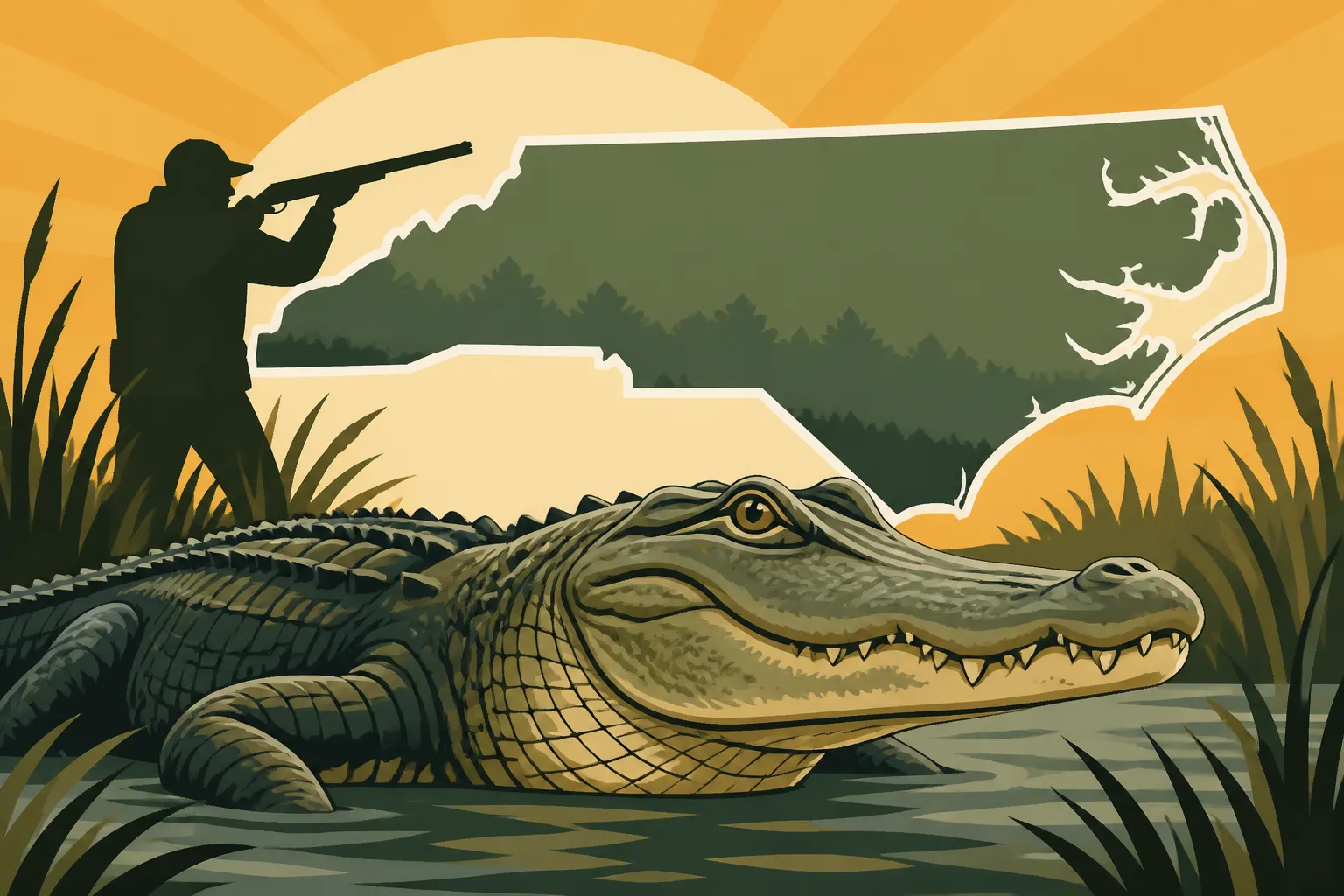
North Carolina Alligator Population
There's a common misconception, especially among folks new to our state or those who primarily spend their time in the beautiful western mountains, that North Carolina is too far north for alligators. But believe me, if you've ever spent much time down in the coastal plain, especially around our vast network of swamps, rivers, and brackish sounds, you'll know that's simply not true. American alligators are very much a part of North Carolina's wild landscape, and understanding where they live, why they're here, and how to safely coexist with them is crucial for anyone enjoying our natural spaces.
Where North Carolina's Alligators Call Home
When you think of alligators, you might picture the deep bayous of Louisiana or the Everglades of Florida. While those states certainly have a more robust and widespread alligator presence, North Carolina marks the northernmost extent of their natural range. This means our alligator population isn't as dense or ubiquitous as it is further south, but they are certainly here and thriving in specific areas.
Coastal Plain and Estuarine Systems
The vast majority of North Carolina's alligator population resides in the low-lying, warm, and water-rich environment of our Coastal Plain. This isn't just a casual preference; it's a matter of biological necessity. Alligators are ectothermic, meaning they rely on external sources to regulate their body temperature. Our humid, warm summers and relatively mild winters in the east provide the perfect conditions for them. They thrive in freshwater and brackish water environments.
Think about places like the Croatan National Forest, the expansive pocosins, river deltas, and the endless network of canals and ditches that crisscross our eastern counties. These areas, rich in prey species and offering plenty of cover, are prime alligator territory. They're often found in slow-moving rivers, swamps, tidal creeks, and even larger impoundments and lakes in the southeastern part of the state. If you're out Hunting Coastal Plain Pocosin Swamps or exploring the North Carolina Coastal Maritime Forest Edges, it's wise to be aware of their potential presence.
Specific Counties and Major Waterways
The southeastern corner of North Carolina is where you'll find the densest concentrations of alligators. Counties like Brunswick, New Hanover, Onslow, Pender, and Columbus are known hotspots. However, their range extends further north and inland along major river systems. The Cape Fear River basin, for instance, provides extensive habitat stretching well into the interior of the coastal plain. The New River, Lumber River, and even parts of the Neuse River and its tributaries can support alligator populations.
It's less common to encounter them further north or west, particularly once you move out of the true coastal plain, but occasional sightings can occur in unexpected places, usually due to individuals dispersing or accidental transport. Always assume that any significant body of water in the eastern half of the state could potentially harbor an alligator, especially during the warmer months.
A Bit of History: How Alligators Returned to North Carolina
It might surprise some to learn that alligators weren't always as present or protected as they are today in North Carolina. Like many large predators, their populations faced significant challenges in the past.
Historic Decline and Protective Measures
In the late 19th and early 20th centuries, American alligators across their range suffered heavily from unregulated hunting for their hides and meat, combined with habitat loss. This led to a drastic decline in their numbers, pushing them to the brink of extinction in many areas, including North Carolina. By the mid-20th century, alligators were federally listed as an endangered species. This pivotal designation provided them with much-needed protection.
North Carolina, recognizing the importance of this iconic reptile to its ecosystems, implemented its own protective measures. Hunting was banned, and efforts focused on habitat preservation. It's a testament to conservation efforts that we see them thriving again today.
Natural Recovery and Range Expansion
Unlike some species that require direct reintroduction, North Carolina's alligator population primarily recovered through natural re-colonization and strong conservation management. As populations rebounded in states further south, alligators naturally expanded their range northward, finding suitable habitat in our eastern swamps and rivers.
This slow, steady march northward demonstrates the resilience of these animals when given the opportunity. Today, their presence is a strong indicator of healthy wetland ecosystems in our coastal plain. While their numbers fluctuate, the overall trend has been one of stable growth, a true conservation success story for the state. If you're a hunter who values detailed mapping and land features, using resources like GoHunt can help you identify and understand the intricate network of waterways and swamp edges where these magnificent reptiles flourish, even when you're targeting other game.
Understanding Alligator Behavior and Ecology
Alligators are fascinating creatures, perfectly adapted to their wetland environments. Knowing a bit about their natural behavior can go a long way in appreciating them and staying safe.
Diet, Growth, and Reproduction
Alligators are apex predators within their environment, playing a critical role in maintaining the health of the ecosystems they inhabit. Their diet is varied and opportunistic, changing as they grow. Young alligators primarily feed on insects, crustaceans, and small fish. As they mature, their diet expands to include larger fish, snakes, turtles, birds, and small mammals. They are not picky eaters, and their powerful jaws and keen senses make them efficient hunters.
North Carolina alligators typically breed in late spring and early summer. Females build large nests of vegetation, often along the banks of rivers or in dense swampy areas. They lay their eggs within these mounds, and the decomposition of the vegetation helps incubate the eggs. Female alligators are fiercely protective of their nests and young, and this is when they can be most defensive. Hatchlings emerge in late summer or early fall, often staying near their mother for up to a year. Understanding these cycles helps explain why you might see more activity or be more likely to encounter smaller alligators at certain times of the year.
Hibernation and Seasonal Activity
While alligators don't truly hibernate in the way a bear might, they do enter a state of brumation during colder months. This is a period of dormancy where their metabolism slows down significantly. In North Carolina, as winter temperatures drop, alligators become much less active. They'll often dig dens in muddy banks or submerge themselves in water, sometimes leaving only their snout exposed, in what's called a "gator hole." These holes are crucial for their survival during cold snaps, allowing them to remain insulated.
During the spring and summer, however, they are highly active. This is when you're most likely to see them basking on sunny banks, swimming, or actively hunting. As temperatures rise, their need to feed and regulate body temperature increases, making them more visible. Early morning and late evening are often prime times for alligator activity, especially during the peak heat of summer.
| Characteristic | Description |
|---|---|
| Typical Range | Coastal Plain of North Carolina, particularly southeastern counties. |
| Preferred Habitat | Freshwater and brackish swamps, rivers, lakes, tidal creeks, pocosins. |
| Diet | Opportunistic; insects, fish, turtles, birds, small mammals (varies with alligator size). |
| Breeding Season | Late spring to early summer. |
| Nesting Behavior | Females build vegetation mounds, lay eggs, and protect nests/hatchlings. |
| Seasonal Activity | Highly active in warm months (spring-fall); brumate (dormant) in colder winter months. |
| Conservation Status | Protected in North Carolina due to historic decline and successful recovery. |
Coexisting with North Carolina's Alligators
Encountering an alligator in the wild can be an exhilarating experience, but it's important to do so safely and respectfully. Most alligator incidents occur because people have either intentionally or unintentionally habituated them to humans.
Safety Tips and Best Practices
The most important rule when it comes to alligators is simple: maintain a healthy distance. Alligators are wild animals, and they are powerful predators. Never approach an alligator, regardless of its size. Always keep pets on a leash and away from the water's edge in areas where alligators are present. Small dogs, in particular, can resemble natural prey.
Never feed an alligator. This is illegal and incredibly dangerous. When you feed an alligator, it loses its natural fear of humans and begins to associate people with food. This is almost always the cause of nuisance alligators that may eventually need to be removed or euthanized. Dispose of fishing scraps and game carcasses properly, away from the water. Don't let them become an easy meal that draws an alligator closer to human activity. When you're Recovering a Deer From a Coastal Swamp, be especially mindful of the potential for alligator presence.
Children should always be supervised closely near water in alligator territory. Educate them about the dangers and the importance of staying away from the water's edge. Swimming in undeveloped areas, especially at dawn, dusk, or night, in known alligator habitat carries inherent risks. Alligators are most active during these times.
Distinguishing Alligators from Crocodiles
While both alligators and crocodiles are large reptiles, North Carolina is home exclusively to the American Alligator. There are no wild crocodiles in North Carolina. Alligators typically have a broad, U-shaped snout, and when their mouth is closed, you can only see the upper teeth. Crocodiles, on the other hand, have a more pointed, V-shaped snout, and both upper and lower teeth are visible when their mouth is shut. This distinction is mostly academic for us, as any large, toothy reptile you see in a North Carolina swamp will be an alligator.
The Role of Alligators in Our Ecosystem
Alligators aren't just fascinating creatures; they are vital components of North Carolina's wetland and aquatic ecosystems. Their presence signifies a healthy environment, and they contribute to the balance of nature in several key ways.
Wetland Engineers and Predator-Prey Balance
One of the most significant ecological roles alligators play is that of a "wetland engineer." During dry spells, alligators dig and maintain "gator holes" which retain water. These water-filled depressions become crucial refuges for fish, insects, and other aquatic life during drought periods, ensuring that these populations can rebound once water levels return. Without these gator holes, many species would perish, disrupting the entire food web.
As apex predators, alligators help keep other animal populations in check. They prey on sick, weak, or overly abundant individuals, which helps maintain healthier populations of their prey species. For example, by consuming various fish, turtle, and even small mammal species, they prevent any one species from overpopulating and potentially overgrazing or depleting resources. This contributes to the overall biodiversity and resilience of the ecosystem. Their presence even influences the behavior of other animals, indirectly shaping the landscape.
Indicators of Environmental Health
Because alligators are at the top of their food chain and require specific habitat conditions, they serve as excellent indicators of environmental health. A thriving alligator population generally suggests that the water quality is good, there's an ample food supply, and their habitat remains relatively undisturbed. Conversely, declines in alligator numbers in an area can often signal underlying environmental problems, such as pollution or significant habitat degradation.
This makes their continued presence and health particularly important for biologists monitoring our coastal ecosystems. Keeping an eye on their numbers is one way we can gauge the overall well-being of our valuable wetlands. The work of wildlife agencies and organizations like GoHunt in tracking and understanding wildlife populations, including less common species, helps ensure that these indicators are properly understood.
Reporting and Management: When to Call for Help
While most alligator encounters are harmless, there are situations where human-alligator interactions become problematic or pose a genuine safety concern. Knowing when and whom to contact is essential.
Nuisance Alligators and NCWRC
The North Carolina Wildlife Resources Commission (NCWRC) is the primary agency responsible for managing and protecting the state's alligator population, as well as handling nuisance alligator complaints. A "nuisance alligator" is typically defined as one that has lost its fear of humans, is approaching people or boats, or is frequenting areas where it poses a direct threat to people or pets.
It's important to understand that simply seeing an alligator, even a large one, is not usually cause for concern or an immediate report. Alligators naturally inhabit these areas. However, if an alligator is aggressive, repeatedly comes onto private property, or is in an unusual location far from natural water, then it's time to call the NCWRC. They have trained staff who can assess the situation and determine the appropriate course of action, which might include removal or relocation. For a broader understanding of how the state manages these issues, you might find information on North Carolina Alligator Nuisance Complaints helpful.
Avoiding Accidental Conflicts
Many conflicts arise not from aggressive alligators, but from human carelessness. Disposing of fish entrails or game waste near boat ramps or docks can attract alligators. Allowing pets to swim or drink freely in areas where alligators are known to be present is another common pitfall. Even something as simple as allowing a small child to play unsupervised near the water's edge can lead to tragedy.
Hunters, anglers, and outdoor enthusiasts who spend time in North Carolina's coastal plain should always be aware of their surroundings. If you're Reading a Tidal Creek for Deer Movement or setting up a stand near a swamp edge, consider your entry and exit points and be mindful of where you place your gear or leave your scent. Boots designed for wet conditions, like those mentioned in Boots for North Carolina Swamps and Ridges, are not just for comfort; they're also part of being prepared for the environment. By taking proactive steps to avoid creating scenarios that could attract or habituate an alligator, we can all contribute to safer coexistence.
The North Carolina alligator population is a remarkable story of recovery and a testament to the wildness that still thrives in our state. By respecting these ancient reptiles and understanding their place in the ecosystem, we can ensure they continue to be a vibrant part of North Carolina's natural heritage for generations to come.
Disclaimer
This article is for general informational purposes only and does not constitute professional advice. Laws, prices and regulations vary by location and change over time. Consult a qualified professional for guidance on your specific situation.