Nantahala Ranger District Bear Hunting
The vast, rugged terrain of the Nantahala National Forest can feel overwhelming for bear hunters, making it hard to locate prime habitat and navigate complex regulations. This guide will equip you with detailed strategies and essential knowledge to successfully pursue black bears within the Nantahala Ranger District.
Unpacking the Nantahala Ranger District for Bear Hunting
Unique Landscape and Bear Behavior
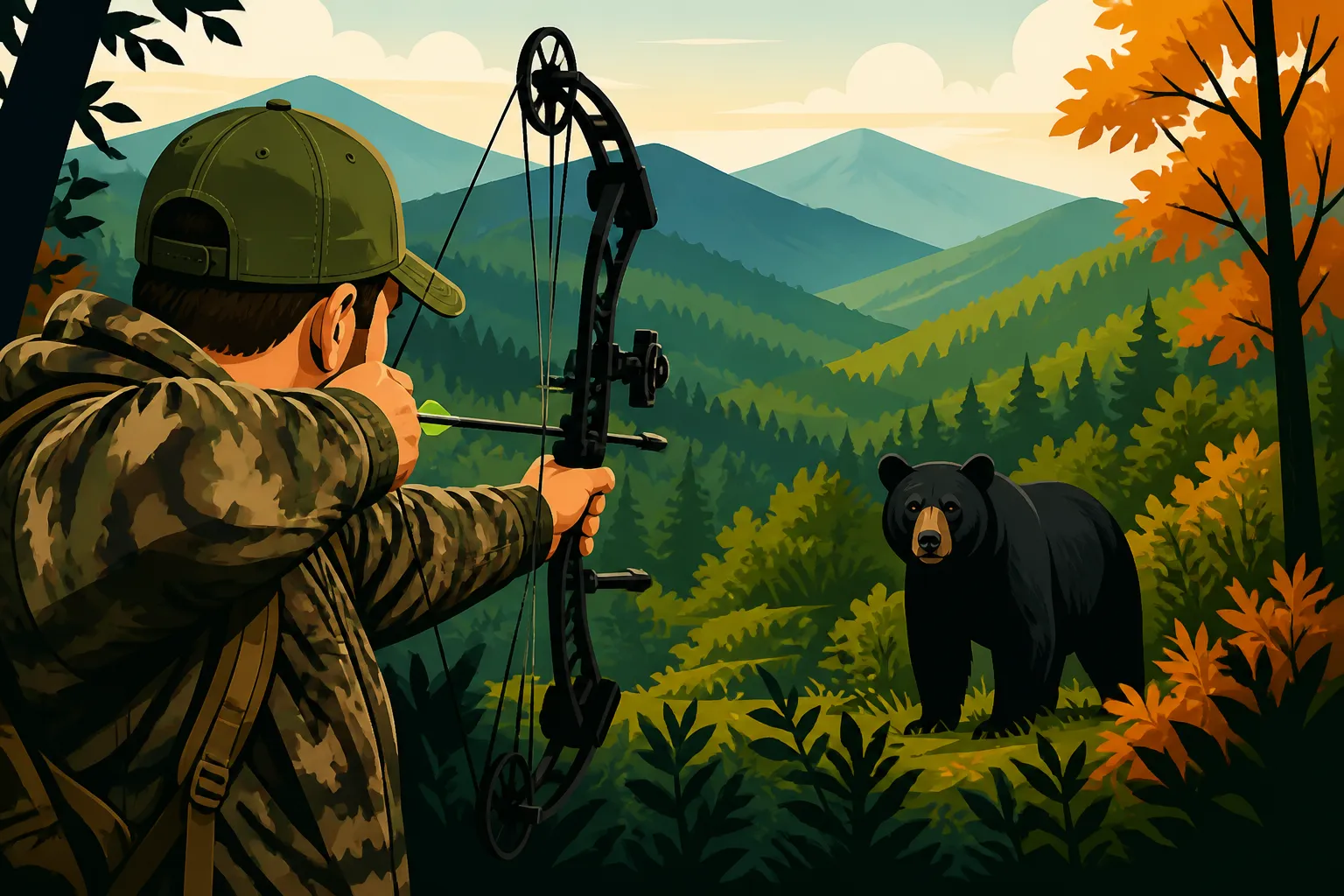
Bear hunting in the Nantahala Ranger District isn't like still-hunting a Piedmont clear-cut or sitting a coastal pocosin edge. This is true mountain hunting, defined by extreme elevation changes, dense rhododendron and laurel thickets, and remote, inaccessible tracts of national forest. Black bears here are incredibly adapted to this environment; they are often leaner, more agile, and can cover vast distances across unforgiving terrain with surprising speed. Their behavior is heavily dictated by the availability of mast crops—acorns, hickory nuts, and various berries—which can be patchy and unpredictable from year to year. You'll find bears moving from high elevation ridges down into creek bottoms, or across steep slopes, always seeking the most abundant food sources. Understanding these shifts, often driven by weather patterns and natural cycles, is paramount to consistently finding bears.
The sheer scale of the Nantahala means that bears have immense areas to roam, making finding them a significant challenge. Unlike areas where bears might concentrate around specific attractants, mountain bears often have a nomadic quality, following the seasonal bounty. This necessitates a more active and adaptive hunting approach, constantly scouting and reading the land for the freshest sign. Hunters often observe bears retreating to the densest, nastiest cover once they sense pressure, making tracking and still-hunting these areas a true test of grit and patience. It's a land where the wilderness truly dictates the terms of the hunt.
Bear Densities and Distribution
While the Nantahala National Forest covers a sprawling area, bear densities aren't uniform. Generally, the more remote and less accessible areas tend to hold higher concentrations of bears, as these places offer refuge from human activity and abundant natural forage. Steep, north-facing slopes with mature hardwoods are often prime locations, as they provide both food and dense bedding cover. Creek bottoms and draws, especially those with good water sources and pockets of fruit-bearing trees, can also act as natural travel corridors and feeding grounds. Focusing your efforts on these less-pressured, resource-rich zones can significantly increase your odds.
Historically, mountain bears have thrived in the Nantahala due to its vast tracts of undeveloped forest and excellent habitat diversity. While specific numbers fluctuate, it's widely accepted that the mountain region supports a healthy North Carolina's Black Bear Population. However, finding a specific bear often comes down to understanding micro-habitats and current food sources. Don't expect to see bears around every corner; these animals are masters of elusiveness. Instead, look for persistent signs like scat, rubbed trees, torn-up logs, and well-worn trails, which indicate consistent bear activity in a particular area. Targeting areas known for consistent mast production can be a real game-changer when combined with diligent scouting.
Season Structure and Key Dates
Navigating the bear season in the Nantahala Ranger District requires careful attention to the specific regulations for the North Carolina Mountain Bear Zone. Unlike other parts of the state that might have split seasons or different rules, the mountain zone typically has a more concise timeframe. It's absolutely critical to consult the current North Carolina Inland Fishing, Hunting and Trapping Regulations Digest each year, as dates and specific rules can change. Generally, the season here is shorter and often falls in the late fall or early winter, sometimes overlapping with late deer season. This timing often means colder weather, which can be both a blessing (bears are focused on feeding for hibernation) and a challenge (cold, wet conditions for hunters).
Understanding the precise North Carolina Bear Season Dates in the Mountains is non-negotiable. Missing opening day could mean missing out on bears before they become heavily pressured. Pay close attention to any specific reporting requirements or checking station mandates, which are crucial for wildlife management efforts. There are usually limits on the number of bears that can be harvested, and these rules are strictly enforced to maintain a healthy and sustainable bear population. Familiarize yourself with all legal weapons and methods allowed in the mountain zone, as these can differ from other areas.
Overcoming Mountain Challenges: Scouting and Access
Interpreting Topography and Cover
Hunting bears in the Nantahala means learning to read the land like a book, and topography is the first chapter. Steep slopes, deep ravines, and dramatic elevation changes aren't just scenic; they dictate how bears move and where they live. Instead of just looking at the green blobs on a map, you need to analyze contour lines, identifying saddles, benches, draws, and ridgelines. These features act as natural funnels and travel corridors for bears traversing the mountains. A saddle between two high peaks, for instance, might be a primary crossing point, while a bench on a steep hillside could provide a secluded bedding area or a secondary feeding zone.
Dense cover, particularly rhododendron and mountain laurel thickets, can be nearly impenetrable for humans but offers perfect escape routes and bedding for bears. Using mapping tools like onX Hunt can be incredibly beneficial here, allowing you to layer topography with satellite imagery to pinpoint potential thickets, mature timber stands, and water sources. Look for areas where different habitat types converge – for example, where a mature oak ridge meets a laurel thicket and a creek bottom. These transition zones are often high-activity areas for bears. Understanding how thermals rise and fall with the sun in these valleys and ridges is also vital for positioning yourself without giving away your scent. Wind and Thermals on a Blue Ridge Slope are a hunter's best friend or worst enemy, and their predictability in mountain terrain is something you must master.
Finding Remote Access Points and Sign
One of the biggest hurdles in the Nantahala is simply getting into prime bear country. Many of the best spots are miles from a paved road, requiring long hikes, sometimes over very rough terrain. Forest service roads might be seasonal, gated, or require specific permits for vehicle access. It's crucial to scout these access points beforehand, verifying road conditions and closures, ideally outside of hunting season. Don't be afraid to put in the miles on foot; often, the bears that are least pressured are the ones furthest from easy access.
Once you're in, the real work of finding bear sign begins. Look for rub marks on trees, often at shoulder height or higher, where bears mark their territory. Scat is another key indicator – the contents can even tell you what they've been eating recently, helping you pinpoint current food sources. Torn-up logs and overturned rocks suggest bears have been foraging for insects and grubs. Well-worn trails, especially those leading to or from thick cover, are invaluable. While Scouting North Carolina Public Land Before Season is always important, in the Nantahala, it’s absolutely essential. Tools like onX Hunt can help you mark these signs digitally, building a comprehensive picture of bear activity over time. The further you are willing to hike, the less likely you are to encounter other hunters, potentially leading to less wary bears.
Managing Hunting Pressure and Other Users
The Nantahala National Forest is a multi-use landscape, meaning you're sharing the woods not only with other hunters but also hikers, backpackers, anglers, and nature enthusiasts. This human presence can significantly impact bear behavior. Bears, being intelligent animals, quickly learn to avoid areas with high human activity. During hunting season, this often means they will retreat to the thickest, most inaccessible cover during daylight hours, only emerging into more open areas under the cloak of darkness or during periods of minimal human presence.
To mitigate the effects of pressure, focus your efforts on those remote sections that require significant effort to reach. Consider hunting during weekdays when public land tends to see fewer visitors, or venture deep into designated wilderness areas where motorized access is prohibited. While Hunting Pressure on North Carolina Public Land can be frustrating, it also creates opportunities for observant and persistent hunters. Look for natural barriers like steep ravines, dense laurel slicks, or significant stream crossings that deter casual foot traffic. Bears will often seek refuge in these "hard-to-get-to" spots, and if you're willing to go there, you might find undisturbed animals. Always be respectful of other users, and ensure your orange is visible, even when still-hunting.
Proven Tactics for Nantahala Black Bears
Still-Hunting Steep Terrain and Coves
Still-hunting is perhaps the most effective method for pursuing bears in the rugged Nantahala, especially if you prefer a more active, stalking approach. This isn't about sitting static; it's about moving incredibly slowly, pausing frequently, and observing your surroundings intently. Focus on contouring along steep hillsides, carefully picking your way through thickets, and always keeping the wind in your favor. Still-Hunting Nantahala Forest Ridges demands immense patience and physical stamina. You'll be constantly scanning ahead, listening for subtle sounds like rustling leaves, a snapped twig, or the tell-tale sound of a bear rooting through the forest floor.
When still-hunting coves, understand that these natural depressions can hold pockets of warmer or cooler air, and thermals will swirl unpredictably. Move slowly, taking one or two steps, then stopping for several minutes to scan, listen, and glass. Use your binoculars to pick apart dense cover, looking for a patch of black fur, a distinctive shape, or movement. Bears often bed down in dense cover on these slopes, so approach thickets with extreme caution. The goal isn't to walk through the woods but to hunt the woods, using every sense to detect your quarry before it detects you. A quiet, deliberate approach is key to surprising a Nantahala bear.
Utilizing Natural Food Sources
In the Nantahala, bears are driven by their stomachs, particularly in the lead-up to hibernation. Keying into seasonal natural food sources is probably the single most important factor for consistent success. Acorns, particularly from white oaks and chestnut oaks, are a primary draw in the fall. During a good mast year, bears will gorge themselves, and finding areas with abundant acorn crops can be a gold mine. Spend time scouting for oak flats, checking under trees for fresh cuttings and abundant acorns. Don't overlook other mast sources like hickory nuts, beechnuts, and even wild cherries or blackberries earlier in the season. Hunting Bears Over Natural Mast in the Mountains is a tactic that requires constant adjustment based on what's currently available.
The challenge is that mast production can be highly localized and vary year to year. A ridge that was loaded with acorns last season might be barren this year, forcing bears to seek food elsewhere. This is where pre-season scouting becomes critical. Identify several potential mast areas across different elevations and aspects. Use topographical maps to find oak ridges and bottomlands. Observe bear sign directly related to feeding: fresh scat full of acorn shells, torn-up leaves where they've rooted for nuts, or claw marks on smaller trees where they've climbed for fruit. Bears will often travel significant distances to reach prime food sources, creating predictable travel patterns between feeding areas and bedding cover.
Stand Hunting Key Funnels and Crossings
While still-hunting is highly effective, strategic stand placement can also yield results, especially if you've identified consistent bear movement patterns. Look for natural funnels – narrow strips of cover between open areas, saddles on ridges, or creek crossings – that bears are likely to use when moving between bedding and feeding areas. Game trails along these funnels, especially those showing heavy bear traffic, are ideal spots. A well-placed treestand or ground blind can offer an ambush point, allowing you to intercept bears as they move. When placing a stand, always prioritize safety. Treestand Setups in Pisgah National Forest provides excellent general guidance on secure setups, applicable across mountain public lands.
Consider prevailing wind directions and thermals when selecting your stand location. In the mountains, thermals will typically rise in the morning and fall in the evening, so position your stand to keep your scent out of known travel routes during prime movement times. Set up early, quietly, and ensure you have a clear shooting lane. A portable treestand or a ground blind brushed into thick cover can offer flexibility. Don't overlook pinch points where two drainage features meet or where a dense thicket forces animals through a narrower strip of woods. These are often high-traffic zones, and if you combine them with a current food source, your chances of encountering a bear increase dramatically.
Essential Gear and Safety for Mountain Bear Pursuits
Mountain-Specific Apparel and Footwear
Hunting in the Nantahala National Forest means dealing with unpredictable mountain weather. A sunny morning can quickly turn into a cold, driving rain, or even snow, especially during the later bear seasons. Layering is not just a suggestion; it's a necessity. Start with a moisture-wicking base layer, add insulating layers like fleece or wool, and top it off with a waterproof and windproof outer shell. Wool is an excellent choice for insulation as it retains warmth even when wet. Think about quiet fabrics that won't rustle loudly when still-hunting through brush.
Your footwear is arguably the most critical piece of gear. You'll be traversing steep, uneven terrain, crossing rocky streambeds, and pushing through dense undergrowth. Invest in high-quality, waterproof, and durable hunting boots with excellent ankle support and aggressive traction. Blisters or a twisted ankle miles from the nearest road can end your hunt – or worse. Consider gaiters to keep debris and moisture out of your boots. Gloves, a warm hat, and a face mask are also crucial for comfort and concealment, especially on cold, windy ridge tops. Always pack an extra pair of socks!
Optics, Navigation, and Communication
In the vastness of the Nantahala, reliable optics and navigation tools are non-negotiable. A good pair of binoculars (8x or 10x magnification) is essential for glassing distant slopes, picking apart dense cover, and confirming what you’re seeing. Don't skimp here; quality glass makes a huge difference in low light conditions or when trying to identify game from a distance. A rangefinder is also vital for accurate shot placement on uneven terrain, where judging distance can be deceiving.
For navigation, a GPS unit or a robust mapping app on your phone (like onX Hunt or GoHunt) is indispensable. These tools allow you to pinpoint your location, mark bear sign, delineate property boundaries (especially crucial near private land), and plan safe entry and exit routes. Download offline maps before you go, as cell service is virtually nonexistent in many parts of the Nantahala. Beyond navigation, a satellite communication device (like a Garmin inReach or a Zoleo) provides a lifeline in areas without cell service, allowing you to send emergency messages or check in with family. This isn't just a convenience; it's a safety essential in remote mountain country. Packs for a Pisgah Forest Day Hunt often detail the crucial items to carry, including navigation and communication tools.
Recovery and Field Care in Rugged Country
Successfully harvesting a bear in the Nantahala is only half the battle; recovering it from steep, often treacherous terrain presents its own unique set of challenges. Bears are large, heavy animals, and dragging one out of a deep ravine can be an exhausting and dangerous endeavor. Plan your extraction strategy before you even go into the woods. Consider carrying a game cart if the terrain allows, or a pack frame if you plan to bone out the bear. Remember that bears can carry a lot of momentum after the shot, so be prepared for a tracking job that might take you into very difficult areas. Handling a Bear After the Shot in rugged country requires careful planning.
Field dressing quickly is important, especially if temperatures are mild, to begin cooling the meat. Carrying game bags specifically designed for boned-out meat can be invaluable. The sheer size of a bear means you'll likely need help, so hunting with a partner or having a plan for backup is highly recommended. Always prioritize safety during recovery. If a bear runs into thick rhododendron, give it time, then approach cautiously. The last thing you want is a wounded bear in dense cover. A sturdy knife, a bone saw, and plenty of paracord or rope are essential tools for processing and extraction. Shot Placement on a North Carolina Black Bear is crucial to minimize tracking challenges.
Strategic Bear Hunting Logistics for the Nantahala
Finding the specific areas within the sprawling Nantahala National Forest that offer the best bear hunting opportunities can be a daunting task. The district encompasses a vast array of habitats, from high-elevation hardwood ridges to dense, stream-fed coves. Your success often hinges on knowing which parts of the forest hold the most promise based on recent mast production and historical bear activity. While the entire district holds bears, certain regions might see higher densities or offer more accessible terrain for different hunting styles.
Planning Remote Backcountry Hunts
For those seeking true wilderness experiences and less-pressured bears, planning a remote backcountry hunt in the Nantahala is an excellent option. This typically involves packing in all your gear for multiple days, camping away from established sites, and venturing into areas that are many miles from vehicle access. Such hunts require a higher level of physical fitness, meticulous planning, and a deep understanding of survival skills. National Forest Camping Near Your Stand can be a great way to maximize your time in the woods, eliminating long daily hikes to and from the truck.
Before embarking on a multi-day backcountry hunt, ensure you have all necessary permits for dispersed camping. Carry sufficient water or a reliable filtration system, adequate food, and emergency supplies. Your pack weight will be a critical consideration, so every item must serve a purpose. A detailed map and GPS, coupled with a backup compass, are non-negotiable for staying oriented in remote country. Remember, if you harvest a bear deep in the backcountry, the recovery will be significantly more challenging, demanding robust meat care strategies and the stamina to pack out heavy loads. This is Where Mountain Bears Range can offer insights into the most remote and potentially productive areas.
Public Land Access Points and Trail Systems
The Nantahala Ranger District offers numerous public access points, ranging from well-maintained trailheads to lesser-known forest service road pull-offs. Utilizing mapping applications like onX Hunt is highly recommended to identify these access points, understand road conditions (paved, gravel, gated), and distinguish between public and private land boundaries. Many of the major hiking trails, such as sections of the Appalachian Trail, traverse prime bear habitat, but hunting directly on or adjacent to heavily used trails may present challenges due to human activity.
Focus on trail systems that branch off the main thoroughfares, leading into less-traveled drainages or ridgelines. Old logging roads, even if overgrown, can offer excellent foot access deep into the forest, often serving as natural travel corridors for wildlife. Pay attention to the regulations regarding vehicle use on forest roads; many are gated seasonally or permanently. Parking areas can fill up quickly during peak hunting season, especially on opening weekend, so plan to arrive early or seek out more obscure entry points. The more effort required to reach an area, often the less hunting pressure you'll encounter, increasing your chances of finding undisturbed bears. Vehicle Rules on North Carolina Public Land are important to review before heading out.
Maximizing Success with Pre-Season Planning
Success in the Nantahala doesn't just happen; it's meticulously planned. Beyond physical conditioning and gear prep, dedicated pre-season planning is your most potent weapon. This involves extensive map scouting, reviewing aerial imagery for potential bedding areas, feeding zones, and travel corridors, and even making multiple scouting trips to identify fresh sign and current mast production. Understanding the terrain thoroughly will help you move more efficiently and quietly when the season opens.
| Bear Sign | Typical Location | What it Indicates |
|---|---|---|
| Scat | Trails, old logging roads, under mast trees | Recent feeding activity, diet, and travel routes |
| Rubs | Saplings, small trees, telephone poles | Bear marking territory, usually during rut or territorial disputes |
| Claw Marks | Bark of nut-bearing trees, fallen logs | Bear climbing for food, tearing apart logs for insects |
| Overturned Rocks/Logs | Forest floor, near water sources | Foraging for grubs, insects, and small edibles |
| Bed | Dense thickets, laurel slicks, remote benches | Bear resting area, indicates current presence |
| Trails | Between feeding and bedding areas, water | Consistent travel patterns, often well-worn |
This table can help you interpret the subtle clues bears leave behind, directing your efforts to more productive areas. Learning to read these signs effectively will give you a significant advantage in such a vast and challenging environment. Think about how Spot-and-Stalk Tactics for Mountain Bears might play out in different parts of the terrain you've scouted.
Navigating Regulations and Ethical Considerations
Understanding Bear Zone Specific Rules
North Carolina's hunting regulations can be complex, and bear hunting in the Nantahala National Forest is no exception. This area falls within specific bear management zones, each with its own set of rules regarding season dates, bag limits, and legal methods of take. It's not enough to know the general statewide regulations; you must be intimately familiar with the specific rules governing the Nantahala Ranger District. For instance, there may be unique requirements for checking bears, such as mandatory physical check stations or online reporting through the NC Wildlife app.
Make sure you understand the specific legal weapons allowed for bear hunting in this zone, as well as any restrictions on baiting or hunting with dogs – rules which can vary greatly across different parts of the state. Penalties for violating bear hunting regulations can be severe, so take the time to read the annual regulations digest thoroughly. Ignorance of the law is never an excuse. Always confirm you have the proper North Carolina Big Game Privilege Requirements and any specific bear stamps or permits required for the mountain zone.
Respecting Public Land and Leave No Trace
Hunting on public land like the Nantahala National Forest is a privilege, and it comes with the responsibility to be a good steward of the resource. This means practicing "Leave No Trace" principles. Pack out everything you pack in, including spent shell casings, food wrappers, and anything else you bring. Minimize your impact on the land by staying on established trails where possible, and avoid disturbing fragile ecosystems. If you use a treestand, adhere to the regulations regarding temporary stands on public land – often, they must be removed after the season. Treestand Rules on North Carolina Public Land will outline these requirements.
Respecting other users is also part of ethical public land hunting. Be courteous to hikers, campers, and other hunters. Maintain a safe distance from campsites and occupied areas. Always have your blaze orange visible during applicable seasons to ensure you're easily seen. By acting responsibly and ethically, we help ensure that Public Hunting Land in North Carolina remains open and accessible for future generations of hunters and outdoor enthusiasts. Remember that your actions reflect on the entire hunting community.
Reporting Harvests and CWD Awareness
Properly reporting your bear harvest is not just a legal requirement; it's a critical component of wildlife management. The data collected from hunter harvests helps biologists monitor bear populations, track health trends, and set future season dates and bag limits to ensure sustainable hunting opportunities. In North Carolina, this typically involves reporting your harvest through the NC Wildlife website or their mobile app within a specific timeframe after taking the animal. Failure to report can result in fines and penalties.
Furthermore, hunters in North Carolina need to be aware of Chronic Wasting Disease (CWD), a fatal neurological disease affecting deer and other cervids. While CWD primarily impacts deer, maintaining vigilance and following guidelines for carcass movement and testing is crucial to prevent its spread to other wildlife populations. Familiarize yourself with North Carolina's Chronic Wasting Disease Areas and any specific CWD surveillance zones that might overlap with the Nantahala Ranger District. If CWD testing is required or recommended in your hunting area, know where and how to submit samples. Responsible hunting includes participating in these critical disease management efforts to protect the long-term health of North Carolina's wildlife.
Disclaimer
This article is for general informational purposes only and does not constitute professional advice. Laws, prices and regulations vary by location and change over time. Consult a qualified professional for guidance on your specific situation.