National Forest Camping Near Your Stand
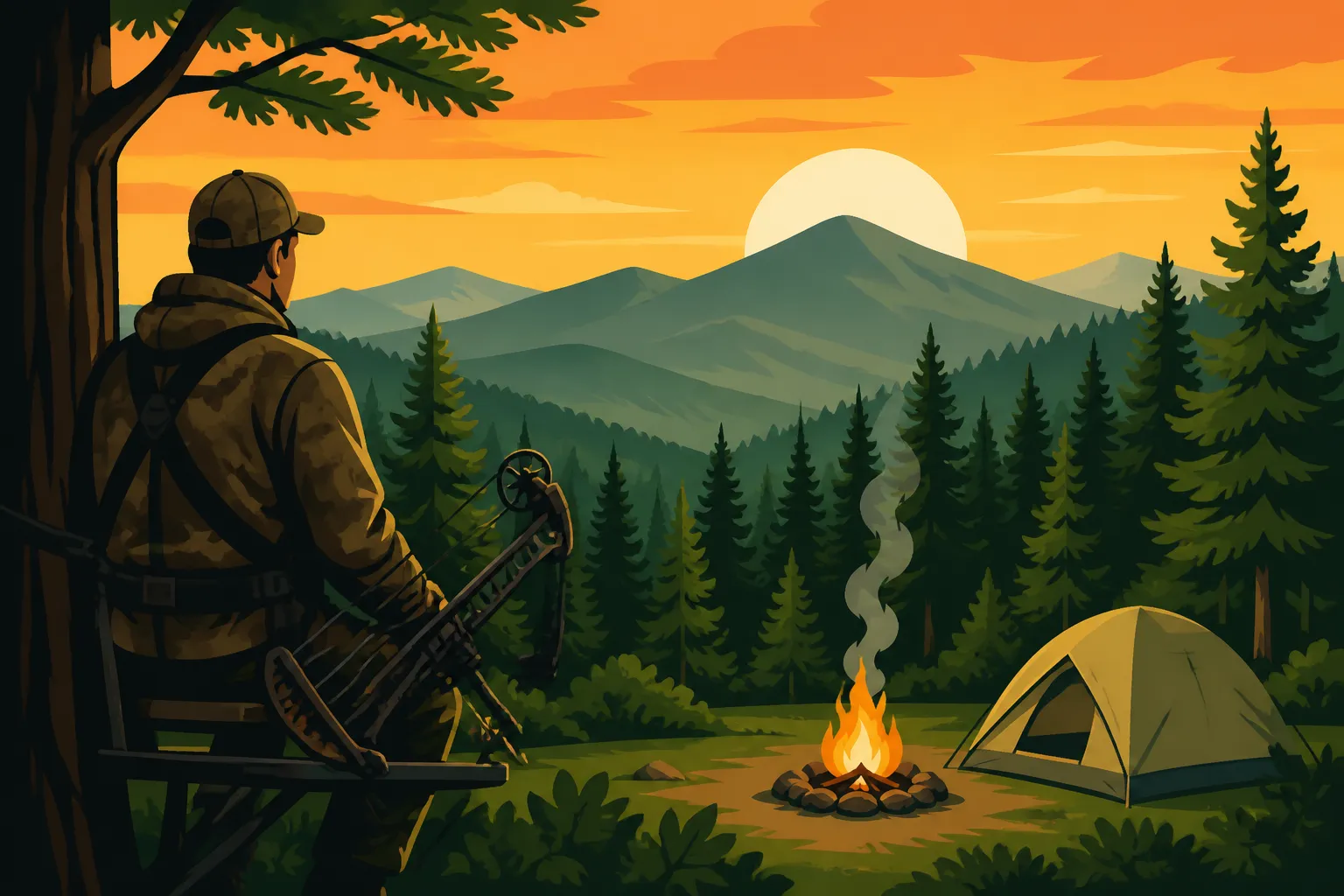
There’s nothing quite like the feeling of waking up in the woods, not miles away in a warm bed, but right there, mere minutes from your stand. The pre-dawn drive, the rushed breakfast, the anxiety of getting to your spot before first light—it’s all part of the routine for many North Carolina hunters. But for those who crave a deeper immersion, who want to hear the forest stir before anyone else, setting up a camp near your hunting stand in a National Forest offers an unbeatable advantage. This guide will walk you through the practicalities and joys of making the woods your home base during hunting season, helping you plan your next truly immersive hunt.
The Allure of Being on Location
Let's be real, those early morning alarms hit different when you know you're facing a long drive just to get to the trailhead, let alone your stand. The stress of traffic, the concern about hitting a deer on the highway, and the sheer mental effort of getting up at 3:30 AM can really wear a hunter down. That's where the magic of camping near your stand comes in, offering a completely different rhythm to your hunting experience. It's about more than just convenience; it's about connecting with the land in a profound way.
Maximizing Prime Hunting Hours
When you're sleeping only a short walk from your setup, you gain precious minutes that can make all the difference. Instead of spending an hour driving, parking, and hiking in the dark, you can be quietly slipping into your stand as the sky begins to lighten. This is particularly crucial during those first and last hours of daylight, which are often the most productive for deer and other game. Imagine being able to hear the first gobble of a turkey from your sleeping bag or having the luxury of sitting on your stand until the very last sliver of light fades, knowing you only have a short, safe walk back to camp.
It also means you can stay out longer. If you tag out mid-morning, you're not facing a grueling pack-out to your vehicle miles away. Instead, you can process your game at camp, perhaps enjoy a warm meal, and then leisurely handle the transport. This flexibility not only enhances your chances of success but significantly reduces the physical toll of a long day in the field, especially when you're hunting vast public lands like those found in Pisgah National Forest Hunting or Nantahala National Forest Hunting.
Deeper Immersion in the Hunting Experience
There’s a profound sense of connection that comes from sleeping under the same stars that watch over the deer you’re pursuing. You hear the rustle of leaves, the hoot of an owl, the distant cry of a coyote, all from the comfort of your tent. This isn't just a place to sleep; it's an extension of your hunting grounds, allowing you to observe the forest's nightly and early morning rhythms. You become a part of the landscape, not just a visitor.
This immersion extends beyond the hunt itself. Picture cooking a hearty breakfast over a small fire, sipping coffee as the morning mist rises, and then packing up your gear to head to your stand, all within the serene confines of the forest. It makes the entire trip feel more like an adventure, a genuine wilderness experience, rather than just a series of events leading up to a shot opportunity. This deeper connection often leads to a greater appreciation for wildlife and conservation, enriching your overall hunting journey.
Rules and Regulations for National Forest Camping
Before you even think about throwing a sleeping bag in your pack, it's absolutely vital to understand the rules governing camping in North Carolina's National Forests. While these lands are public, they're not a free-for-all. There are specific guidelines designed to protect the environment, ensure safety, and manage the visitor experience. Ignoring these can lead to fines, closures, or even revocation of hunting privileges.
Dispersed Versus Developed Camping
North Carolina’s National Forests, including Pisgah, Nantahala, Croatan, and Uwharrie, offer two main types of camping: developed campgrounds and dispersed camping. Developed campgrounds, like those often found near popular recreation areas, provide amenities such as designated sites, picnic tables, fire rings, and often restrooms and potable water. They usually come with a fee and have strict rules about where you can set up, often requiring reservations. They can be a good option if you want some comfort and proximity to certain hunting areas, but they also mean being near other people.
Dispersed camping, on the other hand, is the real draw for many hunters. This involves camping outside of designated campgrounds, often right off a forest road or deep in the backcountry. It's usually free and offers the solitude many hunters crave. However, dispersed camping comes with its own set of responsibilities and rules. You typically need to be a certain distance from roads, trails, and water sources (often 100-200 feet, but always check local regulations). There are usually no amenities, meaning you pack in and pack out everything, including your waste. This is the type of camping that truly allows you to National Forest Camping Near Your Stand.
Here’s a quick comparison of the two:
| Feature | Dispersed Camping | Developed Campground |
|---|---|---|
| Location | Away from designated sites, often remote | Designated sites, usually with paved access |
| Amenities | None (no water, restrooms, tables) | Fire rings, picnic tables, restrooms, often water |
| Cost | Generally free | Fee required, often per night |
| Privacy | High, often isolated | Low to moderate, sites close together |
| Rules | Strict "Leave No Trace," distance from roads/water | Specific site rules, quiet hours, checkout times |
| Hunter Appeal | High, allows close proximity to hunting areas | Moderate, good for comfort, but less flexible |
Specific National Forest Guidelines
Each National Forest in North Carolina might have slightly different nuances in its camping regulations. For instance, the highly mountainous terrain of Pisgah and Nantahala might have more restrictions on where you can safely set up a tent due to steep slopes or wilderness area designations. Croatan National Forest, being coastal with extensive pocosins and wetlands, will have different considerations for finding dry ground. It's always a good idea to check the specific Ranger District's website or call their office before your trip. Some areas might have seasonal fire bans, bear canister requirements, or special use restrictions.
Understanding Camping Rules on North Carolina National Forest Land is paramount. For example, some wilderness areas within the National Forests may have stricter rules about group size, length of stay, or even prohibit fires altogether. Remember that while you’re focused on the hunt, you’re also a steward of the land. Familiarize yourself with regulations regarding Treestand Rules on North Carolina Public Land and ensure your camping setup is compliant with all local ordinances. Using mapping tools like onX Hunt or GoHunt can be invaluable here, as they often have public land overlays that show boundaries, roads, and sometimes even specific camping areas or restrictions.
Choosing Your Campsite Wisely
Once you’ve got a handle on the rules, the next step is finding that perfect spot. This isn't just about throwing up a tent; it’s about strategic placement that enhances your hunting, keeps you safe, and minimizes your impact on the environment. A well-chosen campsite can make or break your overnight hunting trip.
Proximity to Your Stand and Stealth
The whole point of camping near your stand is to reduce travel time, but you don't want to be right on top of your hunting spot. Ideal placement means your camp is close enough for a quick, quiet walk in the dark, but far enough not to disturb game in the immediate vicinity of your stand. Generally, a quarter to half-mile is a good starting point, but this can vary depending on terrain, wind direction, and the density of cover. You want to avoid setting up camp in a known game travel corridor or bedding area.
Consider how your presence at camp might affect the hunting area. Will your cooking smells drift downwind towards a prime funnel? Will the sound of your movements carry across a quiet valley at dawn? Try to position your camp in a low-impact area, perhaps behind a ridge, deep in a hollow, or on the backside of a hill that naturally buffers sound and scent from your primary hunting zone. This requires a little pre-scouting, either in person or with detailed maps like those offered by onX Hunt, which can show you terrain features and prevailing wind patterns.
Water Sources and Terrain
Water is life, especially when you're roughing it. Identifying a reliable water source nearby is crucial. This could be a spring, a creek, or a river. However, always remember to camp at least 100-200 feet away from any water source to protect water quality and allow wildlife access. Never camp directly on a streambank. If you plan to use natural water sources, pack a high-quality water filter or purification tablets. Relying solely on packing in all your water can be heavy and inconvenient for longer stays.
When it comes to terrain, look for a flat, well-drained spot for your tent. Avoid depressions where water might collect if it rains. A slight rise can offer better drainage. Check for deadfall and "widowmakers" – dead branches that could fall during the night. Clear any sharp rocks or roots from under your tent site to ensure a comfortable night's sleep and protect your gear. Consider the type of ground cover; a spot with softer duff or pine needles might be more comfortable and quieter than rocky soil. In the coastal areas of Croatan National Forest Hunting, finding a truly dry, elevated spot can be a particular challenge due to the pervasive wetlands.
Safety Considerations
Your safety is paramount. Beyond checking for dead branches, consider animal activity. In areas with black bears, like much of North Carolina's National Forests, proper food storage is non-negotiable. Use a bear canister, hang your food from a tree, or store it in a bear-resistant container in your vehicle, well away from your tent. Never cook or eat in or near your tent. Be aware of your surroundings, especially if you're camping alone.
Also, think about access. Is your campsite easily accessible in an emergency? Do you have cell service, or a satellite communication device? Let someone know your exact plans and expected return time. While the solitude is appealing, being completely cut off from communication can be risky. For hunters exploring new areas, tools like GoHunt can help identify potential signal strengths or emergency contact points. Finally, always be mindful of fire safety; use existing fire rings if available, keep fires small, and ensure they are completely extinguished before leaving or going to bed.
Minimizing Your Impact and Staying Safe
Part of being a responsible hunter and outdoors person is leaving the environment as good, or better, than you found it. This isn't just a courtesy; it's a critical component of ensuring continued access to these beautiful public lands for future generations. The principles of Leave No Trace are your best guide when camping in National Forests.
Leave No Trace Principles
The seven principles of Leave No Trace provide a framework for ethical outdoor behavior. When you’re camping near your stand, these principles are particularly relevant:
- Plan Ahead and Prepare: Research the area, pack appropriate gear, and know the regulations. This includes checking weather forecasts, bringing maps (digital or paper), and knowing how to use them.
- Travel and Camp on Durable Surfaces: Stick to established trails and campsites whenever possible. For dispersed camping, choose a spot that won't be easily damaged, such as dry dirt, rock, or sparse vegetation. Avoid fragile meadows or wet areas.
- Dispose of Waste Properly: Pack out everything you pack in. This means all trash, food scraps, and even toilet paper. If nature calls, bury human waste in a cathole 6-8 inches deep and at least 200 feet from water, camp, and trails.
- Leave What You Find: Don't take "souvenirs" like antlers, rocks, or plants. Leave historical and natural features undisturbed.
- Minimize Campfire Impacts: Use existing fire rings if available. Keep fires small. Burn only dead and downed wood that can be broken by hand. Extinguish fires completely before leaving, ensuring no embers remain.
- Respect Wildlife: Observe wildlife from a distance. Never approach, feed, or harass animals. Store food securely to prevent attracting animals like bears, raccoons, and even mice to your campsite. This is especially important in areas with high bear populations like those covered in North Carolina's Black Bear Population.
- Be Considerate of Other Visitors: While you might be seeking solitude, others are too. Keep noise levels down, especially during prime hunting hours. If you encounter other campers or hunters, offer a friendly nod and keep moving.
Adhering to these principles ensures that your presence leaves minimal impact, preserving the wild character of places like Uwharrie National Forest Hunting for everyone.
Bear Safety and Food Storage
North Carolina is home to a robust and growing black bear population, particularly in the mountain and coastal regions. If you're camping in a National Forest, assume bears are present. Proper food storage is not optional; it's mandatory for your safety and the safety of the bears. Bears that become habituated to human food often become nuisance bears, which can lead to dangerous encounters and, unfortunately, the bear having to be removed.
Always store all food, scented items (like toothpaste, deodorant, and bug spray), and even trash in a bear-resistant container (like a hard-sided bear canister) or by hanging it in a bear bag from a tree, at least 10 feet off the ground and 4 feet from the tree trunk. Never store food in your tent or within your immediate camp area. Cook at least 100 yards downwind from your tent. After cooking, clean up thoroughly and store all cooking gear. Even an empty food wrapper or a few crumbs can attract a bear. These precautions are especially critical if you are Hunting the Mountain Bear Zones or Hunting Coastal Bears in Thick Pocosin Cover.
Fire Safety and Leave No Trace Fires
While a crackling campfire can be a comforting addition to a chilly evening, especially in the late season, fire safety is paramount. Always check current fire restrictions before lighting a fire. During dry periods, even a small spark can ignite a massive forest fire. If fires are permitted, use an existing fire ring if possible. If not, create a small ring of rocks in a safe, clear area, away from overhanging branches, dry grass, and logs.
Only burn dead and downed wood that is no larger than your wrist and can be broken by hand. Never cut live trees for firewood. Keep your fire small and manageable. Before you leave camp or go to bed, ensure your fire is completely extinguished. This means dousing it with water, stirring the ashes, and continuing to add water until everything is cool to the touch. Even if it looks out, embers can smolder for hours and reignite later. A cold fire means a safe forest.
Camping near your stand in North Carolina's National Forests offers an unparalleled hunting experience, blending the thrill of the chase with the tranquility of the wilderness. By understanding and respecting the rules, choosing your site wisely, and practicing Leave No Trace principles, you can enjoy these lands responsibly and for many seasons to come.
Disclaimer
This article is for general informational purposes only and does not constitute professional advice. Laws, prices and regulations vary by location and change over time. Consult a qualified professional for guidance on your specific situation.