Predator Hunting in North Carolina
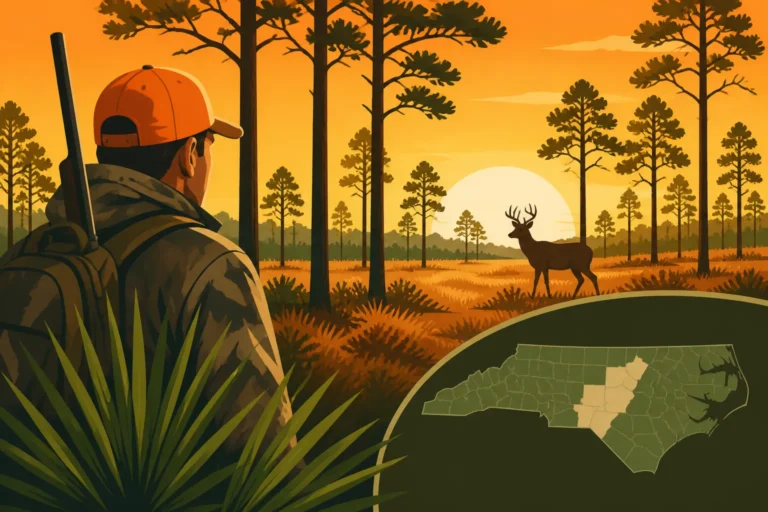
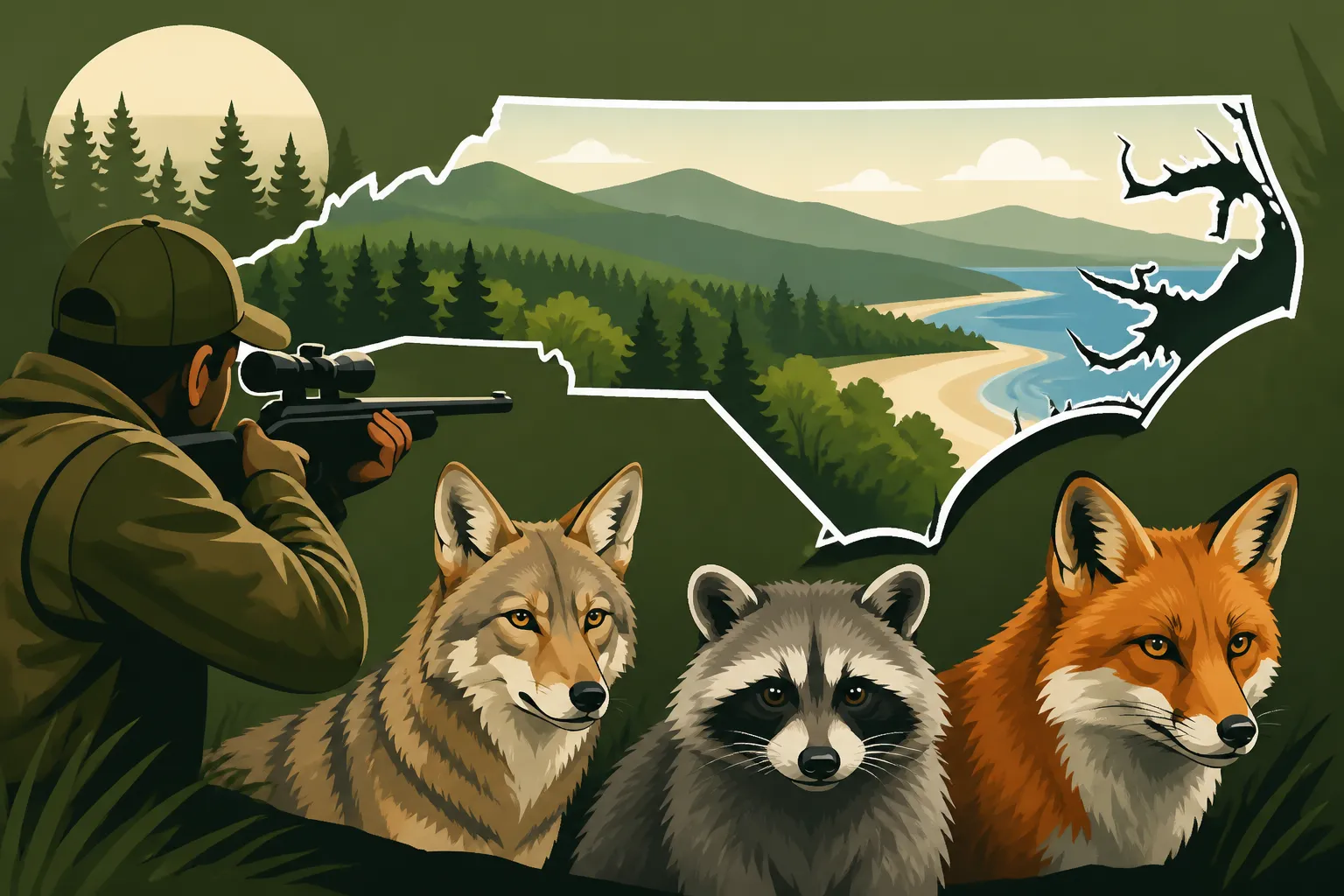
There’s a shift happening in North Carolina’s woods, and if you’ve spent any time out hunting deer or turkeys, you’ve likely felt it: our predator populations, especially coyotes, are booming. This can be incredibly frustrating when you’re trying to manage your deer herd or get a gobbler to commit, only to realize predators are taking a significant toll on fawns and poults. This comprehensive guide is here to equip you with the knowledge and tactics to effectively hunt predators across North Carolina, helping you balance local wildlife and enjoy more success afield.
The Growing Need for Predator Management in North Carolina
For generations, North Carolina hunters focused primarily on traditional game species like deer, turkey, and small game. But in recent decades, the landscape has changed dramatically with the widespread establishment and proliferation of predators, most notably the coyote. These animals, along with native foxes and bobcats, exert considerable pressure on prey populations, sometimes making it feel like an uphill battle to see strong fawn recruitment or a healthy spring turkey hatch. Actively managing predator numbers isn't just about bagging another animal; it's a crucial component of sound wildlife conservation, helping to ensure the health and balance of our cherished game species.
Understanding North Carolina's Coyote Range and Density
Coyotes weren't always a fixture in North Carolina, but they are now firmly established in every single county, from the highest peaks of the Blue Ridge Mountains to the barrier islands along the coast. Their adaptability is truly remarkable; they thrive in dense forests, suburban green spaces, agricultural fields, and even coastal swamps. While exact numbers are hard to pin down, the North Carolina Wildlife Resources Commission (NCWRC) estimates a robust and growing population statewide. This means no matter where you hunt in North Carolina, you’re likely sharing the woods with coyotes. Understanding where their dens are, their travel corridors, and their preferred hunting grounds is the first step in successful predator hunting. You can learn more about their presence and spread by looking into the North Carolina Coyote Range and Density. They're opportunistic omnivores, meaning they'll eat just about anything — deer fawns, turkey poults, rabbits, small rodents, insects, and even berries and fruit when available. This wide-ranging diet and incredible reproductive rate contribute to their rapid expansion and high density in many areas.
They often utilize existing trails, logging roads, and creek bottoms as travel routes, especially when moving between bedding and feeding areas. In agricultural areas, they’ll often skirt the edges of fields, using tree lines and fencerows for cover. In mountainous regions, they might stick to lower elevations where prey is more abundant, or follow ridgelines, particularly during warmer months. Understanding these patterns is key to setting up effectively. Look for scat, tracks, and even scratch marks on trees, especially around prominent landmarks or trail intersections. These signs can tell you where coyotes are actively moving and marking their territory.
Identifying Local Fox Populations and Habits
While coyotes grab a lot of the headlines due to their impact on deer and turkey, North Carolina is also home to two native fox species: the red fox and the gray fox. Both are smaller than coyotes but are effective predators on their own, preying on rabbits, rodents, birds, and sometimes young game. Red foxes are often associated with open farmlands, field edges, and mixed woodlands, preferring more open country where they can stalk prey. Gray foxes, on the other hand, are more comfortable in dense woodlands and swampy areas, and are unique among canids for their ability to climb trees, which they often do to escape predators or seek den sites.
Hunting foxes often requires a slightly different approach than coyotes, given their smaller size and often more cautious nature. They respond well to high-pitched distress calls mimicking small rodents or birds. When scouting for foxes, look for smaller tracks than coyotes, often in sandy or muddy areas. Their scat will also be smaller and more pointed. Red foxes typically den in burrows, often old groundhog holes, while gray foxes might use hollow logs, rock crevices, or even tree cavities. Knowing which species you're targeting can help you refine your calling and setup strategy. Early morning and late evening are often prime times, especially for red foxes moving along field edges.
The Ecological Impact of Unchecked Predator Growth
The rapid expansion of coyote populations, combined with existing fox and bobcat numbers, creates a complex ecological dynamic that often impacts deer and turkey populations. While predators are a natural part of any ecosystem, an imbalance can lead to depressed fawn and poult survival rates. Studies across the Southeast have shown that coyote predation can be a significant factor in limiting deer population growth, especially in areas with high coyote densities and already stressed deer herds. For turkey, poult survival can be dramatically reduced by a combination of predation from coyotes, foxes, raccoons, and opossums during the crucial nesting and brood-rearing periods.
This isn't to say predators are inherently "bad"; they play a vital role in maintaining ecosystem health by culling weak or diseased animals. However, in regions where their numbers have surged without natural checks, human intervention through hunting becomes a valuable management tool. Responsible predator hunting aims to help balance these populations, allowing prey species a better chance to thrive. This management also extends to addressing issues like the North Carolina Coyote Attacks on Livestock, which can cause significant economic damage for farmers. By reducing predator pressure, especially during critical fawning and nesting seasons, hunters contribute directly to healthier, more robust game populations for everyone. It's a proactive approach to conservation that benefits the entire ecosystem.
Navigating North Carolina's Predator Hunting Regulations
Before you head afield with your calls and rifle, it's absolutely crucial to understand North Carolina's regulations concerning predator hunting. Unlike deer or turkey, which have very specific seasons and bag limits, most predators are managed differently. However, there are still important rules about methods, times, and specific species that you need to be aware of. Missteps here can lead to fines, license revocation, and a generally unpleasant experience. Always consult the current North Carolina Inland Fishing, Hunting & Trapping Regulations Digest, published by the NCWRC, as regulations can change.
Statewide Rules for Coyote Hunting
Coyotes in North Carolina are classified as a nuisance species and are not considered game animals in the traditional sense, which actually simplifies things a great deal. This means there is no closed season for coyotes, and there are no bag limits. You can hunt coyotes year-round, day or night, on private lands. On public lands (Game Lands), general Game Lands rules and specific area regulations still apply, so always check those before you go. The most important thing to remember is that you must still possess a valid North Carolina Hunting Licenses and What They Cost, including all required privileges, even when hunting coyotes. This typically means a basic hunting license and a big game privilege if you're carrying a firearm capable of taking deer, though for coyotes specifically, a basic hunting license is sufficient.
While you don't need to check in a coyote harvest, ethical hunting practices are still paramount. This includes proper identification of your target, ensuring a clean kill, and respecting landowner wishes. Some areas may also have specific restrictions on certain types of firearms or ammunition, especially near developed areas. Always be aware of your surroundings and any local ordinances that might restrict firearm discharge. The year-round nature of coyote hunting provides ample opportunity to hone your skills and contribute to wildlife management efforts whenever your schedule allows.
Specific Seasons and Limits for Foxes and Bobcats
Unlike coyotes, both red and gray foxes, as well as bobcats, are classified as furbearers in North Carolina, which means they are managed with specific seasons and often stricter rules. The hunting and trapping seasons for foxes and bobcats vary by county and sometimes by region, so you cannot assume statewide uniformity. You must check the current regulations digest for the specific county you plan to hunt in. Generally, seasons for furbearers are much shorter than the year-round coyote allowance and are typically restricted to the fall and winter months. There might also be bag limits, though for foxes and bobcats, it's often more about regulated trapping than daily hunting limits.
It’s essential to correctly identify your target before taking a shot, especially when calling. Mistaking a fox for a coyote, or vice-versa, can lead to legal issues if you shoot a fox or bobcat out of season or without the proper permits. Bobcats, in particular, are majestic animals, and their hunting is often highly regulated. If you plan to pursue foxes or bobcats, ensure you understand the specific dates and any tagging or reporting requirements for that particular species in your chosen hunting area. Often, taking a bobcat requires a separate permit or validation. Always err on the side of caution and double-check the rules. You can find these details under North Carolina Small Game Season Rules.
Deciphering Night Hunting Rules for North Carolina Coyotes
Night hunting for coyotes is a highly effective method, especially during warmer months when they tend to be more nocturnal. North Carolina does permit night hunting for coyotes on private land. This is a significant advantage for hunters looking to make a dent in local coyote populations. However, there are very specific rules you must adhere to regarding lights. Specifically, it is generally legal to use artificial lights (including headlights, spotlights, and thermal/night vision devices) to locate and hunt coyotes on private land. Always ensure you have permission from the landowner to hunt at night and use lights.
The key distinction for night hunting regulations often revolves around what you are hunting. For deer, for example, night hunting with lights is strictly prohibited. But for coyotes, it's a legal and often preferred method. While you can use lights, be mindful of local noise ordinances and proximity to residences. Common sense and courtesy go a long way in ensuring these privileges remain available to hunters. For a more detailed breakdown, be sure to check the specific Night Hunting Rules for North Carolina Coyotes. Using thermal or night vision devices is also permitted for coyotes at night on private land, providing a significant edge in spotting these elusive animals in the dark. Always confirm that your chosen hunting location is sufficiently removed from public roads and occupied dwellings to avoid any potential safety hazards or nuisance complaints.
| Predator Species | Legal Hunting Season | Bag Limit (Hunting) | Night Hunting w/ Lights | Typical Habitat |
|---|---|---|---|---|
| Coyote | Year-round | None | Yes, on private land | All habitats, highly adaptable |
| Red Fox | Varies by County | Varies by County | No | Open fields, mixed woodlands, farm edges |
| Gray Fox | Varies by County | Varies by County | No | Dense woodlands, swamps, rocky areas |
| Bobcat | Varies by County | Varies by County | No | Dense forests, remote areas |
Essential Gear and Equipment for Predator Success
Successful predator hunting, especially when targeting elusive coyotes and foxes, hinges significantly on having the right gear. It's not just about having a gun; it's about a combination of firearms, effective calling devices, and optics that allow you to locate, attract, and ethically harvest your target. Investing in quality equipment that suits North Carolina’s diverse terrain and conditions will greatly increase your chances of success and enjoyment afield.
Choosing the Right Firearm and Ammunition
When it comes to firearms for predator hunting in North Carolina, versatility and accuracy are key. Many hunters opt for an AR-style rifle in calibers like .223 Remington/5.56 NATO or .204 Ruger. These platforms offer light weight, quick follow-up shots, and excellent accuracy for coyotes, which can often be shot at ranges from 50 to 200+ yards. The .223 is a fantastic all-around choice, widely available, and effective for coyotes and foxes without being overkill. For a slightly flatter trajectory and even less recoil, the .204 Ruger is a popular choice among serious predator hunters. Other excellent options include bolt-action rifles in .22-250 Remington, .243 Winchester, or even a .17 HMR for smaller foxes at closer ranges. The .243 Winchester, for example, is also a popular choice for deer, making it a versatile option if you’re looking for a crossover rifle.
Ammunition choice is equally important. Look for fast-expanding, frangible bullets designed for varmints and predators. Hollow-point or V-Max style bullets are engineered to transfer maximum energy upon impact, ensuring a quick and humane kill while minimizing the risk of ricochet. Avoid heavier, bonded bullets designed for big game, as they may over-penetrate and not deliver enough shock to humanely dispatch smaller predators. Make sure you practice with your chosen setup to understand its capabilities and limitations, especially in varied field conditions. If you're hunting in thick cover or at night, a shotgun loaded with buckshot can also be effective for close-range encounters, though most predator hunters prefer the precision of a rifle.
The Art and Science of Effective Calling Devices
Calling is arguably the most critical component of predator hunting. Modern calling devices range from traditional mouth calls to sophisticated electronic callers. Mouth calls, such as hand-operated distress calls (rabbit, bird, fawn in distress) or diaphragm calls, are lightweight, inexpensive, and require skill to master. They offer versatility and can be very effective, especially when trying to pinpoint where a sound is coming from. Electronic callers, however, have revolutionized predator hunting. Brands like Foxpro, Convergent Hunting, and Lucky Duck offer units with a vast library of sounds, programmable sequences, and remote operation. This allows you to place the caller away from your position, drawing the predator's attention away from you and creating a more realistic scenario.
Successful calling isn't just about volume; it's about realism and patience. Start with softer, more subtle sounds, especially if you suspect predators are close or if you're hunting pressured animals. Increase volume and intensity gradually. Mix in different sounds: distress calls, barks, pup yips, and even territorial challenges. For coyotes, a rabbit in distress is a classic choice, but don't shy away from bird distress or even deer fawn distress calls, particularly during the fawning season. For foxes, higher-pitched rodent distress calls are often more effective. Always observe wind direction; a predator will almost always try to circle downwind to scent-check the source of the call. This is where strategic setup becomes crucial.
Optics for All Conditions: Day, Dusk, and Dark
Good optics are indispensable for predator hunting, allowing you to spot animals at a distance, identify them, and make ethical shots. For daytime hunting, a quality rifle scope with variable magnification (e.g., 3-9x or 4-12x) is essential. Ensure it has clear glass and holds zero reliably. Binoculars (8x or 10x) are also critical for scanning terrain before and during a calling sequence, helping you spot an incoming predator before it spots you. Look for models with good low-light performance, as predators are often most active during dawn and dusk.
For night hunting, the game changes dramatically. While traditional rifle scopes are fine in daylight, you’ll need specialized optics after dark. Thermal imaging scopes and binoculars are incredibly effective, as they detect heat signatures, making coyotes stand out clearly against the cooler background, even in dense cover or total darkness. Night vision devices (NVGs) amplify ambient light, allowing you to see in near-dark conditions. While older generation NVGs might struggle in complete darkness, modern digital night vision often includes built-in IR illuminators to provide the necessary light. Remember to check regulations carefully regarding their use. Using thermal or night vision provides a significant advantage for Night Hunting Rules for North Carolina Coyotes, enabling you to identify and target animals effectively and safely. Companies like Pulsar, ATN, and AGM Global Vision are leaders in the thermal and night vision market, offering a range of devices suitable for predator hunting.
Daytime Predator Hunting Tactics: From Farm Fields to Pine Plantations
Daytime predator hunting in North Carolina offers unique challenges and rewards. The success often comes down to meticulous scouting, understanding the animal's behavior, and executing a well-planned setup. Whether you're hunting sprawling agricultural fields or dense pine thickets, tailoring your approach to the environment is key.
Scouting and Stand Placement Strategies
Effective predator hunting starts long before you ever make your first call. Scouting is paramount. Utilize aerial maps, like those available through services such as GoHunt, to identify potential travel corridors, pinch points, field edges, clear-cuts, and thick bedding cover. Look for signs of activity: tracks in muddy areas or sandy roads, scat, and even disturbed areas where predators may have been digging. Fresh sign tells you that animals are actively using that area. During scouting, pay close attention to wind direction and thermals, especially in hilly or mountainous terrain. Predators almost always circle downwind to get a scent of the "prey" they're approaching, so your stand must be positioned to avoid detection.
When choosing a stand location, consider visibility and cover. You want a clear line of sight to where you expect the predator to approach, but you also need enough cover to break up your silhouette. Setting up with your back against a natural barrier, like a thick treeline, a large stump, or even a vehicle (if on private land), can help you blend in. Position yourself so the wind is blowing from the suspected approach direction towards you, but away from where the call is located. This forces the predator to approach the call from upwind, giving you a shot before it crosses your scent cone. On public lands, consider hunting pressure; look for areas that are harder to access, as these often hold less pressured animals. Remember, patience is a virtue in predator hunting; you might sit for 20-30 minutes without a sound before a coyote finally shows itself.
Coyote Calling in North Carolina Farm Country
Hunting coyotes in North Carolina's farm country presents a unique set of opportunities and challenges. Large, open fields interspersed with woodlots, fencerows, and creek bottoms provide excellent habitat. Coyotes use these linear features as travel lanes and ambush points. When setting up in farm country, position yourself along a field edge, ideally overlooking a large expanse where you can see approaching animals from a distance. A slight rise in the terrain or a hidden corner of a woodlot can offer concealment.
Start your calling sequence with a high-pitched rabbit or bird distress sound. Coyotes in farm country are accustomed to these sounds from small game and avian species that frequent agricultural areas. Use varied volume: soft at first, then increasing in intensity, mimicking a struggling animal. Pause frequently, scanning the field edges and any connecting cover for movement. Coyotes can appear out of nowhere, often moving surprisingly quickly along the edge of a standing cornfield or a distant hedgerow. Pay close attention to the wind, as farm fields can be very open, making scent detection easy for an approaching coyote. Remember, a coyote might hang up at 200 yards, especially if it's been called to before, so be prepared for longer shots.
Predator Calling North Carolina Pine Plantations
Pine plantations, common across the Piedmont and Coastal Plain of North Carolina, offer a completely different environment for predator hunting. The dense rows of pines, especially in younger stands, create excellent cover and limited visibility. This means closer engagements are more common, and calling strategy needs to be adapted. Coyotes and foxes will use the rows of pines as cover, often traveling along the gaps or through logging roads.
When hunting pine plantations, focus on clearings, road intersections, and the edges where the pines meet a hardwood bottom or an open field. These areas act as natural funnels and visibility points. Use louder, more aggressive calls here to penetrate the dense cover. Sounds like pup in distress, a challenge howl, or even a desperate rabbit distress can be effective. Since visibility is limited, consider a shorter calling sequence, perhaps 10-15 minutes, before moving to a new setup. Coyotes often feel safe running through the thick pines, so they might come in hard and fast. Be ready for a quick shot. A decoy, especially one with subtle movement, can be a huge asset in pine plantations, giving the approaching predator something to focus on other than your well-hidden position. The dense cover here often necessitates a more mobile, "run and gun" approach, moving every 400-800 yards to cover ground effectively.
Mastering Night Hunting Techniques for Elusive Predators
Night hunting for coyotes is permitted in North Carolina on private land, offering a unique and often highly effective way to target these nocturnal predators. The cover of darkness often makes coyotes bolder, and without the visual distractions of daylight, they can be drawn in more readily. However, night hunting demands extra caution, specialized gear, and a thorough understanding of the regulations.
Legalities and Setup for After-Dark Hunting
As mentioned earlier, North Carolina explicitly allows Night Hunting Rules for North Carolina Coyotes on private land using artificial lights. This is a game-changer for many predator hunters. Before heading out, always confirm you have explicit permission from the landowner to hunt at night and to use lights. Safety is paramount; ensure you have a clear understanding of the property boundaries and what lies beyond your shooting lanes. Never shoot at an unidentified target in the dark.
Your setup for night hunting often mirrors daytime tactics in terms of wind and concealment, but with an added emphasis on having a clear field of fire where you anticipate seeing the animal. A stationary setup is usually preferred, often from a comfortable ground blind or a vehicle (again, with landowner permission and local ordinances checked). Position your light source to illuminate the area where you expect coyotes to approach. Many night hunters use a red or green filtered spotlight, as these colors are less disruptive to human night vision and some believe they are less alarming to coyotes. Headlamps are also crucial for moving safely to and from your setup point. Ensure your rifle is zeroed and you are comfortable with your optics setup for low-light conditions.
Maximizing Success with Thermal and Night Vision
The advent of thermal and night vision technology has revolutionized night hunting. Thermal scopes and binoculars detect heat signatures, allowing you to spot coyotes (and other animals) even in complete darkness, thick brush, or fog. They make it incredibly easy to distinguish an animal from its surroundings, as the coyote's body heat glows brightly against the cooler background. Night vision devices, on the other hand, amplify existing ambient light (starlight, moonlight), making dark scenes visible. Many modern digital night vision scopes also include infrared (IR) illuminators that essentially act as an invisible flashlight, providing enough light for the device to function even in pitch black conditions.
Using these tools effectively requires practice. With thermal, you’ll quickly learn to scan wide areas for heat signatures, allowing you to spot coyotes approaching from hundreds of yards away. Once a heat signature is detected, you can often switch to a night vision optic for better target identification, especially if you're using a handheld thermal scanner and a night vision scope on your rifle. The advantage of these technologies cannot be overstated; they dramatically increase your ability to locate and ethically harvest nocturnal predators. While the initial investment can be substantial, the effectiveness and safety gains are significant for serious night hunters. Consider checking out brands like ATN, Pulsar, and Bering Optics for reliable thermal and night vision gear.
Safety Protocols and Best Practices for Night Operations
Night hunting introduces additional safety considerations that must be strictly adhered to. The reduced visibility means that target identification, backstop awareness, and communication with hunting partners are even more critical.
- Positive Target Identification: Never, ever shoot at just a pair of eyes. Always use your optics to positively identify the animal before you pull the trigger. Thermal and night vision help immensely with this, but you must be certain it’s a coyote and not another animal, or worse, a person.
- Know Your Backstop: In the dark, it’s much harder to see what’s beyond your target. Only take shots where you are absolutely certain of your backstop and that there’s nothing for hundreds of yards behind your target. Avoid shooting over ridges unless you know what’s on the other side.
- Communication: If hunting with partners, maintain constant communication. Know each other's positions at all times. Use hand signals or low-power radios, especially if you split up.
- Gear Management: Keep your gear organized and easily accessible. Fumbling for calls, lights, or ammunition in the dark can be frustrating and dangerous. A good headlamp with a red-light option is essential for moving and organizing gear without compromising your night vision.
- Landowner Relations: Always leave the property as you found it, or better. Be respectful of noise, especially if near residences, and ensure you clean up any spent casings or trash. Building a good relationship with landowners is key to retaining your night hunting privileges.
By adhering to these safety protocols, you can enjoy productive and safe night hunting experiences in North Carolina.
Finding Predator Hunting Opportunities Across North Carolina
One of the biggest hurdles for any hunter, especially when it comes to predator hunting, is simply finding a place to go. North Carolina offers a mix of public and private land opportunities, each with its own set of rules and access challenges. Knowing how to navigate these options is crucial for consistent success.
Hunting Predators on Public Game Lands
North Carolina boasts a significant amount of public land managed by the NCWRC as Game Lands, along with national forests like Pisgah, Nantahala, Croatan, and Uwharrie. While these areas are primarily managed for traditional game species, they also hold healthy populations of coyotes, foxes, and bobcats. You can absolutely hunt predators on these lands, but you must adhere to all general Game Lands regulations, including any specific rules for that particular property. This typically includes requiring a Game Lands permit in addition to your basic hunting license.
Before heading out, consult the NCWRC's interactive game lands map or resources like GoHunt, which can help you identify specific properties, boundaries, and any special restrictions. Often, during peak deer or turkey seasons, public land can experience high hunting pressure, which can make coyotes warier. Consider hunting these areas during the off-season for traditional game or in less-traveled sections. While you might not be able to hunt at night on most public lands (always verify specific rules), daytime calling can still be very effective, especially in areas with dense cover that don't see as much foot traffic. Focusing on remote sections, or areas that require a bit of a hike, can often yield better results as these spots tend to hold less pressured animals. Using the NC Wildlife Map Tool can be invaluable for pinpointing these remote public areas.
Gaining Private Land Access for Predator Control
For many predator hunters, private land offers the best and most consistent opportunities, especially for night hunting and year-round coyote control. Farmers and landowners are often eager for help managing coyote populations due to the significant impact these predators can have on livestock, poultry, and even domestic pets, not to mention the North Carolina Coyote Attacks on Livestock. Approaching landowners with an offer to help with predator control can be an excellent way to gain access.
When requesting permission, be polite, professional, and clear about your intentions. Explain that you are an ethical hunter looking to help reduce predator numbers. Offer to show them your license and insurance. Emphasize that you will be respectful of their property, close all gates, avoid driving in wet fields, and remove any harvested animals. If hunting at night, discuss your plans for lighting and noise. Consider offering to assist with other tasks on their property, like fixing fences or helping with chores, to build a stronger relationship. This approach, outlined further in Getting Private Land Permission in North Carolina, often leads to long-term access. Once you gain permission, always follow through on your promises and communicate regularly with the landowner. A good relationship with one landowner can sometimes lead to introductions to others in the area.
Utilizing Technology for Scouting and Access
In today's hunting world, technology can be your best friend when it comes to finding and accessing predator hunting spots. GPS devices and smartphone apps have transformed how we scout and navigate. Apps like GoHunt (onX Hunt, HuntStand are other popular ones) provide detailed aerial and topographic maps, showing property lines, landowner information, public land boundaries, and even features like timber cuts and food plot locations. This information is invaluable for pre-hunt scouting, identifying potential ambush points, and ensuring you stay on legal hunting ground.
Before you ever step foot in the woods, use these tools to virtually scout new areas. Look for natural funnels, cover-to-open transitions, and potential bedding areas where predators might be resting. Identify access points and plan your entry and exit routes to minimize disturbance. On private land, these apps can help you pinpoint specific landowner parcels, making it easier to approach the correct individual for permission. Even on public land, they can highlight less-traveled areas or unique habitat features that might attract predators. Download offline maps before you leave home, as cell service can be spotty in many remote hunting areas. This technological edge can significantly improve your efficiency and success rate when searching for North Carolina's elusive predators.
The Role of Predator Hunting in Wildlife Management
Predator hunting, particularly for rapidly expanding species like coyotes, is more than just a recreational pursuit; it’s an important tool in the broader context of wildlife management and conservation. By actively managing predator populations, hunters play a direct role in maintaining healthier ecosystems and supporting other game species that face predation pressure.
Balancing Predator and Prey: Deer and Turkey Populations
One of the most significant impacts of increased predator populations, especially coyotes, is on the recruitment of white-tailed deer fawns and wild turkey poults. Coyotes are efficient predators of young deer, particularly during the fawning season (typically late spring to early summer in North Carolina). Similarly, nests and young turkey poults are vulnerable to coyotes, foxes, raccoons, and opossums during the spring and early summer nesting and brood-rearing periods. While predators are a natural part of the ecosystem, an abundance of them can tip the balance, leading to lower survival rates for young game animals.
By selectively hunting predators, especially coyotes, hunters can help alleviate some of this pressure. This is particularly beneficial in areas where deer or turkey populations are struggling or where recruitment numbers are consistently low. While predator hunting alone won't solve all population challenges, it is a proven method to help increase fawn and poult survival, contributing to healthier and more robust populations of deer and Wild Turkeys in North Carolina. For example, during deer fawning season, targeting coyotes can directly lead to more fawns surviving to adulthood. This management approach aligns with the overall goals of the North Carolina Deer Season Structure Explained, aiming for sustainable populations.
Addressing Disease Concerns and Animal Health
Predator hunting can also play a role in managing disease within wildlife populations. Animals like coyotes and foxes can be carriers of various diseases, including rabies, canine distemper, parvovirus, and sarcoptic mange. While widespread predator removal isn't a primary disease control strategy, localized efforts can help reduce the spread of these diseases, particularly in areas with high predator densities. For instance, mange can debilitate coyotes and foxes, making them more susceptible to other health issues and potentially impacting other canine populations, including domestic dogs.
Furthermore, a healthy predator population can help remove weak or diseased prey animals, naturally culling the herd and preventing the spread of illness. However, an over-abundance of predators, especially those that scavenge or are stressed by high density, can sometimes exacerbate disease transmission. Ethical predator hunting, which focuses on healthy animals and responsible carcass disposal, contributes to the overall health of the wildlife community by maintaining a more balanced ecosystem. Reporting sick animals to the NCWRC is always a good practice, regardless of whether you're hunting them or not.
Ethical Considerations for Responsible Predator Hunting
As with all forms of hunting, ethical considerations are paramount in predator hunting. Responsible hunters strive for quick, clean kills and show respect for the animals they pursue. This means:
- Positive Identification: Always be 100% certain of your target before taking a shot, especially when calling or hunting at night. Mistaking a domestic animal for a coyote or a protected species for a fox can have serious consequences.
- Clean Kills: Use appropriate firearms and ammunition, and only take shots within your effective range. A wounded animal is a suffering animal.
- Respect for Landowners: If hunting on private land, always honor the landowner's wishes and leave the property better than you found it. This helps ensure future access for yourself and other hunters.
- Carcass Disposal: Dispose of harvested animals respectfully and in accordance with local regulations. Avoid leaving carcasses in visible areas or where they might attract other nuisance animals.
- Understanding Your Role: Recognize that predator hunting is part of a larger wildlife management strategy. Your efforts contribute to a healthier ecosystem, not just to a personal tally.
- Continuous Learning: Stay informed about predator behavior, new techniques, and current regulations. The more knowledgeable you are, the more ethical and successful you will be.
Responsible predator hunting is a challenging but rewarding pursuit that serves an important ecological function. By adhering to these ethical guidelines, North Carolina hunters can contribute meaningfully to wildlife conservation while enjoying their time in the field.
Disclaimer
The information provided in this guide is for general informational purposes only and is not intended as legal advice. Hunting regulations in North Carolina are subject to change and can vary by county and specific game land. Always consult the most current North Carolina Inland Fishing, Hunting & Trapping Regulations Digest published by the North Carolina Wildlife Resources Commission (NCWRC) or visit their official website before engaging in any hunting activities. It is your responsibility to know and follow all applicable laws and regulations.