North Carolina Wildlife Cooperator Agreements
It's a familiar scenario for many North Carolina hunters: you spend countless hours scouting public land, only to arrive opening morning and find every prime spot already occupied. Or perhaps you've tried the knocking-on-doors approach for private land, only to be met with polite "no" after "no." Finding quality, accessible hunting ground can feel like a constant uphill battle in our increasingly developed state. That's why understanding North Carolina's Wildlife Cooperator Agreements is so vital; they offer a fantastic, often overlooked avenue for expanding your hunting opportunities beyond the usual crowded areas.
Understanding North Carolina Wildlife Cooperator Agreements
For those of us constantly searching for new ground, the concept of a "Cooperator Agreement" might sound a bit formal or even confusing. But at its heart, it's a brilliant partnership designed to benefit both landowners and the hunting community. It’s an initiative that helps bridge the gap between diminishing private land access and the ever-growing demand for places to hunt.
What Exactly is a Cooperator Agreement?
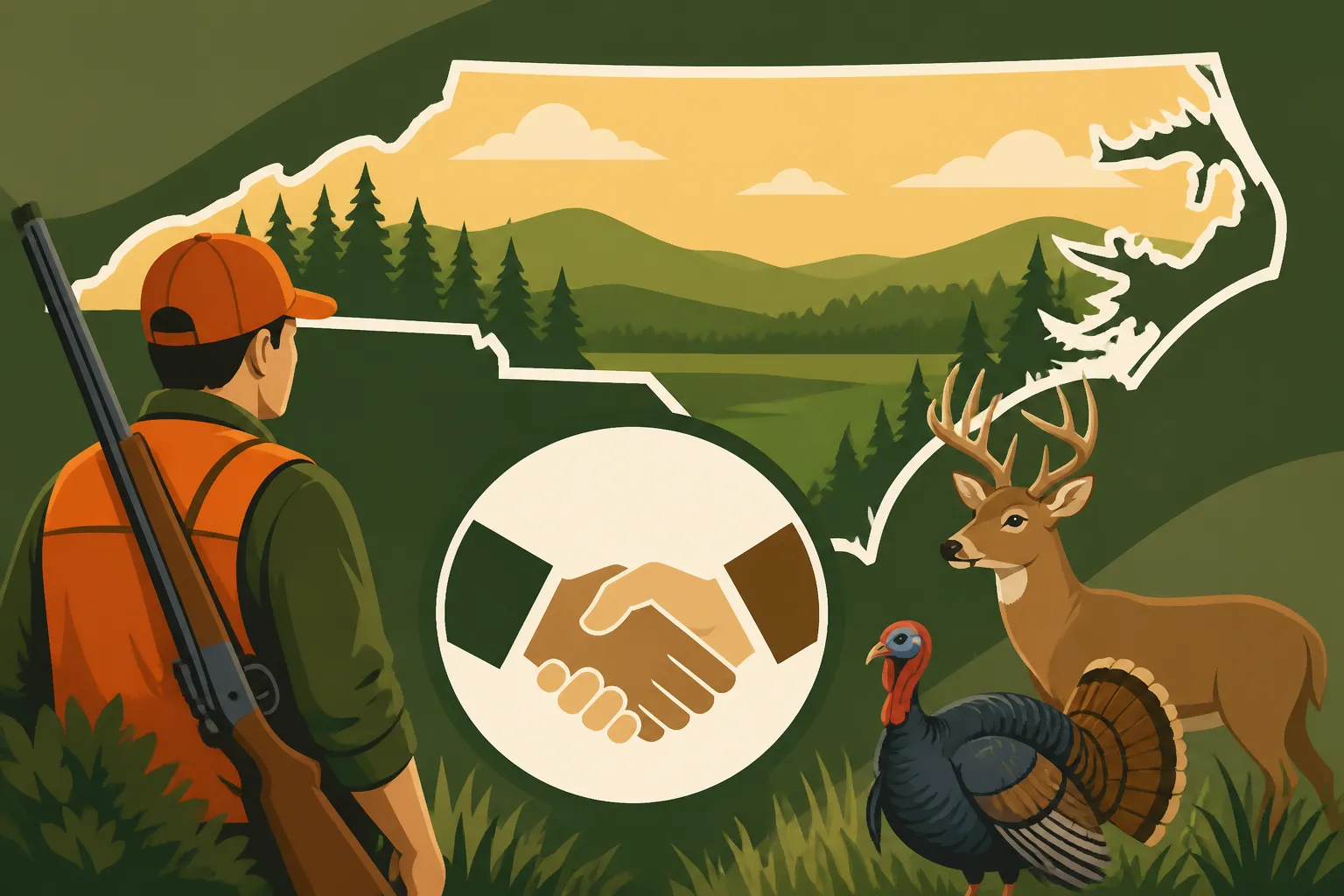
In essence, a North Carolina Wildlife Cooperator Agreement is a voluntary, formal partnership between a private landowner and the North Carolina Wildlife Resources Commission (NCWRC). Think of it as a win-win arrangement. The landowner agrees to open their property, or a designated portion of it, for public hunting access during specific seasons or for particular game species. In return, the NCWRC provides a range of invaluable services, including expert wildlife management advice, technical assistance with habitat improvement projects, and sometimes even free materials like seed for food plots or assistance with prescribed burns.
This isn't just a casual handshake deal; these are structured programs aimed at creating consistent, managed access. The "why" behind these agreements is pretty straightforward: as North Carolina grows, more and more private land becomes inaccessible due to development, posted signs, or simply landowners opting not to allow hunting. The NCWRC recognizes this challenge and uses these agreements to increase the overall pool of huntable land. It's a pragmatic solution to a complex problem, benefiting wildlife conservation by managing populations and giving hunters more options. These agreements can span a wide range of property sizes, from several hundred acres to expansive tracts covering thousands, often acting as crucial connectors or extensions to existing game lands or national forests, creating a more robust and contiguous hunting landscape.
The Role of the NC Wildlife Resources Commission
The NCWRC plays a pivotal role in these Cooperator Agreements, acting as the primary facilitator, manager, and overseer. Their involvement is what elevates these lands beyond simple private permission, ensuring they are managed for the long-term health of wildlife and the sustainability of hunting.
First and foremost, the NCWRC provides unparalleled management and oversight. Their team of professional wildlife biologists works directly with participating landowners. This means properties often receive tailored management plans focused on enhancing habitat for game species like deer, turkeys, and small game. They might advise on timber stand improvement, invasive species removal, or the creation of early successional habitat, all contributing to healthier ecosystems. For a landowner, gaining access to this level of expertise and resources can be a huge incentive, often far more than they could afford or manage on their own. The NCWRC also ensures that the agreed-upon public access is consistently maintained, clearly marking boundaries and access points for hunters.
The benefits for landowners extend beyond just technical advice. Many appreciate the assistance with achieving specific land management goals, whether it's increasing deer numbers, improving turkey roosting areas, or enhancing waterfowl habitat. There can even be potential tax incentives or other support programs associated with participating. For hunters, the NCWRC's role is critical because they are the ones guaranteeing that these areas are indeed open to the public, setting clear regulations, and providing the necessary information to access them. They monitor these properties to ensure compliance with the agreement terms, which is crucial for maintaining the integrity of the program and ensuring that hunters truly have the access that's advertised.
Expanding Your Hunting Horizons Through Cooperator Lands
One of the most exciting aspects of North Carolina's Wildlife Cooperator Agreements is the sheer diversity of hunting experiences they can unlock. These aren't cookie-cutter tracts; they offer a broad spectrum of habitats and opportunities that can significantly expand your hunting options.
Types of Lands Under Agreement
Cooperator lands are anything but uniform. You might find yourself hunting a meticulously managed pine plantation in the Sandhills one season, and then exploring a sprawling bottomland hardwood forest bordering a major river in the Coastal Plain the next. These properties are incredibly diverse, reflecting the rich tapestry of North Carolina's landscapes. Many agreements involve tracts owned by timber companies, which might open specific sections to hunting under NCWRC guidance. Other properties could be large family farms in the Piedmont, offering fantastic field-edge hunting opportunities, or even smaller, strategically located parcels that connect larger public land areas.
This geographical spread is vital. While you might expect to find these agreements concentrated in areas with extensive private land holdings, they actually pop up across the state, often in unexpected places. This means that hunters in almost any region of North Carolina might find a cooperator agreement property relatively close by. To discover these hidden gems, hunters should regularly check official NCWRC resources and utilize mapping applications. Many hunters use tools like GoHunt to layer public land boundaries with satellite imagery, which can help reveal these unique access points and hunting zones. For example, a timber tract opened under a cooperator agreement might offer fantastic habitat for white-tailed deer due to active forestry practices, or a private farm could provide excellent dove hunting opportunities on specific fields.
How Hunter Access is Granted
Access to Cooperator Agreement lands can vary, so it's absolutely crucial to do your homework before heading out. Some of these properties operate much like traditional game lands, meaning they are generally open to the public during specified seasons, requiring only a valid North Carolina hunting license and a Game Lands Permit. These "general access" areas are fantastic because they expand the pool of readily available hunting ground without requiring additional draws or applications.
However, other cooperator lands, especially those with more sensitive habitats or limited capacity, might be managed through quota hunts. This means you'll need to apply for a permit and be selected through a lottery system to gain access. While this requires an extra step, quota hunts often provide a higher quality experience due to reduced hunting pressure. It's also critical to understand that beyond the general state regulations, each Cooperator Agreement property might have its own specific rules and restrictions. These could include limitations on the type of weapon you can use, designated hunting days, restrictions on vehicle access, or even requirements for sign-in/sign-out procedures. Always make sure to check the specific regulations for the particular area you intend to hunt.
The seasonal opportunities on these lands are broad. You might find incredible spots for North Carolina Deer Season Structure Explained in the Piedmont, or prime locations for North Carolina Waterfowl Zones and Seasons in coastal regions. Some might even offer specific opportunities for small game or feral hogs. The diversity of species available further underscores the value these agreements bring to North Carolina hunters.
| Feature | NC Wildlife Cooperator Agreements | Standard NC Game Lands | General Private Land (with permission) |
|---|---|---|---|
| Land Ownership | Private (managed by NCWRC partnership) | State or Federally owned and managed by NCWRC | Private (managed by individual landowner) |
| Access | Public, usually clearly marked; sometimes requires Game Lands Permit | Public, clearly marked; almost always requires Game Lands Permit | Requires explicit, direct permission from landowner |
| Management | Joint (landowner & NCWRC) – focuses on wildlife habitat improvement | NCWRC (sometimes federal agencies) – broad wildlife & public use focus | Landowner's discretion – can vary wildly |
| Regulations | NCWRC regulations + specific area rules outlined in agreement | NCWRC regulations + specific game land rules | NCWRC regulations (statewide) + landowner's specific rules |
| Scouting Potential | Often good, but check specific rules | Generally good, but expect more pressure | Varies greatly by landowner, usually good for exclusive areas |
| Pressure | Moderate to high, depending on location and popularity | Often high, especially on opening days and popular areas | Low, if you have exclusive access |
Navigating and Utilizing Cooperator Agreement Lands
Once you understand what Cooperator Agreements are, the next step is actually finding and successfully hunting them. It takes a little homework, but the rewards of discovering new, productive hunting ground are well worth the effort.
Finding Cooperator Land Opportunities
Your primary resource for locating Cooperator Agreement lands will always be the official NCWRC website and its interactive map tools. The NCWRC maintains comprehensive information on all public hunting lands, including those under Cooperator Agreements. You can often filter map layers to specifically highlight these areas, providing detailed boundaries and access points. Don't overlook the annual NCWRC regulations digest; it typically contains lists and descriptions of these properties, along with any special rules that apply. Many hunters find the mobile apps, often powered by mapping technology, indispensable for Using the NC Wildlife Map Tool directly in the field.
Once you've identified a promising area, in-depth scouting and research are paramount. This is where tools like Reading Aerial Photos for Piedmont Deer or Scouting North Carolina Public Land Before Season come into play. Utilize online mapping platforms, which often feature layers showing land ownership, topography, and even recent timber cuts. Apps like GoHunt or those using onX Layers for North Carolina Land Status can be incredibly helpful for visualizing the terrain, identifying potential funnels, bedding areas, and ideal stand locations. If allowed, and always respecting any "no entry" periods, performing physical scouting trips before the season opens is the best way to understand the lay of the land, find fresh sign, and identify designated parking or access points. Remember, many cooperator lands have very specific entry points; creating your own access or trespassing onto adjacent private property is strictly forbidden and can jeopardize the entire agreement.
Hunter Etiquette and Rules of Engagement
Successfully hunting Cooperator Agreement lands isn't just about finding the deer or turkey; it's about being a responsible, respectful hunter. These programs are built on a foundation of trust between landowners, the NCWRC, and the hunting public.
First and foremost, always respect the landowner's trust. Adhere strictly to all posted rules and regulations for the specific property. This means leaving no trace behind – pack out all your trash, including spent shell casings. Leave gates exactly as you found them, whether open or closed. Avoid driving off designated roads or creating new trails. Any damage to property, disrespectful behavior, or disregard for rules can directly lead to a landowner withdrawing from the agreement, closing off access for everyone. Your actions reflect on the entire hunting community, so be a good ambassador.
You're likely to encounter other hunters on these lands, especially during peak seasons. Courteous behavior is essential for a positive experience. Give others ample space, avoid encroaching on established hunting spots, and communicate respectfully if you do cross paths. Apps like GoHunt can sometimes show real-time hunter locations (if users opt-in), or at least allow you to visualize pressure areas and help you in Finding Ground That Sees Fewer Hunters. Remember, these areas are often popular because they offer good opportunities, so a little patience and politeness go a long way. Finally, always be compliant with North Carolina's hunting regulations, including North Carolina Deer Reporting Requirements for any harvested game. Your participation in these administrative processes is vital for sound wildlife management and demonstrates your commitment to ethical hunting.
The Broader Impact on North Carolina Hunting and Conservation
Beyond the immediate benefit of more places to hunt, North Carolina's Wildlife Cooperator Agreements have a profound and lasting positive impact on wildlife, habitat, and the future of hunting in our state. These programs are a testament to what collaborative conservation can achieve.
Benefits for Wildlife and Habitat
One of the most significant upsides of these agreements is the enhanced wildlife and habitat management they facilitate. With the expert guidance of the NCWRC, landowners often implement habitat improvement practices that might not have happened otherwise. This can include targeted timber management to create diverse age classes of forest, prescribed burning to restore longleaf pine ecosystems, planting native forage for deer and turkey, or creating wetlands for waterfowl. These efforts lead directly to healthier, more robust ecosystems, which in turn support thriving populations of game species and non-game wildlife alike. Better habitat means better forage, more secure bedding and nesting cover, and overall more resilient wildlife populations.
Furthermore, hunting itself plays a crucial role in effective wildlife management, especially for species like white-tailed deer. Cooperator Agreements help distribute hunting pressure across a wider landscape, which is essential for achieving harvest objectives and maintaining healthy deer populations. This prevents overpopulation in certain areas, which can lead to habitat degradation and increased instances of deer-vehicle collisions. This is a critical component of sustaining the North Carolina Deer Population Estimate at healthy levels. In regions where Chronic Wasting Disease (CWD) is a concern, Cooperator Agreements can also facilitate better disease monitoring and testing efforts. By engaging more landowners and hunters in the surveillance process, the NCWRC can gain a clearer picture of disease prevalence and implement more targeted management strategies to protect the state's invaluable wildlife resources.
A Sustainable Future for North Carolina Hunting
In an era where access to quality hunting land is becoming increasingly challenging, Cooperator Agreements offer a vital bridge between landowners and the hunting community. As vast tracts of private land become less accessible, these programs ensure that current and future generations of hunters still have opportunities to pursue their passion. They represent a creative and effective solution to a growing conservation challenge, demonstrating how partnership can lead to tangible benefits for everyone involved.
These programs also foster a stronger sense of community. They connect landowners with conservation professionals and hunters, building relationships based on shared values and mutual respect. This collaborative spirit is absolutely essential for effective, long-term wildlife conservation. When hunters, landowners, and the NCWRC work together, great things can happen for North Carolina's wild places and its cherished hunting heritage. By actively seeking out and responsibly utilizing these Cooperator Agreement lands, hunters are directly supporting their continuation and potential expansion. Your commitment to ethical hunting practices and respect for the land and its owners is the strongest advocacy for ensuring these unique opportunities remain available for years to come, securing a sustainable future for hunting across North Carolina.
Important Disclaimer
The information provided in this guide is for general informational purposes only and is not intended as legal advice or an exhaustive list of all regulations. Hunting regulations, license requirements, and land access rules in North Carolina can change frequently. Always consult the most current North Carolina Inland Fishing, Hunting & Trapping Regulations Digest published by the NC Wildlife Resources Commission, as well as any specific rules posted at Cooperator Agreement locations, before planning or engaging in any hunting activities. It is the hunter's responsibility to know and obey all applicable laws and regulations.