Why the Red Wolf Recovery Program Struggled
It's tough when you see a species struggling, especially one as iconic and historically significant to our state as the red wolf. Many of us grew up hearing stories of these magnificent animals, and the efforts to bring them back have been met with a mix of hope, frustration, and often, genuine bewilderment as the program seemed to falter. This guide aims to shed light on the complex factors that contributed to the struggles of the Red Wolf Recovery Program in North Carolina, moving beyond simple narratives to understand the intricate challenges faced by both the wolves and the people involved.
The Lofty Ambition of Red Wolf Recovery
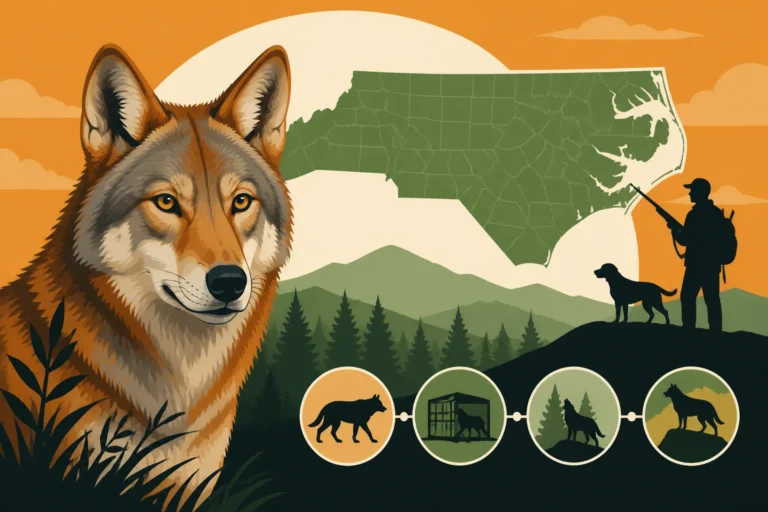
Let's cast our minds back to the sheer ambition behind the red wolf recovery program. When the last wild red wolves were captured in the 1970s, North Carolina became the crucible for a groundbreaking conservation effort. The goal wasn't just to save a species from extinction in captivity, but to reintroduce it back into its ancestral lands, allowing it to thrive once more. It was a bold vision, one that stirred the hearts of conservationists and offered a glimmer of hope for restoring ecological balance. Eastern North Carolina, with its mix of private and public lands, pocosin swamps, and agricultural fields, was chosen as the initial release site, specifically the Alligator River National Wildlife Refuge and surrounding areas. This choice was deliberate, aiming for an area with enough space and prey to support a growing population.
The very idea of taking an animal that was literally extinct in the wild and trying to give it a second chance is monumental. It required immense scientific expertise, dedicated personnel, and a belief that humans could right past wrongs. Early efforts focused on establishing a healthy captive breeding population and then carefully selecting individuals for release. The excitement was palpable when those first wolves, born and raised in captivity, finally set foot in the wild lands of North Carolina again. The hope was that they would adapt, reproduce, and eventually expand their range, becoming a self-sustaining wild population. You can learn more about their journey back in Red Wolf History in Eastern North Carolina.
Initial Successes and Early Challenges
In the beginning, there were definite signs of success. The wolves adapted to their new environment, found mates, and began to reproduce. For a while, it seemed like the program was on a steady, albeit slow, upward trajectory. The population grew, and biologists carefully monitored their movements, health, and interactions with the landscape. There was a sense that something truly special was happening, a living testament to what dedicated conservation could achieve.
However, even in those early days, subtle challenges began to emerge. The vast, interconnected mosaic of private and public lands presented a unique set of circumstances. Wolves don't understand property lines, and as they expanded their territories, they inevitably ventured onto private property. This brought them into closer contact with landowners, some of whom were less enthusiastic about having a federally protected predator on their acreage. These early challenges, while seemingly minor, were precursors to much larger issues that would ultimately plague the program. It highlighted the critical need for robust community engagement and clear communication from the outset.
The Looming Shadow of Human-Wildlife Conflict
One of the most significant and persistent struggles for the Red Wolf Recovery Program has been the complex issue of human-wildlife conflict. This isn't just about wolves harming livestock, though that's a part of it; it's also about perceived threats, misunderstanding, and the deep-seated anxieties that can arise when a large predator is reintroduced into an area where it hasn't existed for generations. Landowners, many of whom rely on their property for livelihood and recreation, found themselves facing new regulations and, in some cases, real concerns about their pets, small livestock, or hunting dogs.
The program's success hinged on acceptance from local communities. Without it, the wolves faced an uphill battle. The frustrations were real for many farmers and residents who suddenly had to navigate new rules and fears. This often led to skepticism and, unfortunately, illegal activities that directly impacted the wolves' survival. It’s a classic example of how conservation efforts, no matter how well-intentioned, can stumble without genuine local buy-in. Tools like GoHunt can help researchers and local officials understand land use patterns, which might aid in proactive conflict mitigation strategies, showing where private land meets potential wolf corridors, but human perception is far harder to map.
Direct Human Impacts: Illegal Take and Accidental Mortality
Perhaps the most devastating human impact on the red wolf population has been illegal killing. Whether intentional poaching or mistaken identity, the loss of even a few wolves due to direct human action had an outsized effect on such a small, fragile population. It’s incredibly frustrating for conservationists and those who support the program to see individuals deliberately undermining years of hard work. The enforcement of laws protecting endangered species can be challenging across vast, rural landscapes, making it difficult to deter or prosecute these acts effectively.
Beyond illegal killings, accidental deaths also chipped away at the population. Vehicle collisions, while perhaps less emotionally charged than poaching, were still a significant factor. When an animal is constantly expanding its range, it encounters roads and human infrastructure more frequently, leading to unavoidable accidents. Additionally, some wolves were accidentally caught in traps set for other species, such as North Carolina Feral Hog Regulations often lead to trapping efforts, or even coyotes, despite regulations designed to prevent this. Each loss, whether intentional or accidental, represented a severe setback, hindering the population's ability to grow and achieve self-sufficiency.
The Challenge of Coexisting with Hunting
North Carolina has a rich hunting heritage, and the introduction of a protected predator complicated the landscape for many hunters. While red wolves were generally not considered a threat to deer populations in the same way that coyotes might be, concerns about their presence, particularly regarding hunting dogs, were real for some. The issue of hunting dogs, especially those used for bear or deer drives, inadvertently encountering or being mistaken for wolves, became a flashpoint. Balancing the needs of an endangered species with established recreational activities, particularly on shared lands like North Carolina Game Lands, proved to be a delicate and often contentious task.
The ability for hunters to use tools like GoHunt to understand exact property lines and hunting zones is crucial, but it doesn't solve the underlying tension. The simple fact is that many people felt their way of life was being impacted, and without a clear, consistent, and empathetic dialogue, those feelings could easily turn into resentment. This challenge highlights how conservation must extend beyond biology and into the realm of social science, requiring extensive community outreach and compromise from all sides.
The Hybridization Hurdle: A Genetic Conundrum
When we talk about the struggles of the red wolf, we can't ignore the elephant in the room: hybridization with coyotes. This has arguably been one of the most insidious and difficult challenges to overcome, threatening the very genetic integrity of the red wolf as a distinct species. Imagine pouring years of effort into bringing a species back, only to find its unique genetic blueprint being diluted by a more common, adaptable cousin. It's a conservation nightmare.
Coyotes, being highly adaptable and relatively new to North Carolina in large numbers, quickly filled ecological niches. As red wolf numbers declined or became fragmented, their opportunities to find and mate with other red wolves diminished. Coyotes, on the other hand, were plentiful. This led to a significant amount of interbreeding, producing "coywolf" hybrids that carried a mix of red wolf and coyote DNA. This wasn't just a biological curiosity; it was a profound threat to the pure red wolf lineage. The issue became so prevalent that you can read more about it in North Carolina Coyote Range and Density and Coyotes and Predators in North Carolina.
The Coyote Conundrum: Too Many of the "Wrong" Kind
The story of coyotes in North Carolina is one of rapid expansion. They moved into the state over decades, adapting to everything from mountain forests to coastal farmlands. Their proliferation created a significant challenge for the red wolf program. Red wolves, in their prime, would naturally outcompete or avoid coyotes. But with such a small, reintroduced population, they simply didn't have the numbers or established social structures to prevent interbreeding effectively.
The program attempted to manage this by sterilizing coyotes within the red wolf recovery area and then releasing them back into the wild. The idea was that these "placeholder" coyotes would hold territories and potentially even mate with red wolves, but without producing viable hybrid offspring. This strategy, while innovative, proved incredibly resource-intensive and difficult to implement on the scale needed. It's like trying to bail water with a sieve when the tide is coming in. The sheer numbers and adaptability of coyotes made it an ongoing, exhausting battle.
Debates Over Species Identity and Management
The hybridization issue also fueled intense scientific and public debate about the very definition of the red wolf. If so many individuals carried coyote DNA, were they truly "red wolves" in the pure sense? This question, while academic to some, had profound implications for conservation policy and funding. It raised questions about whether the conservation efforts were truly saving a distinct species or merely managing a hybrid population.
These debates often overshadowed the broader conservation goals and led to further disagreements among stakeholders. It's a classic catch-22: managing the hybridization was crucial, but the efforts to do so were costly and met with varying degrees of success and acceptance. Understanding the movements and territories of various canids is where advanced mapping tools, like those found on GoHunt, become invaluable for biologists trying to discern patterns and implement management strategies.
Navigating Legal Labyrinths and Policy Shifts
Beyond the biological and social challenges, the Red Wolf Recovery Program was consistently entangled in legal disputes and policy shifts. The Endangered Species Act (ESA) provides powerful protections, but its implementation can be complex, especially when dealing with private land, varying public sentiment, and changing political landscapes. This bureaucratic and legal struggle often created uncertainty and hindered consistent, long-term management efforts.
The program was regularly challenged in court, with environmental groups advocating for stronger protections and other groups seeking more flexibility or even an end to the program. These legal battles drained resources, diverted attention from on-the-ground conservation, and often left the future of the wolves hanging in the balance. It's a stark reminder that conservation is rarely just about the animals; it's deeply entwined with law, politics, and human values.
Shifting Policies and Management Approaches
Over the years, the management approach for the red wolves saw several shifts, often in response to legal challenges, scientific findings, or changes in administration. What started as a fairly hands-on, intensive management program, including measures like translocating problem animals or managing coyote populations, became increasingly constrained. There were periods when the program seemed to be pulling back, reducing active management efforts like coyote sterilization, which further exacerbated the hybridization problem.
This inconsistency in management, driven by external pressures, made it incredibly difficult for the red wolf population to gain stable footing. Imagine trying to run a business where the rules of operation keep changing every few years – it’s a recipe for instability. The lack of a clear, consistently implemented long-term strategy was a significant factor in the program's struggles. For anyone interested in the legal framework surrounding wildlife, platforms like GoHunt can sometimes offer insights into public land regulations and access issues, which often stem from these broader legal frameworks.
The Role of Private Land and Landowner Rights
A crucial aspect of the program's legal and policy struggles revolved around private land. Much of the suitable habitat for red wolves in eastern North Carolina is privately owned. While landowners were initially engaged through voluntary agreements, the complexities of managing a wide-ranging predator across thousands of private parcels became immense. Concerns about property rights, regulatory burdens, and limited compensation for potential impacts were frequently voiced.
The perception, whether accurate or not, that the federal government was overreaching or imposing regulations on private citizens without adequate support fueled much of the opposition. This tension between conservation mandates and individual property rights became a central conflict, often leading to stalemates that directly impacted the program's ability to operate effectively. North Carolina Wildlife Cooperator Agreements were designed to bridge this gap, but not every landowner opted in, leading to significant challenges in contiguous habitat management.
Current Status and Future Outlook for Red Wolves
Despite the myriad challenges, the Red Wolf Recovery Program continues, albeit with a greatly reduced wild population. The numbers in the wild have fluctuated dramatically over the years, often falling to critically low levels, making their continued existence precarious. Conservation efforts have increasingly focused on strengthening the captive breeding population and carefully considering any future releases.
The lessons learned from the struggles in North Carolina are profound. They highlight the immense complexity of reintroducing top predators into human-dominated landscapes, underscoring the critical importance of robust community engagement, consistent policy, and adaptable management strategies. The future of the red wolf in the wild hinges on finding a sustainable balance between conservation goals and human needs, a balance that has proven incredibly elusive thus far.
Hope for the Future: A Renewed Focus?
While the struggles have been undeniable, there is still hope for the red wolf. Dedicated conservationists, scientists, and even some local landowners continue to work towards a future where this unique canid can thrive. Efforts are ongoing to refine management strategies, enhance public education, and explore new approaches to mitigate human-wildlife conflict and hybridization. The program's challenges have also informed broader conservation strategies, offering invaluable insights into what works and what doesn't when attempting such ambitious reintroductions.
Many hope for a renewed, aggressive focus on on-the-ground management, including more effective coyote management and stronger community partnerships. The very existence of the species in North Carolina today, despite all the setbacks, is a testament to the resilience of the wolves themselves and the unwavering dedication of those who believe in their future. It's a long, uphill climb, but the story of the red wolf is far from over.
The Ongoing Conservation Conversation
The red wolf program has become a focal point for the larger conversation around endangered species and human coexistence. It forces us to confront difficult questions about our values, our responsibilities to the natural world, and our willingness to adapt. For hunters and outdoors enthusiasts, understanding the historical context and the ongoing challenges of species like the red wolf adds another layer of appreciation for North Carolina's diverse wildlife. You might also be interested in other large predators like North Carolina's Black Bear Population and how their management differs.
Ultimately, the struggles of the Red Wolf Recovery Program are a powerful reminder that conservation is not a simple linear path. It's a winding, complex journey filled with biological puzzles, social dynamics, and legal battles. But it's a journey we must continue, learning from our past and striving for a future where all of North Carolina's native species have a chance to thrive.
| Challenge Category | Specific Issue | Impact on Recovery Program |
|---|---|---|
| Human-Wildlife Conflict | Illegal Killings (poaching, mistaken identity) | Direct reduction of already small population, severe genetic loss, loss of breeding individuals |
| Accidental Mortalities (vehicle strikes, traps) | Steady attrition, hinders population growth, resource drain for recovery efforts | |
| Landowner Opposition & Resentment | Lack of cooperation, reduced habitat access, increased conflict incidents | |
| Genetic & Biological | Hybridization with Coyotes | Dilution of red wolf genetics, threat to species identity, complex management burden |
| Low Population Density / Lack of Mates | Reduced breeding success, slower population growth, increased inbreeding risk | |
| Coyote Population & Management Difficulty | Overwhelmed management strategies, resource-intensive and often ineffective | |
| Legal & Policy | Legal Challenges & Lawsuits | Drained resources, created uncertainty, diverted attention from on-the-ground work |
| Shifting Management Policies | Inconsistent long-term strategy, created instability, undermined program's effectiveness | |
| Private Land Access & Property Rights | Limited and fragmented habitat, friction with landowners, difficulty in enforcement |
Disclaimer
This article is for general informational purposes only and does not constitute professional advice. Laws, prices and regulations vary by location and change over time. Consult a qualified professional for guidance on your specific situation.