North Carolina Feral Hog Regulations
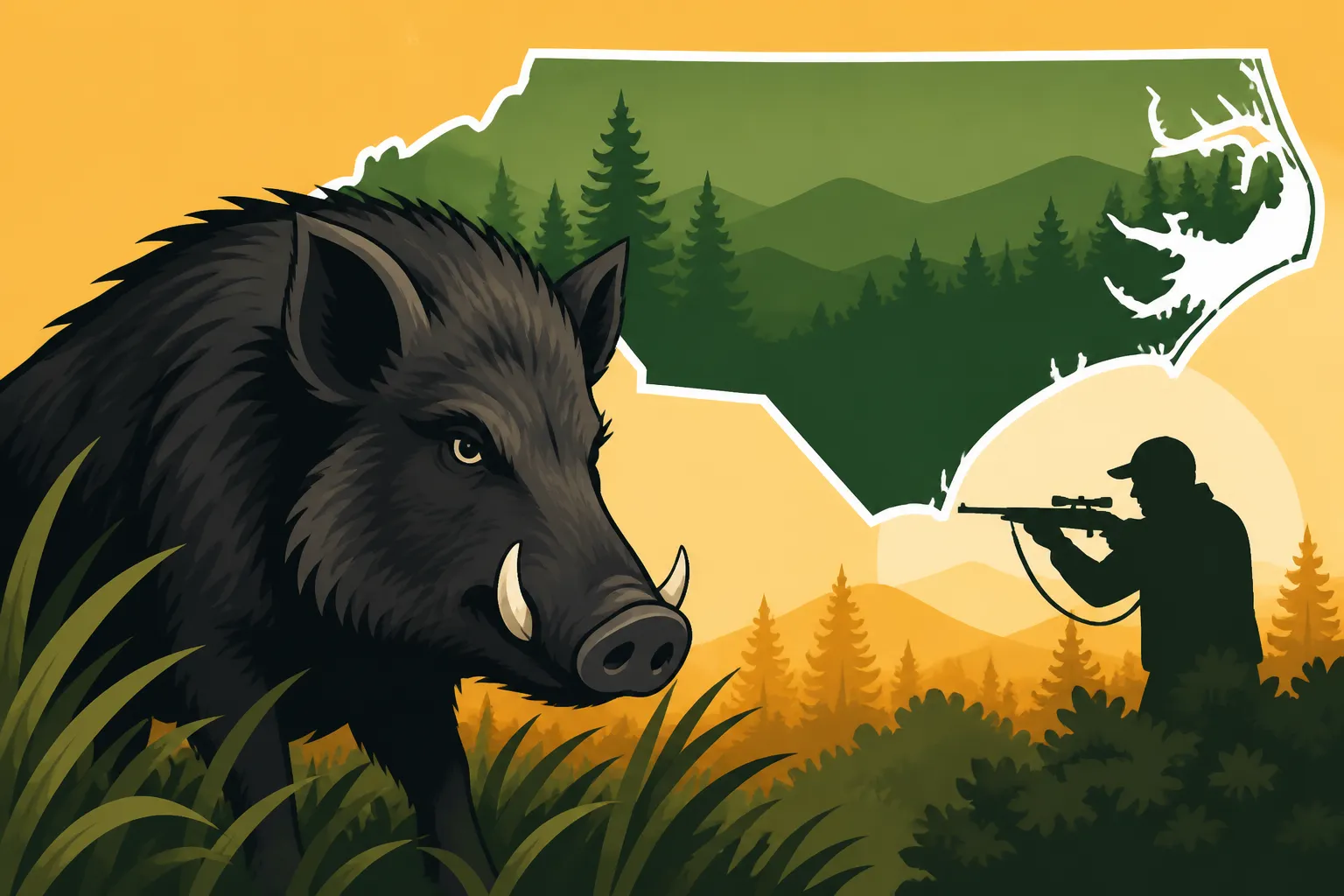
For anyone who’s spent time in the North Carolina outdoors, especially down east or in the central part of the state, you know the growing headache that feral hogs represent. They tear up fields, destroy wildlife habitat, and frankly, they’re just a nuisance to deal with. This comprehensive guide is designed to cut through the confusion surrounding North Carolina’s feral hog regulations, giving you a clear understanding of how and where you can legally hunt these destructive animals and contribute to controlling their population.
Understanding the Feral Hog Problem in North Carolina
Feral hogs aren't just a minor annoyance; they are an ecological and agricultural catastrophe in slow motion, relentlessly expanding their range and impact across North Carolina. If you’ve ever stumbled upon a field that looks like it’s been rototilled overnight, or seen a creek bottom churned into a muddy mess, chances are you’ve witnessed the aftermath of a feral hog sounder. These aren’t native animals; they’re an invasive species that poses significant threats to our state's delicate ecosystems and the livelihoods of its farmers. They reproduce at an alarming rate, making effective management incredibly challenging, but also incredibly important for anyone who cares about our wildlife and land.
Ecological Damage They Cause
The damage feral hogs inflict on North Carolina’s natural environment is staggering and pervasive. These opportunistic omnivores root through the soil, consuming native plant seeds, tubers, and even small animals, directly competing with native wildlife for crucial food sources. Imagine a deer, turkey, or squirrel trying to find acorns in a hardwood bottom only to find that a sounder of hogs has already devoured them all. Their constant rooting also disrupts soil structure, leading to increased erosion and degraded water quality, especially around sensitive wetland areas and stream banks. This habitat destruction impacts everything from ground-nesting birds like wild turkeys and quail to salamanders and other amphibians that rely on stable, healthy ecosystems. When these hogs move through an area, they leave a path of ecological devastation that can take years to recover from, if it ever fully does.
Agricultural Impact on Farmers
For North Carolina farmers, feral hogs are more than just a nuisance; they are an economic drain and a source of immense frustration. These destructive animals can wipe out entire fields of crops overnight, from corn and soybeans to peanuts and sweet potatoes. Imagine the countless hours a farmer spends planting, tending, and hoping for a good harvest, only to wake up and find their livelihood literally torn from the ground. They'll root up tender young plants, trample mature crops, and contaminate feed supplies, costing farmers untold thousands of dollars annually. Many farmers are at their wits' end, constantly battling these intelligent and prolific pests. The damage extends beyond just crops, too; hogs can also undermine fences, damage irrigation systems, and even harass or injure livestock, adding further financial burden and stress to an already challenging profession. This is why agricultural producers are often the most vocal proponents of aggressive hog control measures. You can learn more about the specific challenges in our piece on Crop Damage Hogs Cause in North Carolina.
Disease Risks to Wildlife and Livestock
Beyond the physical destruction, feral hogs are also significant vectors for a host of diseases that can devastate both domestic livestock and native wildlife populations. They are known carriers of diseases like brucellosis, leptospirosis, and pseudorabies – ailments that can be transmitted to cattle, swine, and even humans. While these diseases might not always be immediately visible, they can cause reproductive failure in livestock, lead to costly quarantines, and necessitate herd culling. For our native deer, bears, and other wildlife, the introduction of such pathogens can have severe consequences, impacting population health and potentially leading to widespread die-offs. This makes careful handling of hog carcasses and strict biosecurity measures crucial for anyone involved in hog control, whether you’re a hunter or a landowner. The potential for these diseases to spread, especially given the hogs' transient nature and ability to cover large distances, is a constant concern for wildlife biologists and agricultural health officials alike, highlighting the importance of managing Feral Hogs Across North Carolina.
General Regulations for Feral Hog Hunting
The state of North Carolina takes the threat of feral hogs very seriously, recognizing them not as game animals, but as destructive, invasive pests. This fundamental distinction is crucial because it dictates the regulations, or often, the lack thereof, when it comes to hunting them. Unlike deer or turkey, which have strict seasons, bag limits, and method restrictions, feral hogs are treated as an invasive species that needs to be controlled year-round, by any legal means necessary, particularly on private lands. This approach empowers landowners and hunters to take aggressive action against these animals, which is a rare but welcome change for those who are used to navigating complex hunting regulations for other species.
Year-Round Hunting Status
One of the most significant aspects of North Carolina’s feral hog regulations is their year-round hunting status. That's right, there is no closed season for feral hogs. This means you can pursue them every single day of the year, a reflection of their designation as a non-game, destructive species. This "anytime" rule is a massive advantage for hunters and landowners alike, allowing for consistent pressure on hog populations and providing flexibility for when to hunt. If you see them, you can hunt them – that's the general idea. This is particularly beneficial for farmers who might have hogs destroying crops in the middle of summer when traditional hunting seasons are closed. It allows for an immediate response to mitigate damage, which is something you certainly can't do for deer or turkeys. This aggressive, year-round approach is a cornerstone of the state's efforts to curb their spread and impact, as detailed further in North Carolina's Year-Round Hog Rule on Private Land.
No Bag Limits or Size Restrictions
When it comes to feral hogs in North Carolina, the concept of a "bag limit" or "size restriction" simply doesn't exist. There are no limits on the number of hogs you can harvest in a day, a week, or a year. Whether you take one, ten, or fifty, the state encourages their removal. This "the more, the better" philosophy underscores the severity of the feral hog problem and the urgency with which wildlife officials want these animals removed from the landscape. You won't find any rules about antler points, minimum weights, or sex restrictions; every feral hog on the ground is considered a victory in the fight against their destructive nature. This freedom from traditional game animal restrictions means hunters can focus purely on eradication rather than selective harvesting, which is a powerful tool in population control. It eliminates the worry of exceeding a daily limit or passing on a smaller hog, allowing hunters to maximize their efforts against the population.
Hunting Hours and Methods Permitted
While the general rule for hogs on private land is "almost anything goes," there are still some important nuances regarding hunting hours and methods, especially when considering different types of land. On private land, hunters have a great deal of latitude. You can hunt hogs day or night, often with the aid of lights, thermal imaging, or night vision equipment, provided you have the landowner's permission and follow all local ordinances. This flexibility is key to effective hog control, as these animals are largely nocturnal. However, on public lands, the rules often revert to those for other game species, meaning hunting is generally restricted to daylight hours, typically 30 minutes before sunrise to 30 minutes after sunset, unless specifically stated otherwise for a particular Game Land or National Forest tract.
The methods permitted are also quite broad. Most legal hunting implements are allowed for feral hogs, including rifles, shotguns, muzzleloaders, handguns, bows, and crossbows. Trapping is also a highly effective and widely used method, especially for capturing entire sounders. The critical distinction is always between private and public land. For instance, while you might be able to use a semi-automatic rifle with a large capacity magazine on private land for hogs, public land regulations might impose caliber restrictions or magazine limits. Always check the specific regulations for the public land area you intend to hunt, as these can vary. Understanding these subtle but important differences is vital to staying on the right side of the law while still being an effective hog hunter.
Specific Methods and Equipment Allowed
North Carolina’s liberal regulations for feral hog control extend to the methods and equipment hunters can employ, particularly on private property. This flexibility is a direct response to the difficulty of managing these intelligent and prolific pests. Unlike regulated game species where weapon choice and hunting styles are often tightly restricted, hogs offer a wide array of options, allowing hunters to choose the most effective tools for their specific situation. This means whether you prefer the precision of a rifle, the stealth of archery, or the strategic advantage of trapping, you’ll likely find a legal avenue to pursue feral hogs in the Tar Heel State.
Firearms and Ammunition Rules
When it comes to firearms, North Carolina offers considerable leeway for hunting feral hogs on private land. Generally, if it’s a legal firearm for hunting other big game in the state, it’s legal for hogs. This includes most centerfire rifles, shotguns (with appropriate shot or slug ammunition), and handguns. There are no specific caliber restrictions for hogs, which means hunters can use anything from smaller varmint calibers to larger magnum rounds, though ethical hunting dictates choosing a caliber appropriate for humanely dispatching such a tough animal. Many hunters prefer larger calibers like .308, .30-06, or 6.5 Creedmoor for their stopping power, especially in low-light conditions or when hogs are on the move. Shotguns loaded with slugs or buckshot are also effective in dense cover, offering a wider pattern for close-range encounters.
Perhaps the most significant difference from traditional game hunting is the allowance for certain accessories. On private land, high-capacity magazines are generally permissible, and hunters can utilize suppressors without additional state permits (though federal NFA rules still apply). This means you can run a semi-automatic rifle with a 30-round magazine and a suppressor, making for much more effective and discreet hog eradication, especially when dealing with multiple animals. The goal is efficient removal, and these tools aid significantly. However, it’s imperative to remember that on public Game Lands, firearms regulations typically revert to those for deer hunting, which often means limitations on magazine capacity, and in some areas, prohibitions on certain calibers or full-auto capability. Always confirm the specific rules for the public land tract you plan to hunt; a quick check with the NC Wildlife Resources Commission’s online maps or a resource like GoHunt can help clarify these boundaries and associated rules.
Archery and Crossbow Regulations
For those who prefer a quieter, more primitive hunting experience, archery equipment and crossbows are also entirely legal and highly effective for hunting feral hogs in North Carolina. Just as with firearms, the rules are very accommodating, especially on private land. Standard vertical bows, including recurves, longbows, and compound bows, can be used. There are no minimum draw weight requirements specifically for hogs, but again, ethical hunting dictates using a bow with sufficient power to ensure a clean, humane kill. Many archers opt for heavy arrows and stout broadheads, either fixed or mechanical, to punch through the thick hide and bone structure of a mature boar.
Crossbows are also legal for hog hunting throughout the year. North Carolina has clear rules regarding Crossbow Rules During North Carolina Archery Season, and these generally extend to hog hunting. There are no special permits required to use a crossbow, and they offer a great option for hunters who may have physical limitations with a traditional bow or simply prefer the added stability and higher draw weights achievable with a crossbow. When using archery equipment, shot placement is absolutely critical due to the hog's unique anatomy, particularly the shield on older boars. Many experienced hog hunters target the ear or just behind the shoulder, aiming for a double-lung or heart shot. The quiet nature of archery also makes it ideal for stalking hogs, particularly in areas where you want to minimize disturbance to other wildlife or nearby residences.
Trapping and Snaring for Hogs
While shooting hogs gets a lot of attention, trapping is often the most efficient and effective method for removing large numbers of feral hogs, especially entire sounders, from a given area. North Carolina allows trapping for feral hogs year-round, both on private and most public lands (though specific public land regulations for trap types and placement should always be verified). Trapping capitalizes on the hog’s social nature and their tendency to habituate to food sources. Large corral traps, often equipped with remote trigger mechanisms, are particularly popular. These traps are designed to capture multiple animals at once, effectively removing a significant portion of a local population in a single event.
Setting up a successful trapping operation requires patience and strategic baiting. Corn is a common and highly effective bait, often soured to increase its appeal. Trappers will pre-bait an area for several days or even weeks, allowing hogs to become comfortable feeding within the trap enclosure before the gate is finally set. Snaring is another legal method, though it requires careful placement to avoid catching non-target animals and is often more regulated on public lands due to this risk. Before deploying any traps or snares, it’s crucial to understand and adhere to North Carolina’s trapping laws, including any requirements for checking traps regularly and dispatching captured animals humanely. You can find more detailed information on specific techniques in our article about Trapping North Carolina Feral Hogs. Trapping is a long-term commitment, but when done correctly, it can drastically reduce hog numbers and the damage they cause, offering a systematic approach to what is often a chaotic problem.
Night Hunting and Lights on Private Land
Feral hogs are primarily nocturnal creatures, meaning they do much of their feeding and movement under the cover of darkness. This natural behavior presents a significant challenge for daytime hunters but also an incredible opportunity for effective control when regulations allow for night hunting. North Carolina, recognizing the urgent need to manage these pests, has embraced policies that permit night hunting for hogs, especially on private lands. This approach maximizes the hours available for hunters to target hogs, aligning with their natural activity cycles and significantly increasing the chances of successful eradication efforts.
Legality on Private Property
For private landowners and their guests, night hunting for feral hogs in North Carolina is unequivocally legal and widely encouraged. This is a critical distinction from hunting most other game species, where night hunting is strictly prohibited. On private land, you can use artificial lights, including spotlights, weapon-mounted lights, thermal imaging devices, and night vision optics, to locate and harvest feral hogs. This freedom is a game-changer for effective hog control. Hogs that are pressured during the day often become entirely nocturnal, making traditional daylight hunting largely ineffective. The ability to hunt them at night allows hunters to exploit this behavior, putting pressure on them when they feel safest and are most active. Many hunters find that sitting over a bait pile or a known hog travel corridor with thermal optics is incredibly effective.
However, even with this broad permission, common sense and safety must always prevail. Ensure you have a clear understanding of your shooting lanes, backstops, and what lies beyond your target, especially in the dark. Always confirm that you have explicit permission from the landowner to hunt at night and use lights. It's also wise to inform neighbors if you plan to be hunting with lights after dark, simply as a courtesy and to prevent any alarm. Understanding property lines is paramount, and tools like the GoHunt app can be invaluable for pinpointing exactly where your property ends and a neighbor's or public land begins, preventing accidental trespassing or shooting onto prohibited areas during low-light conditions.
Public Land Restrictions and Exceptions
While night hunting for hogs is generally a go-ahead on private land, the rules shift dramatically when you venture onto public lands in North Carolina. On most Game Lands and National Forests, the standard hunting hours apply, meaning hunting is permitted only from 30 minutes before sunrise to 30 minutes after sunset. This restriction is in place for safety, to prevent conflicts with other recreational users, and to manage hunting pressure on other game species. You cannot simply show up on a national forest at midnight with your thermal scope and start hunting hogs.
However, there can be exceptions. Some specific Game Lands or National Wildlife Refuges may occasionally implement special depredation hunts or management programs that allow for extended hours or night hunting for hogs. These are rare and usually require specific permits, lottery draws, or sign-up periods. It’s absolutely critical that you check the most current regulations for the specific public land you intend to hunt. The NC Wildlife Resources Commission's website, along with individual National Forest and Refuge websites, will publish these specific rules. Never assume that the private land rules extend to public ground; doing so could lead to significant fines, confiscation of equipment, and loss of hunting privileges. Always do your homework thoroughly before embarking on a night hunt on any public land in North Carolina.
Safety Considerations for Night Operations
Hunting at night, especially with the aid of powerful lights or thermal/night vision devices, introduces a unique set of safety considerations that must be taken seriously. Visibility is obviously reduced, increasing the risk of misidentifying targets, improper shot placement, or accidental discharge. Always positively identify your target before pulling the trigger, not just that it’s an animal, but that it’s definitively a feral hog and not another species or, worse, a person. This is where quality optics shine, but even the best equipment doesn't replace careful observation. Using a tripod or steady rest for your rifle is highly recommended to improve accuracy in the dark.
Furthermore, communicating with hunting partners is vital. Know where everyone is at all times, and establish clear fields of fire. Wearing blaze orange or pink is not required for night hunting, but a visible light source for moving around and marking your location can be crucial. Be aware of your surroundings for obstacles like uneven terrain, hidden ditches, or downed trees that are easily missed in the dark. Have a fully charged phone, a reliable flashlight, and a first-aid kit readily accessible. The added layer of complexity that darkness brings demands an even higher level of discipline and attention to detail than daylight hunting. If you plan on Night Hunting Hogs With Lights on Private Land, ensure you've thought through every safety aspect to make it a secure and successful endeavor.
Dealing with Feral Hog Carcasses
Harvesting a feral hog is a victory in the ongoing battle against this invasive species, but the job isn't done once the shot is fired. Proper handling of the carcass is not just about showing respect for the animal, but more importantly, it's about biosecurity and public health. Feral hogs are known carriers of various diseases, some of which can be transmitted to humans, domestic livestock, and other wildlife. Therefore, understanding the regulations and best practices for dealing with hog carcasses in North Carolina is as crucial as knowing how to hunt them. This involves everything from reporting (or lack thereof) to safe disposal and processing for consumption.
Reporting and Tagging Requirements
Here’s some good news for feral hog hunters in North Carolina: there are no specific reporting or tagging requirements for harvested feral hogs. Unlike deer or turkeys, where every animal must be reported to the NC Wildlife Resources Commission within a certain timeframe and tagged, you do not need to check in a feral hog. This again underscores their classification as a non-game, destructive pest rather than a regulated game animal. The state’s primary goal is their removal, and removing administrative hurdles helps encourage that. You won’t need to worry about filling out a harvest report on the NCWRC app or website after a successful hog hunt.
However, this lack of formal reporting doesn't mean you shouldn't keep your own records, especially if you're a landowner actively managing a hog problem or a hunter who regularly helps farmers. Keeping a personal log of hog harvests can provide valuable data on population trends, areas of high activity, and the effectiveness of your control efforts. This information, while not mandated by the state, can be incredibly useful for adaptive management strategies. While the state doesn't require it, some private land operations or hunting clubs might ask you to report harvests for their own internal data, so always check with the specific landowner or club rules.
Disposal and Biosecurity Measures
Given the potential for feral hogs to carry diseases, responsible carcass disposal and stringent biosecurity measures are paramount. Simply leaving a hog carcass exposed can spread pathogens to scavengers, contaminate soil and water, and even attract more hogs to the area. The ideal method for disposal, especially for multiple animals or if disease is suspected, is deep burial (at least 3-4 feet deep) or incineration. If burying, ensure the site is away from water sources and livestock areas. In rural areas, some landowners may have dedicated pits for this purpose.
For hunters who harvest a single hog, transporting it can also be a vector for disease spread. Avoid dragging carcasses over long distances or through areas frequented by other wildlife or livestock. If you're quartering the animal in the field, remove all entrails and leave them in a discreet, deep location away from human and animal traffic, preferably in an area that scavengers won't easily access. Always wear gloves when field dressing any animal, but especially a hog, and thoroughly sanitize all knives, tools, and surfaces that come into contact with the animal afterward. Bleach solutions are effective disinfectants. Never dispose of hog carcasses or gut piles in public waterways or near public access points. Remember, your actions directly impact the health of other animals and the environment. These biosecurity principles are particularly important when considering North Carolina Carcass Movement Restrictions related to disease zones.
Processing and Consumption Guidelines
Many hunters enjoy processing and consuming feral hog meat, and it can be delicious if handled properly. However, due to the disease risks, specific precautions must be taken. The most critical step is thorough cooking. Unlike deer or bear, wild hog meat should always be cooked to an internal temperature of at least 160°F (71°C) to kill any potential parasites like Trichinella spiralis (trichinosis) or bacteria. Using a meat thermometer is highly recommended. Never consume wild hog meat rare or medium-rare.
When processing, work in a clean environment and keep the meat chilled as quickly as possible, especially in warmer weather. Wear gloves throughout the entire process. If you notice any unusual lesions, cysts, or discolored organs during field dressing or processing, it is advisable to discard the carcass entirely and report your findings to the NC Wildlife Resources Commission or a local veterinarian. While rare, these signs could indicate a more serious disease. Freezing meat can kill some parasites, but not all, so it’s not a substitute for thorough cooking. Many hunters also opt to grind hog meat into sausage, often mixing it with pork fat, and curing or smoking can add an extra layer of safety and flavor. Always prioritize safety and hygiene when considering consuming feral hog meat; a little extra caution goes a long way.
Public Versus Private Land Regulations
Understanding the distinction between public and private land regulations is arguably the most critical aspect of hunting feral hogs in North Carolina. While the overarching goal is hog eradication, the rules governing how and when you can pursue these animals differ significantly depending on whose land you are on. This duality reflects both the state's recognition of private property rights and its responsibility to manage public resources for a wide range of uses and users. Misunderstanding these differences can lead to legal trouble, so paying close attention to these details is non-negotiable for any aspiring hog hunter.
Hunting Hogs on Game Lands and National Forests
When hunting on North Carolina’s public lands – which include designated Game Lands managed by the NC Wildlife Resources Commission, as well as federal lands like Pisgah, Nantahala, Croatan, and Uwharrie National Forests – the rules for feral hog hunting generally align with those for other game species. This means that while you can still hunt hogs year-round, you are typically restricted to legal hunting hours (usually 30 minutes before sunrise to 30 minutes after sunset), and the use of artificial lights, thermal optics, or night vision for hunting is prohibited. Think of it this way: if you can't use it for deer hunting on that specific Game Land, you likely can't use it for hog hunting either.
Furthermore, weapon-specific regulations, such as minimum caliber requirements, magazine capacity limits, and prohibitions on certain types of firearms, often apply to hog hunting on public land, just as they do for deer season. For example, some Game Lands might restrict centerfire rifles during certain archery-only seasons, even if you’re only targeting hogs. Vehicle access, camping rules, and the use of bait are also usually more restrictive on public lands. It is absolutely essential to consult the specific rules for the Game Land or National Forest you plan to visit, as these can vary. The NCWRC website and individual forest service offices publish detailed regulations. Utilizing tools like the Using the NC Wildlife Map Tool or commercial mapping apps can help identify specific public land boundaries and may even show some special regulations or closures within certain areas. Being a responsible public land hunter means knowing and adhering to these specific guidelines, even when targeting a nuisance animal like a feral hog.
Rules for Private Property Owners and Guests
On private land, the situation is dramatically different, offering significantly more flexibility and fewer restrictions for feral hog hunting. As a private landowner, or a guest with explicit permission, you generally have the freedom to hunt hogs year-round, at any time of day or night, and with a wider array of equipment. This includes the legal use of artificial lights, thermal imaging, and night vision devices, which are often the most effective tools for targeting these largely nocturnal animals. The state grants this latitude to private citizens because it recognizes the severe economic and ecological damage hogs inflict on private property, empowering landowners to take aggressive measures to protect their land and crops.
Weapon choices on private land are also much broader. You can typically use high-capacity magazines, suppressors (if federally legal), and other firearms accessories that might be restricted on public lands. The logic is simple: the hog problem is severe, and private landowners should have the tools to address it. However, this freedom comes with responsibility. Even on private land, you must adhere to all local firearm discharge ordinances, maintain safe shooting practices, and ensure that your hunting activities do not infringe on the rights or safety of neighboring properties. Always be mindful of noise, especially at night, and ensure you have clear communication with adjacent landowners if your hunting activities might affect them. The emphasis here is on landowner control and responsibility, allowing them to manage the pests affecting their specific acreage.
Obtaining Permission and Avoiding Trespass
For hunters who don't own land, obtaining explicit permission from a private landowner is the gateway to enjoying the highly flexible hog hunting regulations. North Carolina law takes trespassing very seriously, and ignorance is no excuse. Always seek and obtain verbal or, ideally, written permission before stepping foot on private property to hunt. This isn't just a legal formality; it's a matter of respect and building positive relationships with landowners. Many farmers are desperate for help with hog control, so don't be shy about asking. Offering to help with other farm tasks or sharing some processed meat can often go a long way in securing access. Our article on Getting Private Land Permission in North Carolina offers more in-depth advice on this crucial step.
Before heading out, use mapping tools like GoHunt or other GPS apps to clearly identify property lines. These tools layer property ownership information over topographical maps, making it easy to see exactly where you are and where boundaries lie. Even a few yards onto a neighbor's property without permission can be considered trespassing. Pay attention to "No Trespassing" signs, purple paint marks on trees (which often denote posted property in North Carolina), or other markers. If you're hunting near a property line, be acutely aware of your target and your backstop to ensure no projectiles leave the property where you have permission. Always err on the side of caution; a polite inquiry and a clear understanding of boundaries can prevent an otherwise enjoyable hunt from turning into a legal nightmare.
Chronic Wasting Disease and Feral Hogs
Chronic Wasting Disease (CWD) is a neurological disease affecting deer and elk, and it's a major concern for wildlife managers across North America, including in North Carolina. While CWD has primarily been identified in cervids (deer family), the potential for other species, including feral hogs, to contract or spread the disease is a topic of ongoing research and significant concern. As hunters, being aware of this potential link and understanding the recommended precautions is vital to protecting our state's wildlife resources and ensuring the safety of the food we consume. The presence of CWD in North Carolina's deer herd, particularly in counties like Surry, has amplified the need for vigilance. You can find more comprehensive details on Chronic Wasting Disease Risk in North Carolina.
Hog Susceptibility and Transmission Risk
The scientific community is still actively researching the full extent of feral hogs' role in CWD transmission. While deer are the primary carriers, some studies have indicated that hogs could potentially be susceptible to CWD or, at the very least, act as mechanical vectors, meaning they could carry CWD prions (the infectious proteins) on their hooves, snouts, or in their digestive tracts from contaminated soil or carcasses to new areas. Hogs are known for their rooting behavior and their tendency to scavenge on carcasses, which are prime ways for prions to be picked up and spread. Imagine a sounder of hogs rooting through an area where a CWD-infected deer carcass was left or where an infected deer regularly deposited bodily fluids. The prions could adhere to the hogs and then be transported as the hogs travel.
The good news is that there’s currently no widespread evidence of feral hogs contracting CWD at high rates or acting as a significant reservoir for the disease. However, the theoretical risk exists, and given the massive ecological disturbance hogs cause and their ability to travel long distances, their potential role as indirect vectors cannot be entirely dismissed. This uncertainty reinforces the need for continued monitoring and for hunters to follow strict biosecurity measures when handling any wild animal, especially in areas where CWD has been detected in deer. Wildlife agencies are constantly evaluating this risk, and staying informed through official NCWRC channels is the best way to keep up with the latest findings.
CWD Zone Considerations for Hunters
North Carolina has established Chronic Wasting Disease (CWD) Management Areas in counties where the disease has been detected or is deemed a high risk, such as Surry, Yadkin, and Forsyth counties. These areas come with specific regulations aimed at preventing the further spread of CWD, primarily focusing on deer. However, for feral hog hunters, these CWD zones introduce additional considerations. While there are no specific hog-related CWD regulations currently in effect that differ from general hog rules, the overarching concern about disease transmission should guide your actions. You can get more details on North Carolina's Chronic Wasting Disease Areas if you hunt deer or hogs in those regions.
If you harvest a feral hog within a CWD Management Area, it’s a good practice to handle that carcass with even greater care. This includes minimizing the movement of the entire carcass out of the zone. If you plan to process the hog yourself, consider field dressing it at the kill site, especially if you plan to transport only deboned meat, clean skull plates, or taxidermy-ready hides. Avoid moving spinal columns, brains, or other central nervous system tissues out of a CWD zone, as these are where prions are most concentrated. While not legally mandated for hogs, adopting these practices aligns with the CWD mitigation strategies for deer and helps reduce any potential risk of spreading prions to new areas. It’s about being a responsible steward of the land and wildlife.
Best Practices for Preventing Disease Spread
Preventing the spread of CWD, or any other disease potentially carried by feral hogs, boils down to a few key best practices that every hunter should adopt. First, and perhaps most importantly, if you suspect any hog you've harvested is sick (showing signs like emaciation, abnormal behavior, or lesions), do not consume the meat and consider contacting the NC Wildlife Resources Commission for guidance. They may want to test the animal. Second, practice meticulous hygiene. Wear gloves when handling any wild animal, especially hogs. Thoroughly clean and disinfect all knives, equipment, and surfaces that come into contact with the carcass. A 10% bleach solution is effective for disinfecting tools.
Third, dispose of carcasses responsibly. If possible, bury carcasses deeply at the kill site, particularly if in a CWD zone, to prevent scavengers from spreading potential pathogens. If transporting, contain the carcass to prevent any blood or fluids from dripping during transit. Lastly, avoid feeding or baiting hogs with any materials that could potentially have come into contact with deer, such as feed from an area where deer frequently visit, to prevent any cross-species transmission pathways. While feral hogs are a nuisance, they are also part of our ecosystem, and our efforts to control them must be done responsibly to protect the broader wildlife community. Adopting these conscientious practices helps ensure your hog hunting efforts are part of the solution, not a contributor to new problems.
Disclaimer
The information provided in this guide is for general informational purposes only and does not constitute legal advice. Hunting regulations in North Carolina are subject to change, and interpretations can vary. It is the responsibility of every hunter to consult the most current North Carolina Inland Fishing, Hunting & Trapping Regulations Digest, as well as specific regulations for any federal or state lands they intend to hunt, before engaging in hunting activities. Always prioritize safety and adherence to all applicable laws.