North Carolina Squirrel Harvest Numbers
It’s easy to get caught up in the big game world, where official harvest reports for deer and bear are meticulously tallied and shared, letting you know exactly how many animals were taken each season. But for many of us, the thrill of chasing squirrels through the North Carolina hardwoods is where it all began, and it still holds a special place. The thing is, trying to find those same precise "squirrel harvest numbers" can feel like hunting a phantom – they just aren't tracked in the same detailed way. This guide will help you understand why those exact figures are elusive for small game, how we can gauge their populations, and what you can do to make your squirrel hunting efforts more successful here in North Carolina.
The Elusive "Official" Squirrel Harvest Numbers in North Carolina
When you're looking for hard data on North Carolina's game animals, it's natural to go searching for specific harvest numbers. For species like white-tailed deer, wild turkeys, and black bears, the North Carolina Wildlife Resources Commission (NCWRC) provides incredibly detailed annual reports, breaking down harvests by county, weapon type, and even sex and age. This level of detail is fantastic for understanding population trends and hunter success for big game.
However, when you try to find similar, precise harvest numbers for small game like squirrels, you'll likely come up short. It's not that squirrels aren't important; it's simply a matter of how these species are managed and reported.
Why Precise Squirrel Harvest Data Isn't Readily Available
The primary reason you won't find a neatly compiled report on the exact number of squirrels harvested in North Carolina each year boils down to reporting requirements and biological management. Big game species often have mandatory reporting systems – every deer, bear, or turkey taken must be checked in, usually online or through a mobile app. This allows biologists to collect critical data points. For small game, this mandatory reporting simply isn't in place.
Think about it: imagine checking in every single gray squirrel or fox squirrel you bag during a season that often runs for months across a huge variety of habitats. It would be an immense logistical undertaking for both hunters and the NCWRC. Instead, small game management often relies on broader population surveys, habitat assessments, and hunter effort estimates rather than exact kill counts. The sheer volume of small game animals and the diffuse nature of their harvest make precise individual reporting impractical. This doesn't mean the NCWRC isn't monitoring squirrel populations; they just do it through different methods.
Hunter Surveys and Estimates
While direct harvest numbers might be scarce, wildlife agencies often use hunter surveys to get a broader picture of small game activity. These surveys might ask hunters about their overall hunting effort, the number of days they spent in the field, and a general estimate of the game they harvested. This data is then extrapolated to provide statewide estimates, but it's important to remember these are estimates, not precise headcounts. They give biologists a general idea of hunter participation and success rates, helping them understand overall trends in species like squirrels, rabbits, and doves. These surveys help paint a picture of how North Carolina's small game populations are faring and how many people are pursuing them.
Understanding Squirrel Population Dynamics in North Carolina
Even without precise harvest numbers, we can still understand what drives squirrel populations in North Carolina. Squirrel numbers, and by extension, your hunting success, are largely influenced by environmental factors. Knowing these factors can give you a leg up and help you predict good hunting years.
The Critical Role of Mast Crops
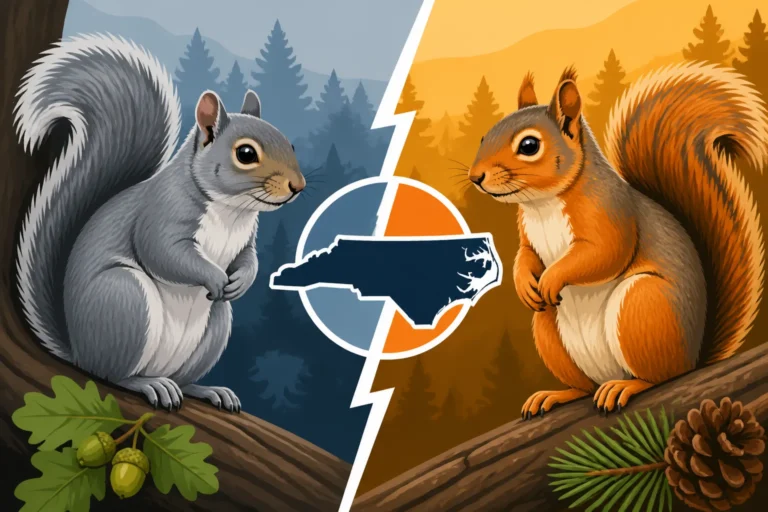
For both gray and fox squirrels in North Carolina, the single most important factor influencing their population size and health is the annual mast crop. "Mast" refers to the nuts and seeds produced by hardwood trees, especially oaks (acorns) and hickories. These are the primary food sources for squirrels, particularly going into the fall and winter months.
- Boom and Bust Cycles: If North Carolina experiences a bumper crop of acorns and hickory nuts, squirrels have abundant food. This allows females to be in excellent condition, often leading to larger and more frequent litters of young. More young squirrels survive their first winter, and the population booms. Conversely, a poor mast year – a "bust" – can mean fewer resources, leading to smaller litters, higher mortality rates among young squirrels, and even adult squirrels struggling to survive the winter. These boom-and-bust cycles are natural and can be quite pronounced from year to year, region to region. This is why a successful Squirrel Hunting a North Carolina Oak Ridge often depends heavily on scouting for mast.
- Impact on Reproduction: The quality and quantity of mast directly influence the reproductive success of squirrels. During a lean year, squirrels might have only one litter, or even none, and those litters will likely be smaller. In a banner mast year, squirrels might have two litters, or even three, throughout the breeding season, leading to a noticeable increase in overall numbers by the time hunting season rolls around.
Habitat Health and Connectivity
Beyond just the food, the overall health and connectivity of squirrel habitat play a crucial role. North Carolina boasts a diverse range of forest types, from the ancient hardwoods of the mountains to the bottomland swamps of the Coastal Plain and the mixed pine-hardwood forests of the Piedmont.
- Mature Hardwood Forests: Squirrels thrive in mature hardwood forests, particularly those with a diverse mix of oak and hickory species. These forests provide not only food but also critical denning sites – tree cavities in older trees are essential for shelter from predators and harsh weather, and for raising young.
- Forest Fragmentation: As North Carolina continues to develop, forest fragmentation can impact squirrel populations. Large, continuous blocks of habitat are generally better than smaller, isolated patches. Fragmented habitats can lead to smaller, less genetically diverse populations that are more vulnerable to local extinctions or disease outbreaks.
- Bottomland Hardwoods: In areas like the Coastal Plain, Squirrel Hunting North Carolina Bottomland Hardwoods can be incredibly productive, as these rich ecosystems often provide consistent mast crops and plenty of denning trees, especially along creek bottoms and river drainages.
Predation and Disease
Like all wildlife, squirrels are part of a larger ecosystem and are subject to predation and disease. Hawks, owls, foxes, bobcats, and snakes all prey on squirrels. While these predators rarely decimate an entire population, they do play a role in natural selection and keeping populations in check.
Diseases and parasites can also affect squirrel numbers, though widespread epidemics are less common than in some other species. Observing sick or lethargic squirrels can sometimes be an indicator of a localized issue, but generally, a healthy, diverse habitat and strong mast crops are the best defense against major disease impacts.
How Hunters Gauge Success
Since specific harvest numbers aren't readily available for North Carolina squirrels, hunters rely on a combination of personal experience, local observations, and anecdotal evidence to gauge population health and their own success. It’s a bit more "boots on the ground" than looking at a data sheet, but it’s often just as effective for planning your hunts.
Personal Observation and Scout Reports
The most reliable way for a squirrel hunter to assess the population is through direct observation. This involves diligent scouting before and during the season.
- Pre-Season Scouting: Before North Carolina Squirrel Season Opening Day, spend time walking the woods you plan to hunt. Look for signs of squirrel activity:
- Cut Nuts: This is perhaps the most obvious sign. Find a mature oak or hickory tree, especially one that dropped a good mast crop, and look for small pieces of chewed-up nut shells at the base. The fresher the cuttings, the more recent the squirrel activity. Reading Cuttings Under an Oak can tell you a lot about current feeding patterns.
- Drey Nests: These are messy balls of leaves and twigs high in trees. While not as precise as cut nuts (some can be old), a large number of active-looking dreys in an area suggests a good population.
- Sightings: Simply seeing squirrels moving through the canopy, foraging on the ground, or running along limbs is the clearest indicator. Note the number of squirrels you see and their general health and size.
- In-Season Observations: Pay attention during your hunts. Are you seeing consistent activity? Are the squirrels large and healthy-looking? Are you hearing plenty of barking and chirping? A quiet woods often means fewer squirrels, regardless of the mast. Tools like GoHunt can help you mark these observations on your maps, creating a historical record of productive areas.
Comparing Year to Year
Experienced squirrel hunters often keep a mental (or even written) log of their success year after year in specific spots. They might not be tracking exact numbers of squirrels killed statewide, but they definitely know if a particular block of hardwoods produced fewer squirrels than last season or if a new area is suddenly brimming with activity.
- "Good Years" vs. "Bad Years": Hunters will talk about "good squirrel years" where populations seemed abundant and "bad years" where squirrels were scarce. These conversations, shared among hunting buddies and at local general stores, often reflect the impact of mast crop failures or successes in a given region. A hunter might notice a decline in the number of squirrels seen or harvested in their favorite spot and then attribute it to a poor acorn crop the previous fall.
- Bag Limits as an Indicator: While not a "harvest number," knowing the daily bag limit for squirrels in North Carolina (which is currently 8 per day, in aggregate, for gray and fox squirrels) and how often you're able to reach that limit can be a personal measure of success and population health. If you're consistently bagging your limit, or close to it, it suggests a healthy local population.
| Factor | Impact on Squirrel Population | Hunter Observation of Impact |
|---|---|---|
| Abundant Mast Crop | Higher reproduction, better survival | More visible squirrels, active cuttings, good body condition |
| Poor Mast Crop | Lower reproduction, higher mortality | Fewer squirrels seen, less cutting activity, potentially smaller/skinnier squirrels |
| Mature Hardwood Habitat | Provides food and den sites | Consistent squirrel sightings, active dreys, good feeding |
| Habitat Fragmentation | Limits movement, reduces resources | Patchy squirrel distribution, fewer overall sightings |
| Mild Winter | Better survival | Higher carryover of young into next season |
| Severe Winter | Increased mortality | Noticeable decline in population the following season |
| Predation (Normal) | Healthy ecosystem balance | No significant observable impact on huntable numbers |
| Predation (Localized High) | Can reduce local numbers | Fewer squirrels in specific, smaller areas |
Maximizing Your North Carolina Squirrel Harvest
Since understanding general population trends for squirrels requires a more observational approach, focusing on tactics that help you locate and successfully harvest these agile tree-dwellers becomes even more critical. It’s all about working smarter in the woods.
Scout for Food Sources and Cover
The most important pre-hunt activity for squirrels is scouting for their current food source. Squirrels are creatures of habit, and their habits are dictated by what's available to eat.
- Focus on Mast: Before the season opens, and even early in the season, walk the woods and look for oak trees, hickory trees, and beech trees dropping nuts. Not all trees produce every year, so finding the "hot" trees is key. Fresh cuttings on the ground indicate active feeding. Don't just look for acorns; consider smaller nuts like beechnuts and even pine seeds in certain areas. This is where a good scouting app can come in handy; GoHunt, for example, allows you to mark specific trees or groves where you've observed heavy mast production, helping you return to those hotspots.
- Locate Den Trees: Beyond food, squirrels need shelter. Look for mature trees with cavities or old, large nests (dreys) in the crooks of branches. These are where squirrels will retreat to escape predators or bad weather, and often where they'll hang out before venturing out to feed. Setting up quietly near these den trees, especially during prime feeding times (early morning and late afternoon), can be highly productive.
Timing Your Hunt and Patience
Squirrels are most active during specific times of the day, and patience is always a virtue when hunting them.
- Prime Times: The first few hours after sunrise and the last couple of hours before sunset are generally the best. Squirrels are like us; they get up, look for breakfast, might take a mid-day snooze, then head out for dinner before bedding down. During these peak activity periods, they'll be on the ground foraging or moving through the canopy.
- Still Hunting vs. Sitting: You can either "still hunt" by moving very slowly and quietly through the woods, stopping frequently to scan the trees and listen, or you can pick a good spot near active feeding trees or den trees and sit patiently. Often, a combination works best. Move slowly, stop for 10-15 minutes, then move again. Look for movement, not just the whole squirrel. A twitching tail, a flash of gray, or a quick rustle of leaves can give them away.
- Using a Squirrel Call: While not as common as turkey calls, specialized squirrel calls can be effective. Barking calls can sometimes provoke a territorial response, making a squirrel reveal its location. Chatter calls can mimic feeding squirrels, making shy ones feel safer to emerge. Remember, Grunt Calls in Mature North Carolina Timber might work for deer, but you'll need a different set of calls for squirrels!
Equipment and Safety
While squirrel hunting doesn't require specialized heavy gear, a few items can improve your experience and safety.
- Firearm Choice: Most squirrel hunters use a .22 caliber rifle or a small-gauge shotgun (like a .410 or 20 gauge). A .22 rifle offers precision and quietness, perfect for headshots that preserve meat. A shotgun provides a wider pattern, which can be useful for fast-moving squirrels in thick canopy.
- Optics: A good pair of binoculars (8x or 10x magnification) is invaluable for spotting squirrels high in the canopy, especially when they're staying still. A scope on your .22 rifle can also significantly improve accuracy.
- Blaze Orange: Even for small game, safety is paramount. North Carolina has specific North Carolina Blaze Orange Requirements that dictate how much blaze orange you need to wear, especially on public lands during open gun seasons for other species. Always check the regulations for the specific area and time you plan to hunt.
- Carry a small pack: Bring water, a snack, a small knife, and a game bag to carry your harvest. A good map or a GPS app (like GoHunt's mapping features) can help you stay oriented, especially in larger public land tracts. Knowing North Carolina Small Game Season Rules is also vital before you head out.
The joy of squirrel hunting in North Carolina is often found in the simplicity of it – a quiet walk in the woods, honing your observational skills, and connecting with nature. While precise harvest numbers might not be available, paying attention to the details and understanding the dynamics of these lively creatures will greatly enhance your success and enjoyment each season.
Disclaimer
This article is for general informational purposes only and does not constitute professional advice. Laws, prices and regulations vary by location and change over time. Consult a qualified professional for guidance on your specific situation.